
All Green, no Black for X5
/Diesel, the life blood of all previous generations of BMW’s strongly-supported SUV, has no place in the new model.
ARRIVAL of the next generation of the BMW X5 will go without a fuel that’s been a life blood since the nameplate rolled out here 25 years ago.
Diesel not getting a local look in for the fifth-generation on Munich’s first, and still most important, SUV was not explained in a media share today.
While a six-cylinder turbodiesel with 48 volt assist is still being built by the factory, local tastes will at least initially calibrate to a plug-in hybrid petrol and a first-ever fully electric edition.
Those pathfinder models are the $174,900 X5 50e xDrive plug-in hybrid and the $182,900 iX5 60 xDrive.
The petrol-wed, electric-assisted type involves a 3.0-litre straight six petrol engine with electric motors, with combined outputs of 360kW and 700Nm,, an eight-speed automatic, all-wheel drive and a 26.5kWh battery pack. Combined economy of 5.2L/100km and a pure electric range of 92–102km on the WLTP cycle is cited.
The electric-wed variant has dual motors with 425kW and 805Nm and professes a range of 845m, making it the longest-range EV yet sold here. However, that figure from BMW regional headquarters in Melbourne is at odds with less alluring data out of Munich.
The battery is also the largest yet seen in an EV here, with 141kWh capacity. It has a peak DC charging speed of 460kW. Ten minutes of ‘high power charging’ can add 350km worth of charge. A 0-100kmh time of 4.6 seconds is cited.
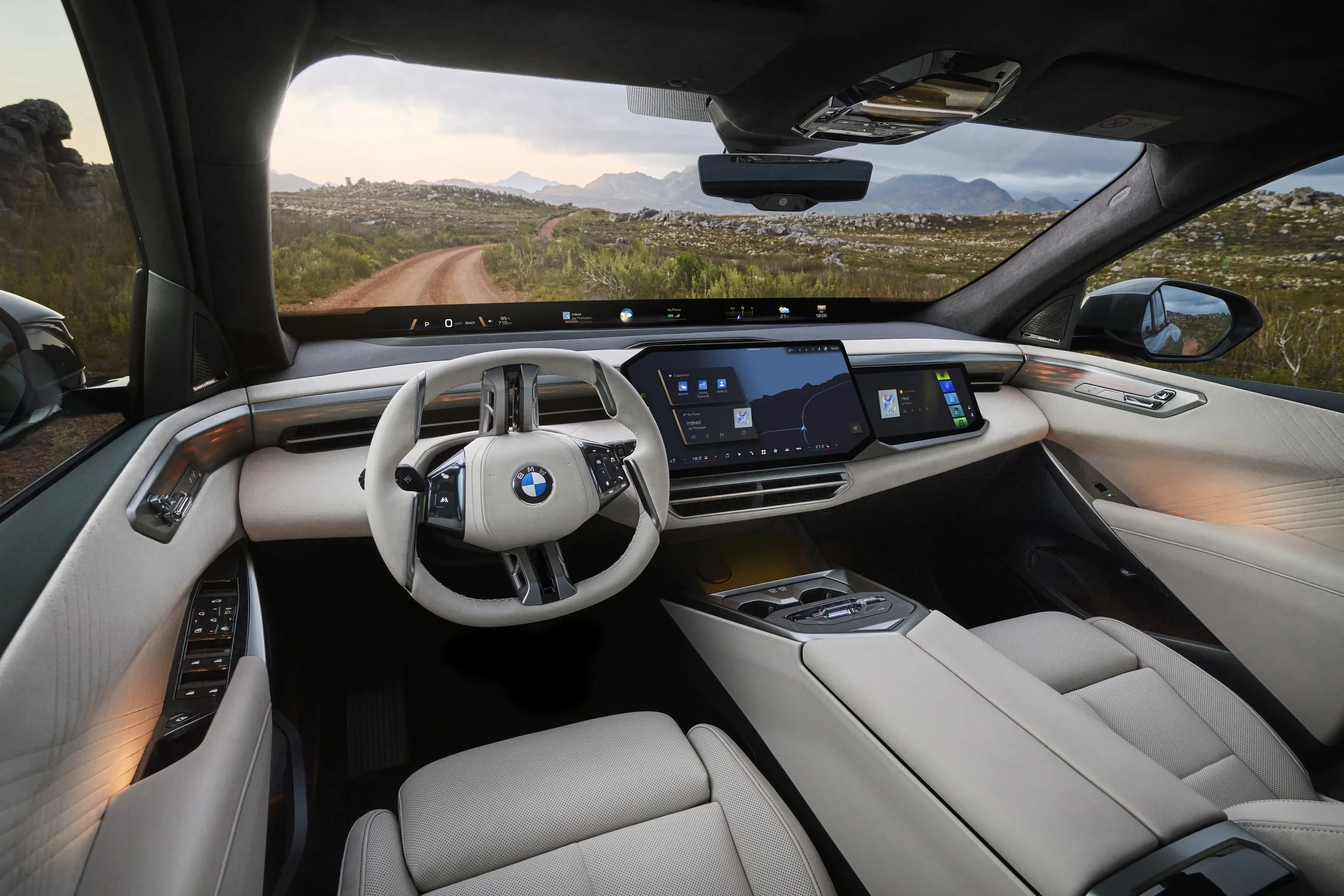
Both models have both trims BMW’s 3D head-up display, its ‘Panoramic Vision’ digital instrument cluster, a passenger screen, an 18-speaker Bowers & Wilkins sound system, a power tailgate, parking assist, ambient lighting, a panoramic sunroof and heated, cooled and massage function front seats. They ride on 21 inch rims and have the M Sport package and M Sport brakes.
Optional extras include BMW’s Comfort Package and M Sport Pro package, respectively priced at $2300 and $3600.
The first implements heated armrests in the doors, a heated centre console armrest, heated back seats, four-zone climate control, and rear roller sunblinds. M-Sport Pro delivers red or blue brake calipers, M seat belts, an M steering wheel and an M Shadowline glass kidney grille.
Other options include adaptive chassis control for $7000, which adds BMW’s adaptive -axle air suspension and rear axle steering set-up. Black, Copper Brown and Silverstone II interior hues are no-cost choices; Vintage Coffee leather adds $8300.
There are also six different wheel options, and nine colour choices, with just Alpine White avoiding a premium.
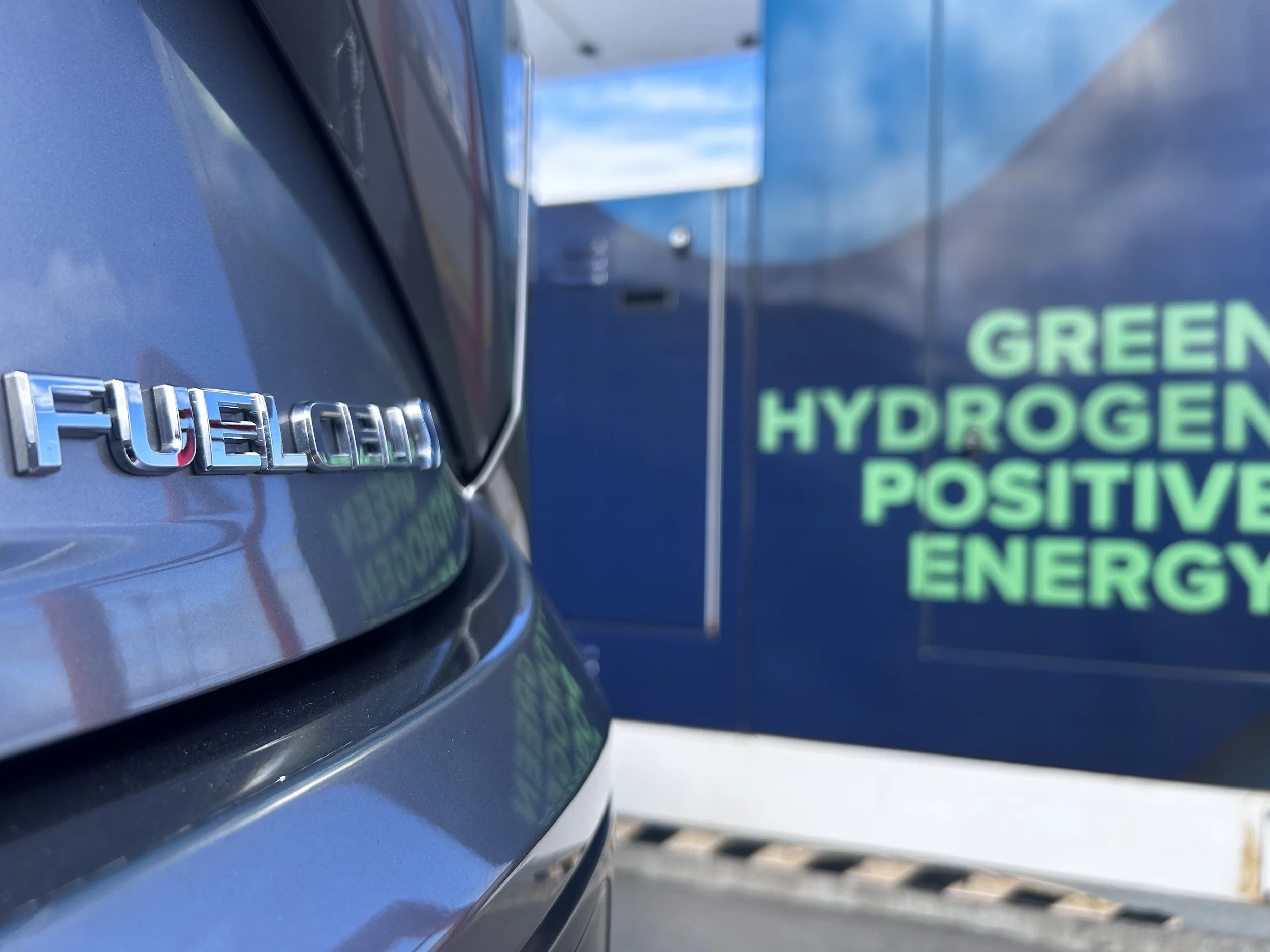
Unsurprisingly very close to the iX3 in respect its styling - but with the added embellishment of double sets of x-shaped lights - the latest line will also eventually come out in a hydrogen fuel-cell versions, using Toyota-supplied hardware.
All editions continue to come from BMW’s factory in Spartanburg, the United States.
The outgoing X5 family cars range from $174,000 for a 3.0-litre diesel through to $249,400 for an X5 M.
Insofar as the electric plan goes, the iX5 eDrive 60 is only version Germany is talking about for now, though other battery-pure versions are clearly also planned.
This uses BMW's sixth-generation 'eDrive' technology, with an electric motor on each axle for all-wheel drive.
The diesel X5 that has not been mentioned for local use is the 40d xDrive, which uses a six-cylinder in-line engine and 48-volt mild-hybrid system. BMW quotes 233kW, 670Nm and a 0-100kmh in 6.1 seconds.
Also in mains-replenished hybrid, but apparently not on local books, is the X5 M60e xDrive, a so-called M Performance car, putting out 456kW and 800Nm. It has an official electric range of 81-98km and accelerates from 0-100kmh in 4.5 seconds.
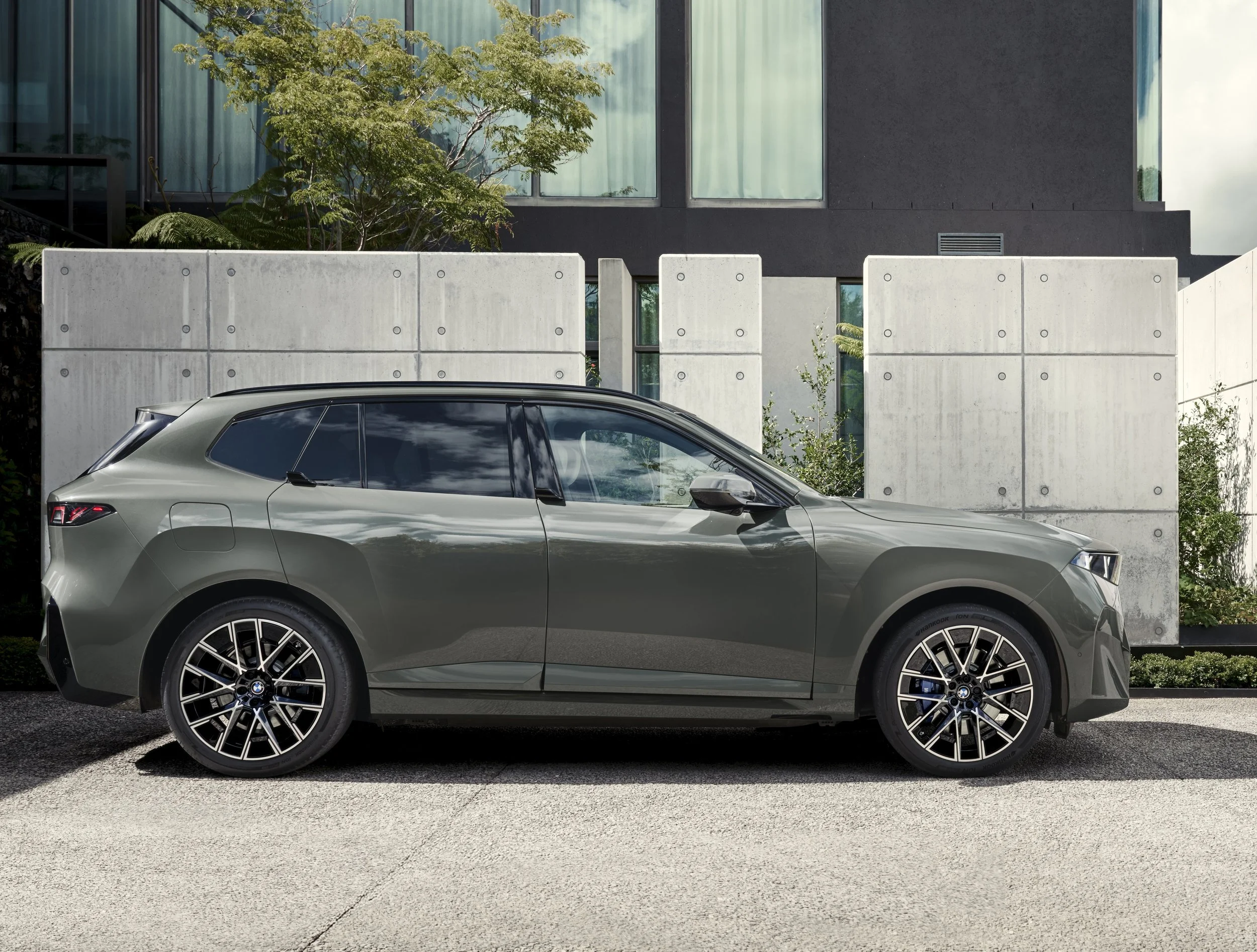
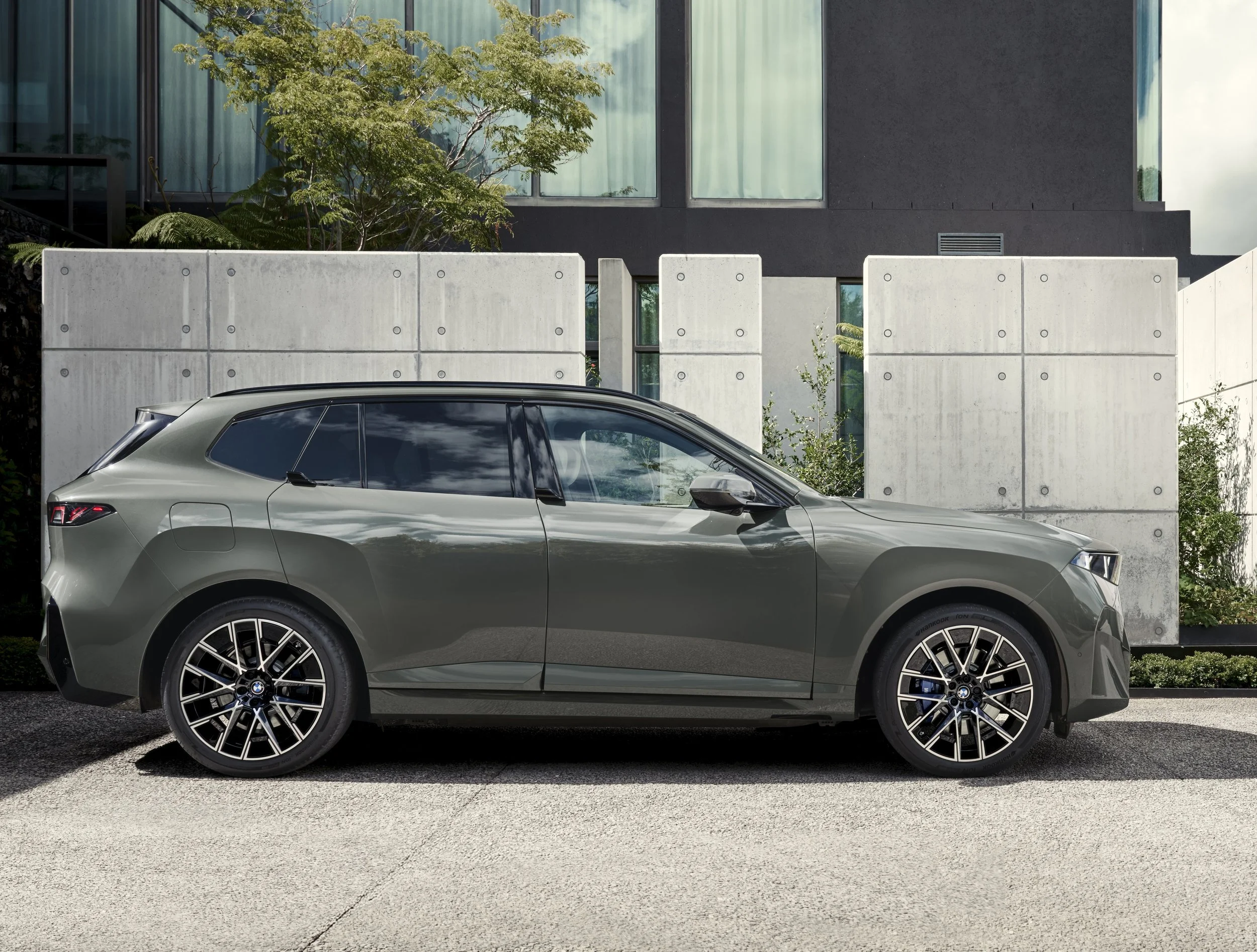
The overall design is described by BMW as being more monolithic, with less adornment and a more vertical front than before. The X5's door handles are different, in that they take the form of aerodynamic 'Winglets' at the same level as the side glass.
At the rear, the X5 uses slim LED lights stretching across much of the tailgate to emphasise the car's width. Again, they’re similar to what's on the iX3.
There's no mention of the seven-seat layout of old, so assumption is that it’s gone back to being a pure five chair car, with generous space in the cabin and the boot, though the capacity of the latter varies depending on the model.
The iX5 accommodates up to 655 litres’ luggage with all seats in use whereas the plug-in hybrid can accept 525 litres.
New to X5 are automatic doors, which electrically open at the smallest touch of the winglets. Ir even before. When using Digital Key Plus the owner can set the car up so their door opens automatically as they approach.
An option allows the doors to close when the driver puts a foot on the brake pedal. Soft Close doors is included across the range. Also standard is the panoramic glass roof with an opening section and '2.5-zone' climate control. The BMW iX5 has a heat pump.
The control layout is, of course all by screen. The core system is BMW Panoramic iDrive, running BMW Operating System X with the BMW Intelligent Personal Assistant using extended AI technology.
As per the iX3 and next year’s i3, the set-up includes Panoramic Vision (a strip running across the full base of the windscreen), along with a 3D head-up display, a 17.9-inch touchscreen and an optional passenger-side touchscreen.
The X5 will also be offered with BMW Symbiotic Drive, which is designed to provide assistance matched to the driver's behaviour. The optional Parking Assistant Professional system can include remote-control functions via the My BMW app.
In relating the popularity of X5 in New Zealand, BMW regionally suggested earlier this year more than 80,000 examples are here. It rolled this back when questioned, saying that count was actually relevant to Australia.