
Jaguar 01 - none so bold
/The cat is out of the bag. And it’s certainly all they suggested it would be.
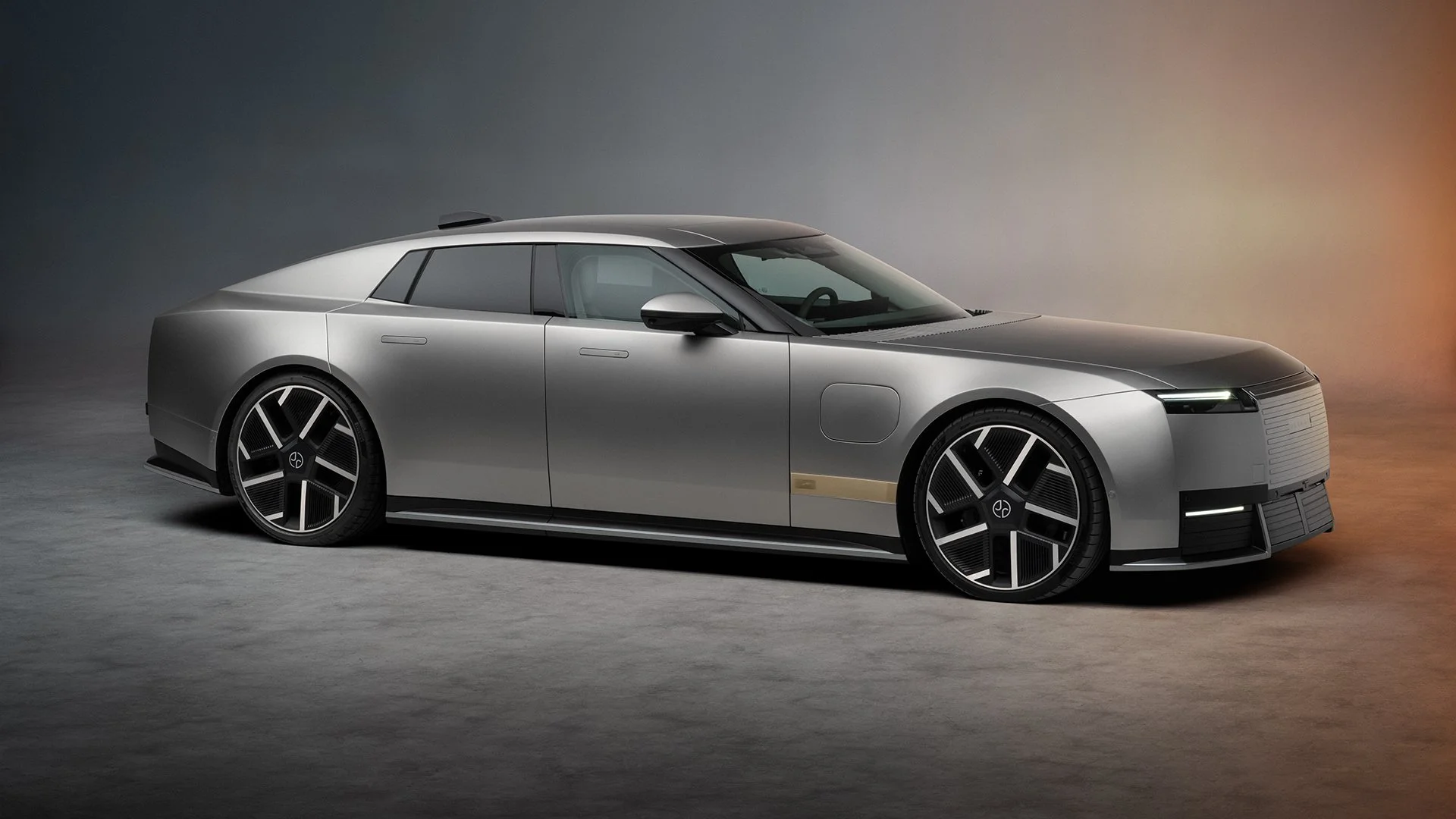
WHERE to start, what to say?
The covers have finally come off the Type 01, Jaguar’s first production car for a new era.
After all the furore following the reinvention of this brand in late 2024 and a highly polarising concept car, the final look of the model that in it’s initial on-sale singularity will surely be a do-or-die for this historic marque is not unexpected.
But, even so…. is a car so unapologetically dramatic what this brand’s customer base wants?
Assuming it still has followers, old or new. With all its previous cars now retired from sale, Jaguar will effectively be in total rebuild mode when this new chapter car comes to New Zealand.
The timing for that, the pricing likely to present, how it will be sold … well, that’s still a mystery. The Kiwi order book opens next year.
Unveiling in New York today reminds that the best chance for this new chapter product, and perhaps the other models that will be launched in the coming years, lays with acceptance by Americans.
With little deviation from the Type 00 concept car that has been around for more than a year, the Type 01 is the most aerodynamic car that Jaguar has ever made and also the most technically advanced too.
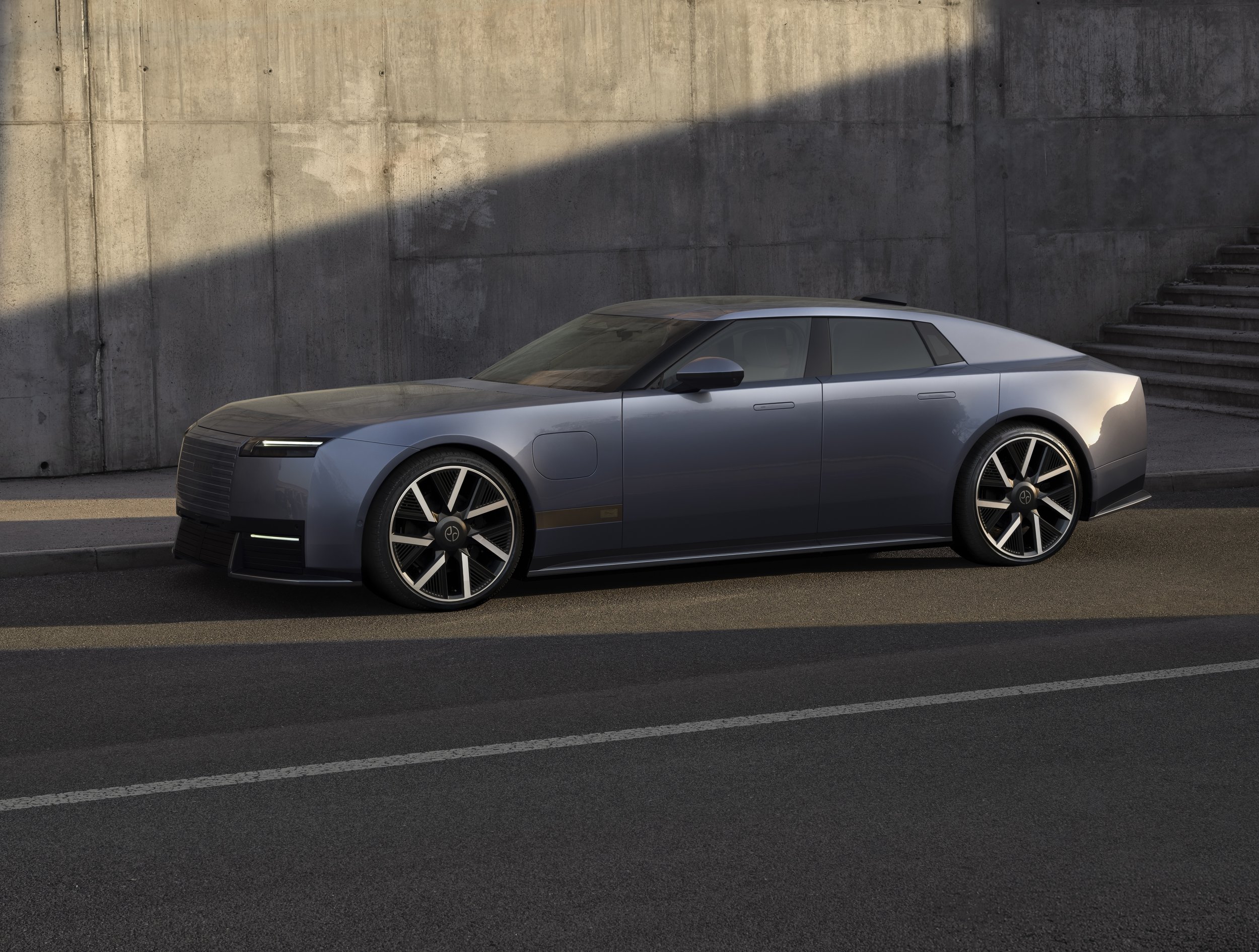
But it’s the look and sheer size of the thing that will primarily captivate. Stretching to just over 5.2 metres long, the Type 01 features a short overhang at the front, with a sheer nose that is certain to make it one of the most easily recognisable cars on the road.
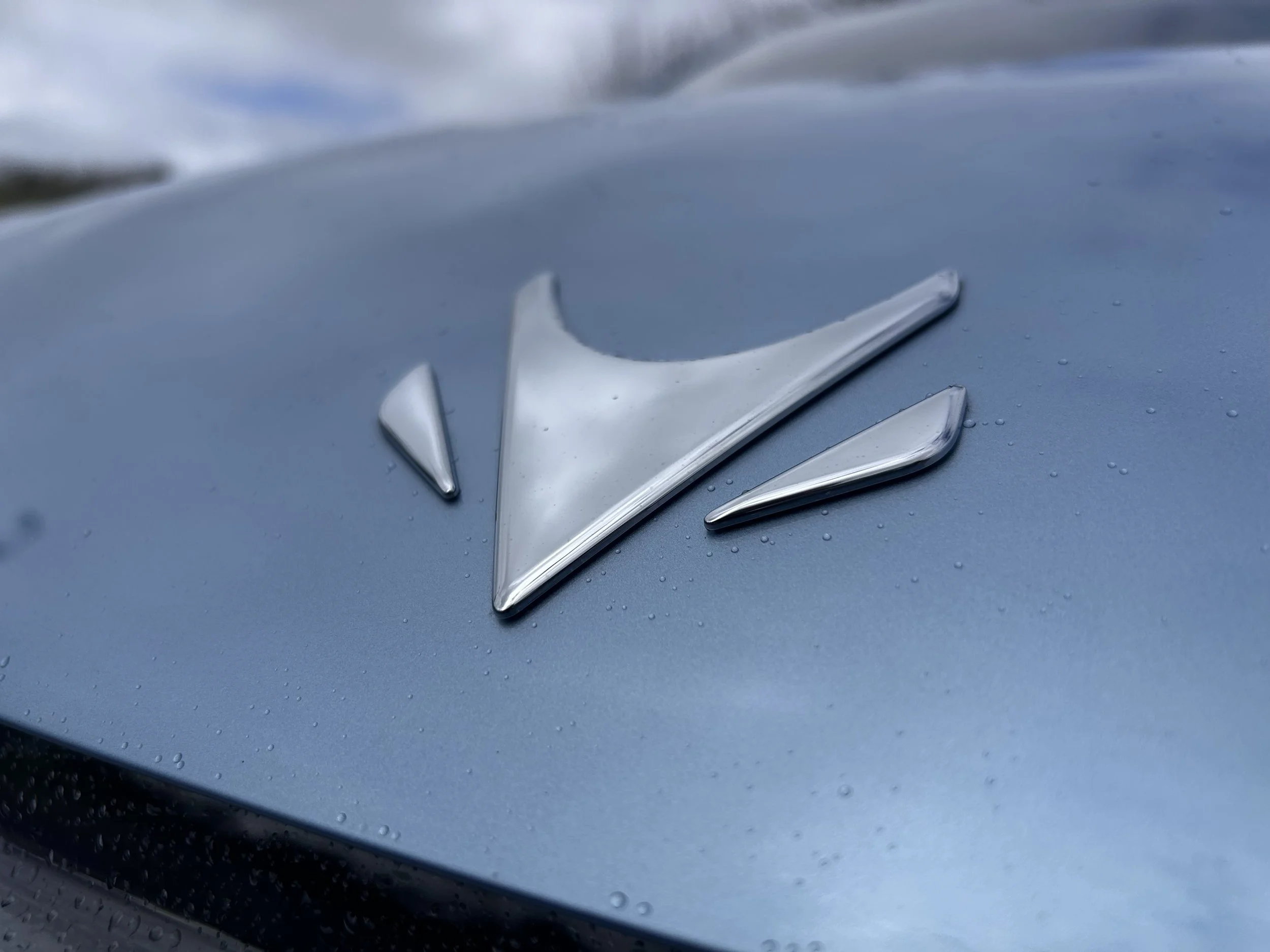
The front is made up almost entirely of vertical and horizontal lines. The centre, which carries the new Jaguar wordmark, isn’t on a grille. This is all part of a design theme, which Jaguar designers call ‘Strikethrough’, pervading the whole car.
Its main headlights are the thinnest ever fitted to a Jaguar, measuring 84mm in height, and each unit contains 20,000 LEDs that are individually controlled to dynamically shade other vehicles on the move. Active air shutters in the lowest part of the front bumper control airflow into the car’s cooling system as required.
Underneath the bonnet there is some service stowage, enough for an emergency kit, little else. A unique front crash structure was developed that enabled Jaguar’s engineers to position some of the battery cells ahead of the front bulkhead, for example.
The wheelbase is three metres and, perhaps most impressively, despite a massive battery within the floor, the Type 01 stands at only 1.4 metres tall. Were two of the car’s 23-inch wheels stacked on top of each other, the roofline would be lower.
Developing the chassis to accommodate the air suspension and make it capable of providing enough vertical wheel travel was a big challenge, Jaguar has acknowledged.
Charge ports are located on both flanks, but the all-important DC inlet is on the right side.
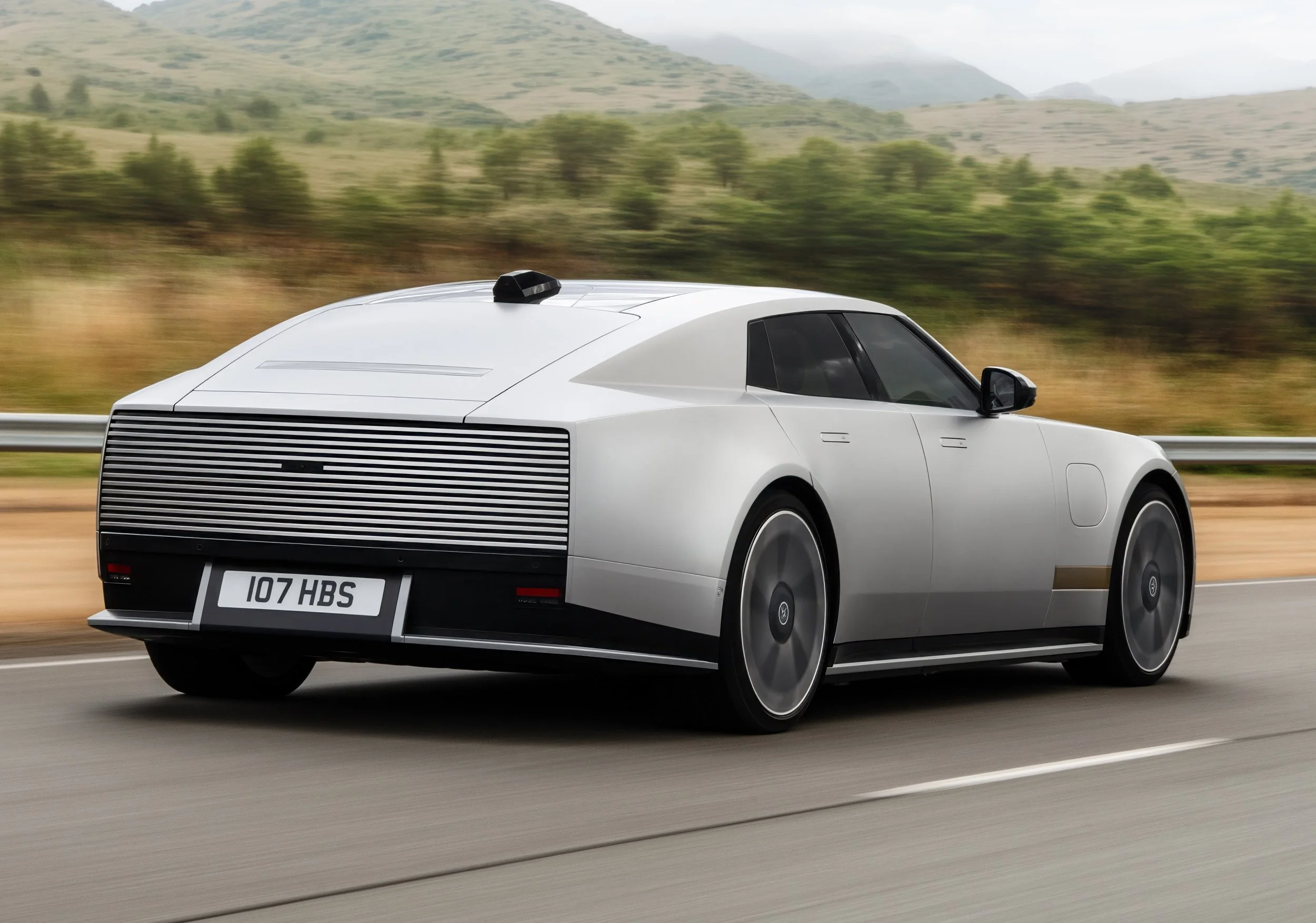
A single three-metre-long part of the body structure starting at the top of the A-pillars and continuing through the C-pillars and into the top of the rear wing is what Jaguar’s engineers took to calling the ‘impossible panel’. That’s because it is the most complex pressing the company has ever produced.
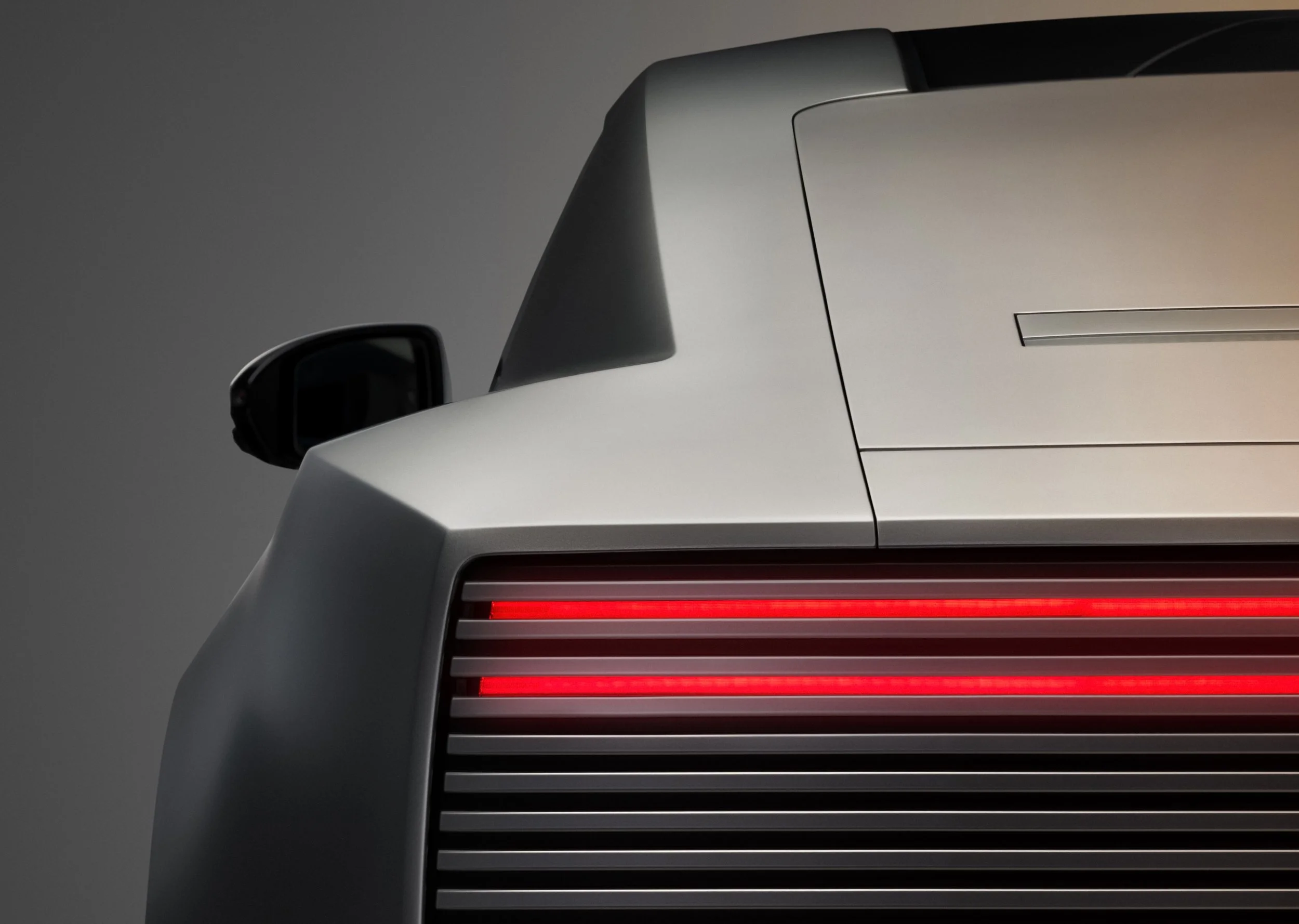
The doors have a clean design, including flush-fitting door handles. The window apertures are narrow, especially at the rear. At the back, it’s gone all Polestar with no glass at all. So the rear view is by camera. The liftback features a built-in spoiler that deploys in three stages as speed increases.
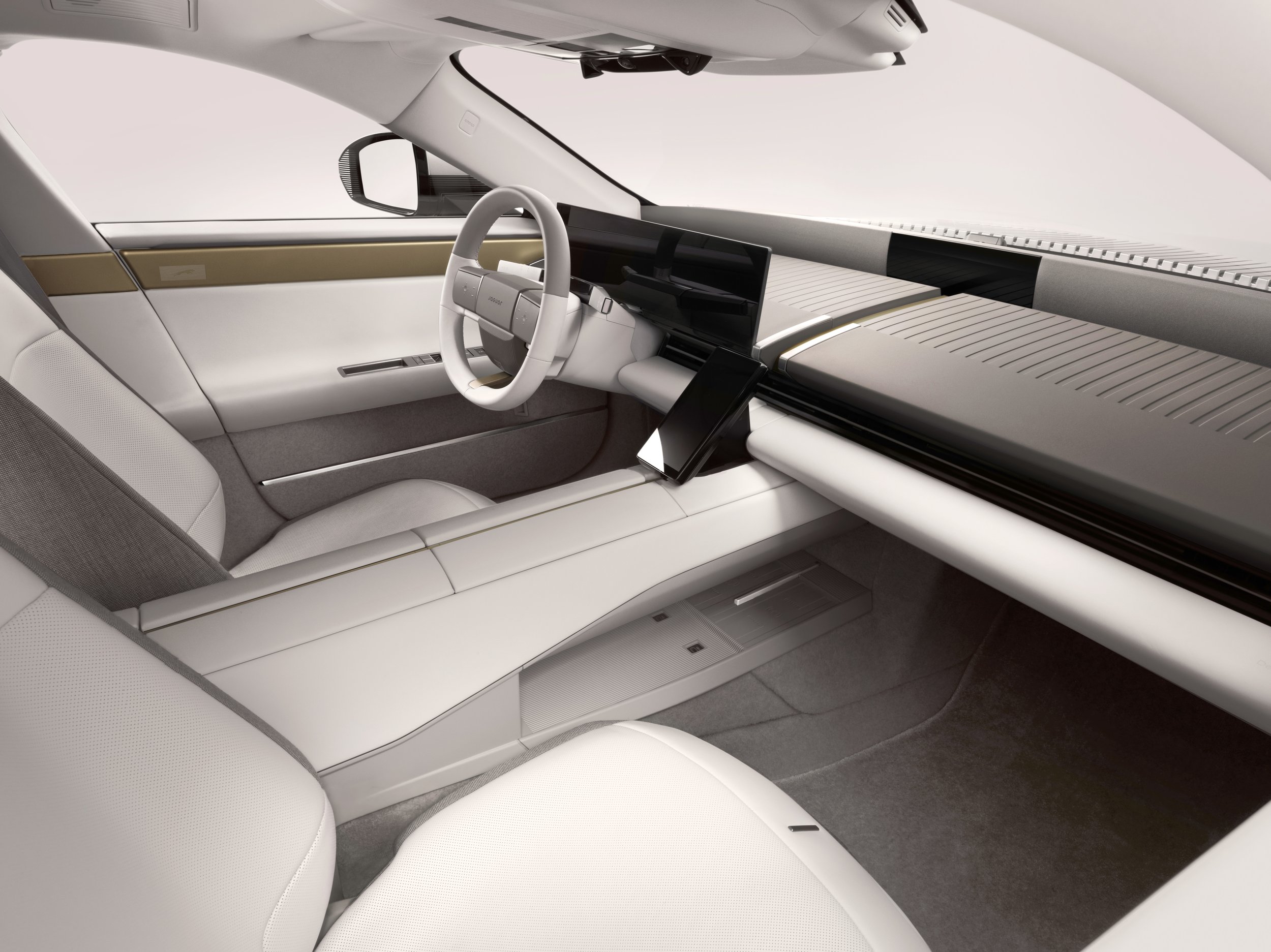
The Type 01’s cabin couldn’t be further removed from the traditional leather-and-wood interiors of the past. It’s all sharp lines, clean surfaces and materials that are hoped to usher in a new style of premium luxury.
The strikethrough element extends from the outer section of the bonnet, below the windscreen, into the top of the dashboard.
The two-spoke steering wheel features an almost metallic finish to the multifunction areas, and the controls are backlit, only becoming visible when the car is active.
Behind that is a 24-inch OLED display that combines the driving information, infotainment and even lighting controls via a touch interface on the driver’s side closest to the A-pillar.
With the car being as hunkered as it is, screen are set low. A smaller portrait-style tablet is at the top of the spine that runs through the car’s centre. This touch display is for controlling the climate settings, some mirror controls, the heated steering wheel and media volume.
There is no bulkhead between the rear seats and the boot space, which comes to 450-litres, though folding the rest seats doubles that. The rear seating area looks to be snug.