
Outback bulks up in size and price
/Wilderness keeps turbo vibe going, but uniform $5000 increase pushes model into new sticker territory.
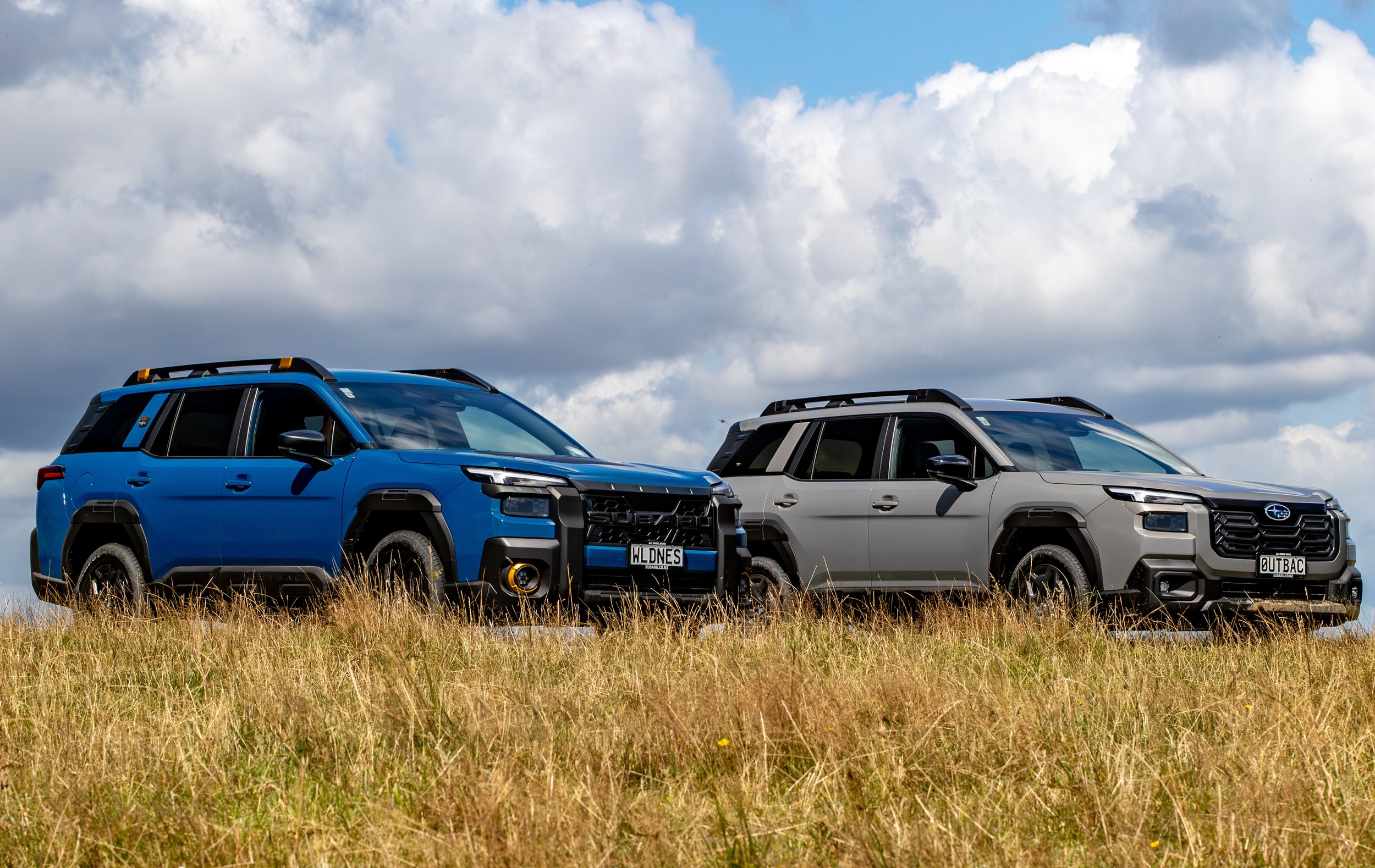
BUTCH-looking Wilderness editions standing as pricier turbocharged adjuncts to new formats of normally-aspirated versions.
That’s the product plan for the new Outback, revealed now but not coming on sale until July.
With a new beefier new look comes a price realignment.
Every version moves up the spending scale, to point where for the first time this model ventures into the $70,000-plus price band.
The plan for a model that has been crucial to Subaru New Zealand for years has now been fully laid out by regional distributor Inchcape.
Five editions are incoming, their new body sitting atop carryover 2.5-litre normally-aspirated and 2.4-litre turbocharged drivetrains and continuing with familiar tech within.
When full recommended retails apply, the previous line, which remains on runout, started at $49,990 and peaked out at $69,990.
The new types span from $54,990 to $74,990.
The biggest spend item is the Wilderness edition. A concept that has previously restricted to North America lands in $69,990 AWD Wilderness entry as well as the $5000-dearer fully loaded Apex flagship.
These models have the 2.4 turbo, with outputs of 194kW and 382Nm cited. Those are up from the 183kW and 350Nm that came with this engine in the outgoing XT.
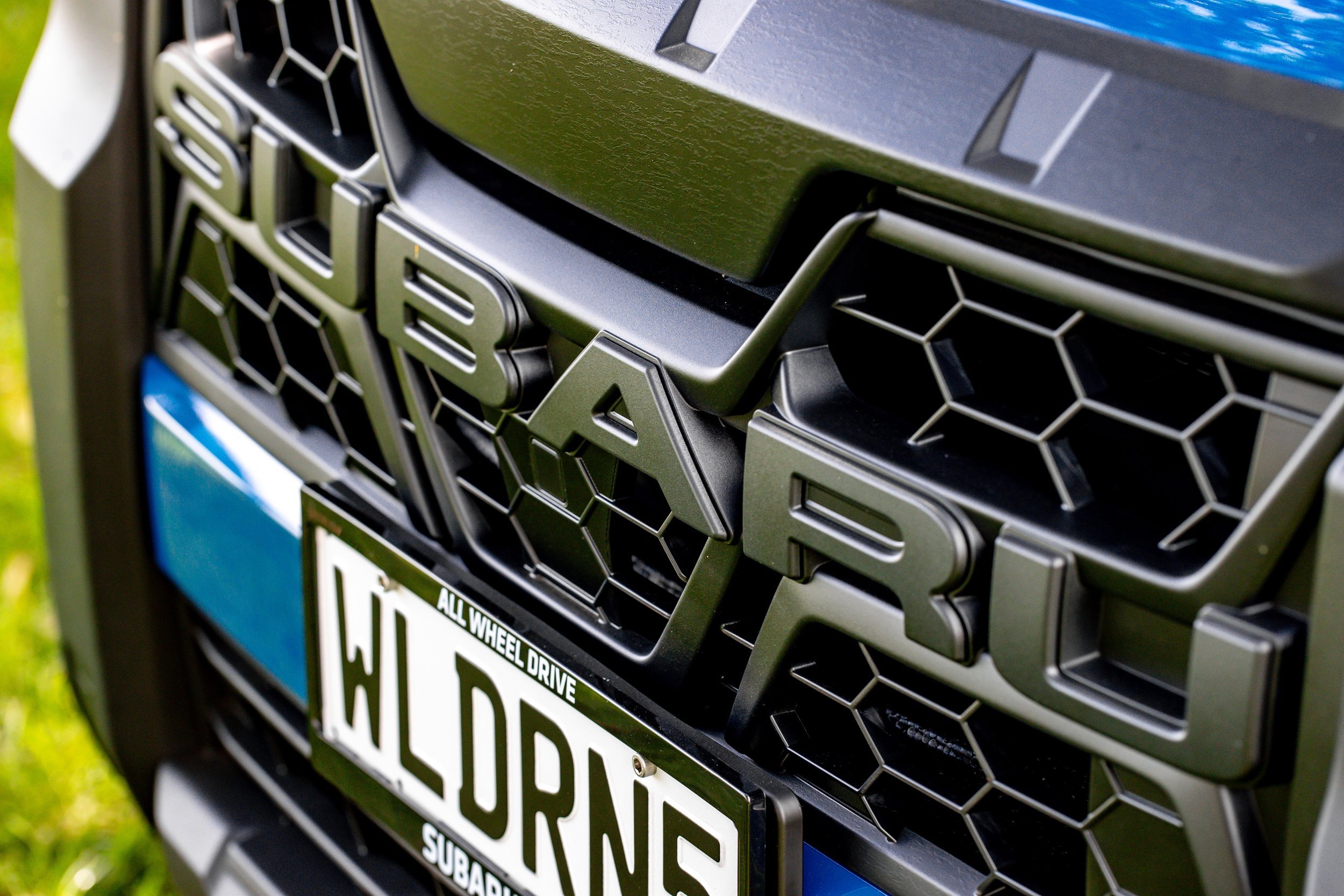
The Wilderness further elevates the already rough terrain-ready ride height, from 220mm to 240mm, and adds more rugged trim choices and a special driving mode to set it apart from the standard wagon, which continues in AWD, AWD Premium and AWD Touring.
The latter are respectively $54,990, $59,990 and $64,990 and stick with the normally-aspirated 2.5-litre, for which 137kW and 254Nm is now claimed. That represents a drop of 1kW and 9Nm over the outgoing engine.
Combined fuel consumption also alters, at 8.1 litres per 100 kilometres for the 2.5-litre, from 7.3L/100km, and 9.7L/100km for the 2.4-litre turbo, from 9.0L/100km. The latter is now compatible with 91-octane unleaded fuel, rather than requiring 95-octane or higher.
The Wilderness's braked towing capacity is 2.1 tonne, where the XT was rated at 2.4-tonne limit. The 2.5-litre cars continue to peg at 2000kg.
All engines run through a Lineartronic CVT and, of course, also feature the brand’s signature Symmetrical all-wheel-drive.
Most obviously after six generations of presenting as an elevated station wagon, Outback has gone to a blockier and bigger sports utility style. Subaru has perceived that is what buyers prefer.
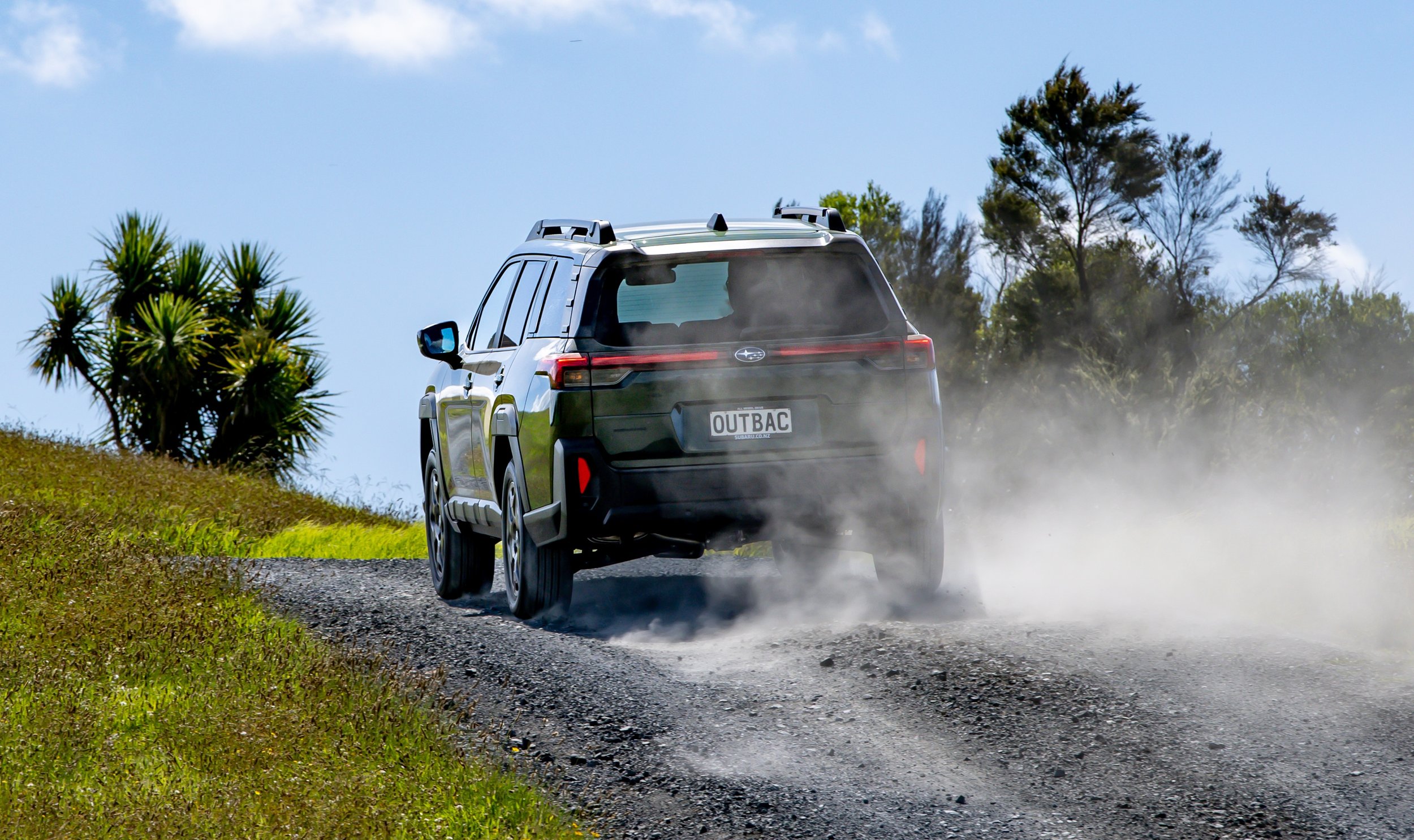
Wilderness grades add electronically controlled dampers linked to its dual-mode X-Mode system, for better off-road capability.
All Outbacks have improved approach and departure angles.
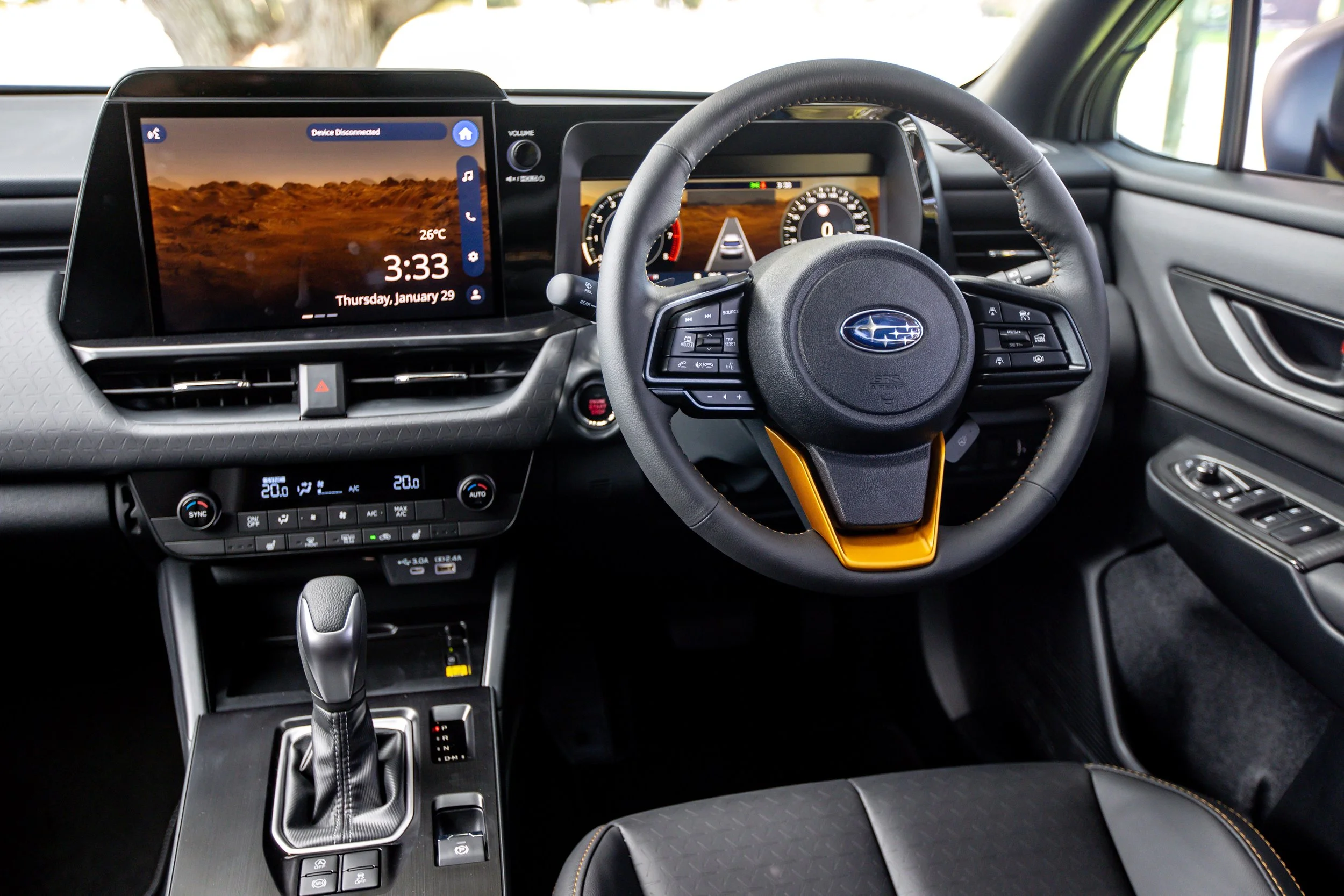
Newly standard equipment includes a larger 12.1-inch infotainment touchscreen – now horizontal, not vertical – with up to 2.5 times faster processing, along with a 12.3-inch digital instrument cluster replacing a 4.2-inch multi-information display and analogue gauges.
The base trim includes 18 inch rims, a full-sized spare, wireless Apple CarPlay and Android Auto, USB-A and USB-C ports (one front, one rear for each), synthetic leather, eight-way power adjust driver’s seat, keyless entry and push-button start, dual zone a/c, electric tailgate, LED steering responsive headlights, nine airbags and the usual full remit of ADAS.
The Premium Outback adds 360-degree camera view, factory sat nav, electric glass sunroof, eight-way adjust lowered front passenger seat, heated front seats and a heated steering wheel.
The Touring further delivers machined wheel design with gloss finish, 12-speaker Harman/Kardon audio system, wireless smartphone charger, enhanced driver monitoring system with automatic driver's seat and side mirror adjustments, active lane-change assist, auto-folding side mirrors with reverse tilt-down (passenger side) and position memory, a uto-dimming rear-view mirror, black or brown Nappa leather upholstery, driver’s seat two-position memory, four-way driver's seat lumbar support, manually-adjustable driver's seat thigh support extender, ventilated front seats and heated rear outboard seats.
The Wilderness entry has dual exhaust pipes, electronic control damper system, dual-mode X-Mode, a glare-reducing bonnet decal, unique LED fog lights, matte-black wheel design, wireless smartphone charger, auto-dimming rear-view mirror, black water-repellent synthetic leather upholstery with Wilderness logo on the front headrests, yellow steering wheel stitching (whereas on some Outback it’s silver), heated steering wheel, heated front seats and heated rear outboard seats. The Apex adds the 360-degree camera view, built-in satellite navigation, 12-speaker Harman/Kardon audio system and an electric glass sunroof.
Despite being the dearest choice, the Apex loses the Outback Touring’s ventilated front seats, active lane-change assist, and driver's seat lumbar support, memory function and thigh support extension and does without the enhanced driver monitoring system with automatic driver's seat and side mirror adjustments.