
EV upsurge too late for key Nissans
/Suddenly electric is hot again … and this brand has no cars in play. Could it re-instate Ariya and u-turn on delaying Leaf?
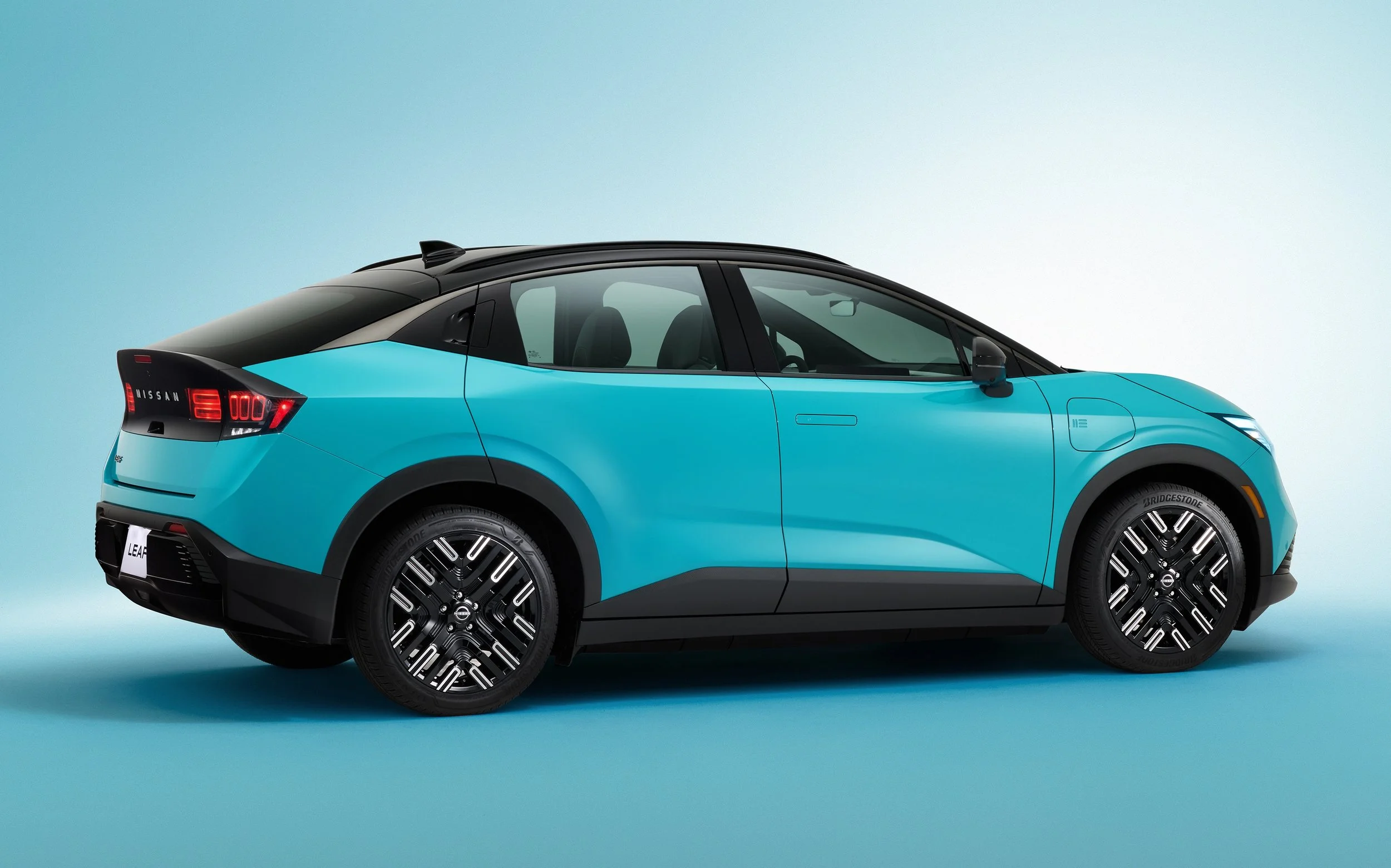
SUDDENLY increased interest in electric vehicles in the wake of surging fuel costs caused by the conflict in the Middle East isn’t enough to cause Nissan to reconsider its decisions to delay the Leaf (above) and drop the Ariya.
Feedback from a spokesman today makes clear that, for better or worse, the die is cast. Whether than means a lost opportunity remains to be seen.
Within the past few days, it’s become clear an increasing count of Kiwis seem to be looking at electric vehicles as fuel prices surge past $3 per litre and seem set to surpass $4 as a national average.
Some new car brands, and certainly used car sellers, have been attesting to a tangible upswing in demand in just the past week.
It’s a trend that, according to some, has become more pronounced since Nissan shared a bombshell about its own divergent plan on March 17.
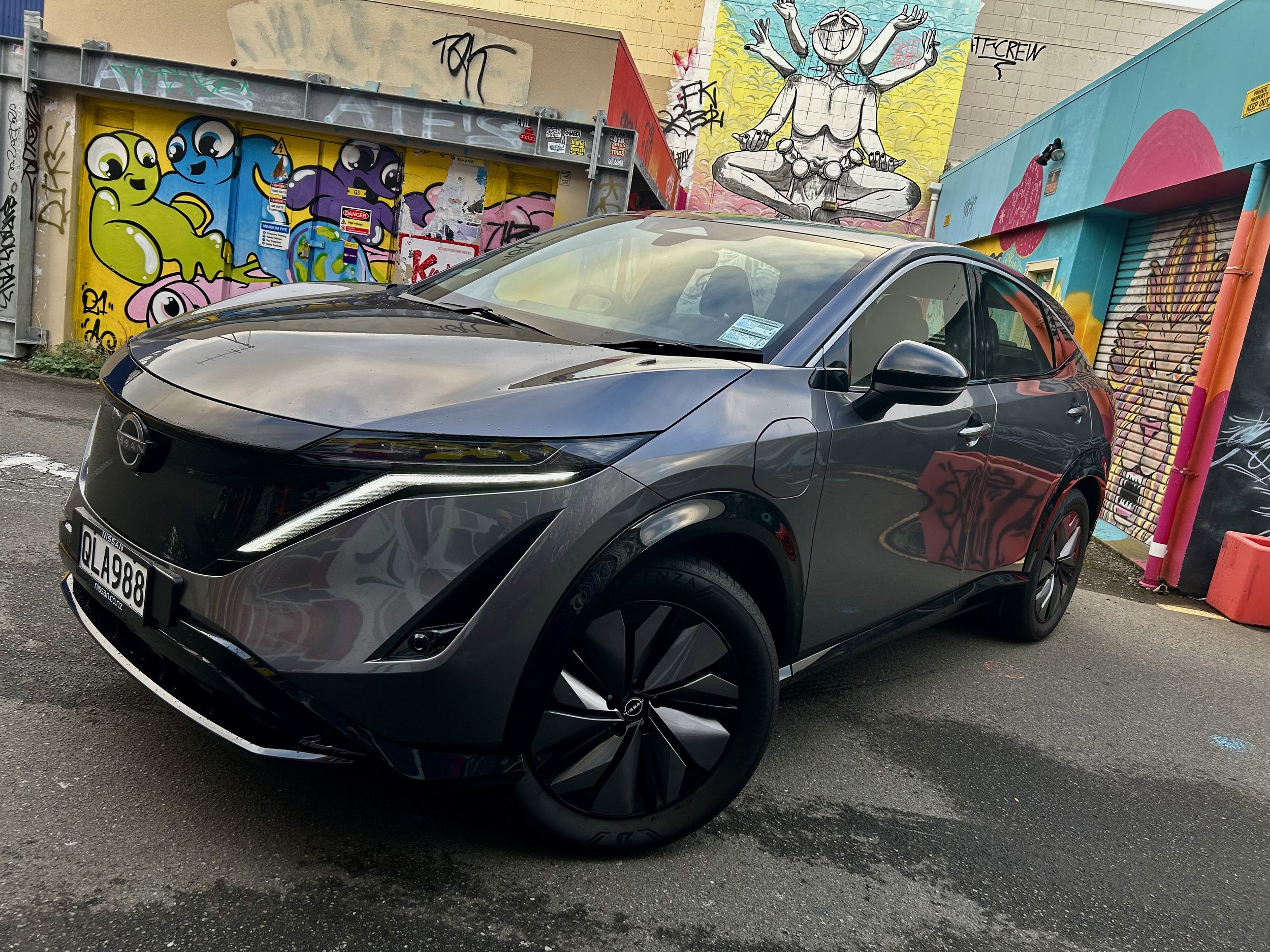
At an event in Australia, departing regional boss Andrew Humberstone relayed that his make won’t have any electric car on offer here once residual stock of the Ariya (below) is cleaned out.
There was thought the mid-size SUV, which has failed to fire in its 14 months of availability - which just 70 registered last year - would be replaced by the all-new Leaf, which is smaller and cheaper though also using a common platform and technology.
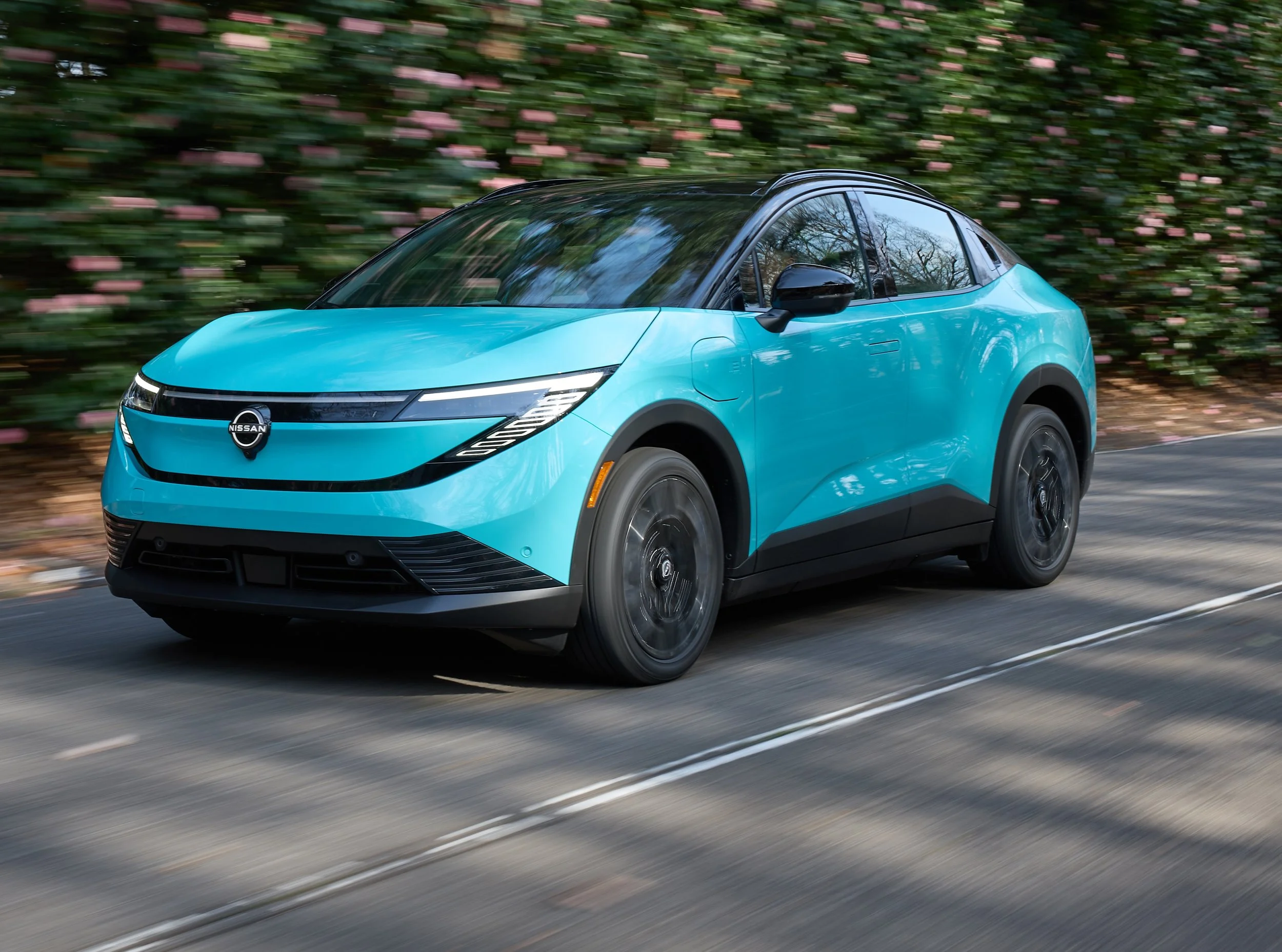
The new third generation of the Leaf was expected to land later this year - but Humberstone reportedly said it is on “indefinite hold” for the New Zealand market.
Media reports relate that decision being determined by the brand being frustrated by the challenges raised in our market in wake of the current National-lead coalition having diluted or destroyed incentives that created a buoyant consumer interest in fully and plug-in electric cars from 2020 through to the end of 2023.
However, rising petrol prices have now triggered new life into a sector that was all but moribund.
Nissan was today asked if it now thought it had acted too hastily and if there was still had opportunity to reconsider the decisions it has made. How easy would it now be to fast-track Leaf or reverse the Ariya decision?
In respect to the first, a spokesman replied : "The decision to indefinitely postpone the next-generation Leaf … followed a detailed reassessment of the business case for this region.
“Our planning is guided by long-term market trends, while continuing to monitor evolving global and economic conditions.
“The decision reflects local market dynamics and does not indicate any lack of confidence in the Leaf itself, which remains a core part of Nissan’s global electrification strategy.”
He said Nissan regionally was set on continuing “to closely monitor market developments and assess opportunities for EV introduction going forward.”
As for how easy it might be to re-jig those decisions? In a nutshell, “not so much.”
Said the spokesman: “Product introduction timelines are complex and involve a range of factors, including supply, homologation, specification alignment, and overall business viability for our local market.
“While we retain flexibility in our future planning, there are currently no plans to revisit previous decisions regarding Ariya for New Zealand or to adjust the recent announcement on the postponement of Leaf.
“That said, we continue to actively evaluate our electrification strategy for the region and will consider future opportunities as market conditions evolve.”
New Leaf is a massive step-up for the last.
Dropping the previous hatchback format for a sports utility styling, the car adopts a much more advanced electric powertrain and improved battery cooling and management, leapfrogging the capabilities of the model it replaces, notably for performance and range.
Nissan Japan has previously suggested it is their most important new car of the period.
The nameplate also stands as NZ’s most popular EV, with 25,870 here, but that in itself likely lends no impetus for introduction of the new, as 24,410 of those are ex-Japan used imports.
Nissan is busy launching the new Navara utility at the moment, but otherwise it’s only other potential impending product is the Chinese-built Frontier Pro plug-in hybrid ute, a competitor for the BYD Shark 6, Ford Range PHEV and GWM Cannon Alpha. An announcement on that vehicle is close.
Last week the name also made clear it will not continue with two other sports utilities, the compact Juke that comes from the United Kingdom and the Pathfinder, which has come from the United States.
Conversely, Nissan’s decision comes as a bigger player in the EV sector, Kia NZ, has announced an incentive programme for two electric cars that have also had stodgy sales runs, but might also benefit from the current uncertainty about the economic climate and fuel prices.
An ‘ownership programme’ for its EV3 and EV5 models kicking off on April 1and running until end of June centres on a package covering several major vehicle expenses for the first three years or 45,000 kilometres of ownership.
The company will cover all initial on-road costs and 45,000km of road-user charges, as well as $1500 contribution toward charging fees and a complimentary service plan that handles vehicle maintenance for the three-year or 45,000 kilometre period.