
EV charging expansion aims at AC-reliant cars
/ChargeNet explains how programme will enable improved infrastructure for underdog types.
A BIG funding boost from Government toward bolstered the national electric car recharging network will enable the predominant installer to undertake an ambitious scheme.
ChargeNet says the $37.7 million it has been awarded from the Government’s Public EV Charging Infrastructure Loans programme that offers almost $53m in total will combine its established DC rapid charging network with new AC charging infrastructure designed for longer parking periods.
The National-led coalition government says the money should fund rollout of more than 1700 new charging points nationwide by 2030.
National itself pledged 10,000 chargers by 2030, but until now had not realised anything.
In its announcement, Government explained zero-interest loans will support the installation of 2574 new charge points across – 1374 DC fast chargers and 1200 AC chargers – with ChargeNet and electricity retailer Meridian co-investing $60 million in capital.
ChargeNet says its new charging points will be delivered through partnerships with existing site hosts and new partners, including major retailers such as Foodstuffs, recreational venues, and regional and city councils.
“This gives us the opportunity to return to communities who have asked for charging support in the past and forge new relationships,” ChargetNet chief executive Danusia Wypych said in a release.
Transport minister Chris Bishop says about half the new chargers will be installed across Auckland, Hamilton, Tauranga, the Wellington region, Christchurch and Dunedin, with the remainder spread throughout regional areas.
The Government is also changing planning rules to make public EV charger installation a permitted activity under the Resource Management Act, removing consent requirements in most cases to speed up delivery.
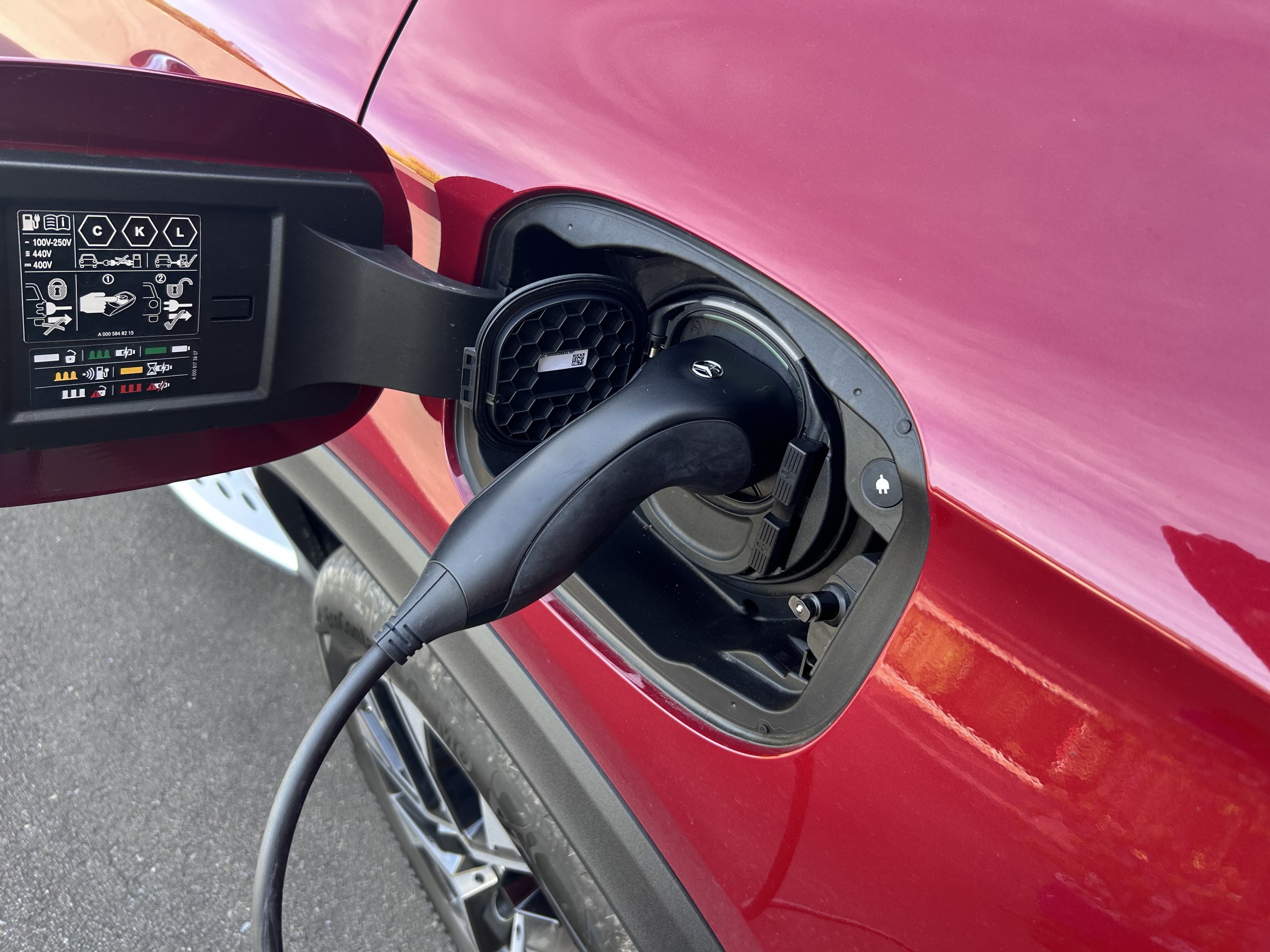
Though almost all new electric-involved cars now offer facility for DC charging, many older models - any any used cars brought in from Japan - rely on AC charging.
Those chargers are less expensive than DC types, but also provision much slower replenishment.
Wypych says AC chargers for those “are perfect for longer stays, such as at shopping centres and recreational venues, where vehicles can charge over several hours. So, the two work well together.”
The company operates more than 520 rapid DC charging points nationwide and around 90 AC chargers in communities and destination sites.
Wypych says the network expansion will target both urban and regional sites to ensure reliable access for commuting, inter-regional travel and destinations without home charging options.
The funding programme will also push $15 million to Meridian Energy.
New Zealand currently has about 1800 public charge points, giving it among the lowest charger-to-EV ratios in the OECD.
Bishop says the concessionary loan approach keeps taxpayer costs to a minimum compared to direct grants.
“In this case, the average loan per charge point is $20,000, but once repayments are factored in, the net cost to the Crown is around $10,000 per charger, roughly a quarter of what a direct grant would cost,” he says.
The minister describes the situation as a “chicken and egg” problem, with charge point operators reluctant to invest until there are more EVs on the road, while concerns about charging infrastructure availability hold back potential EV buyers.
“The private sector is reluctant to invest in charging infrastructure until there’s sufficient demand, but demand won’t grow until the lack of public chargers stops putting buyers off,” Bishop says.