
Just One, no Zero - Honda’s EV expansion clarifies
/Perception of Kiwi tastes has ruled out a compact battery car from India for local consumption.
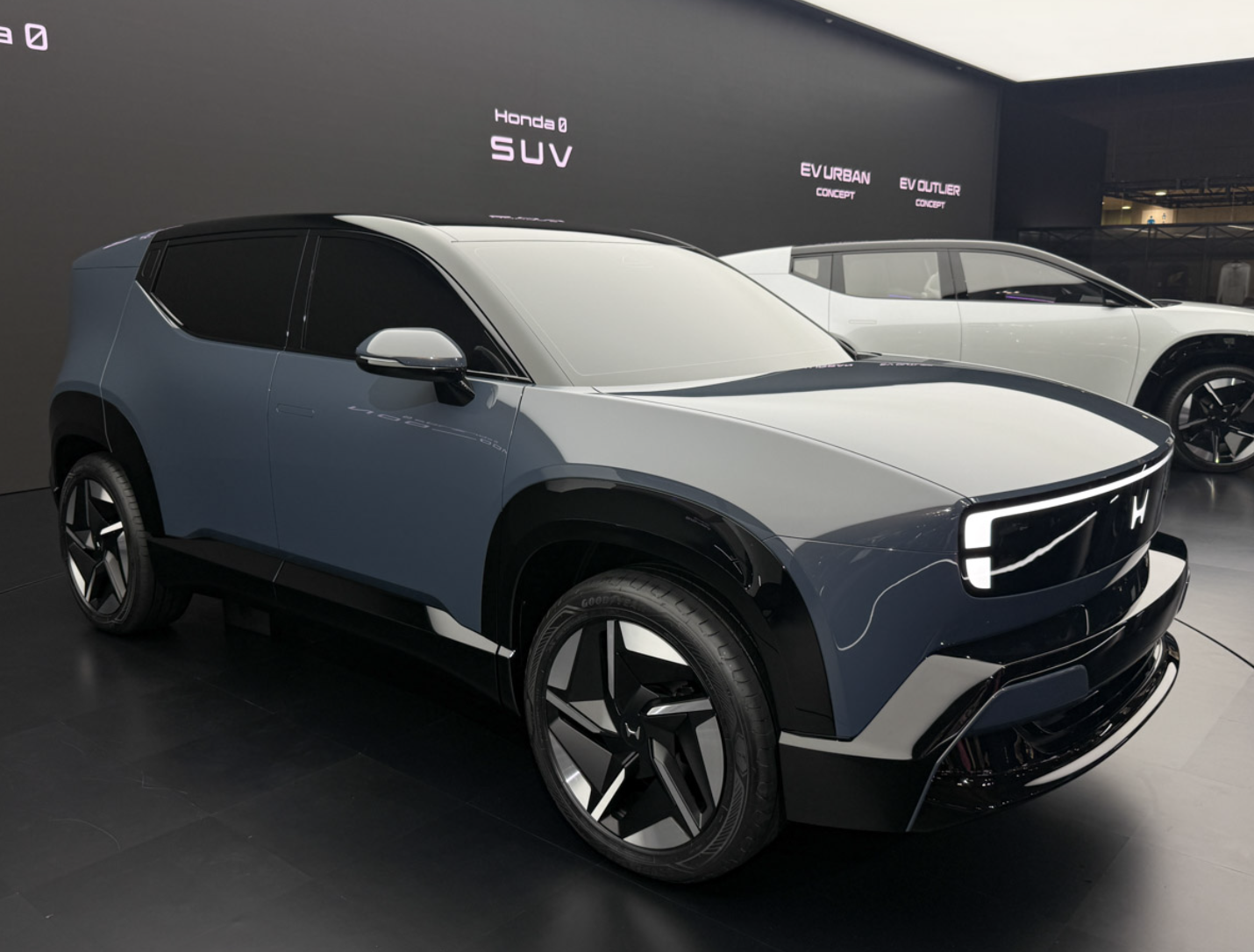
POTENTIAL for an under-the-radar junior model in the utterly disrupted Honda ‘Zero’ range to reach New Zealand seems to have been kiboshed.
This means that out of the four potential electrics that might have joined the e:N1, Honda’s only battery car here, only the smallest, a Kei-class car called the SuperONE, is left as a starter. It is still expected to be here before year-end.
But the range of Zero cars that were designed to stand as technology masterpieces have no chance.
The two large models in that family, a sedan and a sports utility, that were considered global cars, were cancelled by Honda last week.
Now it’s become clear the third, a compact of similar dimension to e:N1, called Honda Zero Alpha (above) - officially stylised as ‘Honda 0 α’ - is also off the table.
The latter is the production off-shoot of a concept that broke cover at last October's Japan Mobility Show, when shown alongside the big Zero sedan and SUV.
It has entered road testing in India, which stands to be the sole manufacturing location, and media there have been briefed about it.
The information share also includes where Alpha will eventually sell.
In that discussion, Honda high-ups have firmly stated New Zealand isn’t among export locations.
That assertion, shared to MotoringNZ.com by topelectricsuv.com, comes eight days after Honda’s 11th hour cancellation of its highly-publicised outrageously-styled large Zero cars, a wedgy sedan and a sister sports utility.
They were canned in part because of Honda’s uncertainty about how successful they would be during an unfavourable business climate.
When contacted this week, Honda’s media office in Australia, which now assumes responsibility for NZ, declined to clarify if the large Zero models were ever on the radar for here.
The Alpha that’s now the subject of a fresh story was a separate programme.
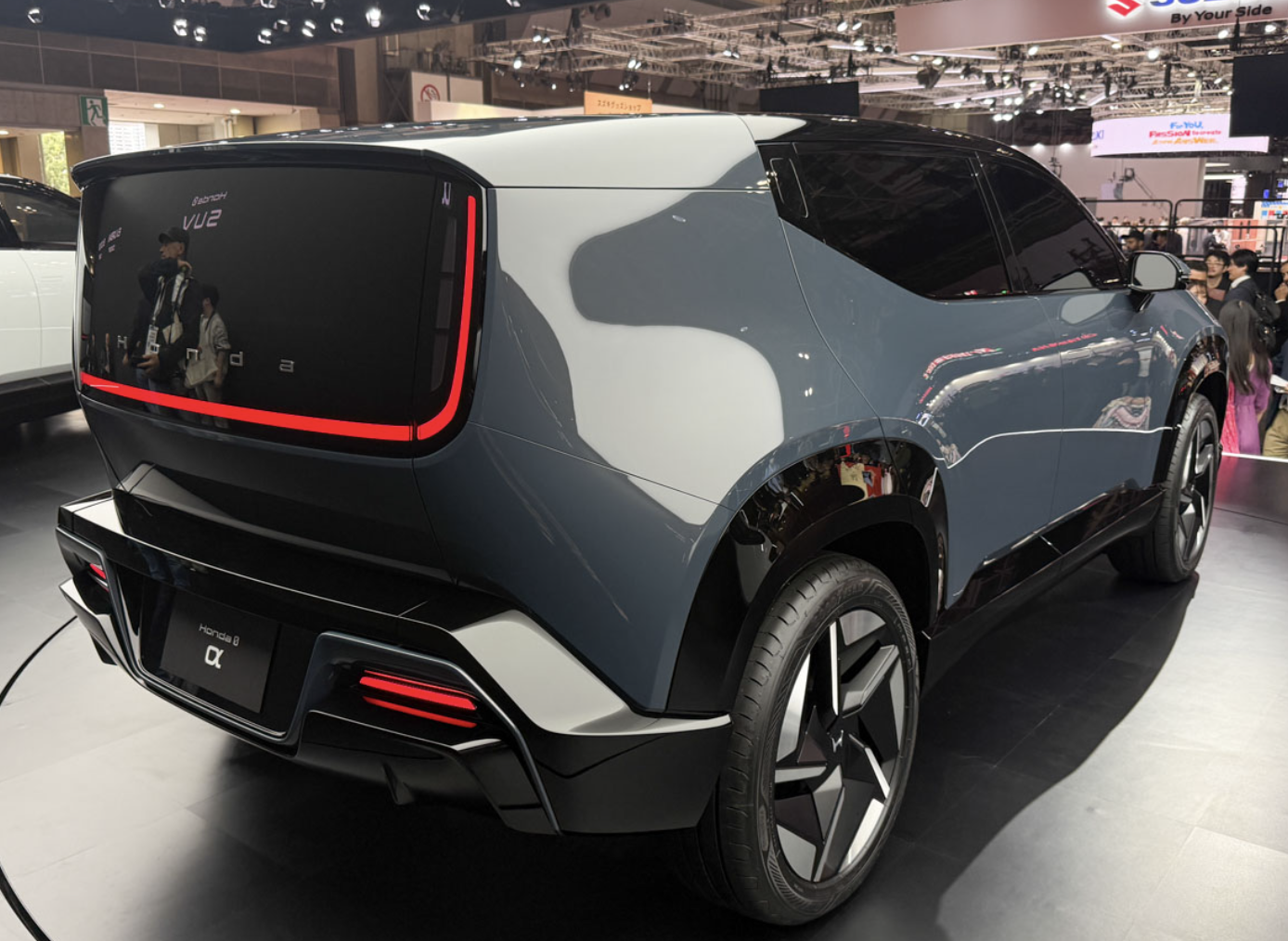
If anything, it looked handier for NZ tastes, being more futuristically-styled than the e:N1 and also very different to the SuperONE, which is the first export-ready battery-fed car designed to meet the size restrictions required to meet Japan’s Kei micro-car class requirements.
Zero Alpha is on a new “EV-only platform” but will share some parts with ICE and electric models based on other platforms.
topelectricsuv.com's Shrawan Raja says the market strategy for the car was related by Honda officials he met with.
It became clear that while Japan was in line for it, in the main emerging markets were the primary target.
The site said the car’s chief engineer, Toshikazu Hirose, has previously related that Zero Alpha will come out of India in right- and left-hand-drive versions, launching first in India, in the first half of 2027, and later in Japan and Southeast Asia.
More information came this week, Raja has told MotoringNZ.com.
“A Honda spokesperson also confirmed to us at the world premiere that the 0 Alpha won’t be going to North America or Europe.
“The same official told us that Japan, Thailand, Indonesia, Malaysia, and the Philippines are the first internally approved export destinations for the 0 Alpha.
“When probed about the chances of Honda launching the 0 Alpha in Australia and New Zealand, since those markets share certain similarities with Japan and Southeast Asia, Hirose responded with a definitive no.”
The reason given was that this part of the world preferred large models.
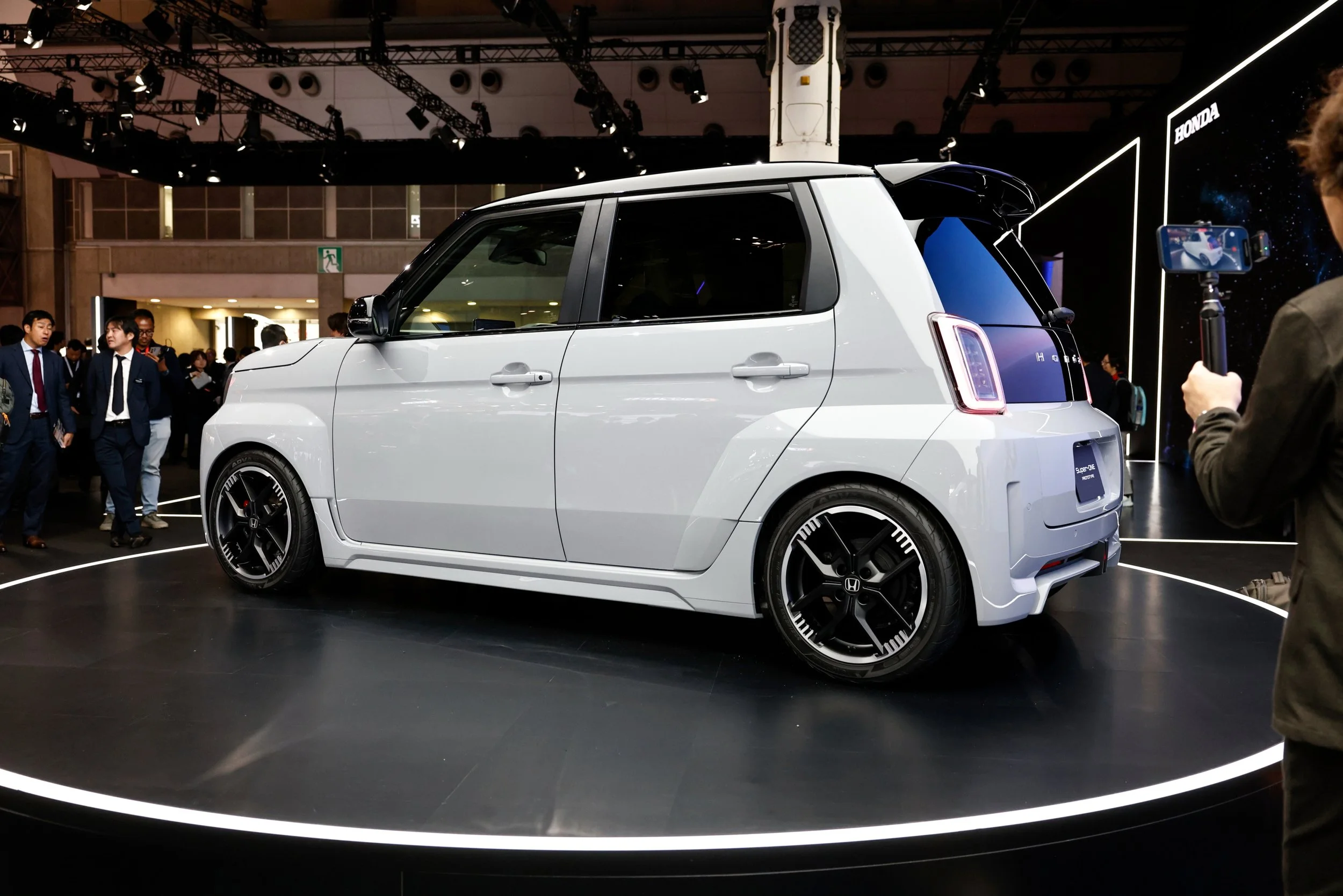
Meantime, Honda’s effort to secure SuperONE (above) here seems well advanced. The car would logically be a much cheaper alternate to the $52,000 e:N1.
It takes the baton from the now-defunct Honda e, which also pitched as an A-segment (micro/light) electric hatchback, but is taller and more boxy. The Honda-e came to NZ as a grey import.
Conceivably, the Super-ONE would be a rival for the electric Mini Cooper, Fiat 500e, the BYD Atto 1 and the Dongfeng Box.
Honda Australia announcing commitment to the four-seater last year, with promise it would be a playful drive experience standing as a fun and unique option for city-living people.
The SuperOne is designed to conform to Kei car considerations. To make that cut, products must fit within a footprint of 3.4m long, 1.48m wide and 2.0m tall. Combustion-powered vehicles must have an engine with a displacement no greater than 660cc.
The drivetrain is expected to be the same as in the N-One e, a car it retains in Japan.
That model has a 47kW single motor driving the front wheels and can manage roughly 270km on a charge. Battery capacity is unclear but it can hook up to a 50kW DC fast charger. It also features vehicle-to-home (V-2-H) capability.
Honda NZ is also planning release of the new Prelude this year.
In speaking to why the big Zero cars were no longer considered viable, Honda Japan last week said profitability of its cars division has been hit after “unfavourable” US tariffs on petrol and hybrid cars, and a “decline in the competitiveness of Honda products in Asia”.
The cancellation has come at massive financial cost as the Zeros had been just months from going into production, in North America and Japan.