
Radical hybrid for NZ-bound T-Roc
/VW’s baby crossover already has battery-assisted drivetrains, but the very latest is much more of a revelation.
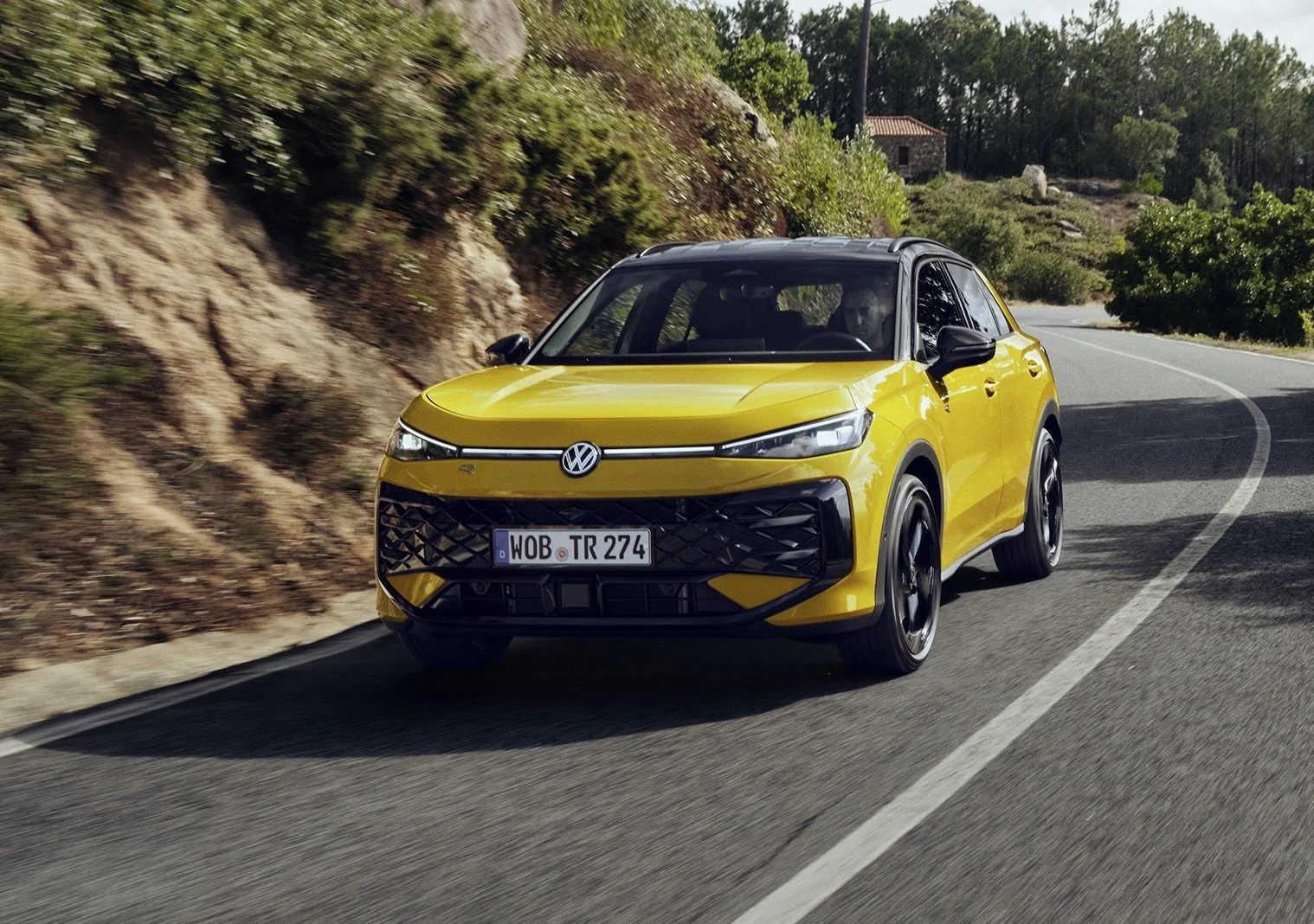
WITH all eyes now on fuel pricing and how much can be eked out of every litre, might Volkswagen here be giving thought to a radical new powertrain announced overnight for the new T-Roc it has coming mid-year?
The latest mechanicals represent as the first wholly new hybrid system out of the brand since 2016, and are far more advanced than other electric-involved, engine-reliant power plants already implemented into the car.
The latest combination of two electric motors and a turbocharged engine consumes much less petrol than the mild hybrid the car already entertains, VW claims.
Further information on outputs emissions counts and economy is expected to be shared over the next week, but comparison with technology used by Honda is being made. VW is confident it has the measure of the latest from Japan, so that includes what Nissan and Toyota provide.
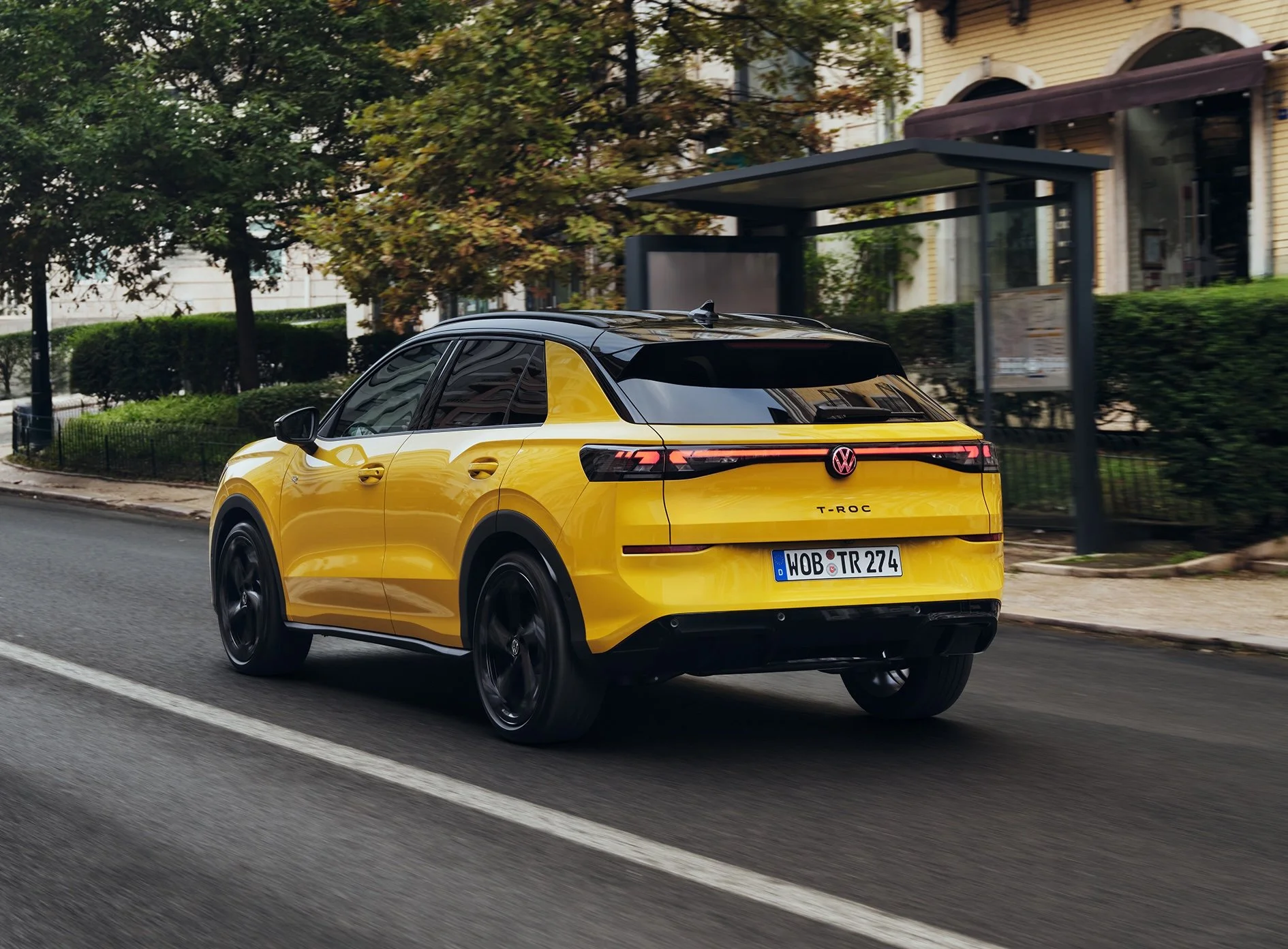
The same system is also en route for the Golf, both cars sharing a common underpinning.
VW New Zealand confirmed its T-Roc ambition this week, but has yet to say what trim lines off engine choices it has in mind for the car, which releases in just eight weeks or so.
The latest car from a line that dates back to 2017 launched late last year.
Production versions presently run with a 1.5-litre petrol engine, but either with with a 48 volt system, with outputs rated at 85kW/220Nm and 110kW/250Nm, or married to a bigger electric motor hand battery, ,making 100kW and 125kW flagship, with 306Nm either way.
The new hybrid uses a 1.5 TSI evo2 petrol engine, two electric motors and a 1.6 kW/h NMC lithium-ion battery, and does not require a charging cable or external infrastructure.
Energy for the electric phases is recovered through regenerative braking and generated on board by the petrol engine acting through a second motor configured as a generator.
The hybrid module drives the front axle and integrates the drive motor, the generator, power electronics, a one-speed gearbox, a differential and an electronically controlled multiplate clutch that engages or disengages the TSI from the driveline. An electric air-conditioning compressor and electric brake servo are also fitted at the front.
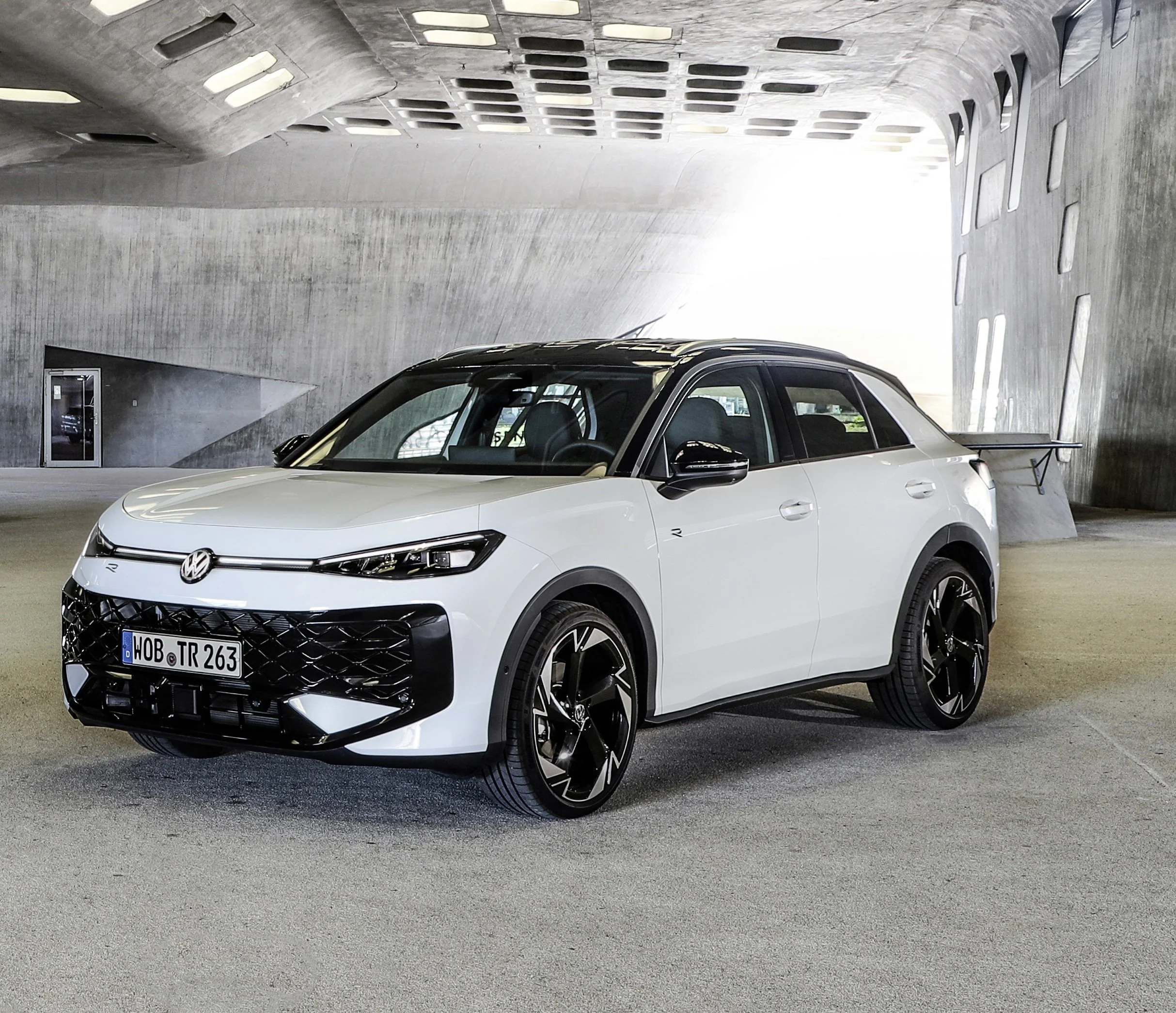
The system runs in three modes that switch automatically. Pure electric operates at low speeds with the TSI off; serial mode runs the TSI decoupled to feed the generator and extend electric range; and parallel mode takes over from around 60 kmh, with the TSI driving and the electric motor providing boost.
Drivers can select between Eco, Comfort and Sport profiles. Eco caps system output at 70 percent and disables boost; Comfort allows full output and boosting; Sport switches to serial mode earlier to deliver full power more quickly.
That’s as far as the electric implementation goes. Even though the platform allows it, there are no plug-in hybrids planned, because Volkswagen doesn’t expect enough demand.
T-Roc is a major global model for VW, effectively serving as a crossover alternative to the Golf and is Europe’s fourth best-selling vehicle so far this year.
The latest is built on the latest MQB Evo toolset from the Tiguan (and Skoda Kodiaq) so is a bigger car than before, at 122mm longer. Though the body is just 9mm wider, the trick has increased by 30mm.
The car has many of the same styling signatures delivered to the new Tiguan that has been here for a year now and also adopts a similarly minimalist dashboard , with either a 10.4-inch or 12.9-inch touchscreen, as well as a 10.0-inch digital cluster.
A multi-function dial controls functions like volume and the fan speed of the climate control, cycling between each function by clicking it downwards. Skoda uses the same application now.
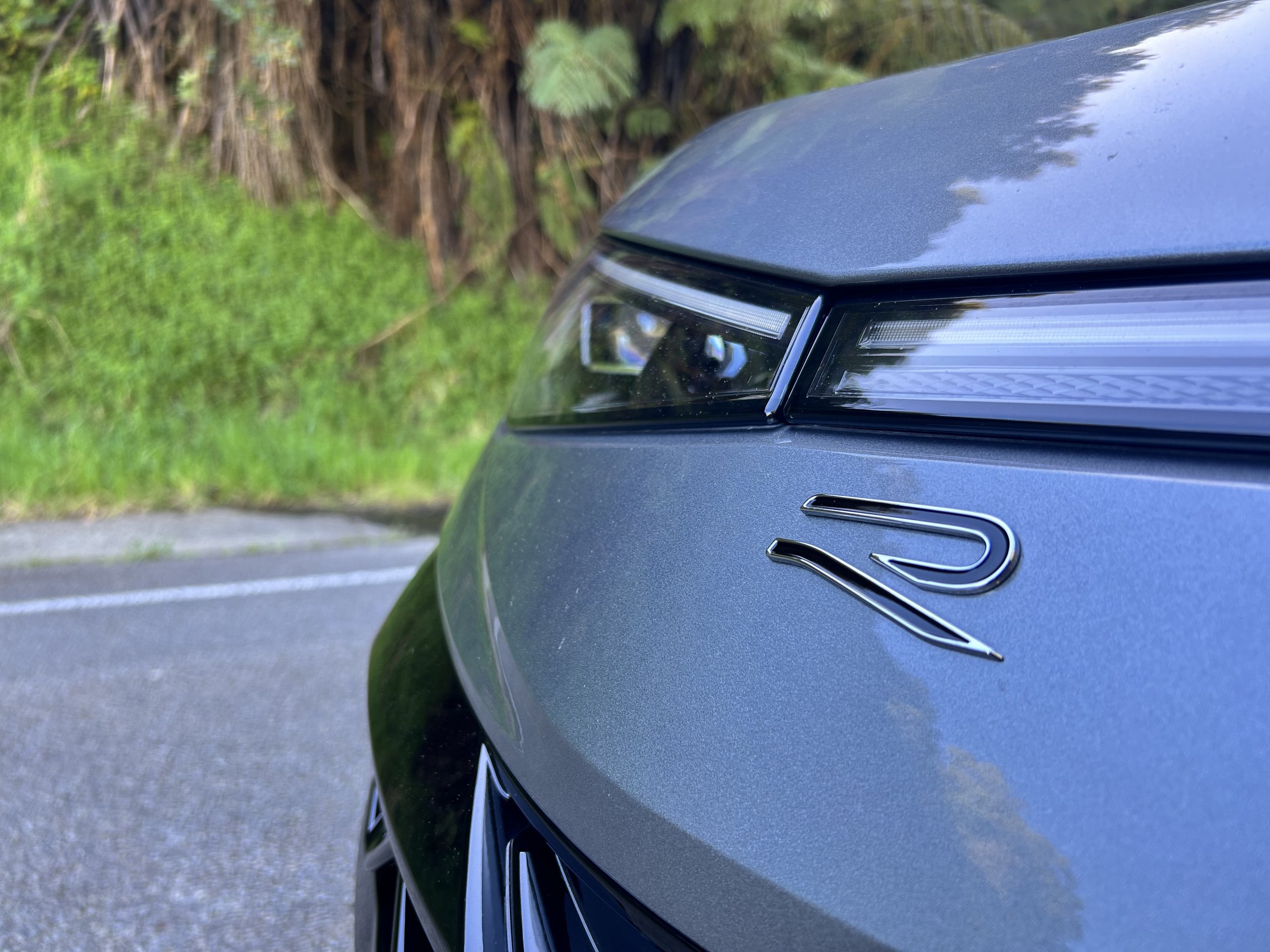
Last November VW teased a full-strength R version intended to release in 2027 launch. Performance cues on the design study included Akrapovic quad-exhaust system, 20-inch forged wheels with wider tyres than the original T-Roc R, plus more aggressive bumpers and enlarged brakes.
The type is set to use the same turbocharged EA888 2.0-litre petrol engine as the updated Golf R, producing 245kW and 420Nm. But this time, it gains a mild-hybrid system, a move driven by the need to meet upcoming Euro 7 emissions standards.
Suspension across the range is by MacPherson struts at the front and a multi-link at the back, and as before adaptive dampers are an option.