
Schmoozed 7-Series chasing sector vote
/BMW’s prime number product has undergone a massive refresh. You’ll see it at year-end.
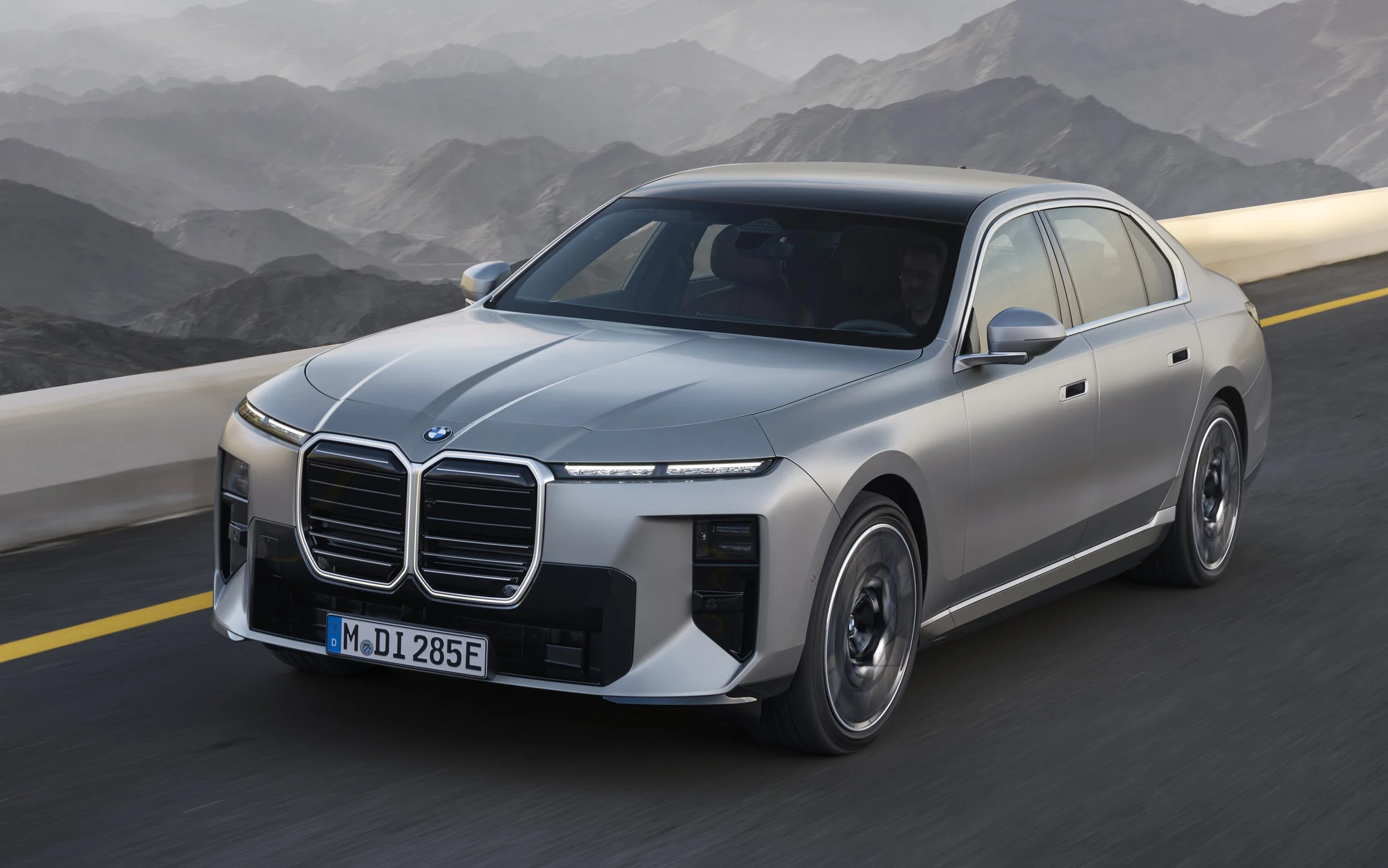
WITH 10 examples in the fleet, Government’s VIP limo service for MPs and visiting dignitaries is the single-biggest national fanbase for BMW’s flagship 7-Series.
The deal to transfer to the i7, a move that takes the operation to a fully electric uptake having previously dallied with three generations of diesel against, was signed late last year.
Back then, they might well have been advised an updated car was coming. And perhaps the old one was sold in run-out terms.
Anyway, now the new one has unveiled and … well, once it hits the street, you might wonder if, having three years to wangle the i7 deal, Government services might have been prudent to have waited just a bit longer.
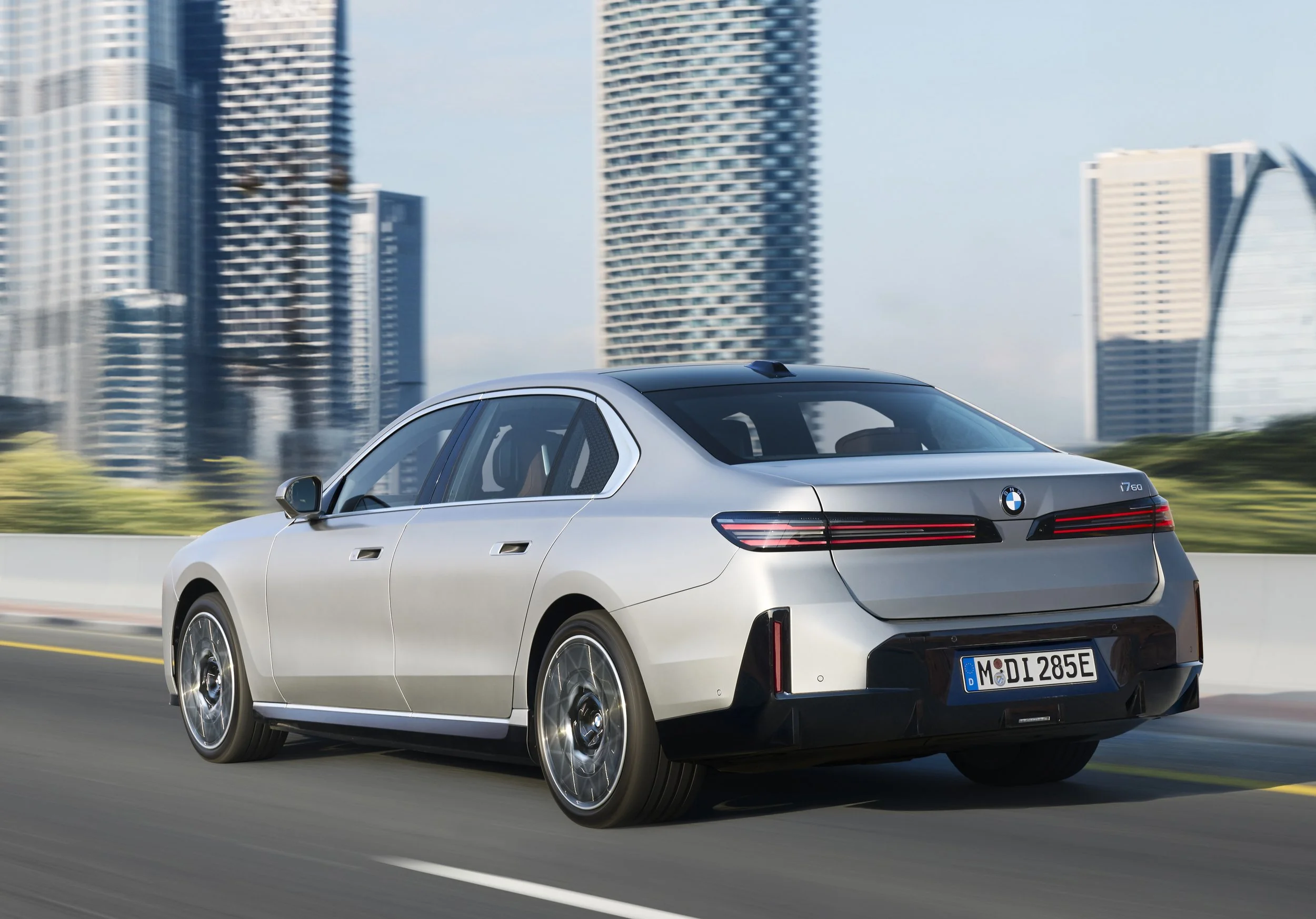
A new interior, improved electric range and revised design … as mid-life overhauls go, this one is super-sized.
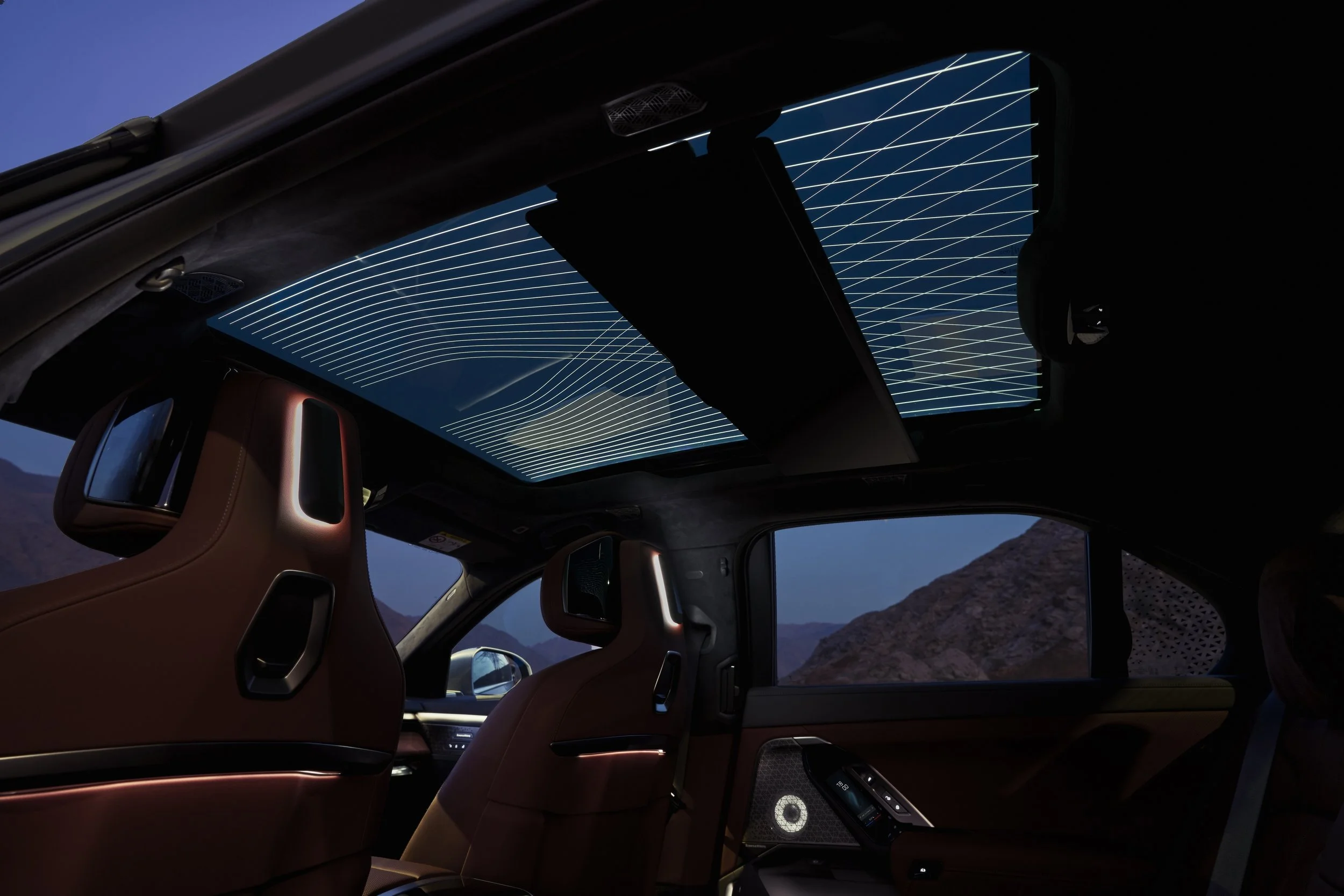
The revisions span design, technology and powertrains, with both combustion, plug-in hybrid and fully electric versions continuing in the range
The updated 7 Series will again be offered with a mix of petrol, plug-in hybrid and battery-electric options, all sharing the same underlying platform, BMW says this approach allows it to maintain a consistent design and engineering base across the line-up.
Meaningful gains in efficiency and driving range occur for the i7 variants. The latest are expected to deliver up to around 720 kilometres on a single charge (WLTP), an increase over the outgoing version, although still trailing some competitors - the Mercedes Benz EQS in particular - in outright range. BMW might be relieved that Benz has pulled the plug on local availability of their equivalent.
All-electric variants retain dual-motor all-wheel drive, with outputs ranging from approximately 335kW to more than 500kW in high-performance versions.
A key part of the update is the introduction of BMW’s latest electrical architecture and next-generation battery technology.
Battery capacity seems around 110kWh, while charging capability has been increased to 250kW DC. BMW says this enables a 10-80 percent recharge in under 20 minutes under ideal conditions.
Plug-in hybrid versions will continue, pairing a turbocharged six-cylinder petrol engine with an electric motor. Electric-only driving range is expected to be around 80 kilometres.
The Seven was already a dramatic-looking car, so there’s been no major dabbling with the kerbside look. Yet, though subtle, changes are still noticeable, with revised lighting elements, updated grille detailing and new wheel designs. BMW is also expanding customisation options, including new paint finishes and a two-tone exterior treatment.
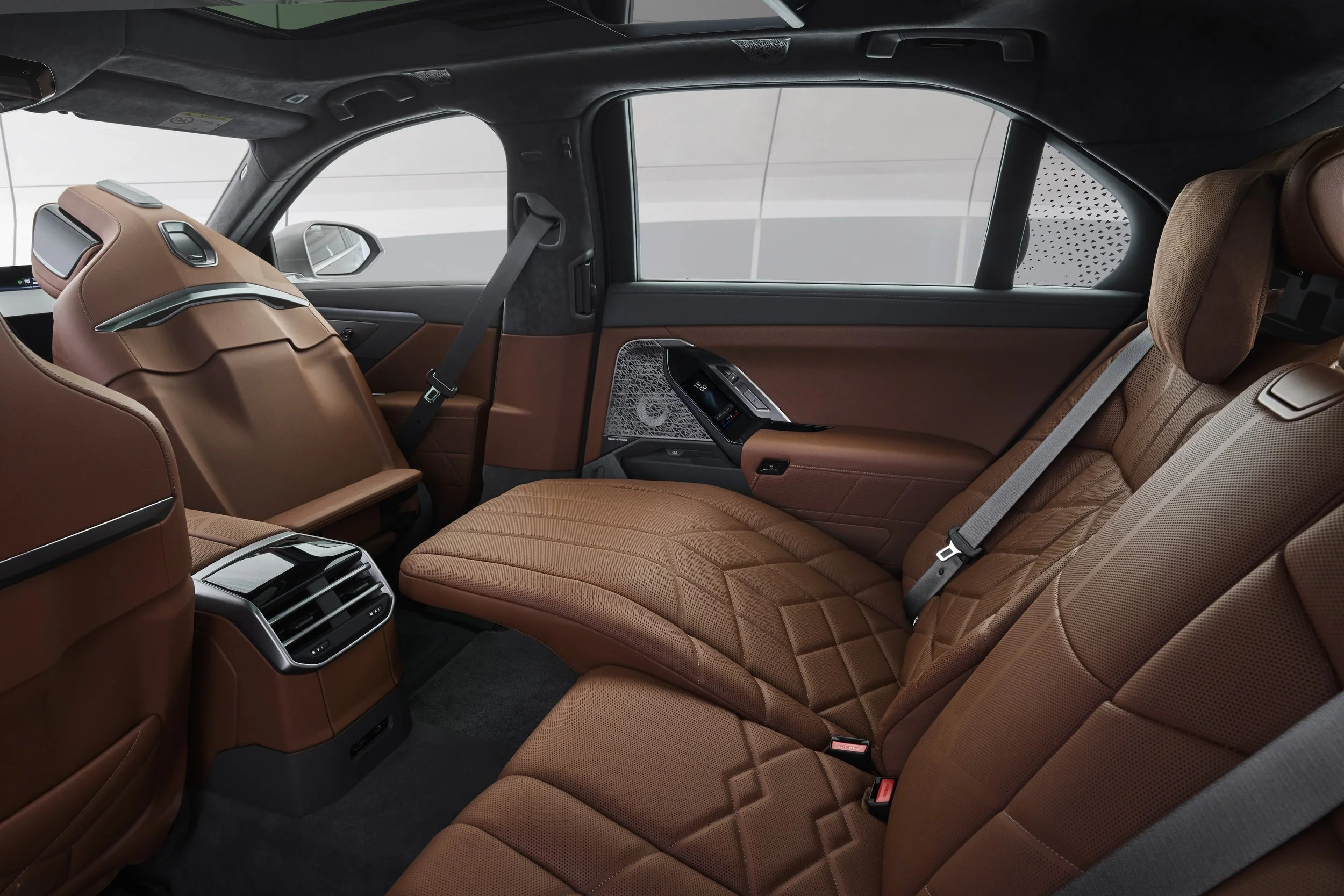
Core features such as air suspension, rear-wheel steering and the large rear-seat entertainment screen remain.
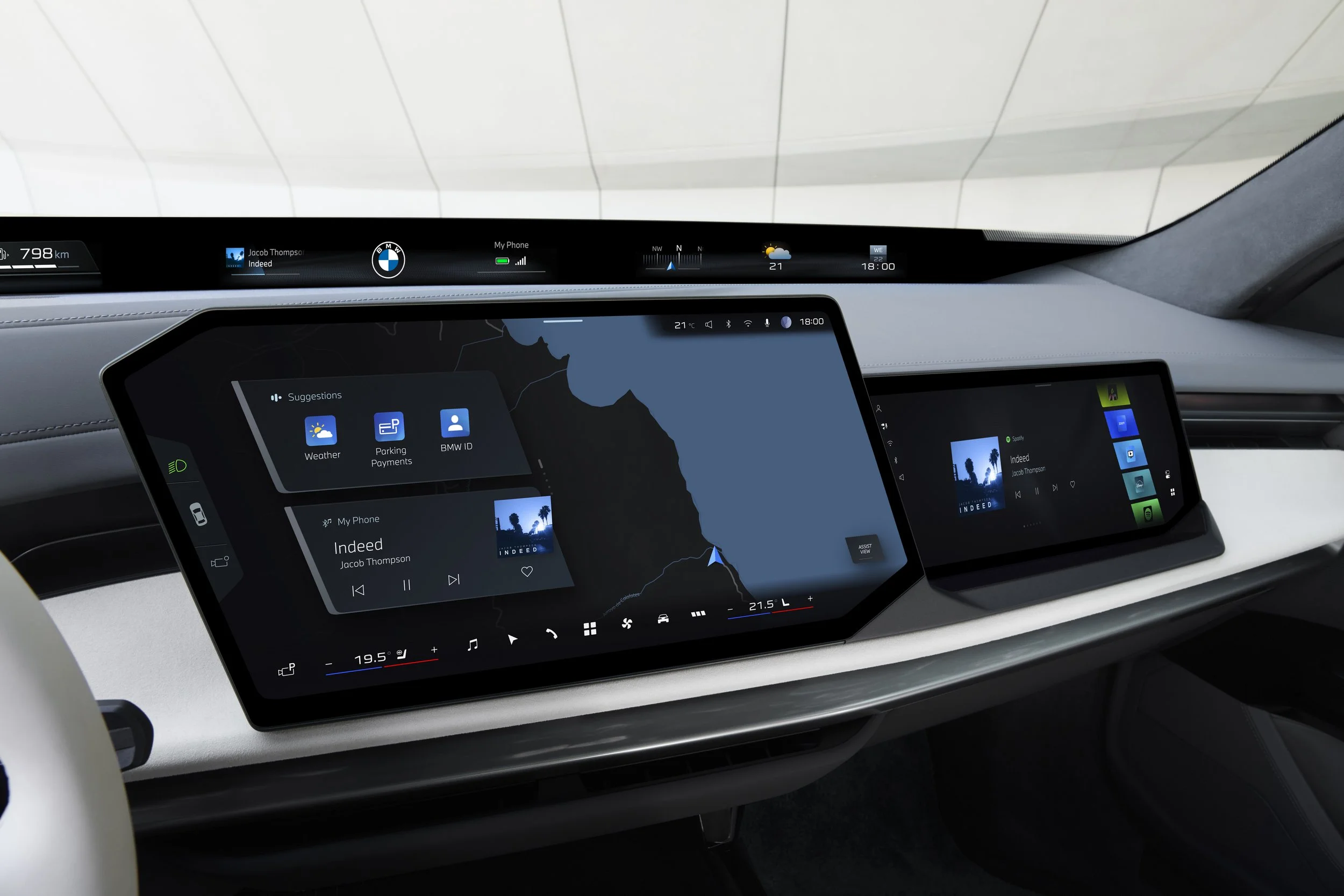
A new dashboard layout incorporates BMW’s latest digital interface, including a panoramic display system that spans the width of the cabin. A redesigned infotainment system and an optional front passenger screen further emphasise the car’s focus on technology and connectivity.
BMW regionally says it is unable to confirm at this stage which engine variants will be offered here. These details, including local pricing, will be communicated at the end of May. Stock will arrive in the last quarter of the year.