
Arcfox first arrival also a pathfinder
/The initial product coming here from BAIC’s premium marque has also been chosen as a candidate for an exciting technology breakthrough.
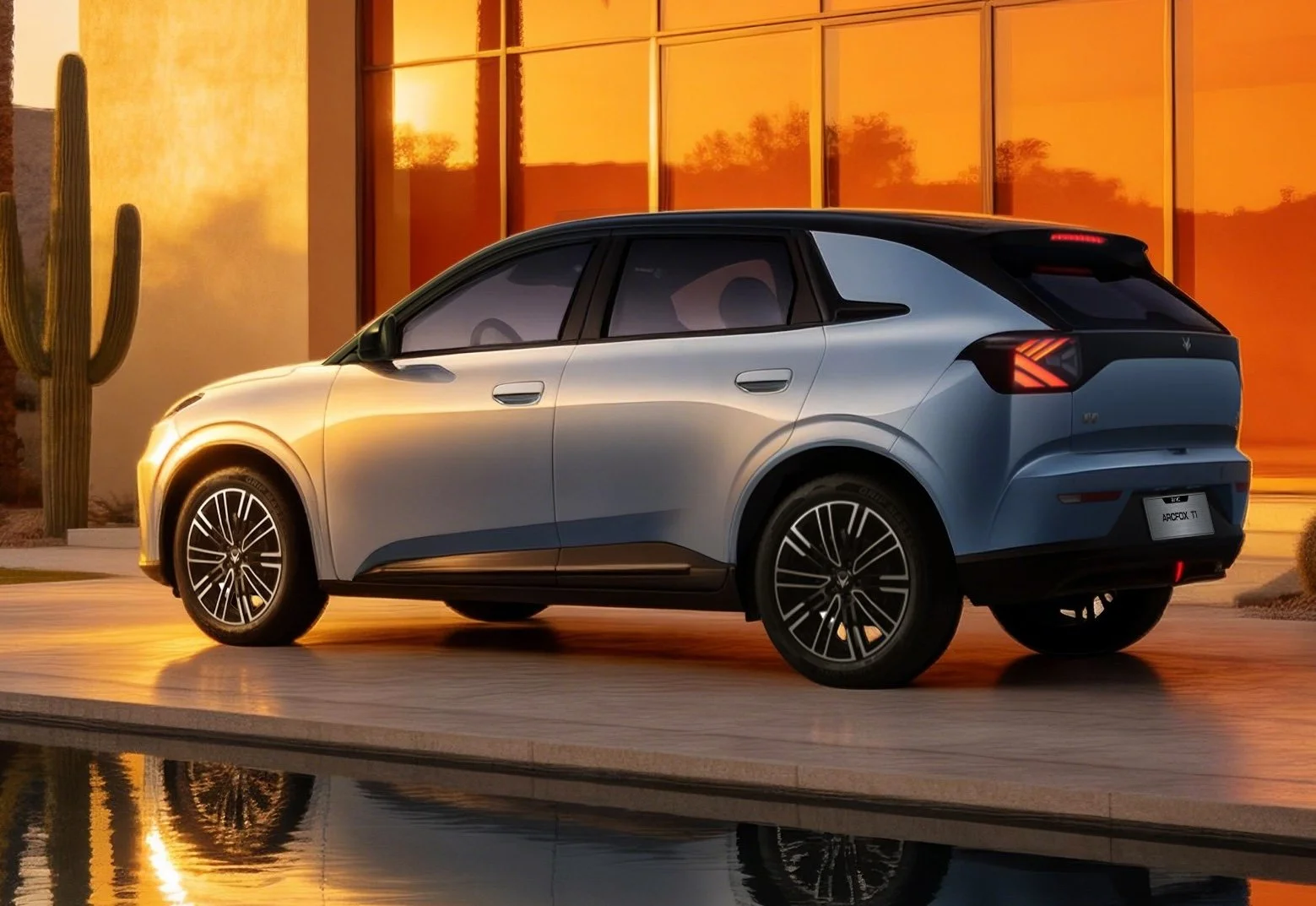
INCOMING next month to lead introduction of another Chinese car market nameplate here is a electric car that could in time be the first to deliver a big step forward in battery technology.
Intent to release the Arcfox brand, the premium marque with the BAIC group, was made clear when the latter began its national presence in March, as part of the Armstrong Group portfolio.
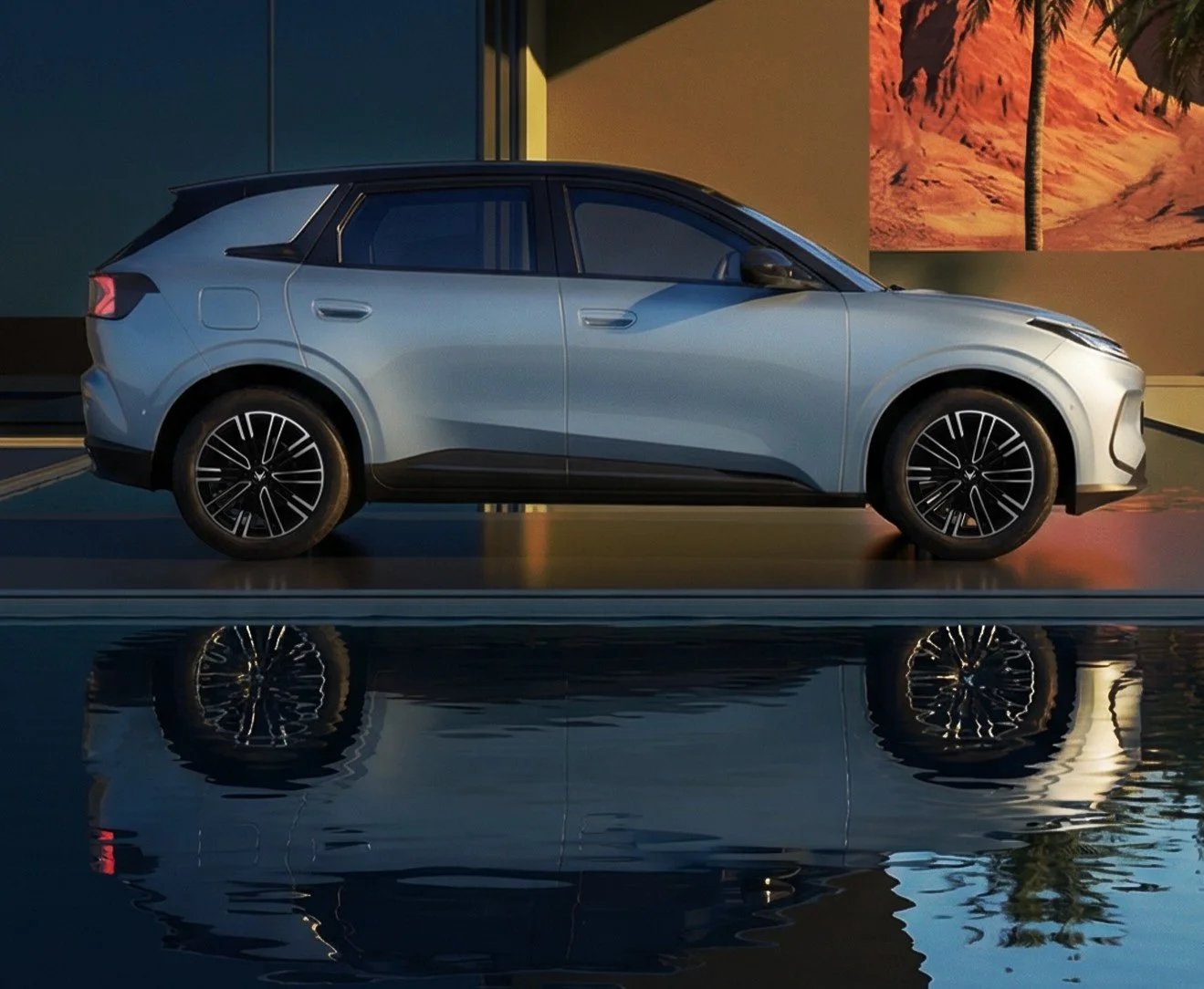
Armstrong’s have now confirmed it will kick off with the T1, a compact crossover with an urban focus that will initially sell for $34,990, rising to its actual RRP of $36,990 after a period of time.
Simon Rutherford, chief executive of Armstrong’s Auto Distribution Holdings Limited, has indicated a mid-June availability and says the make is among the many Chinese EV and PHEV providers rushing to send stock here to meet consumer interest revived by fossil fuel price increases and concern about supply.
“We are working very closely with Arcfox to expedite launch stock to New Zealand so we can do our part to help Kiwis manage through this unprecedented period of petrol pump pain, whilst reducing the amount of tailpipe emissions from the country’s new vehicle fleet,” he said.
Arcfox only came into being nine years ago but has already risen to be the leading EV marque of the BAIC Group. Positioned as a technology-driven brand, it benefits from global partnerships and a strong foundation in research and development within the new energy vehicle sector, according to a media release.
Rutherford says Arcfox vehicles coming here “will introduce intelligent driving hardware akin to that found in high-end EV models, but without the eye-watering price tag.” He says the T1 will offer features and attributes usually expected of a much more expensive car.
Full detail about that has yet to be shared, but has a comprehensive safety suite including front, side and curtain airbags, Automatic Emergency Braking (AEB), Front Collision Warning (FCW), Pedestrian Collision Warning (PCW) and Lane Departure Warning (LDW) amongst others. It comes with a six-year/ 200,000km warranty.
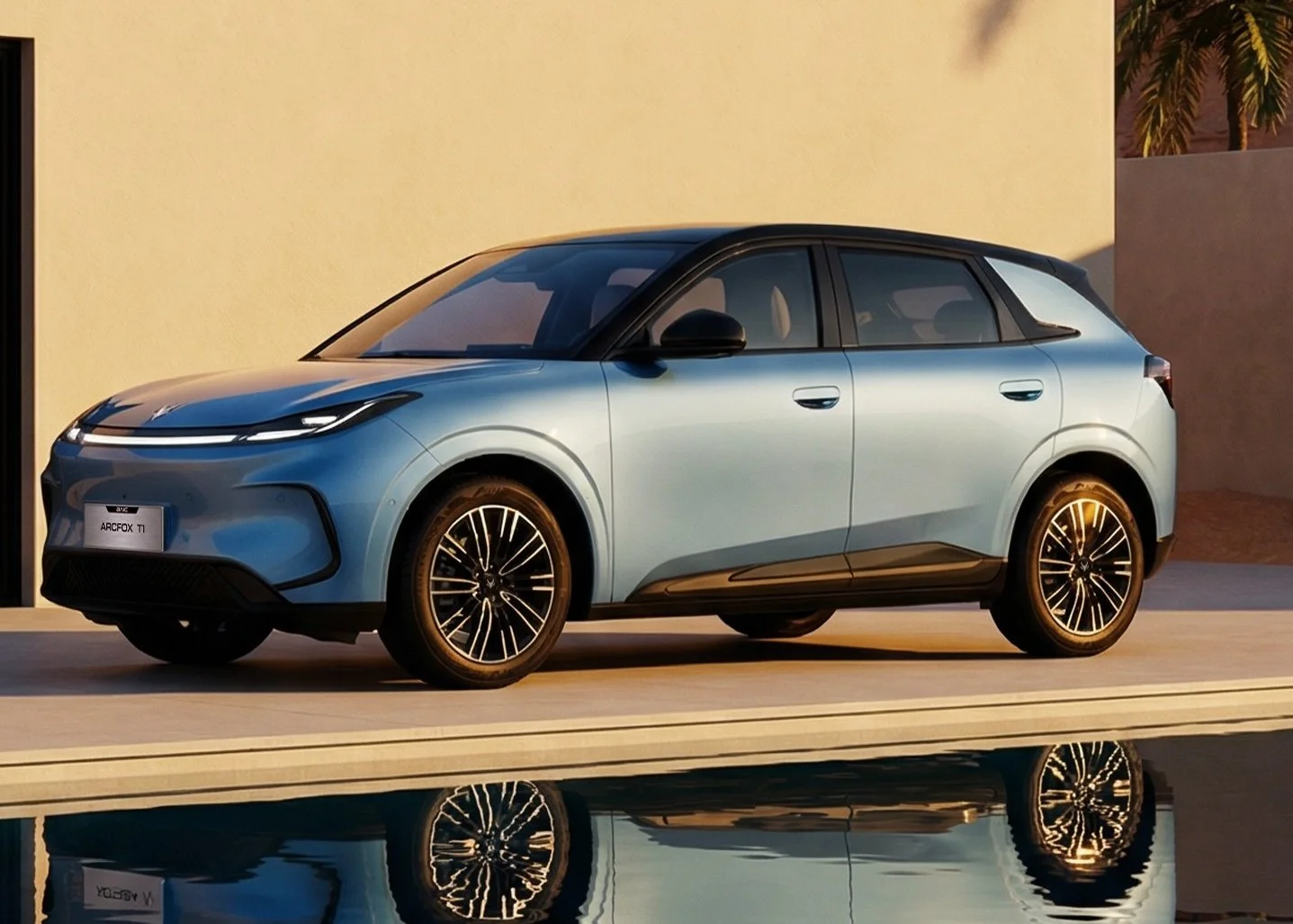
“The Arcfox T1 could be considered as a crossover, sitting in the sweet spot between car and SUV, complemented by a raised ride height. The package is considered and thoughtful, delivering space and comfort for all occupants,” said Shiguang Guo, Arcfox NZ’s general manager.
The car is delivering here with a Lithium Iron Phosphate (LFP) battery capable of more than 300km, when measured to the NZ-accepted WLTP scale, however there’s another battery on the horizon.
The T1 is expected to be the first recipient within BAIC of a new sodium-ion battery said to deliver a full charge in just 11 minutes.
Labelled as a cost-effective, safer and more sustainable alternative to LFP, which is the favoured current chemistry, sodium-ion batteries deliver super fast-charging ability, much quicker than existing options.
According to BAIC’s research division, it has completed development of a sample sodium-ion battery which uses a prismatic cell format and achieves an energy density of 170Wh/kg.
It supports super fast ‘4C’ fast charging – that’s a minimum of 360kW – with a full charge completed in 11 minutes, the company announced in March.
BAIC also stated that the battery can operate over a temperature range of minus 40 degrees Celcius to 60°C, with energy retention exceeding 92 percent at -20°C, targeting improved cold-climate usability and improving the driving range of EVs in those areas of the world.
BAIC also claims that safety-related tests were completed, with the battery capable of withstanding an overcharge condition of up to 200 percent without fire or explosion, and it remained stable when exposed to 200ºC heat.
Compared with lithium-ion batteries already used by millions of EVs, sodium-ion batteries require less raw materials to build as well.
BAIC is also not the first battery manufacturer to develop a sodium-ion battery, with Changan and CATL announcing that a market launch is planned for the world’s first sodium-ion battery-powered EV very soon. They are targeting a range of over 400km from a battery just 45kWh in size.
Sodium-ion is not the first battery type that BAIC has developed – it also produces both lithium-ion and solid state batteries as well in its ‘Aurora Battery’ programme.