
Car sales rise but uncertainty ahead
/April passenger and light commercial count shows year-on-year growth but what happens next?
COMMENT from the new car industry’s lobby organisation suggesting steady growth in registrations has coincided with another forecast suggesting a bleaker future for the economy.
Thought from the Motor Industry Association about the state of the new and light commercials car sector, in light of 9864 new vehicles being plated in April, came out on the same days as a half-yearly financial stability report from the Reserve Bank.
The MIA says the new vehicle market had expanded last month, supported by growth in passenger vehicles, and believes year to date results confirm a stable pattern of expansion across the industry.
Says chief executive Aimee Wiley: “While economic conditions are becoming more challenging, overall demand remains consistent.”
Comment from the organisation, which speaks for most but not all new vehicle distributors, came out as the Reserve Bank said the longer the Iran war continued, the greater the risks to global financial stability, with New Zealand already feeling "significant economic effects”.
Reporting by Radio New Zealand cited bank governor Anna Breman saying high diesel prices are having the biggest effect on the transport and logistics sectors, as well as primary industries.
"While economic growth had been recovering prior to the conflict, we are now likely to see a somewhat slower recovery, affecting job growth and debt servicing," Dr Breman said.
The MIA’s review also recognised that recent economic assessments indicate that elevated fuel costs and associated increases in transport and operating expenses are contributing to tighter household and business budgets, influencing discretionary spending and investment decisions.
Wiley said fuel prices are expected to remain above levels seen in recent years, adding to vehicle running costs and broader inflationary pressures.
“At the same time, consumer and business confidence has softened.
“Households continue toface cost-of-living constraints, while businesses are adopting a more cautious approach to hiring and investment.
“While migration remains supportive of underlying demand, the near-term environment is characterised by tighter financial conditions and more measured spending patterns.”
In respect to car buying patterns, she said the new vehicle market recorded a solid increase last month, up 11.7 percent year on year.
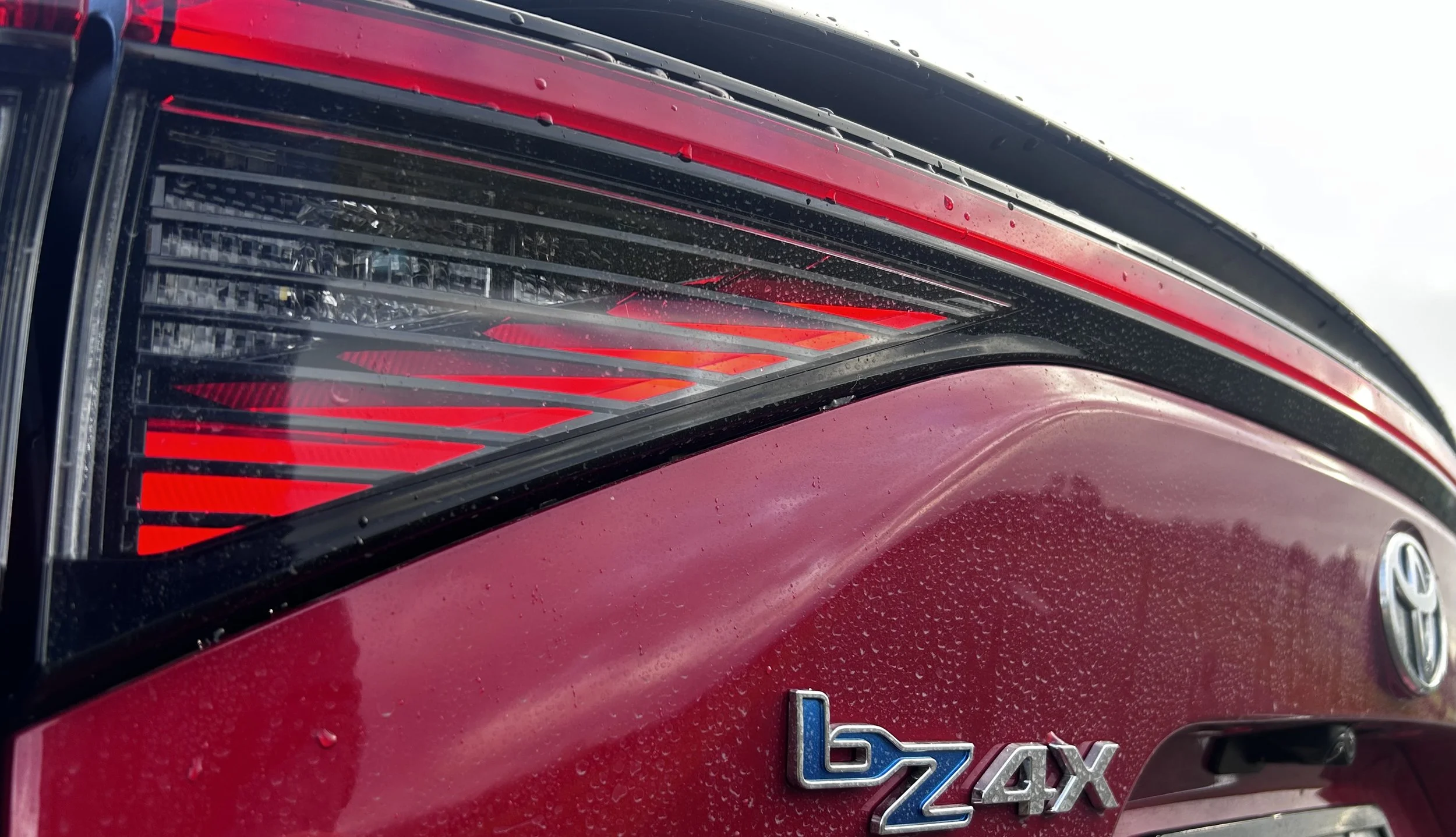
Growth was driven by stronger activity in the light passenger segment, which increased 16.9 percent, fed by a renewed interest in electric and electrified vehicles, this seemingly spurred by rising pump prices and some consumer uncertainty about the resilience of fossil fuel supply.
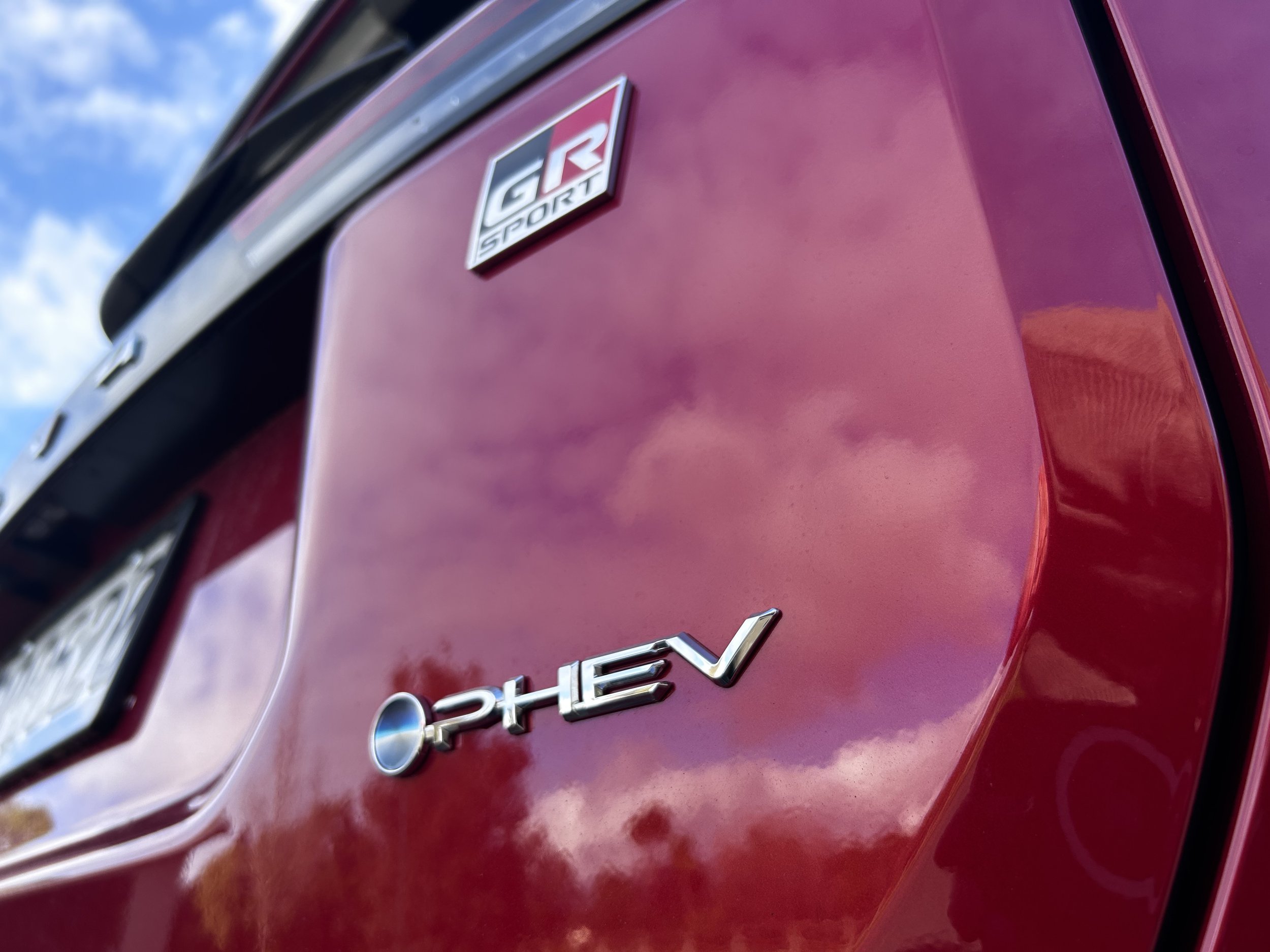
Wiley said battery electric and plug in hybrid vehicles increased their share of registrations in April, accounting for 11.1 percent and 11.9 percent of the market respectively.
“Together, these vehicles represented just under a quarter of total registrations, remaining well above levels observed in prior periods and indicating a continued shift in the overall fleet mix.”
The EV and PHEV pick up follows the stronger movement observed in March, although the pace of increase has moderated.
To Wiley, this suggests a more measured pattern of demand across electrified segments. However, some distributors have said that stocks that were a modest level after two years of little activity have now depleted, and they are awaiting fresh supply.
Hybrid vehicles, which are petrol cars with electric assistance but have no means of replenishing from the grid, continue to maintain a significant presence across the market.
And despite any fuel spend concerns, internal combustion vehicles remain the largest component of registrations, "although their share has declined relative to prior periods.”
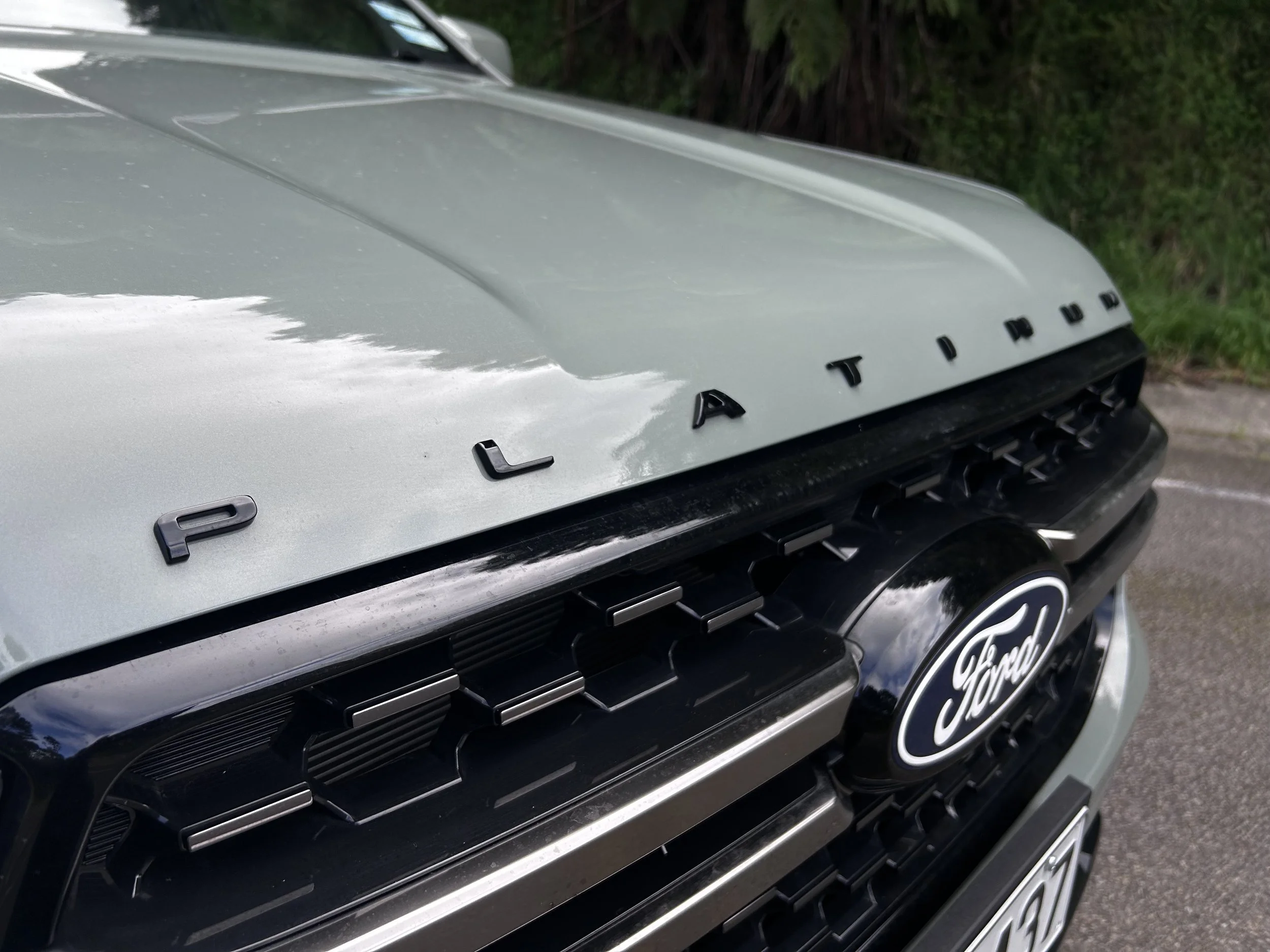
Even though the Ford Ranger was the month’s best-selling vehicle, its tally of 753 units was light compared to other months, when it ran into four figures.
Toyota Hilux was second, with 607, then came the RAV4, which had 568 registrations and was the first of just two cars in the top five, the other being Mitsubishi Outlander on 258. It was beaten by another Mitsubishi, Triton ute, on 268.
The tally of 2375 light commercial ( vans and utes) registrations represented a broadly flat interest, being up just 0.5 percent, and heavy commercial registrations eased slightly.
Wiley says the result reflects continued resilience in light passenger demand across both private and business buyers, although performance across segments remains uneven.
On a year to date basis, registrations reached 46,688 units, up 12.9 percent compared with 41,365 over the same period in 2025.
Says Wiley: “This cumulative result points to sustained underlying demand, with a gradual shift in mix toward light passenger vehicles. While monthly outcomes can vary, the year to date trend indicates stable expansion across the industry.
“Passenger vehicles are driving much of the increase, while commercial segments are showing more moderate movement.
“At the same time, broader economic conditions are
becoming more complex, contributing to more varied performance across segments. Overall, the industry remains stable, with demand holding at consistent levels.”