
Range Rover’s electric car unveiled
/Here in mid-2027, the GT relates a new reality for the mud-friendly side of the JLR family.
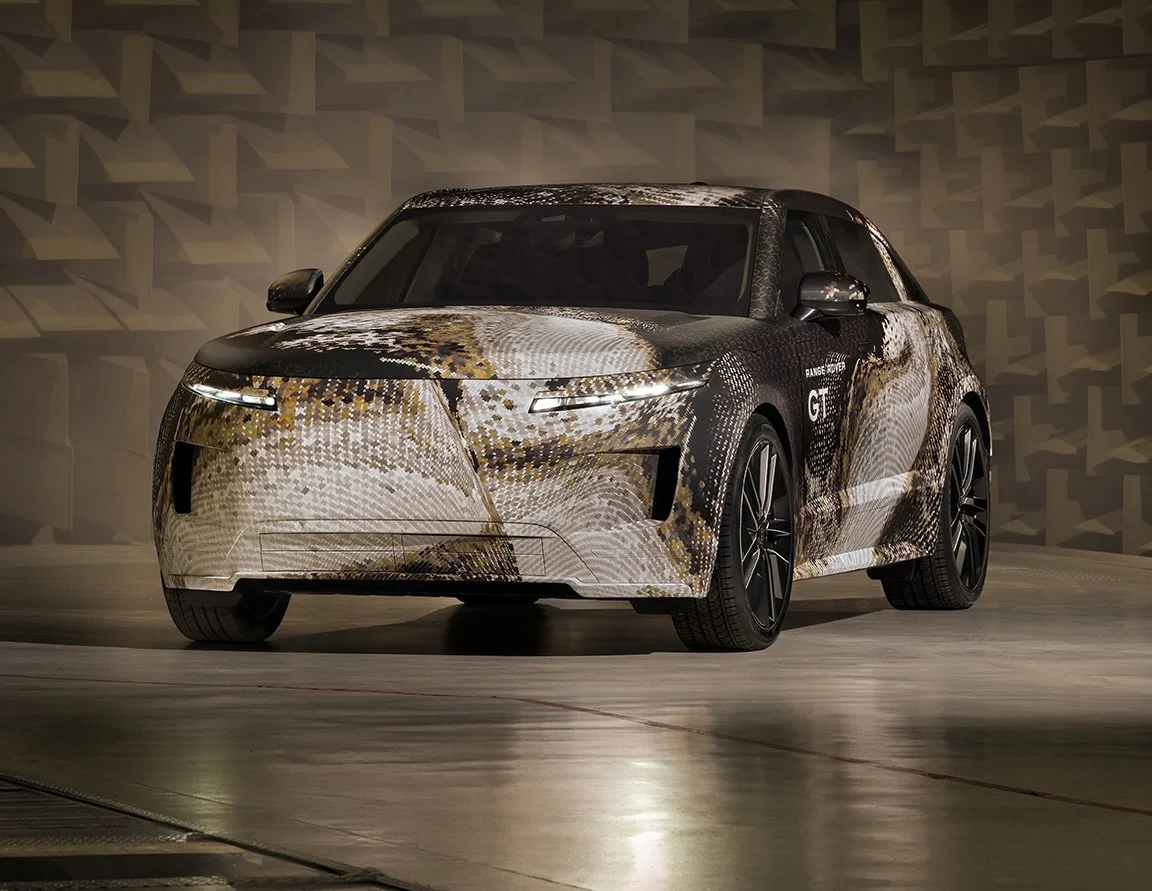
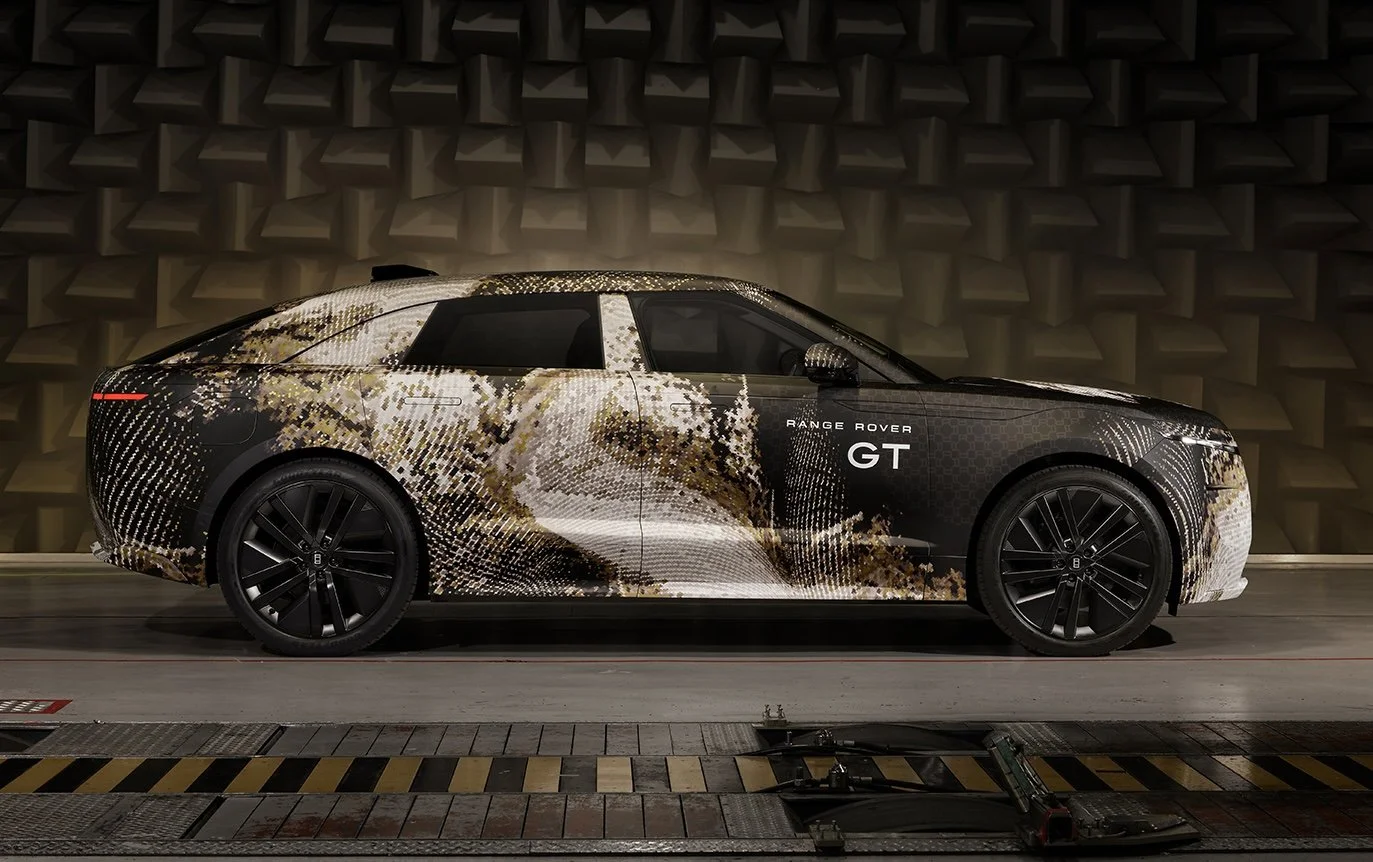
TWO points of difference define the Range Rover GT unveiled today, still in its final phase of testing - hence why it’s still in camouflage - yet already confirmed for sale in New Zealand around June next year.
First, and most obviously, a product estimated to be similar in size to the Range Rover Velar is the most car-like model from what began as a Land Rover sub-brand and, as such, has historically been about imposing off-road capable sports utility-styled vehicles.
Second? The drivetrain. This is an electric car - outputs, range and so on yet to be disclosed - differing from the also impending battery-wed editions of the Range Rover and Range Rover Sport in being the first to be built on the group's new EMA platform.
But that approach allows for an intriguing Plan B. The platform architecture is designed to be versatile, so if demand exists, it will be possible to produce the GT with electrified combustion engines too.
Could it be called a follow on from a car from the other brand in the JLR family, the Jaguar i-Pace? You can bet some will suggest that.
Company management has high hopes for the Range Rover GT.
Range Rover managing director Martin Limpert says it will redefine the grand-touring segment “with the ability to deliver beautiful and engaging GT poise, proportions and long-distance refinement while offering capabilities no conventional GT can match.
“We have spent the last few years working obsessively on the fundamentals of the GT formula, reinterpreted in a sophisticated, uniquely Range Rover way.
"Its blend of effortless EV performance, first-class long-haul refinement and all-terrain capability is pure Range Rover; while its calming interior previews our vision of a modern grand tourer.”
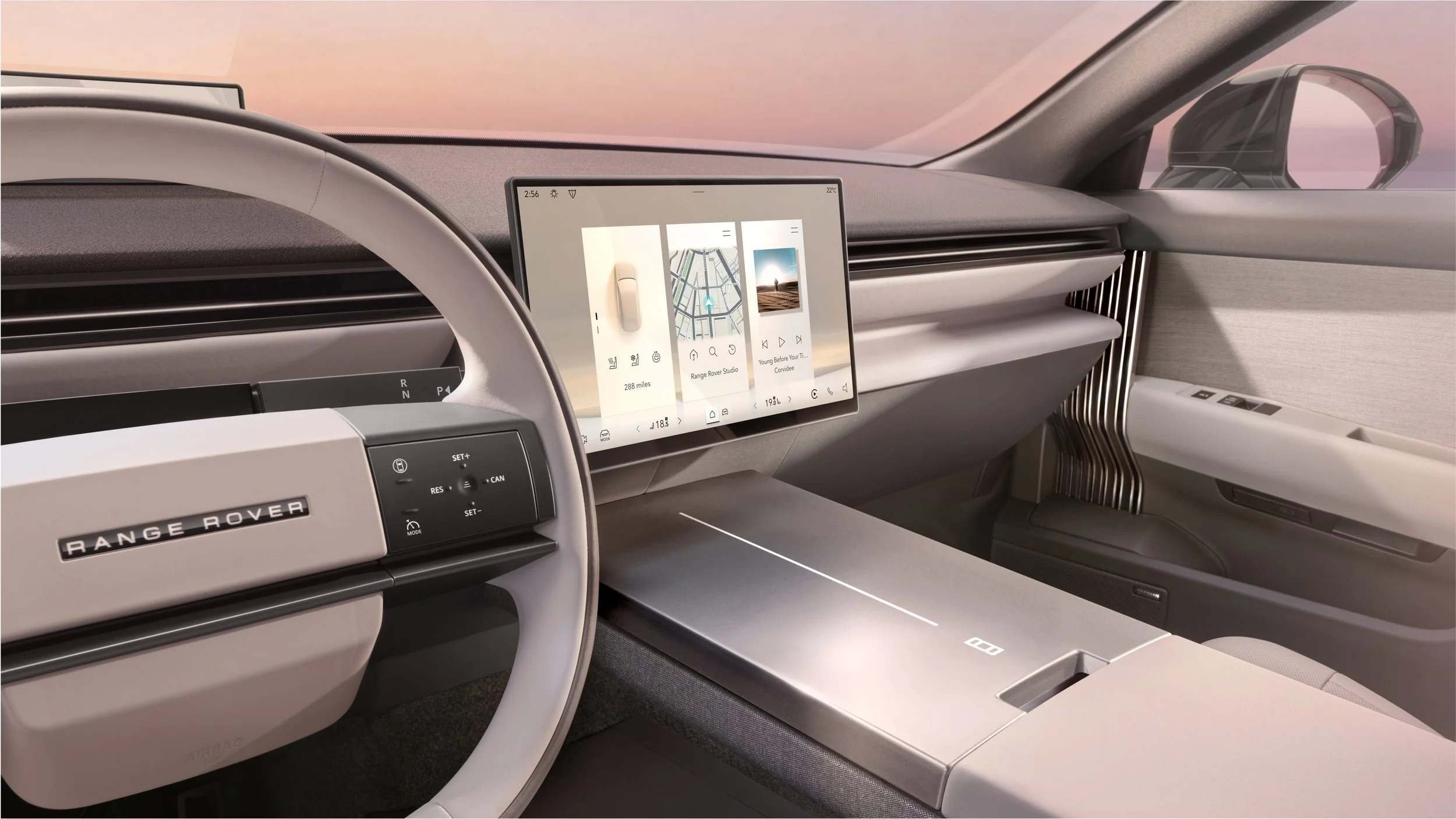
Most images of this product released today focus on the interior. Range Rover wants people to appreciate just how different this model is going to be, and that includes the cabin, which marks a new design direction for the company.
There’s greater emphasis on the reductive design principles the company is fond of, to point some aspects might seem almost concept-car-like. But this is all signed-off.
The dashboard holds a 13-inch touchscreen display at its centre, and interestingly, the designers were keen to avoid the current trend of adding a second display in front of the passenger.
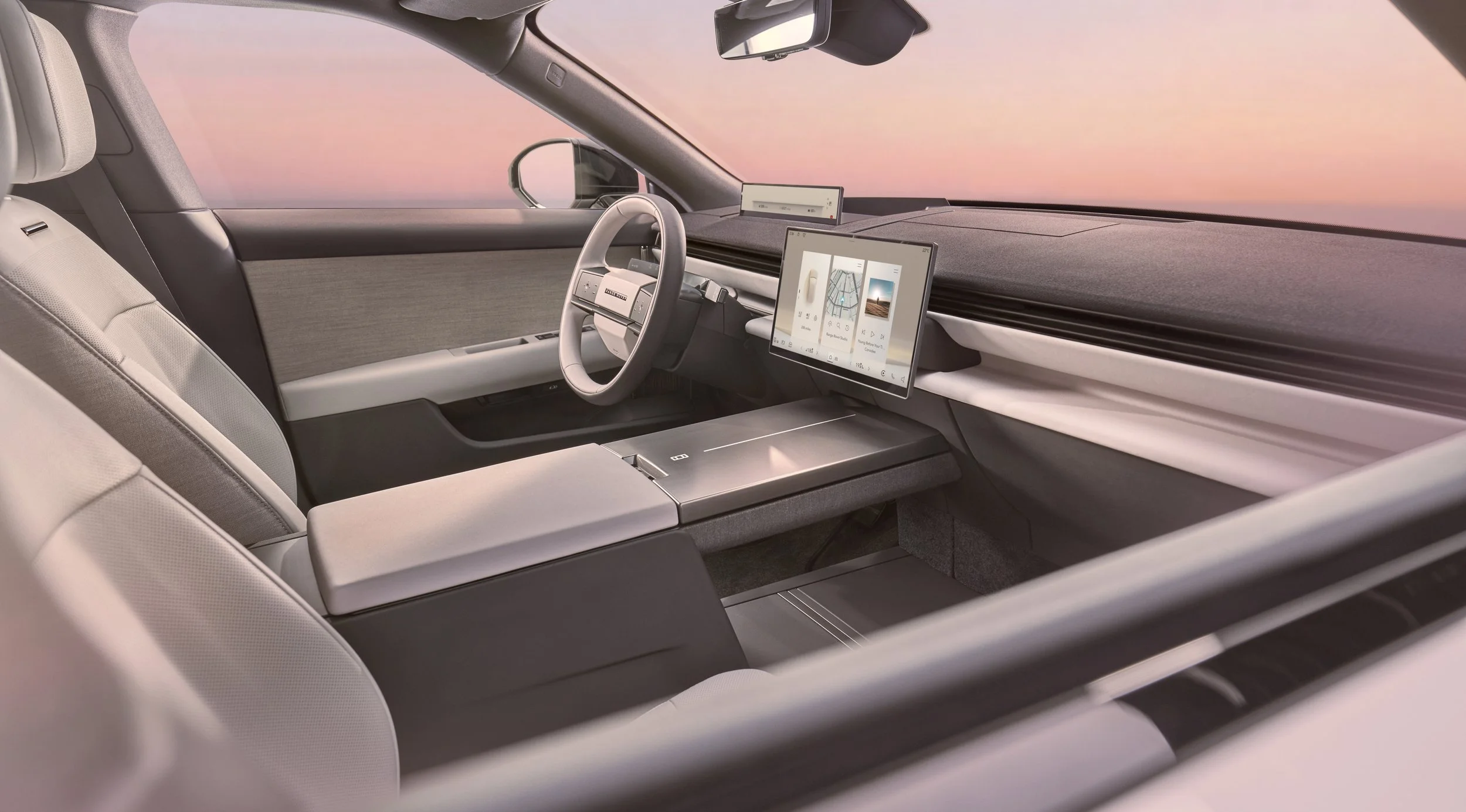
The steering wheel is small by Range Rover standards and is a squashed circle in shape. Its blocky multifunction controls illuminate when active, meaning technology remains hidden until it's needed.
Positioning the digital instrument display higher up on the dashboard, Range Rover says, not only brings it more into the driver's natural eye-line, but it also allows for a discreet air vent to span the dashboard. The result is more efficient and effective heating or cooling.
To further ease cognitive load, the GT will be equipped with a colour head-up display that will provide appropriate information for the driver rather than simply repeating detail that is already shown in the instrument display.
The centre console features a flat top with the forward section featuring the new Range Rover double-R motif. This hard panel slides forwards to reveal a storage area and wireless charging pad.
Despite the solid appearance of the top cover, it has a semi-translucent portion, so you'll see your phone screen light up inside. The armrest slides back to uncover a pair of cupholders.
Range Rover's designers have also created a new seat design with a mixture of materials including leather-free options from Ultrafabrics polyurethane and Kvadrat wool blends.
A long wheelbase means have what Range Rover describes as "class-leading second-row legroom”, and there will be the choice of four- or five-seat layouts for the GT.
In the four-seat configuration, the rear compartment gets two seats divided by a low centre console that includes a touchscreen display for ventilation controls, two wireless phone charging pads beneath a sliding cover similar to that up front and four USB-C charging ports.
In the five-seat setup, the touchscreen panel for the rear climate control moves to the back of the centre console and retains two USB-C charge ports.