
China concern includes brands selling to Kiwis
/NZ-availed models represented in mass recall over emergency door release designs.
REPERCUSSION on New Zealand market editions of the millions of cars being recalled in China by a sweeping safety campaign has yet to spell out.
More than four million cars are being recalled in China because their emergency mechanical door releases could be difficult to find following a crash.
The issue has prompted one of the country’s biggest coordinated automotive safety campaigns.
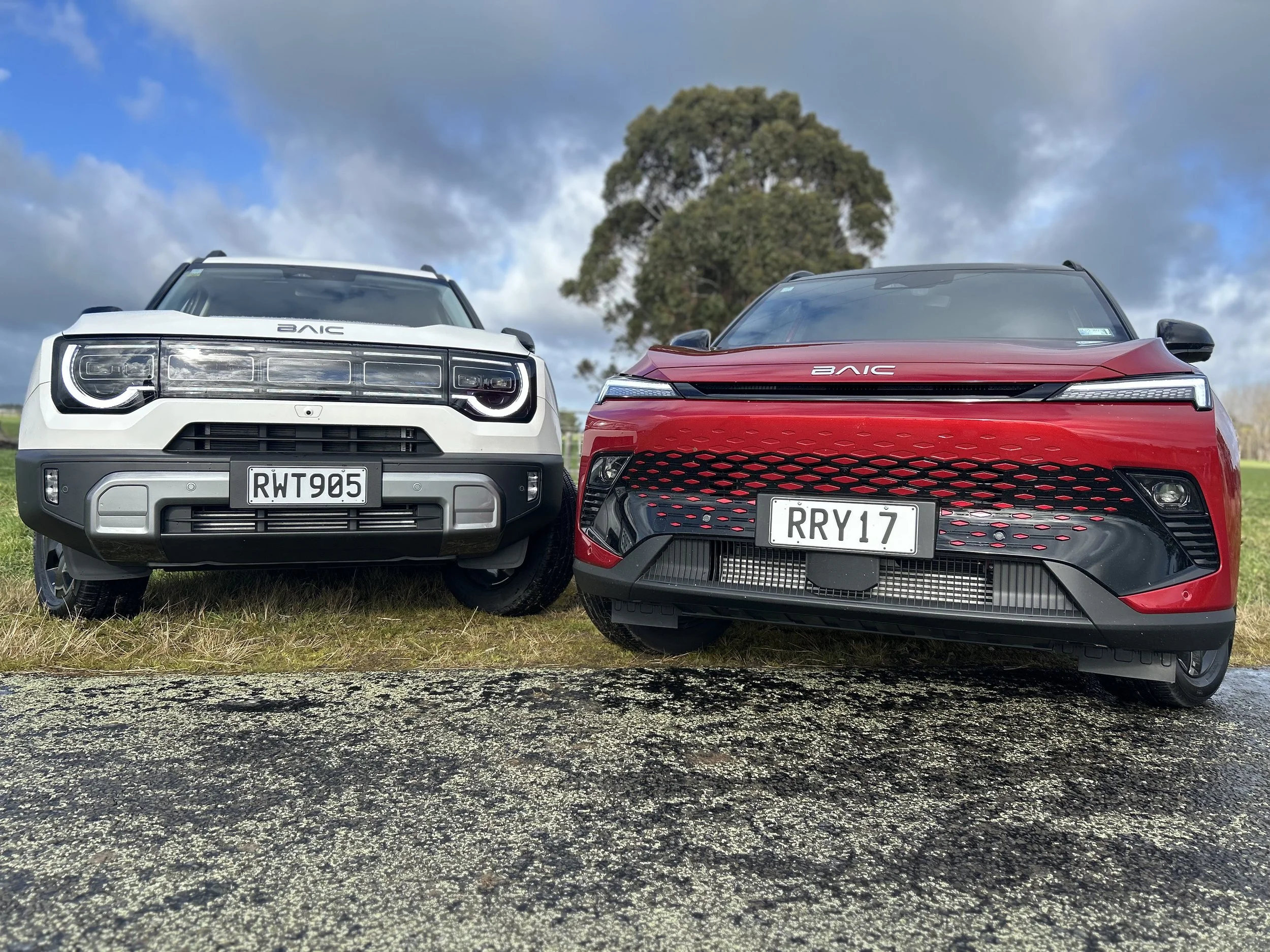
China’s State Administration for Market Regulation (SAMR) announced recalls on August 21 covering vehicles from Tesla, Leapmotor, Xpeng, Zeekr, Chery and BAIC - all of which represent here - and two that as yet do not, FAW and Xiaomi.
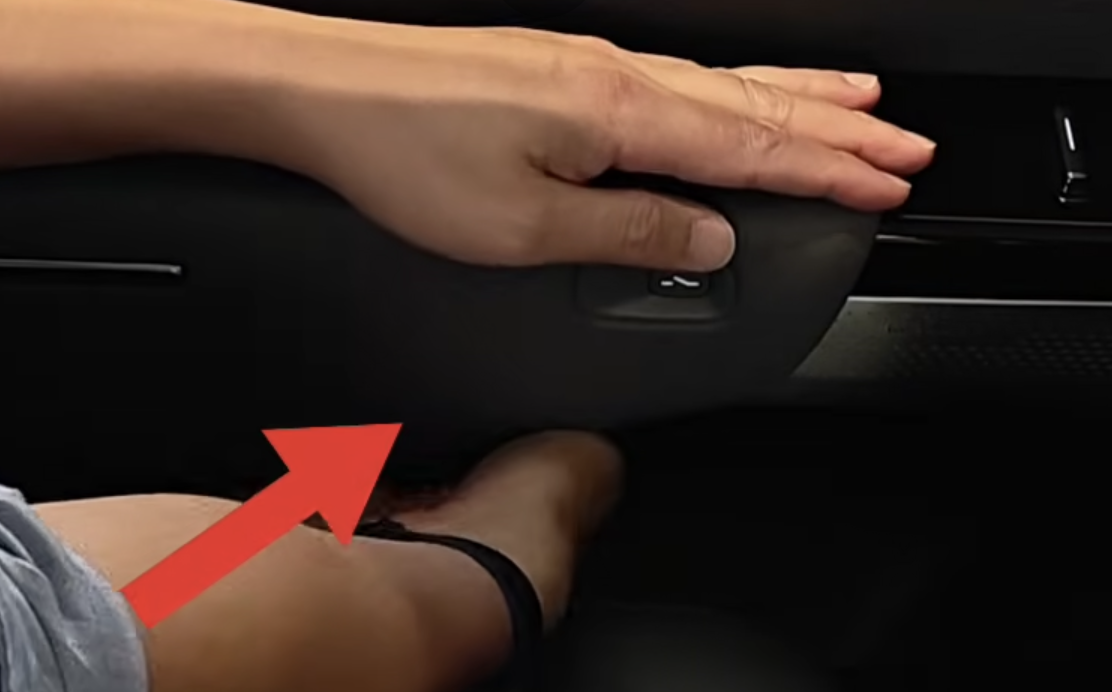
The central problem? The emergency mechanical release inside the cabin being similar in colour to the surrounding interior trim. This makes it difficult to identify and operate.
Chinese authorities say that could become critical following a serious crash if the vehicle’s low-voltage electrical system fails and the normal electronic door-opening mechanism stops working. They say occupants could have difficulty escaping, while rescuers may also face problems gaining access.
Tesla, whose Model Y and Model 3 products for NZ almost source wholly from Shanghai, accounts for the largest individual campaign.
Within China, almost three million China-built and imported Model 3, Model Y, Model S and Model X vehicles are affected by the emergency-release issue.
Tesla says it will add warning labels and remotely update the window-control software to introduce a post-crash window-lowering function, but there’s no comment yet on if those adjustments will also come to export product.
Leapmotor’s campaign covers 371,200 C01 and C11 vehicles. Zeekr has recalled 92,658 examples of its 007 and X, with Xpeng, Chery, Dongfeng, BAIC, Xiaomi and FAW also announcing campaigns.
The recalls come ahead of tougher Chinese regulations covering vehicle door handles that impact from January 1, 2027.
Under the new rules, doors will require independently operating mechanical interior releases, while emergency handles must be clearly marked and readily identifiable even in poor light. The regulations also establish requirements governing mechanical exterior releases.
The issue has gained greater attention following fatal crashes involving electric vehicles fitted with electronic door systems.
Most affected manufacturers will address existing cars through highly visible labels identifying the emergency release, often accompanied by over-the-air software changes designed to lower the windows following a serious collision.
The recalls highlight a growing concern surrounding increasingly minimalist vehicle interiors: in an emergency, potentially life-saving controls still need to be immediately obvious and simple to operate.