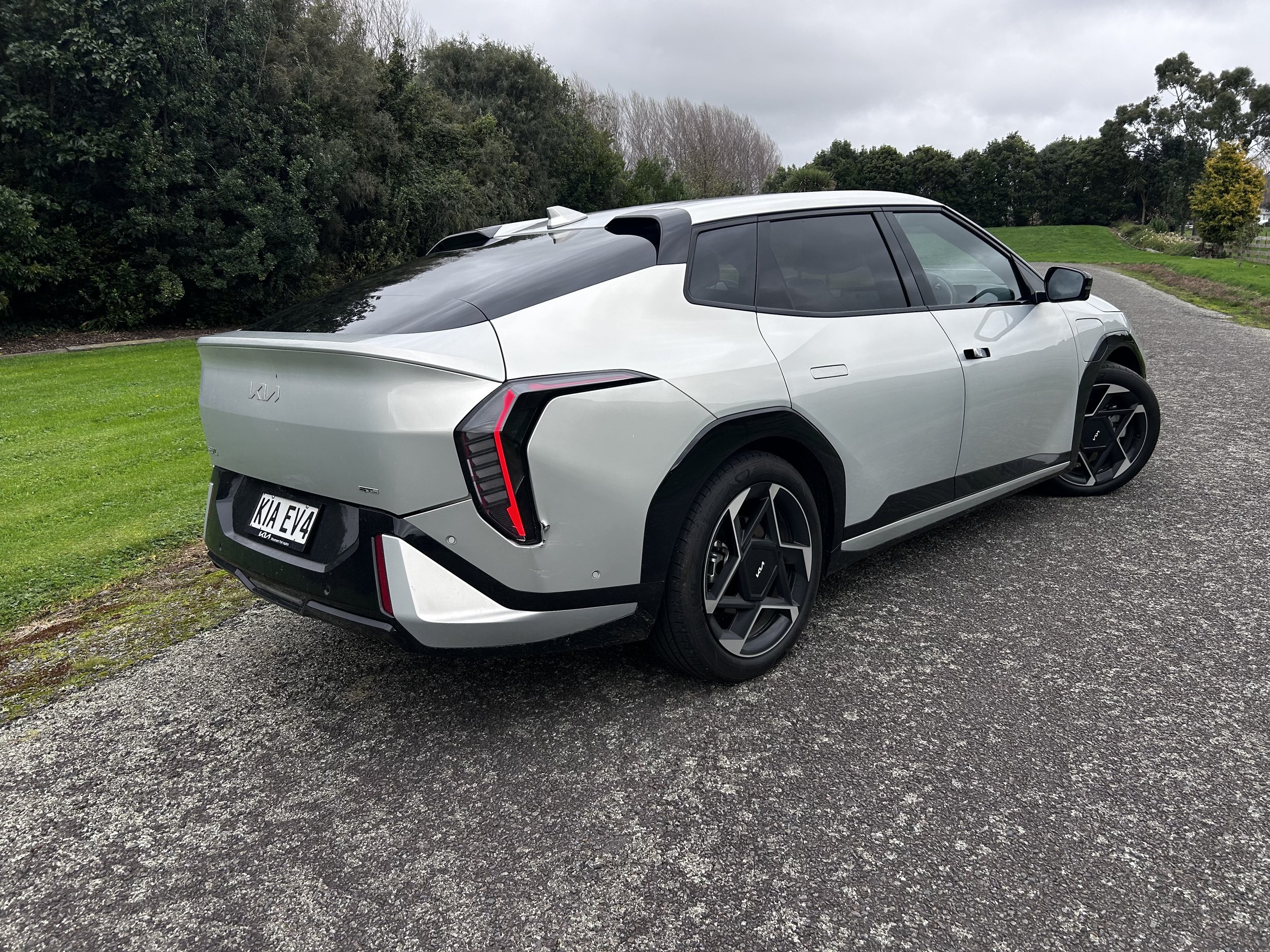

Roadster, Cybercab on NZ countdown
/Tesla’s long-awaited sports car is about to be unveiled - and its robotaxi project is coming here for a show-and-tell.
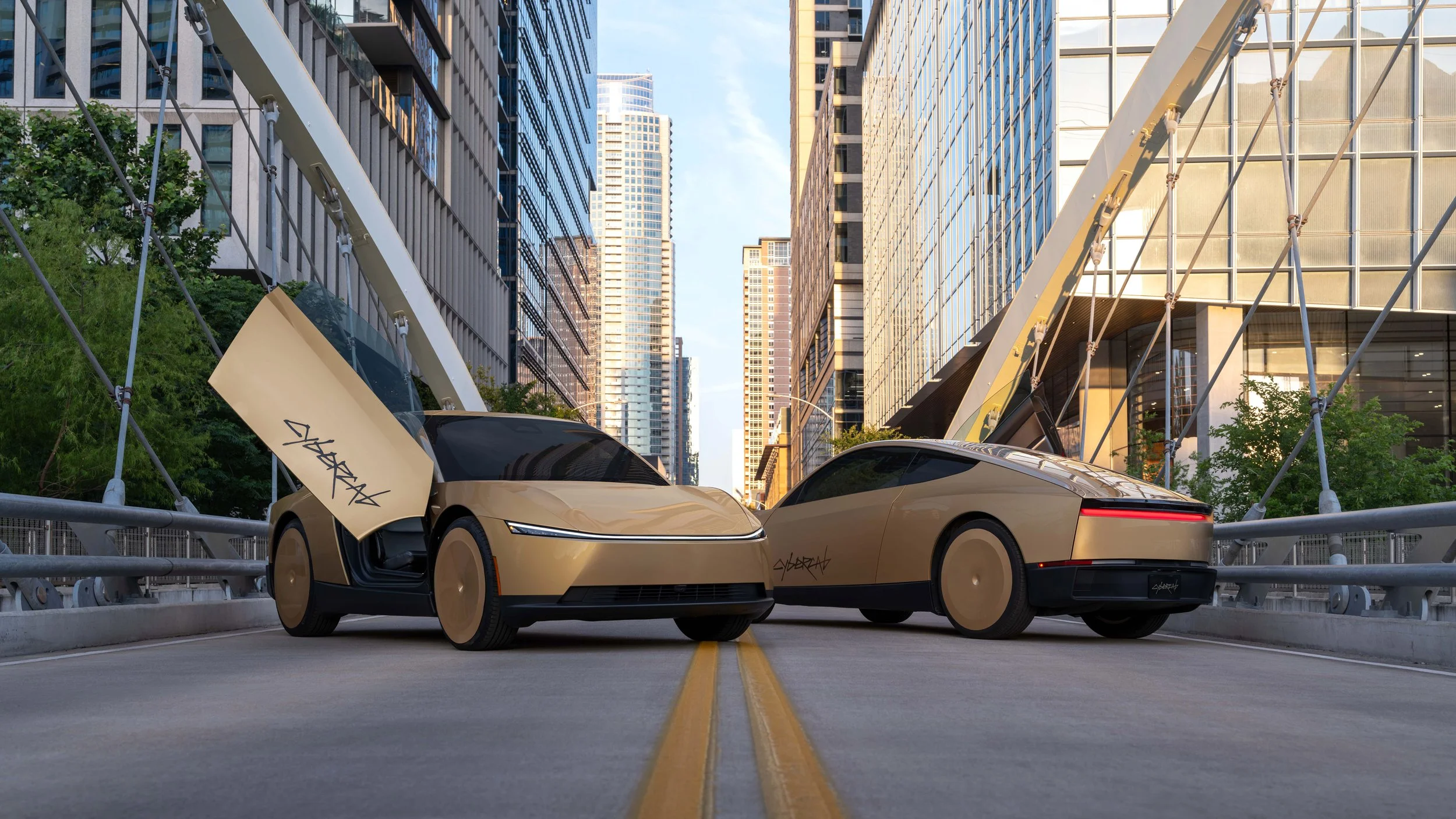
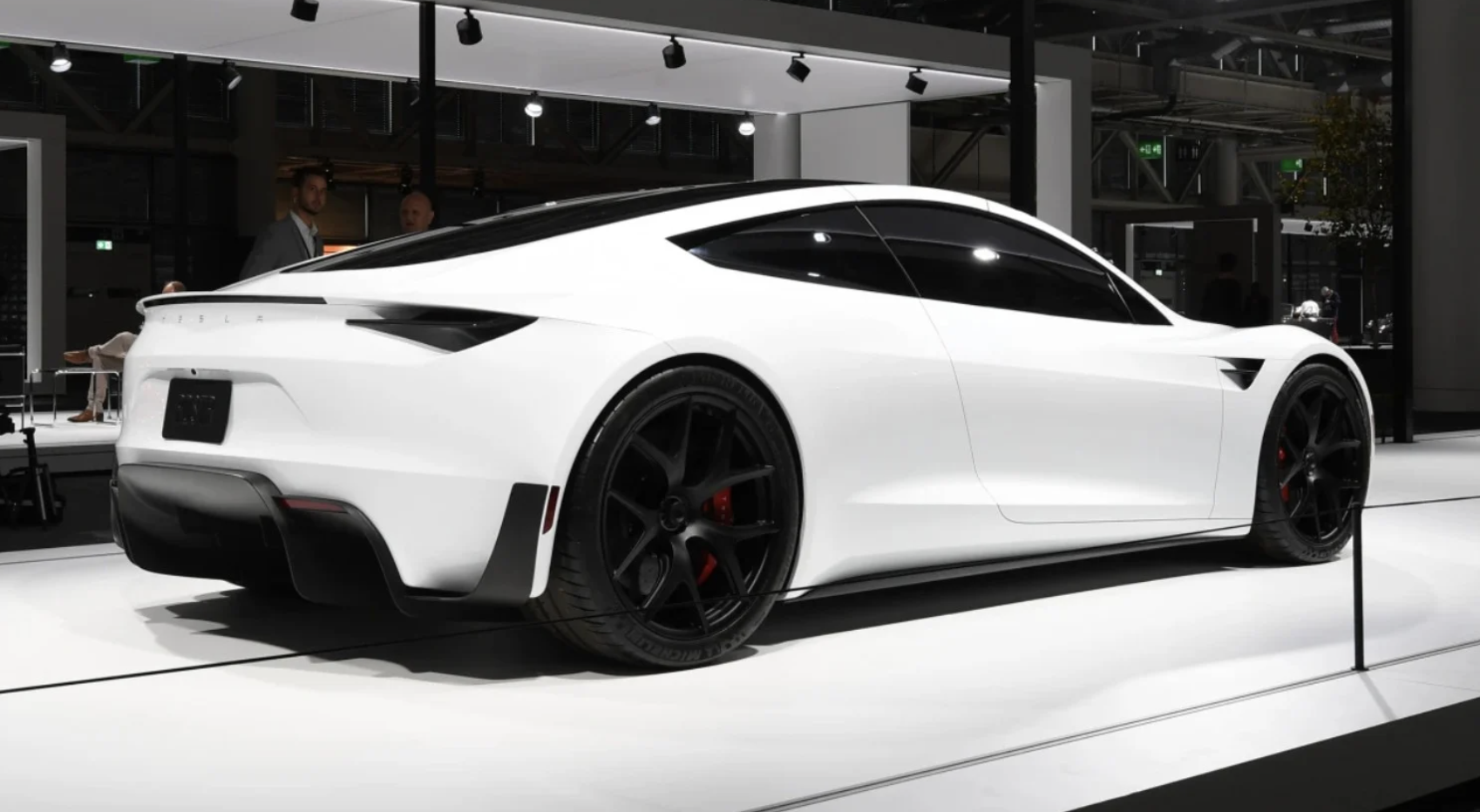
IN a couple of weeks Tesla will unveil what could be its last manually-operated car - and in a couple of months, Kiwis will get to see if its first autonomous product still has a steering wheel, brake and accelerator pedals.
The first is the long-awaited Roadster and the second is a vehicle that has just left here having undergone cold weather testing, the Cybercab robotaxi.
Telsa has announced the sports model it has had in development since 2017 will fully unveil in production-ready form on October 2.
It also has committed to doing a public roadshow with the Cybercab in New Zealand from the start of next year, but says that doesn’t mean it will avail here for actual working usage any time soon.
Rather, this is a flag waving exercise for the full self-drive supervised technology that avails as an option on the latest version of the two cars it sells here, Model Y and Model 3.
Cybercab has unveiled in the US but has yet to go into service.
The National Highway Traffic Safety Administration wants Tesla to answer, by end of this month, a series of questions on whether it properly self-certified its autonomous robotaxi.
Reuters news agency says NHTSA said Tesla must answer whether temporarily installed human driver controls - which seemed to feature on the cold weather testing cars here (but not in the concept, pictured today) - or other equipment was part of Tesla’s basis for certifying compliance, and other questions.
When announcing that Cybercab will tour Tesla locations across Australia - from next week un til the end of the year - then NZ, Tesla steered clear if discussing how the examples on that project are configured.
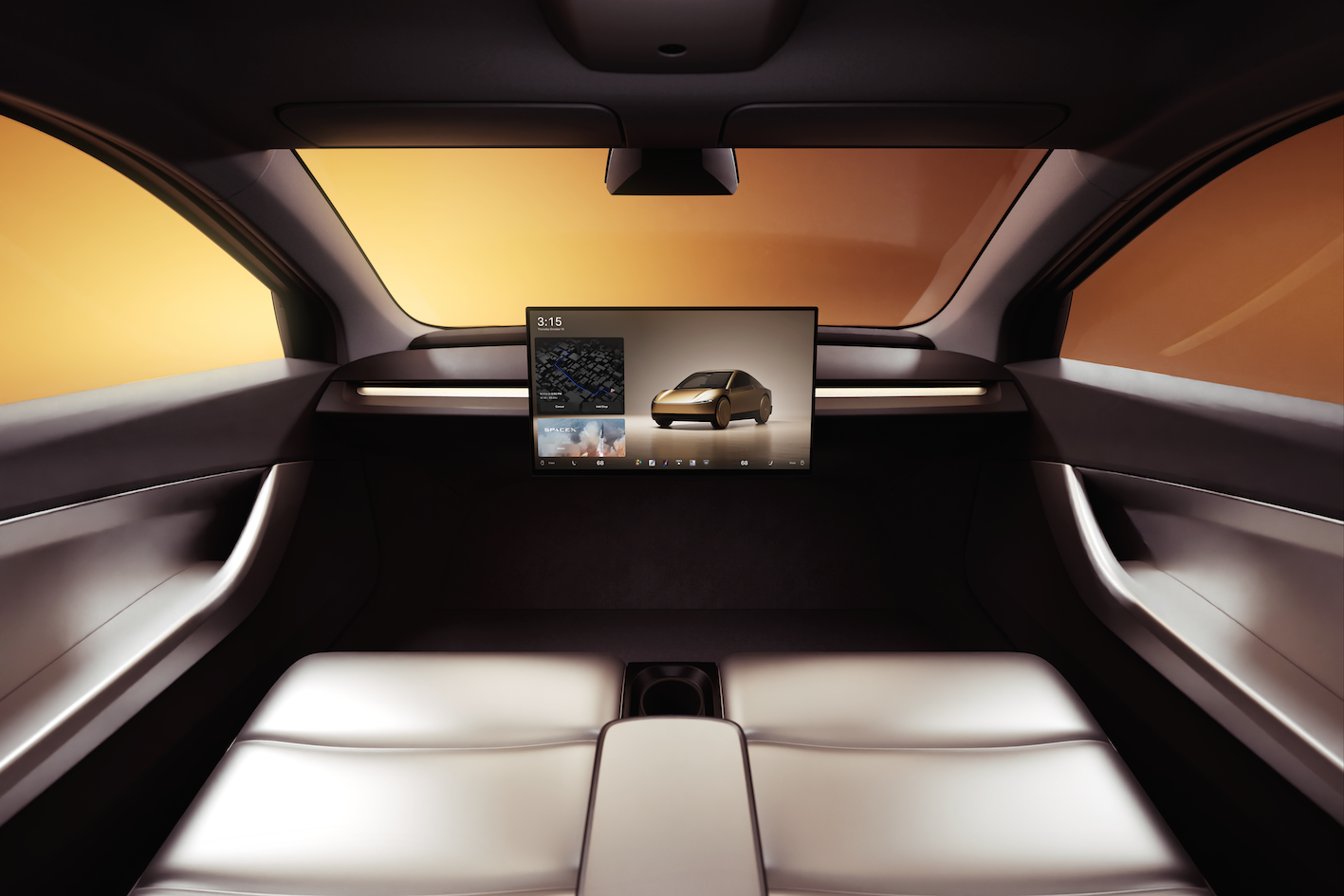
Some cars in the US do not have any orthodox controls, though they seem to have a touchpad that are presumed to allow an occupant to take over steering, forward movement and stopping. If authorised.
America’s new vehicle safety regulator said this month it was examining the process and technical data Tesla relied on to demonstrate compliance with federal motor vehicle safety standards before deploying the robotaxi.
Reuters says Tesla and other robotaxi companies including Google's Waymo have backed plans by US President Donald Trump's administration to change regulations so that such vehicles do not need to have steering wheels, brake pedals, rear-view mirrors or other equipment required by human drivers.
Critics of robotaxis oppose the changes, saying the rules should not be waived until the companies prove that autonomous vehicles are safe.
In sharing about the Cybercab tour here, Tesla’s regional office in Australia said the idea of it is to give “the public a first look at the vehicle designed for a driverless future and a clear reminder that the intelligence behind it is already in Tesla showrooms.
“Australia and New Zealand were the first right-hand-drive markets globally to receive FSD (Supervised).
“Owners can experience Tesla’s autonomous driving software on roads they already know, with the vehicle navigating city streets, highways, intersections and parking while the driver remains responsible and ready to intervene.
The tour, it says, will bring Cybercab to Tesla locations so customers, media and the public can see the purpose-built autonomous vehicle up close.
“Cybercab is the destination. Model 3 and Model Y are how Australians and New Zealanders get there today,” said Thom Drew, Tesla’s country director for Australasia.
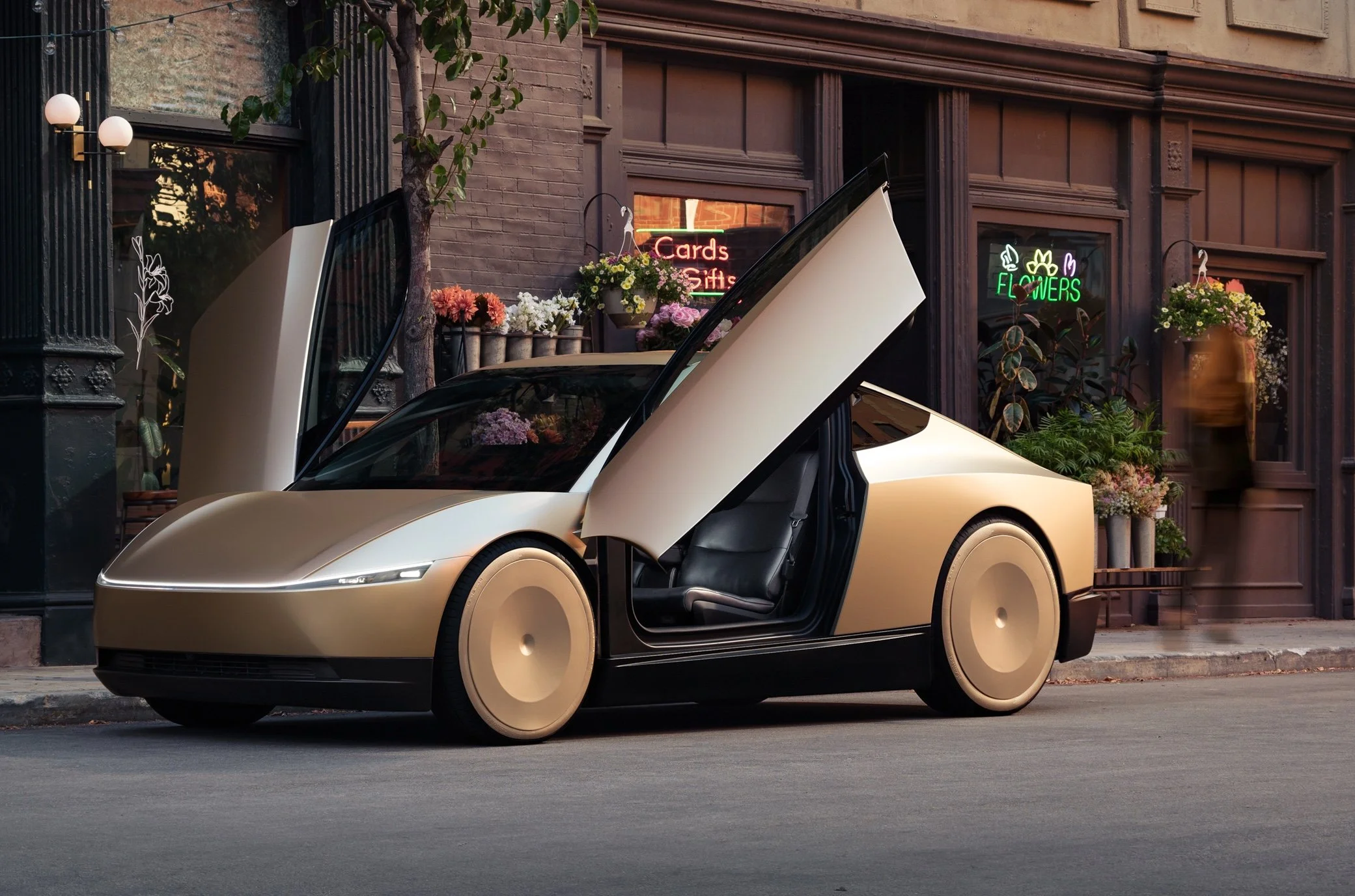
“When people see Cybercab at our locations, we want them to understand they are looking at the future of the same autonomous technology they can already experience with Full Self Driving (Supervised).”
But, he added, the tour is a showcase, not a local robotaxi launch. Also, while it is going to several major cities in Australia, in NZ it stops purely in Auckland.
Meantime, in respect to the Roadster, the make is saying little.
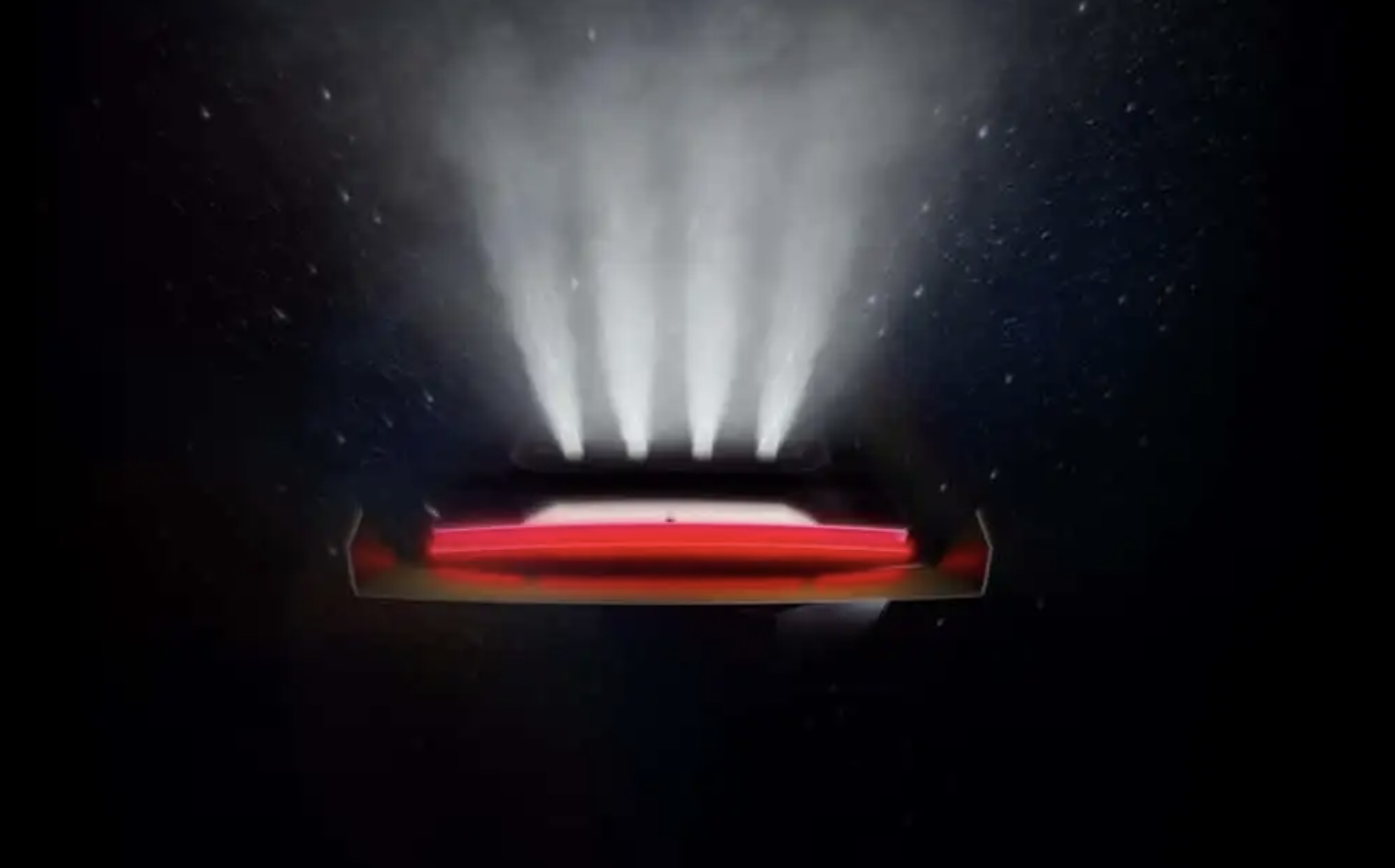
A teaser image (below) suggests the car has undergone some design tweaks since the concept (the white car at the top of this story) was unveiled in 2017, including what seems to be a full-width LED lightbar across the rear.
The Roadster was tipped to be the fastest electric car ever made when it was first unveiled. Elon Musk bragged that it would be able to smash the quarter mile in an astonishing eight seconds, and he also said the model would use “a Space X cold gas thruster system with ultra-high-pressure air” instead of the rear seats.
Tesla claimed the Roadster’s top speed would be in excess of 400kmh and it would have almost 9900Nm of torque available at the wheels, helping propel it from 0-100kmh in approximately 1.9 seconds.
Two electric motors would drive the rears, with another e-motor for the front, and the claimed range was about 1000km.