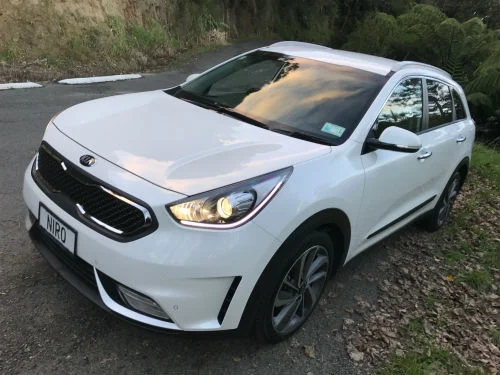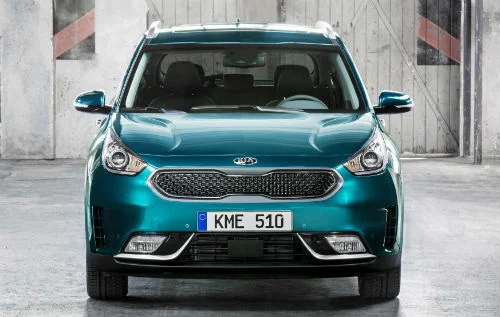

Niro model choices outlined
/
Pricing adjustments feature across broader product span
Read MoreKia reiterates claim of superior range over Hyundai equivalent
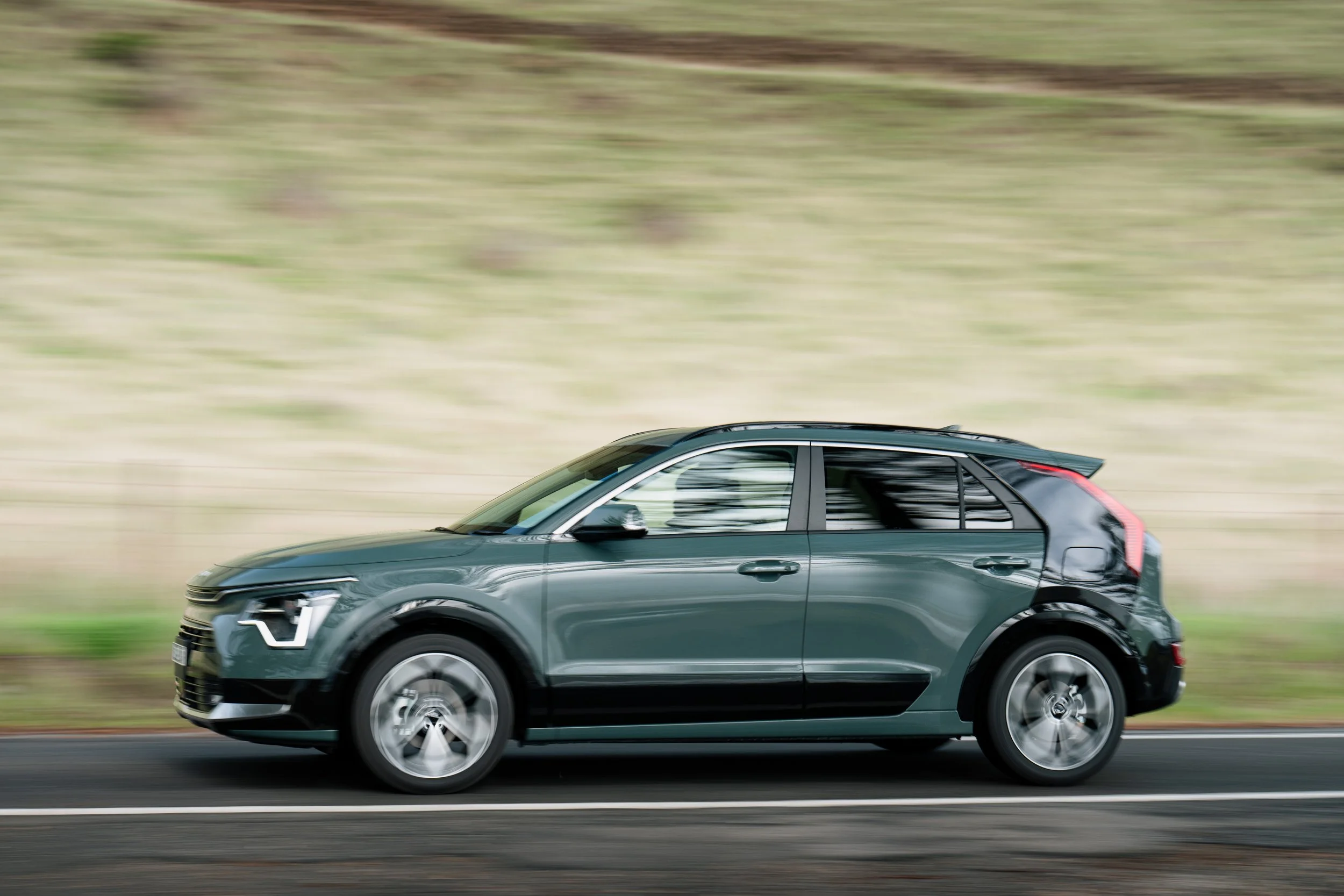
Read MoreSHOCK news for anyone imagining Kia’s electric vehicle aspiration settles where it presently plugs, with the compact Niro.
Latest from the Hyundai sub-brand is that while it still stick true to running the battery assault primarily with crossovers, the future fare will be much more adventurous – in shape and technology.
Particularly exciting is talk about a product coming out next year; a high-riding luxury crossover with a sedan-esque shell that it is specifically targeting high-performance electric cars.
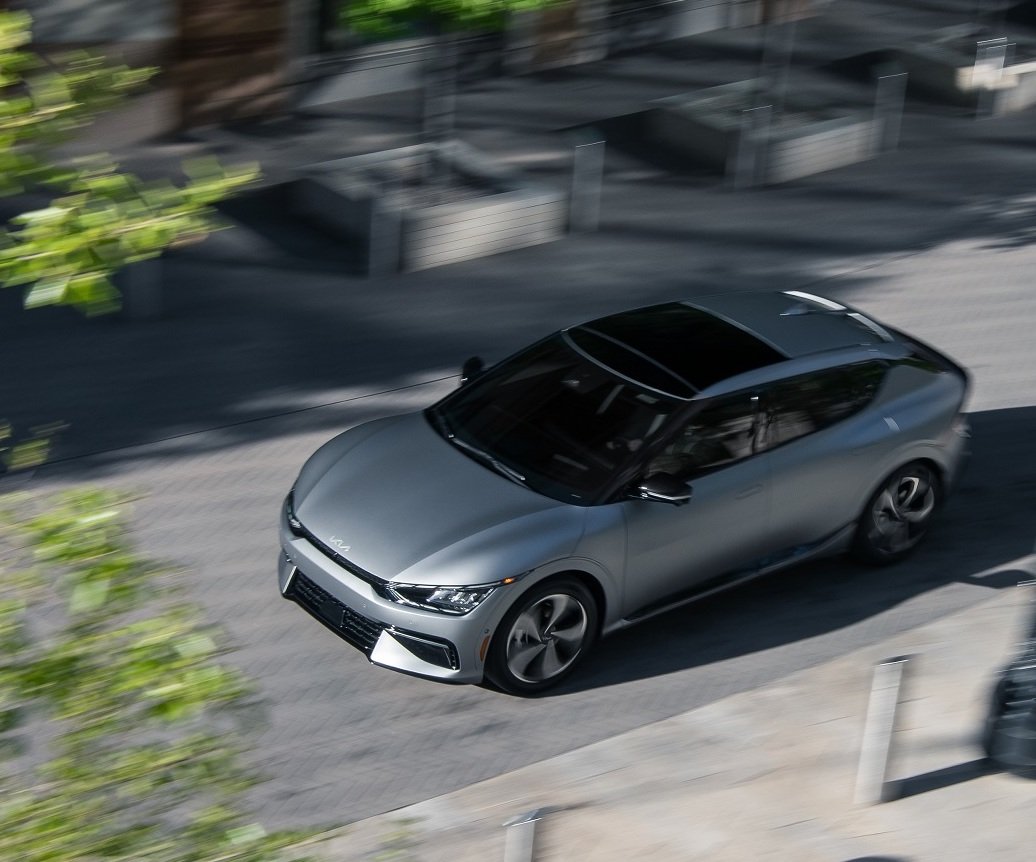
While yet unseen in production form – indeed, it doesn’t even have a name at present (the in-house designation is simply ‘Kia CV’) – the shape of the newcomer model mightn’t seem wholly unknown, as the brand has let slip that it will draw strongly off the concept seen here.
This is the Imagine, a styling study that made quite an impression on its global unveiling at the 2019 Geneva motor show.
The car that will emerge is described as Kia’s first dedicated electric vehicle – to draw distinction from Niro and Hyundai’s Kona EV being very close in terms of engineering make-up, no matter that Kia uses a different battery to enable range superiority.
Even so, it’s not a 100 percent Kia in that it is going to base off Hyundai’s E-GMP platform which will underpin the parent’s own electric SUV, labelled the ‘45’.
Indeed. being scalable, the new platform will be the launchpad for a whole host of electric Hyundai and Kia models. The latter said last week it is planning to have 11 EVs on sale in the next five years. Hyundai has indicated similar aspiration, though it has yet to cite an exact target number.
What’s also hugely interesting about the Imagine’s showroom equivalent is that it will be set up to use an ultra-fast 800-volt battery system that could bring 15 minute EV pit stops to the masses.
To date, the only production EV with that capability is the Porsche Taycan, which with a peak charge of 270 kiloWatts can achieve a charge of five percent to 80 percent in about 20 minutes. That’s with the right kind of charging network in place, of course; you’re talking about 300kW charging stations.
Kia is talking about its car will have a range of just over 300kms, which is hardly going to impress Tesla-rati and in fact isn’t a lot more than a Niro. But, then, it could be sitting in the replenishment phase for much less time. And it will also be ludicrously quick, with 0-100kmh in under three seconds vowed for the hottest version. That’s comparable to the Taycan and the fastest Teslas and, obviously, a lot faster than any other car Kia has ever created.
There’s one small disappointment about the project in that the identity behind the concept is no longer with the company. Luc Donkerwolke has just resigned as chief design officer of Hyundai Group, citing personal reasons.
When Imagine was unveiled, the 54-year-old was then Kia’s head designer and, when questioned a year ago about the feasibility of Imagine hitting the street, he was quite confident it could do so with minimal change.
“I don’t see anything that’s really not feasible. There are some cost-related issues that have to be validated, but it hasn’t been done by designers who don’t understand how to build a car for production.”
Donkerwolke was lured to South Korea in 2016, having been with Volkswagen Group for 22 years. He was lured to Seoul with the promise of a free reign to set the design pathways for Hyundai and Genesis; he achieved this with radical effect, not least after achieving in 2018 the role he now leaves, a job that pulled Kia into his portfolio, succeeding Peter Schreyer.
MotoringNZ reviews new cars and keeps readers up-to-date with the latest developments on the auto industry. All the major brands are represented. The site is owned and edited by New Zealand motoring journalist Richard Bosselman.
NEWS | FIRST DRIVE | TESTED | VIDEO | CONTACT | THE CREW | TERMS + CONDITIONS