
Fresh car to sell … fresh way of selling
/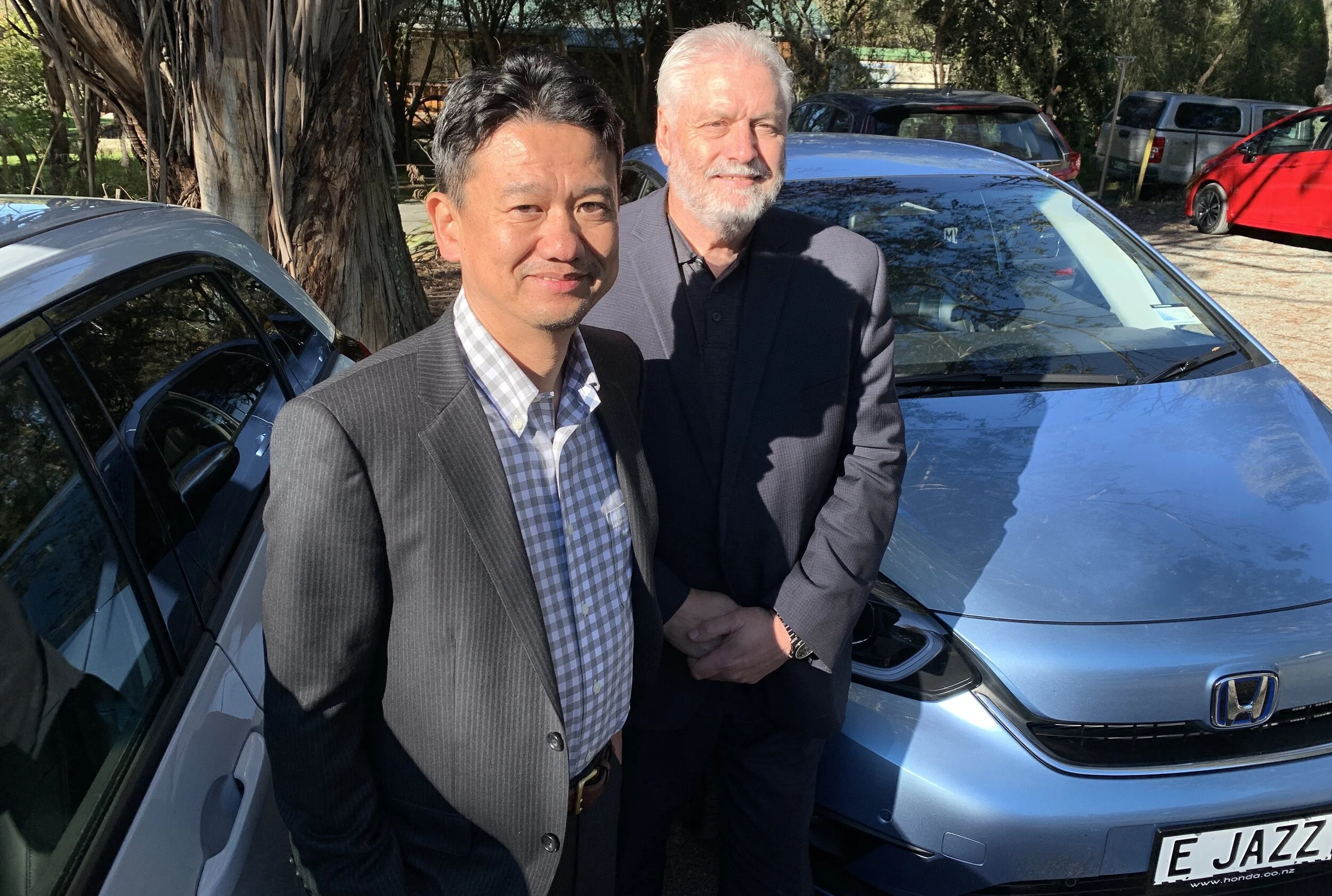
Honda NZ high-ups discuss the reasons for changes to the long-standing Price Promise policy and talk cars.
Read MoreHonda NZ high-ups discuss the reasons for changes to the long-standing Price Promise policy and talk cars.
Read MoreWANT to buy a new Honda but not via a dealer?
From May 1, Kiwis won’t have to. Instead, they can buy the car they want directly from the manufacturer, from their computer.
The brand that has operated a distinct Price Promise sales model since 2000 has today announced intent to further refine that process.
From the start of next month customers will be able to purchase Honda passenger models directly from Honda, either in a traditional store or via a new e-Commerce platform.
Any benefits that might arrive from this have yet to be spelled out by the brand. It is also not clear if the Price Promise name will be kept
“Our independent Honda agents have served the Honda brand incredibly well over many years, and we have greatly valued these relationships during this era,” said Nobuya Sonoda, Honda New Zealand’s managing director.
“The changes we are embarking on in 2021 are about actively managing our operations to ensure they are fit for the future and are reflective of Honda’s long-term commitment to continue investing in our people, operations and our communities.
“By making these changes we are placing our customers at the heart of everything we do, and importantly, putting the purchasing power where it belongs — in the hands of our customers.”
The Honda national dealer network comprises seven Honda-owned branches, plus 17 independently owned agents.
In its statement, Honda NZ says those independent agents will now be converted either into fully fledged Honda stores, Honda Service Stores, or Authorised Service Stores.
The changes are set to streamline the sales experience across the board, while also decreasing independent involvement in stores outside of major centres.
The strategy is in keeping with what is known as an agency sales model. With this in its purest form, retailers/distributors shift their allegiance with a manufacturer.
Instead of buying a vehicle from the maker for a price usually well below list and so with a built-in margin, they simply accept a fee for each car sold.
It’s a fundamental shift. An agency model means a maker – or in this instance, the distributor - controls car pricing, instead of dealers, giving them a better chance of achieving haggle-free pricing.
Honda NZ took steps toward an agency model 21 years ago with its Price Promise policy, which ensured new-car buyers got the same price on a new Honda no matter who they were, where they lived, and what day of the month they purchased.
Honda NZ said then that special offers, run-out deals, discounts and end-of-the-month sales all lowered resale values, which in turn affected a vehicle’s depreciation rate.
Back then, the price of a new Honda was also different around the country based on the individual dealer and the customer.
The company argued this led to an inequality. If one buyer received a five percent discount and another a 15 percent discount, the first buyer’s car would have depreciated by an extra 10 percent.
The NZ Price Promise changed that, so the only factors affecting the resale value of a Honda became vehicle age, mileage and condition. The system was designed to make Honda’s vehicles depreciate slower than those of rival brands.
For the dealer, it also meant lower operating costs. It meant dealers could sell any vehicle on order nationally, not just the ones allocated to them, with access to the full Honda range without incurring floorplan costs.
Honda NZ owned all demonstration stock at the dealerships and all the new-car stock.
Toyota New Zealand also has an agency model and other brands are looking at it.
MotoringNZ reviews new cars and keeps readers up-to-date with the latest developments on the auto industry. All the major brands are represented. The site is owned and edited by New Zealand motoring journalist Richard Bosselman.
NEWS | FIRST DRIVE | TESTED | VIDEO | CONTACT | THE CREW | TERMS + CONDITIONS