
Electric and electrified for Lexus UX
/
Dropping pure petrol creates price gap between this car and newly-introduced LBX.
Read MoreDropping pure petrol creates price gap between this car and newly-introduced LBX.
Read MoreCONFIRMATION the UX 300e, the first EV production vehicle from Lexus, will come to New Zealand leaves uncertainty about whether parent Toyota also has a battery car heading this way as well.
Toyota New Zealand, of which Lexus New Zealand is an operational aspect, is declining to offer elaboration.
This comes after Neeraj Lala, chief executive of both, confirmed the 300e will be sold here. He would not say when that will happen and no other details have been forthcoming.
Lexus has cited China as a primary market for the model, hence why they chose to stage the international reveal at last year’s Guangzhou motor show. And while it also cited Europe and Japan as other recipient markets, it has never been clear about what other countries might be in line. Until now, of course.
With Lexus in the EV-sphere, where does that leave Toyota? It and Lexus have said they plan to release three EVs by the end of 2021. Also, in past discussions with media, but specifically during a media conference on August 3, Lala said the main brand will have its first EV on sale in NZ in 2021. The broader gameplan involving, as well as the single EV, a PHEV and more mild hybrids, was outlined on August 6 (https://www.motoringnz.com/news/2020/8/6/extra-electric-involved-product-for-tnz).
So is that the Lexus – bearing in mind that TNZ is always adamant, in the face of the obvious ownership situation and occasional engineering and technology cross-pollinations, that Lexus and Toyota are separate entities – or is it another car?
That question has been put directly to Lala today. However, the response, via TNZ’s communications channel, is no comment.
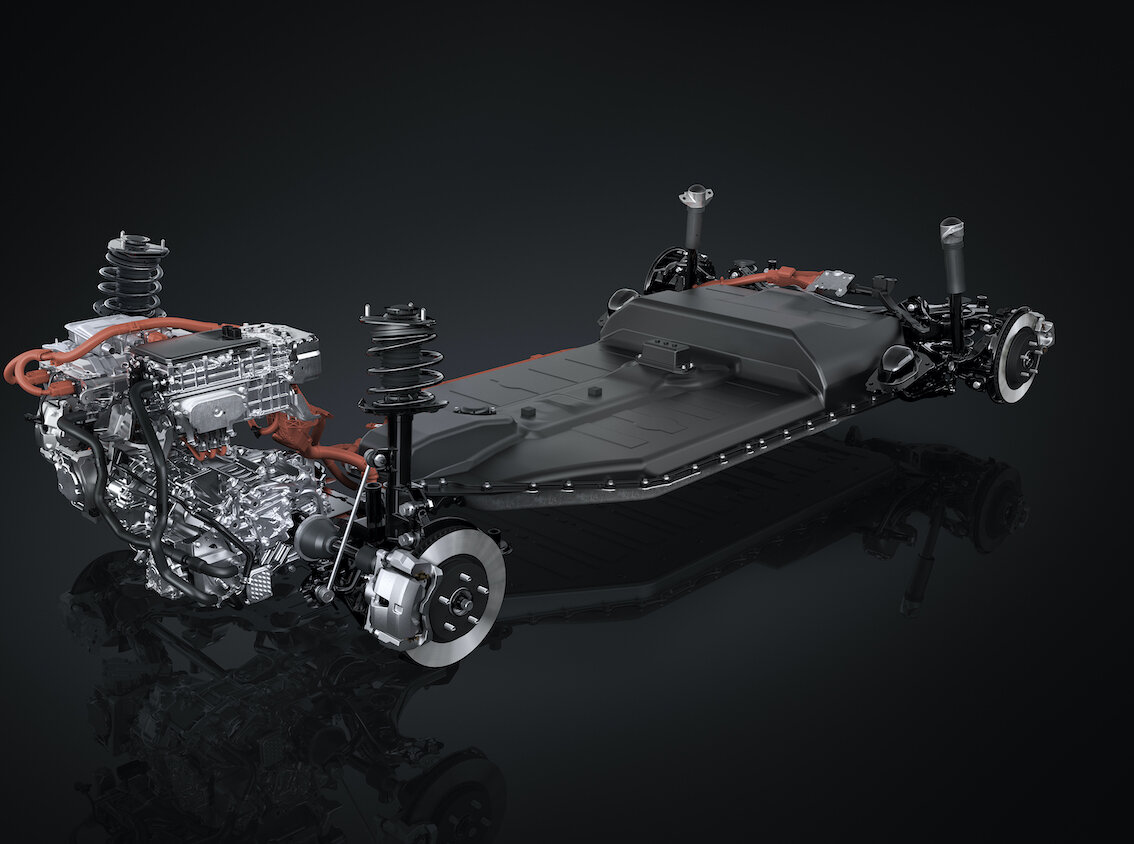
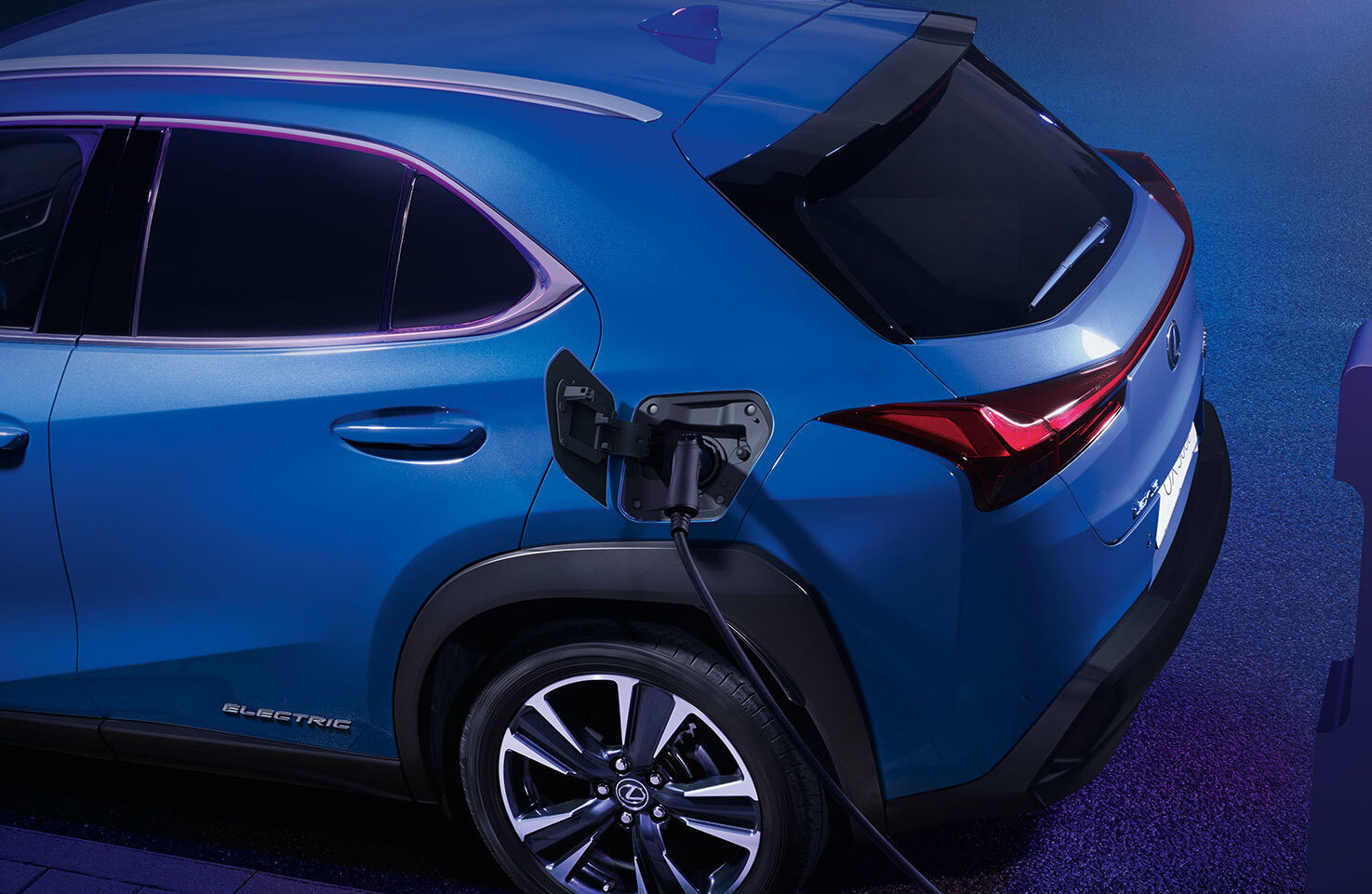
And so to the UX 300e. Built on Toyota’s GA-C platform, it runs a front-mounted motor that produces 269kW and 300Nm of torque. Energy comes from a 54.3kWh underfloor lithium ion battery offering a claimed range of around 315km on the official WLTP testing regime. It's capable of 0-100kmh in 7.5 seconds and has a top speed of 160kmh.
The model is capable of DC replenishment and rapid-charging from zero to 80 percent takes 52 minutes. It features a number of driving modes so that the performance of the motor can be better managed, along with paddles to alter the strength of the regenerative braking.
Lexus says the drivetrain has been developed with a focus on on-road performance and the goal of offering a quiet and refined driving experience. Extra bracing has been added over the regular UX hybrid and the dampers reworked to maintain optimum weight distribution.
The first market to announce intent to sell the right-hand-drive has been the United Kingdom.
It says it will take a single model, with two options: Premium Plus and Takumi. Standard equipment runs to LED headlights, heated seats, parking sensors, a reversing camera, 17-in alloys and smartphone integration.
Premium Plus, adds leather upholstery, a heated steering wheel and heated rear seats, keyless entry and a wireless smartphone charger.
The Takumi option comprises an upgraded sound system, a 10.3-inch infotainment screen, surround view camera, 18-inch alloys and a sunroof.
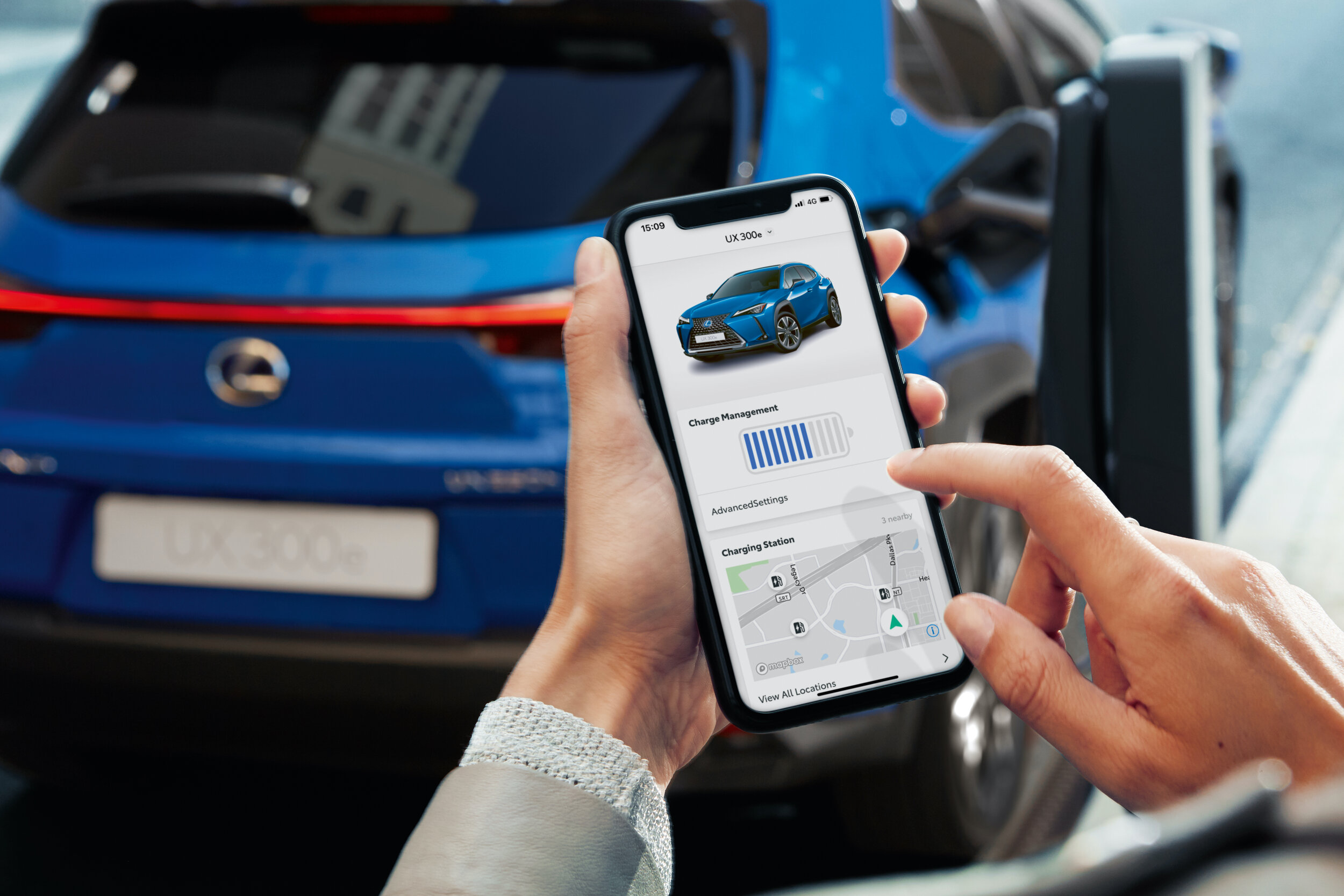
Special features include Active Sound Control that “transmits natural, ambient sounds to communicate the driving conditions”. Smartphone integration will allow owners to check battery charge and remaining range remotely, be notified when charging is complete and pre-condition the car using the climate controls.
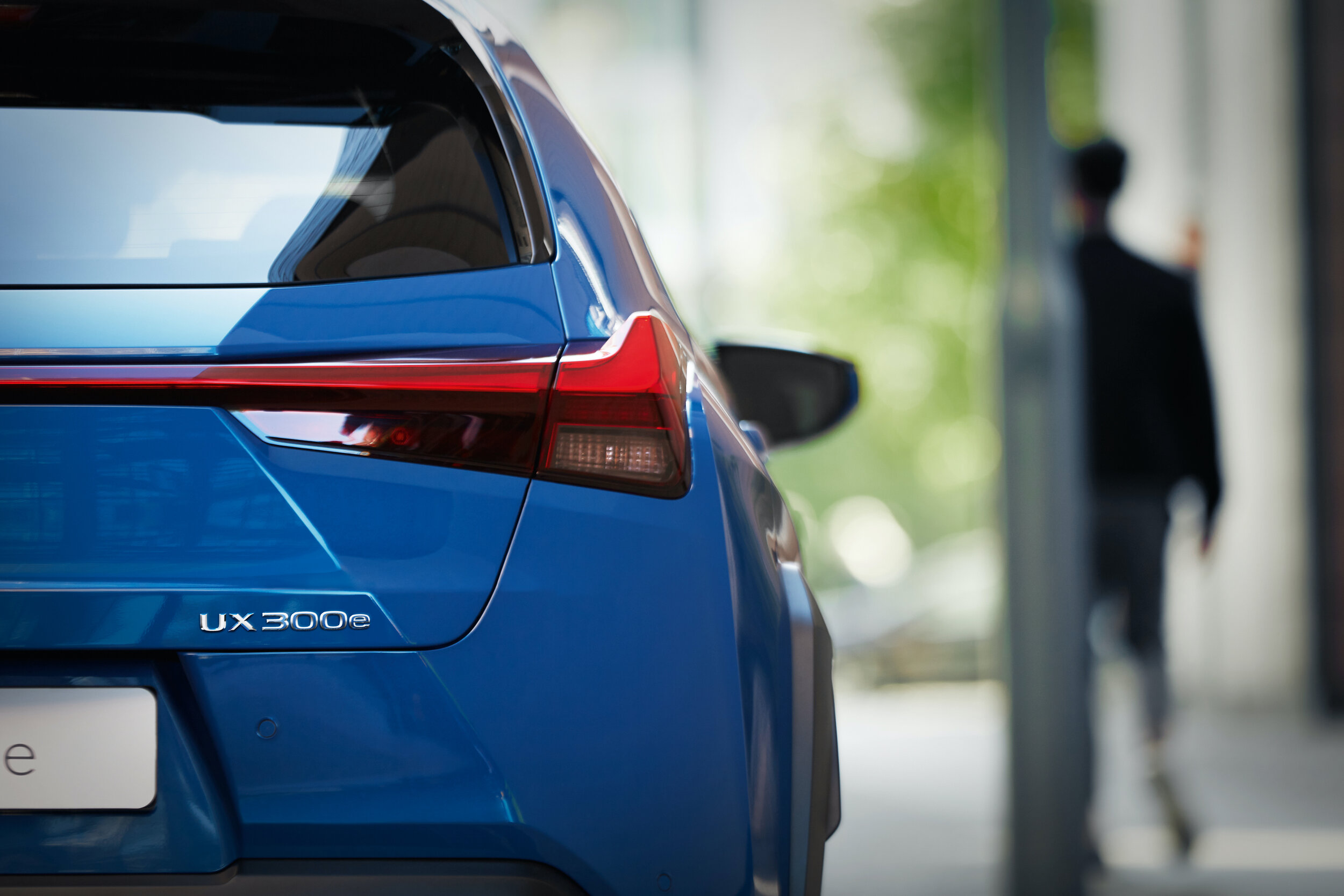
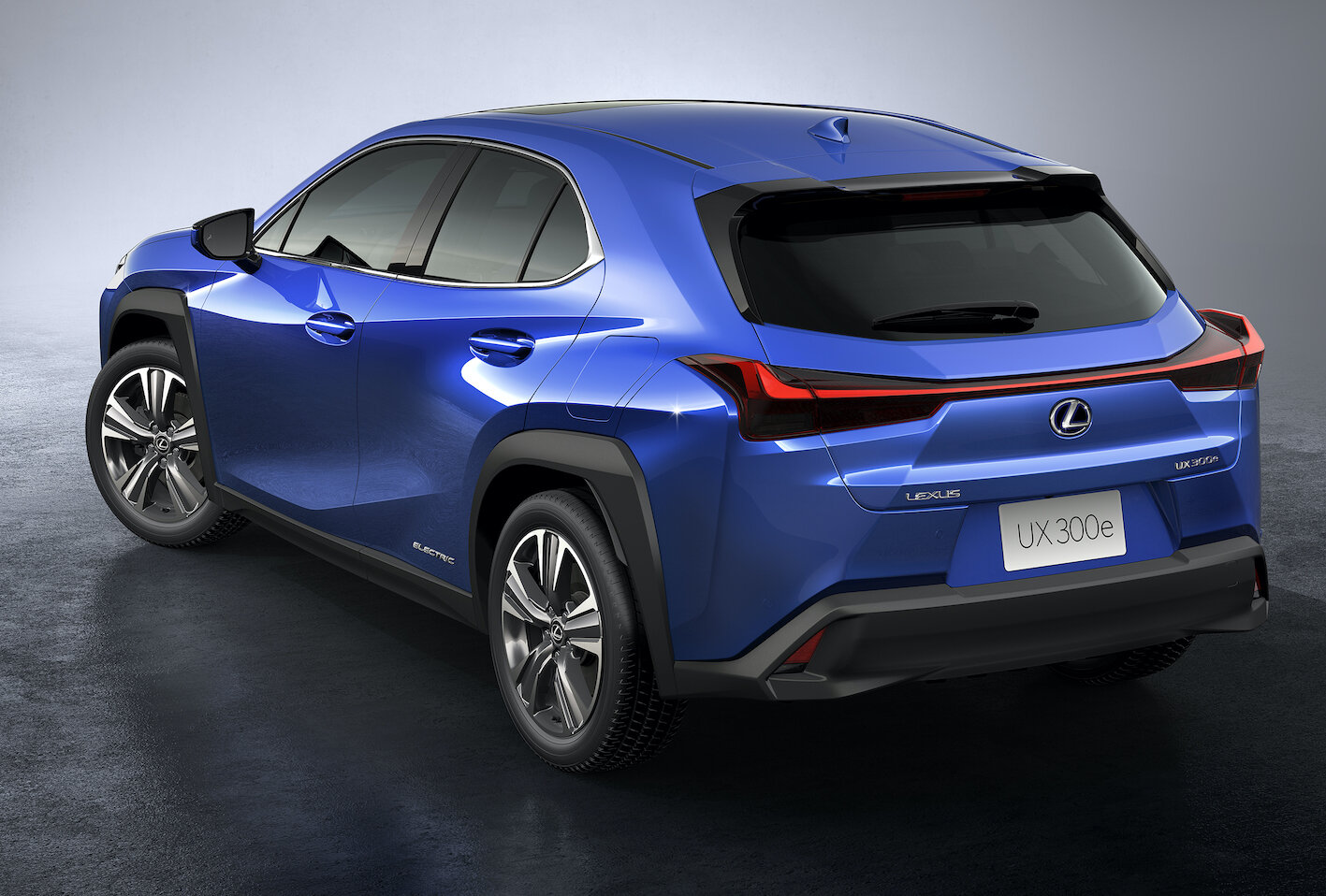
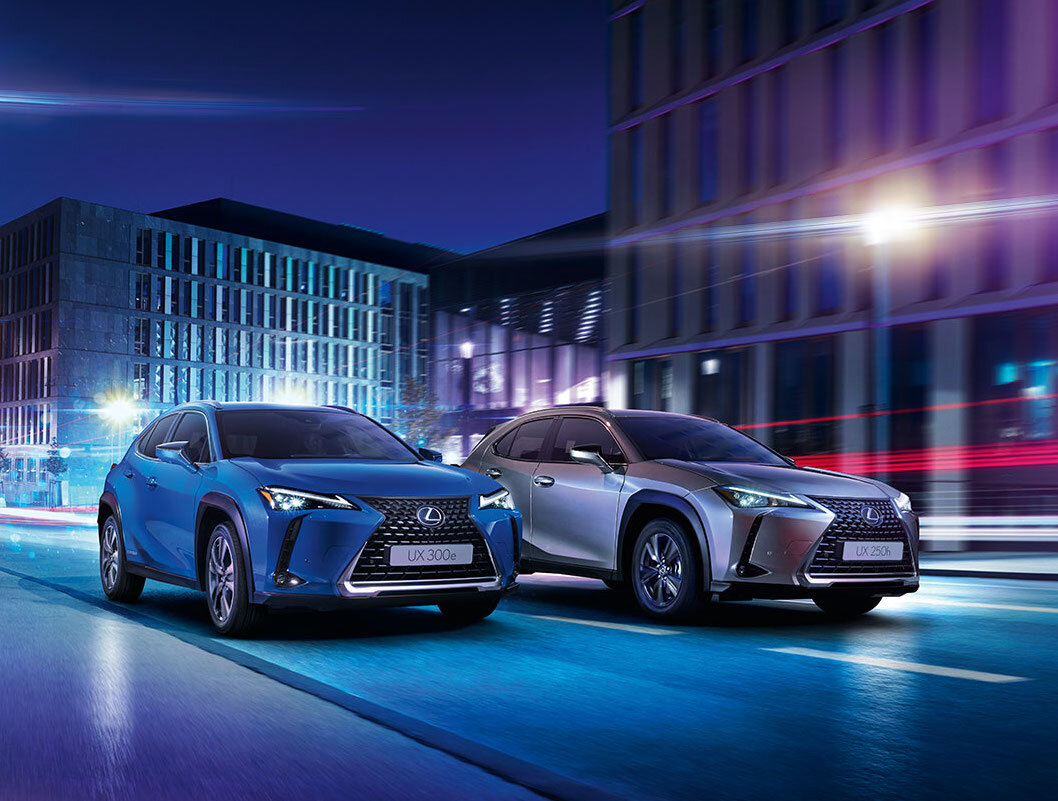
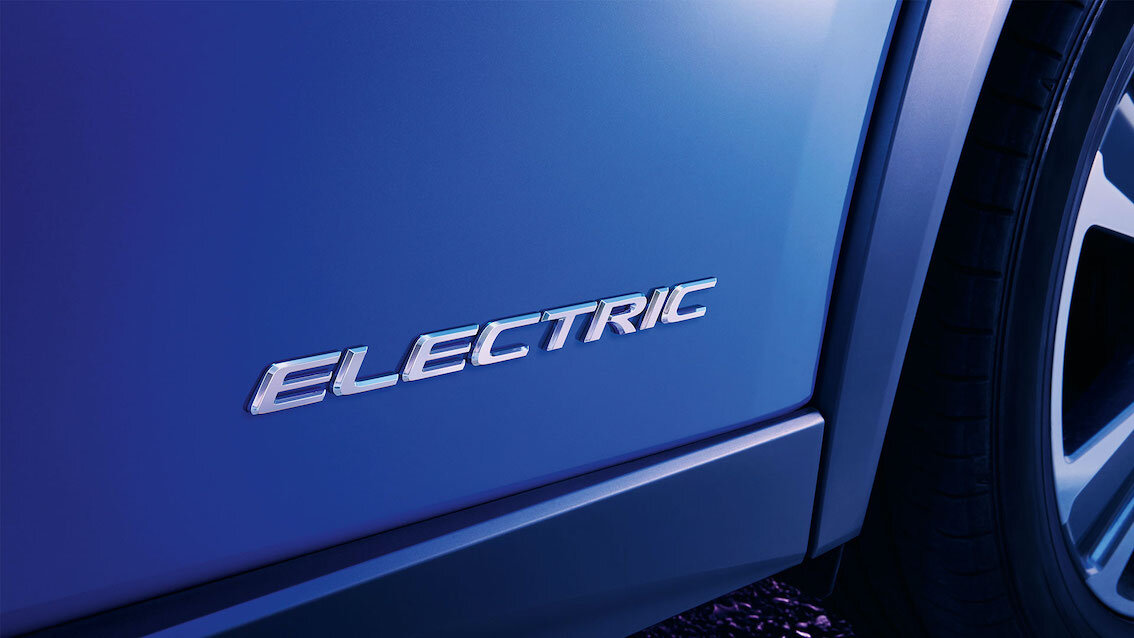
The 300e has not diverted from the general US styling, but of course has specific badging and has picked up aerodynamic wheels.
MotoringNZ reviews new cars and keeps readers up-to-date with the latest developments on the auto industry. All the major brands are represented. The site is owned and edited by New Zealand motoring journalist Richard Bosselman.
NEWS | FIRST DRIVE | TESTED | VIDEO | CONTACT | THE CREW | TERMS + CONDITIONS