
Second refresh for Mazda2
/
Hiroshima’s baby hatch, presently here in three grades, achieves a styling freshen and might be in line for a new infotainment package.
Read MoreHiroshima’s baby hatch, presently here in three grades, achieves a styling freshen and might be in line for a new infotainment package.
Read MoreDoes an old habit persist with the MX-30 plug-in hybrid?
Read MoreA third powertrain for the MX-30 reinstates an iconic engine type. Will it avail in NZ?
Read MoreThe picture from Mazda for Kiwis leaves potential buyers in the dark – not so the one for North America.
Read MoreAustralia’s extra-early announcement of Mazda’s plush SUV gives a good idea of what the NZ distributor can snare.
Read MoreDesign study of small battery-packed coupe flashed at Mazda conference.
Read MoreMazda’s new flagship expected to overshadow CX-9 as a five-star family fare.
Read MoreNZ market preferences for plush battery-involved SUV adopted by neighbour
Read MoreWhile our neighbour is securing CX-60 this year, NZ is further down the queue.
Read MoreArrival of handling-honed model coincides with signs Mazda’s classic has a solid future
Read MoreHiroshima’ most powerful road car is designed to go up against Germany’s elite marques.
Read MorePowertrain detail revealed about the CX-60 in run-up to full unveiling next month.
Read MoreMazda has outlined its upcoming sports utility range and lots more.
Read MoreBEING in the business of making and selling products that create greenhouse gases responsible for global climate change also fuels Mazda’s eco-consciousness.
It all began in 2007 with Sustainable Zoom-Zoom, a multi-solution plan to reduce vehicle emissions; including a key resolution to reduce “well to wheel” CO2 emissions from its vehicles by 50 percent by 2030 and by 90 percent by 2050.
Read MoreTHE latest entrant to the electric car sector is also proposing keeping petrol and diesel vehicles in circulation for decades yet.
Mazda New Zealand’s call is tied to adoption of synthetic fuels that could make internal combustion engine (ICE) vehicles just as clean as electrics.
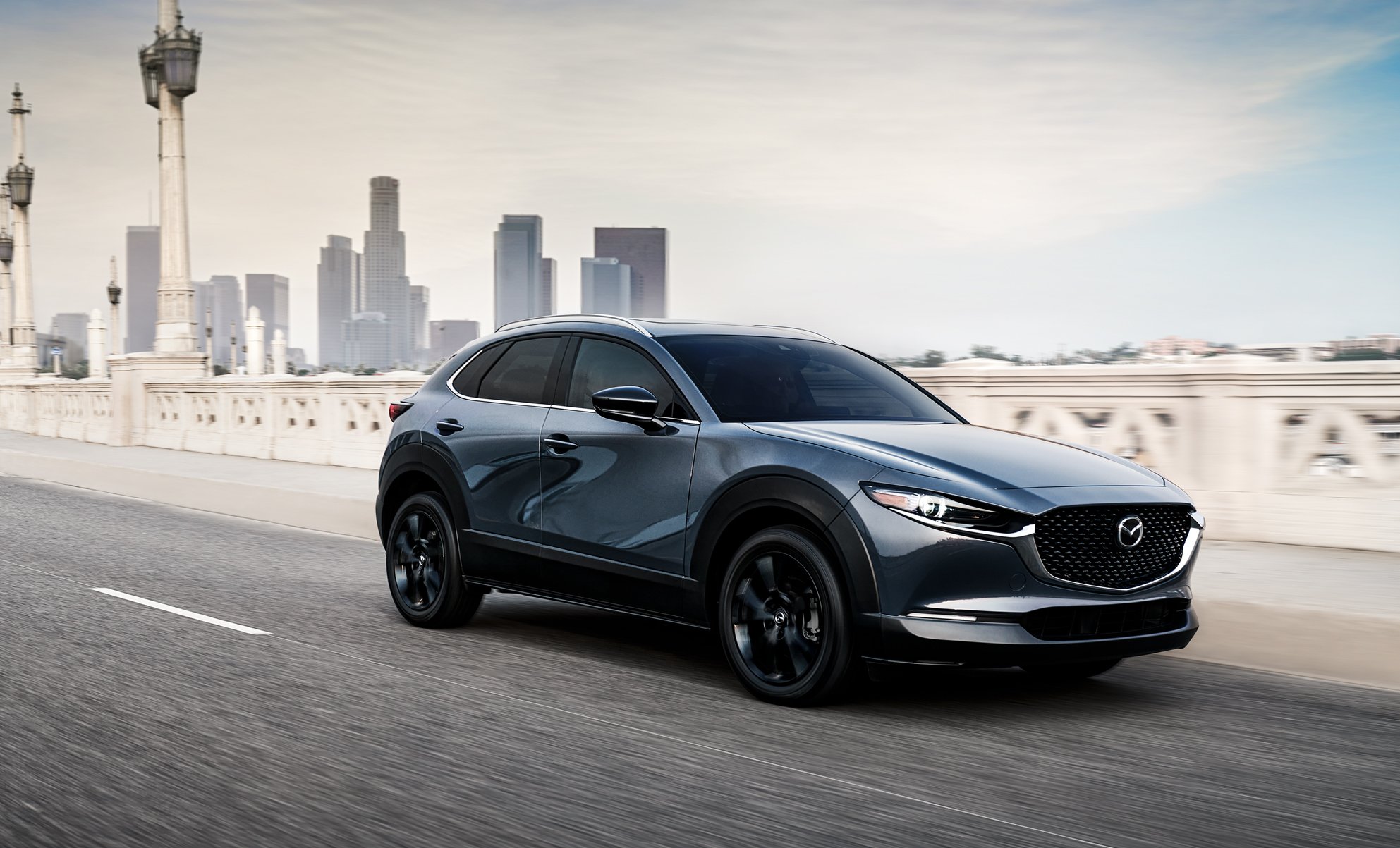
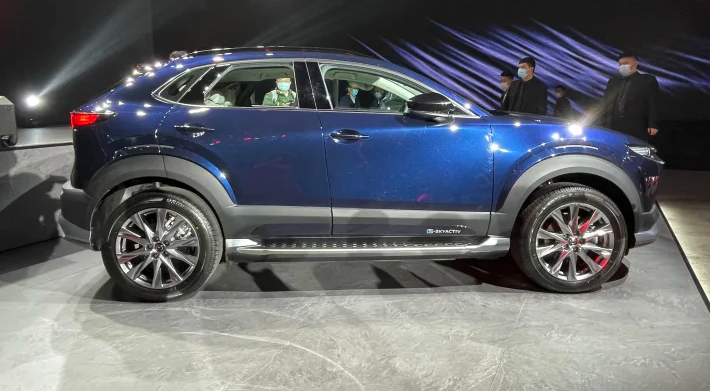
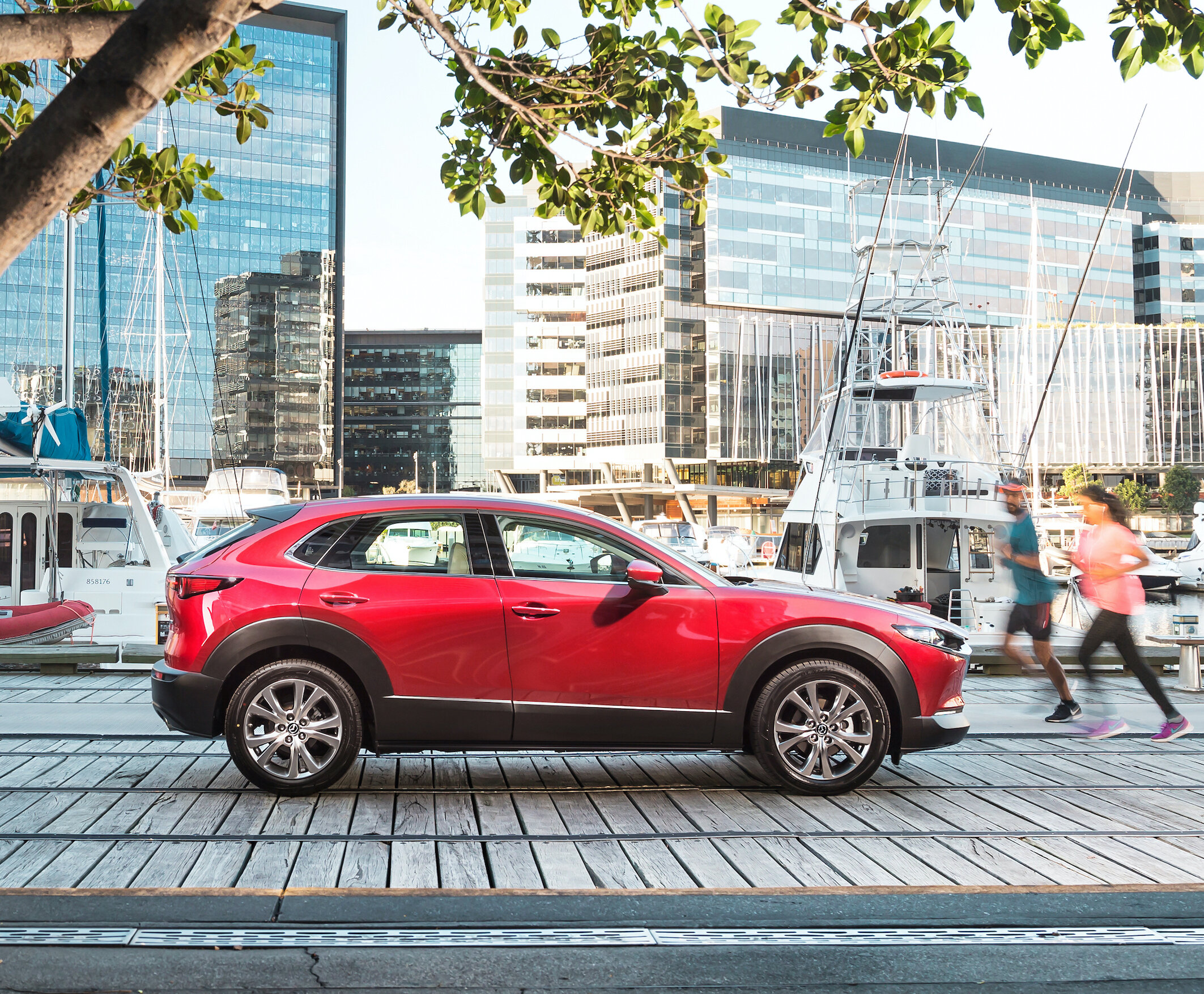
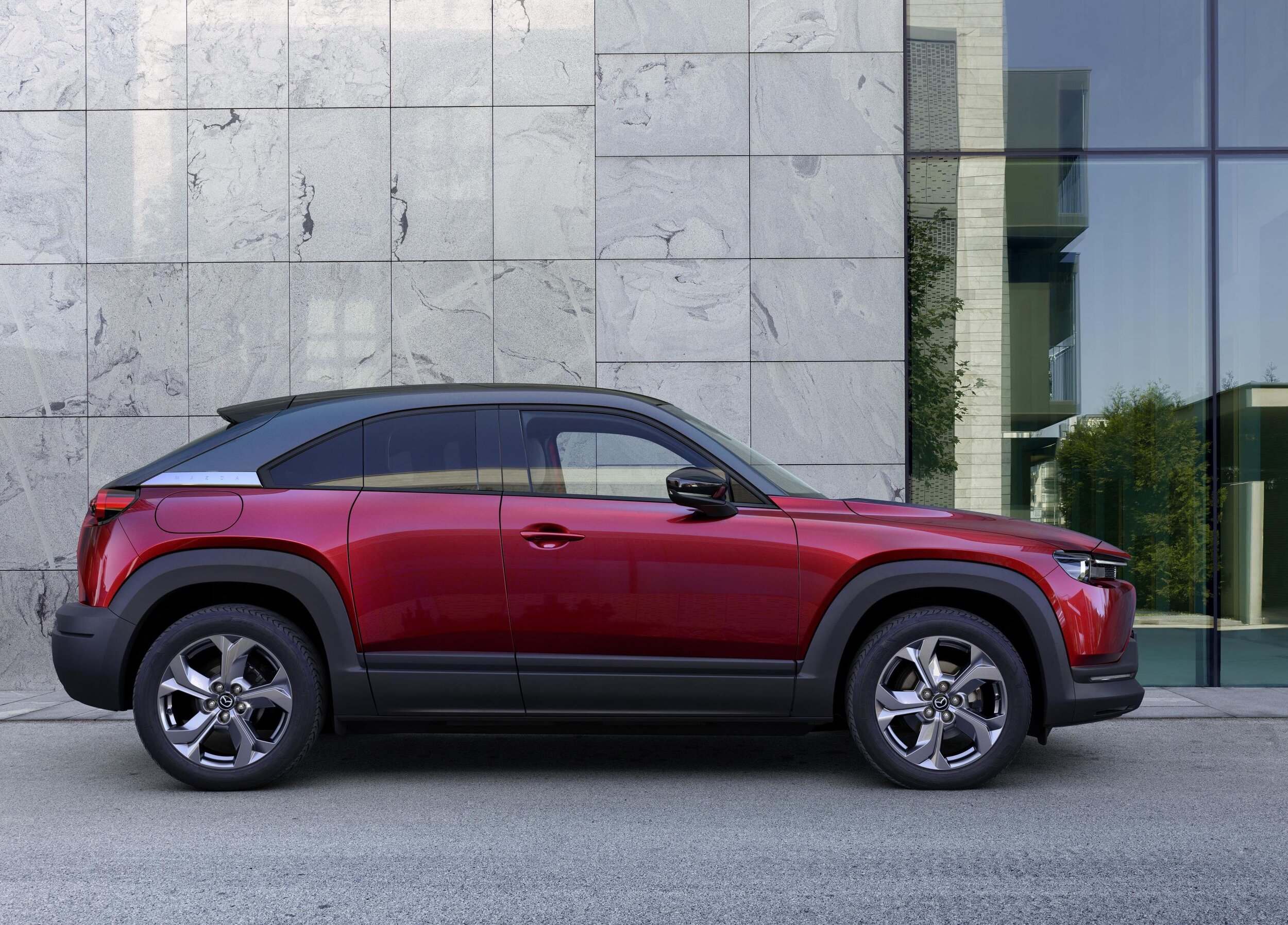
Read MoreThe CX-30 EV at the Shanghai motor show, above, is a derivative of the petrol edition popular with Kiwis (below) that appears to run the same drivetrain as the MX-30 Electric (bottom) about to release in New Zealand.
MAZDA’S electric vehicle family has doubled, but chances of one day seeing the ‘second child’ CX-30 in New Zealand alongside the battery-fed MX-30 about to go on sale here seem slim at best.
The fully mains reliant version of the CX-30 unveiled at the Shanghai motor show yesterday would conceivably attract Kiwi interest, as the petrol versions on sale here are popular sellers.
However, Mazda Japan has made clear the new car – called CX-30 EV - is for China only at this point.
That point is reinforced by it being set to be produced solely by the brand's Changan Mazda joint venture in Nanjing, China, rather than in Japan, the sourcing point for all Mazda NZ’s passenger product.
Despite having very different body styles – the MX-30 being more rakish and noteworthy for having pillar-less freestyle doors, which open outwards from the central B-pillar point – the MX-30 and the CX-30 are closely related.
Both are based on a common architecture, also shared with the Mazda3, and physical dimensions are very close.
The MX-30 formats in two distinct drivetrain provisions – there is one model designed to run with petrol engine-assisted hybrid and another that avails in full electric. Both are destined for New Zealand availability, pricing yet unknown.
The CX-30 EV also appears to share technology with the expressly battery MX-30 Electric.
The MX-30 MX Hybrid, meantime, is powered by a 2.0-litre, four-cylinder petrol engine paired to Mazda's M Hybrid system, producing maximum outputs of 114kW and 200Nm through a six-speed automatic transmission sending power to the front wheels only.
The addition of the mild-hybrid system means the model's official fuel consumption figure is reduced to a claimed 6.4L/100km on a combined cycle.
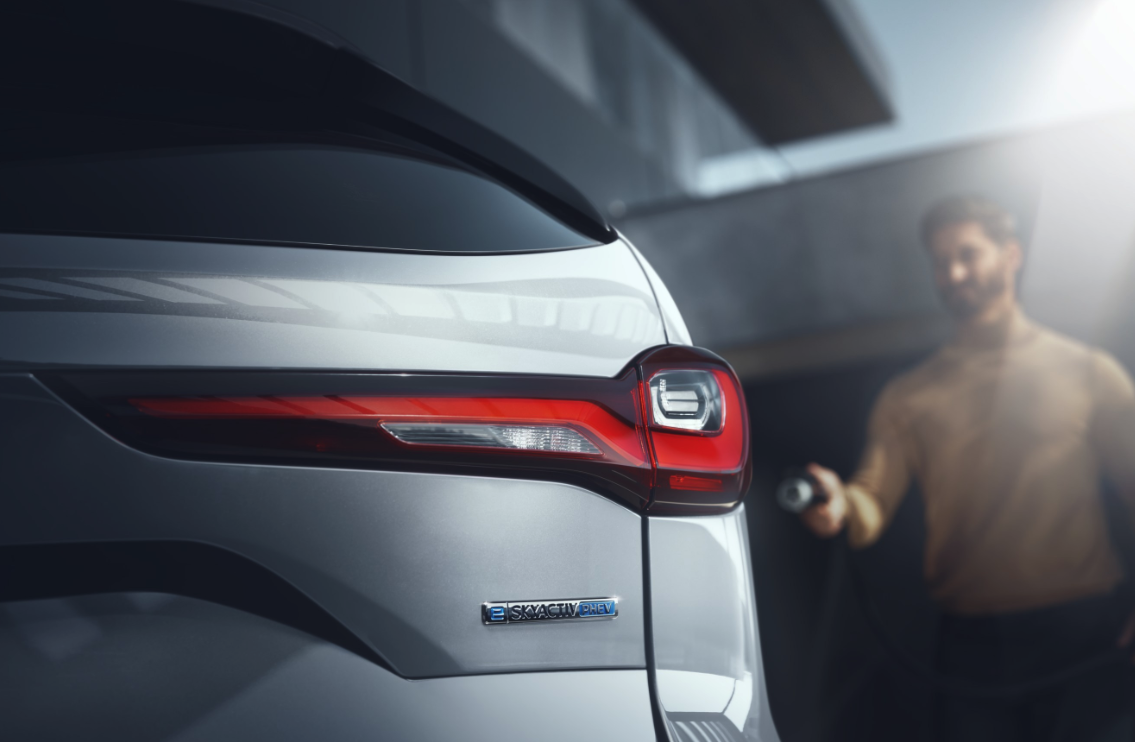
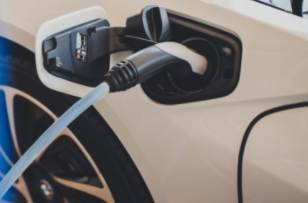
The MX-30 Electric looks much the same as the mild hybrid car, save for some subtle electric badging on the exterior and a combined AC/DC charging point where the fuel cap would normally be – on the rear right-hand side of the vehicle.
The electric model is powered by a 107kW/271Nm electric motor on the front axle and boasts a 35.5kWh lithium-ion battery pack mounted beneath the floor. It is thought the CX-30 EV has the same powertrain.
The MX-30 Electric is capable of up to 200km on a single charge according to the World harmonised Light vehicle Testing Procedure (WLTP). The CX-30 EV is thought to have the same range, which is notably lower than some key competitors, like the Hyundai Kona EV, which has 484kms on WLTP.
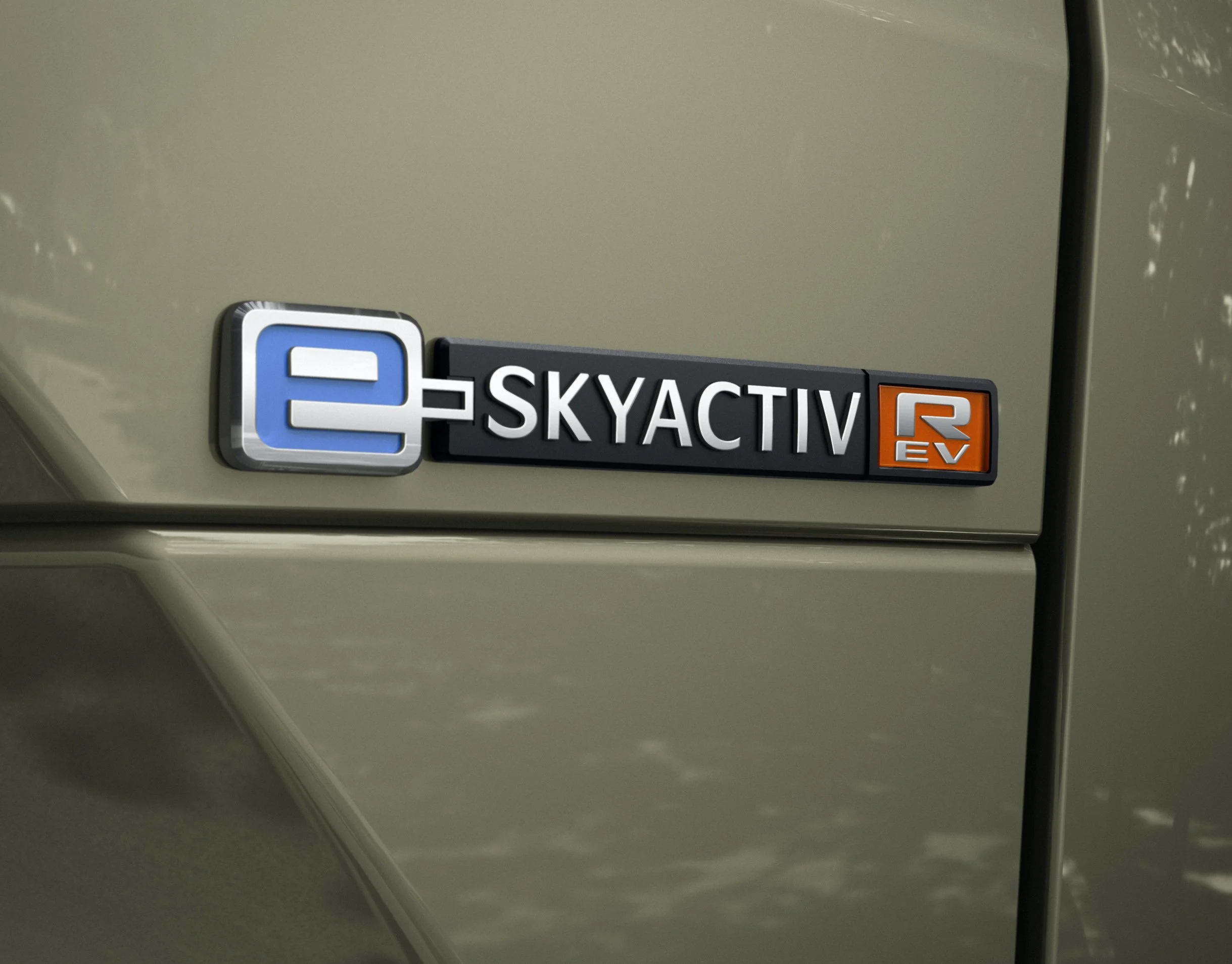
Styling differences between the CX-30 EV and regular model that Kiwis know are minimal, though the placement of the battery pack under the floor means the electric model rides somewhat higher than its petrol-powered counterpart. It runs on 19-inch wheels and has 'e-SkyActiv' badging.
It is not clear if the CX-30 EV could provision as the MX-30 Electric also ultimately will, with a petrol-fed rotary engine range-extender drivetrain.
MotoringNZ reviews new cars and keeps readers up-to-date with the latest developments on the auto industry. All the major brands are represented. The site is owned and edited by New Zealand motoring journalist Richard Bosselman.
NEWS | FIRST DRIVE | TESTED | VIDEO | CONTACT | THE CREW | TERMS + CONDITIONS