Covid-19: How lockdown lunched Commodore's final fling

It was going to be their last time together, a chance for closure forced by, well, just that. But then fate dealt another blow …

Holdcom270218_006.jpg

In a few days from now I was scheduled to spend a week behind the wheel of a Holden Commodore.

It was going to be a sort of Last Hurrah for two iconic motoring names – Holden and Commodore – that have been such a strong part of my professional life for many years.

Actually when the road test was first booked in January, the intention was for the subsequent article to celebrate just one of the words – Commodore. That was because at that stage Holden Australia had announced its intention to retire the model and concentrate solely on SUVs in the New Zealand and Aussie new vehicle markets.

But then in February General Motors made the shock announcement that it was moving out of production of right-hand drive vehicles around the world, which has spelt the end of that second iconic word – Holden.

Tragic though that announcement was, I figured it added extra importance to my plan to have that final drive of a Holden Commodore. I planned to take it to the Supercars at Hampton Downs as means of celebrating the 42-year career of the model.

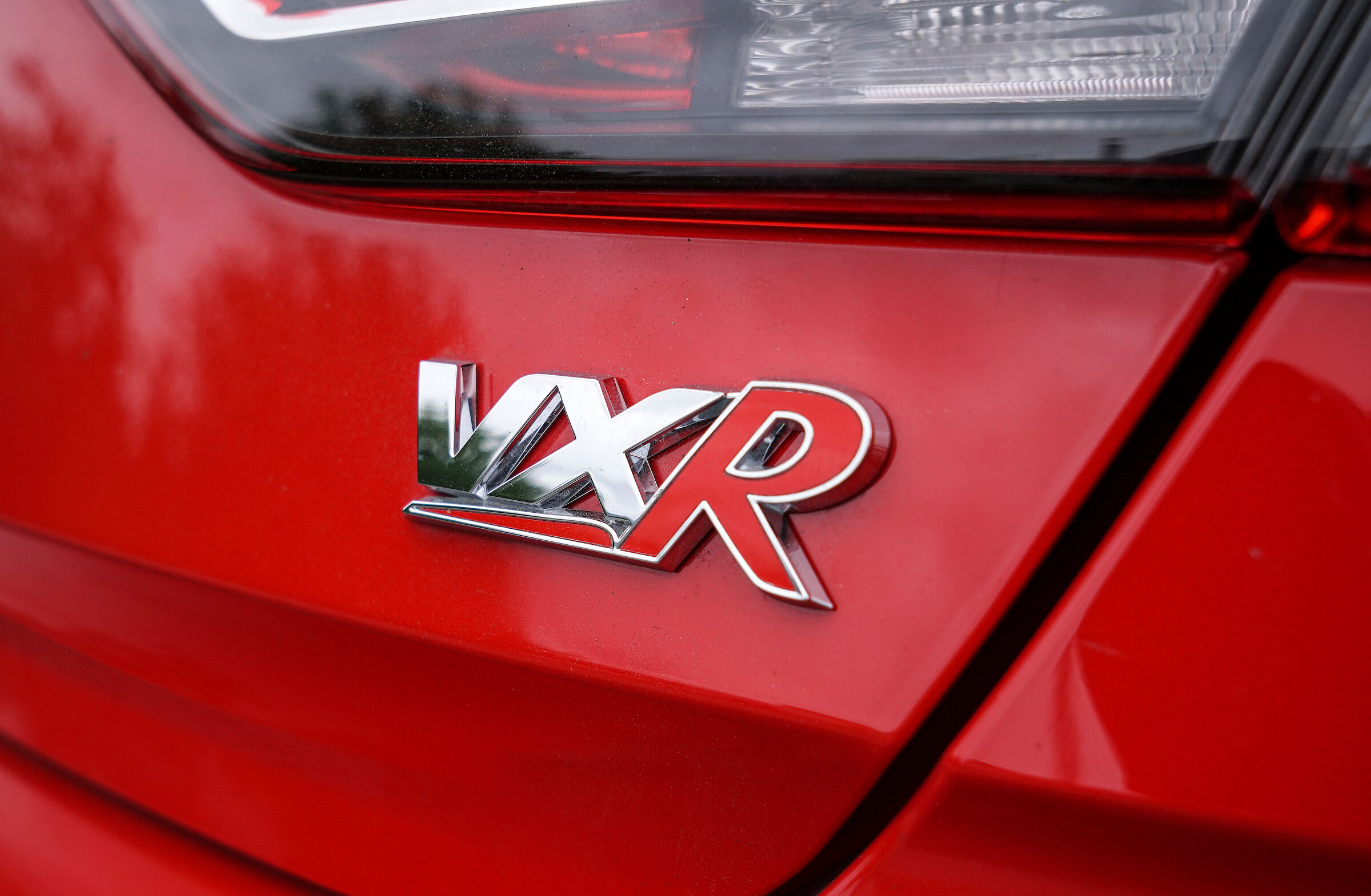
But then in March the whole of New Zealand was shut down and everyone sent home in the big nation-wide effort to keep the dreaded COVID-19 pandemic under control. And that put paid to any chance of getting my hands on the beautiful white Commodore VXR that had been booked for me to drive.

Calamity!
Holdcom270218_001.jpg

Let’s hope this massive health crisis does ease before Holden New Zealand shuts its doors at year’s end, and that I do get to drive that Commodore. The brand and the nameplate deserve nothing less, because they have both been such an important part of this country’s motoring history.

The first version, the VB (below), was launched way back in 1978 as a slightly smaller and more fuel-efficient replacement of the full-sized Kingswood and Premier. Legend has it that that first model was built on an Opel rear-wheel drive platform, the bodyshell a combination of panels from the Opel Rekord and Senator models, and the car made wide enough to fit three Aussie male bums across the back seat.

The inaugural Commodore wasn’t as large as its arch-rival the Ford Falcon and it was initially thought that might affect sales. But one year later the smaller size became a sales advantage because a world energy crisis saw oil – and petrol - prices skyrocket, leaving Holden perfectly positioned to market its fuel efficiency.

All of the first-generation Commodore variants – VB, VC, VH, VK and VL – were also built in New Zealand, and so was the opening version of the second-generation model, the VN, until Kiwi assembly was halted in 1997.

HoldenAnnComm02.jpg

The Aussies kept building the Commodore for a further 20 years, moving through two more model generations that culminated in the magnificent VF that has to rate as the best Australian car ever made. But in 2017 Holden had to shut down its assembly operations, and the following year it replaced the Aussie Commodore with an Opel from Germany that it rebadged the Commodore ZB.

And that, folks, was the Commodore I was scheduled to drive.

So what now? Well, since all motoring journalists throughout New Zealand have had their scheduled road tests cancelled until the COVID-19 crisis is over, we’re all now reduced to writing about other stuff.

Such as, the new vehicle market, and how Holden NZ is performing in it as its heads towards the time when it must close it doors for the final time.

Well actually, the brand is doing quite well.

Last month was a disaster for the kiwi new vehicle industry, with registrations down a massive 37.5 per cent on March last year. But one bright light in the midst of all the wreckage was Holden, which increased its overall market share from a depressing 7 per cent to a happier 10 per cent – which boosted the brand to second place behind Toyota.

The reason for this is obvious. Holden announced the forthcoming retirement of the brand in mid-February, and ever since it has been running an extensive retail campaign across the entire vehicle range.

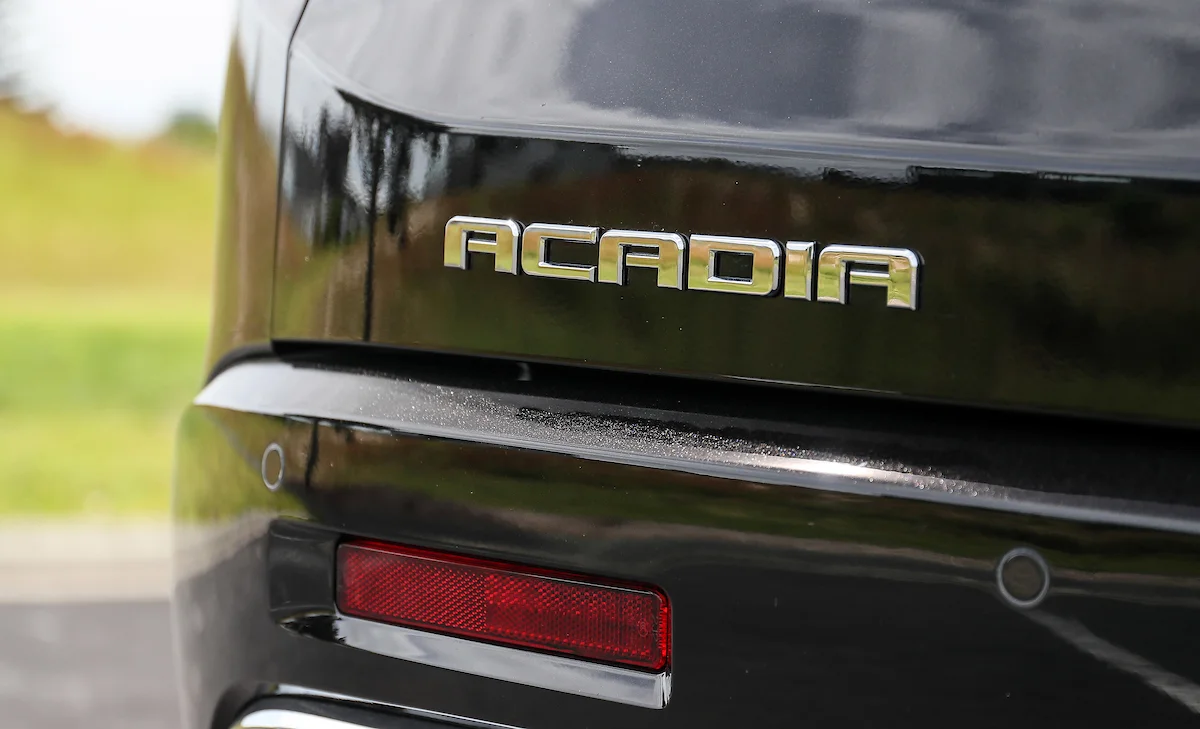
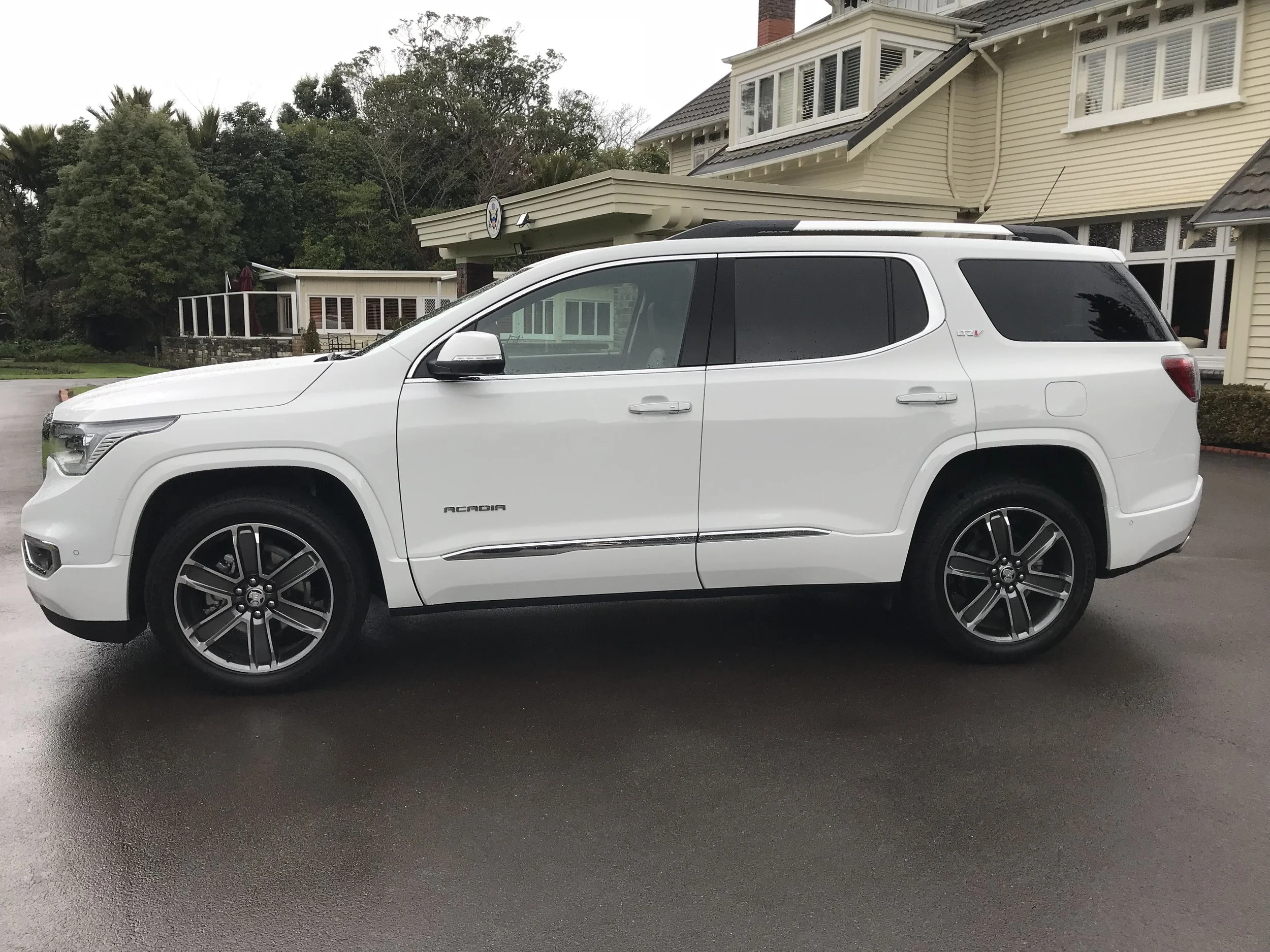
Standout models in the campaign have been the Colorado ute which took a 13 per cent share of commercial market via 370 sales in March, and the Trax, Equinox and Acadia SUVs.

There’s still a selection of Holden models still en route to New Zealand too, and they’ll all be offered at special prices as Holden continues with its closing-down sale. That’s once the country’s Alert Level 4 is over, mind you, because new vehicle sales are effectively on hold until then.

Just like motoring journoes’ road test bookings. Gee, I hope it all ends sooner rather than later – because after writing this piece I want to enjoy that final drive of a Commodore more than ever...

Holdcom270218_015.jpg

Toyota all but disappears from rental action

Where are the rentals, Toyota?

2018 Toyota Corolla hatch, ZR hybrid, Eclectic Blue, front three quarter headlights on.jpg

LATEST new vehicle registration statistics from the Motor Industry Association indicate Toyota New Zealand has gone from dominating the national rental vehicle industry to barely figuring.
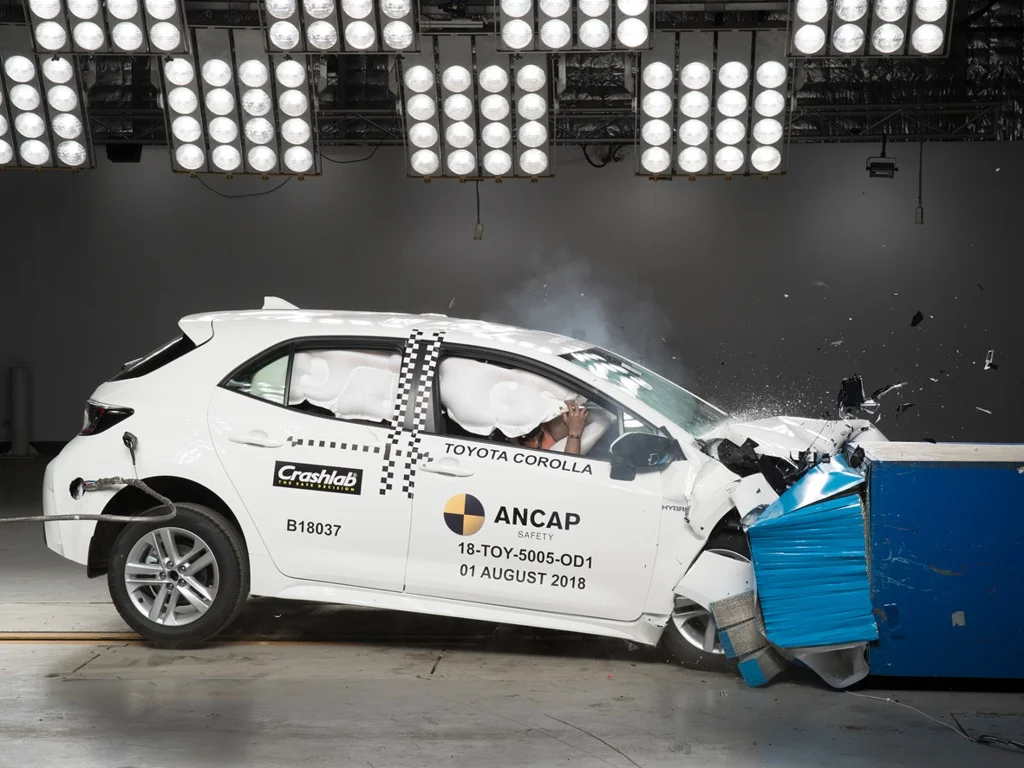
Last year more than 9000 Toyotas were registered as rental vehicles – an average of 750 a month.

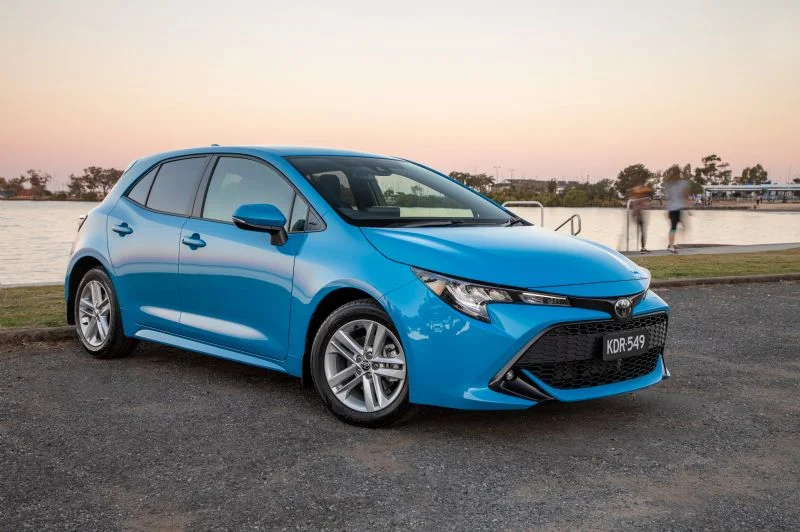
  The dominant vehicles were the Corolla which took a massive 20 percent share of the rental sales with 3990 registrations, followed by the RAV4 (1963 registrations), Camry (809) and Yaris (751).

But so far this year, the Toyota brand has all but disappeared from the rental scene.

MIA statistics show just nine Hilux utes and seven Hiace vans were registered as rentals last month. Year to date to the end of March just 114 Toyotas have been registered – 80 of them Yaris hatchbacks, the remainder Hilux. Yaris is on runout with a new model coming soon.

Absent were Corollas, RAV4s, Camrys, Prados and Fortuners. All were dominant models in last year’s rental rego statistics.

Sources within the rental industry say it’s a direct result of a new Toyota New Zealand policy to not offer big discounts for bulk purchases of its product. This change would add to rental companies’ costs of holding Toyota vehicles in their fleets, so they have chosen not to buy them.

ASX VRX 4WD ad campaign.jpg

As a result, it’s now the Mitsubishi ASX that is the top-selling rental vehicle with 200 registrations so far this year, followed by the Holden Trax, Ford Ranger ute and the Suzuki Swift.

TNZ’s chief operating officer Neeraj Lala said the very low volume of rental sales is the result of the company slowly moving out of the rental business for the past two years.

“We’ve been reducing our rental volume in an effort to make our business more sustainable overall,” he said.

“Our strategy is to be a business with a full value chain, involving both new and used product. As our product has become more sophisticated, with a strong emphasis on low-emission hybrid vehicles, the cost of some of that product has gone up which has meant that some parts of the chain have become less viable.

“To deal with this, we won’t discount. That includes to the rental industry.” 

Despite Toyota dipping out of the rental sector, its product remains highly popular overall.

Last month the RAV4 was the country’s most popular passenger vehicle, with 318 of them registered in a sales environment hammered by the effects of the Covid-19 shutdown. And Corolla ran second with 240 sales.

But now, the company is anticipating very harsh trading conditions for the next few months because of the corona virus pandemic.

“As a result, we’ve asked our bosses in Japan to put our April shipment on ice for a month,” said Lala.

The implications of coronavirus for New Zealand’s tourism industry are dire; it appears increasingly likely that pain is going to also be felt by rental vehicles providers. Gaining comment has so far proven impossible, as major rental companies’ offices seem to be closed.

Yet some are suggesting it will be no surprise if there are far fewer rental operators by year-end than there are now.

ToyotaHiluxSR5_1.jpg

Covid-19: April set to be worst on record for new vehicle sales

The prognosis for new vehicle sales is bleak and post-lockdown recovery will be a long road.

prices.jpeg

SALES to essential services have helped some new vehicle distributors since coronavirus hit New Zealand, yet the industry fears April will deliver the lowest registrations count on record.

The tally anticipated might be just 10 percent of the count for April of 2019 which at 10,640 units established a new high water mark for the industry.

If that outcome eventuates it will be the worst in living memory, an expert says.

This scenario and thought that even after the Covid-19 all-clear is given it will be many months before a new vehicle trade currently in complete shutdown in respect to public trading regains the same level of vitality enjoyed before coronavirus, has been expressed by the distributors’ organisation.

Comment from David Crawford (pictured), the chief executive of the Motor Industry Association, comes after release of March data signalling passenger and light commercial (meaning ute and van) registrations were down 4954 units, a 37.3 percent decrease, compared to the same month last year. In all 8317 new vehicles in those categories were registered compared to 13,271 in March of 2019.

David Profile Pic.jpg

The commercial sector lapsed far more than passenger; already in decline, it almost halved (down 40 percent, 1945 units) compared to March 2019. Even though the Ford Ranger remained the most favoured product, in category and overall, it did so with just 444 registrations – half its usual monthly tally.

Toyota remained the overall market leader with 18 percent market share (1515 units), also topped for passenger and SUV registrations and saw its RAV4 position as the best-selling passenger car, albeit with 318 units. Interest in Holden vehicles seems to have lifted in wake of General Motors’ announcing the brand will be gone by year-end; Holden car volume was perky and its Colorado was the third most popular ute.

Year to date, the passenger market is down 15.6 percent (6075 units) on the same period in 2019.

Supply constraints factored but, obviously, the swift move into shutdown, which took effect at midnight on March 25, also effectively reducing March to a three-week trading month in which the ‘vast majority’ of business was conducted, Crawford says.

With April set to be effectively wholly impacted by the Level Four enforcement, it’s only going to worsen, he adds. But how bad can it get?

“We think April could be as low as 10 to 15 percent of last year. The only thing that has been sold at the moment are vehicles required for essential services operations.”

That has brought some business. “I’m aware, for example, of a district health board requiring 40-odd vehicles. But there’s just these little spots of activity.

“But we’re expecting April to be probably the lowest month in living memory.”

The MIA has been collating data since 1975.

Some distributors have laid off staff but the industry is not at a point where operability has ceased, but there is recognition that for some the bills will be piling up. Distributors often have to buy product in advance of delivery and, even if that doesn’t happen, once landed cars are subject to goods and services tax.

“So everyone is working hard on cash flow. It is a testing time.”

Even though most of the world’s vehicle makers have frozen their assembly lines, there is product in the pipeline that might sustain demand if and when it picks up.

However, at present a number of vessels are set to off-load vehicles here over the next few weeks.

The MIA is pleased this seems to set to happen.

“There has been some discussion with officials about can and cannot be done. The ship will have vehicles and parts and some of those will be required for essential services activity.

“It doesn’t make economic sense to the industry or the Government for those ships to be turned away.”

He says procedures put in place by Ports of Auckland that Government is content with for the time being will allow vehicles to be off-loaded then sent to containment, Crawford says.

That will allow access to vehicles on an as-required basis during the lockdown which, he personally fears, might well extend beyond a April 22 release.

The longer it is in place, the more severe the impact could be. But even then it is not as simple when it is lifted, he says.

The disruption to the global vehicle industry will inevitably means that some products will be subject to delayed availability.

“There are stocks around but these will be cleared and it’s the availability of new stock beyond that which is going to be patchy.”

Even if New Zealand is deemed free of the virus, it is very likely our borders will remain closed for travel, which has obvious implications on the national economy.

“The recovery of vehicle sales going forward is going to be dependent on how quickly New Zealand can recover.

“We think it is going to be a slow, fragmented and painful recovery.”

Assembly.jpeg


New kit, cachet for baby Mitsi

Seven years into its production run, Mitsubishi’s offer in the microcar sector has received its second refresh.

Mirage MY21 (3).jpg

An attractive facelift, additional technology and extra comfort and safety features have brought the Mitsubishi Mirage into its second decade.

Interior refinements also impart and it catches up with other family members in achieving Apple CarPlay and Android Auto.

The new look incorporates the sharp, modern design of the Dynamic Shield that is now a distinctive trait of the Mitsubishi family and is more chirpy than the original styling, which dates back to 2013. Larger bumpers and a painted rear spoiler also arrive with the upgrade.

Lane Departure Warning, Forward Collision Mitigation and a reversing camera now also incorporate. The car has a five star ANCAP rating, based on a test conducted in 2013.

A 7.0-inch touch-screen is the big design change for the interior but the sharp-eyed (or comfort-obsessed) will also doubtless figure out it has redesigned front seats, with different armrests. Cruise control is now standard. 

It has the same 1.2-litre four-cylinder petrol engine as the old model, meaning power and torque are still pegged at 57kW and 100Nm respectively. Drive as ever is sent to the front wheels via a continuously variable automatic.

The model will cost $19,990 and there’s an introductory finance offer. 


Lion-spotting on a Chatham Island safari

The part of New Zealand relatively few Kiwis get to see offers everything you expected. And didn’t.

Cray pots and Commodore.jpeg

COMMODORE stops beside a flock of emu – what’s so weird about that?

Only that this classic Aussie bumper-to-beak moment was on a tiny dot in the Pacific, 800kms east of Christchurch, next stop South America. 

So many surprises in a place where life is lived at a 45-degree angle when the south westerlies whip with enough ferocity to render a $27 million wind farm an utter folly.

The world’s highest concentration of Harley Davidsons per capita? It’s here. (The big thrill is to blast up and down the local runway).  What’s that up in the hills? Rocket Lab’s launch monitoring station. Those Outback avians? Failed farming venture.

Now another box ticked for Chatham Island – Rekohu (misty sun) in the indigenous language - and the biggest landmass in the archipelago of the same name: A motoring media event. 

Holden’s breakthrough sports utility show-off in May of 2019 required huge planning and a big cojones spend.

Cars at Hotel Chatham.JPG

Everything save drinking water is brought to this place by air, a two-hour flight, or sea, a three-day voyage. A seat on the reassuringly well-kept Air Chathams Convair 580 is equivalent to a transtasman spend. Getting the vehicles across? Locals say its $3000 a pop – one way. The attendee count was way too big for a single event, so split into three groups. Yet we still pretty much took over the hotel.

Big effort? Yes. Worth it? Totally.

This home to just 600 people best known for its fishing (which provides a third of employment and contributes half the islands’ $46m GDP) is, from my experience, alluring for its great scenery, intriguing history and fabulous people.

We met Helen, who in late life has returned to the place she grew up in, a 150-year-old cottage hand built by Lutheran missionaries who failed to convert anyone. Val, who when running the only hotel banned a patron for spilling the score of a pre-recorded rugby match ahead of screening. His daughter Toni, current publican, our guide, and total Chathams’ champion. Her pooch Pippi, who became a pet having been hired as the place’s first and only drug dog on strength of locating marijuana and methamphetamine in an aircraft then promptly fired for having straight after depositing something of her own in the cockpit.

On arrival it’s apparent a place that asks you set your clock to local time (45 minutes off NZ) also requires a mind check change as well. 

Commodore at Port Hutt.JPG

These are people who speak of the mainland as somehow being a different country, call themselves Wekas rather than Kiwis and like to say their place is like ours was 30 years ago, maybe to excuse it lacking much we take for granted.

Sealed roads, banks, a vet, radio stations, a cellphone network, Uber? Not here, mate. Necessities are minimised: One cop, one doctor, one garage, one hardware store, one pub. 

A spirit of self-sufficiency that sees a tractor run with parts from a retired Fokker Friendship and the pub looking into home-brewing would surely strike subliminal familiarity for Holden. It’s just as much a battler.

Prospect of seeing latest product raised interest, though locals were picky. Toughness and practicality rate highly here, yet another factor placed the Trailblazer above Equinox, Trax, Acadia and Commodore Calais Tourer.

Diesel is the life blood required by the power plant and most vehicles. Though petrol cars are seen, at $3.30 a litre (for 91 octane), against $1.80 for the black stuff, it’s an extravagance. The pub worker whose EA Falcon reputedly has a $200 a week addiction might like to know the Tourer cost $4 more to fully refill and blew out to a 13.2 L/100km return. 

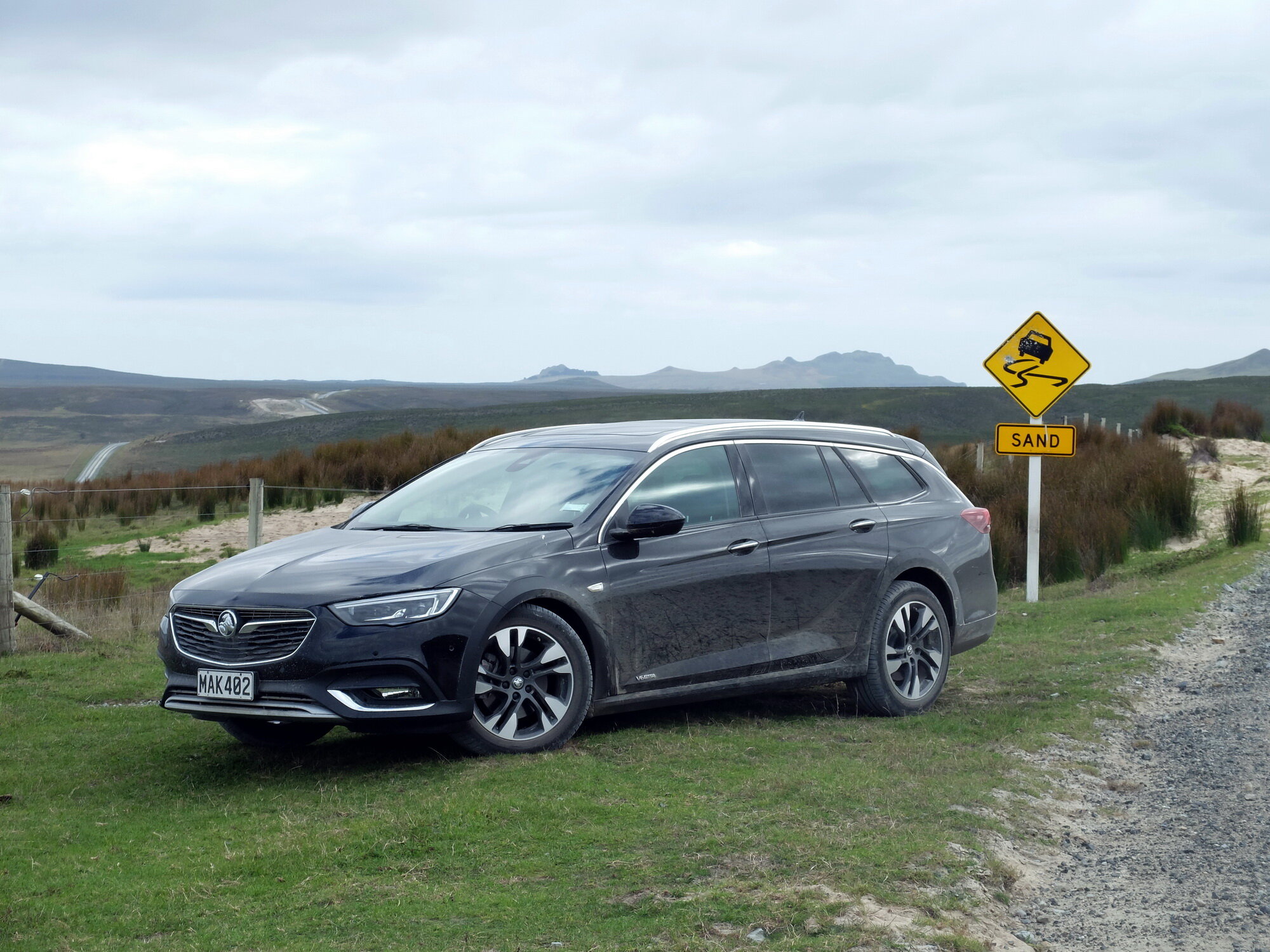
In defence of the Commodore, I’d admit it was hard to hold back fully enjoying what was cited to be the first of its kind out here. Also, a complete exploration of the road network impressed how deceptively large this place is, 90,000 hectares of land ringing a lagoon the size of Rarotonga.

Helen Bint.JPG

Holden’s sole elevated, all-wheel-drive V6 wagon is a great gravel express, but requires additional ground clearance and an off-road mode to achieve access-all-areas ability. A nudge bar would be good too. Not to fend off the famously feral pigs. The cows and sheep are almost as belligerent.

But it got us along beaches and across bumpy paddocks, even up the well-named Horrible Hill, an awesome viewing spot, and out to Maunganui stone cottage and, at the other end of the island, a remnant stand of kopi (karaka) trees.

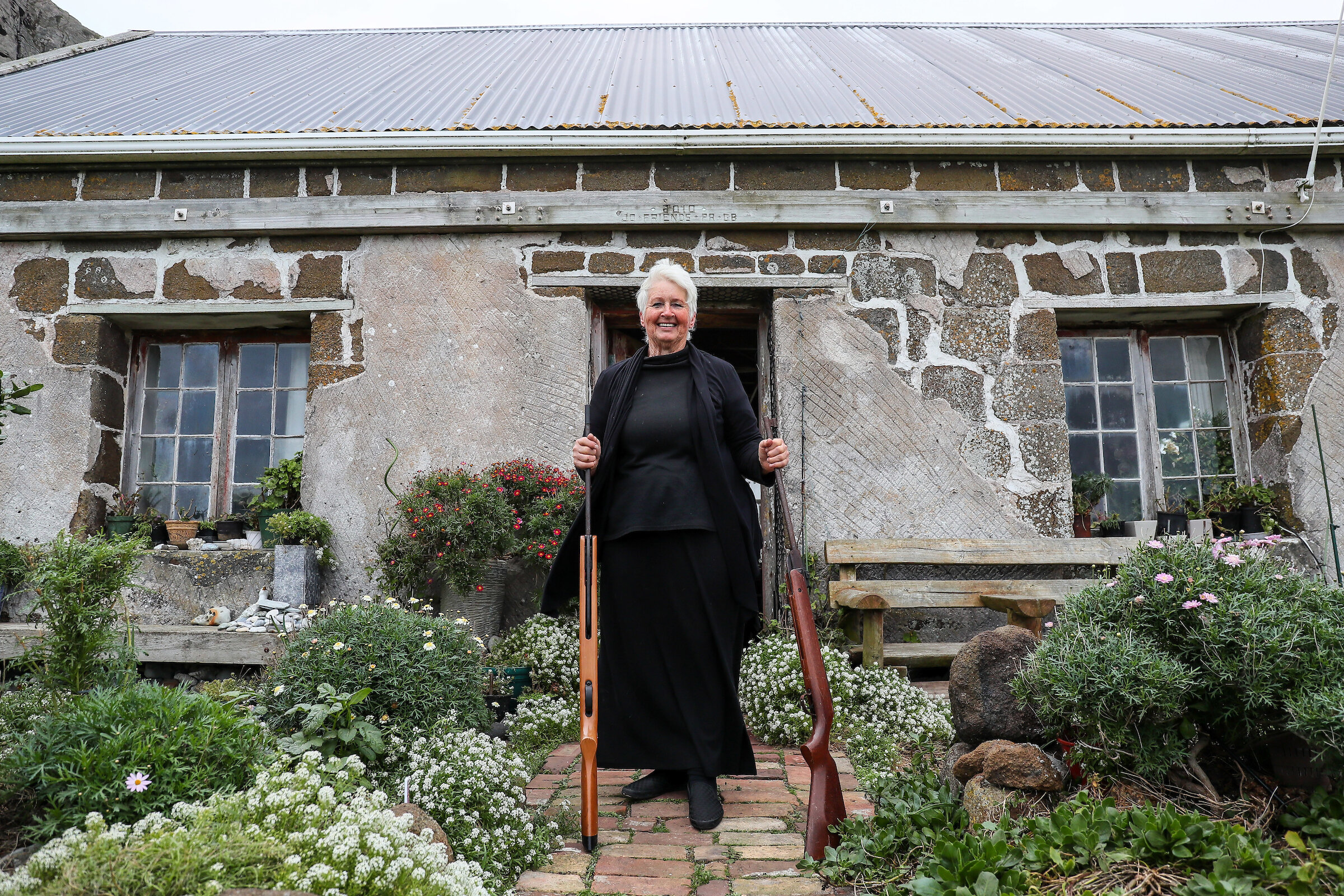
Both legacies to incredible hardship and unwavering hope. Built as a mission station, the isolated cottage is home of Helen Bint, who lives happily without running water or electricity and who made international news discovering fossilised sponges when beach fossicking.

The trees bear dendroglyphs, carved designs up to 300 years old and under threat. These were rendered by Moriori, hunter-gatherers who eked existence in a place too cold to grow traditional Polynesian vegetables. Their undoing was determined allegiance to something we all aspire to: A peaceful life. They were all but wiped out in 1835; a tragedy that haunts this place.

At time of visiting, it seemed obvious Commodore was fighting for survival. Now we know not only it is a goner, but so too Holden itself, the latter falling vitim to General Motor’s out-of-the-blue decision to curtail every right-hand drive programme save Corvette.

lonely roads of Chatham island.JPG

Holden NZ subsequently shipped its vehicles back to the mainland and I guess all have since been sold off. 

In a way, it seemed a pity that Commodore couldn’t have remained in its last new territory. This place would be a good spot in which to finish its days, for simple reason it would have been in the company of other last-of-line icons unlikely to ever leave.

Among wrecks littering Port Hutt is the Thomas Currell, the final example of a fleet of historic WWII minesweepers, whose final role was as cray boom freezer ship. Down the road, a Sunderland flying boat which first flew here in 1942 and became a permanent resident in 1959, a write-off having hit a rock during take-off.

The shed in which you can visit to view the fuselage, once home to chooks and now under restoration, looked plenty big enough for a landmark Holden.

Famous Chathams sign.JPG


Austria's amazing mountaintop Mo-Town

An alpine family fiefdom in Austria holds an intriguing allure for petrolheads.

STRAIGHT from a Bond movie?

Unique backdrops with that ‘certain something’ and often the world's most beautiful and hidden locations have always served the 007 films as a location. 

To the producers of 2015’s Spectre, Top Mountain Crosspoint atop the Otztal Alps of Austria, about an hour southwest of Innsbruck, looked exactly right for inclusion, regardless this modernist structure was then still under construction. 

Can you guess why they subsequently gave up and instead settled on filming just down the road, at the neighbouring ski resort of Solden?

In short, the project took longer than expected to complete. Bloody builders!

Such a pity. Perched on the highest section on Austria’s side of a tarmac ribbon snaking over the Otztal Alps and into Italy's South Tyrol, TMC would have added spice to the film.

For sure, the structures that did make the cut – a mountain station made of curved steel ribs and summit restaurant in ice cube design - are probably as cool looking.

Yet bear in mind that special vehicles are just as integral to Bond plots as special places. 

So imagine how the spectacular scenes involving Daniel Craig, Bond girl Lea Seydoux and Mr Hinx (Dave Bautista) might have gone if they’d featured something from the collection that makes this place famous.

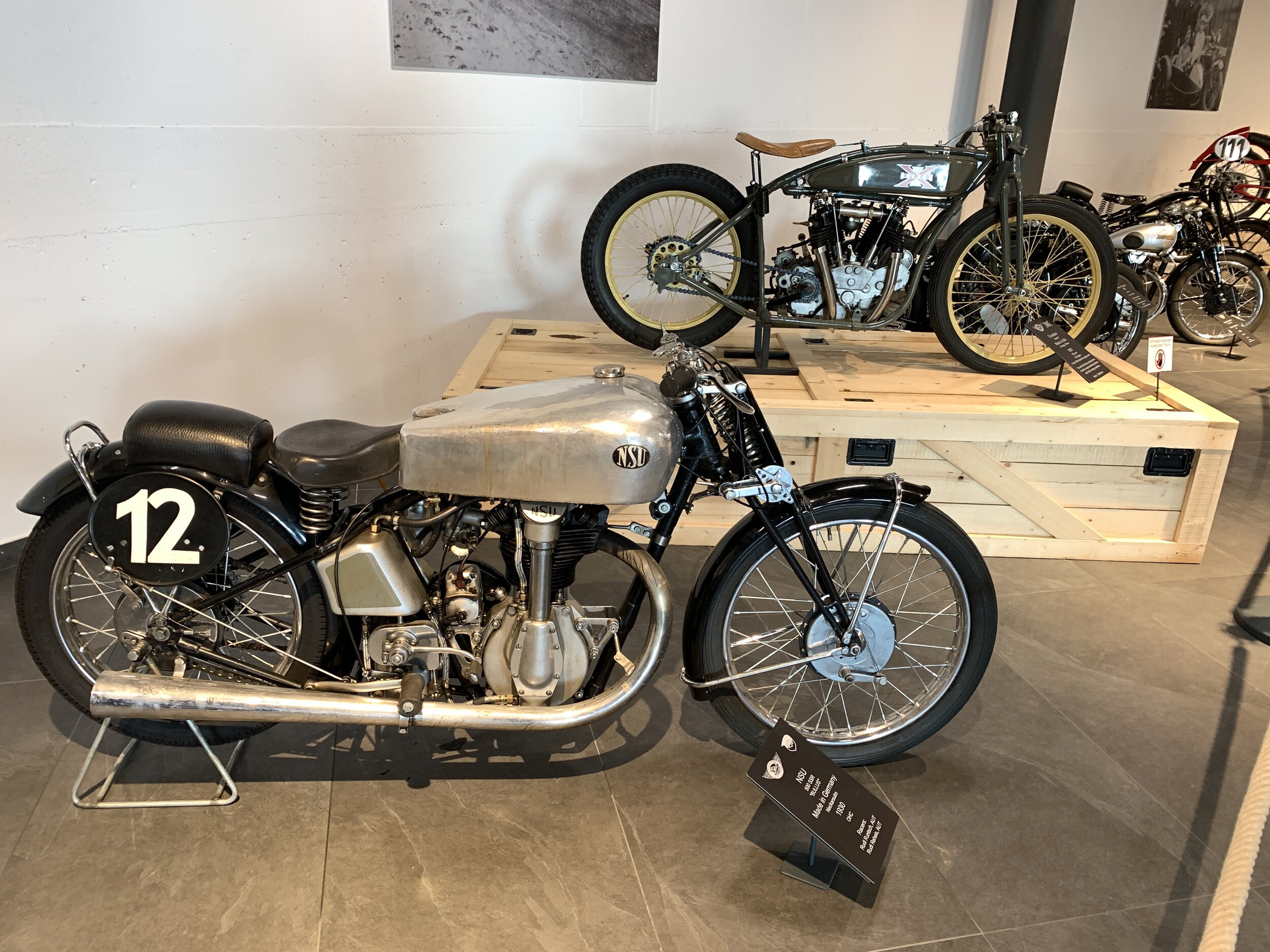
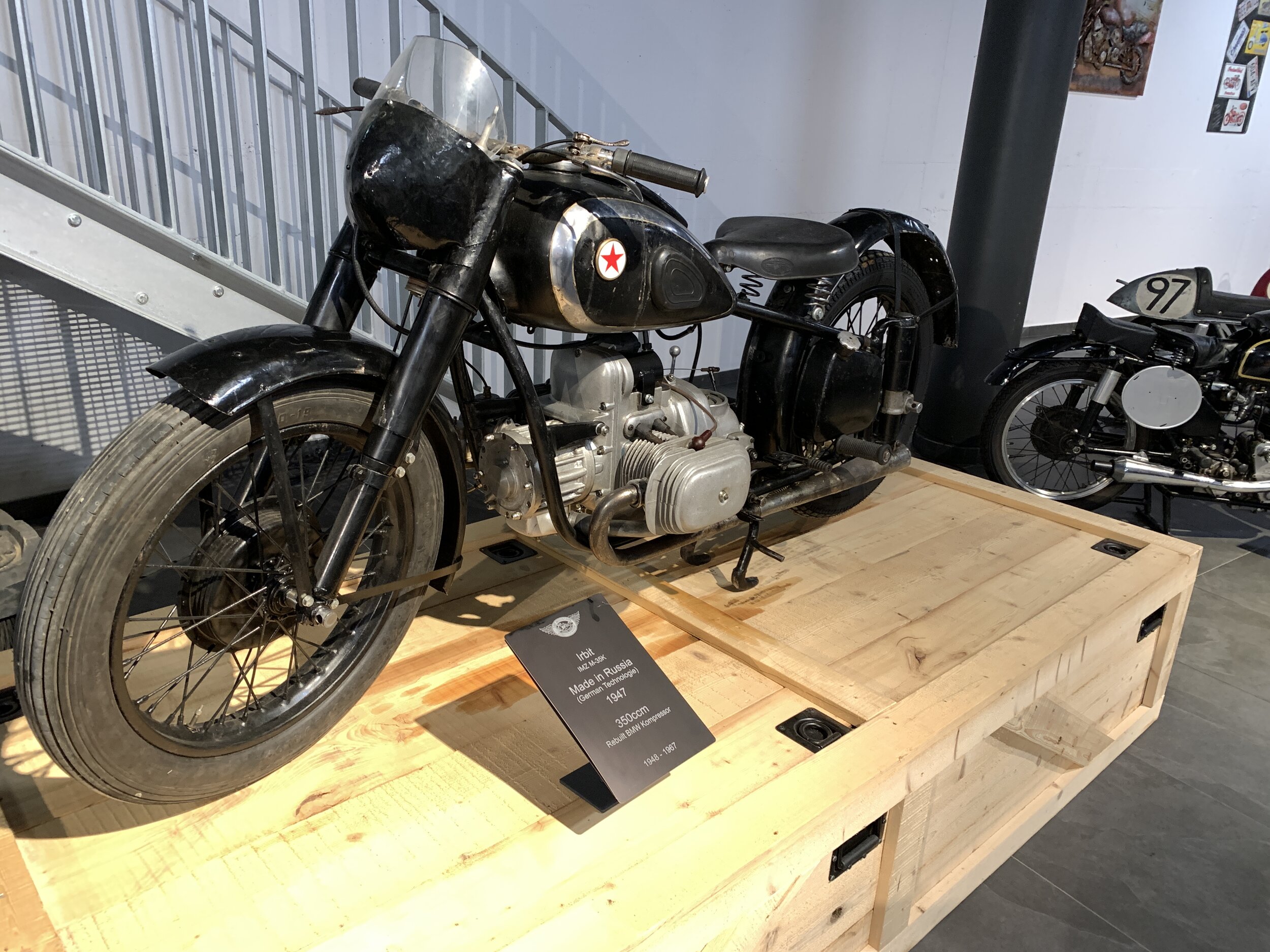
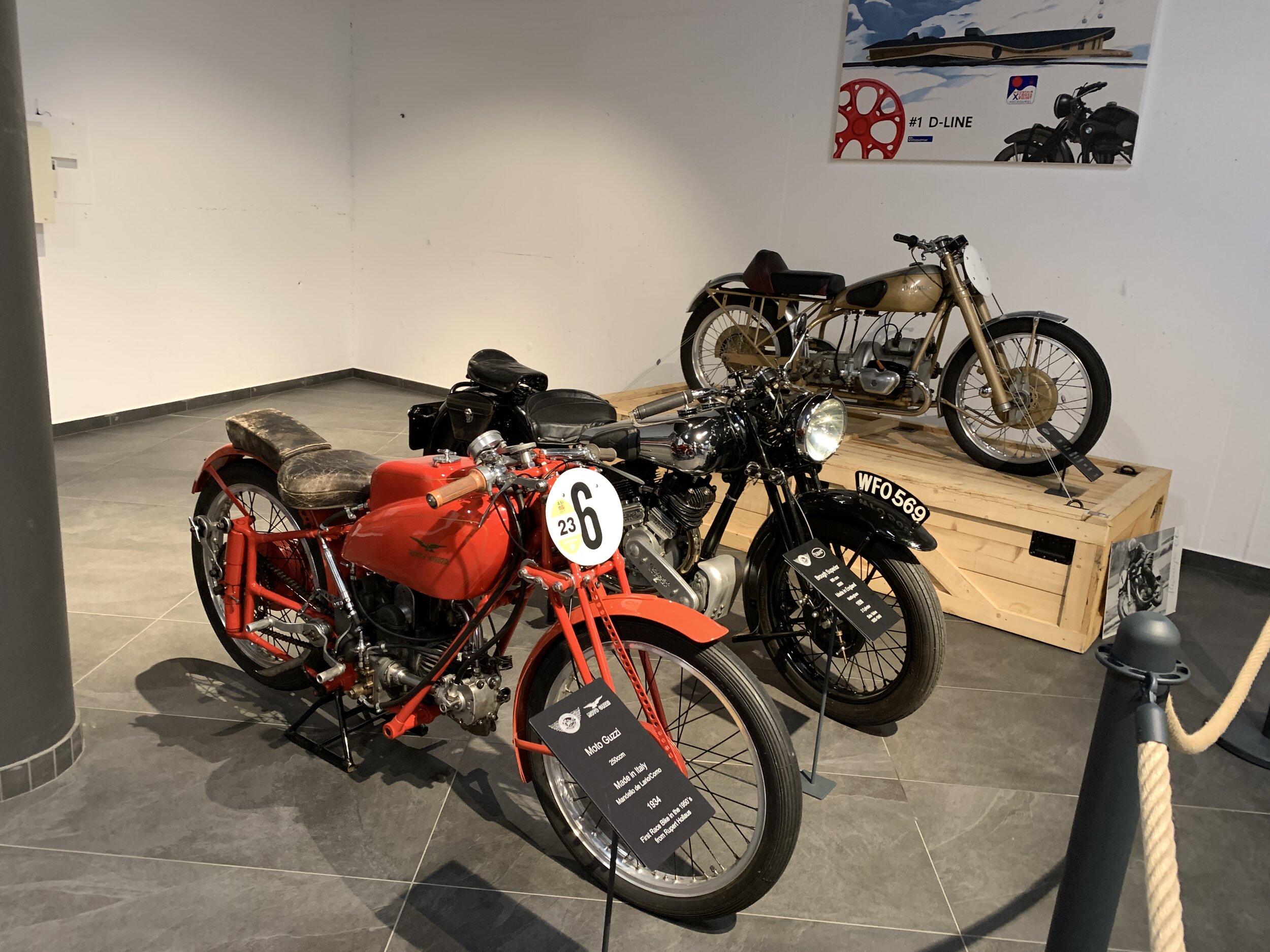
Could you picture our hero making a break on, say, a 250cc 1955 NSU Sportmax - one of just 30 built – and the first bike ridden by a privateer to a Grand Prix world championship?

Or perhaps a 1927 Excelsior Super X, a Harley Davidson competitor in its day, this one in board track racing trim?

Hang on, no. Something better than both. A Z15, from Czech firm Jawa, whose grand prix racers were once world-leading for design, no more so than with the twin overhead cam 488cc parallel twin that produced more power than a modern, liquid-cooled and fuel-injected Honda CB500 twin.

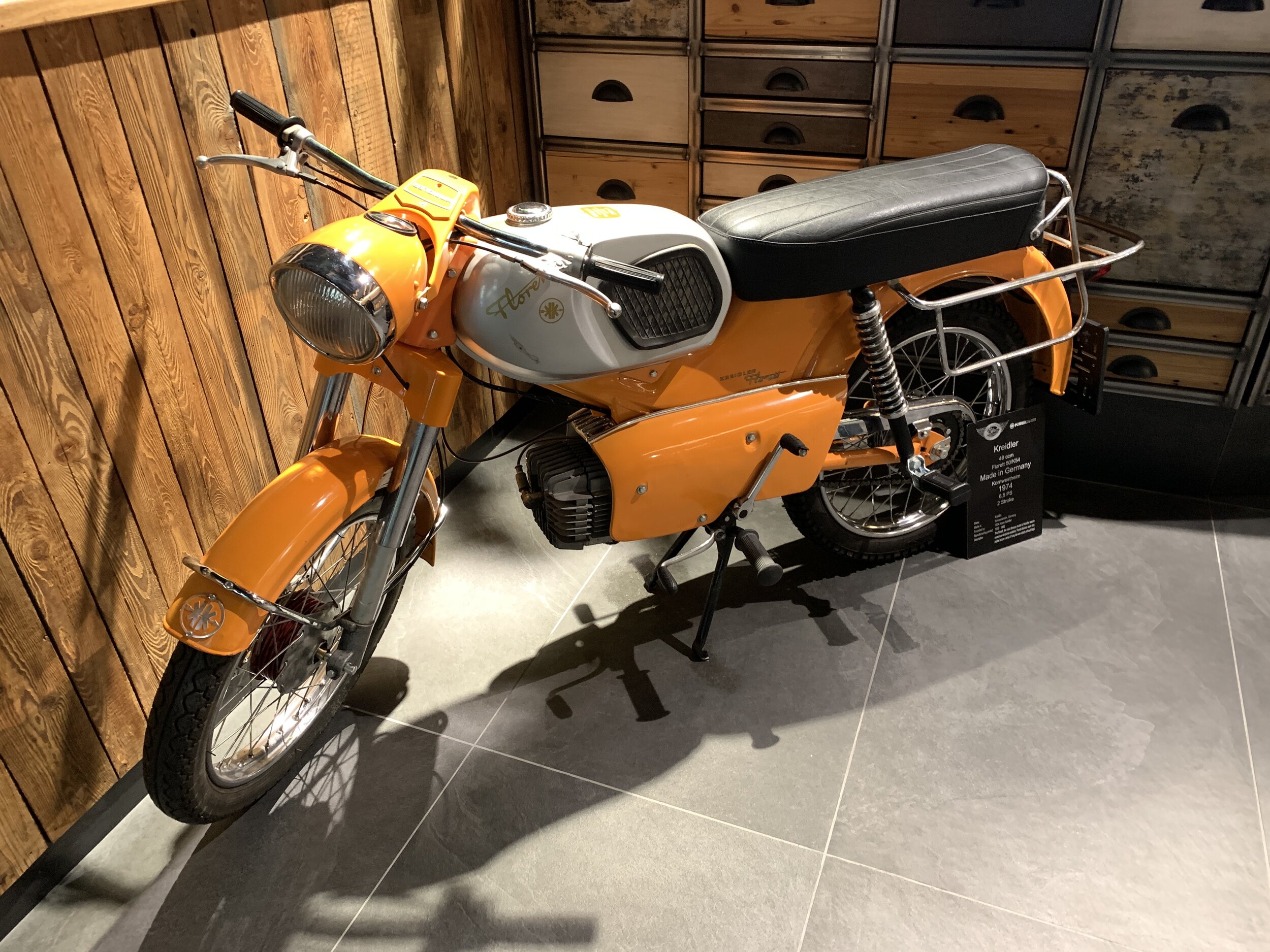
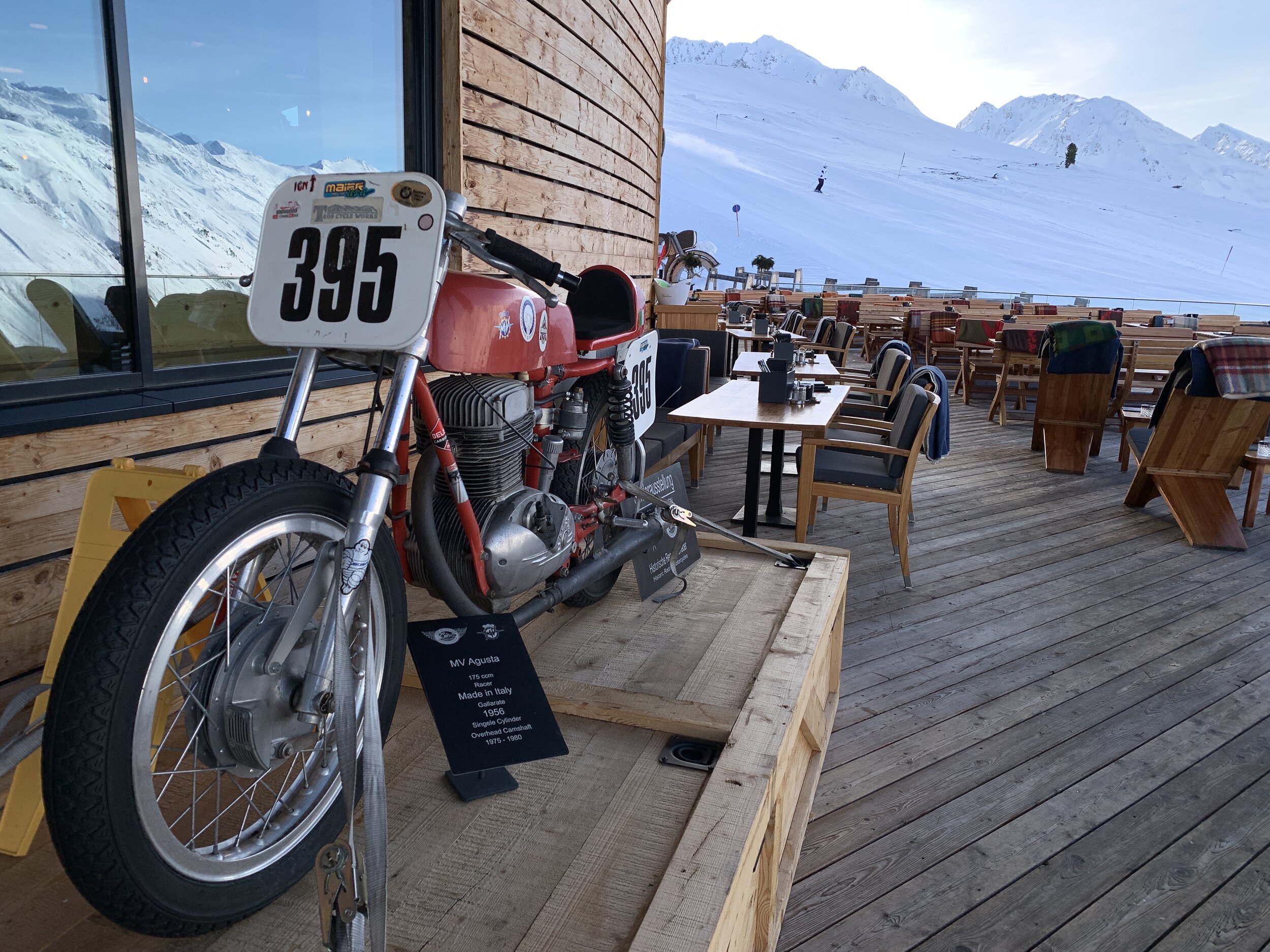
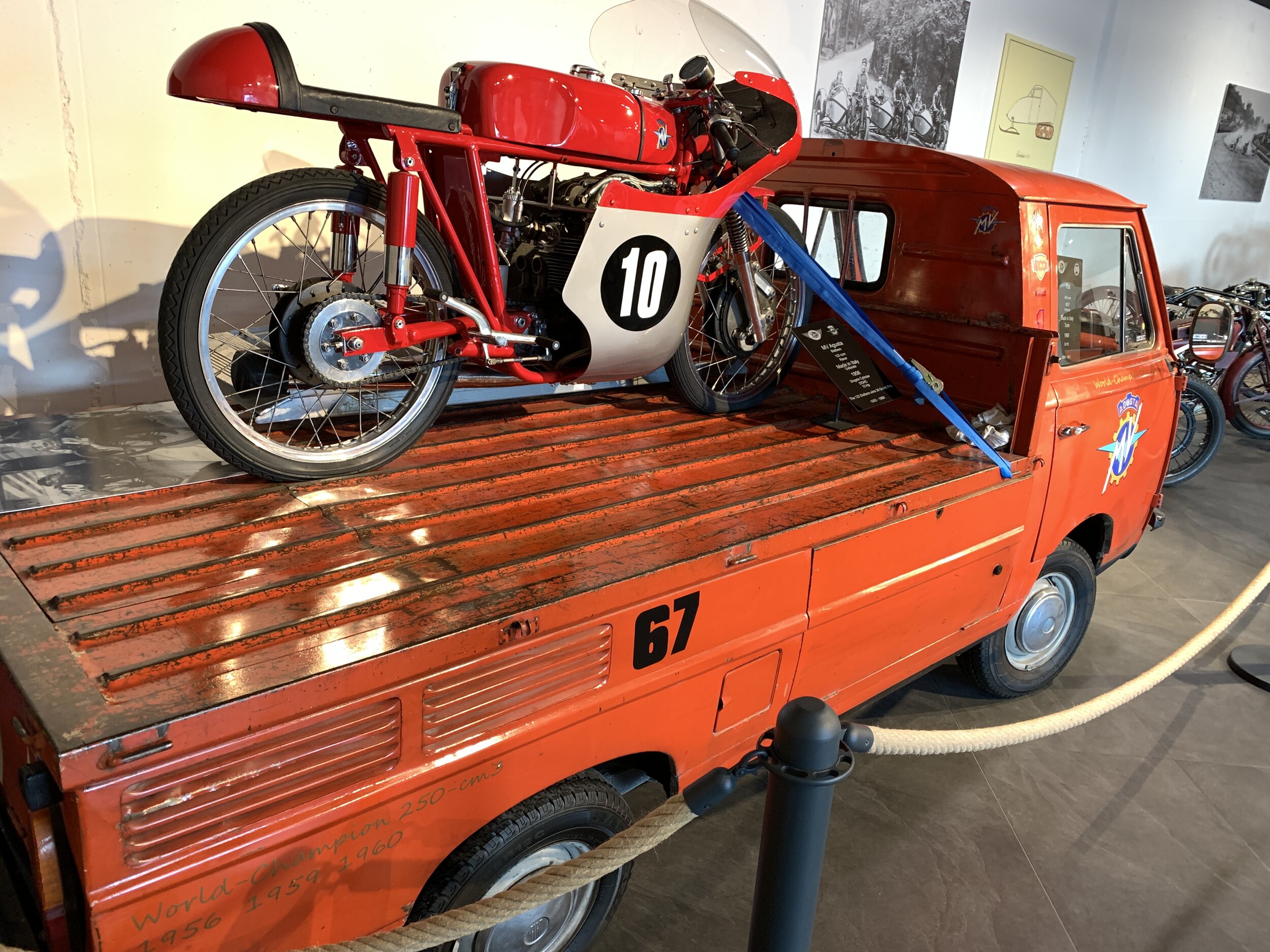
They’re all here at Europe’s highest motorbike museum. Yes, you read that right. The pride of the teensy village of Obergurgl is a $30 million development that, in addition to a ski run gondola station and a nice restaurant, houses an astounding motorcycle collection within a modernist building with a 3000 square metre display floor.

IMG_4429.jpeg

When I say astounding, I mean it. Top is literally that, mostly for bike nuts though those into cars also won’t be disappointed. Since opening five years ago, it has drawn in motorcycle aficionados in their thousands.

They come from near and far, enjoying the collection and also the road. The Timmelsjoch High Alpine Road connecting Austria to Italy is consistently rated as the most acclaimed motorcycle touring road in all of Europe.

But only in summer. The ‘A’ part of the name is appropriate. Summitting roughly at two-thirds the height of Aorangi Mt Cook, this route is only useful as a transit route between two countries for a handful of months. Otherwise it becomes a link road to the area’s famous ski resort. 

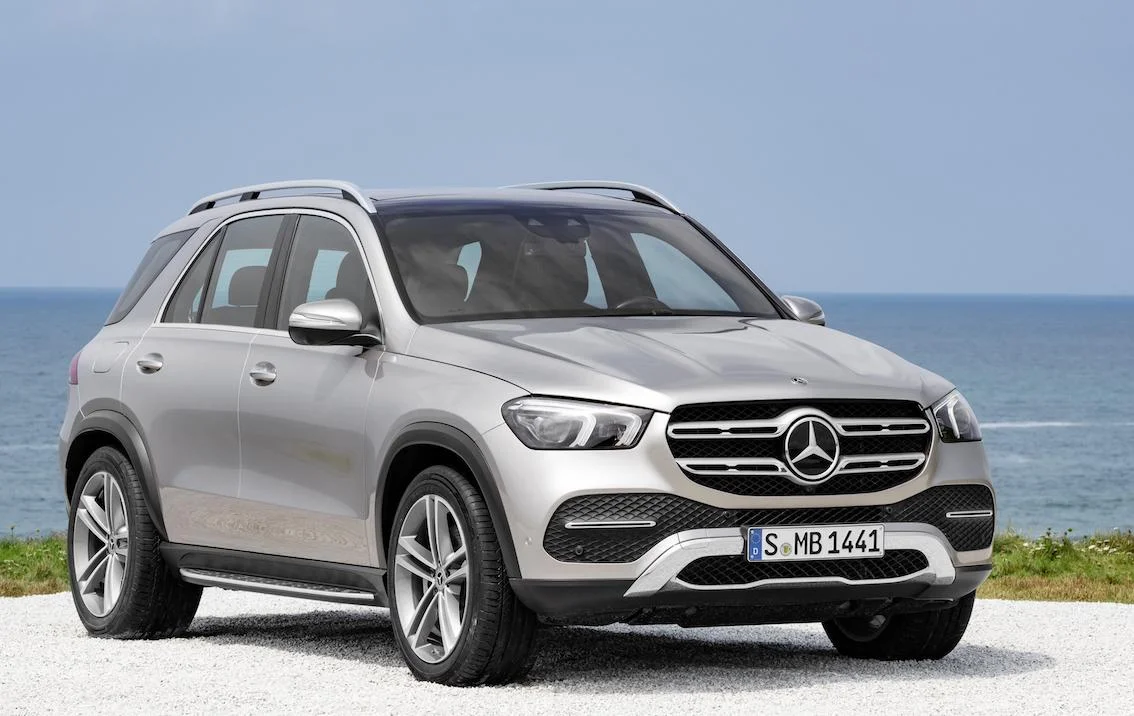
When the white stuff hits, it’s with a vengeance. All that snow and ice made the snaking climb enough of a challenge with the GLE Coupe I’m driving. As well it should.

That’s why it includes in Mercedes Benz’s cold weather testing programme. And why, in turn, it was chosen for the press launch of a model that will hit New Zealand in the latter part of 2020 (maybe later, now, thanks to Convid-19).

IMG_4400.jpeg

The ultimate activity on our day was to reach the summit to achieve a view of 21 mountains above 3000 metres.

However, it never came to be; a storm front over the preceding 48 hours dropped record snow for the month. Further up the mountain, the road disappeared under an impenetrable white wall comfortably higher than the fastback sports utility. 

So we retreated to the museum, where Mercedes had laid on hot drinks, a technical presentation and an open invitation to spend the spare 90 minutes that had opened in the itinerary looking over the historic bikes on display.

I’m no bike expert – those are my brother’s big love – but I needn’t Michael’s expert eyes to pick out the obvious quality.

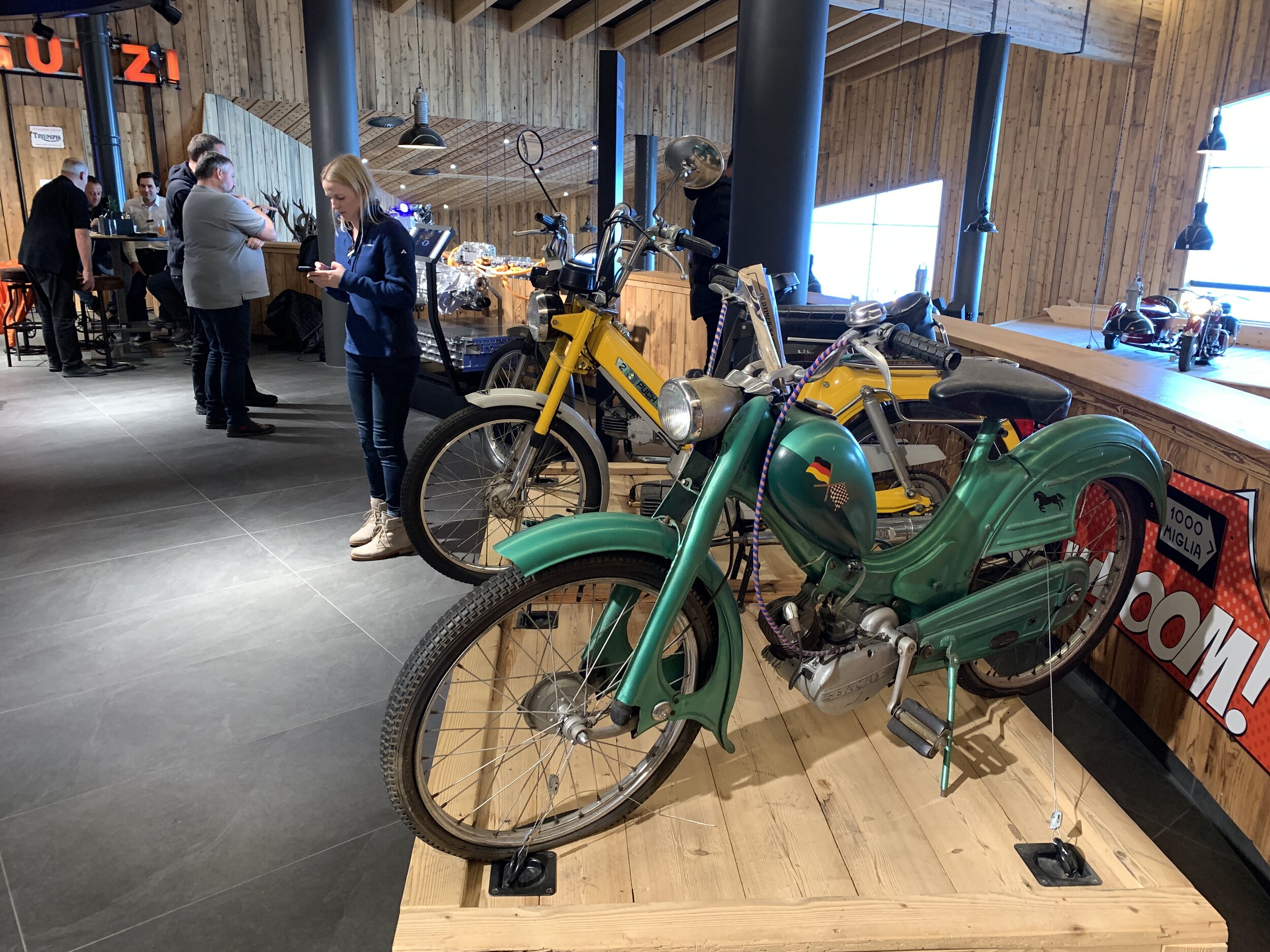
The oldest motorbike on display is a 1905 Laurin and Klement; that’s the forebear brand to today’s Skoda. There's a Brough Superior built in 1939 by racer George Brough, a two-cylinder Indian from 1912 and racing legend Giacomo Agostini's MV Augusta.

Brands represented through to the 1980s include Moto Guzzi, Ducati, BMW, Zündapp, Norton, Matchless, Triumph, Superior, Sunbeam, Henderson, Indian and Harley-Davidson, among others.

IMG_4426.jpeg

Then there’s the halftrack motorcycle used by German military forces in World War II, the Kleines Kettenkraftrad HK 101 or Kettenkrad for short (Ketten means "chains" or "tracks") represents in Afrika Korp guise.

The American fare is parked up near an exit door for good reason; while almost all the bikes are operational and ridden, it’s those Harleys and Indians the owners most like to ride from time to time.

Attilia Scheiber and his identical twin brother, Alban, are big names here. And their museum is, in the overall scheme of things, a relatively minor holding within a much grander operation. 

Where we’ve come to is a true mountain-top fiefdom, over which the Schieber family has ruled since … well, a very long time.

For them, this part of the Tyrol has always been a mountain of golden opportunity. White gold.

Evidence suggests the Timmelsjoch Pass has been used since Neolithic times. Local reports place the family having staked a claim to the region in medieval times, if not before. They effectively controlled and engaged in the profitable business of smuggling. Business was good and, as one commentator puts it, “this bold independent streak runs in their blood to this day. 

Since the early 1900s the business focus has increasingly been on sports and tourism and every opportunity is exploited. The massive Hochgurgl ski resort, the ski-in-ski-out Top Mountain Hotel—a five-star property that was named Austria's Best Ski Hotel in the 2019 World Ski Awards - and several restaurants and bars including the vertigo-inducing Top Mountain Star. All theirs. Plus the lift company, the ski school, the ski sports shops, bars and a farm.

image002.jpg

There’s no seasonal lull, either. The Pass is open from May to October, the ski resort and hotel from November to April. Due to its elevation, the resort is among the very first in the Alps to open and the very last to close. The museum, of course, is open year round, providing the road is accessible, of course.

Oh yes, about that. In its entirety this runs 33km and climbs 2500 metres above sea level before winding down to the Passeier Valley in Italy's South Tyrol, where the climate is more Mediterranean and the landscape one of vineyards and tiny villages.

Built as a public-private partnership in the early 1960s, it was always a loss-maker for the local Governments either side of the border. When the Austrian administrators finally acknowledged intent to give up on maintaining the most challenging part, the Scheiber’s proposed a solution. As the 12km part ran through their land, why not allow them buy it, with agreement they would keep it operational? So that’s what happened.

A deal done in 2003 makes it the only privately-owned road in Austria. Takings from the toll collection point that used to feed the state now go into the family’s coffers.

In a recent interview, Attila Scheiber explained why it’s all paying off. 

"When it comes to alpine crossings, this road is an undisputed highlight among aficionados.” And in winter? They often come back. “If someone likes motorcycles, they like skiing."

IMG_4423.jpeg

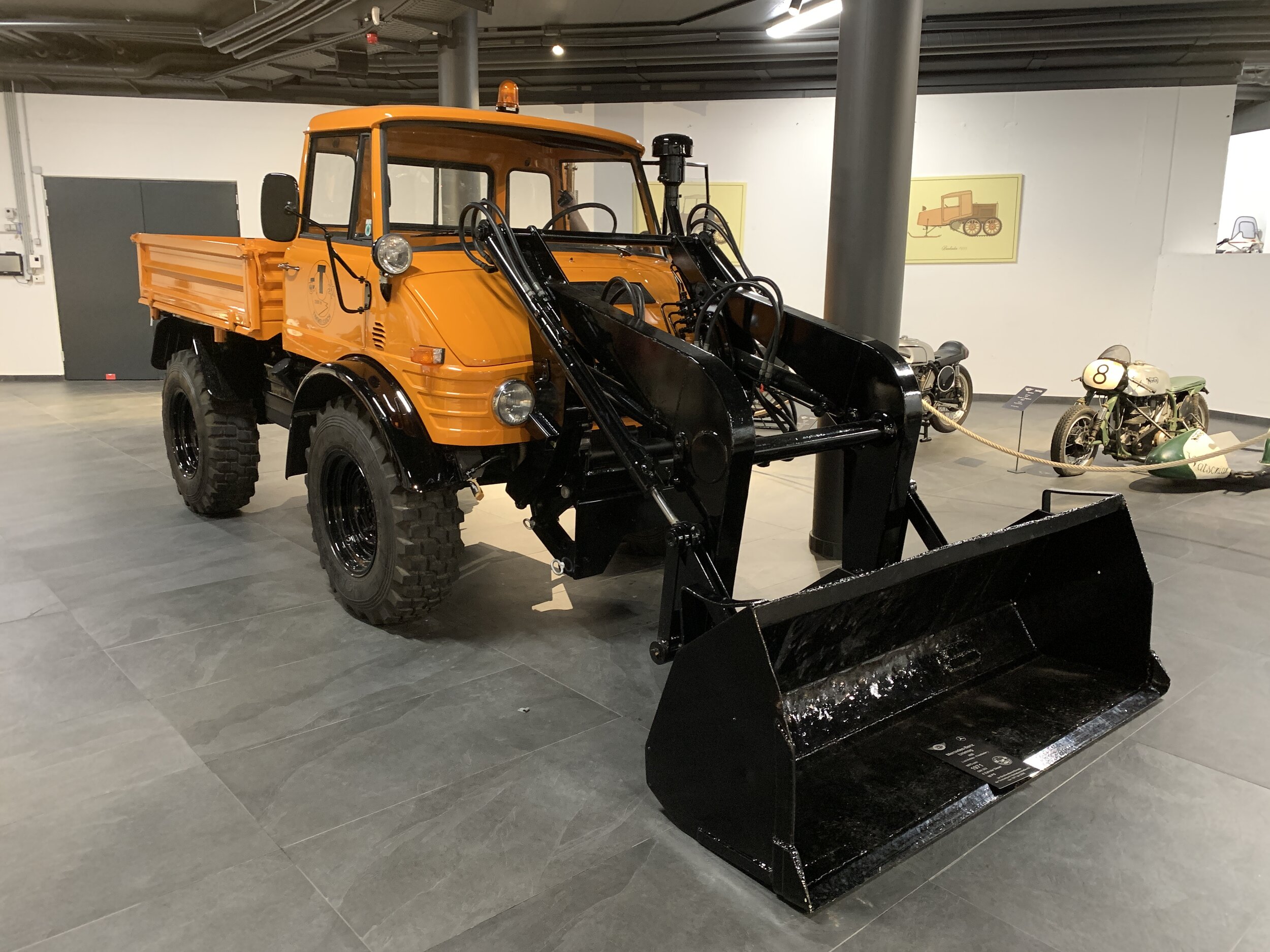
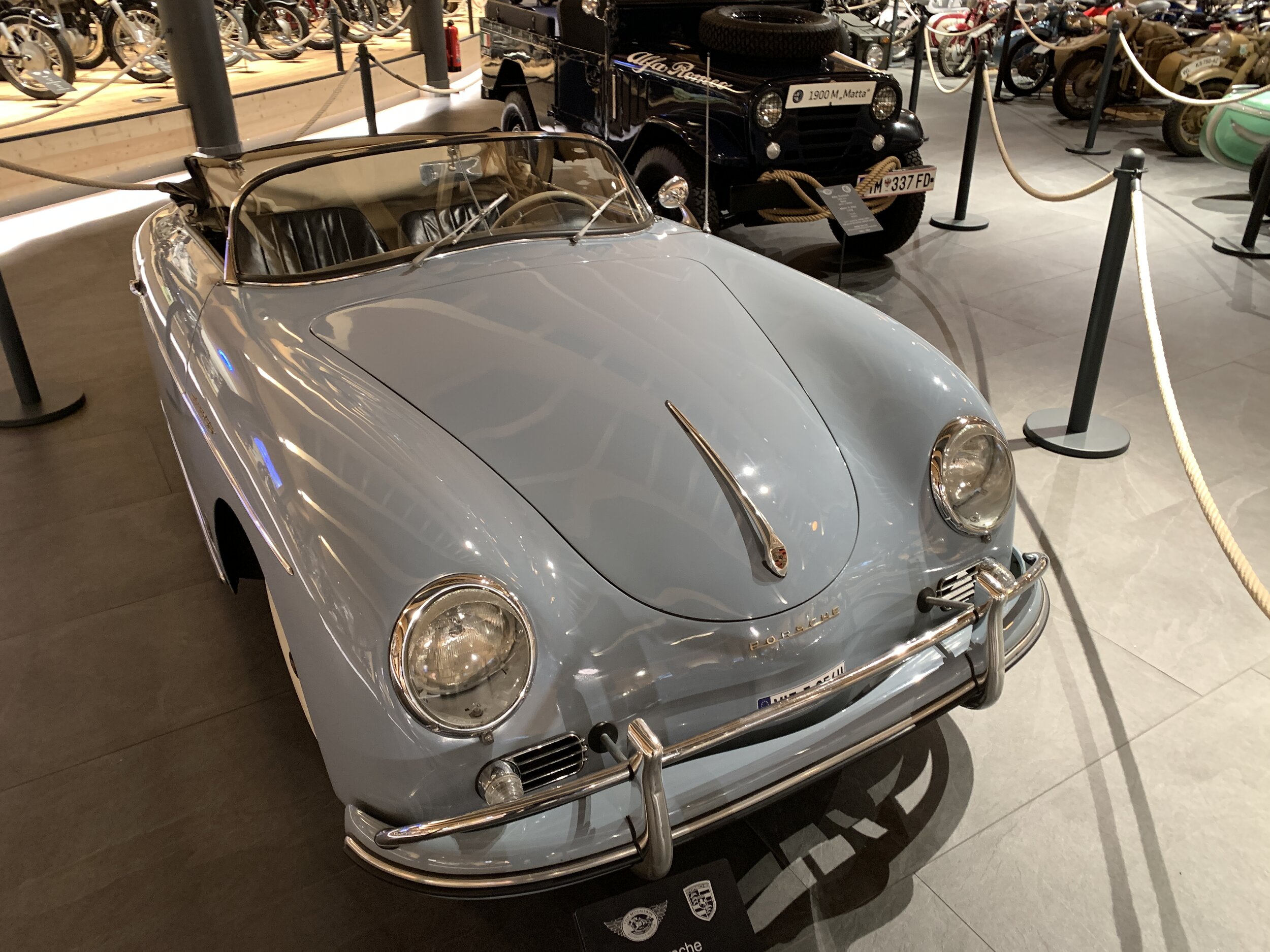
The museum’s dedication to bikes isn’t blind to cars. The brothers attribute their love for motorsport to their late father, who his enthusiasm was more for four wheels, the point where he raced Lotus cars semi-professionally across Europe. One of his old racers is in the museum. So too is a Lotus 23 B, plus some Porsches including a 959 and a spanking Speedster, a Ferrari California Spider and a few bubble cars. Plus some early snowmobiles, ploughs and groomers.

It’s all a bit crazy, but that’s to be expected …. a delightful madness fuels this place and its activities, too.

For instance, every summer there's a local motorbike race which about 30 entrants start from the bottom of the valley and climb to 2590 metres.

Just to add a touch of fun, it’s only open to hand-shifter 1950s-style machines. But apparently helmets must be worn.