Santa Fe and Sorento: Same yet different

The latest editions of the Hyundai and Kia large SUVs are still twins, but far from identical – particularly on the inside.

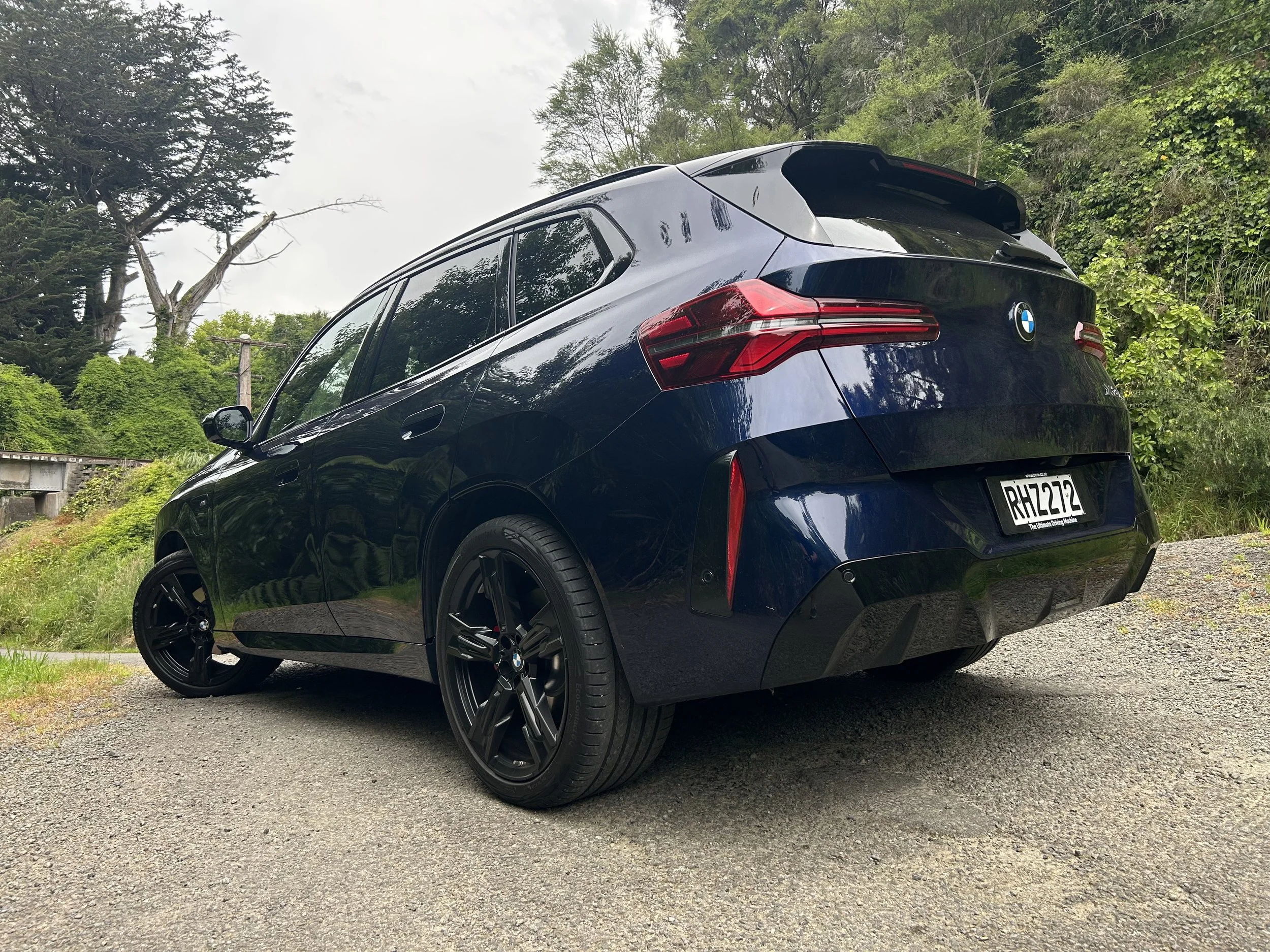
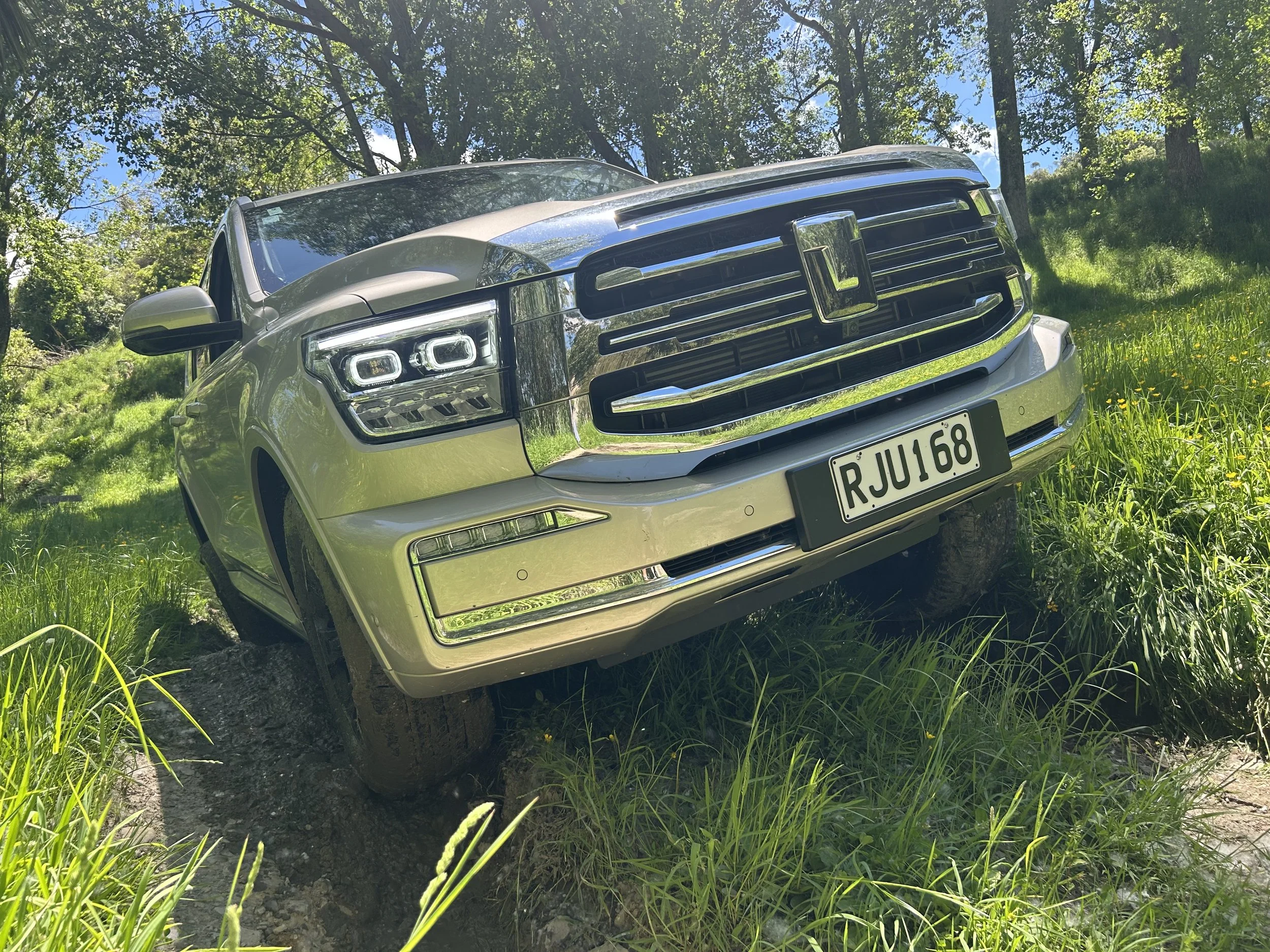
the Hyundai Santa Fe (above) and Kia Sorento are classic examples of badge engineering.

the Hyundai Santa Fe (above) and Kia Sorento are classic examples of badge engineering.

Kia Sorento Premium.JPG

 I CAN just imagine the discussions that took place between two design teams during development of the latest Hyundai Santa Fe and Kia Sorento medium-sized sport utilities.

Hyundai: “We’re typically regarded as the more luxurious marque, so we want our interior to reflect that.”

Kia: “We’re typically regarded as the sportier and more youthful brand, so our interior should reflect that.”

To all intents and purposes the Santa Fe and Sorento are the same vehicle. They’re built on the same platform, share the same powertrains, and their base exterior designs are the same. And although they are built at different South Korean assembly plants – the Hyundai at Ulsan and the Kia at Hwaseong  - they were no doubt also developed within sight of each other at the sprawling Hyundai Kia Automotive Group research and development centre at NamYang, in South Korea.

But the two vehicles are different, particularly when viewed from the inside. In there, it is the Sorento that indeed exudes the more youthful look, while it is the Santa Fe that is indeed the more grown-up and luxurious.

It’s called badge engineering – but it’s not as we used to know it.

The term had its origins in the days – as far back as 1917, in fact - when, in an effort to spread vehicle development costs, manufacturers would simply replace a car’s badging to create a new model that would be sold by a different brand. Such as swapping the badges of a Mazda 323 hatch and calling it a Ford Laser, for instance. Or in more recent times, changing the badges of an Opel Senator or Insignia and calling it a Holden Commodore.

The Sorento is larger, its wheelbase and body is longer, which translates to superior interior load space.

The Sorento is larger, its wheelbase and body is longer, which translates to superior interior load space.

Kia Sorento Premium 2.JPG

These days, in many instances the badge engineering has progressed far beyond simply swapping logos. Exterior styling between closely related vehicles can be considerably different, interiors can be unique, and ride and handling characteristics can be engineered to suit the particular needs of each particular vehicle.

Outstanding modern-day examples of all of this are the Santa Fe and the Sorento. And the best way to illustrate it all is to study their respective centre consoles – those areas that house all the control bearing surfaces ranging from infotainment to climate controls to gearshifts.

At the top level – the Santa Fe Limited and the Sorento Premium – the vehicles are powered by the same 2.2-litre turbocharged diesel mated to an eight-speed dual-clutch automatic operated via a shift-by-wire selector.

But the vehicles require different techniques to do the gear selecting. In the case of the Santa Fe the selector is a push-button thing with Reverse, Neutral and Drive in a top-to-bottom line, with Park (the electronic park brake) to one side. The Sorento’s selector is a rotary device with R, N and D in a left-to-right sequence with the P button in the centre.

The differences continue through the respective centre consoles. In the Kia, the audio and air conditioning controls are located between two air vents in the dash area immediately below a tablet-style infotainment screen, while in the Hyundai the controls are laid out in an orderly fashion slightly north of the gear selector.

There are numerous other differences in the centre console designs, and they all point towards the same design conclusion – that the Santa Fe should be seen as the more premium SUV, the Sorento as the more informal choice.

So which is best? Well, firstly I have to say that both interiors are very good, outstanding examples of how things can be the same but different. Study both interior designs closely and it is obvious that almost all the controls are essentially in shared locations, but their design and application are unique.

Hyundai’s interior is different to the Kia’s, not least when it comes to the gear selector design. This is the Santa Fe …. Rob didn’t like it.

Hyundai’s interior is different to the Kia’s, not least when it comes to the gear selector design. This is the Santa Fe …. Rob didn’t like it.

Hyundai 2.JPG
…. here’s the Kia. And, again, a gear selector that failed to impress.

…. here’s the Kia. And, again, a gear selector that failed to impress.

Kia 2.JPG

But as for the electronic gear selectors? Frankly, I don’t like either.  I much prefer the sense of motoring involvement that comes via the use of a gearstick. Isn’t that ironic? It doesn’t seem that long ago that we were all moaning about the demise of manual gearshifts. Now I find myself moaning about the demise of auto gearshifters.

Mind you, there’s no denying the intelligence of the electronic transmissions. Our home has a short sloping driveway that requires us to reverse out of. When I had the Santa Fe for road test I initially found I was unable to select reverse gear and move off, because the Hyundai refused to disengage the electric park brake. It took a little while for me to realise this would not happen until we had clicked the driver’s seat belt in place.

Of course the same intelligence is aboard the Sorento, because they share the same transmission. In fact with both vehicles you are not allowed to move off in Drive either unless you have the driver’s seatbelt clicked in place.

Other differences between the two? While it is obvious the base design is the same, there are major differences in nose and tail design. The Sorento is larger, its wheelbase (2815mm versus 2765mm) and body is longer, which translates to superior interior load space. I believe that, to the uninitiated, the Santa Fe and Sorento have to be regarded as entirely different SUVs.

They’re both contributing solidly to their brands’ sales efforts, too.

As at the end of February Kia was running second beyond Toyota in passenger vehicle and SUV sales with a 13 percent share, while Hyundai was in sixth place with seven percent. But of these two medium-sized SUVs, it was the Santa Fe that was the dominant performer, sitting in 10th place with 338 sales.

That was a sound result for an SUV that sells for as much as $89,990 as a Limited – which is $13,000 more than the Sorento Premium. Could that be because customers prefer the more premium look of the Santa Fe to the extent they are prepared to pay the extra dollars? Or, does the Hyundai look more premium both inside and out than the Kia Equivalent?

After looking at the photographs accompanying this article, you be the judge.


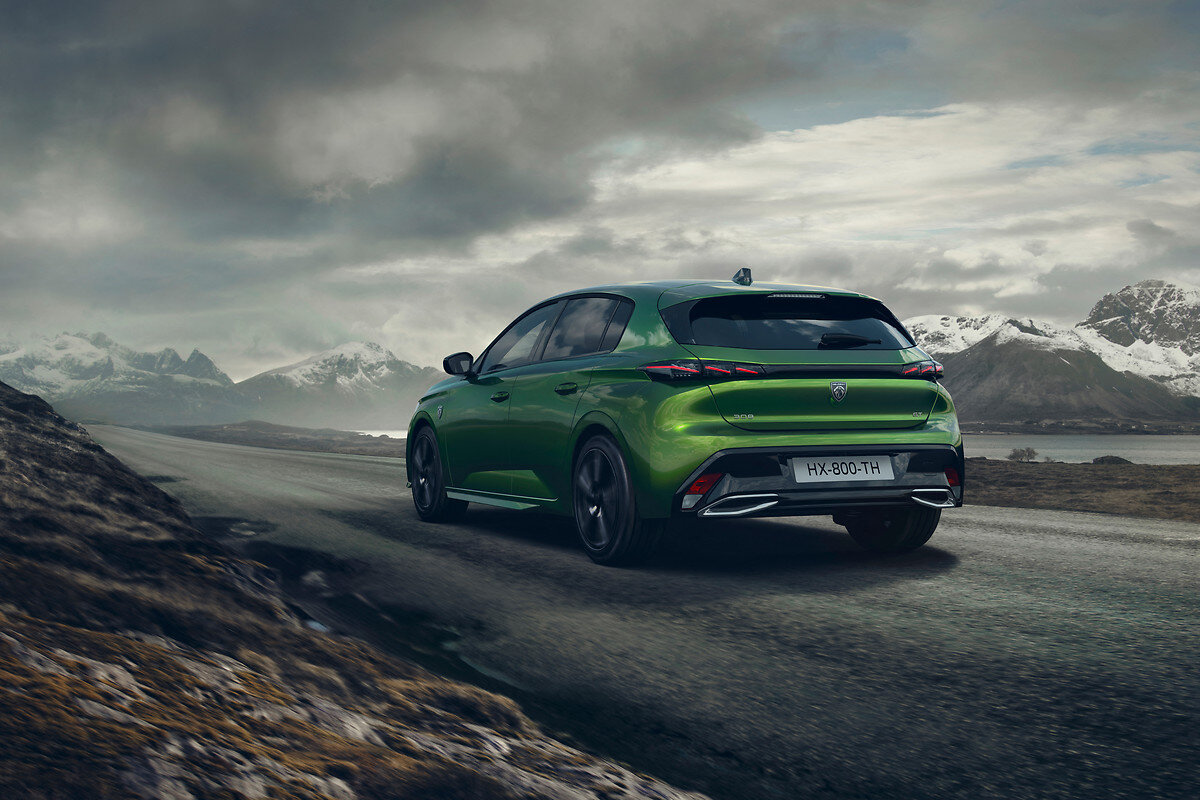
Next-gen Peugeot 308 for NZ in early 2022

Advanced cabin tech, a stronger look and the option of hybrid power.

3078340-ynl2al1ixq-whr.jpg

THE first to wear Peugeot’s new logo – and pretty much everything behind that fresh ‘coat of arms’ moniker is fresh, as well. 

So it goes for the next-generation 308 hatchback, revealed internationally today and set to land in early 2022, a timing that might well synch neatly with the distributor opening a smart new flagship dealership. 

The latest car won‘t seem like a wholly new start, in that it carries over much of the silhouette of the outgoing model - the same chunky, snub-nose and retaining a deep c-pillar; however the detailing is very different.

Still, the aerodynamic efficiency has improved, cutting drag to 0.28Cd, body stiffness has been boosted by using aircraft-style adhesive in key areas and the chassis, though a variation of the current car’s EMP2 platform, has been significantly upgraded. The wheelbase is 55mm longer, which should free up more rear seat space, and total length has gone up by 110mm. The car also sits 20mm lower to the road.  

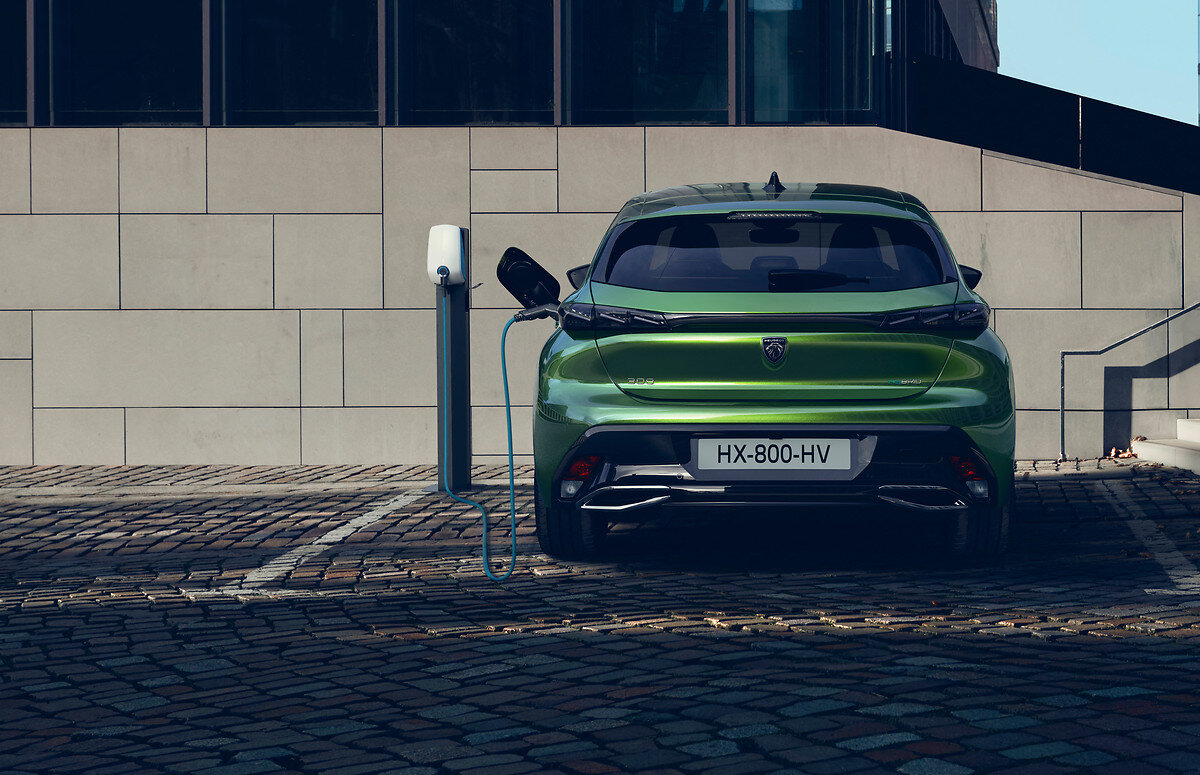
The 308 launches with three versions of the familiar 1.2-litre PureTech three-cylinder turbo petrol engine, in 82kW and 97kW forms, with an eight-speed automatic gearbox, but will also deliver in electrified versions too - a pair of plug-in hybrids, using the 1.6-litre turbo PureTech four-cylinder petrol engine, combined with an 81kW electric motor and a 12.4kWh battery.

The powerhouse version of that line makes 168kW, with CO2 emissions of 26 grams per kilometre, and an electric range of 59km. Peugeot also does a 132kW version, with CO2 emissions of 25g/km and an electric range of 60km.

There’s talk a high-performance 308 Peugeot Sport Engineered will come along in due course, powered by a 220kW, all-wheel-drive version of the PHEV system.

PHEV versions have an optional 7.4kW charging system which will allow them to be fully charged in one hour and 50 minutes (or just under four hours with the standard 3.7kW charging system).

In Europe Peugeot will offer PHEV buyers membership of the Peugeot Easy-Charge system which will include access to 220,000 public charging points. The PHEV 308s' batteries will be warrantied for eight years or 160,000km.

 A new Drive Assist 2.0 pack includes adaptive cruise control with Stop and Go function – just with the auto, but it’s very likely that will be the sole transmission choice here - and a lane keeping aid. There's also a new function, which suggests the best moments to change lanes to overtake slower moving traffic. A system that adjusts the cruise control speed if a corner is coming up also debuts.

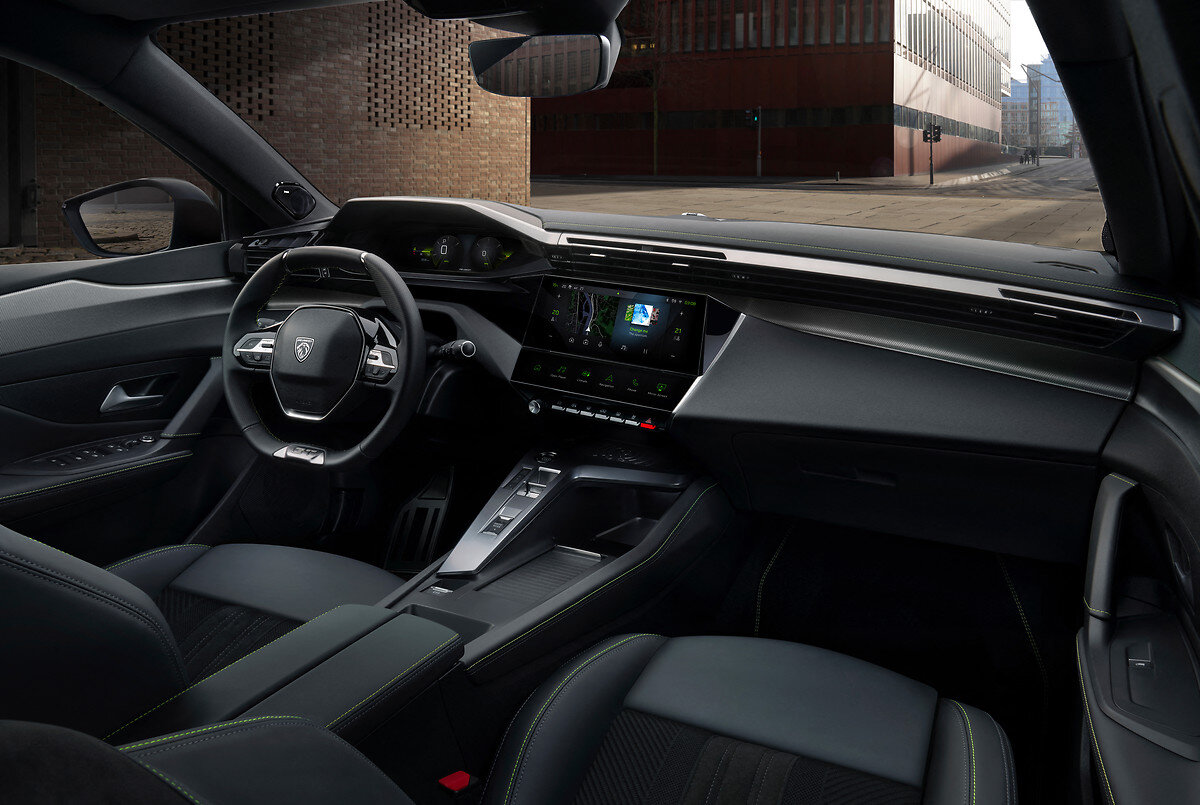
High-set instruments and a small, low-set wheel … yup, that i-Cockpit seems set to stay. Upmarket editions have a fully-digital '3D' ten-inch screen for the instrument panel, while the central touchscreen is also 10 inches across. This now comes with two separate control areas, aside from the main screen, one showing a panel of "fully configurable virtual i-toggles" - a series of touchscreen buttons of which you can decide the layout and functions.  

Wireless phone connectivity for Apple CarPlay and screen mirroring is standard. A 10-speaker Focal sound system, eight-colour ambient LED lighting, and a selection of USB ports also feature. There's over-the-air software updates and also a 'Hello, Peugeot' digital voice assistant.

Front seat occupants achieve 10-way power-adjustable massaging chairs, trimmed in Alcantara and leather with contrast stitching. There's also a new air filtration system, which prevents airborne pollutants from entering the cabin.

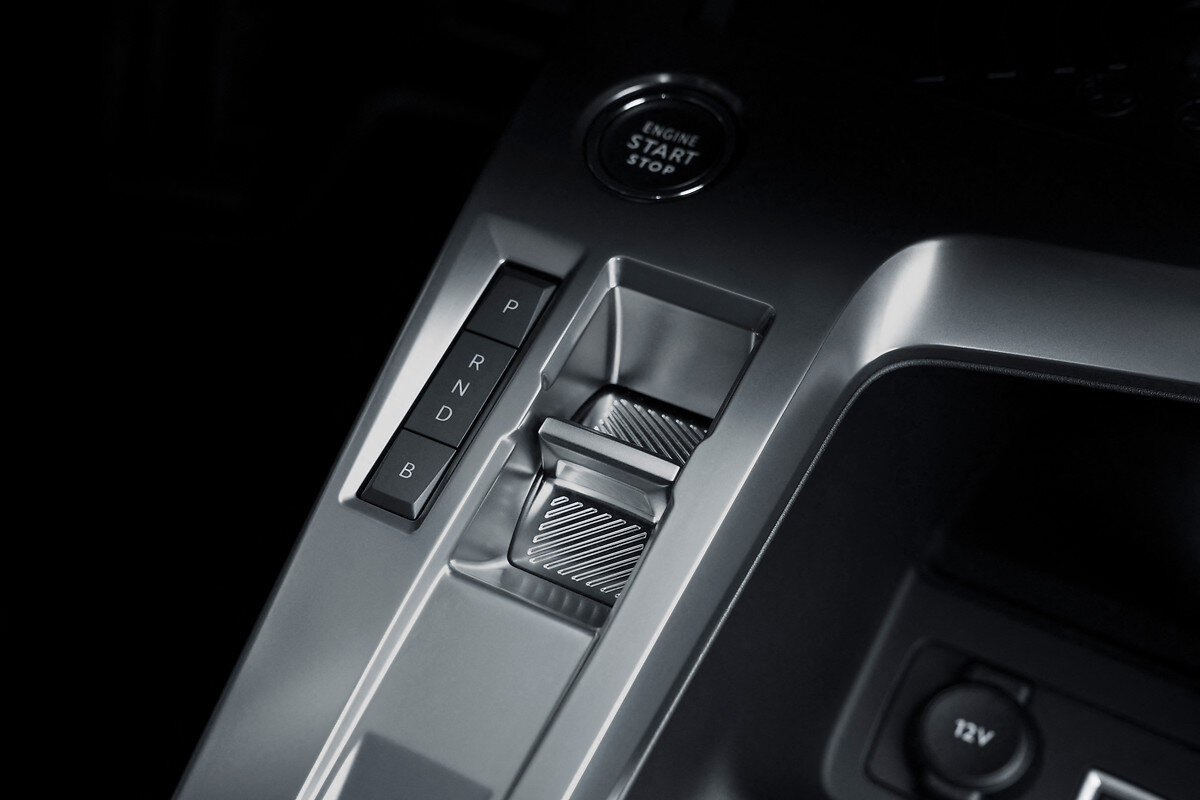
The auto’s gear selector is a toggle-type and there’s a button for selecting Electric, Hybrid, Eco, Normal and Sport modes, depending upon which engine you've chosen.

Four hundred and 12 litres of boot space is availed with the rear seats up, an eight litre reduction on the current car, expanding to 1323 litres with the second row folded. An additional 34 litres of storage space can be utilised through small compartments spread around the cabin

Styling-wise, the 308 gets the deep, concave grille, slim headlights, and 'fang' LED daytime running lights from the recently-facelifted 3008 and 5008 crossovers. At the back, it has slim-fit brake lights with a connecting light bar running across the boot lid. The new badge, set into the centre of the grille, is designed so that the radar unit for the active cruise control can now sit behind it.

The new model’s entry could coincide with the opening of a three-storey Peugeot Citroen supersite the Armstrong motor group will build in Greenlane, Auckland. It will also be one of the first premises in the world to feature the new Peugeot brand identity.

Armstrong’s managing director Rick Armstrong, whose Autodistributors’ NZ holds national distribution rights to PSA brands, says the building is a sign of the group’s commitment to the Peugeot and Citroen marques and is an indicator of what it believes is the huge future growth opportunity for the two brands.


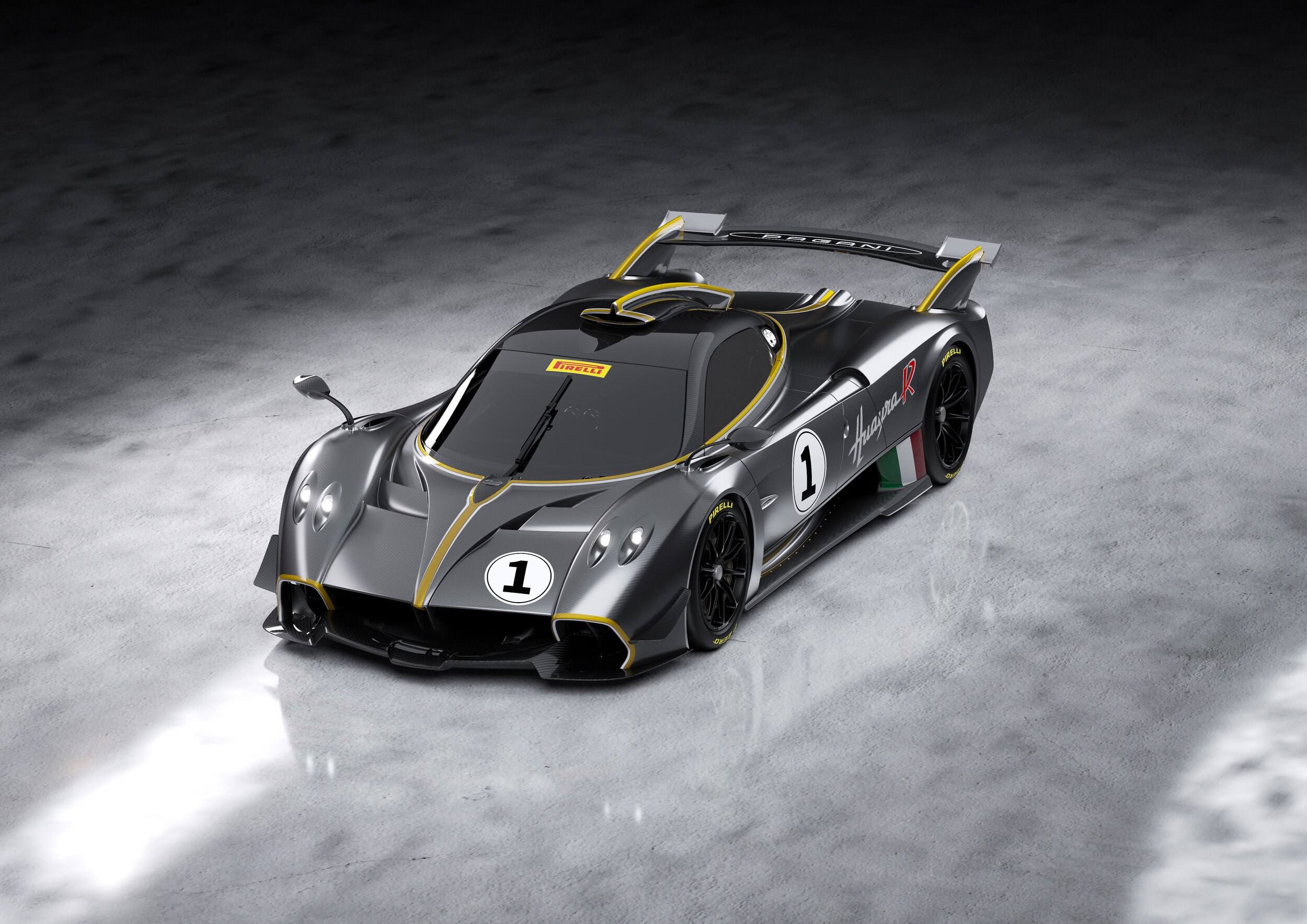
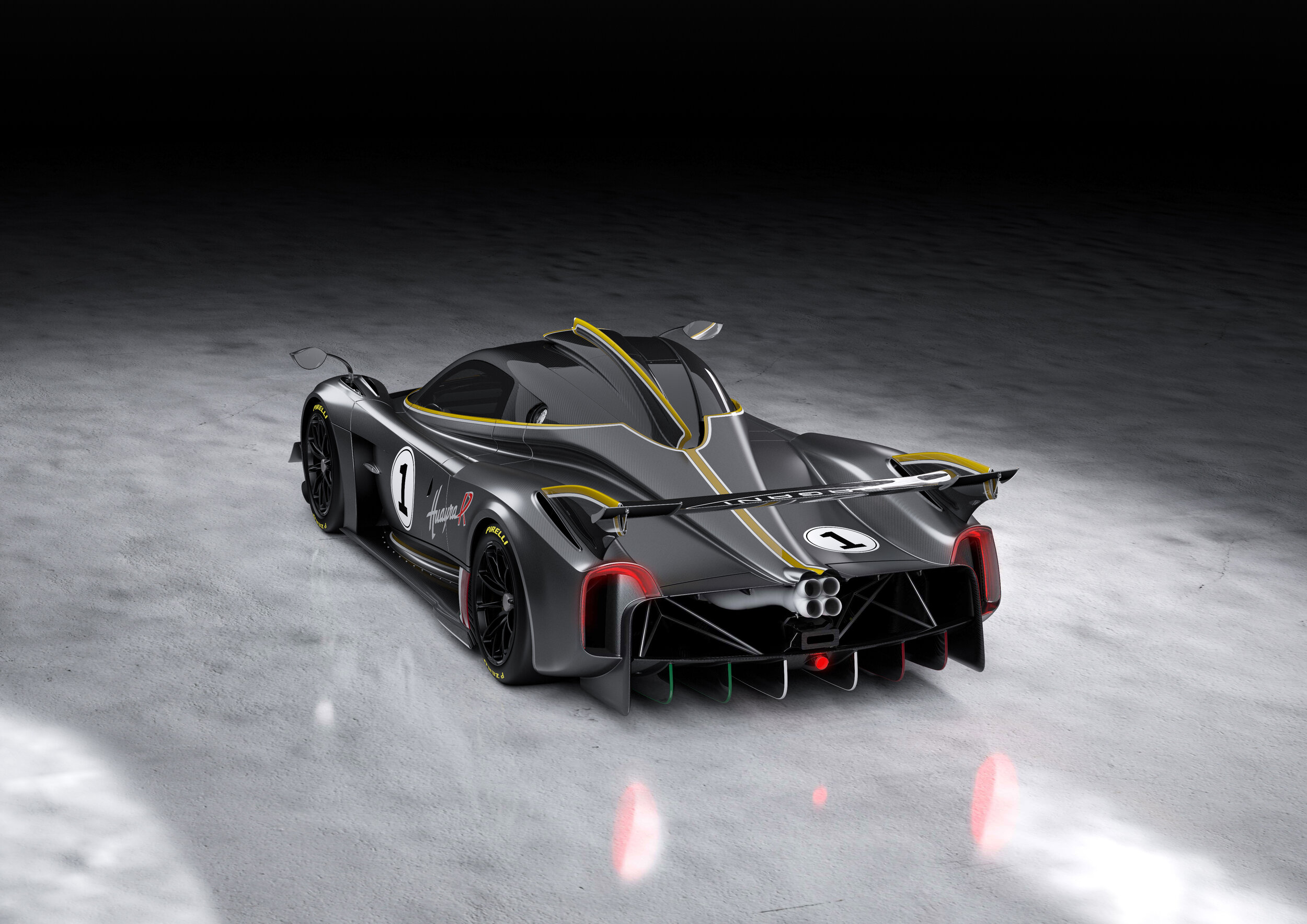
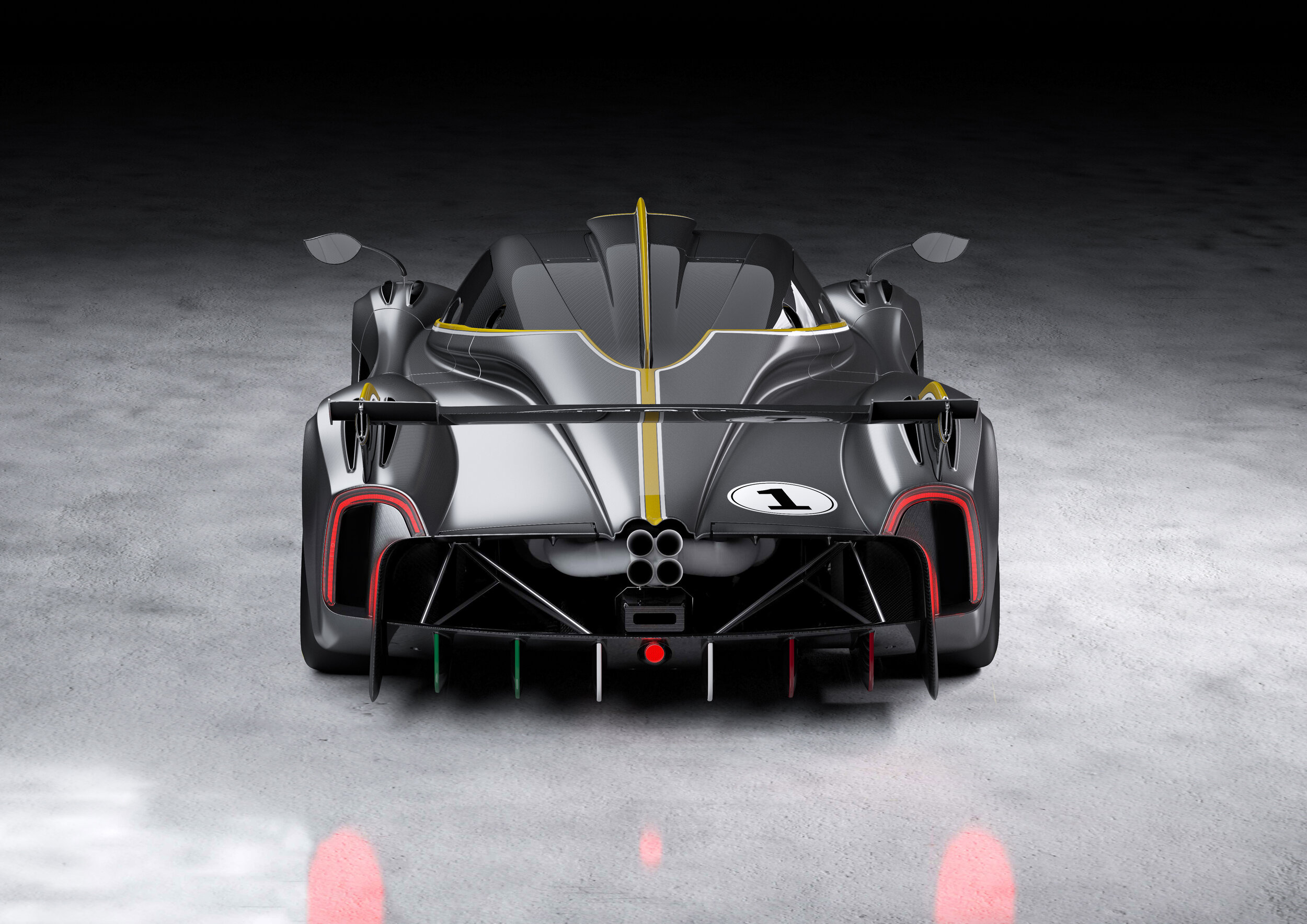
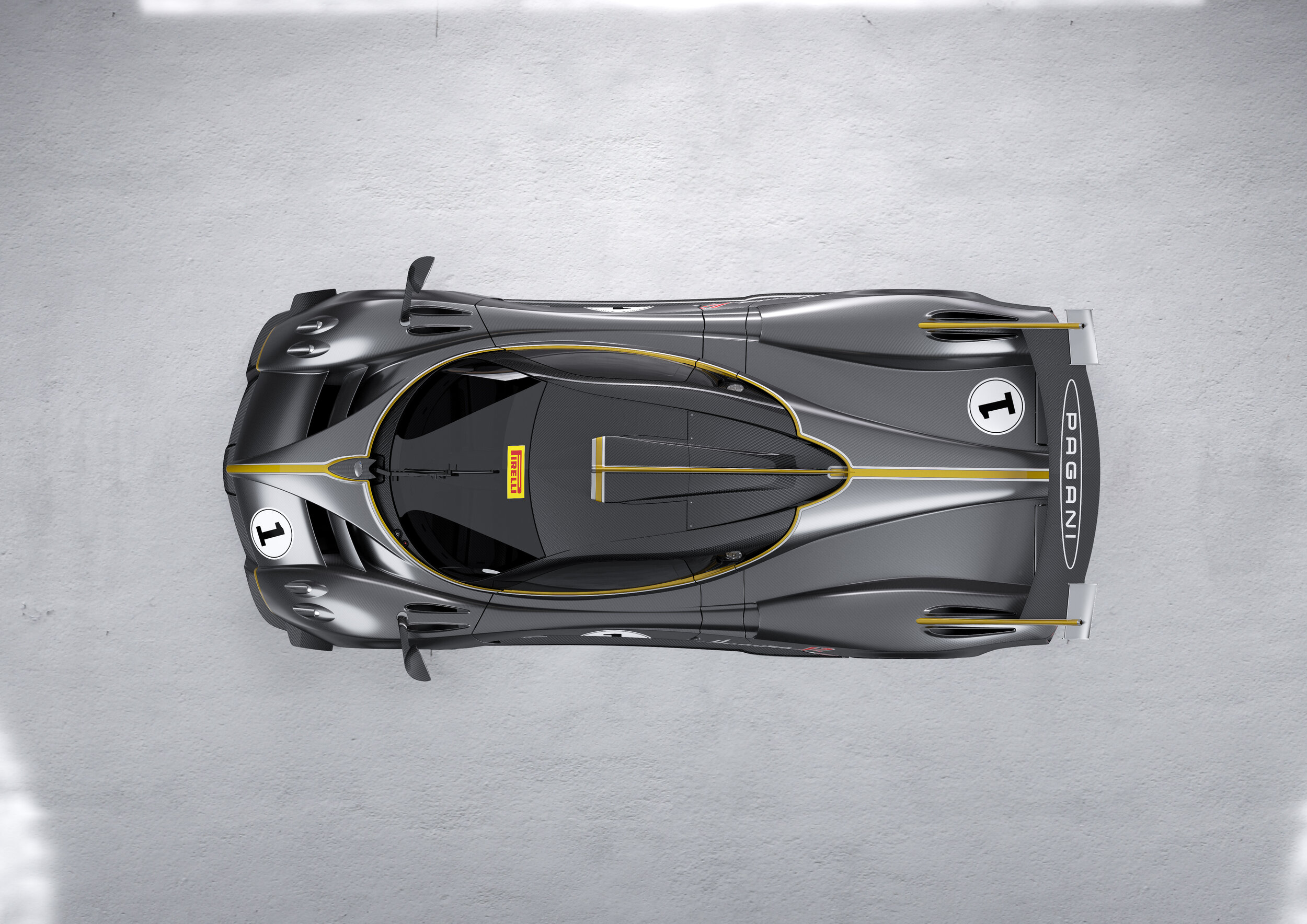
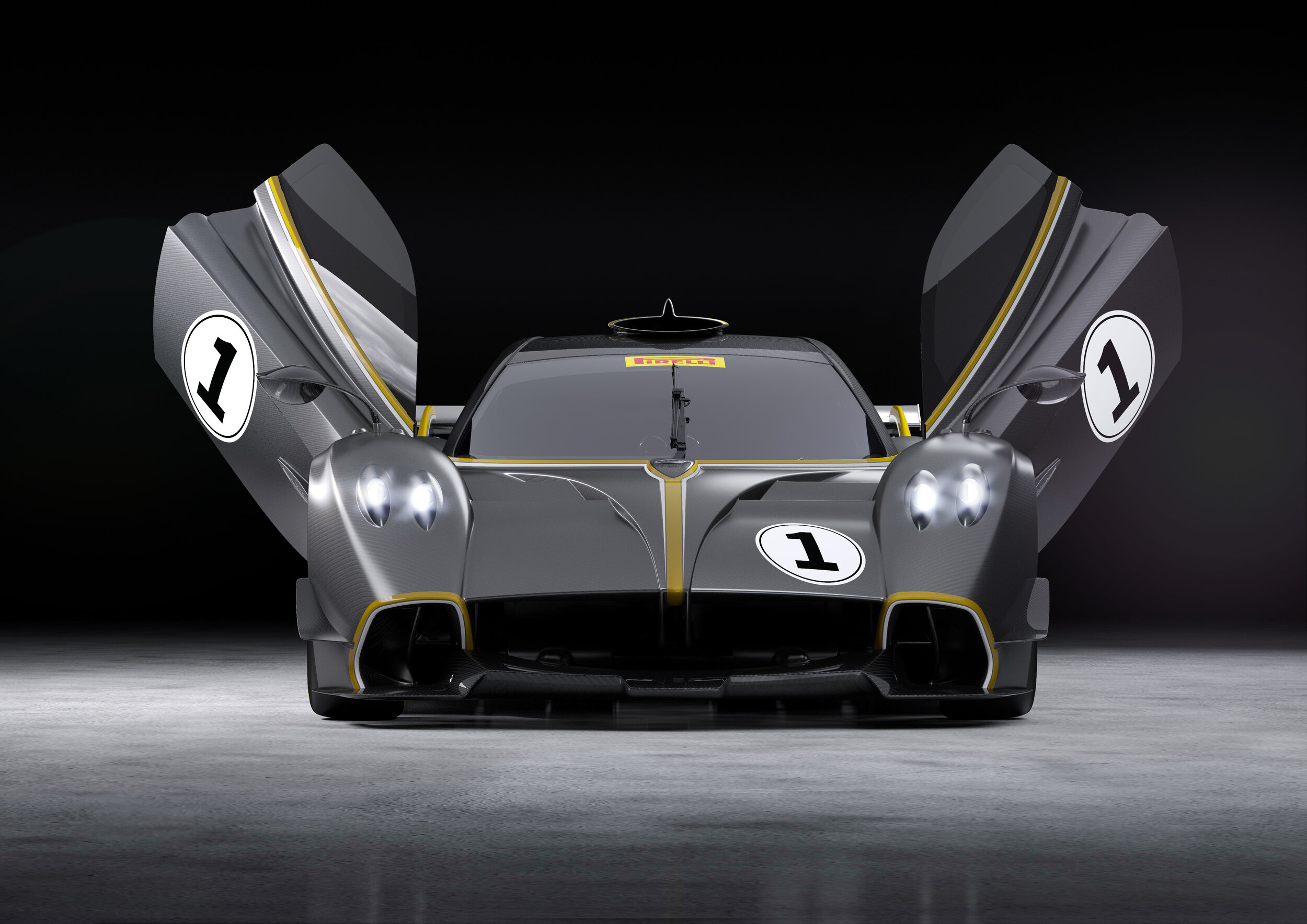
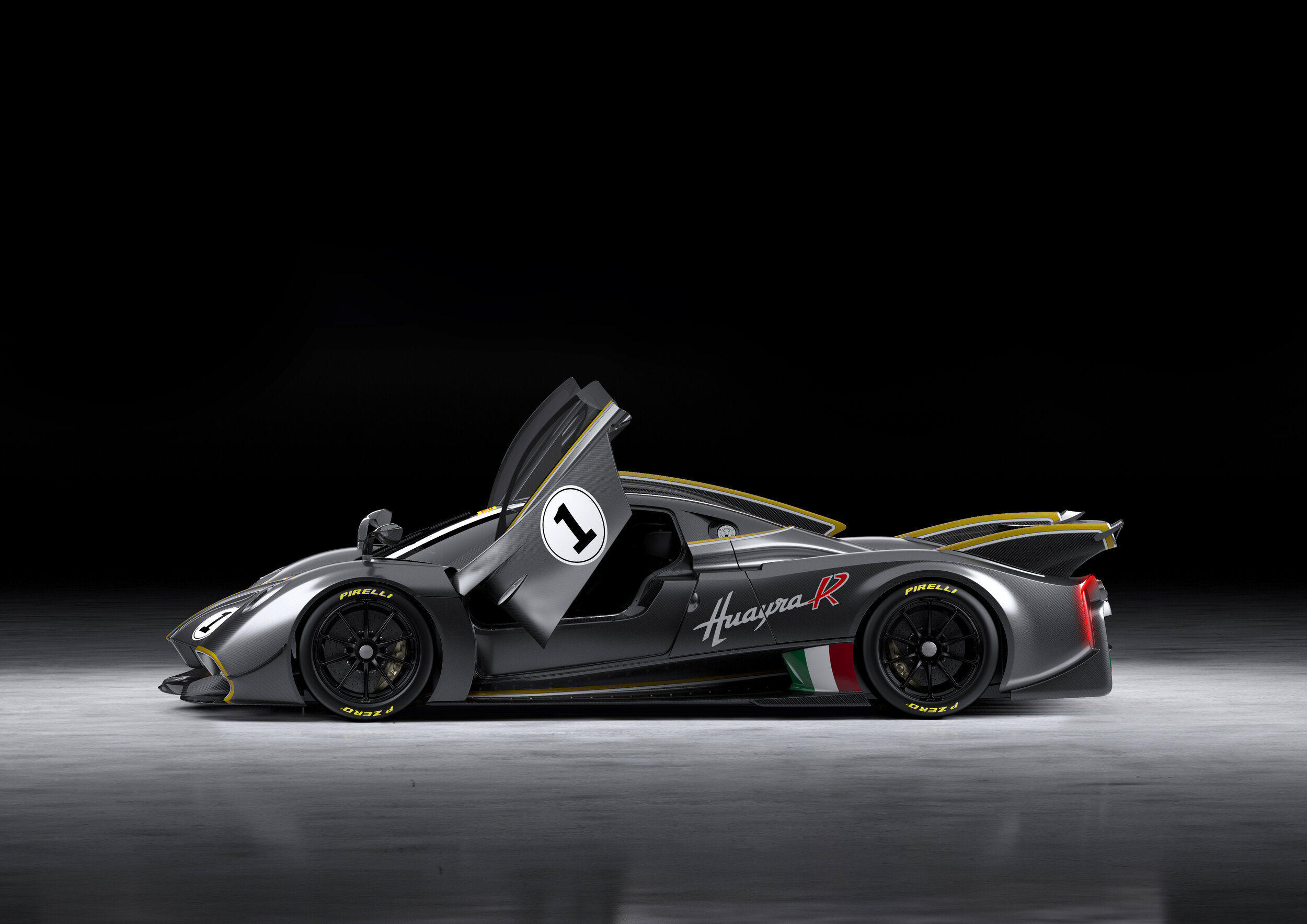
Pagani’s screaming 625kW Huayra R unleashed

Looks like someone didn’t get the memo about the future being all-electric.

RENDER_02_OPEN.jpg

EXTREME? The word is almost an understatement.  

The 2021 Huayra R just unveiled by Pagani is the Italian supercar specialist is certainly down to be considered its most outrageous car to date.

This spiritual successor to the 2009 Zonda R is a track-only monster, running a 6.0-litre naturally-aspirated V12 engine designed in collaboration with a Mercedes-backed German race team, HWA, developing 625kW (at 8250rpm) and 750Nm (from 5500-8300rpm).

Though questions about whether it would ever be accepted for competition hang over it, it is nonetheless fully outfitted for racing. So, a roll cage, automatic fire extinguishing system, a pair of race bucket seats with six-point harnesses, a detachable racing steering wheel, race-inspired centre stack with buttons to control lights, brake balance, engine maps and more, a fully-digital motorsport instrument display and AP Racing adjustable race pedals.

If push came to shove, it could almost run as a single class; only 30 examples of a machine intended to represent “the full expression of Pagani Automobili’s technological development" are being built – so that’s a nice number of a decent field. Each is priced at $NZ4.3 million. Before taxes.

Those buying-in will have access to an 'Arte in Pista' (art on the track, in Italian) programme, comprising a range of on-track driving events from individual track days to group events with other Huayra R owners in North America, Europe, Asia and the Middle East.

Imagine the sound of these cars weighing as a pack. That V12 is certainly pretty special. Weighing just 198kg, it’ll rev up to 9000rpm and features a 200-bar direct-injection system to improve thermal efficiency and aid performance. The lightweight alloy exhaust has equal-length exhaust manifold runners designed to allow it to “roar like a F1 car of the past.”

Drive is sent to the rear wheels through a six-speed sequential transmission, featuring a motorsport-derived clutch and a 'dog ring' design, the latter seeing the synchromeshes between gears typically found in road-going transmissions deleted to reduce shift times.

Under the skin, the Huayra R's monocoque chassis employs a range of composite materials designed to reduce weight and improve safety on track, including Carbo-Titanium HP62-G2 and chrome-molybdenum alloy steel.

Pagani claims a dry weight of 1050kg, along with 51 per cent and 16 per cent in flexural and torsional rigidity at the rear of the car versus a road-going Huayra.

Suspension is covered by forged aluminium alloy double wishbones front and rear, paired with reworked geometry, helical springs and electronically-controlled adaptive dampers.

It runs 19-inch forged aluminium alloy wheels designed by APP Tech, wrapped in 275mm front and 325mm rear Pirelli P Zero racing slick tyres, and achieves Brembo CCM-R carbon-ceramic brakes, clamped by six-piston calipers. The hardcore aerodynamics package is designed to produce 1000kg of downforce at 320kmh.


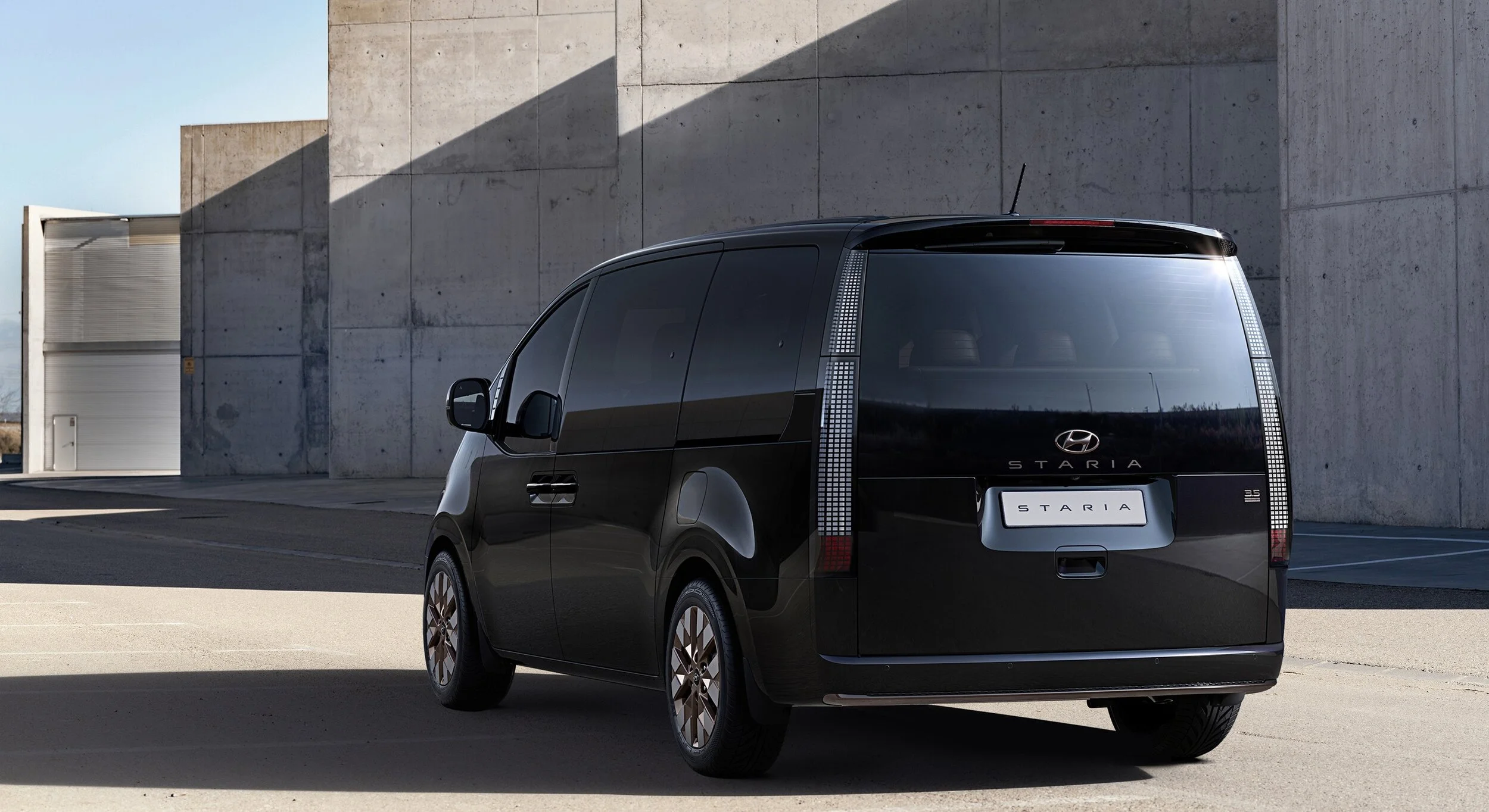
Covers pulled from Staria

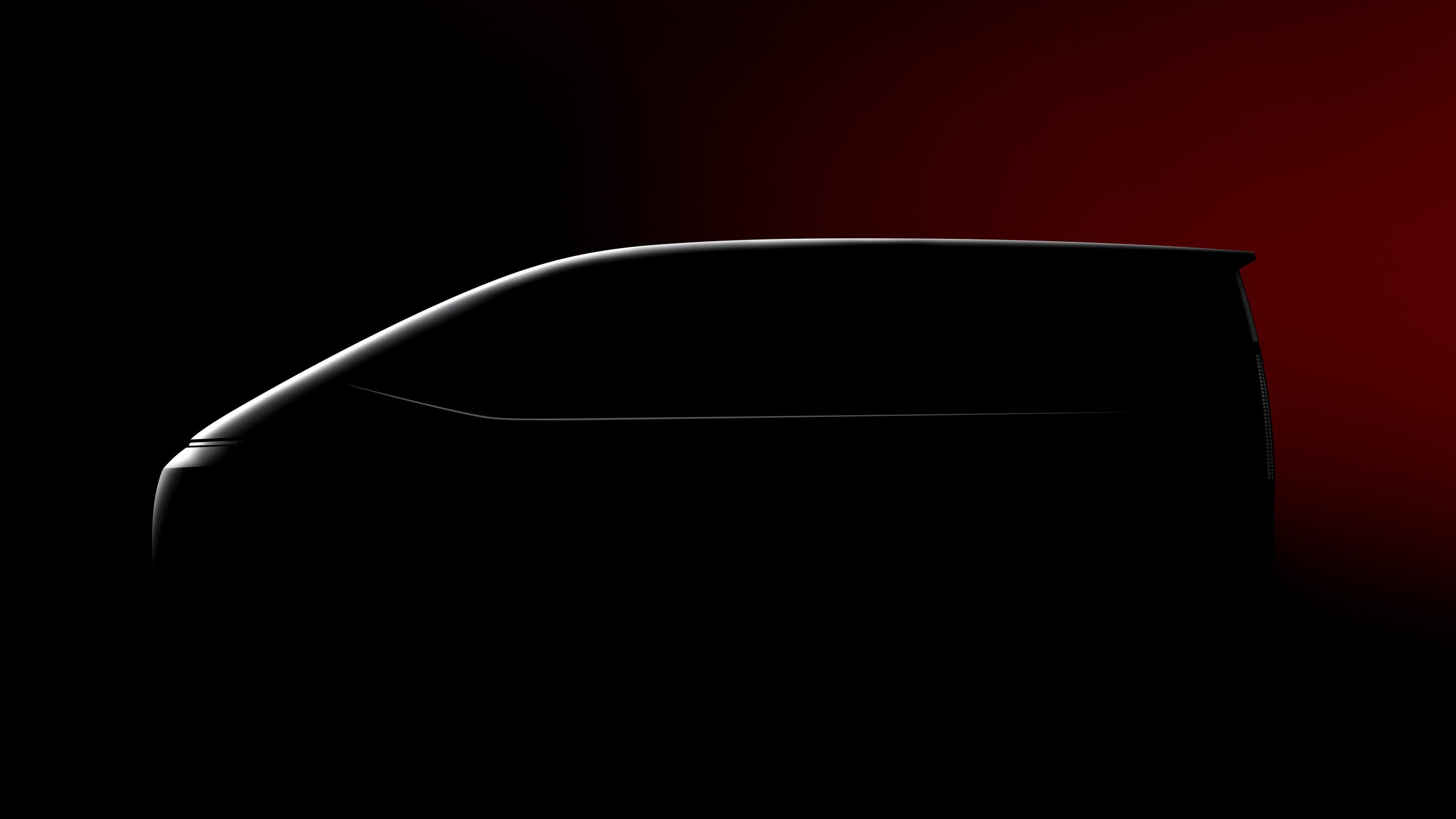
Get a load of this …. Hyundai’s spaceship-styled Staria is fully revealed.

STARIAPremium01.jpg

NO word yet from Hyundai in New Zealand, but with other markets – including Australia – indicating they’re starters, the star signs are surely looking good for this dramatic looking next-generation people-mover making a local debut. 

The Staria is touted as a replacement for the iMax, the passenger version of the iLoad van, and in that people-provisioning format it will be built in seven-seater and nine-seater variants, with a luxury Premium edition billed in the latter format.

After sharing teaser images last week, Hyundai has now properly revealed the model and offered unexpurgated viewing of its mono-cell body.

STARIAPremium04.jpg

The Premium version seen here is wearing a '3.5' badge. Does this mean its powertrain could be borrowed from the recently-released Santa Fe, offering 200kW and 332Nm via an eight-speed torque-converter automatic?

A turbo diesel is likely to be offered in entry-level Staria models, and could use a version of the Santa Fe's 148kW/440Nm 2.2-litre four-cylinder, or potentially the 137kW/416Nm 2.0-litre four-cylinder borrowed from the new-generation Tucson, also incoming to NZ soon.

Hyundai dealers in Australia have been told all-wheel-drive versions may be available. That’s of relevance here; our markets often share common models.

It’s thought the Staria, and the next-gen iLoad, will ditch the current generations’ rear-wheel drive layout for a front-drive monocoque platform.

STARIAPremium11.jpg

The passenger version will incorporate independent coil rear suspension whereas the commercial editions are on a solid leaf-sprung rear axle.

Hyundai says the interior has been inspired by the lounge of a cruise ship, hence the enormous dark-tinted panoramic windows.

Staria will be offered in multiple seating configurations, with bench seat options in lower-spec variants taking up to 11 occupants. That latter provision comes with a model with four rows of seats that will apparently only sell in South Korea.

The top-spec variants will have individual arm rest for front and middle row passengers. Captain seats, with 180 degree swivelling function in the second row, will also have ottoman and recline function.

Infotainment will come from a centrally-mounted 10.25-inch screen, and the driver will be greeted with a digital instrument cluster and a button-type shift lever.

STARIAPremium02.jpg


Tributes pour in for Sabine Schmitz

Queen of the Ring remembered by Top Gear friends and many more.

Sabine.jpg

REVHEADS, racers and a multitude of motoring and motorsport media outlets around the world have been saluting Sabine Schmitz, who has died at the age of 51. 

The Nurburgring’s most famous female driver — widely known as “Queen of the Ring” — who also rose to fame as a television personality lost her battle with cancer after more than three years with the disease.

Schmitz was synonymous with the Nurburgring Nordschleife, the 22.5 kilometre circuit in Germany that is renowned as the toughest in the world. She was born and raised in villages adjacent to the track and experienced her first lap at the age of three (her dad drove).

She rose to become the only female winner of the 24 Hours of Nurburgring – first in 1996, then again the following year, both times in a BMW M3 –  and estimated she had driven around the track more than 20,000 times.

She really rose to international attention with the general public after appearing on the Top Gear television programme.

Her debut was in a 2004 episode as the hired hand who instructed Jeremy Clarkson as he drove a Jaguar S-Type R around the circuit. Ih the aftermath, quipped she could beat his time driving a Ford Transit van. The next year, she went on to accept the challenge – falling short by a mere nine seconds, despite her Ford Transit boasting a fraction of the power of Clarkson’s supercharged V8 Jaguar. Those segments were highlight pieces of the programme’s Clark-May-Hammond era.

A statement from the legendary German racetrack said: “The Nurburgring has lost its most famous female racing driver. 

“Sabine Schmitz passed away far too early after a long illness. We will miss her and her cheerful nature. Rest in peace Sabine!” 

Jeremy Clarkson said: “Terrible news about Sabine Schmitz. Such a sunny person and so full of beans.”

Co-host Richard Hammond said: “Very sad to hear of the passing of Sabine Schmitz, a proper driving legend who’ll be sadly missed by many. The Ring has lost its Queen. RIP.” 

The Top Gear website also placed a tribute, saying.

“Sabine was a beloved member of the Top Gear family and presenting team since 2016, having first appeared on the show in 2004, and everyone who had the pleasure of working with her on the team is in shock at this news. Sabine radiated positivity, always wore her cheeky smile no matter how hard things got and was a force of nature for female drivers in the motoring world.”

Top Gear said that while Schmitz starred on TV in recent years, it was her abilities around the Green Hell – the world’s most notorious race circuit – where she first established her name.

“She adored the ‘Ring and knew it on an almost innate level, having driven tens of thousands of laps and competed in countless races there. She won the Nürburgring 24 Hours twice, her 1996 victory being the first for a female driver.

“Like everyone else who knew her, we will truly miss her – Sabine really was one of a kind. Our thoughts are with her partner Klaus, who was always by her side and who we welcomed to Dunsfold many times, and her family in Germany.”

Current Top Gear host Chris Harris, who is a renowned racing driver in his own right, recalled Schmitz as a “wonderful, powerful, hilarious person.”

Formula 1 said Schmitz was "a force of nature" who inspired "a new generation of motorsport enthusiasts".

The Hegarty website said Schmitz was born in Adenau and grew up in Nurburg, where her family ran a modest hotel. There she would mix with the great and the good from motor racing, and by the age of 13 had made up her mind to become a racing driver.

She would need to wait to be 18, when she could hold a driving license, to drive around the Nürburgring circuit, but by the time she reached 17 the urge was too great to resist and she ‘borrowed’ her mother’s BMW and, without her permission, drove it to the circuit for her first experience from behind the wheel.

As she recounts: “The guy on the track… he said, ‘Oh Sabine, you are already 18? You’ve got your driving license?’ I said, ‘Oh, yes! Bye bye.’ Vroom! And then I would go on the track.”

In years gone by, Schmitz drove for BMW’s Ring Taxi service, which offered paying passengers a high-speed lap in one of a fleet of BMW M5s. Nearly all passengers would hope to secure a place in Schmitz’s car, leading her to establish her own Ring Taxi service.

After withdrawing from a race last July, Schmitz shared news of her health with fans.

“Dear friends of professional motor sport.

“Many of you have probably wondered why I was on the list of participants on our Porsche in the NSL and then didn’t drive after all.

“I would like to provide enlightenment here, I think I owe it to my/our fans! Since the end of 2017, I have been fighting an extremely persistent cancer that has not been eliminated with the resources so far.

“It got a little better – but now it’s come back with full force.

“Now I have to draw all the strength and nerve to master the next powerful therapies … hoping something (good) will happen.

“So I say goodbye ‘probably’ for the first time this season. In addition, I would like to thank everyone for their help and support in my everyday life, and encouragement in writing!”


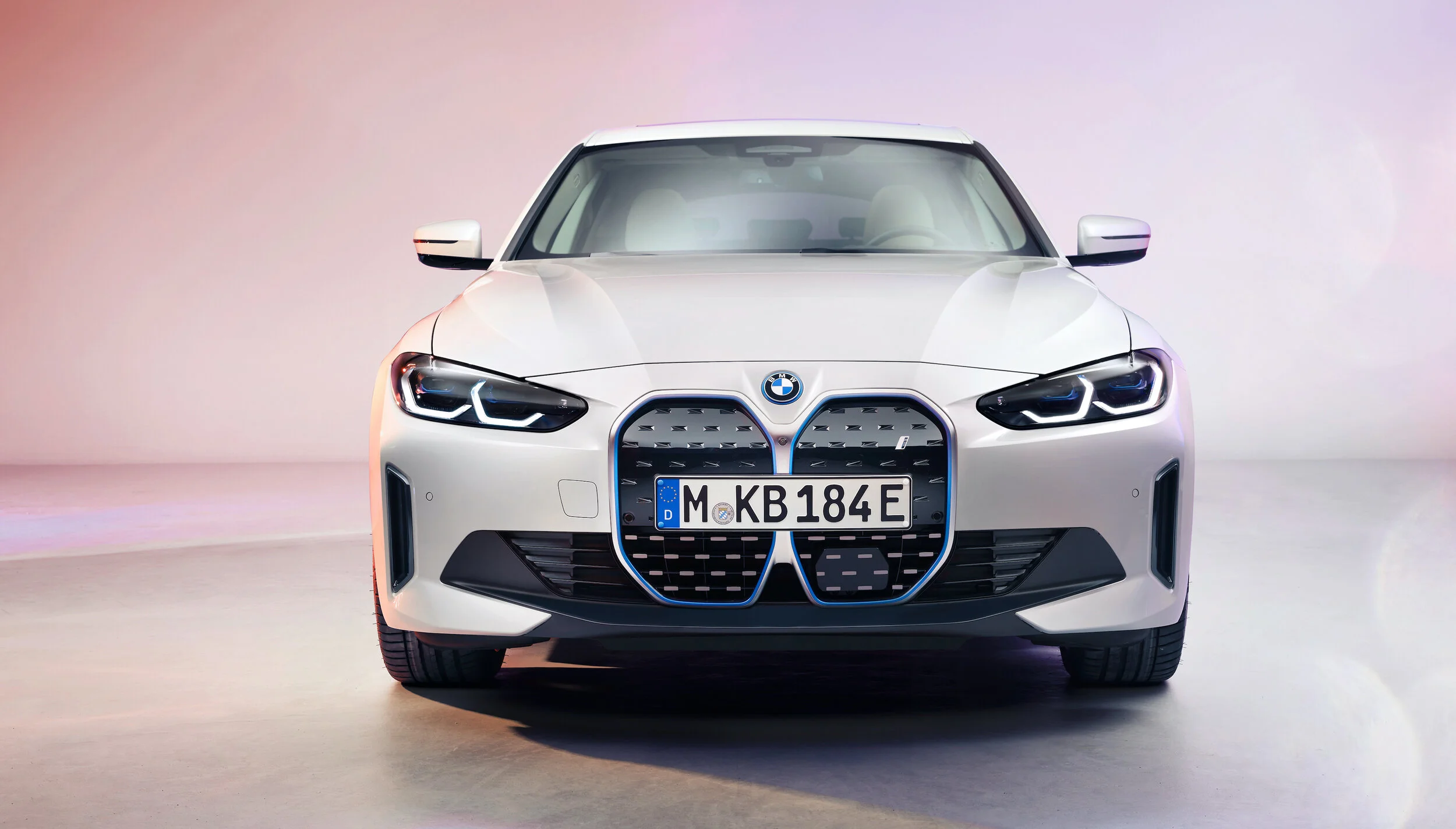
Perfect ‘i’ timing

More about the iX, a good look at the i4 and the lowdown on iDrive … it’s a busy week for BMW.

bmw head office’s unveiling of the production i4 has synched with the announcement of the iX (below) model lineup for our market.

bmw head office’s unveiling of the production i4 has synched with the announcement of the iX (below) model lineup for our market.

P90407447-highRes.jpg

 ANOTHER electric moment from BMW, with delivery of local distributor information about incoming versions of the iX electric crossover synching with the parent in Germany revealing its next wholly battery car, the i4 four-door coupe.

Germany’s images of the i4 show a production-ready car, unveiled a year after the namesake original design study was shown.

The big difference? The one signed-off for NZ driveways will have four doors, not two, and so sit and badge as an alternate to the combustion engine-wed 4-Series Gran Coupe, with which it shares a platform and significant styling detail. 

A lot of technical detail remains withheld, but BMW says the model will deliver up to 590km of range from a single charge on the WLTP cycle and will offer a maximum of 390kW.

Earlier reports suggest this will only be available in short bursts from the performance-focused, range-topping variant, expected to be named the i4 M50. An entry-level eDrive35 and a mid-spec eDrive40 are also rumoured.

P90416002_highRes_first-view-on-the-up.jpg
P90416003_highRes_first-view-on-the-up.jpg

The maker says that power will allow the flagship car to hit 100kmh from a standstill in ‘around’ four seconds, likely with the help of all-wheel drive. That sprint time, and the range, are equivalent to figures claimed for Tesla’s Model 3 Long Range.

Game on? Well, presumably yes, though BMW seems dead set on teaching the American make a thing or two about dynamics. Though detail about the chassis tuning is being held back, it is on record as saying that 'simply going fast in a straight line is not enough'.

Pieter Nota, member of the board of management of BMW AG responsible for Customer, Brands and Sales, has also since commented: "With its sporty looks, best in class driving dynamics and zero local emissions, the BMW i4 is a true BMW. It makes the heart of the BMW brand now beat fully electric."

BMW's policy of making its full electric vehicles (EVs) appear as conventional as possible is strongly evidenced by i4. Blue accents and aero wheels separate it from the upcoming 4 Series GC, as do the redesigned bumpers and the lack of exhaust tips at the back. Both the EV and ICE editions seem destined to have a common frontal styling, including that oversized kidney grille.

By the time i4 shows, BMW should have iX well settled into the market – it’s set to launch in the fourth quarter of 2021, after all. 

BMW NZ has settled on choice of two battery and electric motor options: the entry-level xDrive40, and the flagship (at launch, at least) xDrive50.

The first mates two electric motors with a lithium-ion battery offering ‘over’ 70kWh of gross energy capacity, good for a power output of 240kW, and a sub-6.0-second 0-100kmh sprint time. 

Maximum driving range according to Europe's WLTP test cycle sits at more than 400km, according to BMW, with a combined energy consumption rating of less than 20kWh per 100 kilometres claimed.

P90407450-highRes.jpg
P90407440-highRes.jpg

The iX xDrive50, meantime, brings more than 370kW from a larger 100kWh-plus battery pack, enabling a sub-5.0-second dash from zero to 100kmh, a WLTP range of above 600km, and combined energy consumption of under 21kWh/100km.

DC fast charging is standard on both variants, at a rate of up to 150kW in the xDrive40, or 200kW in the xDrive50. A 10-minute stint on a DC charger is said to add up to 90km and 120km of range to the 40 and 50's batteries respectively, with both models capable of a 10 to 80 percent charge in 40 minutes, according to the BMW information sheet.

There’s talk overseas that the iX lineup will eventually be headed by an M60 model, set to enter production in March 2022 with a 418kW version of the xDrive50's powertrain.

BMW confirmed the new iX would employ a number of sustainable materials through its construction, including up to 60kg of recycled plastic.

Recovered fishing nets will be used in the floor mats, rare-earth materials have been omitted from the electric motors, cobalt and lithium for the batteries are sourced ethically from ‘controlled’ mines in Australia and Morocco, while the interior features FSC-certified wood, olive leaf extract-tanned leather, and other naturally-sourced materials.

The iX also debuts (with i4 being the second recipient) the eight generation of the iDrive infotainment system, which combine a 12.3-inch instrument display and a 14.9-inch central touchscreen into a single curved panel and is now technically known as BMW Operating System 8.

BMW says that iDrive 8 will be able to: "adjust to the driver's individual needs and routines, as well as the situation at hand" and will be: "a central operating channel of human-machine interaction."

Even though the familiar iDrive controller click-wheel is retained – and is now made from glass and with a gold bronze bezel – the big idea for iDrive 8 is to move beyond the traditional twist-and-click rotary controller and move more and more into direct speech control, with you being able to chat to your BMW's dashboard and interact with it using natural language, rather than pre-set commands.

There is, of course, a digital voice assistant in the dash, called the BMW Intelligent Personal Assistant, and you can, by voice, interact with it, and it will get to learn your daily routine and regular needs and wants. There's also a new BMW ID, in which you can store various personal preferences and easily transfer them from one BMW to another.

There's also a new 'My Modes' setting, which allows you to customise and personalise different operating modes for the car, including Efficient, Sport and Personal Modes. The activated configuration is indicated by variations in the artwork specially developed for My Modes, the style and layout of the displays, and a change in the display colour, which adapts to the experience setting in the same way as the ambient lighting. Switching between My Modes produces acoustic changes, too, including adjustment of the engine or motor sound.

idrive controller.jpg

A few years back, BMW joined a car brand cabal that bought mapping and navigation company HERE from Nokia. That spend is going to pay off in iDrive 8, with a new BMW Maps function. Just like Google Maps and Apple Maps, BMW Maps will gradually learn your regular destinations, and will present them to you as options, rather than you having to regularly enter them. The system will be able to direct you around traffic hold-ups and will guide you to charging points if you need to top-up the battery.


EV6 a potential 2021 release in NZ

Less certainty from Kia here than expressed by Hyundai for the twinned Ioniq.

print-cmyk-3600x2400-4_1.jpg


POTENTIAL for Kiwi electric vehicle enthusiasts to cross-check two strongly-related South Korean products here before year-end seems strong, though cannot yet be considered an absolute certainty.

In the wake of Kia in Seoul having released images, Kia’s national distributor has indicated optimism of the new EV6 hitting our roads in the second half of 2021, a timing that matches that for its Hyundai sister ship.

Aside from adopting a sportier look, offering perhaps less practicality, Kia’s car is in the same five-door, broadly crossover representation as the Hyundai Ioniq that is already confirmed for sale here.

print-cmyk-3600x2400-2.jpg

The subordinate make’s first dedicated electric also has the Ioniq’s Hyundai-developed Electric-Global Modular Platform (E-GMP), so is expected to offer in the same drive formats – single motor rear-drive and dual-motor all wheel drive – and potentially have similar, if not identical performance and range.
 However, that side of the story has yet to be spelled out by Kia. The announcement from Seoul has simply been an entree to a full unveiling that is still weeks away. The preliminary exercise is simply to tell the styling story.

Neither local distributor is talking price, or exact specification, but Hyundai NZ is already accepting pre-orders for their model. Kia NZ’s comment does not broach that subject.


Expectation of the EV6 being considered by Kia NZ was always solid; it is already on the electric route with the battery-fed Niro, has recently added PHEV and mild hybrid versions of the Sorento and it knows the Ioniq is a firm starter.

EV6’s local placement might be considered a little less cemented, in that comment from Kia here says the car is ‘expected’ to go on sale in worldwide markets, New Zealand included, this year.

print-cmyk-3600x2400-3.jpg

Kia says EV6’s shape is very much influenced by a new design philosophy, ‘Opposites United’, that it says embodies their shifting focus towards electrification and takes inspiration from the contrasts found in nature and humanity.

“EV6, as the first dedicated Kia EV, is a showcase of human-centred, progressive design and electrified power,” says Karim Habib, Senior Vice President and Head of Global Design Centre.
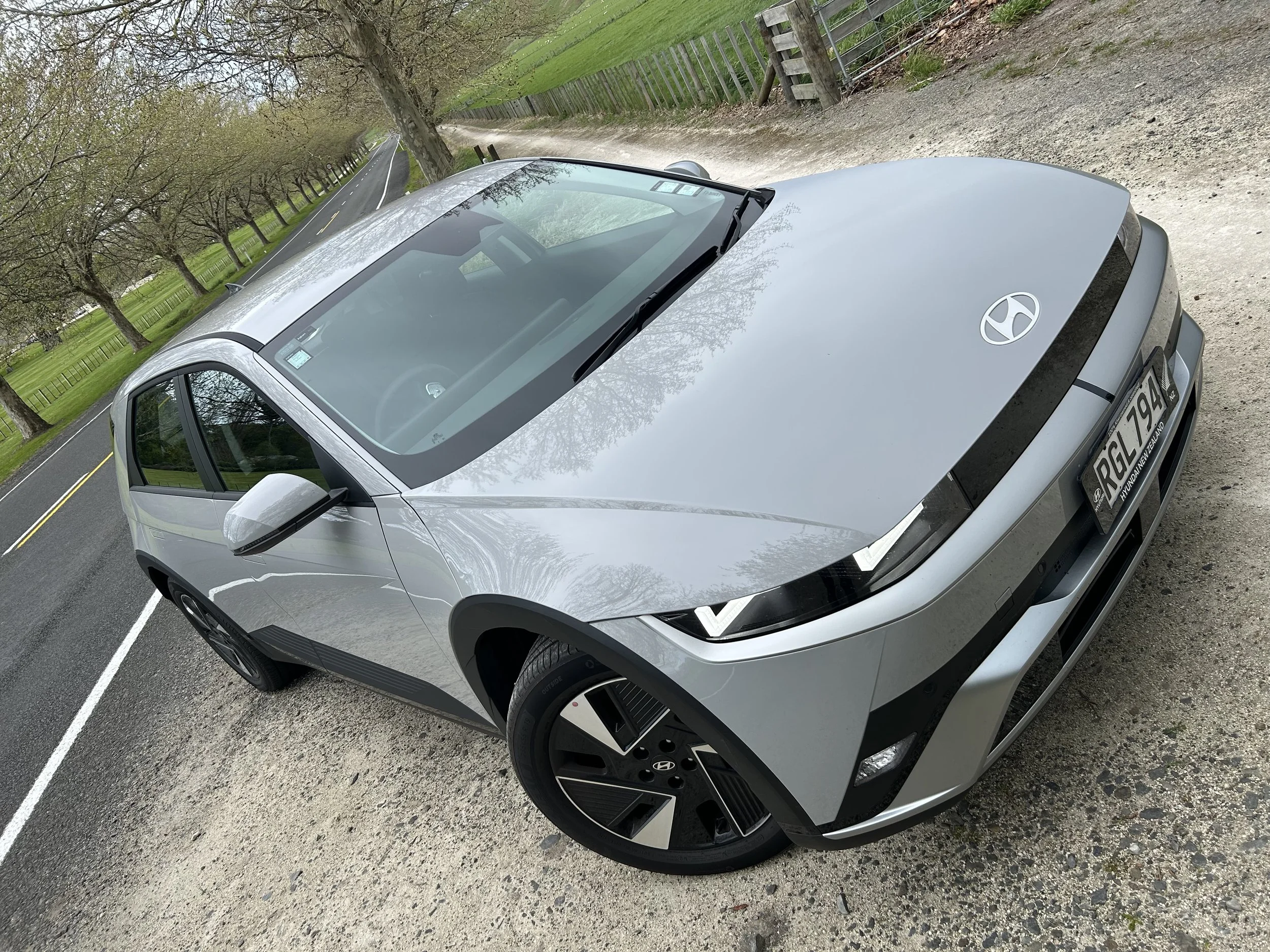
“We aimed to create a distinctive, impactful design by using a combination of sophisticated, high-tech features on pure and rich volumes, while providing a unique space as a futuristic EV.” 

A strong element is the ‘Digital Tiger Face’, a design progression evoking the spirit of Kia’s ‘Tiger Nose Grille’ for the electrified era.
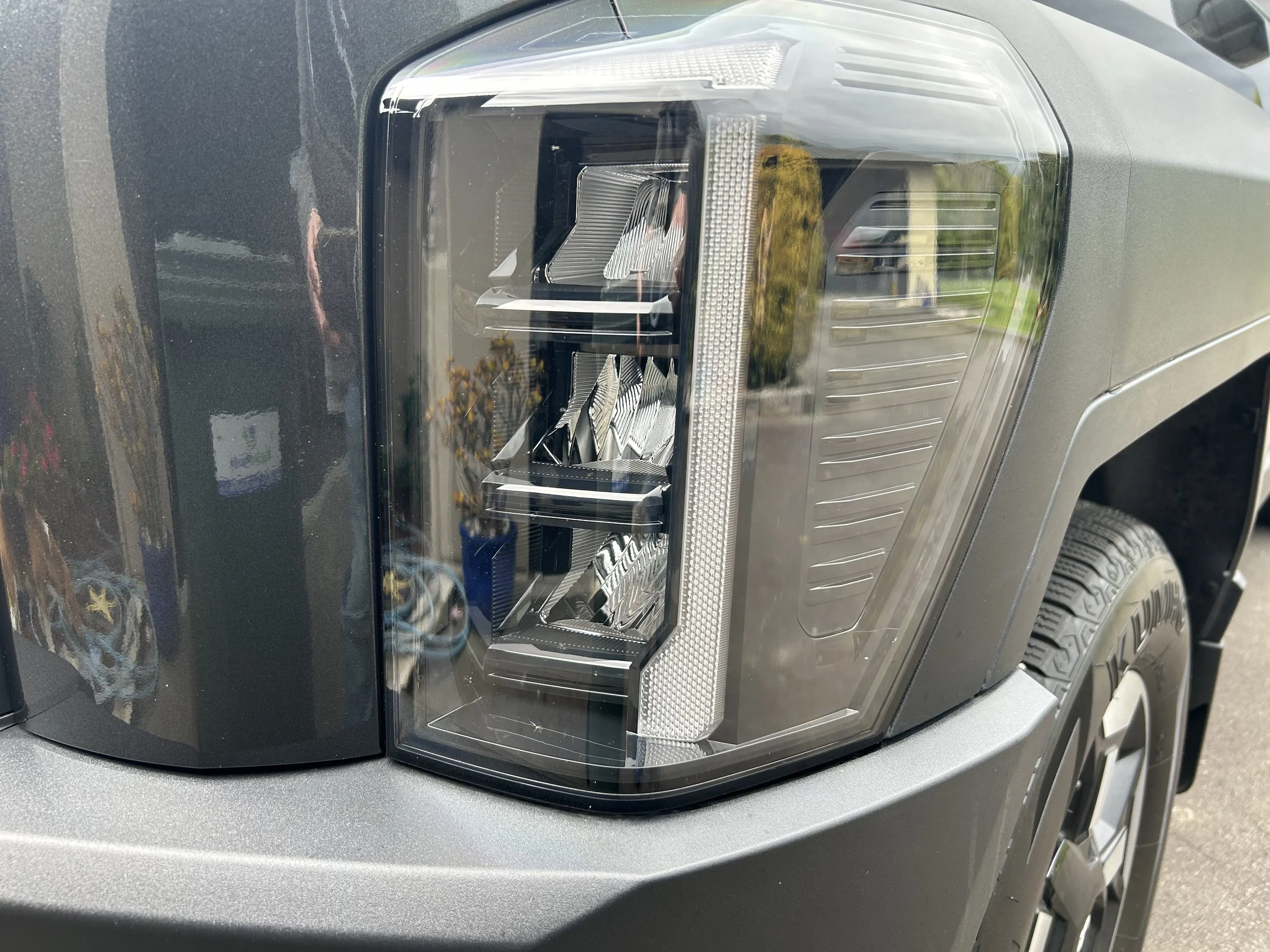
Kia’s car appears to have a lower roofline and more compromised side glass aspects, particularly in respect to the rear doors, than Hyundai has dared with Ioniq.

The subordinate’s approach is more daring and more eye-catching, but could well compromise the interior spaciousness that is being hailed as a strength of the Ioniq. Interestingly, Kia has described the EV6’s interior design as profiling “an innovative use of space, creating a unique spatial and driving experience.”

 Kia NZ’s managing director Todd McDonald has noted that the car is “quite unlike anything produced by Kia in the past” and echoed head office in calling it “a hint of the brand’s future direction.”

print-cmyk-3600x2400-6_1.jpg

In Hyundai form, the single motor version uses a 126kW rear-mounted motor. The all-paw’s combined power output is 227kW and 605Nm of torque. In latter form, the Ioniq 5 will accelerate from 0-100kmh in just 5.5 seconds.

Range depends on the battery. With the parent brand, there’s a choice of two - a 58kWh unit or a 72.6kWh unit. Hyundai hasn't indicated the range for the smaller, but the bigger one, with a single electric motor, lends 480km on the WLTP test.

It seems likely EV6 will also mirror the parent’s car with 800-volt charging capability. The Ioniq 5 can gain 100km range in just five minutes of charging and go from 10 percent to 80 percent charge in 18 minutes with 350-kW DC fast-charging. 

There has been speculation Kia might be ultimately allowed to release EV6 in a performance tune, with around 447kW, top speed of 260kmh and a 0-100kmh time as low as 3.5 seconds.


The one ‘everyone knows’ is only for the US

The big Jeep we could possibly do with is not coming.

Screen Shot 2021-03-14 at 4.33.19 PM.png

GIVEN it’s being engineered in left-hand drive and so excluded for our consideration, everything to do with the latest, just-revealed Jeep Wagoneer is something of a semantic.

Yet Jeep fans here irked that the giant one is not coming might find it interesting nonetheless that the one name that means everything to them isn’t attached to this gargantuan luxury V8 wilderness wagon. Yup, no Jeep badges.

So why is this Jeep not … well, a Jeep? Simple reason, says Christian Meunier, the brand’s chief executive officer. “The Grand Wagoneer name and design make it obviously Jeep.”

Well, yeah, that’s true in places where Wagoneers have history – so, basically, North America. (And even there some might not know it, since these models last came out in return of iconic nameplates not seen since 1993). Won’t it seem a touch pompous in spots where it doesn’t; in short, the rest of the world. 

Knowing the biggest Jeep around will only stay on its home turf is a shame. This model formats as a seven-seater, whereas Grand Cherokee that has also been revealed in new ‘L’ form, and is coming here, does not. It’s remaining a five-chair car.

Despite restricting the availability to home turf, Stellantis, formerly Fiat Chrysler, has grand plans, beyond making Wagoneer a sub-brand.

They’re also talking about it being a rival for Land Rover and Range Rover product, which obviously might be of interest since it’s stuff we are all well acquainted with, given that it primarily is built in ‘correct-hand’ (sorry, right-hand) drive.

Screen Shot 2021-03-14 at 4.32.17 PM.png

In that respect, it seems the Americans are talking about their seven-seater model being more akin in terms of plushness and affluence than anything else. Meunier:  "We call it the premium extension of Jeep."

It’s a bit different in respect to core capability. As we all know, all large Land/Range Rovers are equipped to go almost everything - even if few really get asked to.

Jeep also has lots of off-road cred as well, of course, so would you put a Wagoneer on the same trails? Er, maybe not. 

Yes, the models are four-wheel-drive – there are three systems depending on the grade being bought into.

Wagoneers and Grand Wagoneers have two off-road drive modes, can ford up to 70 centimetres of water, and offer approach, departure, and breakover angles of 25, 24, and 22 degrees, respectively.

As positive as that sounds, the full-size Jeep nonetheless has not earned the ‘Trail Rated’ stamp of Rubicon-clearing approval. To earn this citation, a Jeep is tested off-road to prove it meets five criteria: traction, water fording, manoeuvrability, articulation, and ground clearance. The word is that they fell down on the manoeuvrability.

Comments Jim Morrison, vice president Jeep Brand North America: "These have off-road packages for 10.0 inches (25cm) of ground clearance, skid plates, tow hooks, off-road all-terrain tires and are very capable but they are not a trail-size vehicle, so we haven't Trail Rated these vehicles.”

Screen Shot 2021-03-14 at 4.32.33 PM.png

Dimensionally, the Wagoneers measure 5453mm long, 2388mm wide and 1920mm high, and sit on a 3124mm wheelbase (borrowed from the RAM 1500).  That makes them half a metre longer than our home market biggy, the LandCruiser 200 Series.

The expansive dimensions allow heaps of interior room, obviously. The third row of seats are large enough to house big adults, with 990mm of potential headroom and 930mm of legroom. Boot space sits at 773 litres in both models with all three rows in place. 

Powering the Wagoneer is a 5.7-litre naturally-aspirated, mild-hybridised Hemi petrol V8 shared with the Ram 1500 in the US, sending 292kW and 548Nm to the road through an eight-speed automatic transmission.

Air suspension is standard, which can raise or lower the ride height to improve ingress and egress, streamline aerodynamics at high speed, or optimise its off-roading capabilities. There's also autonomous emergency braking with pedestrian and cyclist detection, rear cross-traffic alert, automatic parking, traffic-sign recognition and driver fatigue monitoring.

Screen Shot 2021-03-14 at 4.34.54 PM.png

A 10.1-inch infotainment screen and a 10.3-inch instrument cluster is standard on the Wagoneer, with another, lower 10.3-inch screen available on higher grades to control air conditioning and other features.

 The Grand Wagoneer scores 12.0-inch infotainment and 12.3-inch instrument displays as standard, with a 10.3-inch 'co-pilot' screen in front of the passenger available on higher grades, which allows them to control music and navigation settings, and smartphone-like functions including answering emails, playing videos and accessing social media.

A pair of 10.1-inch screens available for outboard second-row passengers – with movie and TV streaming, thanks to Amazon Fire TV integration – with vehicles with second-row 'captain's chairs' (standard in the Grand Wagoneer) offering another 10.3-inch screen in the back of the centre console.

Nappa leather is standard on all Wagoneer models and the entry-level Grand Wagoneer (badged Series I), with 'Series II' and 'Series III' Grand Wagoneers upgrading to plusher Palermo leather.

Screen Shot 2021-03-14 at 4.35.07 PM.png

Staria – Hyundai’s stunning space shuttle

It’s intended to look like a spaceship visiting from another star system.

STARIAPremium03.jpg


AS much as sports utility vehicles and crossovers have become Hyundai’s bread and butter in this market, the maker has not lost hope in there being a market for people carriers.

In that vein, Seoul given allowed a sneak peek at what it prefers to call a minivan that is production bound and potentially accessible to Hyundai New Zealand.

That’s wholly conjecture, though. Every piece of info about Staria has come from head office in South Korea. Hyundai NZ has not said a word.

 Fair to suggest the Staria is far more futuristic and interesting-looking than your average MPV.

STARIAPremium02.jpg

Even the latest Kia Carnival, which has just landed here and would conceivably be considered a rival, is made to look quite old-fashioned.

For its part, Hyundai isn’t shy about supporting thought that the Staria is very much a future-now vehicle, probably vying to be the most outrageous and extrovert offer in the large MPV category since the Renault Espace and Avantime.

Indeed, in blurb sent out with these images it is bold enough to outright state the vehicle has a spaceship-like exterior design.

Certainly, it is bold: American website AutoBlog sums up well in describing Staria as looking as though it was “beamed to 2021 from 2121.”

 The styling highlights are numerous. The heavily raked windscreen and boxy monobox elements deliver a tie to the Ioniq 5 electric car that is coming here later this year.

STARIAPremium04.jpg

The head-turning front end is characterised by an LED light bar that stretches across the entire fascia and headlights positioned at about the same level as the wheels. They're integrated into an extra-wide grille with bright mesh inserts. The tail lights are made up of individual dots that look like pixels; a signature also of the Ioniq 5. 

The short overhangs hint at an expansive wheelbase to maximise interior space. The dashboard is dominated by a centre-mounted touchscreen for the infotainment system and it appears there's no driver's display behind the steering wheel. The gear selector is a set of buttons, positioned right below the screen; the same layout already used by the Santa Fe.

STARIAPremium05.jpg

The version in the images is a flagship model, designated the Premium, so it’s all about luxury. For instance, rear passengers travel on individual seats with retractable footrests. How much plusher it is to the standard fitout is a mystery, as that has yet to be seen. But you’d imagine there will be one better suited to the school run.

STARIAPremium06.jpg


Evija soundtrack going for gold

The impending Lotus supercar’s powertrain is electric – but the noise it generates will evoke memories of a famous past car.

LotusEvija.jpg

AN electric performance car doesn’t have to sound like, well, a giant Scalextric – one coming soon from Lotus will likely deliver a soundtrack that is very much a blast from a glorious past.

Lotus is working with a renowned British music producer, inspired by the engine note of the iconic Type 49, to develop a range of sounds for the impending Evija, the make’s next hypercar. The one that runs strictly on batteries.

Patrick Patrikios has written and produced for Olly Murs, Sia, Britney Spears, Pixie Lott and numerous other world-famous stars. He was Brit Award-nominated in 2018 for his collaboration with Little Mix, and the tracks he’s worked on have been streamed more than a billion times.

“We wanted to create a soundscape for the Evija that was recognisably and distinctively Lotus,” said Patrikos.

“I sat with the development team at Hethel and discussed what that should be. We wanted something intrinsically connected to Lotus so we could set an audio blueprint for its future electric cars.”

Patrikos loved the idea of using a famous Lotus as a starting point, and what better example than the Type 49 – one of the most iconic race cars of all time. He explained: “There’s a purity to that V8, a raw edge and an emotion that stirs something in your soul, just like the best songs.”

LotusType49.jpg

The process began with the recording of a Type 49, which Patrick fed into his computer. In digitally manipulating the sound he and the Lotus team realised that slowing the engine note down created a similar frequency to the natural driving sound produced by the Evija’s advanced all-electric drivetrain.

“I adjusted the replay speeds and digital filtering of the Type 49 to generate a soundscape for the Evija – it was a very organic process,” said Patrikos.

“We all wanted something to spark an emotional connection between car and driver. Sound is hugely influential when it comes to creating and forming emotions, to enrich that bond that’s such a critical part of the Lotus experience.”

Patrikos concluded: “I love that the sound from one of the most iconic Lotus race cars of all time has been the inspiration for its newest. There’s a symmetry to it which is beautiful.”

The Welshman has been a Lotus fan since childhood thanks to his car-loving father. An Evora driver, he splits his time between Los Angeles and the United Kingdom.

PatrickPatrikiousandLotusEvija.jpg

His body of work includes Hollywood movie soundtracks as well as songs from internationally renowned recording artists.

Patrick’s primary task was to craft the Evija’s external noise as it begins to deliver its immense ‘0-300kmh in under nine seconds’ acceleration. However, using the Evija soundscape he created, he has also developed chimes and tones for everything from the activation of the indicators to the seatbelt warning.

Few race cars from any motorsport brand are as celebrated as the Lotus Type 49. It won on its first Formula 1 outing, the 1967 Dutch Grand Prix, with legendary driver Jim Clark at the wheel, and a Type 49 was on pole position at every race for the rest of the season. The following year Graham Hill won the F1 Drivers’ Championship in a Type 49.

Only 12 examples were ever made, and the car will be forever associated with two world debuts.

The Type 49 was the first to use the all-new Lotus-developed Cosworth-Ford DFV engine that would dominate the Formula 1 grid for more than a decade, and it also marked the first appearance of the iconic red, white and gold colours of Lotus sponsor Gold Leaf, one of the most recognisable motorsport liveries of all time.


X-Prologue – Toyota’s impending EV teased

Image released internationally today gives a first look at a model that is likely coming to New Zealand.

Screen Shot 2021-03-11 at 4.00.04 PM.png

TOYOTA has released this teaser image of the X Prologue, which is expected to showcase the design language for its upcoming electric vehicle family. 

The introductory model, which will be fully unveiled next week, is expected to present as a sports utility, similar in size to the RAV4 – but with a longer wheelbase together with shorter overhangs.

 It is built on the e-TNGA platform that was co-developed in partnership with Subaru. Toyota has previously indicated this kind of vehicle was on the way and Toyota New Zealand has also indicated willingness to take it.

The e-TNGA architecture is a big deal.

Toyota is planning on using this platform to spawn six electric vehicles, presenting in a diversity of body styles.  These are speculated to be called BZ models. This references ‘Beyond Zero’, the title of Toyota’s public push towards zero-emissions motoring.

The platform is massively flexible. It can be lengthened or shortened, accommodate single or twin motor powertrains and host a range of drivetrain layouts and battery capacities.

Subaru will also have at least one car built off this underpinning; their one is also a SUV and is rumoured to already have a name: Evoltis. And, yes, Subaru NZ is keen to have it.

The teaser image that partially reveals the car’s front end suggests it will have a two-layer style bonnet with the Toyota logo in the middle on a black background. To the sides of the front fascia, there are C-shaped LED headlights that appear to be joined together by a thin light strip positioned between the bonnet and bumper. A closed-off grille conforms with EV design direction.

Screen Shot 2021-03-11 at 4.02.18 PM.png

 When Toyota first talked about e-TNGA, it released another image showing a stylised silhouette of a SUV and another revealing something of the platform layout (above).

The car is designed to go on sale worldwide and will be produced at Toyota’s ZEV factory in Japan.

Toyota says e-TNGA can host a wide range of different-sized battery packs and electric motors to suit models from different segments and allow the development of individual models in parallel.

The rest of the new e-TNGA-based models will include a smaller crossover, a large SUV, a sedan, and an MPV.

When talking up e-TNGA late last year, Koji Toyoshima, deputy chief officer of the ZEV factory was enthusiastic about the potentials.

“The versatility and flexibility of e-TNGA technology allows us to design and create vehicles that are not just battery-electric, but also exciting to drive and beautiful to look at.”


Polestar confirmed for NZ

 Sweden’s electric car maker will start with a plush fastback.

Polestar2newmarkets001.jpg

 CONFIRMATION has at last come from Sweden that New Zealand is to be a market for Polestar, with the flag flying before year-end. 

The electric car marque will initially represent with its current offer, the Polestar 2, a five-door five seat fastback, but it’s probable a sister model due to be unveiled in 2022 will also migrate here. 

Exact model specifications and pricing information will be confirmed closer to market launch timing.

Polestar is owned by Volvo Cars and by extension its parent company Geely, but operates as a separate entity.

Polestar2newmarkets002.jpg

Polestar 2 sits on the same underpinning as sister company’s Volvo’s XC40 crossover, but is a larger car at almost 4.6 metres long, 1.9 metres wide and nearly 1.5 metres tall.

Like its now defunct forebear, the Polestar 1, a plug-in hybrid, the 2 was first seen as a Volvo concept car. The Polestar name also has a Volvo background – it was once Volvo's racing skunkworks; brought to attention in this part of the world through the efforts of Scott McLaughlin. That link ended when it morphed into a standalone electric brand.

 The model is at its most affluent and aggressive in a prime Performance Pack representation, which sells for around $120,000 in European markets.

 This version has Brembo brakes and Ohlins adjustable dampers – which have to be hand-adjusted - and runs with twin 150kW electric motors, one mounted on each axle, fed by a 78kWh lithium ion battery, with maximum power of 305kW and 600Nm torque.

Cited range on the WLTP measure is 470km, top speed is 204kmh and it belies its 2123kg weight to achieve 0-100kmh in 4.7 seconds.

Polestar2newmarkets003.jpg

The interior is laid out in quality materials but the main attraction is a Tesla-like portrait touchscreen dominating the centre of the dash. This measures 11 inches across the diagonal and it is powered by a Google OS. The model has a digital instrument cluster, with graphics in Swedish Gold. As you do. 

 Next year Polestar is expected to release the 3, which shares a brand-new platform with the next-generation Volvo XC90. This SPA2 underpinning is destined for several other large Volvos. The 3 is expected to deliver with a coupe-like roof, so will be a strict five-seater, whereas the XC90 has seven seats.

With Australia, Singapore, Hong Kong and South Korea also announced as new markets, the upmarket electric arm of Volvo will represent broadly across the Asia Pacific and will take its global footprint to 18 countries by the end of the year.

Polestar2newmarkets004.jpg

“The brand is gathering real momentum, and it is great to be expanding with Polestar 2 beyond our initial global markets in China, North America and Europe,” says Polestar’s chief executive, Thomas Ingenlath.

Preparations in these markets are at different stages as the brand organises market launches and eventually the opening of online sales.

Specific dates and details for each market will be published locally to include model specification and product pricing.

Effort to keep Polestar and Volvo separate is taken seriously in Europe, where rather than sharing showroom space, Polestar cars are offered from a network of 'Polestar Spaces', usually situated in busy town-centre locations.

In South Korea and Australia, local independent Polestar sales units are being established and new managing directors have already been appointed.

The other markets will likely be operated on an importer basis, with local partners to be confirmed in due course, tonight’s announcement says.

 “Specific roll-out timing is at an advanced planning stage and the recruitment of key individuals has begun,” comments Nathan Forshaw, Polestar’s new head of the China and Asia Pacific regions.  

“While we are growing rapidly, we are ensuring both our organisation and processes ensure a consistent and truly Polestar experience for our customers, wherever they are based.”


Kona N unveiled – pretty much

Seoul has just sent out these images of its upcoming performance SUV. Thoughts?

HyundaiKONANTeaserImage01.jpg


GETTING excited by the prospect of a performance flagship version of Hyundai’s Kona sports utility?

Maybe these photos will further fuel that enthusiasm.

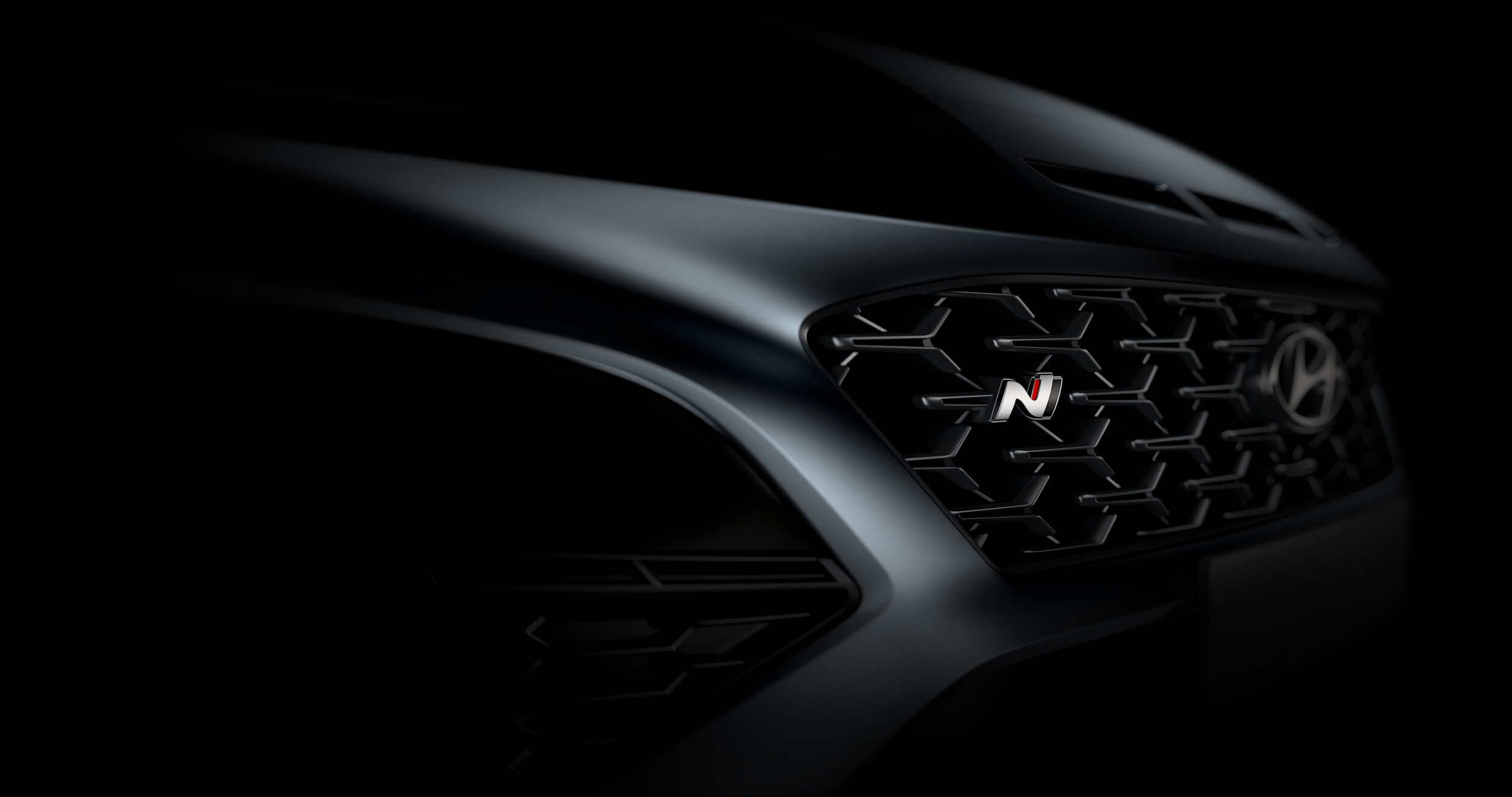
 These are the first images of the car without camouflage, and though they are not exactly fully unexpurgated reveals, they do give a good idea of what to expect from a model set to land, probably later this year, with a 2.0-litre turbocharged petrol engine, in marriage to an eight-speed dual clutch transmission – and potentially, in front- rather than four-wheel-drive format.

HyundaiKONANTeaserImage02.jpg

It’s the same engine that serves the brand’s current sole N division emissary in New Zealand, the i30 N, and while outputs have yet to be announced, it's likely they will match the 206kW and 392Nm the hot hatch delivers.

Hyundai has previously promised the powertrain will be flavoured by a launch control and a sports exhaust.

The Kona N provides the first opportunity for the make’s N Division and the Hyundai Design Centre to work together on this kind of body type, and as the images released from South Korea today enforce, the ‘hot SUV’ ideal is being taken seriously.

HyundaiKONANTeaserImage03.jpg

 The car has a wider and lower stance than the donor and, accordingly, “clearly

represents a powerful presence and driving fun,” the maker says.

The front view is dominated by large, sporty and “iconic” air intakes, and the new light signature lends an aggressive, powerful appearance, the brand contends.

The lower grille defines the character of the bumper fascia; “its shape is inspired by an aeronautic fuselage and extends to the side of the car, emphasising its aerodynamic efficiency and speed. An N logo on the unique upper grille completes the look.”

At the rear, a large double-wing roof spoiler for enhanced downforce gives spice to the rear view. It also incorporates a third, triangular brake light, as is customary with N models. 

Large N dual exhaust mufflers fully express the high-performance spirit, according to today’s release.

HyundaiKONANTeaserImage04.jpg

“Lower down on the rear bumper, a large diffuser enhances the airflow departure. The sporty appearance is further emphasised through body-coloured fenders, bringing Kona N visually closer to the ground.”

Exclusive alloy wheels and red accents embellishing the side sills are exclusive N signatures.


Jolion identified as H2 replacement

 The new generation of Haval’s smallest model has been revealed.

Screen Shot 2021-03-09 at 10.01.23 PM.png

SAID to be conflation of ‘joy’ and ‘lion’ – also, an Anglicisation of the Chinese word, Chulian, which means ‘first love’.

So goes the back story to why the replacement for the cheapest model Chinese maker Haval offers in New Zealand has a proper name now.

What we’ve known to date as the H2 will, according to overseas’ reports, now be the Jolion. 

Part of the Great Wall Motors’ family, Haval is represented nationally by GWM NZ, which has yet to offer comment on the car or when it might come on sale.

The H2 is presently the focus of a big advertising push at the moment and Jolion is expected to be available in other right-hand-drive markets of significance soon.

Screen Shot 2021-03-09 at 10.03.36 PM.png

Reports from South African and Australia say the model is based on Haval’s new modular platform, also oddly-named (given the connotation, perhaps we won’t see much reference to it being the Lemon underpinning). Anyway, this platform also underpins the larger H6 and ‘Big Dog’ (no, seriously) SUVs.

Despite the off-roaderish look, the car still produces in front-drive only and continues with a 1.5-litre petrol, though the transmission has changed, the current six-speed auto being dropped for a seven-speed direct shift unit.  

Outputs are yet to be confirmed; some markets take the engine in a 116kW and 220Nm tune, but Australia’s CarAdvice website cites documentation it has viewed suggests the unit also comes in a 105kW form – so, producing 5kW less than the current car. That’s the one it believes will offer in Australia and so, perhaps, also NZ as in the past our countries have settled on common choices.

Screen Shot 2021-03-09 at 10.04.10 PM.png

The Jolion delivers with 17-inch wheels as standard, with a higher-spec variant to be offered with 18-inch wheels and a sunroof.

The car also expected to feature a touchscreen infotainment system with Bluetooth, Apple CarPlay, and a reverse camera, plus LED headlights, tail-lights, and daytime-running lights, and keyless entry with push-button start.

Wireless smartphone charging, adaptive cruise control, a power-operated tailgate, and semi-autonomous parallel parking could also be offered, CarAdvice has suggested.

Overseas models also feature in-cabin LED lighting which reacts to the music being played through the audio system.

Screen Shot 2021-03-09 at 10.03.57 PM.png


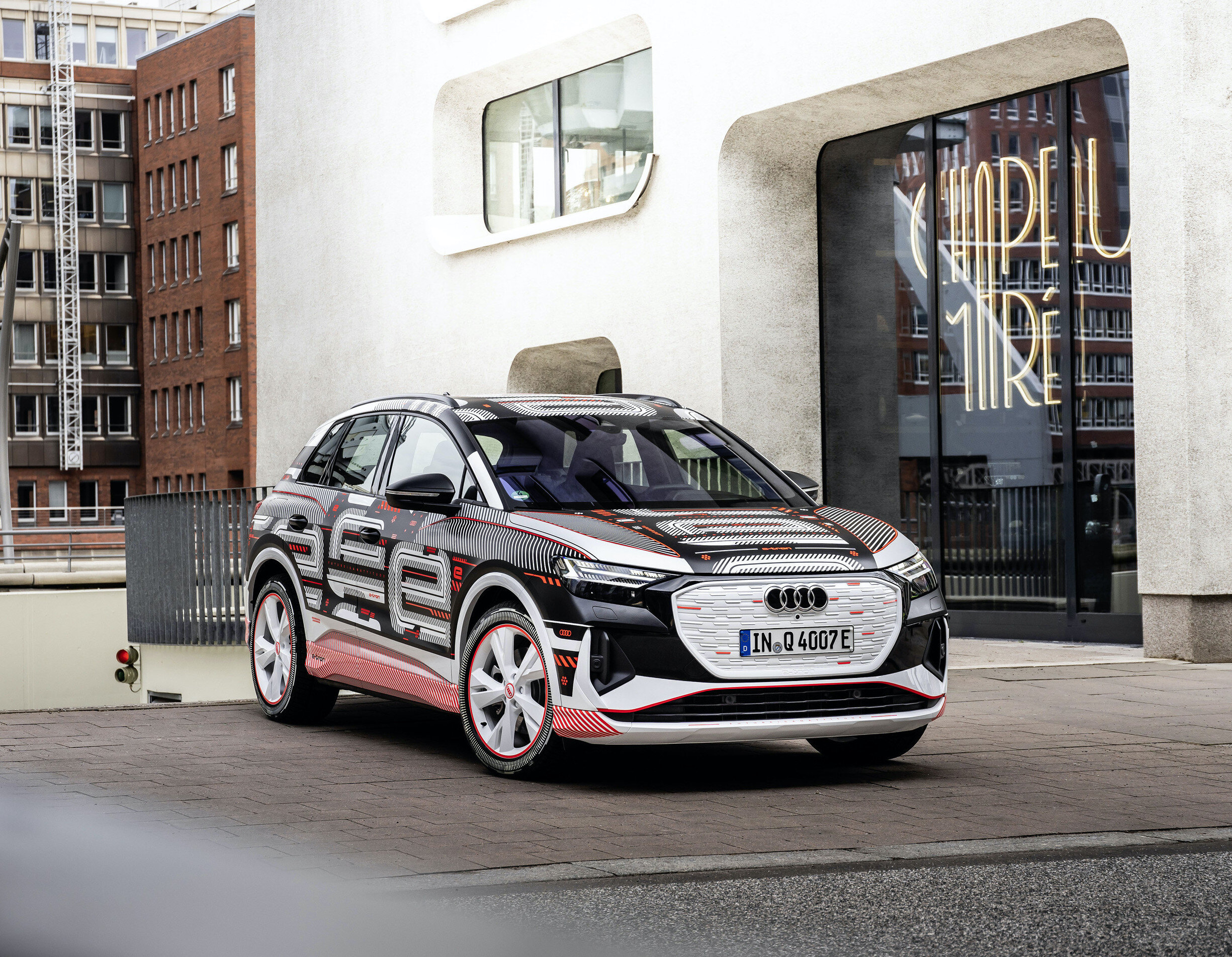
Q4 e-tron set to deliver tech edge

An augmented reality head-up display is among snazzy new features on incoming Audi.

A211017_medium.jpg

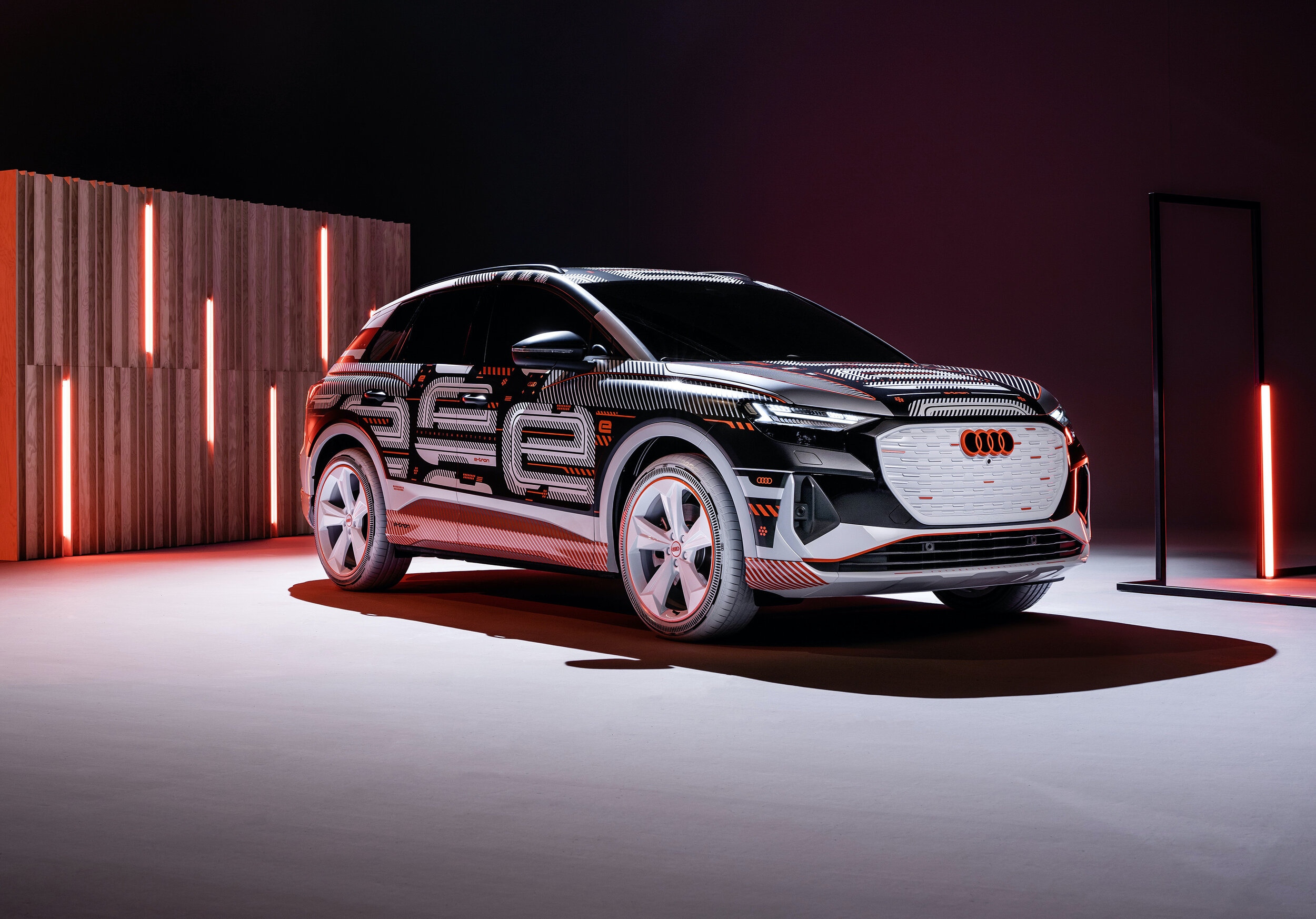
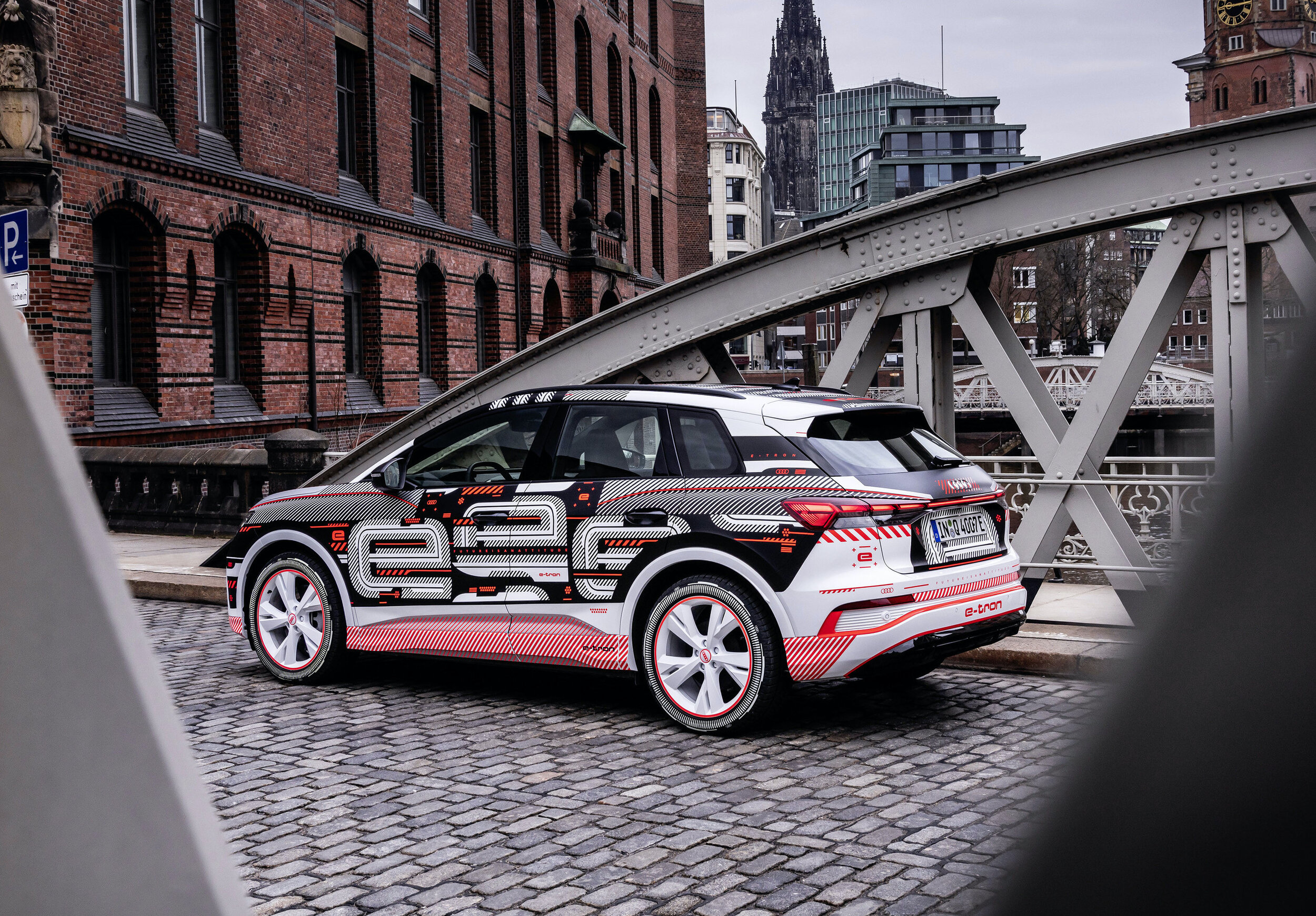
AUDI has allowed a sneak peek of what will likely become its most important new electric car of the immediate future, the Q4 e-tron – not just at its styling but also at some of the technology.

In respect to the electronic whizz-bangs, there’s particular pride in a new head-up display landing with a model that Audi New Zealand has previously said is intended be fully settled in by early 2022 to sit below the e-tron in wagon and Sportback styles, the impending S editions of those, plus the more performance-oriented e-tron GT, which shares an underpinning with the Porsche Taycan and includes an RS edition. 

This is regardless that other NZ-destined cars on the MEB platform (VW ID.4, Skoda Enyaq and SEAT El-Born) have all been significantly delayed for local introduction because of VW Group’s desire to satisfy demand in Europe before releasing them elsewhere.

Anyway, if things change for the Q4 e-tron, Audi’s first MEB car, we’ll let you know.

Back to the tech. Projecting information such as speed and navigation directions onto the windscreen so that the images seem to be hovering somewhere over the bonnet, and the driver can keep their eye up and out on the road, rather than looking down at an instrument panel, is nothing new.

Audi is now taking that to the next level, in two ways.

First, it has vastly increased the size of the projection. The HUD in the Q4 appears to be 178cm (70 inches) across. 

A210918_medium.jpg

Secondly, it’s relaying much more than the usual basics. New prompts that appear to float in space around 10 metres in front of the car include a navigation direction graphic - a series of bright blue chevrons - that point you down the right turning, or pick out your final destination.

It can also keep an eye on other traffic, warning with little red or green lines if you're too close to the car in front, and even predicting where other cars are going to go next, by reading the car's 'body language.' The lane keep assist function gains a visual element by showcasing the position of the Q4’s wheel tracks on the road ahead.  

Worried this could become too distracting? Audi’s engineers involved in this project say the exact opposite is their goal: "The data itself is chosen to be contextual and situational.  

“So actually we don't want to overload the driver with a lot of information. The meaning of augmented reality and the use of it is to show the information you need, when you need it. And this is exactly what we're doing.” 

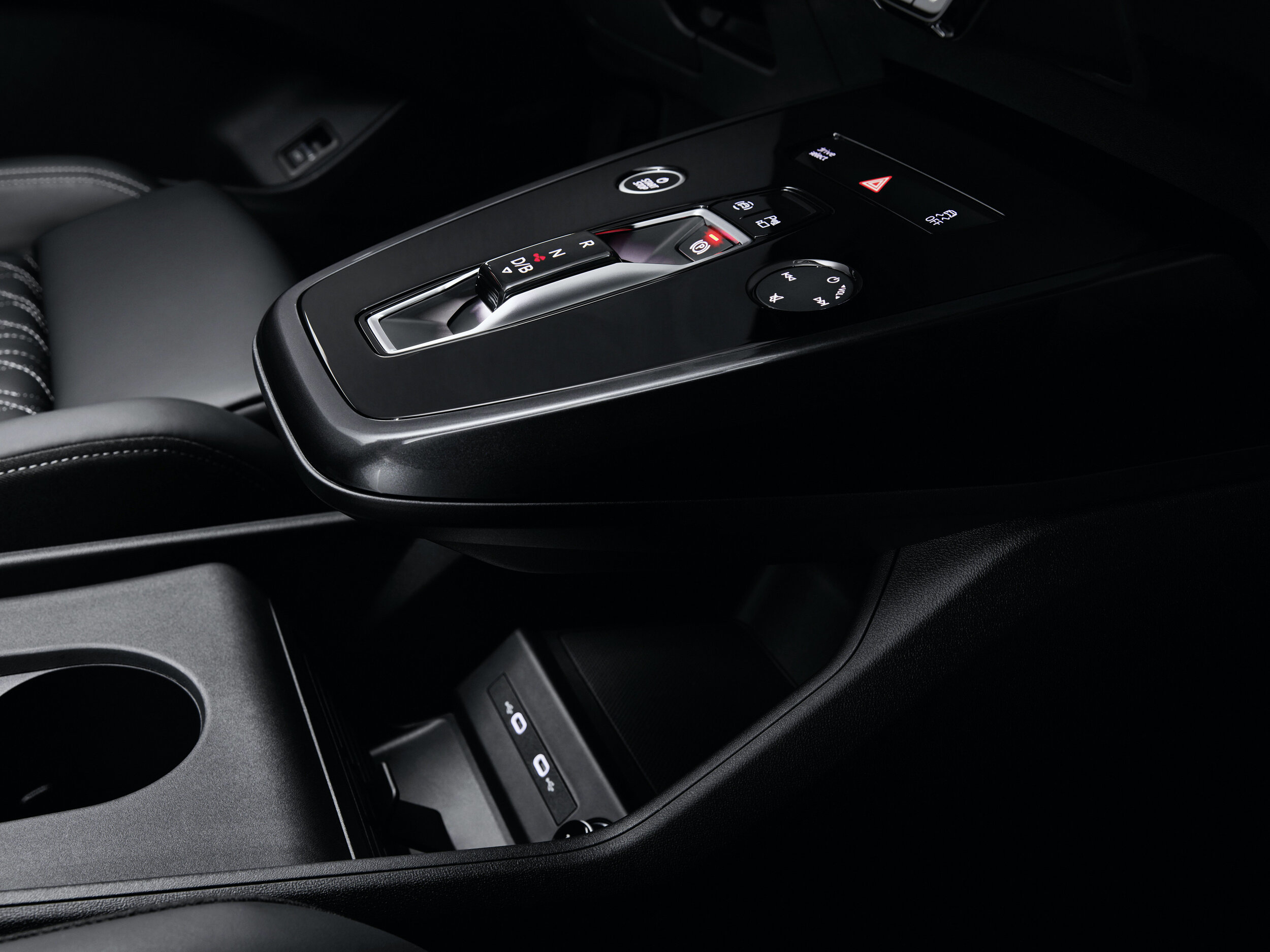
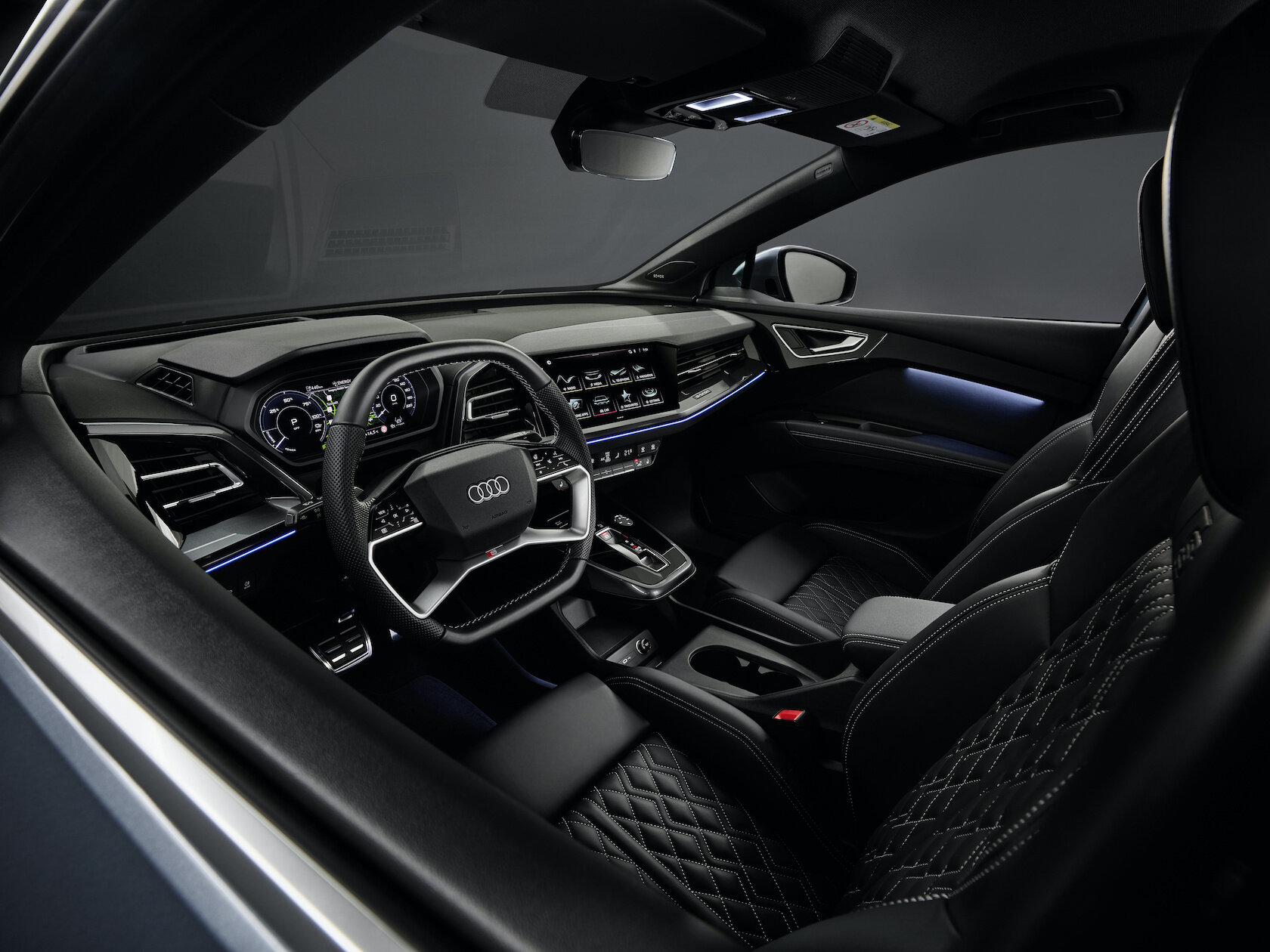
The tech upgrade doesn’t there. The main touchscreen in the centre console is, at 29.5cm (11.6 inches) across, one of the biggest screen Audi has yet put into one of its cars. The Q4 e-tron also lacks a gearstick and achieves a funky new steering wheel, flattened off at the top and bottom, featuring touch-sensitive haptic pads on the spokes instead of traditional buttons and roller switches.

A211150_large.jpg

At 4590mm long, 1865mm wide and 1,613mm tall, Q4 e-tron appears similar in physical size to the Audi Q3, regardless it is intended to slot between that car and the Q5 and despite but the wheelbase being long, at 2760mm. 

The benefits of being on the MEB architecture is that will be a lot roomier that the compact and medium orthodox ‘Q’ models: Some who have seen the car already say it has the kind of space you'd expect from the Audi Q7,  with lots of rear legroom and stadium-style seating in the back.

What it doesn't have is a seven-seat option. Does this seem odd, given that it has a massive 541-litre boot (with a 40:20:20 split rear bench opening up 1490 litres with the rear seats folded down) and also, of course, three-row formats are popular with consumers. Audi has indicated only that a dedicated seven-seat electric car is on the way, but is vague in respect to that model being part of this family. One other point of interest is that this model eschews a 'frunk' under-bonnet storage area; that space has been filled by ancillary systems, such as the air conditioning unit, to maximise cabin space.

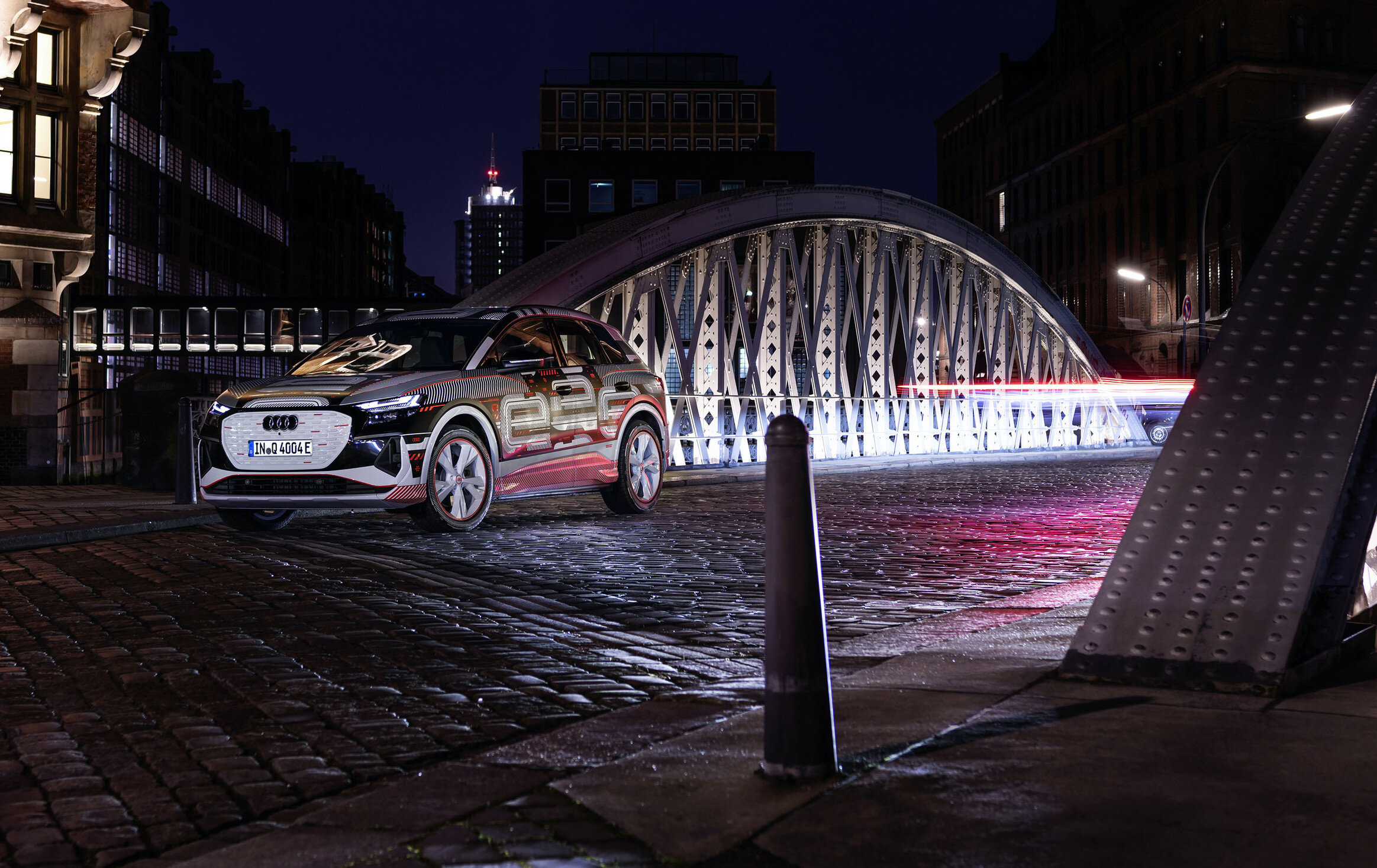
 Audi intends to keep the Q4 e-tron’s shape wrapped in camo tape until next month, however it’s surely quite obvious the car in today’s images still roughly matches the original Q4 concept, in general dimension and look, with many of the production vehicle’s surfacing and lines are taken directly from the concept. The obvious revisions cited by overseas’ media are changes to conventional side skirts, smaller vents at the front, a toned-down rear diffuser and smaller wheels. 

Drivetrain specifications have not been revealed, but it will share the same range of electric motors and battery packs as the ID.4, with a range topping quattro variant sporting a 225kW twin-motor, four-wheel-drive powertrain and a 77kWh (usable) battery. A 0-100kmh time of around six seconds, a top speed of 180kmh and a maximum WLTP range of 500km are expected.


EV6 teased, no NZ call yet

Kia's equivalent of the Hyundai Ioniq 5 has been teased ahead of a global unveil later this month.

01_KiaEV6_Teaser_Side.jpg

WITH Hyundai’s Ioniq 5 out in the open, it’s now Kia’s turn to give an idea about what it plans to do with the same underpinning.

Today the subordinate has revealed some teaser images of its first dedicated electric car, the EV6, with promise to reveal the car properly later this month. 

The images are prescient as, in all probability, the only aspect about the EV6 that can be kept in the dark is the look.

 It’s no secret the model is on the same E-GMP (for electric- global mobility platform) architecture as the Ioniq 5 and will likely run common drivetrain elements.

Hyundai New Zealand has announced intent to have Ioniq 5 on sale here in the second half of 2021 but Kia NZ has yet to share its thoughts about EV6’s local sale potential.

It’s highly the models would ever be confused if caught together at the kerbside. 

In a media statement, Kia designer Karim Habib said the Kia EV6 “is the embodiment of ... our new design philosophy.”

02_KiaEV6_Teaser_Front.jpg

The car makes something of a statement; whereas Hyundai has gone for a sharp-edged, squared look for Ioniq 5, mainly through having used its original export car, the unremarkable Pony hatch, as a muse, Kia has taken an utterly modern approach.

The EV6 appears to have a sleek, coupelike roofline with an integrated rear spoiler at the top of the raked hatch, and a slight ducktail as well. The front end is low with a seemingly short overhang, and the slim headlights have a segmented LED pattern. There's no bit grille, but a thin black panel above which sites the new Kia logo. There’s speculation the car will have some large air intakes in the lower bumper.

One of the images suggests the taillights extend all the way to the rear wheel arch with a light bar running across the hatch. 

The base EV6 will likely have a single motor and rear-wheel drive, while a dual-motor, all-wheel-drive setup will come to the higher-end variants, as per the Ioniq.

Outputs? There’s speculation Kia might be ultimately allowed to release EV6 in a performance tune, with around 447kW, top speed of 260kmh and a 0-100kmh time as low as 3.5 seconds.

It seems just as possible, surely, that it will also nonetheless initially provision as Ioniq does, with either one or two electric motors, for two- or four-wheel drive.

03_KiaEV6_Teaser_Rear.jpg

In Hyundai form, the single motor version uses a 126kW rear-mounted motor. The all-paw’s combined power output is 227kW and 605Nm of torque. In latter form, the Ioniq 5 will accelerate from 0-100kmh in just 5.5 seconds.

Range depends on the battery. With the parent brand, there’s a choice of two - a 58kWh unit or a 72.6kWh unit. Hyundai hasn't indicated the range for the smaller, but the bigger one, with a single electric motor, lends 480km on the WLTP test.

It seems likely EV6 will also mirror the parent’s car with 800-volt charging capability. The Ioniq 5 can gain 100km range in just five minutes of charging and go from 10 percent to 80 percent charge in 18 minutes with 350-kW DC fast-charging. 

BTW, Kia says all its future electric vehicles will get the “EV” prefix, to streamline naming conventions and distinguish zero-emissions models. EV6 leaves lots of room for a lineup of models at both ends, with the number corresponding to the model's position in the lineup.

04_KiaEV6_Teaser_Rearlampdetail.jpg


Landmark ladies of motoring

These women helped shape automotive history.

Beatrice Shilling’s story is one of two wheels and wings.

Beatrice Shilling’s story is one of two wheels and wings.

MOTORING has felt like a man’s world for as long as many of us can remember, with men dominating roles across the industry.

By latest estimate, just 0.04 percent of mechanics in the were females, just six women have got behind the wheel for a Formula One Grand Prix weekend, and a mere two of taxi drivers are women.

To acknowledge March 8 being World Women’s Day, today’s story highlights the achievements of pioneering female figures in motoring. (This material was provided by insurers Hegarty’s and USwitch).

Beatrice Shilling

An engineering genius, motorbike racer and World War II hero … Shilling’s story is one of two wheels and wings.

In 1932, when she graduated from the University of Manchester with an honours degree in engineering, she was listed as ‘Mr’ on her student record card, female titles were not yet a recognised option.

In 1934, she became the second woman to be awarded a Brooklands Gold Star when she recorded two laps at over 101mph, and later became the circuit’s fastest female racer ever with a lap speed of 106mph.

When World War II broke, Shilling was working for the Royal Aircraft Establishment.

Her invention of a restrictor valve that prevented RAF Spitfires and Hurricanes from stalling and falling from the sky during steep dives, saved the lives of many pilots, and arguably helped win the Battle of Britain.

Odette Siko established Le Mans records that remain unbeaten.

Odette Siko established Le Mans records that remain unbeaten.

Odette Siko
This Frenchwoman made motorsport history as the first woman to race the Le Mans 24 Hours on the 21st June 1930.

Competing alongside Marguerite Mareuse in a Bugatti T40, they made it home in seventh position – a result that’s yet to be beaten by an all-female team.

In 1932 Siko claimed fourth spot overall and class win aboard an Alfa Romeo 6C 1750 with Louis Charaval – another record finish for a woman that still stands today.

Minnie Palmer

In 1897, Minnie Palmer became her own chauffeur.

Distinguishing herself as the first woman in England to drive and own her own car, the American-born actress took delivery of a French-made Rougemont automobile.

It was 31 years before women achieved the same voting rights as men, but Palmer’s move proved that the sexes could be equals behind the wheel – a significant milestone on the road to the social and political emancipation of women.

Dorothee Pullinger, at far left, with the Galloway, a car designed for women.

Dorothee Pullinger, at far left, with the Galloway, a car designed for women.

Dorothée Pullinger

An  engineer and entrepreneur, who designed a car for women, built by women.

She’d been refused entry to the Institution of Automobile Engineers on the grounds that “the word person means a man and not a woman” – a decision that was later reversed.

By the early 1920s Pullinger was manager of Galloway Motors, a car factory run by a female workforce that adopted the colours of the suffragettes. An on-site engineering college offered women apprenticeships that lasted three years, rather than the usual five for men, because it was believed women were faster learners. Pullinger designed and developed the Galloway – the world’s first car specifically for women.

Gear levers were placed inside rather than outside the car so that they were easier to reach, the seat was raised, storage space was added, the dashboard was lowered, and the steering wheel was smaller. It was also one of the first automobiles to introduce a rear-view mirror as standard.

Dorothy Elizabeth Levitt

The first British female racing driver who set records and taught royals how to drive, Londoner Levitt was described as “the fastest girl on earth” when she set a new world speed record for women of 91mph.

She did it in a six-cylinder Napier during a speed trial at Blackpool in 1906. Three years earlier she had been garlanded with the title of Britain’s first female motor racing driver, and also set the world’s first water speed record when she achieved 19.3mph in a 40-foot steel-hulled, Napier-engine speedboat.

In 1905, she set another record, for the “longest drive achieved by a lady driver” for a return journey to Liverpool from Britain’s capital.

Her accomplishments made her a media sensation. In her 1909 book, The Woman and the Car: a Chatty Little Handbook for All Women who Motor or Want to Motor she advised women to carry gloves, chocolate, and a revolver in the drawer under the driver’s seat.

Margaret Wilcox
For early adopters of the motorcar, driving was open-air enjoyment in its purest, and for some months of the year, frostiest, form.

On November 28, 1893, Wilcox patented a solution: the world’s first in-car heating system.  

It took decades for car makers to warm to her idea, which was considered a luxurious optional extra even when fully enclosed bodywork and glass windows became more widespread, but finally, in 1929, the Ford Model A became the first vehicle to offer in-car heating at the point of manufacture.

For Wilcox, the design also represented a turning point in her career as an inventor; it was the first to be patented in her own name rather than her husband’s, a practice which had been law in the United States until 1809.

Mary Anderson never profited from her invention … the windscreen wiper.

Mary Anderson never profited from her invention … the windscreen wiper.

Mary Anderson
You can see clearly now because inventor Mary Anderson spotted a problem that needed solving, to clear ice from the windscreen a driver had to open the window, chilling the cabin in the process.

Anderson’s solution was a spring-loaded arm with a rubber blade that would move back and forth across the glass to wipe it away. The design patented in 1903 but her invention wasn’t an instant hit with car companies, who believed it would distract drivers. She never profited from her invention.

Bertha Benz, the original road tripper.

Bertha Benz, the original road tripper.

 Bertha Benz

Early one August morning in 1888 Bertha Benz set off in her husband’s car, without permission, spare fuel, or a map, to make the 106km journey from Mannheim to Pforzheim in Germany.

Her husband was Karl Benz, and the car was the world’s first. Karl was convinced his invention wasn't ready for the open road, but Bertha believed it was ready for the world, and that the world was ready to see a woman setting its new course.

 When she ran out of fuel, she purchased ligroin (a petroleum-based solvent) from a pharmacy in Wiesloch – now considered the first petrol station in history.

When the engine overheated, she used water from ditches and streams to cool it. When a fuel line became blocked, she cleaned it with her hat pin. She even used her garter as insulation material and paid a cobbler to cover the brake shoes in leather and in doing so invented the world’s first brake lining.  

Pat Moss, left, had the utmost respect of her brother, Sir Stirling Moss.

Pat Moss, left, had the utmost respect of her brother, Sir Stirling Moss.

Pat Moss
"What she managed to do was amazing, actually," said Sir Stirling Moss, when asked about his younger sister.

High praise from a man who was not noted for his championing of women in motorsport.

Moss built her formidable reputation on outright wins and podium finishes at international rallies throughout the 1950s and ‘60s.  

Her maiden event took place in 1953, when she competed in her Morris Minor convertible at the age of 18.

She went on to be crowned five-times European Ladies Rally Championship winner and the Coupe des Dames on the Monte Carlo Rally eight times, she also won the gruelling 1960 Liege-Rome-Liege Rally in a fearsome Austin Healey 100/6 and went on to finish second at the Coupe des Alpes.

Her biggest achievement was winning the Tulip Rally in 1962 in the newly introduced Mini Cooper.

 Vera Hedges Butler
In 1900 Vera Hedges Butler was the first British woman to pass a driver’s test, but she had to go to Paris to do it. Assessed on her ability to pull away, steer and stop, she also had to demonstrate her knowledge of what to do in the event of a breakdown.

In Britain, compulsory testing wasn’t brought in until June 1, 1935.

Alice Ramsey

An expert driver with an unrivalled passion, she founded, and became the President, of the First Women’s Motoring Club in the United States.

Building her profile, her enthusiasm resulted in an offer from motoring company, Maxwell to drive from New York to San Francisco.

Always one to say yes to a challenge, Ramsey accepted and became the first woman to navigate the country at a time when roads weren't developed properly. Throughout her drive she had to maintain the car, so managed to fix broken brake pedals and clean spark plugs, amongst other things. 

Florence Lawrence

The ‘first movie star’, Lawrence not only had a love for acting, but also a fondness for motoring.

Growing increasingly frustrated with the number of accidents that were caused by not knowing if the car in front was just slowing down, or turning left or right, she created two iconic elements; auto-signalling arms which were essentially flags which were operated from inside the vehicle, and a stop sign that flipped up at the back of the car when the brake pedal was depressed.

Both creations led to the development of electric indicators and brake lights that are a legal requirement nowadays. 

WILMA Russey, New York’s first taxi driver, knew how to attraction attention.

WILMA Russey, New York’s first taxi driver, knew how to attraction attention.

Wilma K Russey

The first woman to be licensed as a New York taxi driver, Russey became quite the local celebrity when she took on the position. Never one to disappoint or shy away from the limelight, she is said to have received a tip from her first customer due to her leopard skin hat.

Charlotte Bridgewater

Charlotte Bridgewater built on Mary Anderson’s invention and created the electronic wiper. Although they didn’t work well at the time, they are obviously now common on vehicles.

Hedy Lamarr … Hollywood actress, also a founder of GPS.

Hedy Lamarr … Hollywood actress, also a founder of GPS.

Hedy Lamarr

An actress first, Lamarr worked alongside George Antheil during the Second World War to develop a non-jamable radio guidance system that allowed ships to guide their torpedoes effectively.

Despite not being widely recognised at the time, this technology is the founding of Wi-Fi, GPS and Bluetooth.

Dr Gladys West

This mathematician came to prominence after she was part of an award-winning study that proved the regularity of Pluto's motion relative to Neptune. But it was what she did next that landed her in the automotive history books. 

Dr West began working with satellites and programmed an IBM computer to deliver precise calculations to model the shape of the Earth. Using complex algorithms which accounted for variations in gravitational, tidal, and other forces that distort Earth's shape, her data became the basis for the GPS we still use today.

Michelle Christensen

It wasn’t until 2005 that the industry hired a female exterior designer.

Hired by Honda nearly 20 years ago, she was surrounded by cars from a young age and developed an interest, which resulted in her designing a number of prominent cars, including the second-generation Honda NSX.

Danica Patrick is the most successful woman in US motorsport.

Danica Patrick is the most successful woman in US motorsport.

Danica Sue Patrick

One of the few high-profile female racing drivers, Danica is the most successful woman in the history of American open-wheel racing to date.

She began driving professionally in the late 1990s and has taken part in hundreds of races in the NASCAR and IndyCar series.

Mary Barra runs General Motors.

Mary Barra runs General Motors.

Mary T Barra

The first female Chief Executive Officer of a major automotive company, Barra has been at the helm of General Motors for more than seven years and became the chairman of the board of directors in 2016.

Her appointment as the CEO brought her to the forefront of the industry and as such, she’s now one of the most recognisable names – not only in motoring, but in business, with Forbes and Fortune Magazine including her on their lists of powerful women.

Alexandra Hirschi

Also known as Supercar Blondie, Hirschi is an award-winning Australian presenter and social media personality. Best known for her automobile videos, she has over 45 million followers worldwide, and regularly works with luxury brands to promote their new releases.

 # More information: https://www.uswitch.com/car-insurance/guides/female-driving-confidence-iconic-women-in-motoring/

GM’s gender equality push


‘Greater inclusiveness can only lead to better outcomes’

Jodie Lennon and Joanne Stogiannis.

Jodie Lennon and Joanne Stogiannis.

IN recognition of today being International Women’s Day, General Motors Special Vehicles’ has highlighted that three women are front and centre in their organisation.

“It is common knowledge that the auto industry is skewed heavily towards male representation, so it’s incredibly heartening we’re making gains in changing this balance, albeit as part of a relatively small team,” says Joanne Stogiannis, the director of GMSV, which represents in New Zealand with the Chevrolet Silverado and will also likely have the Corvette here before year’s end.

“This is demonstrated as part of the leadership team, where myself as head of GMSV and my colleagues Jodie Lennon and Dahlia Shnider work hand in hand on this new and exciting business,” she comments in a media release from GMSV, continued verbatim from this point.

“At GMSV, females account for 45 percent of all personnel in the team.  This diversity is incredibly important as studies have shown that company performance can be enhanced through greater gender balance.  Greater inclusiveness can only lead to better outcomes.”  

Stogiannis has been part of General Motors for almost 25-years, working through a variety of ever-increasingly senior roles including her present position of director of the recently established GMSV business.

“Since starting in the automotive industry, I’ve seen a shift from being one of the only women in the room to a place where we have greater diversity and balance," she says.

“Pleasingly, GM encourages and supports women on our journey through the business and affords the same opportunities to everyone as part of the corporation’s aspiration to be the most inclusive company in the world.”

GM is led by Mary Barra, the first female chief executive of a major automotive company, who has held the position since 2014.  

“Mary Barra is an inspiration to women all around the world, not just for those of us employed at GM,” said Stogiannis.

“She is an example of what can be achieved and is evidence that, when it comes to getting a job done, gender is no barrier to success.”

For 2021, the theme of the International Women’s Day is ‘Choose to Challenge.’

“While female representation in automotive is improving, there is still plenty of scope to challenge the status quo,” said Stogiannis.

“To use an auto analogy and something close to our Corvette hearts - as females in the auto-industry, we’re only just now moving through first and second gear and are yet to hit top speed.  

“There’s plenty more left in the tank when it comes to gender equality, we’re not stopping yet.”


Kia prices hybrid models, what’s Hyundai’s move?

The Sorento has beaten its sister ship, the Santa Fe, in arriving with petrol-electric powertrains.

The all-new Kia Sorento Plug-in Hybrid.jpg

 HOW long before Hyundai here catches up with its subordinate in offering a seven-seater sports utility with electric assistance has yet to be answered – whether the parent’s ultimate equivalent will also slip under the $100,000 mark is also not yet known.

The New Zealand distributor for Kia has stolen a march on Hyundai New Zealand in releasing the Sorento in two petrol hybrid versions, one with plug-in recharging and the other mild.

The New Zealand agent for Hyundai did not respond to questions today about when its Santa Fe, the Kia’s sister ship, will arrive with the same technology, which was developed by Hyundai then shared with the sibling brand.

However, Hyundai NZ has always indicated it will also provision the Santa Fe with the very same hybrid drivetrains.

As expected, the battery-assisted editions are more expensive than the other Sorento variants Kia has here.

At $89,990, the PHEV is the most expensive Sorento ever sold here, while the hybrid also raises the stakes in its $80,990 front-drive and $82,990 all-wheel-drive formats. 

All three are in the highest-level trim Kia offers with the model, according to a brand announcement shared by media today. 

To date, the most expensive Sorento here has been a turbodiesel, also in the Premium trim, that costs $76,990. 

KIASorentoPHEV_021.jpg

Kia’s pricing strategy appears to reflect that there is an unavoidable costing factor with the hybrid tech, which allies to a four-cylinder petrol engine in either of its formats.

It also raises another question: How much more the Hyundai models might cost? 

There is already pricing inequality between the diesel sister ships, most obviously when the best-kitted versions are compared.

Though the specifications are identical, and they have the same powertrains,  the Sorento Premium costs a whopping $13,000 less than the Santa Fe Limited – whose RRP is lineball with the Sorento Premium PHEV’s sticker. 

Both hybrids run a turbocharged 1.6-litre four producing 132kW/265Nm, but the electric motors and their feeder batteries are different.

As previously reported, the Sorento (and Santa Fe) PHEV runs a 13.8kWh lithium-ion battery that delivers an optimal electric-only range of 57km per charge. The PHEV’s electric motor creates 67kW and 304Nm,

The hybrid (again, in both models) has a 44kW electric motor. It also has a smaller battery, rated at 1.5kWh.

Overall claimed outputs are 195kW/350Nm for the PHEV and 169kW/350Nm for the hybrid. The diesel creates 148kW and 440Nm.

KIASorentoPHEV_044.jpg

Kia claims a combined fuel economy of 1.6L/100km and cites a CO2 count of 36 grams per kilometre from the PHEV. The figures for the mild hybrid have yet to be shared, but economy could well likely be closer to the diesel’s 6.1L/100km, if not the oiler’s 159g/km optimal.

Kia’s Premium grade ticks off leather upholstery, a heads-up display, wireless phone charging, Bose audio and a comprehensive passive and active safety suite.

KIASorentoprintUK_006.jpg


VW’s EV push gets another zap

Volkswagen is ramping up its electrification plans, with boss Ralf Brandstatter pledging that more than 70 percent of its cars sold in Europe in 2030 will be fully electric. But what’s the likelihood of NZ reaping this reward?

This is the only image VW has shared of Trinity, the advanced electric sedan arriving in 2026.

This is the only image VW has shared of Trinity, the advanced electric sedan arriving in 2026.

THEY’RE calling it ‘Accelerate’ – but perhaps Volkswagen Group’s latest business strategy raises potential for New Zealand to be left even further behind as a benefactor of this giant maker’s electric vehicle provision to the mass market.

Views expressed by the Europe market giant at a weekend seminar at which new products – including a high-tech sedan, known as Trinity – were also announced are globally exciting.

Emboldened by the reception for its first bespoke electric, the ID.3, Europe’s largest car making cabal has decided to reach further, with a flagship battery-dedicated sedan arriving in 2026 that will “set new standards” for charging times, battery range and other technology.  

VW released a sketch of the Trinity, showing a sweeping roofline that resembles that of the Audi A7. It says the car will deliver a “Level 2 plus” autonomous system and “be technically ready for Level 4.”

There is no formal definition of Level 2 plus, but if the sedan is equipped with the right hardware, upgrading it to a Level 4 system could be done with over-the-air updates.  

Level 4 is just one step below optimal autonomy and defined ability to operate without human input or oversight but only under select conditions defined by factors such as road type or geographic area.

In additional news, VW says it will shelve plans to a small city-based EV, the so-called ID.1, until probably 2025 but will put its ID.Buzz minivan, which draws styling inspiration from the original VW Kombi van, into  production in 2022. 

It has also unrolled plans to develop a “neural network” of its vehicles, pooling their data to assist with future autonomous driving features.

The ID.4 that is still at least a year away from NZ introduction is set to play a big role in VW’s ‘neural network’ programme.

The ID.4 that is still at least a year away from NZ introduction is set to play a big role in VW’s ‘neural network’ programme.

The ID.3 hatchback and ID.4 five door crossover be the first cars to contribute to this, with around half a million examples expected to be on the road within the next two years. But the process will really kick in from 2026, as VW introduces new versions of key conventionally powered vehicles that can also supply data to its cloud system.

“They will communicate and exchange data, on traffic and obstacles,” says VW boss Ralf Brandstatter. “It will be a self-learning system of millions of cars.”

Great news if you’re in a market that VW believes is worthy of achieving priority for these implementations.

Unfortunately, that’s not likely to be New Zealand; we’re well down a list that is topped by Europe, the United States and China.

With exception of product behind the premium Audi and Porsche badges that has been relatively easy to secure, the Group’s electric car availability to our market is already slower than what has been forecast, over recent years, by various CEOs for all the relevant brands that are held by a common distribution rights’ holder, the Giltrap Group’s European Motor Distributors’ operation.

While it’s been great to see the Porsche Taycan and Audi’s e-Tron models, the cars that are really crucial to lifting VW Group’s presence in the EV-sphere are the growing count of relatively affordable models based on the Group’s MEB platform.

It’s these models that are proving much harder to achieve.

Having now lost the electric Golf that gave it credibility with battery car fans, VW NZ is already facing up to not seeing its next EV, the ID.4, until the end of 2022. That’s more than a year later than it originally hoped.

A sister car in the same crossover format from Skoda, the Enyaq, has also been delayed – apparently to a similar timeframe. Timelines for the SEAT E-Born and Q4 e-tron, which are also MEB models, also seem to have become more fluid.

VW boss Ralf Brandstatter speaking at the weekend’s conference.

VW boss Ralf Brandstatter speaking at the weekend’s conference.

The only MEB car is the ID.3 that the NZ distributor does not want, arriving through a channel it does not support – and perhaps wishes did not exist.

However, grey importers who buy stock from other right-hand-drive markets for resale here are finding the ID.3 to be a drawcard. The lack of factory support doesn’t seem to be inhibiting consumer interest.

So why the hold-up for official, brand-backed sale? It’s not for lack of desire. But unavoidable realities do temper the situation.

We’ve outlined previously how Covid-19 has disrupted car making and that VW Group has had to prioritise selling electrics in the European Union, to avoid being penalised for failing to reach mandated CO2 targets.

Yet it’s also worth pointing out that potentially local and regional politics and policies aren’t helpful, either.

VW Group is among makers who have decided their electric models deserve to go, foremost, to markets with supportive policy signals for the sale of low or zero-emission vehicles.

Is that New Zealand? Sort of.

 It’s obvious the Government is getting serious about tackling climate change is a positive. Last year, we saw the declaration of a climate change emergency, including a commitment for a carbon-neutral public service, including transitioning the fleet to EVs. In January, Government unrolled the Clean Car Import Standard and signalled an incentive for electric vehicles is coming soon.

The latter is the most crucial element to gaining access to VW’s products. The parent brand is among car makers that believes that initiatives to help make next-gen vehicles more accessible to buyers - notably any measures that lower the relatively high initial cost of an electric vehicle – are vital. 

That view seems to have pushed the local distributor into sounding out similar thought. Last month EMD made a collective statement on behalf of its VW, SEAT, Skoda, Porsche and Audi networks saluting the Government’s plans to lower emissions by switching up local vehicle regulations but also suggesting that the timeline was ‘steep’ and that more incentives were needed to make it work.

Also included in the statement, according to the outlet that received and reported on it: “From an importer standpoint, we need to see strong incentives in the form of a feebate to help create demand for these vehicles.”

The ID.6 is designed to lead VW’s ambition in China.

The ID.6 is designed to lead VW’s ambition in China.

One other dark cloud hangs over all brands hoping to sell NZ-new EVs here. It’s in the shape of Australia.

Production planning for all new passenger vehicles coming here often includes the co-operation of our neighbour. NZ is a tiny new car market – we take just 0.02 percent of the world’s annual car production. Australia is a much bigger player. If we accept the same cars they do, as a combined order, then the factory is far more likely to oblige.

But there’s a catch: Australia itself. It lags embarrassingly far behind the rest of the world on the inevitable shift to zero-emissions transport, mainly because of the intransigence of the federal government. Scott Morrison’s administration has not only shown disinterest – some say it is actively discouraging their update. It  has been given an F for “fail” for its policy efforts to support the uptake, even as data shows that more than half of our neighbour’s driving population is actively considering an EV for their next car.

Meantime, VW Group is raising the pace of change toward an electric future.

At the weekend it said it now expects that 70 percent of its sales in Europe will be pure electric vehicles by 2030. That means it will have to deliver more than one million EVs a year in Europe alone by then to reach that goal. VW also sees EV sales surging to more than 50 percent of sales in China and the US in the same time frame.

 This does not mean it will divest fossil fuelled product by then. However, Brandstatter has revealed that several “core” models – the Golf hatchback, Passat sedan and wagon and Tiguan and T-Roc sports utilities - will all get successors to their current generations, each featuring at least mild-hybrid powertrains and some offering plug-in hybrids with up to 100kk of pure-electric range.

The only electric that is creating vexation is ID.1, based on an adapted platform called MEB Entry. In a statement, VW said, “Plans for an electric car under the ID.3 - with an entry-level price starting at 20,000 Euros - are pushed up by two years to 2025.”

No reason for the delay was given, but VW is said to have been struggling with battery chemistry and achieving a sensible profit margin on the vehicle.

In respect to that, several publications have reported that VW plans to post an operating profit margin of at least six percent as of 2023, despite the higher costs of making battery-powered cars. VW has also said it plans to invest about 16 billion euros in electrification and digital services up to 2025, further cutting into margins.

Market reception to ID product is good. UBS analyst Patrick Hummel recently described the ID.3 as “the most credible EV effort by any legacy auto company so far.” UBS also believes VW's EVs are competitive with Tesla models on key metrics including cost, energy density and efficiency.

The ID.4 is already on sale in Europe, with China and US deliveries beginning later this month. The sleeker ID.5 crossover will follow in the second half of the year. And a seven-seat ID.6 X will go on sale in China soon as well.

It's possible that EV sales for VW Group could top Tesla sales in 2021.