
Peugeot’s NZ distributor standing firm
/
Australia’s rights’ holder has decided to ditch French brand after years of poor results, but the flag still flies here.
Read MoreAustralia’s rights’ holder has decided to ditch French brand after years of poor results, but the flag still flies here.
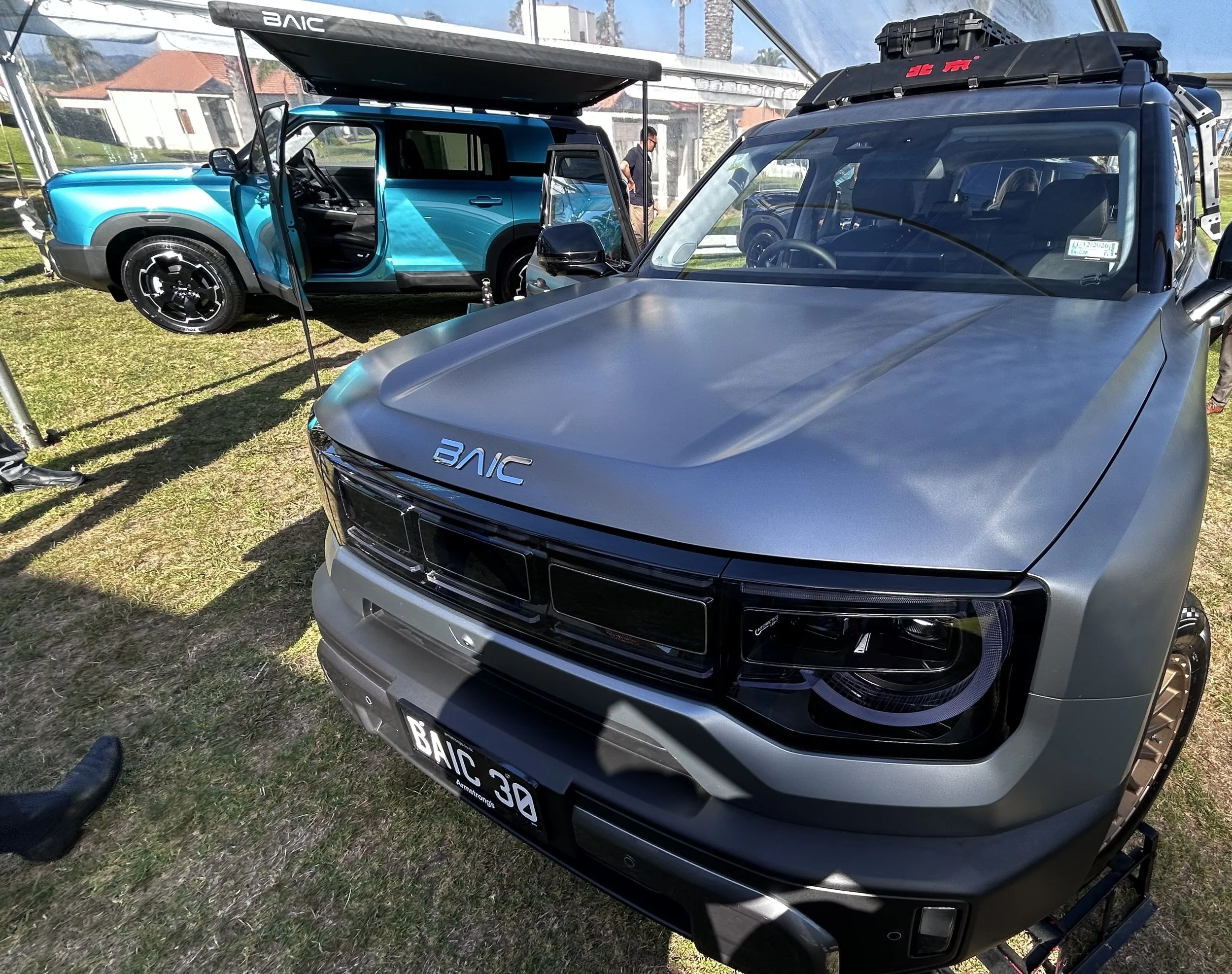
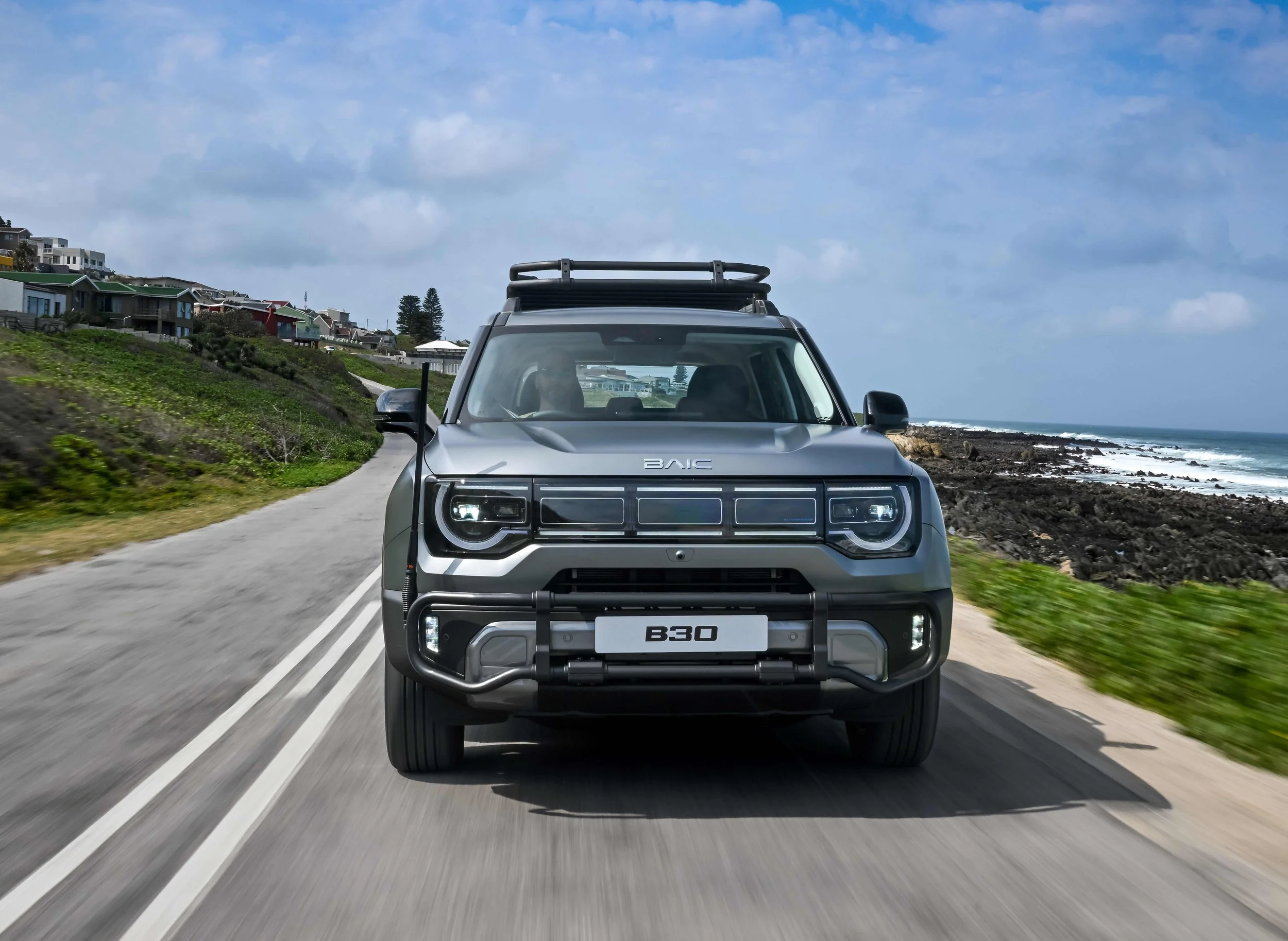
Read MoreThe latest of China’s giant car makers, BAIC, has landed here, with its boss vowing full product support - including potentially even more choices than on distributor’s wish list.
Read MoreFor Germany’s only mainstream brand, once again the phwoar is over.
Read MoreREPRESENTING the country’s cheapest electric car while it holds an unfavourable safety specification is fine with the type’s distributor - but publicity about what this means has rattled.
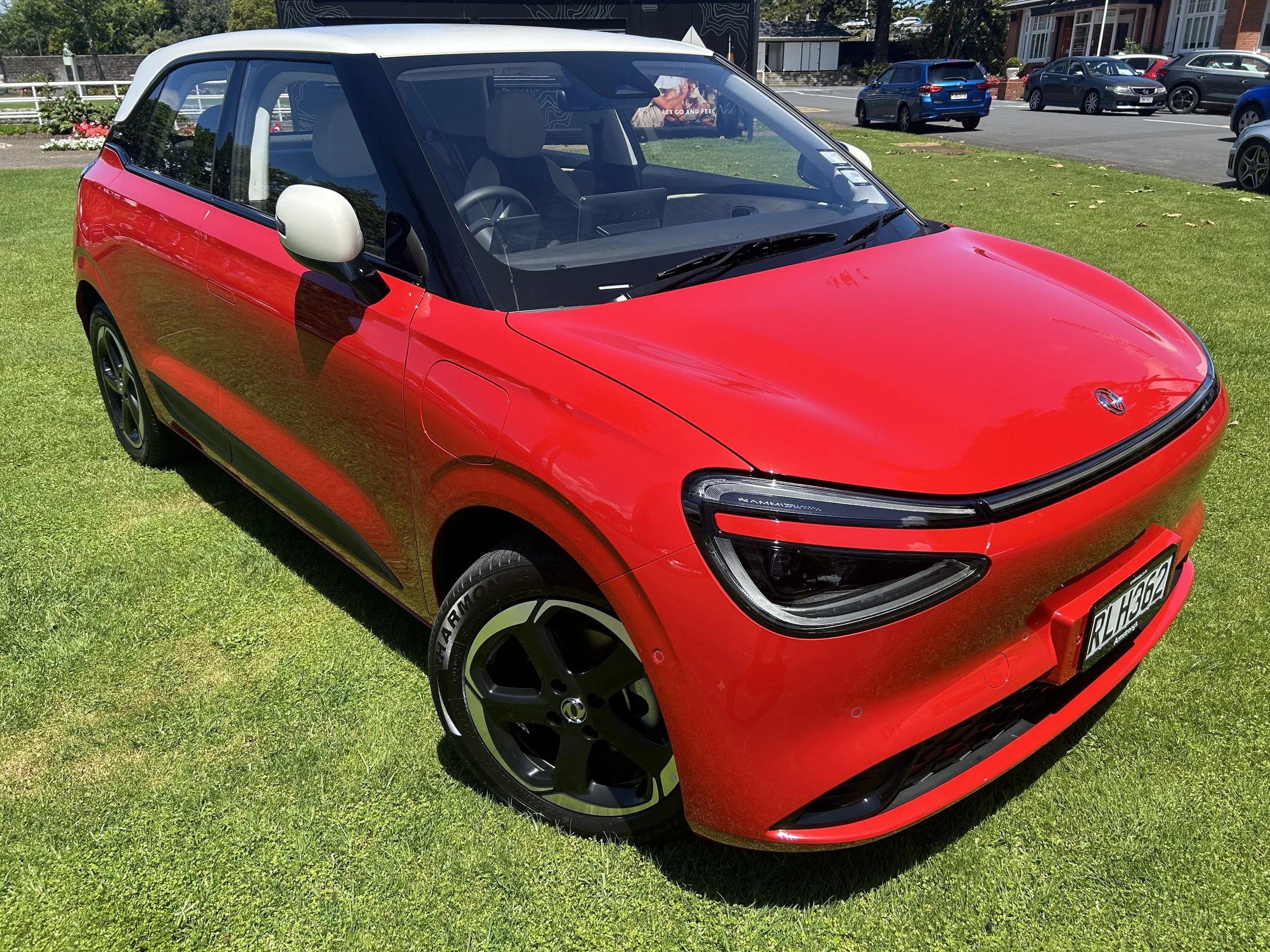
The Dongfeng Box currently on sale in New Zealand has just two airbags, frontal devices for the driver and front seat passenger - a light count not seen in new cars for years.
In export configuration to left-hand drive countries it configures with six, a far more typical provision in the sector, and also provisions with more driver assist functions, plus an emergency calling feature.
National rights’ holder Auto Distributors Limited, owned by Christchurch auto industry magnate Rick Armstrong, says it is working to achieve the small city-centric model with more airbags, but cannot say when that might happen.
Meantime, it is confident the car’s other safety provisions are already good enough to reduce chance of occupant injury, or worse, in an accident.
It said today it could not achieve the car with the side and curtain airbags that come in left-hand drive, because that was Dongfeng’s current configuration for right-hand drive.
ADL says it nonetheless has had no qualms about putting it on sale.
Asked what factors determined ADL being happy to sign off nonetheless, a spokesperson said today it came down to the model still having a host of active crash avoidance technologies - all of which act to prevent an incident, rather than involve at moment of a crash, where airbags remain a primary tool for ensuring occupant wellbeing.
“We are confident the vehicle's advanced driver assistance system, including lane keep assist, camera-based intelligent speed assistance, brake assist and highway driving assist, offer features which assist in the prevention of an accident.”
With that in mind, the spokesperson said recent publicity about the Box had jarred, because it inferred that the safety rating it holds is akin to to the lowest score from a test protocol it has not been assessed to.
“It (the coverage) infers that the Box has zero stars rather than it being unrated.”
To understand the meaning of that statement requires comprehension of the different ratings that apply in NZ.
The ‘unrated’ status is on the Rightcars.co.nz website and has been determined by NZTA Waka Kotahi, the Government agency responsible for safe and functional land transport, and by Australian New Car Assessment Programme (ANCAP).
The latter is the independent crash test specialist whose determinations have highest national accreditation.
However, the car has not been tested by ANCAP, because Dongfeng is one of the few export brands in China not to yet selling in Australia, so lacks the Melbourne-based specialist’s star rating.
Instead, it has been judged to the guidelines used for a Vehicle Safety Risk Rating (VSSR), a less rigid NZ-specific rating generally applied to used import cars that are not officially sold outside of Japan.
‘Unrated’ is the lowest score on the VSSR scale. NZTA said it assigned that status “… after it was identified the Dongfeng Box has a lower level of crash protection than would normally be expected for a 2025 vehicle.”
The determination is significant because vehicles without a valid overseas crash rating typically receive a default five-star VSSR.
The publication that first aired the story said ANCAP had made it clear why the European test results cannot be applied to the New Zealand car.
“ANCAP is aware that the Dongfeng Box currently being sold in New Zealand is a different specification to the vehicle recently assessed by Euro NCAP,” ANCAP Chief Executive Officer Carla Hoorweg was quoted as saying.
Focus on the Box is especially warranted because, at $29,990, it presently stands as the country’s cheapest new car electric, a status that raised huge interest when it released in November.
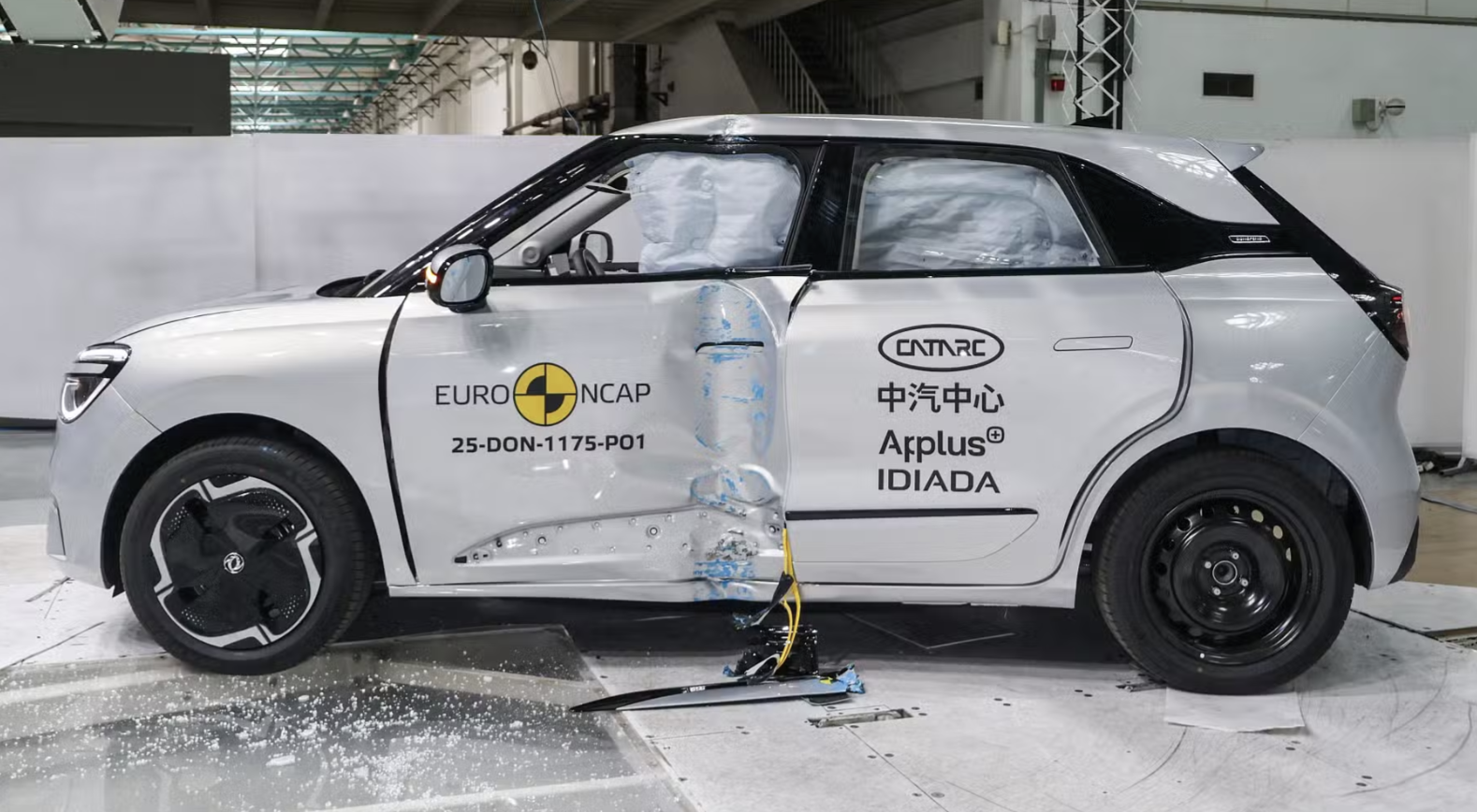
Back then, Dongfeng and ADL referenced the car having earlier in 2025 received a three star crash test rating from Euro NCAP, a sister body to ANCAP, with commonality in crash test procedure.
Euro NCAP criticised the Box for it demonstrating a structurally unstable body, as spot welds failed. It also said an airbag deployed with insufficient pressure, causing head impact, and doors remained locked post-crash. Euro NCAP aired concerns about its real-world protection.
ADL at the NZ launch in turn argued that, on ANCAP’s scoring system, the Box came just a couple of points short of achieving four stars, out of a maximum five.
The car tested by Euro NCAP had six airbags. At that time, it was not clear that the NZ-spec product was more sparsely equipped.
The subsequent rating placed on the Rightcar website clarified this. ADL’s brochure for the car also lists it having two airbags.
On this, the ADL spokesperson said: “The Euro NCAP three-star result relates to a European left-hand-drive specification, which differs from the NZ right-hand-drive model.
“That configuration was and is not currently available in right-hand-drive.
“ADNZ is in discussions with Dongfeng regarding when left-hand drive specification with additional airbags may become available for right-hand-drive markets.”
ADL was asked if any improvement in count would that update prohibit it maintaining the current price tag - which has been cited as introductory offer set to increased by $3000 - and how much extra might it add to the sticker.
The spokesperson said that information is not currently available.
ADL says 50 examples of the car were sold between launch and the end of 2025, a strong enough performance for it to finish in the top 10 best-selling EV brands not just for December but the final quarter of last year.
A second Dongfeng car, the Vigo, has since announced. It has a five star VSSR.
Dongfeng has set up with a NZ distributor but a high-profile subsidiary might be set to take a different route.
Read MoreTwo sports utility models first arrivals from the state-owned mega-maker.
Read MoreAnother huge automotive entity out of China will represent by Armstrong Group; outlets opening soon.
Read MoreLife and Design formats landing; no pricing yet. What of range extender availed elsewhere?
Read MoreTough climate for latest Chinese brand to hit here noted by distributor.
Read MoreNext Chinese brand to hit here has kicked in aggressively across the Tasman. Will the same ploy play out here?
Read MoreFor Opel NZ, the cost of a two-month voyage from Europe is cheaper than a one day factory to port truck ride.
Read MorePlug-involved products head push by brand re-energised by French ownership.
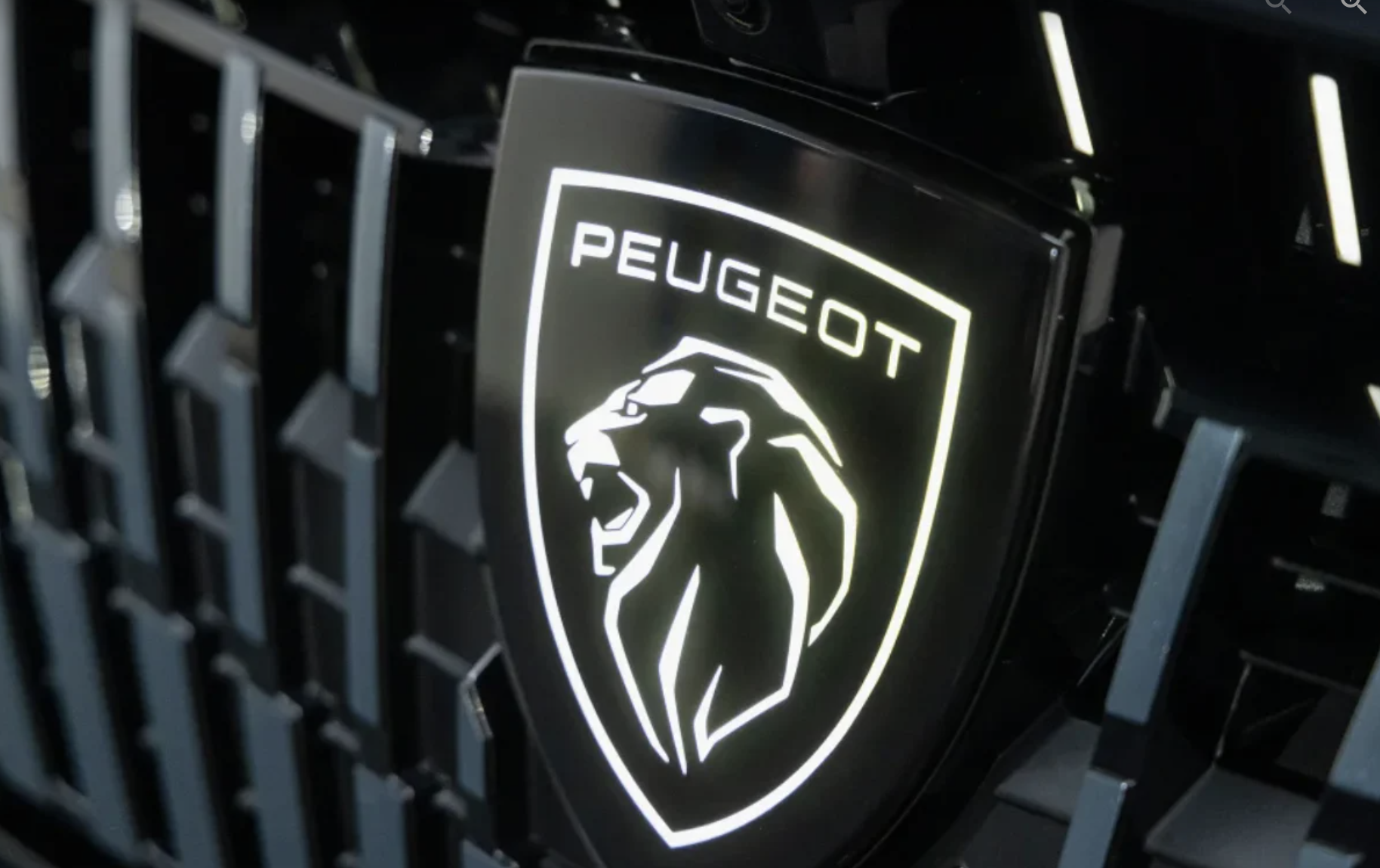
Read MoreTHE first to wear Peugeot’s new logo – and pretty much everything behind that fresh ‘coat of arms’ moniker is fresh, as well.
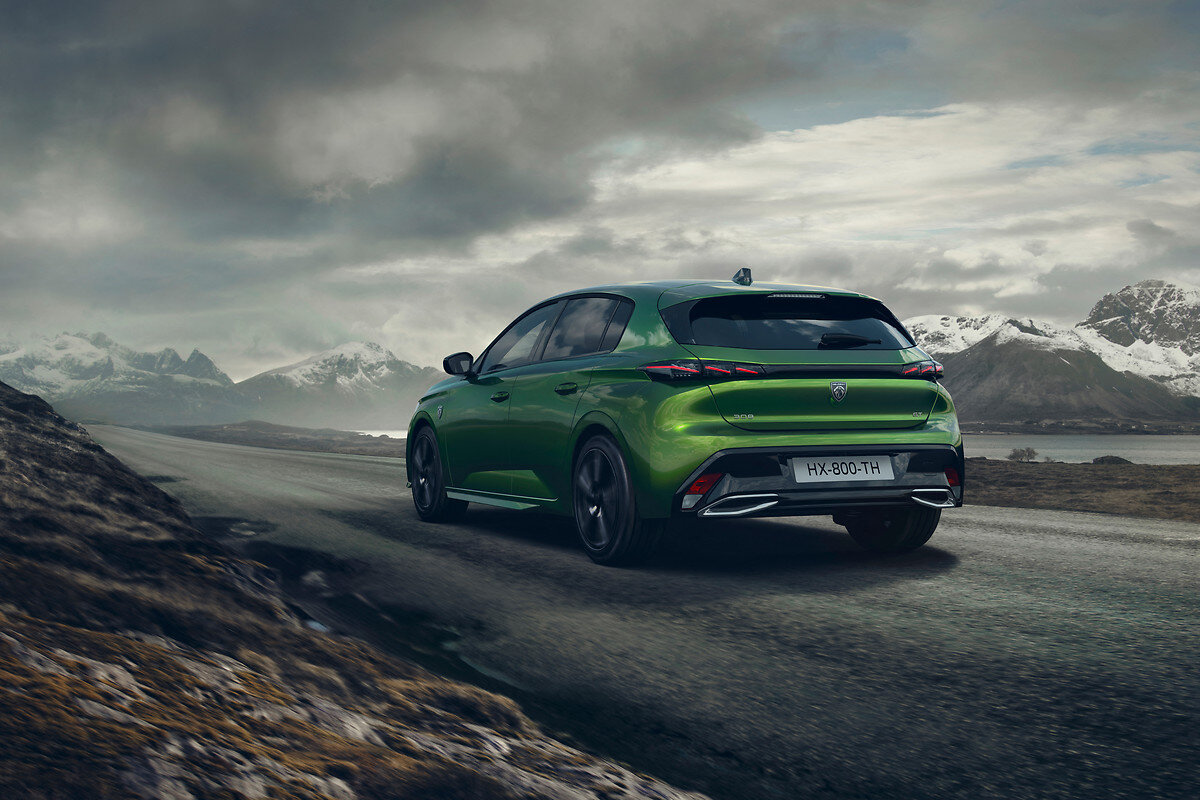
So it goes for the next-generation 308 hatchback, revealed internationally today and set to land in early 2022, a timing that might well synch neatly with the distributor opening a smart new flagship dealership.
The latest car won‘t seem like a wholly new start, in that it carries over much of the silhouette of the outgoing model - the same chunky, snub-nose and retaining a deep c-pillar; however the detailing is very different.
Still, the aerodynamic efficiency has improved, cutting drag to 0.28Cd, body stiffness has been boosted by using aircraft-style adhesive in key areas and the chassis, though a variation of the current car’s EMP2 platform, has been significantly upgraded. The wheelbase is 55mm longer, which should free up more rear seat space, and total length has gone up by 110mm. The car also sits 20mm lower to the road.
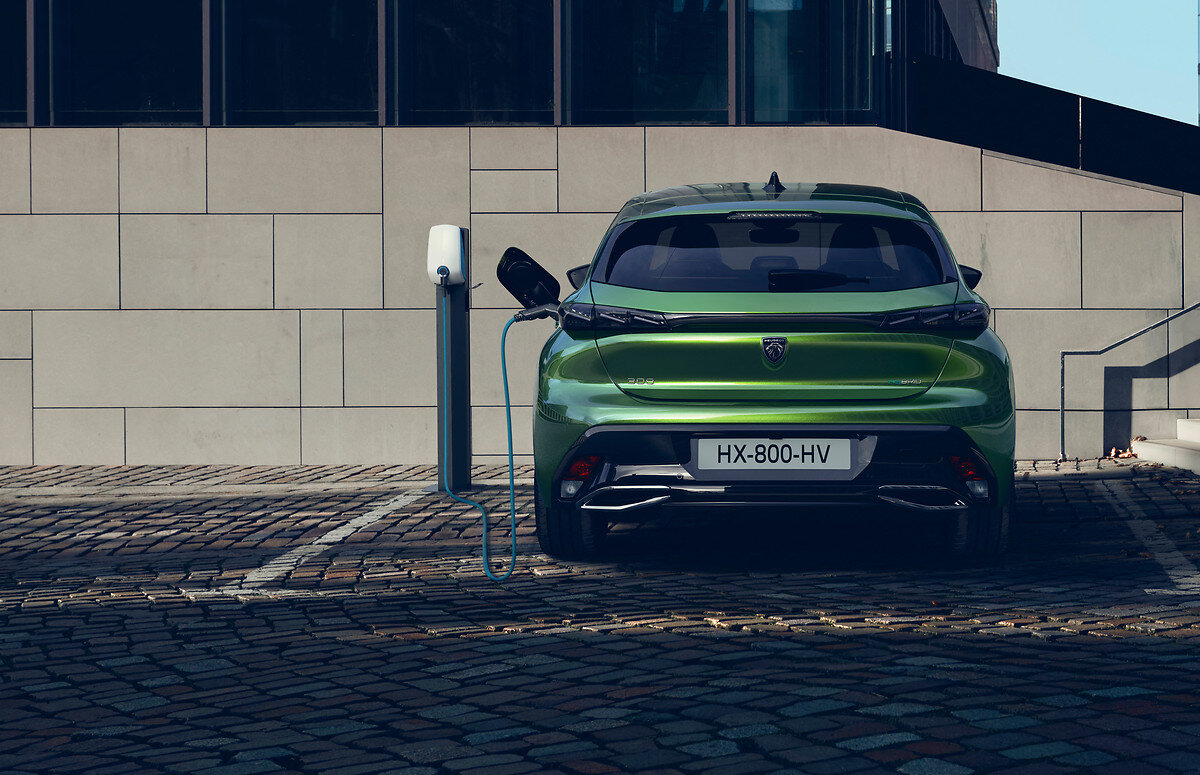
The 308 launches with three versions of the familiar 1.2-litre PureTech three-cylinder turbo petrol engine, in 82kW and 97kW forms, with an eight-speed automatic gearbox, but will also deliver in electrified versions too - a pair of plug-in hybrids, using the 1.6-litre turbo PureTech four-cylinder petrol engine, combined with an 81kW electric motor and a 12.4kWh battery.
The powerhouse version of that line makes 168kW, with CO2 emissions of 26 grams per kilometre, and an electric range of 59km. Peugeot also does a 132kW version, with CO2 emissions of 25g/km and an electric range of 60km.
There’s talk a high-performance 308 Peugeot Sport Engineered will come along in due course, powered by a 220kW, all-wheel-drive version of the PHEV system.
PHEV versions have an optional 7.4kW charging system which will allow them to be fully charged in one hour and 50 minutes (or just under four hours with the standard 3.7kW charging system).
In Europe Peugeot will offer PHEV buyers membership of the Peugeot Easy-Charge system which will include access to 220,000 public charging points. The PHEV 308s' batteries will be warrantied for eight years or 160,000km.
A new Drive Assist 2.0 pack includes adaptive cruise control with Stop and Go function – just with the auto, but it’s very likely that will be the sole transmission choice here - and a lane keeping aid. There's also a new function, which suggests the best moments to change lanes to overtake slower moving traffic. A system that adjusts the cruise control speed if a corner is coming up also debuts.
High-set instruments and a small, low-set wheel … yup, that i-Cockpit seems set to stay. Upmarket editions have a fully-digital '3D' ten-inch screen for the instrument panel, while the central touchscreen is also 10 inches across. This now comes with two separate control areas, aside from the main screen, one showing a panel of "fully configurable virtual i-toggles" - a series of touchscreen buttons of which you can decide the layout and functions.
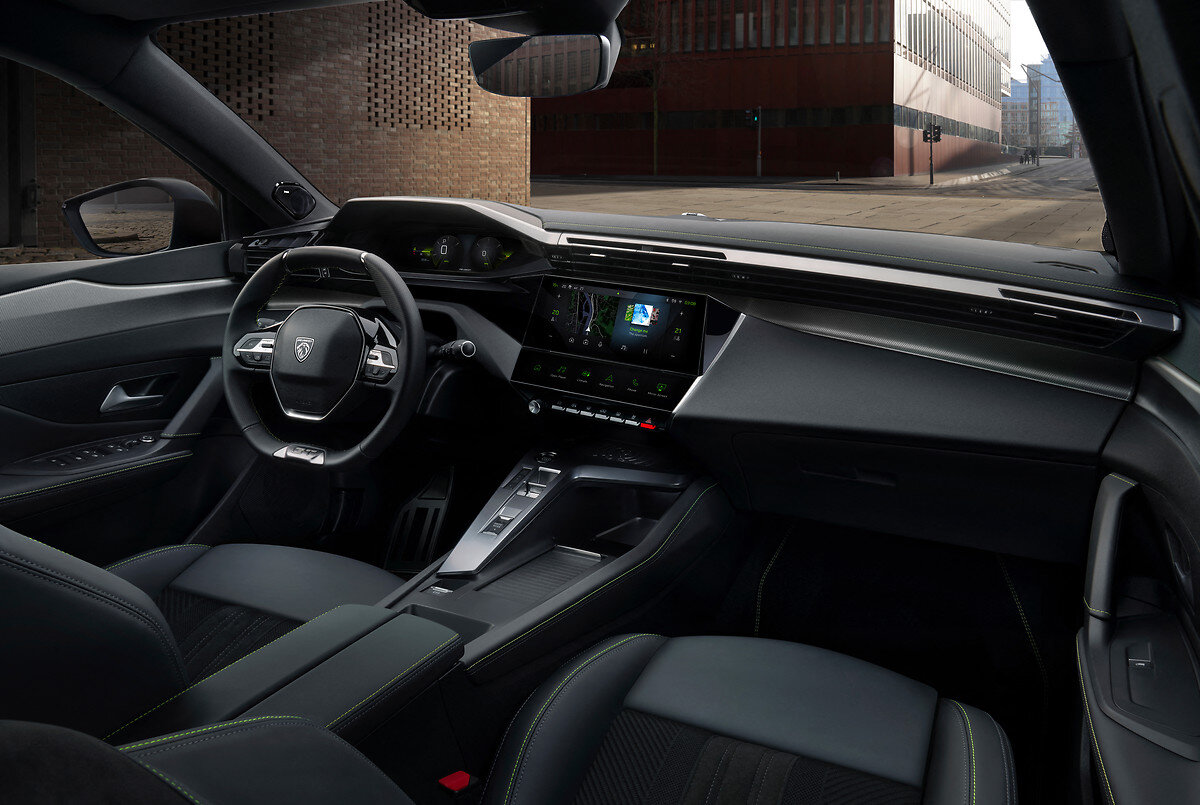
Wireless phone connectivity for Apple CarPlay and screen mirroring is standard. A 10-speaker Focal sound system, eight-colour ambient LED lighting, and a selection of USB ports also feature. There's over-the-air software updates and also a 'Hello, Peugeot' digital voice assistant.
Front seat occupants achieve 10-way power-adjustable massaging chairs, trimmed in Alcantara and leather with contrast stitching. There's also a new air filtration system, which prevents airborne pollutants from entering the cabin.
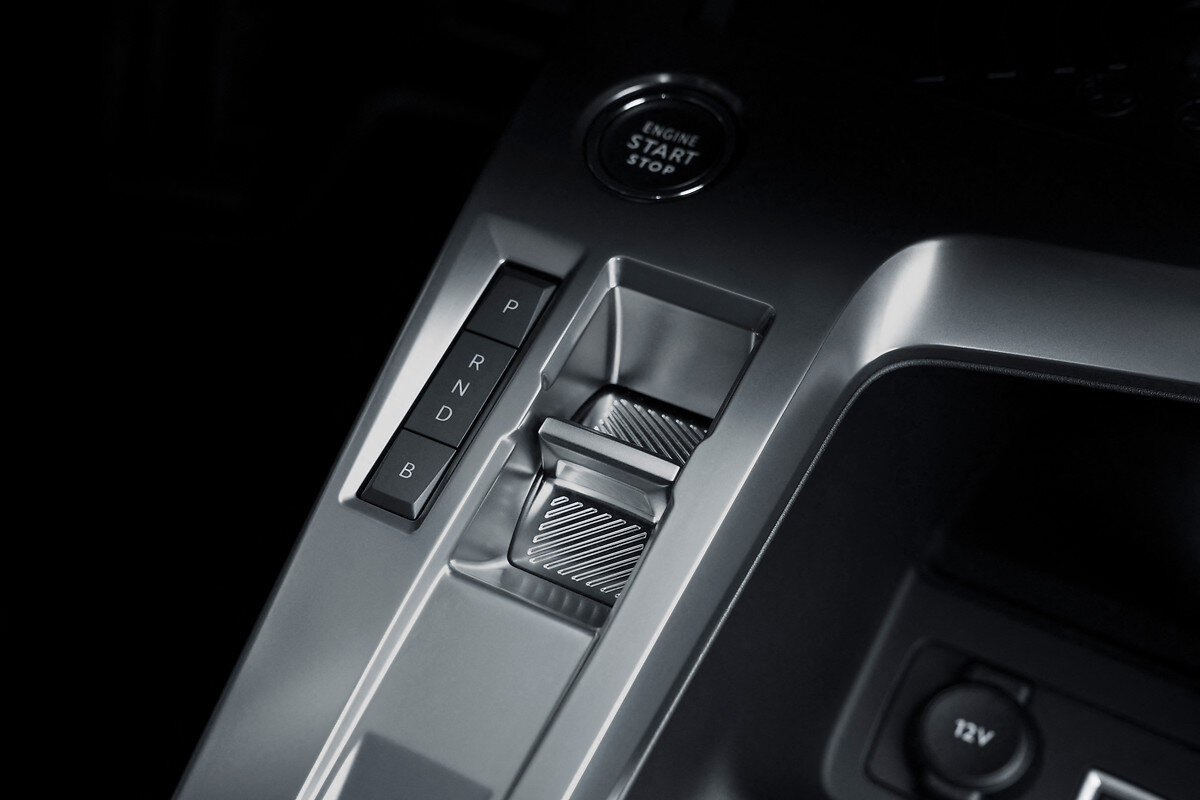
The auto’s gear selector is a toggle-type and there’s a button for selecting Electric, Hybrid, Eco, Normal and Sport modes, depending upon which engine you've chosen.
Four hundred and 12 litres of boot space is availed with the rear seats up, an eight litre reduction on the current car, expanding to 1323 litres with the second row folded. An additional 34 litres of storage space can be utilised through small compartments spread around the cabin
Styling-wise, the 308 gets the deep, concave grille, slim headlights, and 'fang' LED daytime running lights from the recently-facelifted 3008 and 5008 crossovers. At the back, it has slim-fit brake lights with a connecting light bar running across the boot lid. The new badge, set into the centre of the grille, is designed so that the radar unit for the active cruise control can now sit behind it.
The new model’s entry could coincide with the opening of a three-storey Peugeot Citroen supersite the Armstrong motor group will build in Greenlane, Auckland. It will also be one of the first premises in the world to feature the new Peugeot brand identity.
Armstrong’s managing director Rick Armstrong, whose Autodistributors’ NZ holds national distribution rights to PSA brands, says the building is a sign of the group’s commitment to the Peugeot and Citroen marques and is an indicator of what it believes is the huge future growth opportunity for the two brands.
MotoringNZ reviews new cars and keeps readers up-to-date with the latest developments on the auto industry. All the major brands are represented. The site is owned and edited by New Zealand motoring journalist Richard Bosselman.
NEWS | FIRST DRIVE | TESTED | VIDEO | CONTACT | THE CREW | TERMS + CONDITIONS