
Gone once, gone twice … and now Opel’s gone again
/For Germany’s only mainstream brand, once again the phwoar is over.
RETURN on an electric rush failed, so the plug has been pulled - and Opel’s third and latest effort to reinstate has wrapped up with 800 registrations.
The future of the sole German mainstream car make has been under review by the distributor since late last year.
Today a high up for Auto Distributor Limited, a holding of Christchurch car magnate Rick Armstrong, confirmed it’s game over for an effort that started in 2022.
ADL believes other car makes it also holds, primarily brands out of China but also PSA Peugeot-Citroen (whose platforms and tech Opel relies on), show much better promise.
It also cites shipping costs from Europe and currency imbalances as being problematic; New Zealand being the only country in the Pacific region to also take the brand was also an impediment.
“It became a case of prioritisation for use,” explained ADL chief executive Simon Rutherford today.
“We had to decide on what we believe will be our strongest brands in our portfolio.
“We were the only market in this region with Opel … and when you are sourcing cars from a long, long way away with an expensive exchange rate …”
While final paperwork with Stellantis Group - the international conglomerate which also has ADL-represented PSA and Leapmotor and about a dozen other brands - has still to be filled out, ADL has already cleared out it Opel stock, has no more coming and is transitioning on dealers into becoming servicing centres only.
Rutherford assures owners will continue to receive support for years to come. Even if legislation didn’t demand this, ADL feels a strong duty of care.
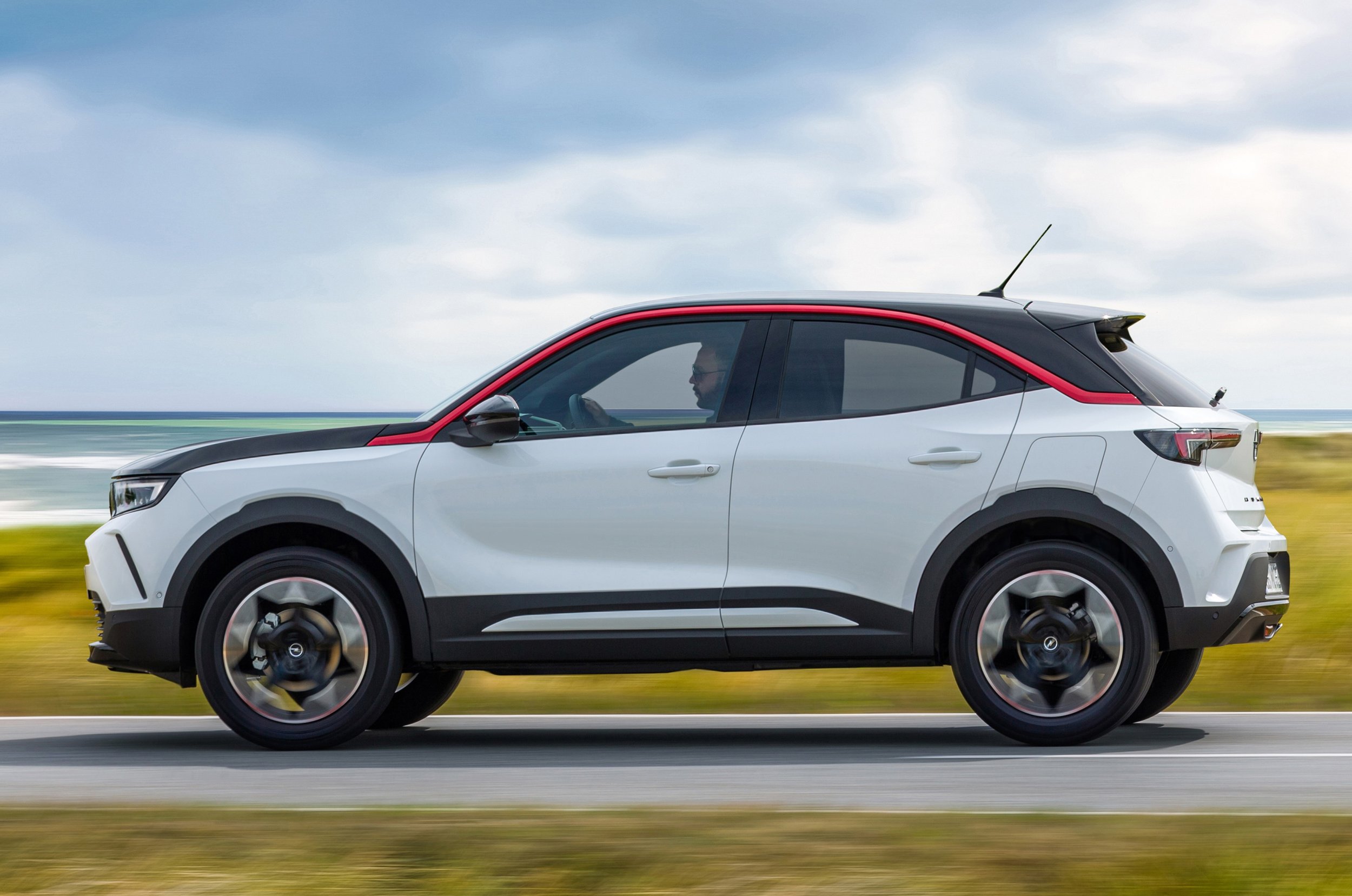
The last brand new Opel to go was a Mokka (pictured). ADL has not taken any fresh shipments since late 2025.
Tough times for all electrics since consumer demand all but collapsed at the end of 2023 is a prime reason for Opel’s demise.
It’s whole sales strategy and model portfolio was guided by intent to benefit from the Clean Car discounts meted to new EVs selling for less than $80,000. Every Opel model here sat under that barrier.
Clean Car rebates were a Labour Government plan. When National came into power, those inducements were pulled. And since then EV interest has been in free-fall.
Other factors also made it hard for Opel, but losing the rebate was a big blow.
“The strategy envisaged when they (rebates) were in place made perfect sense. But the world has changed,” says Rutherford.
“It’s not just what has happened here. The exchange rate for purchasing product from Europe is pretty horrendous. The competition has changed immensely in the past two years.
“We have to take a forward view of the (ADL) portfolio that asks ‘what are the most competitive offerings we can bring to market that give customers what they want?’
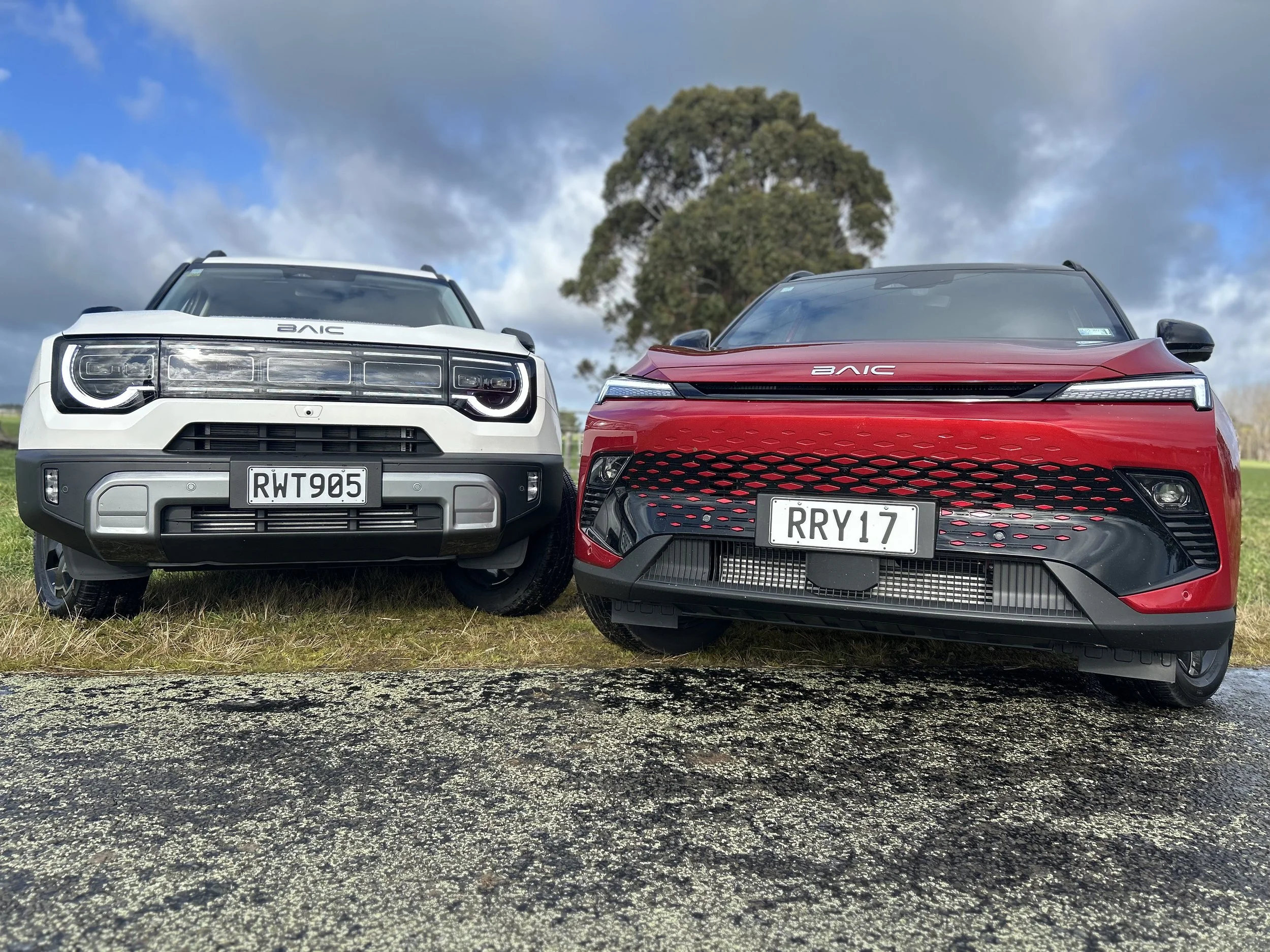
For ADL, that ultimately means sticking with PSA Peugeot-Citroen but increasingly favouring brands from China, the latest being BAIC, a sports utility introduced today in Auckland to sit alongside already installed Leapmotor and Dongfeng.
BAIC starts with hybrid and pure petrol choices, but will extend to pure electric and range extender choices, some under the Arcfox brand.
“Because there's so much disruption, you've got to make a choice on where you focus,” Rutherford said.
“If we try and focus on everything, the dividends aren't big enough to make it worth it. You're going to spend more on marketing than you're going to get back on selling the car.
“We have great belief in Peugeot going forward and Citroen, we're keeping those. We see Peugeot and Citroen as bedfellows, as brands that should be together with a really strong, very loyal following…”
It has become “very clear what those buyers want. They want near premium. They want something that is different. They don't want mainstream.”
Rutherford is an industry veteran. Before taking up his current position as managing director was running Ford New Zealand.
He says the market has change considerably since Opel was revived by ADL, having previously been sold here as a General Motors’ assets - some cars as Holdens, some under their German branding - in the 1990s and then again in 2016, the latter pitch putting focus on performance fare.
Opel being divested by GM in 2017 to be reborn as a PSA product was tasty to ADL, as it already had those makes in its cache.
The Opel programme started started well, with the compact Mokka and smaller e-Corsa establishing quickly, and the Astra hatch also finding favour when it came later.
The make’s fourth product, the Grandland, was more niche and a full electric that has replaced it in Europe never came here.
Regardless that it started well, Opel had barely ramped up to full supply and a nearly national representation when the sales scene completely changed, then was affected all the more when electric cars became subject to Road User Charges in April 2024.
Registrations data shows 2023 was the only three figure year, and even then just 361 cars were plated. Only 81 Opels registered in 2024, 10 more than in the very first year. the 2025 count was also desultory.
Conceivably, this latest re-introduction was a multi-million dollar exercise. Opel itself was reported to have allowed special pricing to enable the NZ gameplay.