C5X blends SUV, station wagon and sedan

Citroen is at its eclectic best with this new flagship

CL21.009.022.jpg

 TIRED of rocking around in a large expensive European sports utility wagon?

Despite those vehicles being very strong sellers, Citroen has determined there are enough people out there desiring to break from the trend.

If you’re in that crowd, say ‘bonjour’ to the C5X, a large prestige model unveiled internationally overnight that will serve as the brand’s new flagship.

 Ostensibly a large high riding car that for those who cannot see themselves in something bulkier and blockier, it delivers an emphasis on comfort and design, yet also stands out as being proudly unconventional in several respects, notably the design.

Part SUV (hence the raised height), part station wagon (so, loads of interior space) and part sedan (the overall elegance) … Citroen is famous for being unconventional from time to time, but this one seems especially eclectic. Little wonder that its maker has voiced expectation of it straddling several segments of the market.

Certain styling cues – most notably the LED headlight design – are inspired by the radical CXperience concept, which was shown in 2016 and with which the C5X also shares its so-called ‘Advanced Comfort’ design ethos.

The model’s ‘X’ suffix? It’s not really an off-road reference. Instead, Citroen says, it’s about the marketing positioning. This is a model at “the crossroad of customers’ needs”.

Production for right-hand drive countries begins next year and there’s no word yet from national brand rights holder AutoDistributors NZ as to whether we will see it. Perhaps not; large Citroens have always struggled here.

Still, you’d have to think styling like this would allow it to stand out from the Q7 and X5 crowd.

 Measuring in at a lengthy 4.8 metres, the Citroen C5 X is noticeably longer than the C5 Aircross, the largest SUV Citroen has offered until now. It starts out on 19-inch wheels that are more slender than usual, for economy reasons.

To compete with SUVs, it maximises practicality. The boot measures in at 545 litres, increasing in volume to 1640 litres when the rear seats are folded forward.

Primarily, thought, it is about passenger needs. Citroen is all about ‘Advanced Comfort’; it’s a credo that expresses in the seat design and the suspension suspension setup.

CL21.009.026.jpg

The car aims to replicate the ‘magic carpet’ driving style of historic Citroen sedans such as the DS and CX. It uses a hydraulic cushion suspension set-up, as per the Aircross, to deliver a ride that aims to “overcome all obstacles, potholes, kerbs, speed bumps and other road connections”.

The supreme version of this evidences in a plug-in hybrid version is equipped as standard with a drive mode selector giving a choice of three suspension settings.

‘Advanced Comfort’ is also prevalent in the cabin. The seats are designed with what Citroen says is a mattress-style approach.

The interior includes some premium materials, including wood inserts across the dashboard fascia and extending into the doors. With no traditional gear selector, the centre console is uncluttered and includes plenty of physical buttons for things like climate control. Sitting atop the dashboard is a large 12-inch touchscreen that provides for a new type of infotainment system with a widget-based display and smartphone connectivity via Bluetooth and USB-C, in addition to wireless charging.

There will be only be petrol engine options – yup, diesel is dead even with the brand family that made it famous in cars. The plug-in hybrid model is expected to be most popular. This has an output of 168kW and an electric driving range of more than 50 kilometres will be available.

Several driver assistance features will add to the car's tech-filled nature, with an extended head-up display, adaptive cruise control with stop-and-go functionality and lane-keep assist.

CL21.009.027.jpg


Ute-like Santa Cruz reveal close

With the big debut days just away, Hyundai muddies the waters about what it has finally created.

Large-45403-2022SantaCruz.jpg

WE’D be comfortable calling it a utility … but Hyundai is insisting its long-awaited Santa Cruz traydeck is something else.

 When pressed on what that makes it, though, they seem lost for words.

So goes the latest news in respect to a model that, after a remarkably long development process – remember, the concept was unveiled in Los Angeles six years ago – now seems close to entering production.

We’ll know a lot more later this week; Hyundai plans on Thursday to release a wealth of detail about its unibodied trucklet, including what markets will take it and when.

Will that include New Zealand? The brand’s distributor has sporadically expressed interest, but never outright said it’s in the queue.

Potentially it might be, given that information out of Hyundai North America, which has taken the lead on this project, suggests the vehicle is based on the latest Tucson, which is now coming into this market. 

Of course, that relationship only becomes meaningful if Santa Cruz is also built in left-hand-drive.

Anyway, ahead of the big reveal, Hyundai has released not only some images but also a video from its design studio in California talking about the new model. 

As you can see, the production has Brad Arnold, the design manager of Hyundai North America, stating it’s “not a truck” but instead is “… a Santa Cruz."

That proposition has gone down interestingly in the US, with leading website Autoblog summing up the situation well by commenting that, if it’s not what it appears to be, what does it become? Suggests the site: “So, um, it's a city? A skateboard brand? A school whose mascot is the banana slug?”

Turns out, Hyundai is striving to enforce this model is especially designed to fit into an environment a lot of outdoorsy utes sold in NZ also find themselves coping with. The city.

"It's meant to thrive in dense urban environments, and the open outdoors," Arnold states.

So it’s soft? Well, maybe. As Autoblog says, it’s based on the Tucson and no-one will confuse that model as being a hard-out off-roader, either.

Large-45404-2022SantaCruz.jpg
Large-45405-2022SantaCruz.jpg
Large-45406-2022SantaCruz.jpg


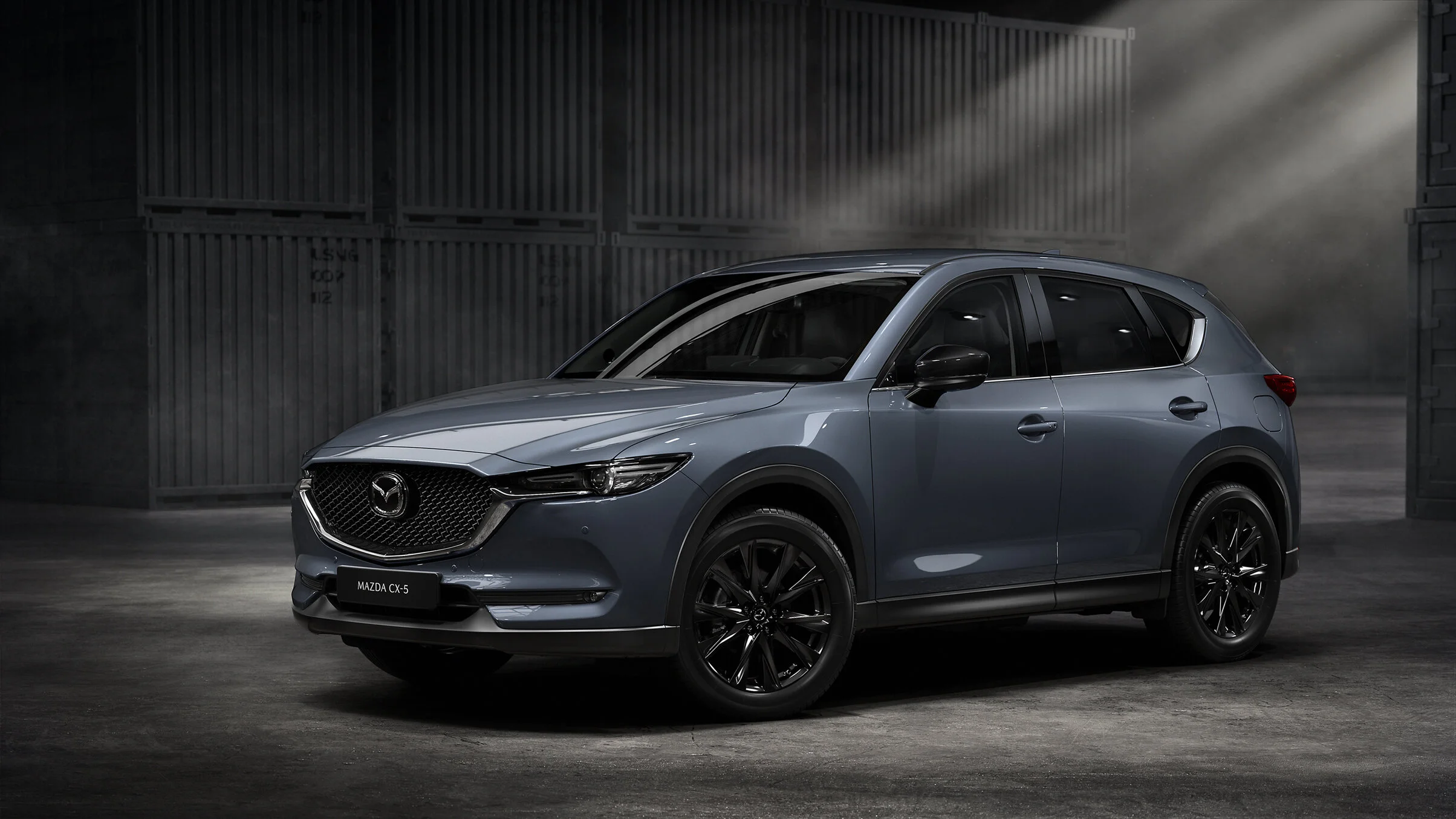
CX-5 family adds second turbo model

New sports-themed SP25T is a $2800 cheaper alternate to full-out Takami

2021 CX-5 SP25T.jpg

NOW there are two – derivatives of Mazda’s top-selling CX-5 sports utility, that is, with a fiery turbocharged 2.5-litre petrol engine.

One outcome of a mild refresh of the model line is that the 170kW and 420Nm SkyActiv-G 2.5T that has previously restricted to the flagship $61,795 Takami is now also under the bonnet of a new introduction to the family.

At $58,995, the SP25T is effectively a Takami that presents with a bit less plush – so, no leather or sunroof - than the top dog and a slightly sportier ambience, the pair being mechanically identical and both delivering a maker-cited 0-100kmh time of 7.7 seconds.

The engine’s outputs are 30kW/168Nm more than the naturally aspirated 2.5-litre petrol engine offered in mid-spec models.

Mazda NZ says a feature of the SP25T trim is a blackout theme – appropriate, the brand feels, in a country where the national sporting colour is black.

The exterior elements include black metallic alloy wheels and piano black exterior mirrors, while the interior gets black deluxe leatherette/suede seat trim along with a black decoration panel. To set off the black, red stitching has been added to seats and steering wheel.

David Hodge, Mazda NZ managing director, believes the SP25T grade will add to the CX-5s’ solid reputation. 

“With the blackout features it will appeal to New Zealand motorists who want all the great features of the CX-5 but in a sportier package.  It will certainly make a statement on the road.”

Other changes to the CX-5 line up include the addition of privacy glass to GSX models and turbo badging on the SP25T and Takami grades. All models now feature wireless Apple CarPlay as well as Android Auto, though via USB.   

One revision that has appeared overseas will not get here until year-end. That’s the adoption, in high-end models, of a 10.5 inch Mazda Connect infotainment display. For the interim, the upgrade cars will maintain the previous line’s 8.0-inch interface.

The enhanced screen has been on US-market CX-5 models since last August and has a faster processor.


Kona update lifts model choice, prices

Sporty looking N-Line a prelude to a properly fiery N yet to come.

2021 Kona.jpg

 FRESHENED styling, more tech – and price increases.

That’s the story in respect the carryover editions in what’s being called Kona Series II, a mid-life update of the brand’s popular compact crossover that continues with familiar drivetrains but delivers a new family member that elevates optimal spend for a petrol edition.

The new equivalents of variants that have represented in the pre-facelift lineup and deliver with powertrains are the IVT, Elite IVT and Limited IVT.

These respectively price at $34,990, $39,990 and $44,990.

This means the cheapest and most expensive variants are $3000 dearer than previously, while the mid-grade lifts by $2000. 

These model all run with a 2.0-litre engine, making 110kW and 180Nm, paired with a constantly variable transmission with eight pre-set steps and are front-drive. 

Above these places a new configuration, the Kona N-Line, which adopts a sports styling package absent from the cheaper cars and also has a 1.6-litre turbocharged petrol, married to a seven-speed automated manual. 

The N-Line achieves specific signatures of bonnet vents on the nose, a “motorsport-inspired” front end, body colour claddings, a larger rear spoiler and diamond-cut wheels.

This 146kW/265Nm version costs $49,990 and will stand as a fossil fuelled flagship only temporarily, as Hyundai NZ has signalled it will ultimately also represent with the Kona N – a high performance variant expected before year-end.  

The first SUV to be reworked by Hyundai’s  N Division, the Kona N achieves a 2.0-litre turbocharged petrol engine, in marriage to an eight-speed dual clutch transmission – and potentially, might deliver in front- rather than four-wheel-drive.

It’s the same engine that serves the brand’s current sole N division emissary in New Zealand, the i30 N, and while outputs have yet to be announced, it's likely they will match the 206kW and 392Nm the hot hatch delivers.

Hyundai has previously promised the powertrain will be flavoured by a launch control and a sports exhaust.

Hyundai NZ has also yet to receive the updated Kona Electric, which adopts the same altered styling cues seen on the petrol-wed cars and delivers with an electric powertrain that gives more range and better performance than the current car’s.

The present electric model has been subject to concern about the integrity of its battery, with the brand effecting a recall in many markets. 

The Series II gets a new front-end design. There are redesigned narrow LED daytime running lights above the separate headlight cluster and wheel arch cladding contrasting with the body colour. The rear end is also restyled, though less radically than the front. 

Inside is a new console area and it achieves an electric parking brake, ambient lights, aluminium finishing around the speakers and air vents and a leather option. 

New to this model is the option of a 10.25-inch digital instrument cluster. In addition, the new Kona also comes with an optional 10.25-inch touchscreen multimedia system.

Safety and driver assist ingredients run to active cruise control, lane-keep assist, autonomous emergency braking, blind-spot collision avoidance assist, rear cross-traffic alert and safe exit warning to forward collision avoidance assist with optional cyclist detection.

It picks up leading vehicle departure alert, which alerts a driver as to when a stationary vehicle in front has moved on.


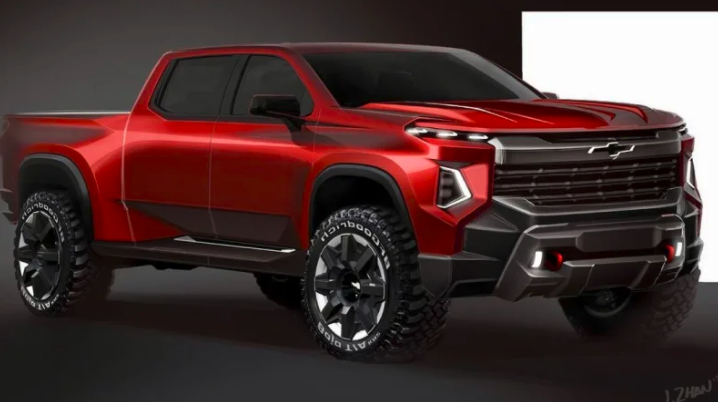
Electric Silverado noted by NZ distributor

For now, though, it’s business as usual with old-school V8.

GM has shared this artist’s impression of the electric Silverado

GM has shared this artist’s impression of the electric Silverado

AN electric imperative for a classic American pickup marque just regaining traction here with V8 petrol models has local distributor interest. 

General Motors Special Vehicles’ New Zealand has reacted positively to news that the Chevrolet Silverado pickup it holds distribution rights to will configure, perhaps as early as next year, in a wholly battery-powered format delivering more than 600 kilometres’ range between charges. 

There’s no indication from GM yet about what this might mean for right-hand drive markets, however the maker insists its plan to sell some 30 electric vehicles by 2025 is a properly global intent. It has also made clear that, ultimately, it intends to only produce the truck in electric format.

New Zealand currently receives Silverado as a brand-new model purely in its historic V8 petrol form. Current editions, all powered by a 313kW/624Nm 6.2-litre V8 mated to a 10-speed automatic, are delivered from the United States via Melbourne, where they are converted into RHD.

 While company policy restricts comment on future product, the make’s local operation based in Auckland has indicated will maintain a watch on the model’s new technology direction, announced by GM’s president Mark Reuss, an American who since running Holden in 2008 and 2009 has enjoyed a rapid management ascendancy to his current position.

Mark Reuss makes the Silverado announcement at GM’s Factory Zero

Mark Reuss makes the Silverado announcement at GM’s Factory Zero

A GMSV spokesman in NZ today said the focus for the present remains on product it already has here and that incoming.

“At GMSV we're focusing on bringing three exciting vehicles to Australian and New Zealand truck and performance car enthusiasts - the Chevrolet Silverado 1500, Chevrolet Silverado 2500 and the all-new, direct from the factory right-hand drive, C8 Corvette.   

“We are glad there is so much excitement around EVs, but we don't have any comment to make with regards to future product and won't be drawn on possible speculation relating to the local market.”

The new derivative, which has been teased for months, seems set to share and underpinning, battery and other technology with the electric Hummer, whose potential for right hand drive markets has not been clarified, and will offer around 640 kilometres range on a full charge.

That’s almost 80kms’ additional range than has already been cited the Hummer EV Edition 1, which GM has previously said will offer up to 746kW, and appears to beat any of the petrol editions. Regardless that they have extra-large fuel tanks, the petrol models are cited to deliver an optimal economy of 12.3 litres per 100km.

The maker has added that the range prescribed for Silverado is not absolute and might vary “based on several factors, including temperature, terrain, battery age, loading, and how you use and maintain your vehicle.”

Silverado presently offers in NZ in V8 petrol form, the most recent addition being the Trail Boss edition.

Silverado presently offers in NZ in V8 petrol form, the most recent addition being the Trail Boss edition.

It has not offered information on any other performance aspects, though this will be high interest. Silverado has a particular forte as a heavy-duty towing choice, with the petrol models rated to haul an impressive 4500kg on the hook. 

Silverado is Chevrolet’s biggest selling model in North America.

The company did not immediately say when the electric Silverado will go on sale, but independent reports since Reuss announced the project cite sources with GM as saying the edition could be production by the end of 2022 – a timeframe that, if accurate, means it will beat the Hummer into showrooms.

The push synchs with GM’s announcement in January that its entire 'light-duty' range, into which this model falls, will be electric by 2035. Commentators say this means the new electric Silverado will eventually be the only light-duty pick-up available from the brand by then.

The electric Silverado will be made at “Factory Zero,” the recently rebranded Detroit-Hamtamck plant dedicated to EVs that GM is currently retooling at a cost of more than $US2 billion.

It’s the same plant where GM will build the electric Hummer in SUV and pickup formats.

Industry observers in North America say an electric Silverado is not too surprising considering that rival Ford already has an electric edition of its F150 pickup under development. That vehicle is intended to release in 2022.

The V8 Silverado as sold by GMSV is converted by Walkinshaw Automotive Group, the former parent company of Holden Speical Vehicles, which previously held distribution rights to the model.


Good time at a tough time

The March new car registrations boom took Volkswagen to a new high.

Golf 8 was a big contributor to VW’s unsurpassed count in March.

Golf 8 was a big contributor to VW’s unsurpassed count in March.

CALL it a fossil-fuelled frenzy: Volkswagen’s new-generation electric product not yet availing here definitely hasn’t kept this make from being a people’s favourite here.

No more so than last month.

The brand’s national distributor is celebrating March a being a landmark moment; its best-ever sales month for passenger products.

True, March was a huge month for new vehicle distributors in general. As reported yesterday, it delivered the highest registrations tally ever recorded for the third month of the year.

Also, the count of 528 units being registered for that period is hardly the biggest brand take for the month – Toyota basically sold twice as many Hilux utes alone in March.

Yet it’s a big deal for a European brand and pretty decent for VW, given it’s running on empty just now in respect to having the in-vogue feature of an electric-assisted drivetrain in any product. That’s coming, but in hybrid formats. None of the wholly battery ID product making headlines overseas wholly is here until 2023. That might irk outright EV fans but, clearly, there are plenty of car buyers happy to go with the mainly petrol-dedicated status quo.

A volume representing a 5.5 percent market share is, according to a spokesman, very likely the biggest sales month ever in the history of Volkswagen in New Zealand – that’s not just in the ‘modern’ period of management under the current rights holder, European Motor Distributors, but also when it was selling the eponymous Beetle under a different arrangement. 

The marque’s previous highest result was 473 units, from January of 2017, when the Tiguan R-Line was launched.

Tiguan was also a major contributor to last month’s count, with the car having released in a mid-life facelift format during that period. VW New Zealand also credits the all-new Golf 8 that arrived into dealerships at the same time as having also made an immediate important impact. 

Greg Leet, Volkswagen NZ general manager of passenger vehicles, says both these flagship models exceeded expectations, achieving more than 150 percent of their usual monthly sales averages.

“Throughout March, Golf 8 recorded 161 percent of its recent monthly sales volume average and the Tiguan Facelift achieved 145 percent of its recent monthly sales volume average as well.” 

Leet says even taking into account that Golf 8 “represents the greatest leap forward since the iconic model launched more than 45 years ago”, and Tiguan being Volkswagen’s most popular selling car worldwide, these are still exceptional results.

Can the good times keep rolling? Hmm, that’s a hard one. Reduced production counts, delays in shipping and the worldwide shortage of computer semiconductors seem to giving most car distributors a headache at the moment.

VW Group has fessed up to being affected by that, particularly with its groundbreaking ID cars that will ultimately divorce the brand from fossil fuel reliance. That news might perhaps seem ironic to NZ electric fans aggrieved that the IDs are still several years from local introduction.

Nonetheless Leet says his operation will “continue to do all we can to replicate these sales targets in coming months.”

He also points out that, while pure electrics are out, VW will be provision performance R models this year - Golf R, Tiguan R and Touareg R, the latter of which runs a plug-in electric drivetrain.

“The Touareg R will very much be the performance brand-shaper, and we’re excited to demonstrate this highly anticipated performance model when it arrives as a PHEV.”

Leet says VW remains committed to sustainability and its future electric vehicle roadmap is paving the ‘way to zero-emission’ mobility for everyone. Globally by 2025, at least 1.5 million electric Volkswagen cars are to be sold.


Jolion confirmed for NZ sale

The new generation of Haval’s smallest model is incoming in two trim levels.

Haval Jolion.png

HAVAL’s distributor has confirmed it will soon have the Jolion small sports utility on sale here soon, but has yet to say how much it will cost.

GWM, formerly Great Wall Motors, says it intends to have two trim grades, a the mid-level Lux and range-topping Ultra. The details of each car’s content have not been shared.

Identified internationally as a replacement for the long-serving H2 that has been Haval’s cheapest model here, the Jolion – a name that’s a conflation of ‘joy’ and ‘lion’ (and also an Anglicisation of the Chinese word, Chulian, which means ‘first love’) - is a fresh start.

It sits on the company’s new global lightweight modular platform, which the company has branded Lemon. Styling also follows that of the new H6, which is also cited for release here this year.

 Despite the off-roader look, it remains front-only only.

Power is delivered by a re-engineered 1.5 litre turbo petrol engine with 110kW of power and 210Nm of torque mated to a seven-speed Dual Clutch Transmission (DCT) with standard, eco, sport and snow drive modes. H2 runs a six-speed manual.

Haval says the Jolion has been benchmarked against best-selling global SUVs, but has not identified any particular barometers.

That process has in the model being larger than the H2. The Jolion has a wheelbase of 2700mm, length of 4472mm and width of 1841mm.

Technology includes a colour LED instrument cluster, heads up display, fatigue monitoring and wireless phone charging.

The driver assist tech runs to autonomous emergency braking, lane departure warning, lane keep assist, blind spot monitoring, adaptive cruise control, traffic sign recognition and rear cross traffic alert.

GWM has ascribed the Jolion and H6 to Phil Simmons, the former Land Rover designer whose recruitment by Great Wall to direct its Haval and its upmarket Wey sports utility brand lines caused quite a stir when announced several years ago.

An industry veteran with more 30 years experience in automotive design, his Land Rover portfolio includes the current Range Rover and Range Rover Sport, the 2017 Range Rover Velar, the pre-and post-facelift Range Rover Evoque; Land Rover’s Discovery and Discovery Sport and the latest Defender.

In an interview with this writer in 2019, he expressed thought Haval and Wey, which aspires to match Lexus and currently restricts to China, needed to internationalise.

“Going right hand drive is the right way to go. I don’t have the final say on that decision but I’ve certainly put my thoughts across.”

He said them that he didn’t feel sense of Great Wall’s brands having an uphill battle against international preconception about Chinese vehicles.

“We have a strong identity which is very much our own. It’s been developed without the intense reference to other brands that you might see elsewhere in China. Here there is an intent, from the highest level, to compete at equal level with all brands around the world.”

Updated Compass revealed

Compact Jeep achieves technology upgrade.

Screen Shot 2021-04-07 at 9.18.17 AM.png

A REFRESH for the long-lived Jeep Compass has been unveiled, but no word yet on when or if it will show here.

Most of the revision to Jeep’s budget model - which presently formats here in Longitude, Trailhawk and Limited for between $37,990 and $44,990 - is to the interior.

However, as these images also show, the car achieves new exterior design cues as well.

The model is built in Italy, by Fiat, and  has become a core model in Europe for Jeep, now part of the Stellantis empire that merges Fiat Chrysler with Peugeot-Citroen’s PSA.

A 4xe variant recently introduced there – but not available in right hand drive yet - is, Jeep says, now Italy's best-selling plug-in hybrid. 

The PHEV drivetrain is expected to become a feature of the updated model in its RHD configuration. The model also delivers with a Fiat-derived 1.3-litre turbo petrol producing 95kW or 110kW and a 1.6-litre diesel with 95kW. Depending on the engine chosen, buyers can specify either a six-speed manual, a six-speed automatic or a dual-clutch automatic gearbox, with either front- or four-wheel-drive. 

Screen Shot 2021-04-07 at 9.18.36 AM.png

The big change in the cabin is the introduction of a 10.25 inch high-definition digital instrument cluster, with the infotainment touchscreen (available in either 8.4in or 10.1in forms) relocated to the middle of the dashboard for improved access.

The infotainment system itself has been upgraded with a processor five times faster, added connectivity features, smartphone mirroring functionality, voice recognition and 3D sat-nav. 

Changes to the outside are more subtle, but slimmer headlights and restyled bumpers help to differentiate the new Compass from the outgoing model. 

The updated Compass is Jeep's first European model to come equipped with Level 2 autonomous functions. Standard features include traffic sign recognition, drowsiness alert, automatic emergency braking, adaptive cruise control and lane-keeping assistance.

Screen Shot 2021-04-07 at 9.17.50 AM.png


Record March despite supply disruptions

Vehicles are fast-tracking to customers.

Toyota Hilux was the top-selling model in March.

Toyota Hilux was the top-selling model in March.

CONSTRICTED new vehicle supply continues to hamper distributors – though last month’s registrations count might suggest otherwise.

Last month 15,498 new vehicle were registered. It’s the highest March count since record-keeping began back in the 1970s.

That this tally represents a massive 86.3 percent up on the same month last year is easily explained – the country went into the Covid-19 Level 4 in March of 2020, so distribution, sale and delivery was highly restricted. April last year was also bleak, with 1039 registrations, a 90 percent fall on April of 2019.

Last month’s accrual follows a record February, when 12,488 registrations were notified. Year to date the market is up 27.6 percent (9046 units) compared to the first quarter of 2020.

And all this is despite supply disruption, resultant from Covid-19 though a global shortage of semiconductor is also influencing. This is a rebound from manufacturers having cut chip orders as vehicle sales fell last year. They have found themselves at the back of the queue when the market rebounded. The entire global car industry buys about $US37 billion worth of chips.

“A year on from our first Covid-19 lockdown, our sector is still operating under disrupted supply arrangements and supply shortages,” says David Crawford, chief executive of the distributor organisation, the Motor Industry Association.

“As shipments arrive, vehicles are going straight through Customs, distributor pre-delivery inspections and entry compliance, to the franchised dealer and on to the new owner, who invariably has been on a wait list.”

Most popular vehicle last month was the Toyota Hilux, which continues to enjoy buoyant sales following a massive facelift late last year. In March it recorded 1019 registrations to claim a 19 percent share of the commercial market. Arch-rival Ford Ranger accounted for 828 sales to sit in second spot, with Mitsubishi Triton third on 691.

In the passenger segment the Mitsubishi Outlander again led the way with 467 registrations, comfortably ahead of the Kia Sportage, Mazda CX-5 and Toyota RAV4.

Of the total of 15,498 registrations, 424 (2.7 percent) were pure electric vehicles. There were also 150 PHEVs and 855 hybrids sold during the month.

Toyota remains the overall market leader with a 15 percent market share, followed by Mitsubishi on 11 percent and Ford on nine percent.


Sorento hybrid push hits six

Anything to read into the just-added entry EX being lineball on price with well-supported diesel edition in similar trim?

210401_Kia Sorento.jpg

 SPECULATION about the long-term future of Sorento in its historically bedrock diesel format has elicited response from Kia New Zealand.

Announcement of a sixth hybrid (HEV) petrol variant might raise questions about the implication for the 2.2-litre turbodiesel that has been the most popular choice by far for the majority of the model’s buyers.

The arrival of an entry EX means the brand now offers its petrol-aligned hybrids in four hybrid formats – across two trim levels, each in front or all wheel drive, topping with an $82,990 edition. It also has two AWD variants with plug-in replenishment capability, ultimately in a $89,990 format. 

It also has four diesel variants, from $59,990 to $76,990.

The EX edition in HEV (meaning it has electric assistance, but no external means to replenish) has been priced at $63,990 – the same money Kia New Zealand asks for the EX diesel that has often been a top seller.

A representative for the Auckland-based operation agreed with the proposal that hybrid popularity is growing, but resisted offering thought about what percentage of overall Sorento volume the types might achieve. 

“The initial uptake of Hybrid has been very strong, especially the new EX variant,” he said.

“With Sorento sales mix and volume being limited by supply for some time yet, we would have to be very brave to make any predictions at this point.”

Did the price parity with a popular diesel variant signal that Kia NZ is perceiving and planning for potential market shift away from the diesel?

“We are being bold with this pricing initiative, it's not often a brand will present owners with a price-parity opportunity to choose between two different powertrain options. 

“As we've stated previously, we have an eye on an electric future and this is one way to introduce people to a hybrid motoring experience without additional outlay at time of purchase.”

The EX variants are not identical; the diesel provisions in all-wheel-drive for that money, whereas the hybrid is front-drive. It can be bought in AWD for another $2000, however.

All electrified Sorentos use a 1.6-litre turbocharged petrol engine, producing 132kW/265Nm. The HEV adds a 44kW/264Nm electric motor while the PHEV gets a stronger 67kW/304Nm unit. Total outputs for each are 169kW/350Nm and 195kW/350Nm respectively.

The plug-in hybrid offers an electric-only range of 57km and fuel consumption of 1.6L/100km. The hybrid has more limited electric-only range and returns 5.4L/100km in 2WD guise and 6.2L/100km with AWD.

While the EX hybrid makes more power than the diesel, which has 148kW the tables are turned on torque, with the diesel creating 440Nm.

The diesel is beaten for economy, as it optimises at 6.1 litres per 100km, and on emissions. The hybrid is claimed to produce 124 grams per kilometre in front-drive and 141g/km in AWD versus whereas the diesel outputs 159g/km.

The Sorento powertrains also share with the Hyundai sister ship, the Santa Fe, but have yet to be positioned in those models in this market, though Hyundai NZ says it intends to undertake that span when it can.

Kia EV6 GT.jpg

Kia’s move toward electric-assisted propulsion is not restricted to the seven-seater sports utility. It already has an electric Niro compact crossover in the market to compete with the Hyundai Kona and last week confirmed it will introduce the exciting EV6 (above), the latest battery-pure product it has created.

This sister ship to the Hyundai Ioniq Five will be here before the end of this year, with pricing and full local specifications yet to be announced, though the local distributor has indicated the high-end GT performance version is included.

Kia NZ says the EX hybrid will present as an ideal vehicle for families contemplating the switch to reduced-emissions motoring - without compromising on style or passenger-carrying capability.

In a release about the type, Kia NZ managing director Todd McDonald said Sorento has already proven to be a fantastic success “so we anticipate the availability of a more competitively-priced entry option will only further the appeal of the new model.”

All Hybrid and Plug-In Hybrid Kia Sorento models feature a five-star ANCAP safety rating and offer a myriad of safety considerations as standard, including Forward Collision Avoidance Assist, Blind Spot Collision Avoidance Assist, Rear Cross Traffic Collision Avoidance Assist, Lane Keep Assist and Lane Follow Assist.


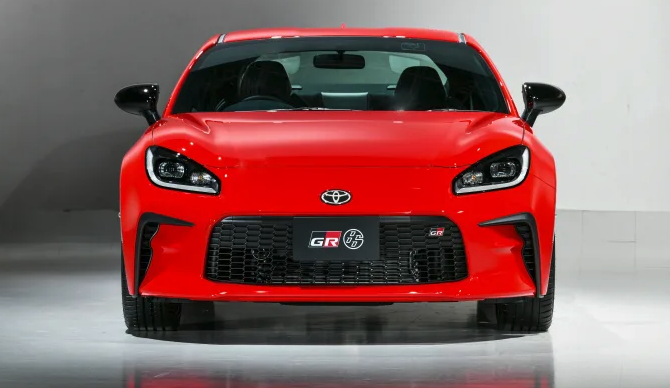
86 going to be a great Gazoo

GR86_002.jpg

AT last it’s out – the second generation of the Toyota 86 that is, still firmly focused on the same goal as the original: Delivering the dreams and the joy of driving inherent in sports cars.

This promise from an unveiling event in Japan today involving Toyota, via its Gazoo Racing franchise into whose hands the car now falls (so, yes, it’s now a GR 86), and co-developer Subaru.

Though shown in what Toyota Gazoo Racing calls a ‘prototype’ format, the new car is also confirmed as an accurate representation of the car as it goes on sale in Japan soon. No news yet from Toyota New Zealand about when it’ll hit here.

Toyota’s version follows in the tyre tracks of the second-generation BRZ (below), which was unveiled last November in the United States. Subaru NZ has straight out nixed conjecture of another BRZ-86 showdown, as occurred in the first year of the previous cars’ release, back in 2012.

22MY_BRZ-10.jpg

Today’s event suggests Toyota’s car has slightly stronger outputs than the Subaru doppelganger, with press material quoting maximum power of 173kW presented at 7000rpm and top torque of 250Nm, coming on at 7400rpm. That’s 3kW and 1Nm more than Subaru quotes.

 Either way, it’s still a healthy increase over the maximum outputs from the 2.0-litre car – Subaru quotes 11 percent more power and 15 percent more torque – and it shows in the 0-100kmh time of 6.3 seconds, claimed of course for the manual. The previous model delivered in 7.4s. 

The engine has direct injection but forget about a turbocharger; that feature is purely for the North America-only Subaru Ascent SUV from which this engine is more or less plucked.

Toyota says producing optimal grunt at high revs is all part of the fun, but adds the engine’s responsiveness has also been enhanced, providing smooth, stress-free sensations from “low to high rpms.”

The unit continues to run through six-speed transmissions, the auto now having a Sport function, and sending out the oomph through the rear wheels, with the vehicle stability control system offering five settings now to alter the degree of skid-tastic fun.

Macpherson strut front suspension and double-wishbone rear suspension also carries over and even though the chassis is thought to be an improved version of the current cars, the two generations are only identical in 1775mm width.

With a length of 4265mm, height of 1310mm and wheelbase of 2572mm, the GR 86 is 25mm longer, 13mm lower and 6mm longer in wheelbase than the predecessor.

Screen Shot 2021-04-05 at 5.36.46 PM.png

Toyota has quoted a kerb weight of 1270kg (for the manual) and, like Subaru, reminds the car’s roof is now aluminium to bring down the centre of gravity. Aluminum front wings, updated front seats and mufflers contribute to reduced weight.

Body rigidity has been improved, with the goal of offering pleasurable handling in all speed ranges—from urban driving to the upper limits of performance, the maker says. Torsional rigidity has been enhanced by approximately 50 percent over the previous model for greater steering stability.

However, Toyota says the GR86’s shape and aerodynamics have benefitted from the previous model’s immersion into motorsports, such as Toyota NZ’s GR86 (nee TR86) series. 

“The GR 86 features aerodynamic components seen on 86 models that participate in motorsports. These include air outlets, side sill spoilers, and other parts that improve steering responsiveness and stability.”

Recent media speculation about Toyota insisting that the GR86 should have a distinct driving feel appears spot on.

Says the Toyota Gazoo Racing release: “While engaging in friendly rivalry with the BRZ development team, TGR sought to develop a vehicle that would provide happiness to 86 fans, and realise an evolution of the 86’s unique driving sensations.

“As a result, the new GR 86 is specially designed for sports performance, and provides direct and satisfying driving performance of the highest order.”

Screen Shot 2021-04-05 at 5.36.33 PM.png

It also says the model is a result of an agreement, signed by the brands in late 2019, to enter into a new business and capital alliance, “as part of which the two companies committed to jointly engage in making ever-better cars.”

“The new GR 86/BRZ is not only a concrete example of this commitment, but also represents a new challenge for both companies, as they seek to subvert conventional ideas of cooperation in the automotive industry.

“Going forward, Toyota and Subaru intend to further ally their respective strengths, deepen their relationship, and so pursue the possibilities of making ever-better cars.”

Toyota says the car’s interior and exterior designs embrace responsive handling and functional beauty and that the model boasts a stance distinctive of front-engine, rear-wheel-drive vehicles. Its low, horizontal underbody and narrow cabin rear combine to create a broad, low-centre-of-gravity appearance.


The cabin design is all about ensuring the driver can concentrate on driving. There’s a new seven inch display screen whose opening animation sequence is “inspired by the piston movements of the horizontally opposed engine, and fosters a sense of excitement even before the drive begins.”

The automatic GR86 alone appears to pick up Subaru’s Eyesight driver assist technology, which include pre-collision safety technologies that help avoid or reduce collision impacts.

Toyota says a total of more than 200,000 first generation 86s have been sold worldwide.


Subaru celebrates March success

Distributor reckons it could have hit an even sales count had more stock been available.

Forester X (above) and new Outback were major contributors to Subaru’s March count.

Forester X (above) and new Outback were major contributors to Subaru’s March count.

Press Imagery 1_2021 Outback X.jpg

PERFECT storm conditions – that’s what Subaru New Zealand attests led last month delivering a best-yet sales count for the brand.

A count of 461 new vehicle sales represents a 20 percent gain over the previous top sales month, January of 2019.

Subaru New Zealand managing director Wallis Dumper says the March result would not have been possible without the dealer network’s hard work. Many Subaru Centres were owner-operator businesses, some with the brand for more than 25 years.

“It’s been a challenging 12 months … and to see a result like this, only 12 months after the grim picture economists painted for our future, is extremely rewarding,” Dumper says.

The distributor attributes several factors contributing to the record March sales, including the recent release of a new Forester derivative, the X Sport.  This variant has immediately accounted for a third of Forester’s sales and also helped to produce a record sales month for Forester.

On top of this, last month’s count also included the brand-new Outback, which officially launched at the start of the month and recorded more 200 registrations. Dumper says the performance was a tribute to the car’s quality, and the impact of the marketing campaign.

Also impacting on the count was the arrival of several delayed shipments of allocated stock.

Everything, he said,  “added up to the much-needed perfect storm.”

Nonetheless, Subaru continues to feel the effect of supply constraints and he imagines that will continue to be the case, despite the his operation having been given huge support by Subaru Japan.

 We have customers waiting as some of our Subaru dealers are out of stock and we already have factory back orders through to the third quarter.

“We have been in the unfortunate situation of not being able to supply some of our new 2021 models, including the Subaru XV, which would have also set a sales record if we had been able to secure allocation.

“Unprecedented demand beyond what we are able to supply is a good problem to have, but we like to think that our customers understand the situation and are willing to be patient.”

“The reality is that we are probably missing sales and as a company, we are doing our best to mitigate this.”

Dumper acknowledges that other automotive manufacturers have also had record-breaking months.

“After the year we have had, this is a phenomenal boost for the automotive industry.  While we are yet to receive the final results for the monthly industry performance, March is expected to be an exceptional month across the board. Congratulations to all the automotive brands that have had an outstanding month and long may it last,” he says.

A limited-edition STI model will arrive at New Zealand dealerships in the coming months. Hot on the heels of this final STI edition, will be the arrival of the completely revamped 2022 WRX in the new year.

Supply chain challenges will have the biggest potential impact on specific dates for these model launches and they will be confirmed later in the year says Subaru New Zealand.


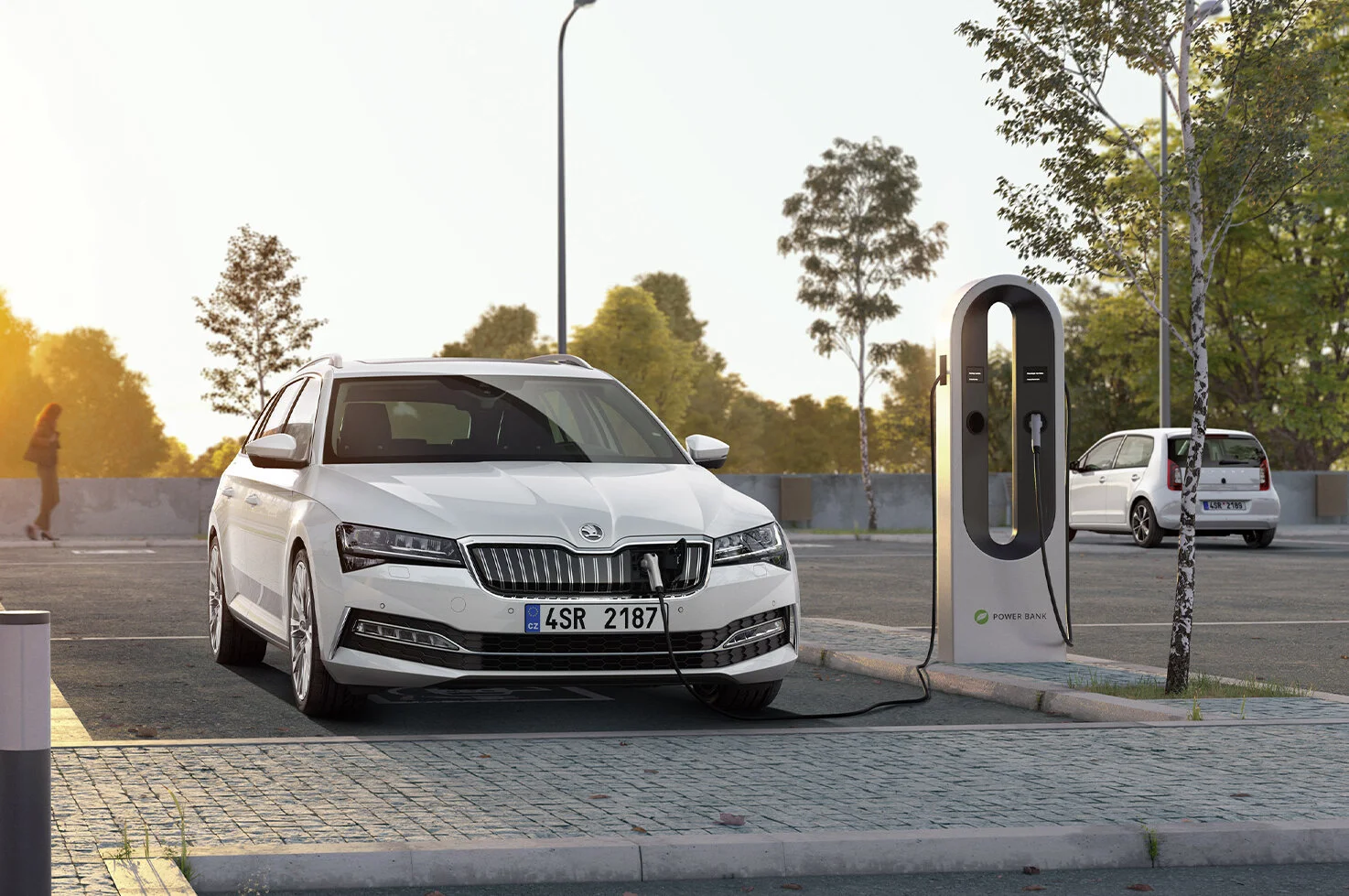
Skoda’s electric push starting with PHEVs

Economy king PHEV Superb is just months away and a version of the just-launched new Octavia will follow in early 2022.

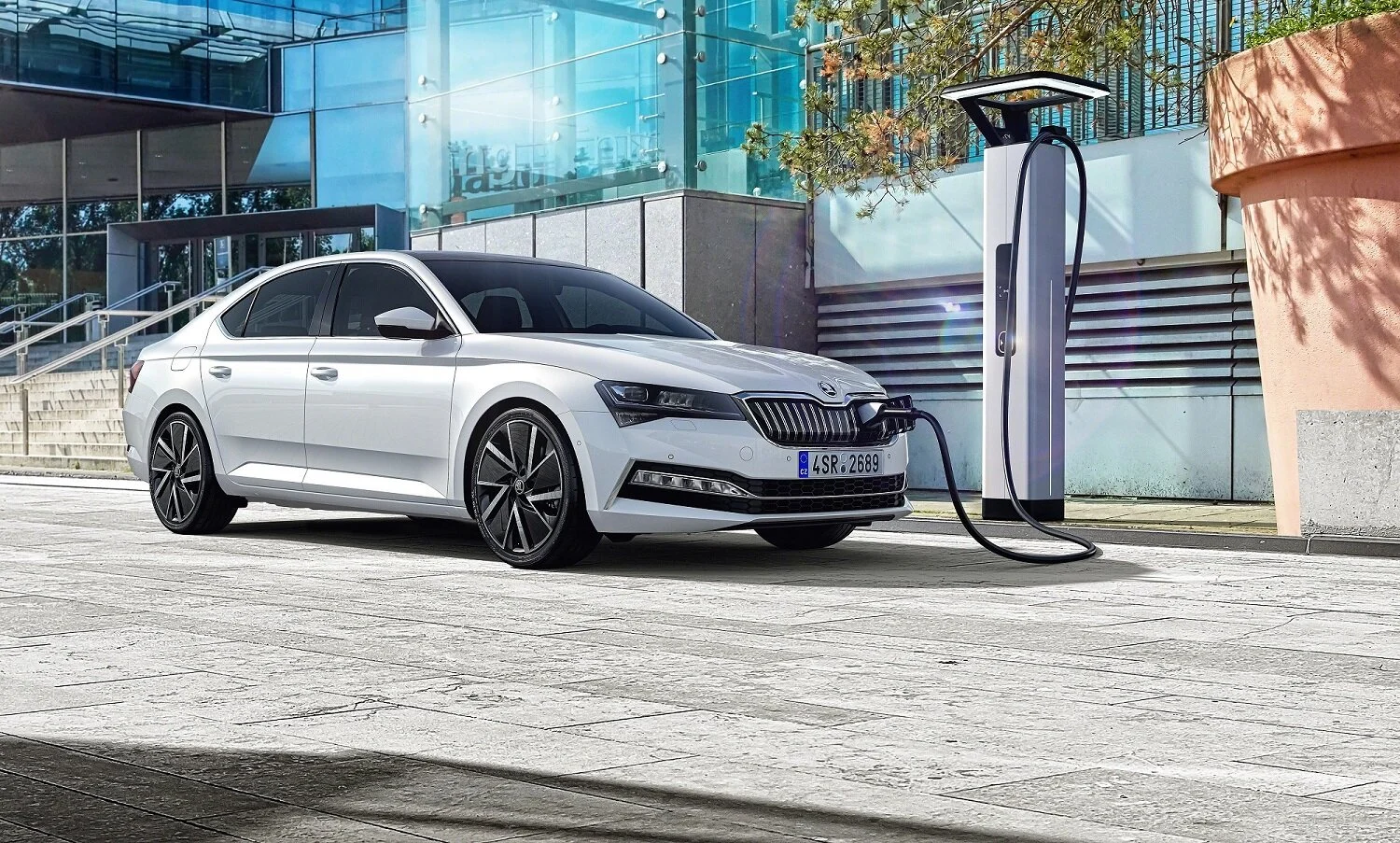
The Superb iV delivers optimal economy of 1.5 litres per 100km and just 35 grams per 100km emissions.

The Superb iV delivers optimal economy of 1.5 litres per 100km and just 35 grams per 100km emissions.

PLUG-IN electric versions of two staple Skoda road cars, the Superb and the Octavia, are set to come on sale here.

Each promising up to 60 kilometres’ pure electric range, the derivatives will configure purely in wagon formats and seem likely to be particularly pushed as top choices for Green-minded fleets, though private buyers won’t be exempted.

The nation’s largest lfeet, the NZ Police, has committed to purely petrol-engined Superb station wagons as primary response vehicles.

Skoda New Zealand general manager Rodney Gillard says the PHEV Superb, which will be here around July-August, was not proposed for the patrol car deal but it is serving in that role overseas and was subject of general chat during Monday’s unveiling of the first Superb fitted out with Police equipment and livery.

Skoda NZ general manager Rodney Gillard with the new Octavia, released today in petrol Style and RS formats. The PHEV Octavia iV comes early next year.

Skoda NZ general manager Rodney Gillard with the new Octavia, released today in petrol Style and RS formats. The PHEV Octavia iV comes early next year.

He thinks it’s probable Police might like to drive the derivative at some point to compare against the visually similar 162kW front-drive and 206kW all-wheel-drive models set to go on patrol by June, with more than 300 on the front line by year-end.

Running a 1.4-litre petrol engine in tandem with an electric motor, the PHEV has a comparable performance to the Police’s 2.0-litre choices, but wallops them in respect to the efficiency the force claims was a winning factor.

Police have said they like their new cars’ CO2 counts, though these are still well above the 105 grams per kilometre average Government wants to impose and only slightly better than the output from the outgoing Holden ZB Commodore 2.0-litre.

The PHEV Superb is far Greener, with Skoda claiming just 35g/km in optimal operation. Economy is also much sharper, with an optimal 1.5 litres per 100km. 

As much as Police have locked into their patrol car choices, Skoda NZ is engaging in discussion to supply other product.

One subject of conversation is the suitability of another model, thought to be the Kodiaq sports utility, for conversion into dog handler vehicles, to replace the current Holden Acadias and Commodores. Conceivably, then, the iV model might still have a role with the Force.

Identified though having a small additional flap for the battery charge port and a market-new ‘iV’ badge on the boot, the PHEV models will sustain Skoda’s electric push here for the next two years, with Gillard today becoming the second local VW Group brand boss in a week to concede the availability of his brand’s fully electric car, the Enyaq iV crossover, will take longer than planned.

190918-SKODA-AUTO-begins-serial-production-of-SUPERB-iV-at-Kvasiny-plant-2.jpg

However, he is confident the iV Octavia and Superb wagons will be welcomed just as warmly, saying their availability is due to the Czech make looking favourably at NZ as a good pilot market for the models, to the point where the types’ availability was advanced.

“That’s the start to our roadmap for electric vehicles for Skoda (here).”

The iV cars’ drivetrain marries the engine to a 85kW electric motor fed by a 13kWh battery, running in front-drive format through an automatic transmission.

The combined system maximum power outputs are 152kW for the Octavia and 160kW for the Superb, while the latter’s claimed optimal 400Nm torque is 50Nm more than the Octavia musters.

Zero to 100kmh times are 7.7 seconds for the Octavia and 7.8s for the Superb. Both have the same WLTP-determined electric-only range. 

The Octavia iV is coming early next year to join 110kW/250Nm $47,990 1.4-litre Style and $57,990 180kW/370Nm 2.0-litre RS wagon versions that are releasing into the market now.

Skoda NZ says it’s too early to discuss pricing and local specifications for the iV cars, which have a modest reduction in boot capacity over the ICE editions, on account of where the lithium-ion battery is placed behind the rear seats.

The models are expected to remain popular after Skoda NZ manages to secure the fully electric Enyaq.

Gillard’s thought that this is unlikely to occur until 2023 exactly echoes a message from VW NZ’s general manager Greg Leet a week ago about a sister ship, the ID4.

190918-SKODA-AUTO-begins-serial-production-of-SUPERB-iV-at-Kvasiny-plant-1.jpg

Confirmation that the ID4 and Enyaq are delayed raises questions about whether two other sister ships promised for NZ - an Audi (the Q4 e-Tron) and a Cupra (called Born) – will also be hindered. 

All are on a new platform, called MEB, that is driving VW Group’s electric car ambition.

VW Group has sole production dibs on the MEB underpinning and appears to have a direct say in determining market release schedules and individual product availabilities for the cars that employ it.

Gillard says that’s not a situation he has experienced before, but it’s one he has to accept.

Accordingly, as much as he will keep pushing for a pre-2023 release, he accepts the greater probability is that this ideal won’t be realised. Quite potentially, too, VW will get its car into market first. 

Meantime, he is focussing on a positive – the big lift that the Police deal gives his brand.

The impact on sales volume will be huge, he says. The sales target of 2200 cars this year is 1000 units above the 2021 actual, which proved 400 units below forecast.  

This has been blamed on Covid-19 supply restrictions that are still being felt, with Skoda’s NZ getting used to its stock reserves being all but depleted at the end of most months.

“We are right now finishing the month with just seven cars in stock … the last three months we’ve been finishing with less than 10 cars in stock.”

 It’s something an industry veteran of almost 30 years has never experienced before.

Superb_PHEV_PubCharging_300dpi.jpg

On top of this, the global shortage of semi-conductors has hurt production of Octavia, as it uses more advanced electronics than other Skoda models (which are not affected by that issue). All this has meant Skoda NZ has managed to secure a small count of new Octavias to launch now, so few it could not stage a driving component for today’s reveal.

 That challenging climate is set to continue – “we have a fluid situation in regard to shipping, supply … there’s a lot going on and I personally see this going on for a while” – yet as much as it might make it harder for walk-ins to secure a car, Gillard assures Skoda’s factories can meet firm customer orders and has the delivery of 101 police cars by June and 353 by year-end in hand.

He says the Police deal will not only almost double Skoda’s market share, but should also lift the brand’s status.

“It’s a defining moment for us. Our challenge is to achieve awareness and consideration.”

Skoda has been a hidden secret and “I think the Police are going to unlock that.” The Superb’s selection will make the general public even more inquisitive about what’s so special about Skoda.

 The other action from Skoda NZ this year will be to launch, at year-end,  a facelift for the Kodiaq.


Taigo a no-go for NZ

Volkswagen here says nein to impending coupe-style T-Cross.

DB2021AU00192_large.jpg

BAD news for Kiwis excited about Taigo, the new compact coupe-like SUV just revealed by Volkswagen — it’s not being considered by the New Zealand distributor.

VW New Zealand has not offered explanation why this model, which is about the size of T-Cross and is based on the VW Nivus, that’s only sold in Brazil, won’t come here. 

Comment from the Auckland-domiciled operation, in the wake of the overnight release of images, is simply: “The Taigo is not currently in our plan for New Zealand.”

This comes after the parent  has sent out drawings lending a good preview of how the final car will look. It’s visually similar to the T-Cross, albeit with some sportier tweaks.

DB2021AU00193_large.jpg

The biggest difference is the roofline, which now slopes off towards the rear.  

There’s also a more aggressive front bumper for this R-Line spec drawing, with a light bar that’s near-identical to the T-Cross’ at the rear albeit with a slightly more angular LED design.

Those exhaust exits are the rear are likely to be fake – the just unveiled Golf 8 has the same purely style-driven treatment – and overseas’ pundits say we shouldn’t expect to see wheels quite that large. 

It’s believed Taigo will likely have an interior all-but-identical to the T-Cross, but maybe with some options to customise the dashboard panels for a bit more pizzazz.

Boot space and rear headroom will likely take a hit as a result of the sloped roofline, though.

The Taigo will launch exclusively with turbo petrol engines, though Volkswagen hasn’t said exactly what yet. T-Cross furnishes here with 110kW/250Nm 1.5-litre married to a seven-speed direct shift transmission.

DB2021AU00194_large.jpg


Future electric Lexus zaps in

The LF-Z, a full immersion by Toyota’s premier league maker into an all-electric future, is designated a concept – but it also appears all but ready to roll into the showroom.

2021-Lexus-LFZ-0048-600x338.jpg

THEY call it LF-Z Electrified and, officially, it’s just a preview of what a Lexus designed from the ground up to be all-electric could look like. 

With Toyota’s premium brand also announcing overnight intent to introduce 20 all-new or redesigned vehicles globally by 2025, at least half of which executives say will be all-electric or electrified hybrid models, there’s growing speculation this apparently fully operational four-seater SUV crossover here will be heading into production as a next step beyond its only current electric offer, the NX300e.

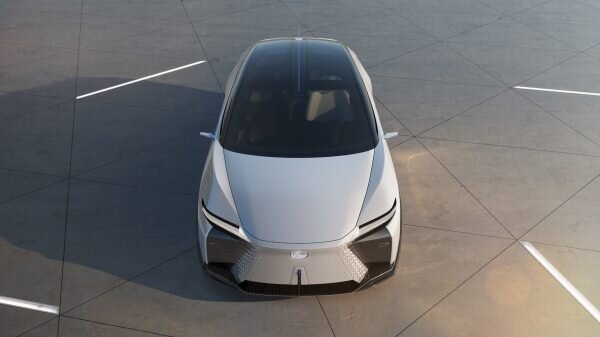
With a cab-rearward design that is unusual for an SUV, the LF-Z Electrified features many of the company’s signature design elements such as the ‘big tick’ headlights and spindle grill, but with new, more modern interpretations.

2021-Lexus-LFZ-0001-600x337.jpg

The interior features a somewhat minimalist design aside from driver-centric cockpit screens. It’s a driver-focused layout, with a mixture of switches on the steering wheel and a head-up display. The rear of the cabin features two bucket seats.

Lexus already has an electric car and it is expected in New Zealand later this year. But it’s a version of the NX, which was designed for combustion engines. LF-Z goes the next step; there’s no sign it will have an ICE powertrain.

The brand says the car sits on a bespoke electric platform, which is almost certain to be e-TNGA, the EV-specific underpinnings on which Toyota will base its upcoming BZ series of models. The first BZ is set to be unveiled within days. 

At 4880mm long and 1600mm tall, the LF-Z Electrified is just 10mm shorter than Lexus’s most popular SUV here, the RX, but the roofline is obviously lower, by 80mm according to the maker. The EV’s wheelbase is 160mm longer, too.

The LF-Z features Lexus’s DIRECT4 four-wheel-drive system and an electric motor set-up producing a total of 400kW and 700Nm of torque – enough to take the LF-Z Electrified from 0-100kmh in three seconds.

Lexus says the battery is a 90kWh lithium-ion unit, and that the LF-Z can travel for up to 600km between recharges. Its maximum recharging speed is 150kW. 

2021-Lexus-LFZ-0002-600x337.jpg

Lexus president, Koji Sato, has announced that the brand’s product refresh will kick in before the end of 2021.

“Starting with two new models to be released this year,” he said.

“We will continue to develop innovative products that will add colour to the diversifying lifestyles of our customers.”

Lexus New Zealand has yet to explain how the impending model roll out will impact on its own operation, but chief executive Neeraj Lala has offered that:  “The automotive industry both globally and in New Zealand are entering a period of once-in-a-century transformation.
 
“In addition to the growing imperative to achieve carbon neutrality for the betterment of the planet customers lifestyles and values are changing and diversifying at a speed previously unimagined.”

2021-Lexus-LFZ-0004-600x337.jpg

“Lexus will continue to lead the luxury market in New Zealand in reducing CO2 emissions and is looking at its future powertrain offerings. By 2025 Lexus plans to introduce 20 new or improved models, including more than 10 electrified models such as BEVs, PHEVs and HEVs, based on the concept of offering the right products in the right place at the right time.“

“Vehicle concepts like the LF-Z Electrified, excite the senses and give you a true feeling of what Lexus and Experience Amazing means,” says Lala.

Since the launch of the RX 400h – the world’s first luxury hybrid electric vehicle – in 2005, Lexus customers have purchased nearly two million electrified vehicles globally, as at the end of 2020. Lexus globally offers nine models of (HEVs) and battery electric vehicles (BEVs) in approximately 90 countries and regions around the world.

“In New Zealand we have seen customers moving to Lexus Electrified product with a 38 percent increase year to date*,” says Andrew Davis, Lexus New Zealand general manager. “Seventy-one percent of these sales are hybrid-electric powertrains.”

By 2050, Lexus aims to achieve carbon neutrality throughout the lifecycle of its entire model lineup – from the manufacturing of materials, parts and vehicles to vehicle logistics, to the final disposal and recycling of older vehicles.

“Lexus has always pursued both performance and sustainability, and through the Lexus electrified vision, will continue to use technology to create a sustainable future while still embracing the enjoyment and pleasure that cars offer customers,” says Lala.

2021-Lexus-LFZ-0006-600x337.jpg


Vette C8 pricing to start at $155k

Distributor’s sharp-edged strategy will surely sting independent importers.

New-Chevrolet-Corvette-Stingray-312383.jpg

CORVETTE’S official distributor has steered clear of thought that its pricing for the new-generation car, announced today, has been tailored to deflate grey importers who have been asking much more for the model.

GMSV official reason for announcing pricing now, and not closer to the car’s late-year arrival, is that it wants to kick off an order bank because supply will be limited.

General Motors will start building the NZ-bound C8s at the type’s famous plant in Bowling Green, Kentucky, in the last quarter of this year with hope some will hit GM Speciality Vehicles’ seven national sales outlets before Christmas.

 Planned or otherwise, the distributor’s Model Year 2022 cars are massively cheaper than left-hook examples that are already here.

GMSV’s NZ plan kicks off with a 2LT Coupe at $154,990 and a 3LT Coupe for $169,990. Those variants also provision as convertibles, carrying a $15,000 premium.

New-Chevrolet-Corvette-Stingray-312384.jpg

There is also a Carbon Edition launch special Coupe that has yet to be priced.

All run a 370kW/637Nm 6.2-litre V8 paired to an eight-speed dual-clutch automatic that drives the rear wheels. The C8 is the fastest Corvette yet, with a claimed 0-100kmh time of three seconds (which some independent testers claim to have bettered). 

At least half a dozen independently imported examples of the car often described as America’s answer to Ferrari and Porsche supercars are presently being advertised by private importers.

These cars – apparently shipped directly from the United States or from Japan, which accepts left-hand drive cars - are being advertised on TradeMe from $200,000 to close to $250,000.  

At least one importer appeared to have slashed pricing today, though not enough to achieve anything equality with the factory-appointed distributor.

Full details of the NZ-market models have not been shared, but GMSV NZ has assured they will not be low spec cars.

For instance, all NZ-bound official product will have as standard a Z51 performance pack and frontal lift that seems to be an option in the United States.

The Z51 package includes a dual mode exhaust, performance suspension with ‘Magnetic Selective Ride Control’ (magnetic active dampers that react and adjust within milliseconds), larger Brembo brakes, electronic-limited slip differential, a front splitter, rear fascia-mounted spoiler, extra cooling provisions and specific rear axle ratio.

GMSV here says it added the features because it recognised customers as performance enthusiasts who will want to enjoy the car to its fullest potential. 

The frontal lift is a push-button technology that lifts the front suspension at the press of a button at low speeds, so the front bumper doesn’t scrape on steep driveways.

The 2LT base model also has a colour head-up display, 14-speaker Bose audio system, the Z51 performance pack and frontal lift. The 3LT and Carbon Edition build off this.

2021-Chevrolet-Corvette-Stingray-Coupe-Convertible.jpg

The latter is based off a 3LT Coupe and will feature hand-picked interior trims, premium wheels and brake calliper package, an exclusive build plate and owners pack.

A spokesman said supply of the car will be constrained for some time, “due to the global popularity of the vehicle.

“Our focus at launch is to ensure that all GMSV dealers in NZ and Australia have an initial first allocation of one Carbon Edition each and one selling vehicle with two additional units available for customer order.

“Following the initial launch stage, further allocations will be available next year. 

“GM has a certain RHD production capacity, so this consideration coupled with significant demand means there is every likelihood that demand will exceed supply.” 

The Corvette nameplate goes back to 1953 but the latest, eighth generation model, is the first to be available as a factory-built right-hand-drive.

It is also the first to feature a mid-engine configuration.

In addition to the Corvette, GMSV has announced a new derivative of the Chevrolet Silverado large utility, the LT Trail Boss. 

Deliveries of the $119,900 model commence mid-year.

As the name suggests, the Trail Boss is designed to be a more versatile off-road product than the LTZ Premium that has already installed in the market.

“LT Trail Boss is purpose-built, born to perform, offering rugged dependability in off-road settings when exploring on the weekend, but is also at home in urban environments during the week,” says GMSV NZ general manager Matthew Taylor.

“It will enable big thrills and big adventures - it’s a way to really enjoy and experience the road less travelled.”

Silverado LT Trail Boss_March 30_MedRes.jpg

The Trail Boss achieve a factory-fitted suspension lift-kit, which increases ride height by approximately 25mm at the front and 30mm at the rear. It also takes a mechanical rear locking differential and 18-inch painted black aluminium wheels. Hill Descent Control, a heavy-duty air filter and protective all-terrain skid plates complement the all-round off-road package.

The driver receives a heated, leather-wrapped steering wheel and, together with the front passenger, enjoys a 10-way power and heated seat.

The vehicle achieves a towing capacity of 4.5 tonnes and runs a petrol 6.2-litre V8 coupled with a 10-speed automatic transmission. 

The column-mounted gearshift selector is a historic throwback – GMSV explains that configuration provides space for a large centre console which acts as a storage chest, capable of hiding away large and bulky items. 

A remote vehicle starter system, consisting of Keyless Open and Start, adds to convenience features.

 Access to the LT Trail Boss was achieved thanks to GMSV’s direct line to Detroit, where the request was made to supply the Australian and New Zealand markets and then remanufacture to right-hand-drive by Walkinshaw Automotive Group.


Fair cop – Superb police car unveiled

New patrol choice’s next duty is field testing, but it’ll be on the beat soon.

Screen Shot 2021-03-29 at 5.17.09 PM.png

 POLICE have shown off their new Skoda primary response vehicle. 

The first Superb station wagon to be fitted out with Police equipment and livery was unveiled by the force’s boss, Commissioner Andrew Coster, in central Wellington today. 

Relating that, for frontline staff, vehicles were a primary place of work, he said the new car - the first European model ever chosen by Police here - was “a safer, more comfortable environment for them while being value for money.”

Police had to go to the market for a new fleet supplier after previous supplier Holden announced it was being discontinued as a General Motors brand.

The Superb, Skoda’s largest car, was selected last November following an evaluation process.

 Police chose two versions as patrol vehicles, a 162KW front-wheel drive and a 206KW all-wheel drive. The car also formats as a large sedan but Police nominated the station wagon, on grounds it provides greater flexibility for deployment and was also preferred by staff.

Seven companies responded to the fleet tender; one of Skoda’s opponents being sister brand Volkswagen, which pitched the Passat, a car on the same platform as the Skoda. VW NZ’s general manager, Greg Leet, previously ran Skoda, but had moved on before this tender was proposed.

Police said each vehicle submitted was tested against rigorous criteria by a team of staff from across policing groups and roles. Criteria included radio interference, performance and brake testing, emissions and service capability and the total cost of ownership.

The car shown off today includes several new prototype features, including internal Perspex barriers for officers’ safety and real-time location information on each vehicle to assist with deployment. These will be field-tested during the vehicle’s initial months in operation.

There are more than 2000 primary response vehicles currently in the Police fleet, all of which will be replaced when they reach the end of their useful life; meaning the Czech-built products will for a while at least run alongside the Holdens (and Fords before that) that have been a backbone for decades. The new contract in fact broke a reliance on Australia-sourced large cars that lasted for 50 years.

Police intend to have 101 Superbs on duty before the end of June with a further 386 scheduled to hit the road by the end of the year.

Vehicles will be initially deployed to training staff in districts and at the Royal New Zealand Police College in Porirua. 

The full roll out is expected to take four years. One requirement from Police for the winning contractor is for it have a strong service network - a cinch for Holden (and Ford), as they had significant-sized franchise set-ups. Less so Skoda.

While the Skoda dealer network has not increased, the brand’s general manager, Rodney Gillard, has appointed more service agencies over the past year, mainly to cater to the Police requirement for quick turnarounds of frontline fleet cars.

Screen Shot 2021-03-29 at 5.17.46 PM.png

Police say the cars also stood out because the engines had lower CO2 emissions counts than cars they already used, though in both instances the factory-cited outputs are still well above the 105 grams per kilometre average that the Government hopes to instil soon.

Coster says Police are committed to reducing their carbon emissions even further “and, as part of our 10-year plan to achieve an emissions-free fleet, we’ve begun discussions with Skoda around what opportunities there may be in the future.

“While not currently a viable option for our fleet, hybrid technology continues to develop and open up further opportunities.”


Outback recalls averted

Brake booster and pre-collision system glitches checked out before cars hit retail network, distributor says.

Press Imagery_2021 Outback 6.jpg

SWIFT distributor action has kept the redesigned 2021 Subaru Outback from being subject to recalls that have disrupted the car’s release across the Tasman.

Two actions have been notified for the car, both with potential to affect its normal operation, and relate to electronics.

One is to with a potentially problematic electronic brake booster and other, related by the brand today, is a fault with the pre-collision braking system that may see it activate unexpectedly.

The latter issue is caused the company's factory in Japan to issue a "stop-delivery" notice for the car in Australia.

Subaru New Zealand, which launched the model just last month, says it was able to check and remedy its stock before it hit the retail network.

The pre-collision system remedy was a software update. Cars within a suspect build run for the brake booster were checked out.

A spokeswoman for SNZ said customers were not impacted.

The brake booster action was “fortunately a bit of a non-issue in NZ, it has affected a very small amount of initial supply.” 

With checks being undertaken before the cars entered the retail network, “… it actually has not affected the vehicles or supply in Aotearoa.”

The notice in respect to the electronic brake booster says it may not have been set up correctly. 

This could result in the cruise control not working, the stop light staying on at all times, and the battery going flat.

It suggests drivers may also find they need to apply greater pressure to brake the car and stopping distances may be longer. A fix takes under two hours to effect.


End of the line for Mondeo

The car whose name was determined to engender a sense of world-wide belonging has been dropped.

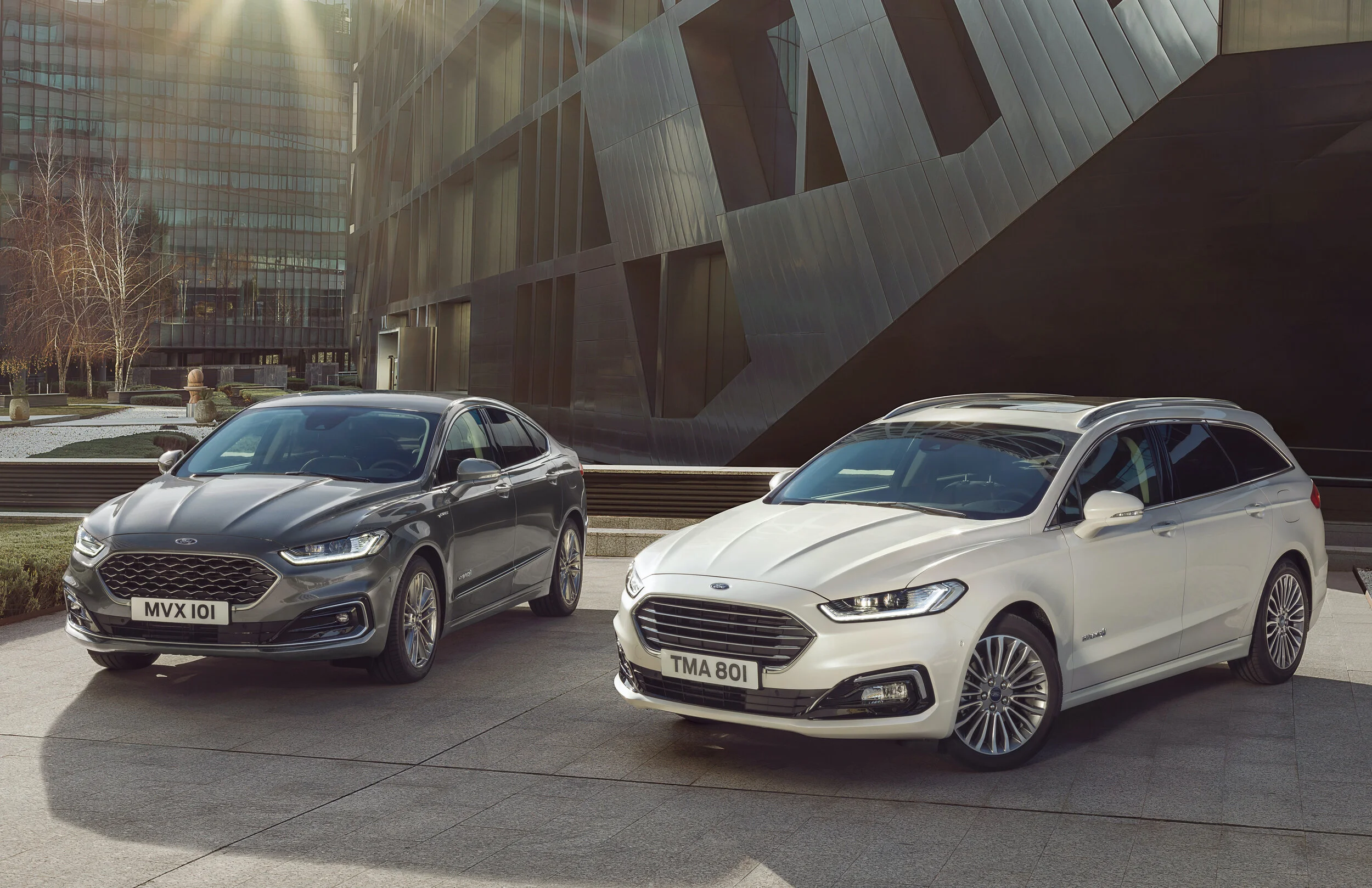
2019FordMondeo-Hybrid_04.jpg

ALREADY pulled from New Zealand, now set to leave every other market.

So it goes for the Ford Mondeo, set to die in 2022 after 29 years with no replacement planned, the Blue Oval having determined to focus instead of sports utilities.

Ford NZ has confirmed its stock essentially ran out at the end of 2020. The car’s final representation here was in petrol EcoBoost and 2.0-litre turbodiesel hatch and wagon formats, with a petrol hybrid sedan also availed as a special order unit.

All those models will go out of production in Europe in March 2022, when the nameplate is also set to be retired for good.

Mondeo launched in 1993 and ran for five generations, with five million built. The nameplate was derived from Latin mundus, meaning ‘world’.

It was thought Ford was hatching plans to replace the Mondeo with a croosover style vehicle. That car is coming, but with a different nameplate.

 Blaming "changing customer preferences" for the decision, Ford Europe said it was “evolving our passenger vehicle range in Europe to meet changing customer needs as we move to an electric future”.


R assault ticks Tiguan over Golf wagon

The quickest and most powerful production Golf in the model's history will arrive at year-end in hatch form … but don’t hold out for the wagon. Or Drift mode.

DB2021AU00058_large.jpg

 FAST wagon fans need quell their enthusiasm for the load-all variant of the Golf R that seems set to join the traditional hatch later this year.

While the next-gen five-door hatch – the most powerful in the type’s lineage - is definitely a starter for New Zealand, the wagon will not be, Volkswagen New Zealand has decided. 

Some of the local market R strategy was revealed at the recent national media event for the mainstream Golf 8.

In addition to confirming intent to have the R hatch here in December, the national distributor has confirmed the car coming here won’t achieve the ultimate pep package conceived for Europe – the R Performance set-up whose features include drift mode and a higher top speed that removes the 250kmh  limiter. 

The wagon is also off-limits.

VW NZ staff acknowledged that there will doubtless be some revheads here keen to sample the wagon derivative that, in VW-speak, is traditionally known as the Variant. 

However, assuming the edition will be made in right-hand-drive and that it might be okayed for delivery to our market, the general feeling is that there just will not be enough fans to make it worthwhile.

They say previous attempts with the Golf in that format, including one that had significant stonk, never really paid off.

Also tempering their thought is that they have this time signed off on another like-sized and same-powered beast able to cope with the same burdens as the trad wagon.

The Tiguan R, which is also going to be here late year and is the first of is type, will be every bit as pugnacious. It packs the same turbocharged 2.0-litre engine in identical 235kW and 420Nm tune as the Golfs and also sends that kapow to all four wheels, via a dual clutch gearbox. It’ll probably be even more practical than the Golf wagon, and it has an off-roading element absent from the wagon.

DB2021AU00060_large.jpg

The Golf R wagon has become a subject of interest because it has recently been spotted testing in essentially undiguised form. 

In terms of the styling, there are very few changes from the R hatchback, which differentiates from GTI and ‘base’ Golf Mk8 models by taking a restyled front bumper, larger side skirts, a more aggressive rear diffuser, quad exhaust tips, a larger rear spoiler, a blue-accented LED light strip across the front fascia and a slew of R badges.

The interior is expected to follow the hatch formula, so there would be R-badged, nappa leather-trimmed sports seats, a flat-bottomed steering wheel (with an ‘R’ button for easy access to Race mode), metallic pedals, paddle shifters for the DSG and blue contrast stitching throughout the cabin.

The 10.25-inch digital instrument cluster and available 10-inch infotainment touchscreen mirror that of the wider Golf range, aside from a selection of R-specific displays for the instruments.

It’s expected the R wagon will sit 15mm lower than the standard Volkswagen Golf wagon – the hatch hunkers down 20mm lower than the regular hatch - and will feature the hatch’s adaptive dampers (VW’s Dynamic Chassis Control) and a louder Akrapovic exhaust system.

The Golf R in both formats and the Tiguan R all benefit from a common new-generation, Haldex-type all-wheel-drive system featuring R Performance Torque Vectoring that allows up to 100 per cent of the engine’s torque to be distributed between the front and rear axles, or between each individual rear wheel, in milliseconds.

Volkswagen claims a 0-100kmh sprint time of 4.7 seconds for the hatch. The Tiguan and wagon are set to be a bit slower, as result of being heavier products.

The R versions benefit from the same ‘Vehicle Dynamics Manager’ system as the lesser GTI, which controls the ‘XDS’ electronically-controlled front locking differential, ‘DCC’ adaptive dampers, all-wheel-drive system and other electronics systems in tandem to sharpen driving dynamics.

DB2021AU00064_large.jpg

Had NZ taken the Performance pack, the car would come with a top speed of 270kmh, larger wheels and a larger rear spoiler, plus two extra and new drive modes additional to the regular car’s Comfort, Sport, Individual and Race modes.  

One is ‘Drift’ and the other is ‘Special’, which softens the adaptive dampers to cater for the undulating surface of the Nurburgring Nordschleife – enabling the Mk8 Golf R to shave 19 seconds off its predecessor’s lap time around the demanding circuit, to a time of 7 minutes 51 seconds.

The photos of the R hatch skidding up were released last week by Germany to showcase showcase that trick new all-wheel-drive, the rear differential … and that 'Drift' mode.

Under the skin, the new Golf R sits 20mm lower to the ground than standard Golf models, thanks to retuned suspension with 10 percent stiffer springs, revised control arms and wheel mounts, increased negative front camber, and unique anti-roll bars.

Filling the arches are 18-inch alloy wheels, 19-inch units wrapped in Michelin Pilot Sport Cup 2 performance rubber likely to be an option. Hiding behind the alloys is a set of larger performance brakes, measuring 358mm up front and clamped by two-piston aluminium callipers.

Sixty percent lighter brakes shave 1.2kg of unsprung mass off the car’s kerb weight, complemented by a further 3kg loss thanks to a lighter aluminium subframe.

NZ is said to support a healthy count of Golf Rs, starting with the first of the breed, the VR6-powered Mk4 Golf R32 of 2003.

DB2021AU00063_large.jpg