
Wey open for MPV-favouring fan base
/Luxury MPV will be niche, but still a safe bet given likely customer familiarity.
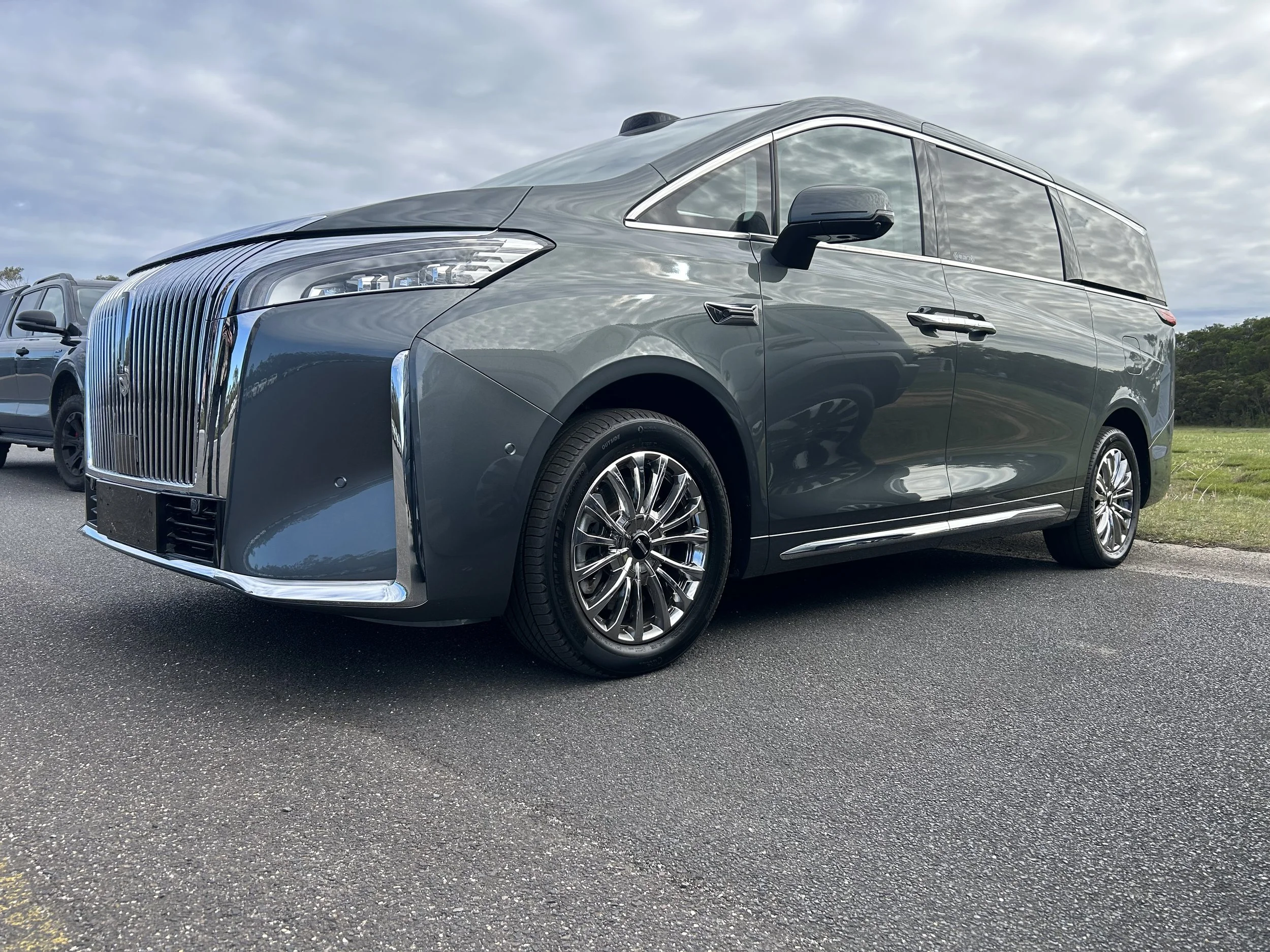
CHINESE and Japanese people resident in New Zealand stand to be first harvest customers for Wey because they have highest familiarity with its initial product, a plush people mover.
However, aspiration to cement as the most relevant of China’s premium car makes means the range of product will broaden well beyond that seven-seater seeding product, in order to tailor to a much wider buyer base.
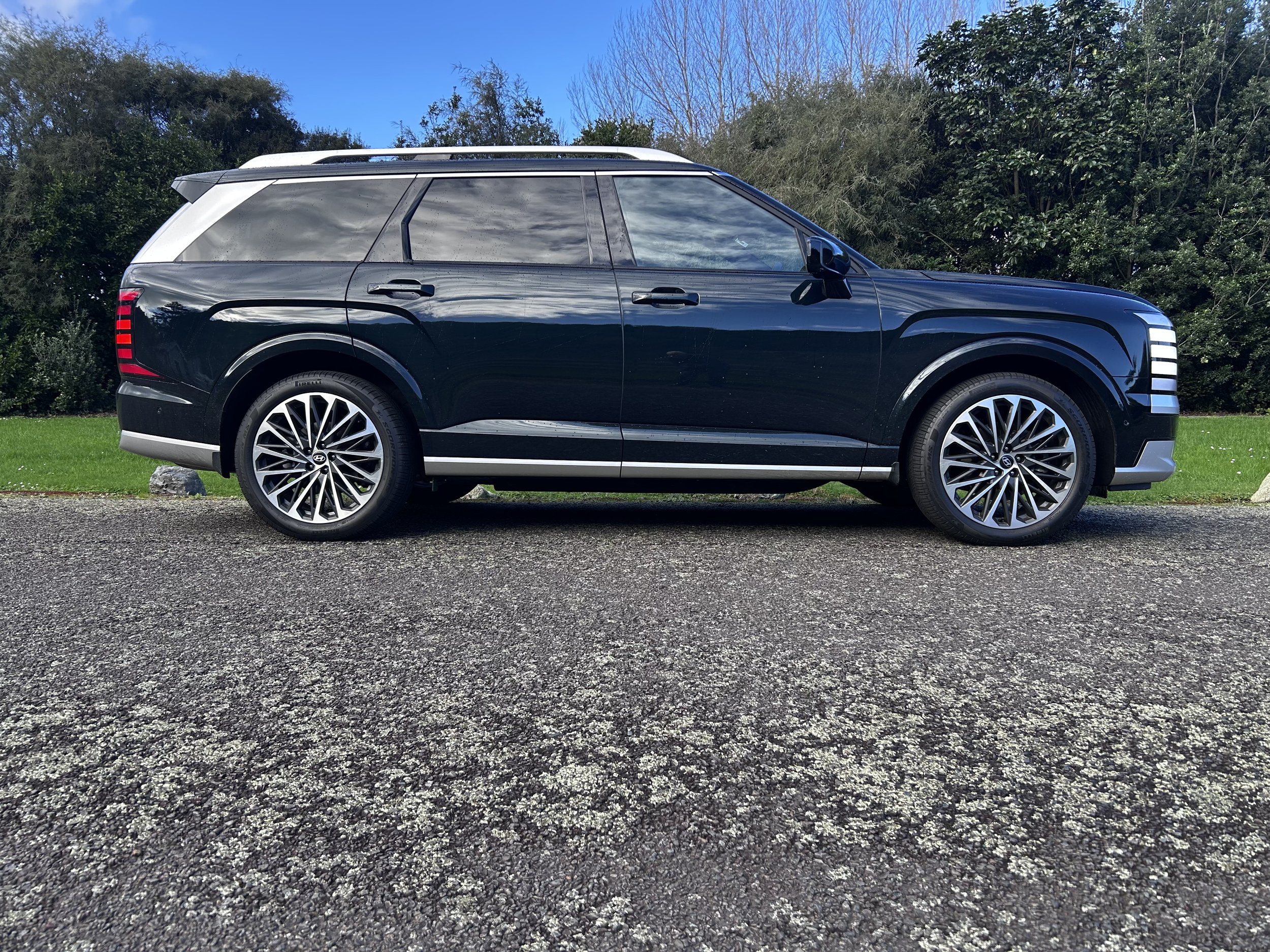
Accordingly much store is being put into two sports utility wagons, also highly likely to show either concurrently with the G9 ‘Gaoshan’ luxury people-mover (above) that’s introducing Wey in the second half of 2026, or very soon after.
Cameron Thomas (below), who as GWM country manager will set out the process of establishing Wey here, is not surprised the first model the premium performer has confirmed is a type of product that hasn't seen much action here since the days of the Toyota Previa.
While multipurpose vehicles have fallen from established industry players’ product portfolios, they’re all the rage with the Chinese brands.
Within Asia, but in China in particular, that type of vehicle is firmly established there as the in-choice for luxury transport.
Large and highly glammed MPVs are easily preferred over the highly trimmed SUVs and luxury super-sedans that have historically sold more easily here. They are significant earners too, with three million sold in their home market in 2024.
The G9 will be one of several here in 2026; sizing up - but not necessarily directly pricing against - the like-shaped and configured $150,000 Zeekr 009 that is coming via the Giltrap Group’s NordEast network, and potentially a model from GAC, another new to Kiwis outfit soon to set up here.
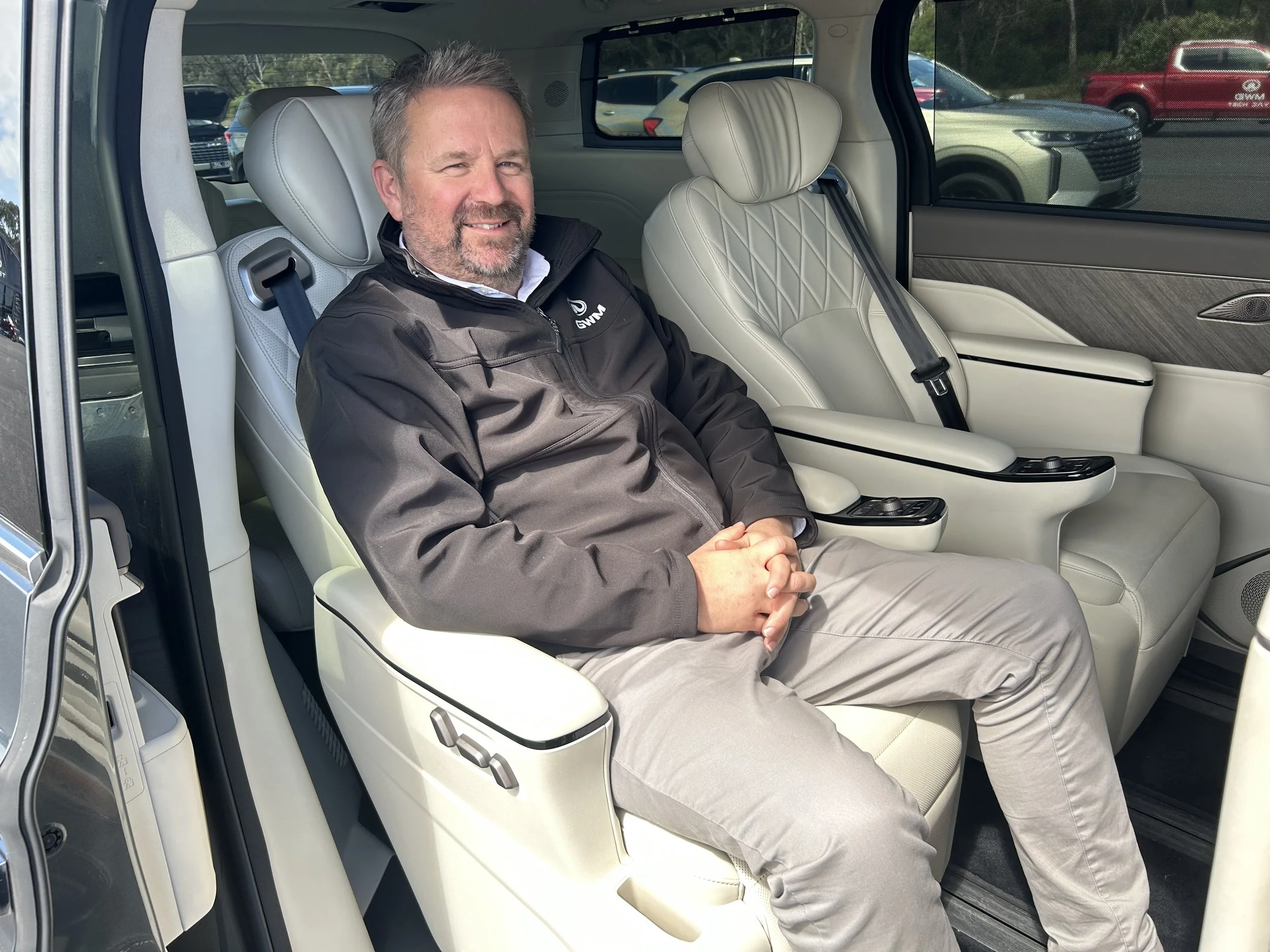
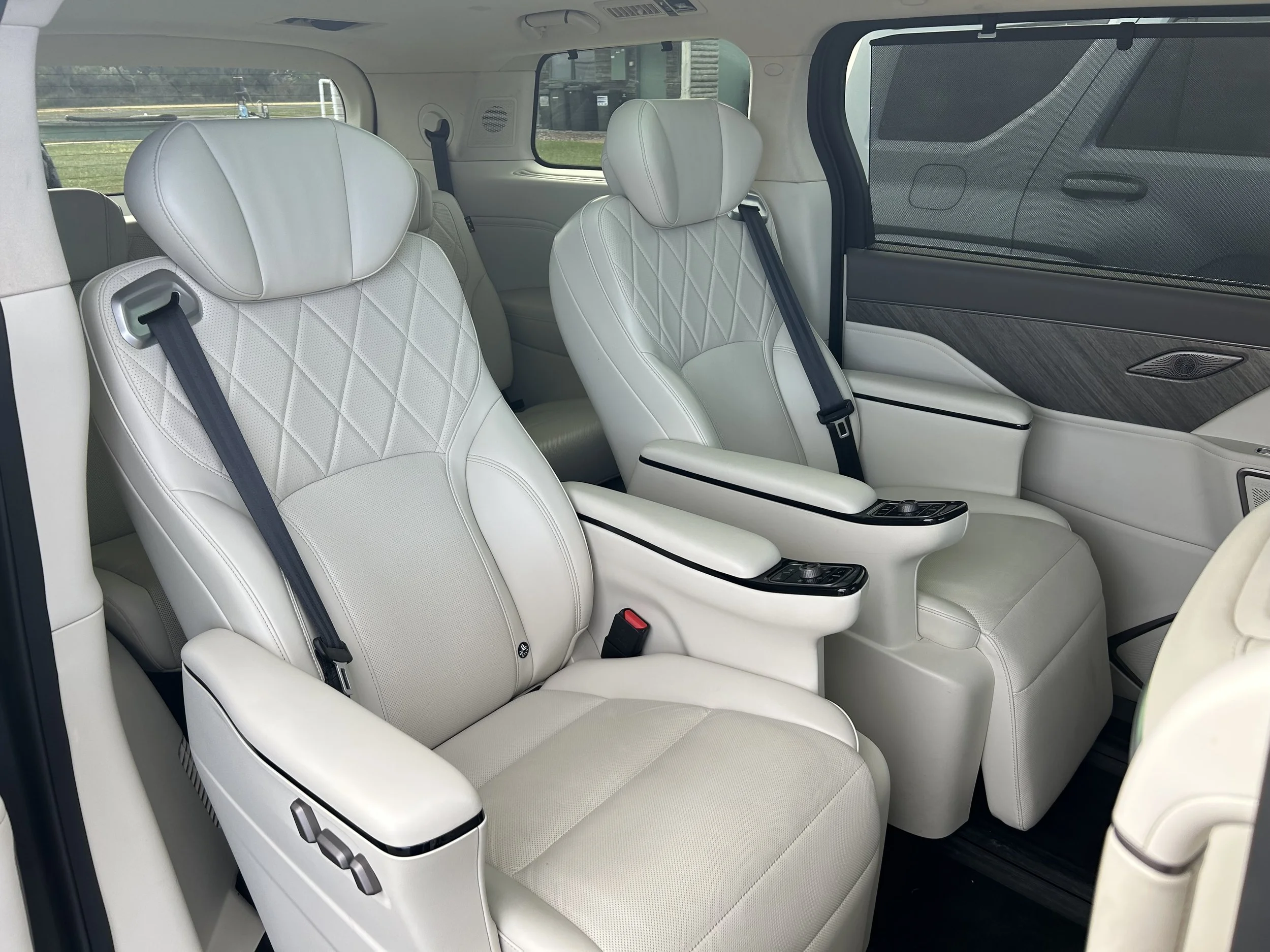
Does Thomas imagine Kiwis who have historically shopped for high-end Audi, BMW, Mercedes and Lexus sedans and SUVs will transition naturally to the super school run slabs loaded with fold down big entertainment screens for the mid and back rows, reclining leather second-row captains chairs and ottomans, and high-end audio and multi-way air con systems?
Not straight away. But he senses there will be strong demand from the Asian community which has already been resourceful in laying hands on these kinds of vehicle via used import channels, but would prefer brand-new choices and are keen to spend big.
“There is definitely appetite for it. From our Chinese customers within New Zealand, our Japanese customers in New Zealand, they have a strong desire for this type of product.
“So whether it's going to be massive volume is yet to be seen, but there's definitely some demand there.
“At the moment we are still undertaking analysis of where it (Wey) is going to go and how it's going to be set up and what we're going to bring.
“But there are three products that are being looked at … I can't talk to two of them, but one is the people mover and the other two are SUVs, but it's still in the early days.”
The G9 was on hand at the GWM technical days event in Melbourne and at the Lang Lang proving ground outside of the city. The example shown was in China market specification, but seems closely related - if not identical - to what will come on sale in respect to spec, and the drivetrain will not alter.
GWM has embargoes driving impression stories until October 13 but, as the time at the wheel lasted just a few minutes of steering around a road circuit, there was little to relate.
The point of difference with Wey is that it will wholly centre on plug-in hybrid (PHEV) powertrains.
GWM senior executives expressed believe Wey will be well-placed to respond to growing demand for plug-ins as a halfway house between combustion engines and fully electric vehicles.
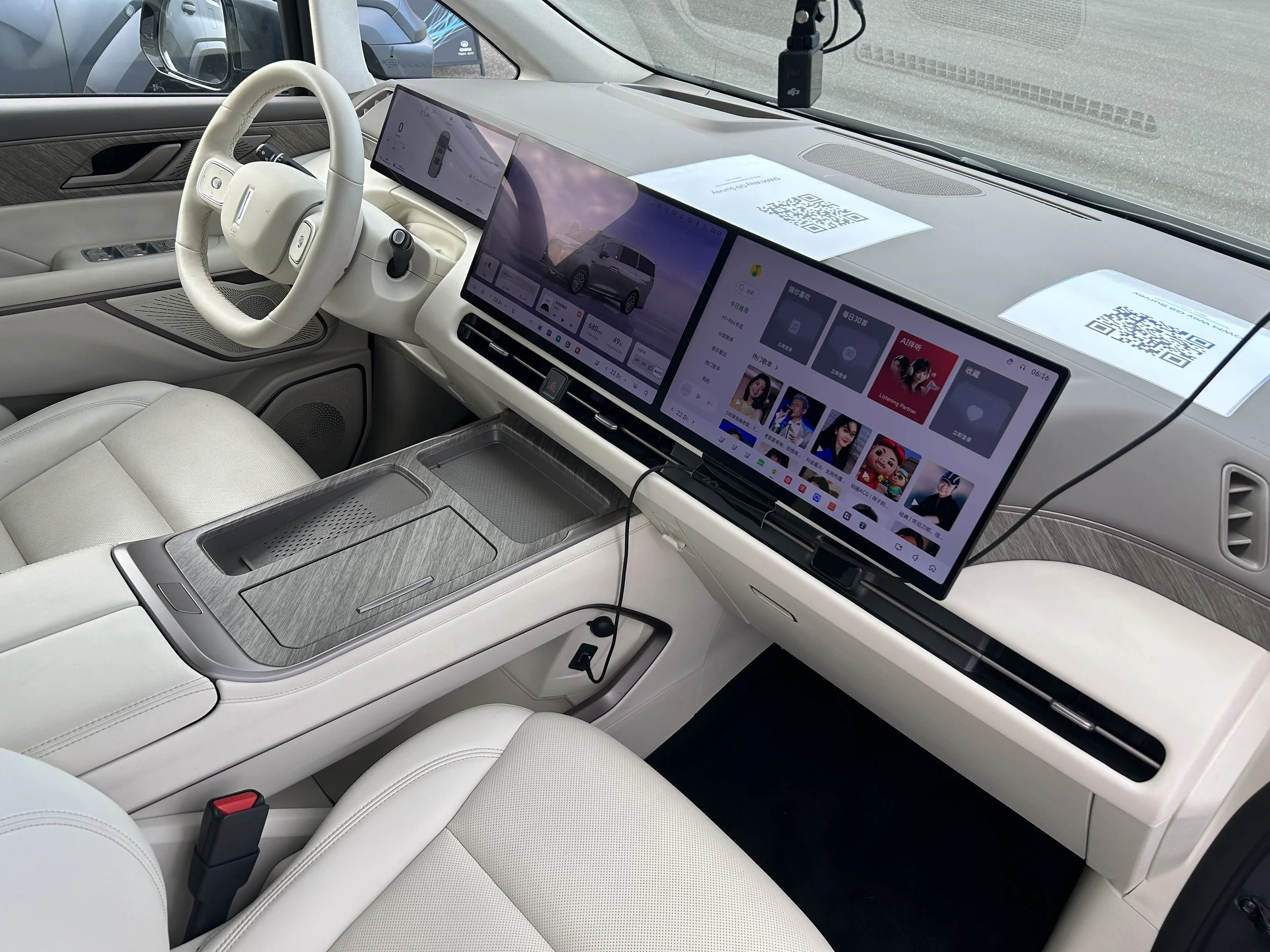
For G9 that means a 1.5-litre turbo petrol four-cylinder engine with two electric motors to deliver system output of 358kW/762Nm while promising an EV-only driving range of about 140km.
The SUVs have been identified by media reports out of Australia as the Blue Mountain/Lanshan and the Mocha, respectively large six-seat and medium five-seat models with off-road capability.
The Blue Mountain employs a similar 1.5T/dual-motor PHEV configuration as the G9, and has the same EV-only range, but output rises to 380kW/933Nm. An overall driving range exceeding 1000km is cited.
There’s talk that both might soon migrate to GWM’s new-gen Hi4-Z high-performance PHEV system offering more power and up to 200km electric range.
Exactly how Wey will be sold here has yet to be fully established.
In all probability, not all GWM dealers will have it. Sentiment is that it will likely start in main centre outlets to start with.
GWM China has no expectation of Wey requiring a bespoke showroom, but when it does site with Haval, Tank, Cannon and Ora it will locate to a clearly defined sales space.
Says Thomas: “We'll be looking at whether it's shared within existing dealerships, which is most likely going to be the outcome.
“There would be full separation, maybe not in terms of walls, but separation in terms of areas within the dealership.
“We'll have to work through plans in terms of the customer experience and how that would differ to the mainstream product.”
Establishing a luxury marque is challenging, he agrees, but being a brand with no historical reference to much of the customer base is not an incumbrance that it might have been in the days when Lexus, for instance, set up shop.
The world is better connected and better informed now. Plus Kiwis have shown little reservation so far about accepting Chinese brands.
“When GWM and some of our competitors started, there was no brand recognition, no history there either. I think the New Zealand consumer is more accepting of Chinese brands now than what they were probably even two or three years ago.
“So getting the experience with the mainstream product around the level of refinement and luxury and technology and then moving that onto to the premium side, I think there's certainly opportunity.
“Whether it's big or small? Time will tell. Whether you can win some of the traditional premium players coming across into that segment? Time will tell as well.”
Despite Wey’s planned upmarket positioning, GWM insists regional pricing will remain relatively accessible compared to rivals.
The Australian arm of the distribution network has considered reaction to the Zeekr and the Lexus LM, which are already in Australia and sell north of $A100k there.
“Comparing what other brands may be doing in the (minivan) space at six figures, we don’t believe that is where the vehicle should be priced for us,” GWM’s regional public relations manager, Steven Maciver, related during this week’s GWM tech conference in Melbourne.
“We don’t know exactly what that (price) looks like, but we are pretty confident we are not going to be at six figures.”
Notwithstanding their interest in the Blue Mountain, GWM regionally still seems invested also in the Tank 700 (below), a similar sized - again, just over five metres long - but more robust SUV.
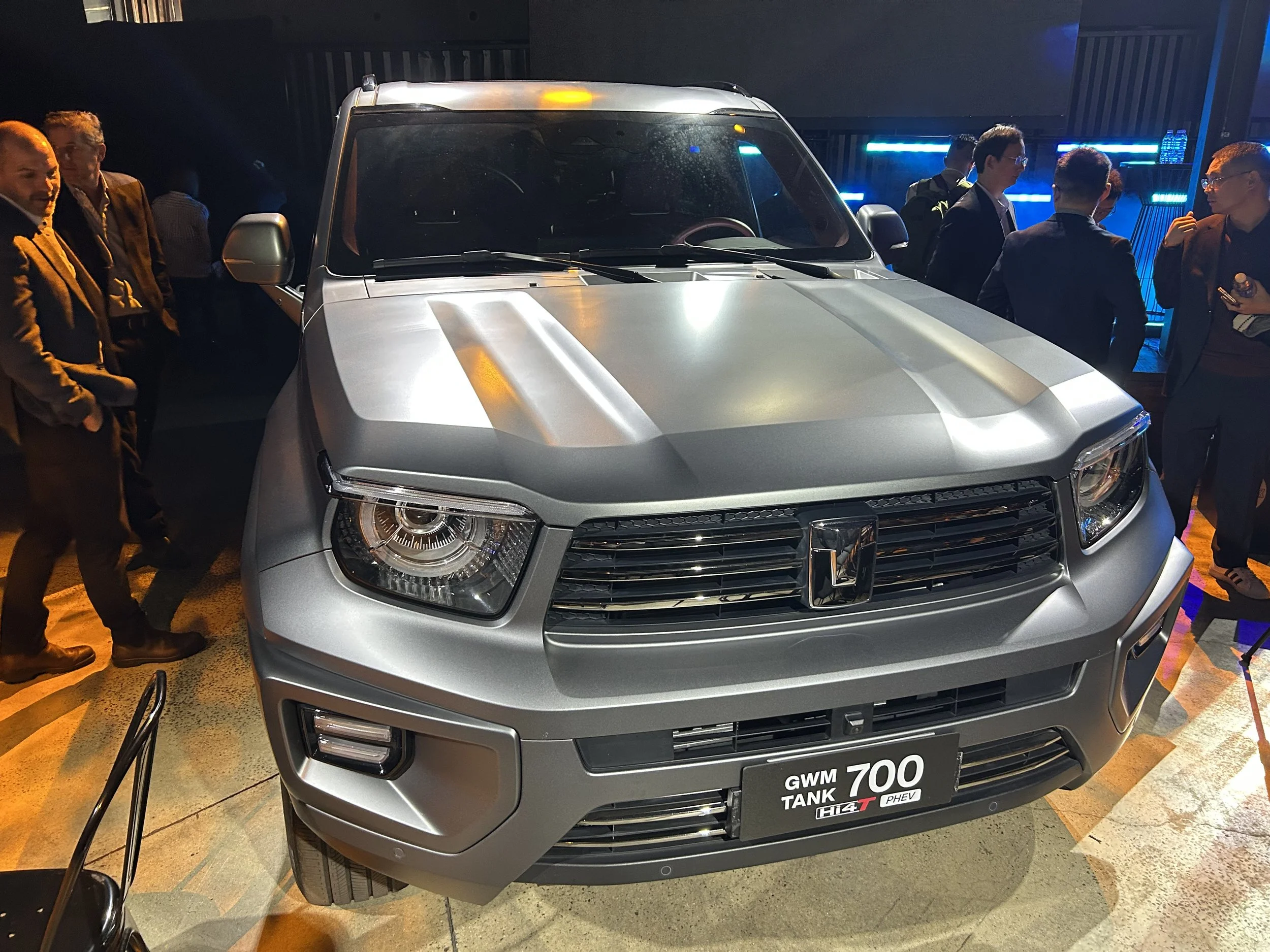
It places on a heavy-duty ladder-frame underpinnings instead of the Wey’s monocoque and has three locking differentials, low-range capability, adjustable air suspension, and a rear sway bar disconnect.
The 700 was among demonstration vehicles at Lang Lang, again in China market spec, meaning left hand drive and with a 385kW/800Nm turbo-petrol V6 plug-in hybrid.
However, it seems likely that for export it will outfit with two other choices; a 4.0-litre twin-turbo petrol V8 plug-in hybrid and the new 3.0-litre turbo-diesel four-cylinder which has been confirmed for the Cannon Alpha ute.
Thomas says he would love to have the 700 here and see it better serving in petrol hybrid than in diesel.
“It’s something that is under review. It's an exciting looking product and that's something we’ll continue to look at.
“We’ll look at both (powertrains) and see which one we thought was going to be the best for our market.
“My personal opinion would probably be the petrol, but we'll probably just get a bit of customer insight into that before we made any decision on it.”