
Seatbelt fail sees freeze on Fronx
/Safety auditor determining single star score for compact SUV is deja vu for Suzuki NZ.
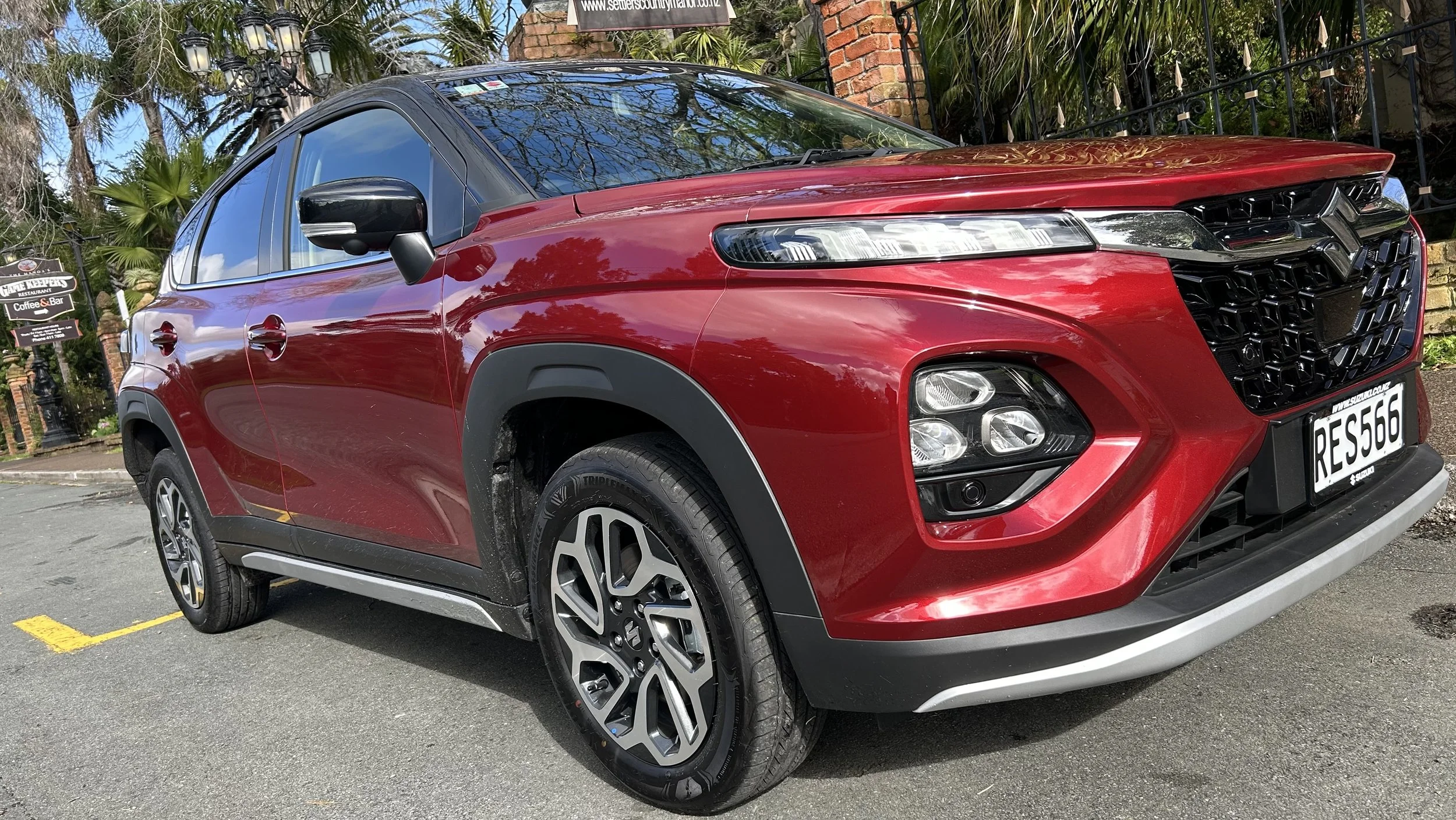
ANOTHER Suzuki popular with Kiwis has fallen foul of the national crash test auditor - this time by revealing a seat belt fault that has seen sales halted.
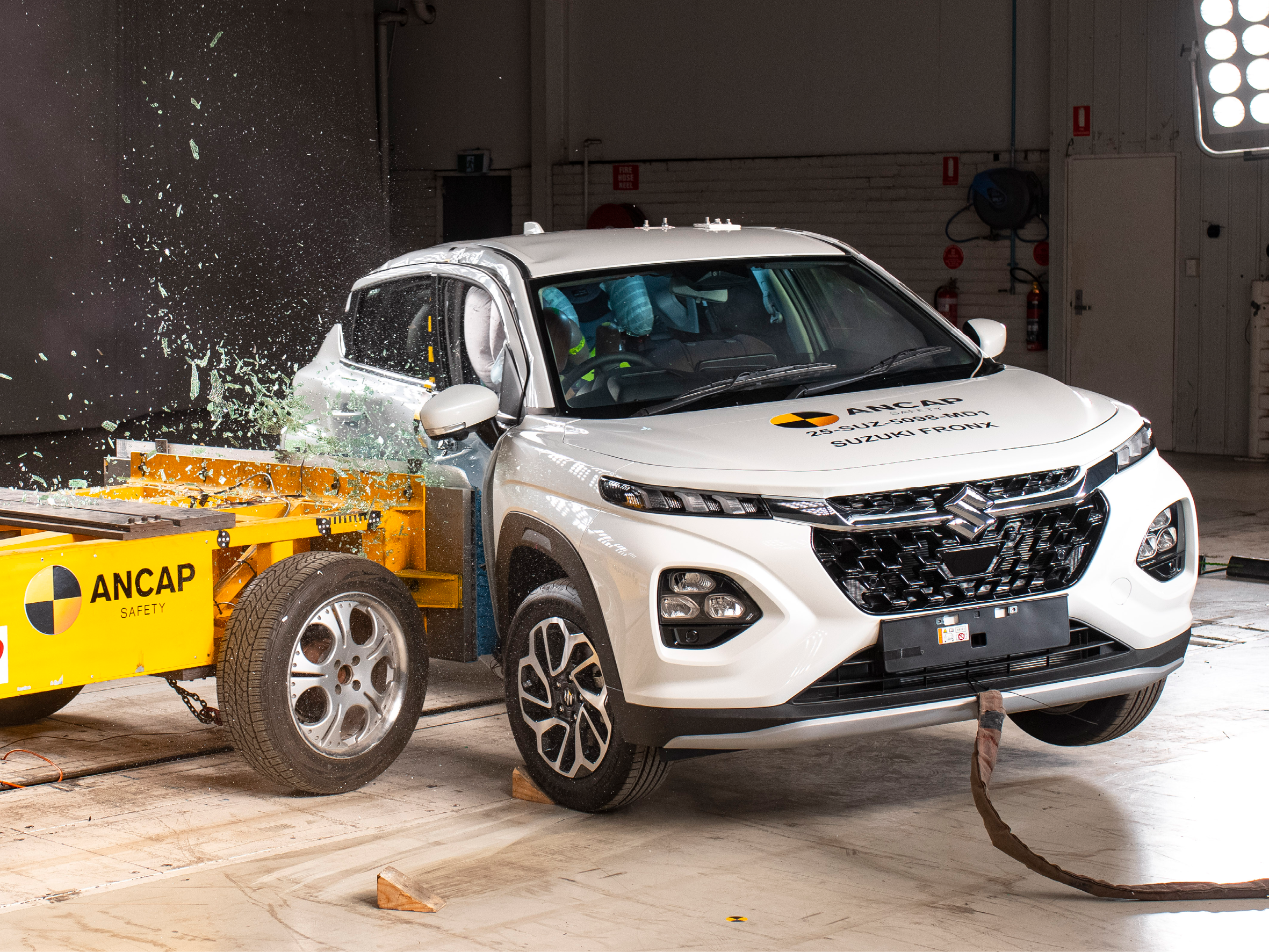
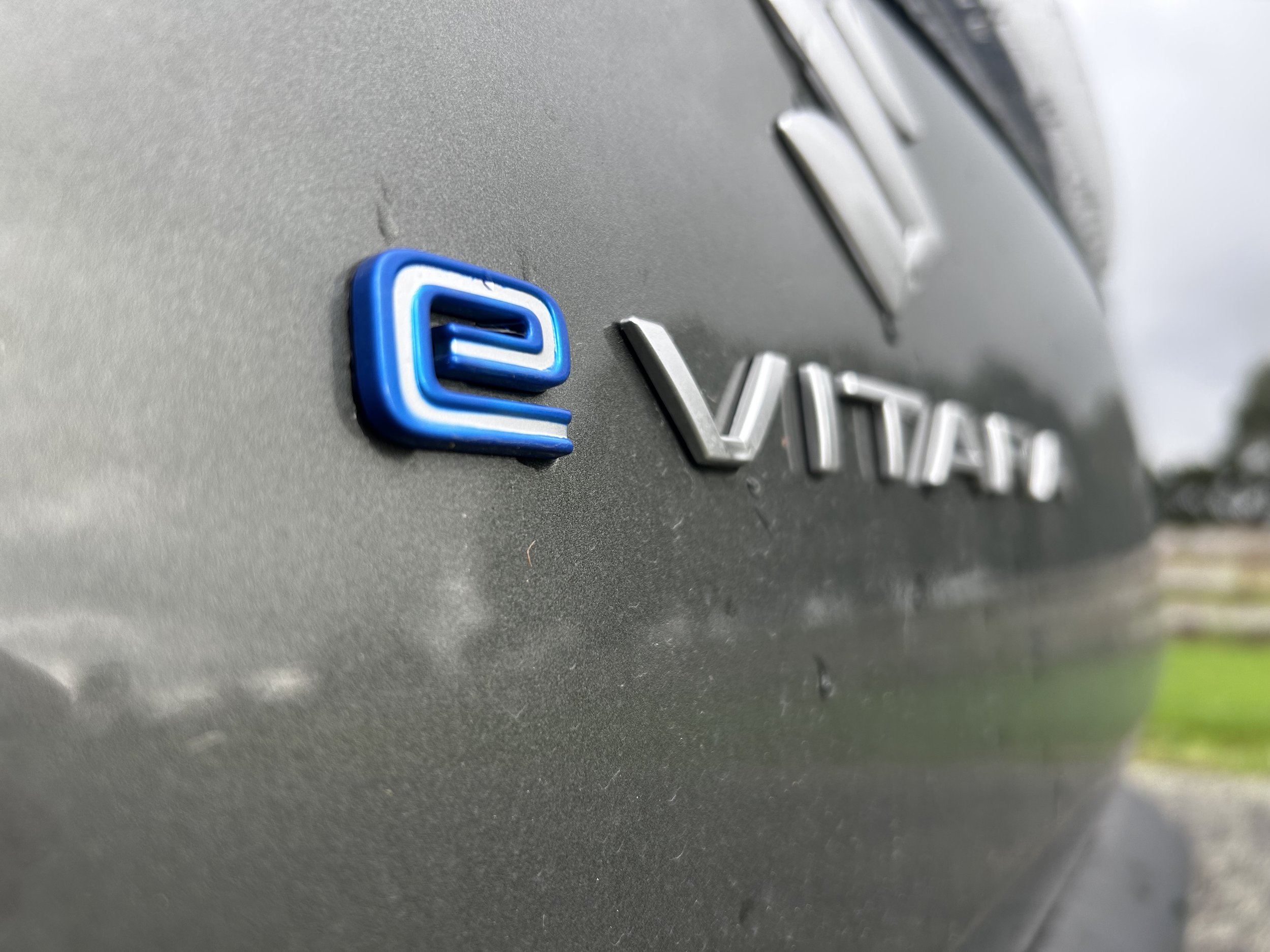
This time it’s the Fronx compact sports utility that has earned the same poor rating of a single star, out of a possible five, initially meted the Swift small hatch this time last year.
With the Fronx, the score from Australasian New Car Assessment Programme - the Melbourne-based independent tester that is New Zealand’s recognised authority - comes with warning not to carry passengers in the rear seat.
This is because during ANCAP’s evaluation a seat belt mechanism failed in the model, which has been on sale here since July and accrued 1115 registrations in that time.
Suzuki NZ has stopped sales of the Fronx and is contacting vehicle owners to provide them with further information.
ANCAP says the issue is the primary reason why the five-seater, built in India, received one star, but has indicated other concerns also emerged.
In a report today it said: “Importantly, the one star rating reflects the Fronx’s overall crash performance - particularly the performance of its structure and restraint systems - and is not a consequence of the separate seatbelt component failure.”
A single star score implies a vehicle offers minimal crash protection and generally signals it lacks essential modern safety features. Cars and light commercials considered the safest here have five stars.
Suzuki New Zealand has yet to comment, but for the Whanganui-based brand it is a deja vu.
This time last year its most popular model, the Swift, also sustained an ANCAP one star.
That assessment was subsequently raised to three stars, after review conducted in July in wake of the maker improving Swift’s design. But ANCAP makes clear only Swifts built from September onward have three stars.
Suzuki has been particularly sensitive to ANCAP - some of its older cars no longer have ratings and Fronx launched without one.
Like Swift, Fronx seems to have been particularly popular as a retiree and first owner car.
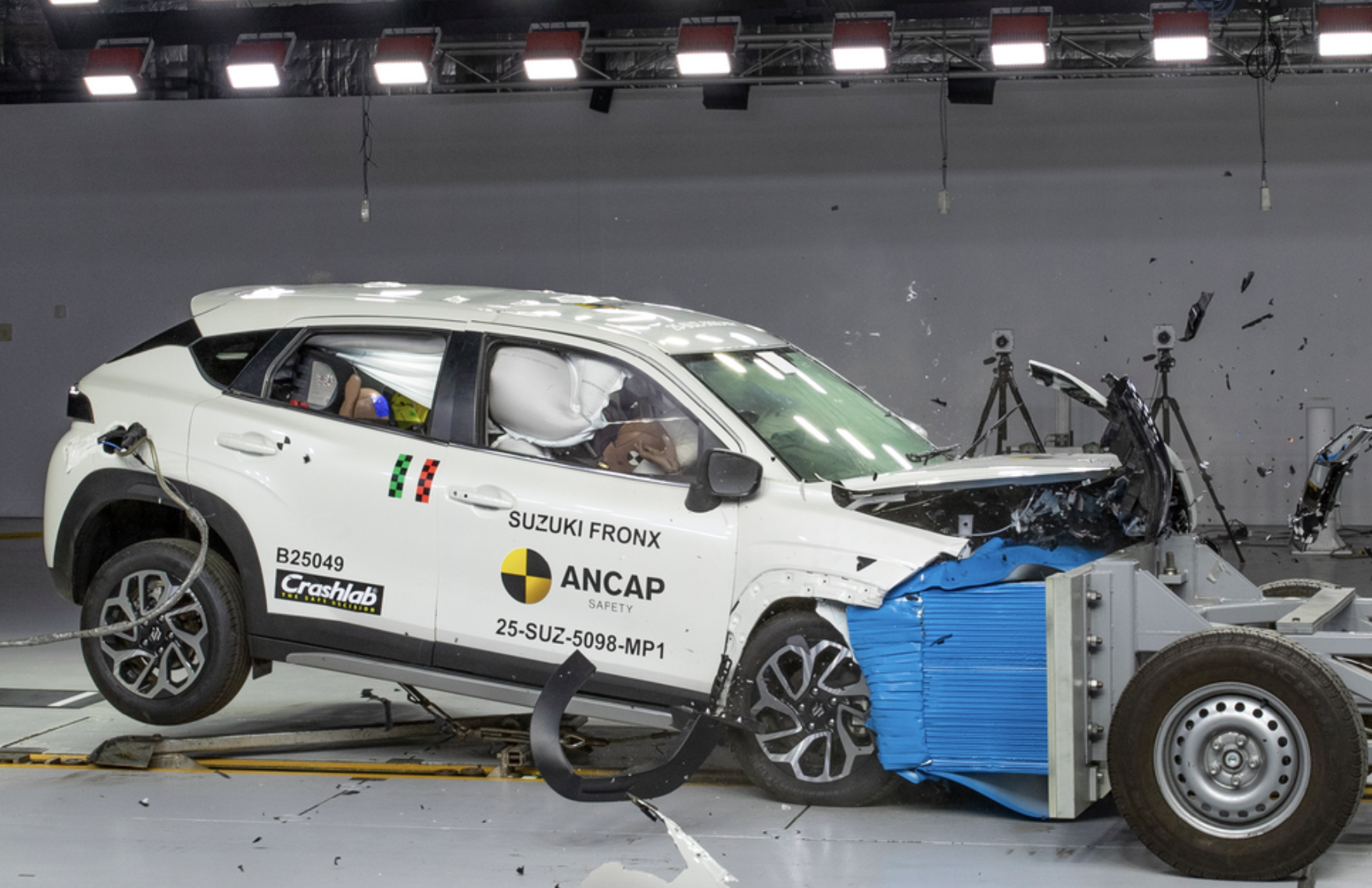
ANCAP’s report said the rear passenger seatbelt retractor failed during the full-width frontal test, which simulates a head-on collision.
This resulted in an uncontrolled seatbelt release where the rear dummy became unrestrained and struck the rear of the front seat.
Government vehicle safely regulators in New Zealand and Australia had been notified.
“It is ANCAP’s view that adult and child passengers should not travel in the rear seats of the Suzuki Fronx until the reason for the failure has been determined and relevant rectifications have been carried out,” ANCAP said.
NZTA - NZ Transport Agency Waka Kotahi - says the failure of the component is of “significant concern” as a similar failure in an on-road crash could result in serious injuries or death for passengers sitting in the rear seat.
NZTA says its officials have met with Suzuki NZ to encourage the company to address the issue, including considering enacting a recall.
“Whether further regulatory action is required will depend on what steps Suzuki takes to address the issue. NZTA is advised that Suzuki NZ has stopped sales of the Suzuki Fronx in New Zealand.”
Suzuki NZ’s website says “this car is currently unavailable.”
ANCAP said the car performed poorly in key crash tests and low levels of occupant protection for both adults and children.
It delivered poor levels of occupant protection for both adults and children. In the full width frontal test, excessive chest loads were recorded for the rear passenger, exceeding ANCAP performance thresholds and resulting in the score being capped under ANCAP assessment protocols.
Key body regions of both the 10-year-old and 6-year-old child occupants were also capped at zero points, due to high head acceleration and excessive neck tension.
The seatbelt retractor’s failure resulted in an uncontrolled seatbelt release where the rear dummy became unrestrained, allowing it to strike the rear of the front seat.
“While the component failure is serious, the vehicle had already received zero points in the full width frontal test before the failure occurred, due to the high chest load recorded,” ANCAP says.
ANCAP Chief Executive Officer, Carla Hoorweg, said the seatbelt component failure was rare and serious.
“What concerns us is that this particular vehicle could have been purchased by an ordinary consumer, and in an on-road crash this failure could have had serious consequences for the person sitting in the back seat.”