
Government VIPs staying Seven sweet - but with electric
/Prolonged move from diesel to battery for Crown duty appears to have finally wrapped up.
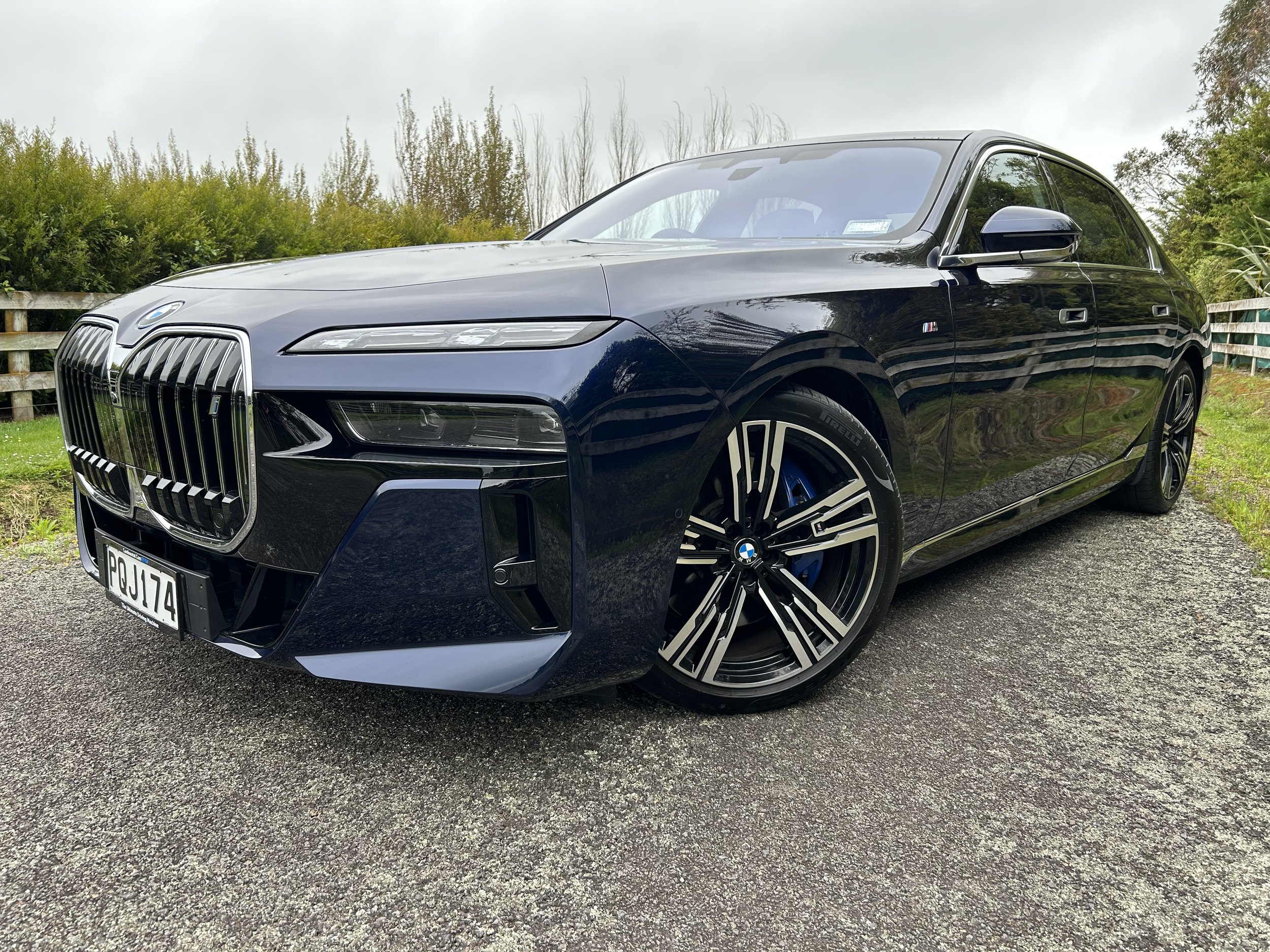
EFFORT by BMW to entice Government to take its Crown limo fleet into the electric age - a pitch revealed by this website in 2023 - seems to have reached successful conclusion.
Ten i7 xDrive60s are being bought to chauffeur ministers and visiting VIPs; half as many as in the nose retiring fleet of diesel Seven Series limos.
A budget of $5.7 million, spread over four years, will also buy 19 more economical vehicles for other Crown fleet duties. But introduction is beginning now.
This is according to newly released Government information.
The story of Government’s interest in the electric Seven goes back to the start of 2023, when the car launched nationally for $276,900. That’s $14,000 less than it now costs.
BMW NZ’s then boss, Adam Shaver, shared during the press introduction that then Labour Government, whose policies prioritised electric cars, was sampling the model, with consideration to buying.
That admission earned a swift rebuke from the Beehive and the brand’s regional office covering New Zealand and Australia also seemed embarrassed over ensuing days.
The brand then went quiet. The Ministry of Internal Affairs also reacted warily to requests for information.
In October came the General Election, and a change to a new Government with much less enthusiasm for supporting EVs; with withdrawal of rebates and introduction of Road User Charges, the whole market has since slumped considerably.
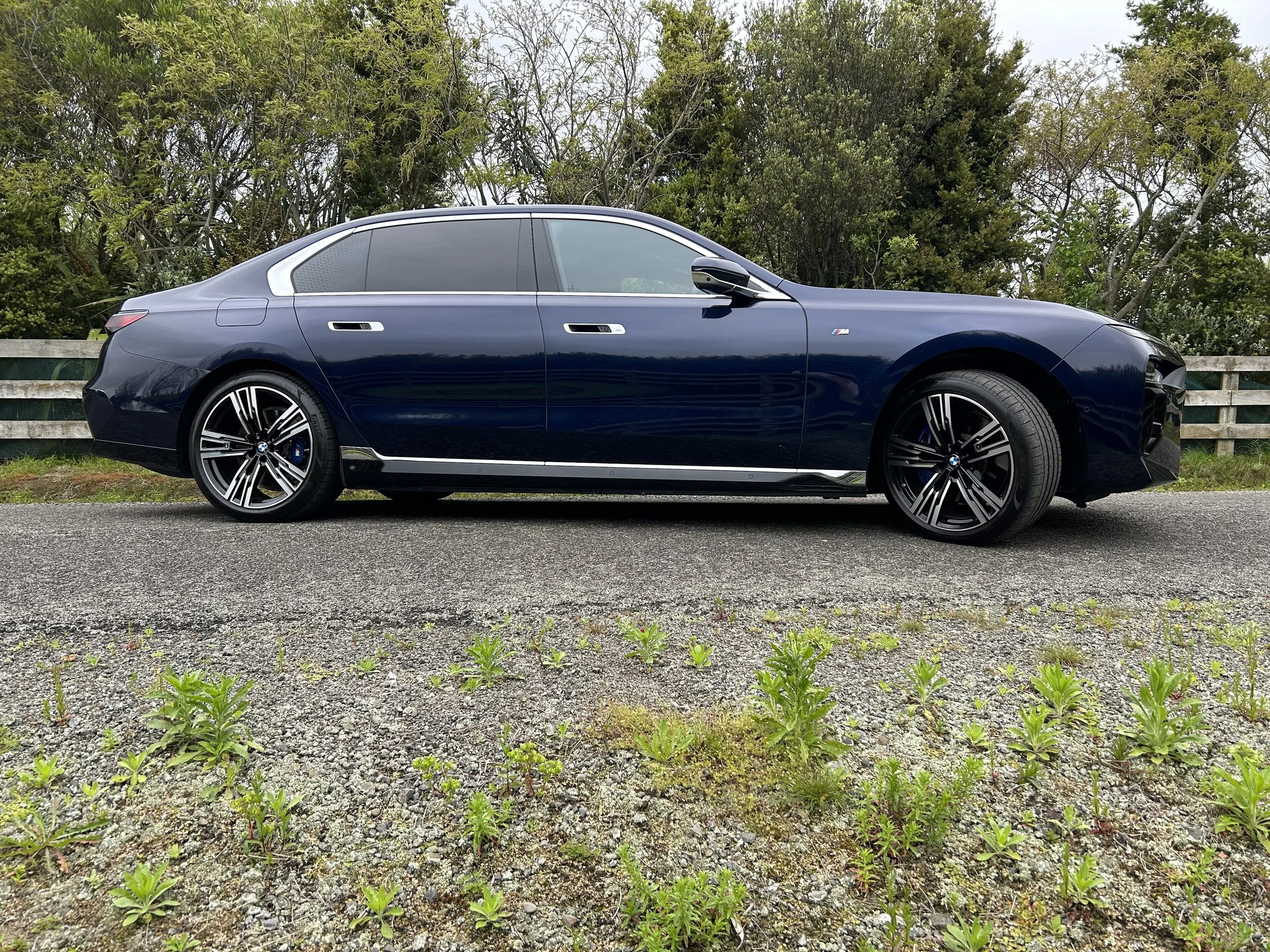
After that, the i7 programme seemed less likely to see the light of day, but obviously that wasn’t really the case.
Department of Internal Affairs has now shared a page of questions and answers about the i7 acquisition. DIA, through Ministerial Services, is responsible for providing 24-seven VIP transport services.
The information share reveals it was in February 2025 when Ministerial Services identified the i7 as a replacement model for the Crown’s ‘class 1' vehicle fleet.
The descriptive covers low-emission premium standard vehicles that provide users with ‘mobile office’ capability. Users range from the Prime Minister, Members of the Executive, to the Governor-General, senior members of the judiciary and official guests of Government, mostly visiting heads of state and the like.
That replacing these vehicles was stated as an immediate priority following the election of the current Government will come as no great surprise.
Even in 2023 it was reasonable to assume the diesel Sevens were due to retire; they’d already lasted longer in service than their predecessors.
The DIA information says that, despite being well maintained and “in fairly good working condition”, the current fleet is experiencing an “increase in instances of unreliability”.
As well as offering a commanding, highly luxurious presence, the i7 is a powerful and long-legged model.
The dual electric motors make a combined 400kW and 745Nm and it can achieve up to 624km range feeding off one of the biggest batteries in the business, of 106kWh gross (101kWh usable), according to the WLTP testing scale.
New Zealand has run successive fleets of diesel 7-Series - the current fleet being the third wave - which were bought outright to replace petrol Fords that were far costlier to run.
Aside from being the first Crown limo that’s wed to the grid, the i7 stands out from previous BMWs in this role in that it is being bought relatively early in its production life.
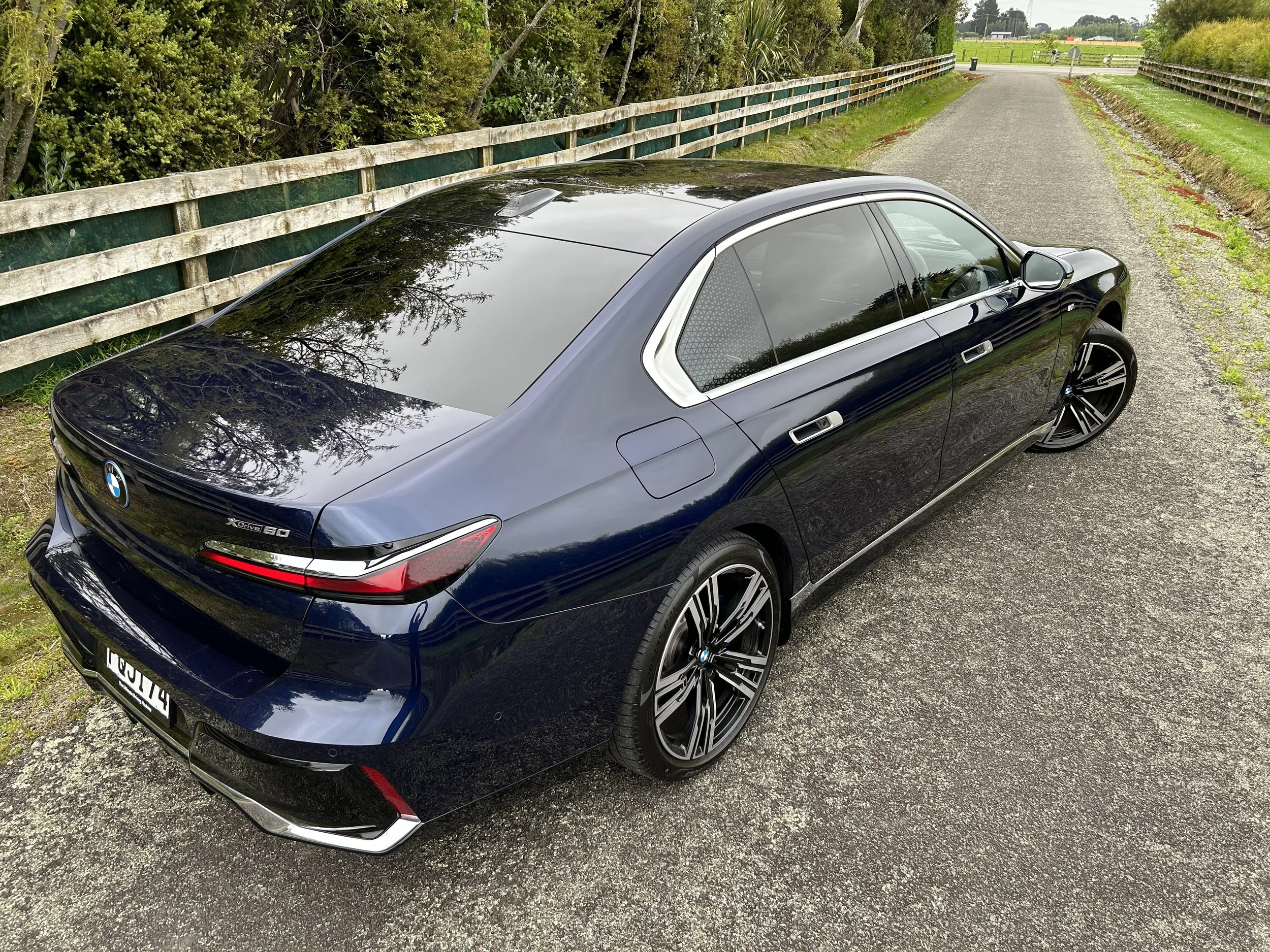
Previous Government BMW fleet contracts have centred around runout versions; meaning models that were at the end of their production cycle and due for replacement by the factory.
The DIA web page suggests the electric cars “are expected to have a useful lifespan of two years longer than their petrol/diesel counterparts. This will reduce capital renewal costs.” It also expects reduced maintenance.
One unknown is what Government plans in respect to furnishing a special edition; that is, a car in armoured form.
The previous process required having one on hand for visiting dignitaries whose security importance demanded that level of car. There are many world leaders in that category.
In August 2023 BMW announced an i7 built to that level. The i7 Protection was then the first armoured electric sedan to be offered by a car manufacturer.
It is certified to VR9 protection standards, which signals security against various levels of gunfire (including high-velocity and armour-piercing shells) and explosive devices; not only explosives underneath the car but also drone attacks.
The car's entire supporting structure is built from armoured steel to form a self-supporting protective cell, which is then combined with protection-spec doors, armouring for the underbody and roof, and safety glass.