
‘Nine’ out to shine
/A five-seater plug-in hybrid from Chery’s Omoda export brand sets out to humble established Kiwi-favoured models.
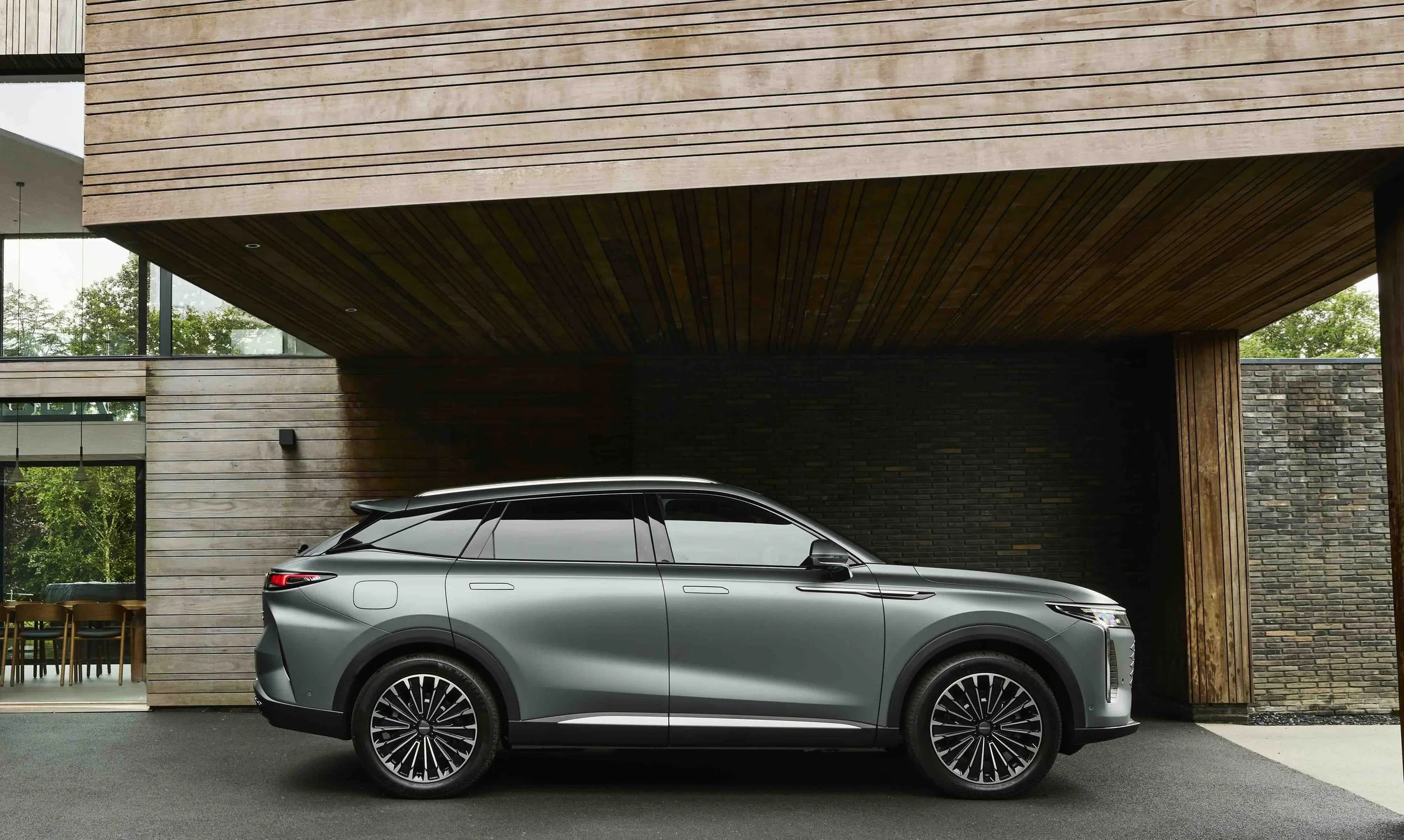
IMPORTANT family sports utilities from high-profile Japanese and South Korean makes historically well-supported by Kiwis, are set to be challenged by the most powerful car that isn't fully electric to be sold by a Chinese brand here.
Provision of a hybrid drivetrain that’s different to the norm - in wedding a 1.5-litre turbo-petrol engine with three electric motors rather than the usual one - is the primary point of difference the Omoda 9 delivers in apparent intent to take on the establishment.
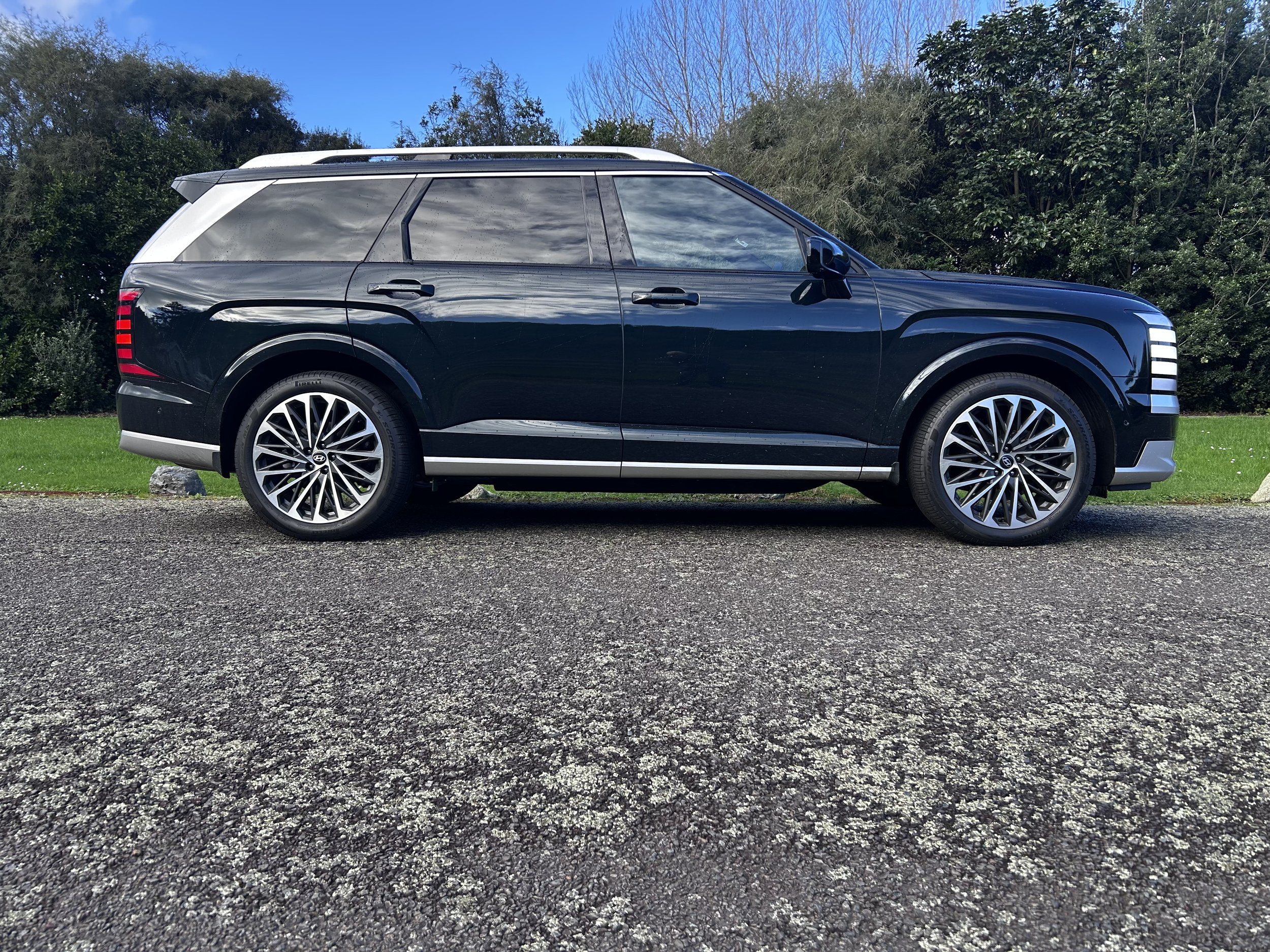
The Outlander, Highlander, CX-60, Santa Fe and Sorento that are similarly-configured, priced and sized important hybrid-involved contenders for Mitsubishi, Toyota, Mazda, Hyundai and its Kia sister brand respectively.
Also possibly comparable is another car out of China, the BYD Sealion 6, though it is cheaper and not as technically advanced.
At $68,990 the most expensive car yet from the Chery export brand is also the most extravagant in respect to its comfort provisions, but it might well be the powertrain that commands immediate intrigue.
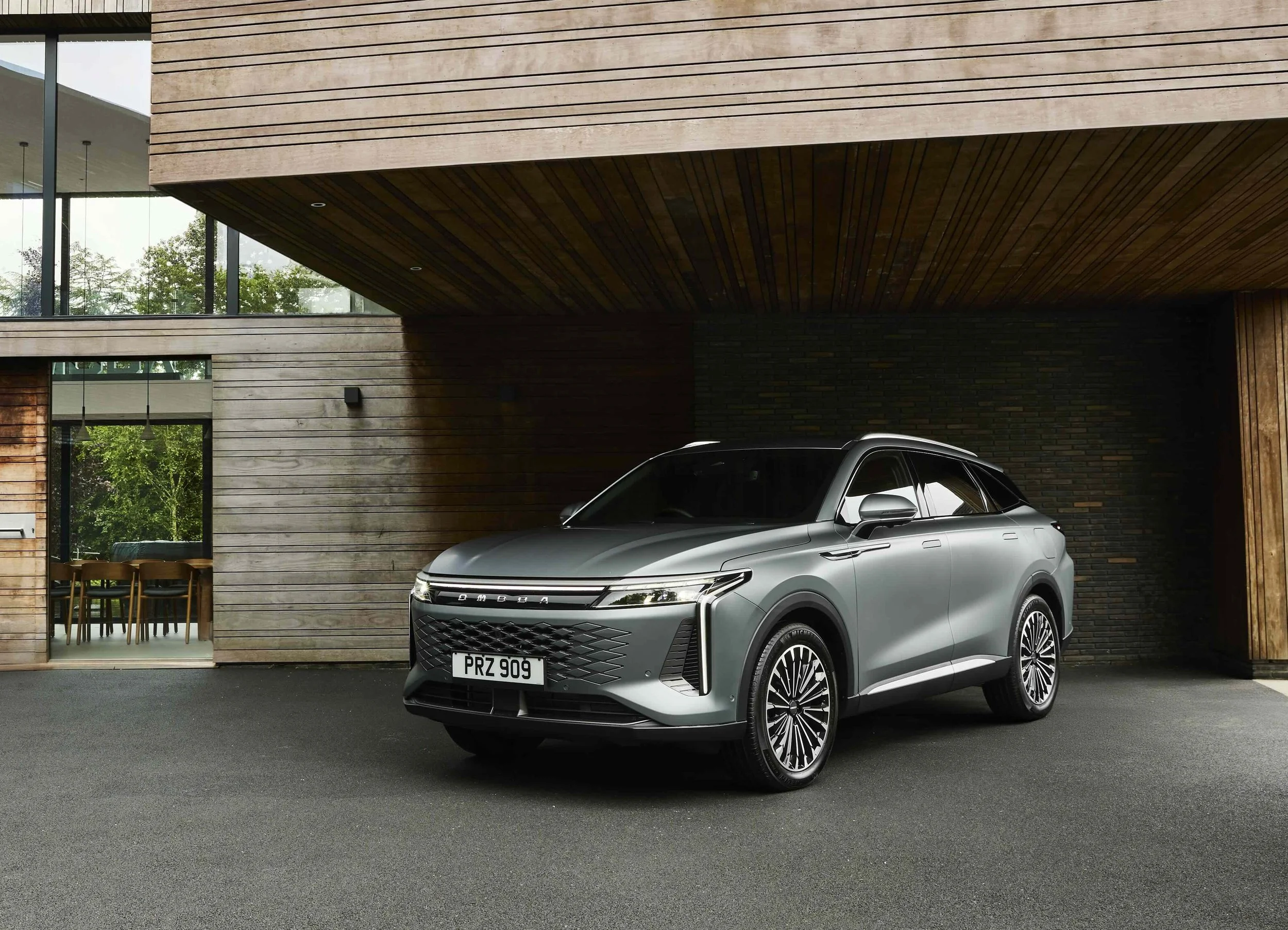
In combining a 105kW/215Nm 1.5-litre turbo four-cylinder petrol engine with two electric motors integrated into the transmission – developing 75kW/170Nm and 90kW/220Nm – and a third 175kW/310Nm electric motor on the rear axle, it is the most powerful of the ‘super hybrid system’ technology Chery is delivering internationally behind its own badge, and via Omoda and Jaecoo, also created to sell in countries outside of China.
If you’re confused by that, it might might not help to know that in its home country, this car also identifies as the Exeed Yaoguang.
The system here is also the first to marry with all-wheel-drive, which facilitates with an electric motor here.
Omoda quotes a ‘drive power’ output of 330kW/700Nm, but the combined output is also listed as an incredible 455kW; far more than the other cars that stand as potential rivals.
Omoda also claims a 4.9-second 0-100kmh acceleration time, and a 145km electric-only driving range from a 34.4kWh battery pack.
That data is based on European WLTP testing that holds far more relevance here than the NEDC data that, while considered nebulous nowadays, is still usually quoted by China’s car brands because outcomes are more flattering.
That’s the case here - Omoda’s NEDC electric pure figure is 169km. They also say that, in hybrid mode, the car has a theoretically driving range of 1100km.
As in other SHS cars, the battery is never allowed to run flat, with the petrol engine kicking it to charge it up while driving. Alternately, though, the car being a plug-in hybrid means it can be DC fast charges. That allows the battery to replenish from 30 to 80 percent in a claimed 28 minutes, at up to 80kW.
Indication out of Australia, where distributors have to lodge Government approval documents that are publicly available, suggests the Omoda 9 might also yet furnish regionally in a non-hybrid version, using a 183kW 2.0-litre turbo-petrol engine with an eight-speed auto and front- or all-wheel drive.
For now, though, there is just one version, in the flagship Virtue specification, whose focus ion “space, sophistication and seamless integration”, with various touches to help create a sense of “quiet luxury”.
The Omoda 9 rides on “acoustically optimised” tyres to reduce road noise, while double-laminated glass should help to cut cabin noise further.
Virtue also sets out to leave impression going to Omoda will provision all the bells and whistles you’d normally expect in a pricier machine.
It rides on 20-inch wheels and has heated and ventilated seats, a panoramic sunroof, a 14 speaker Sony sound system including two driver headrest speakers, a fragrance system, full leather, swanky lighting - including an LED lightbar across the rear - and instrumentation and infotainment delivered via dual 12.3-inch LCD screens.
The car runs a “Hello Omoda” voice control system, which allows the driver to adjust the climate control, open the sunroof and change the radio station without taking their hands off the steering wheel.
The safety provision runs to eight airbags and includes autonomous emergency braking (AEB), emergency lane keeping, adaptive cruise control and forward collision warning. The car has yet to be tested by national independent assessor ANCAP, but Omoda’s smaller C/E 5 sports utility did well with that auditor, earning a five star last November.
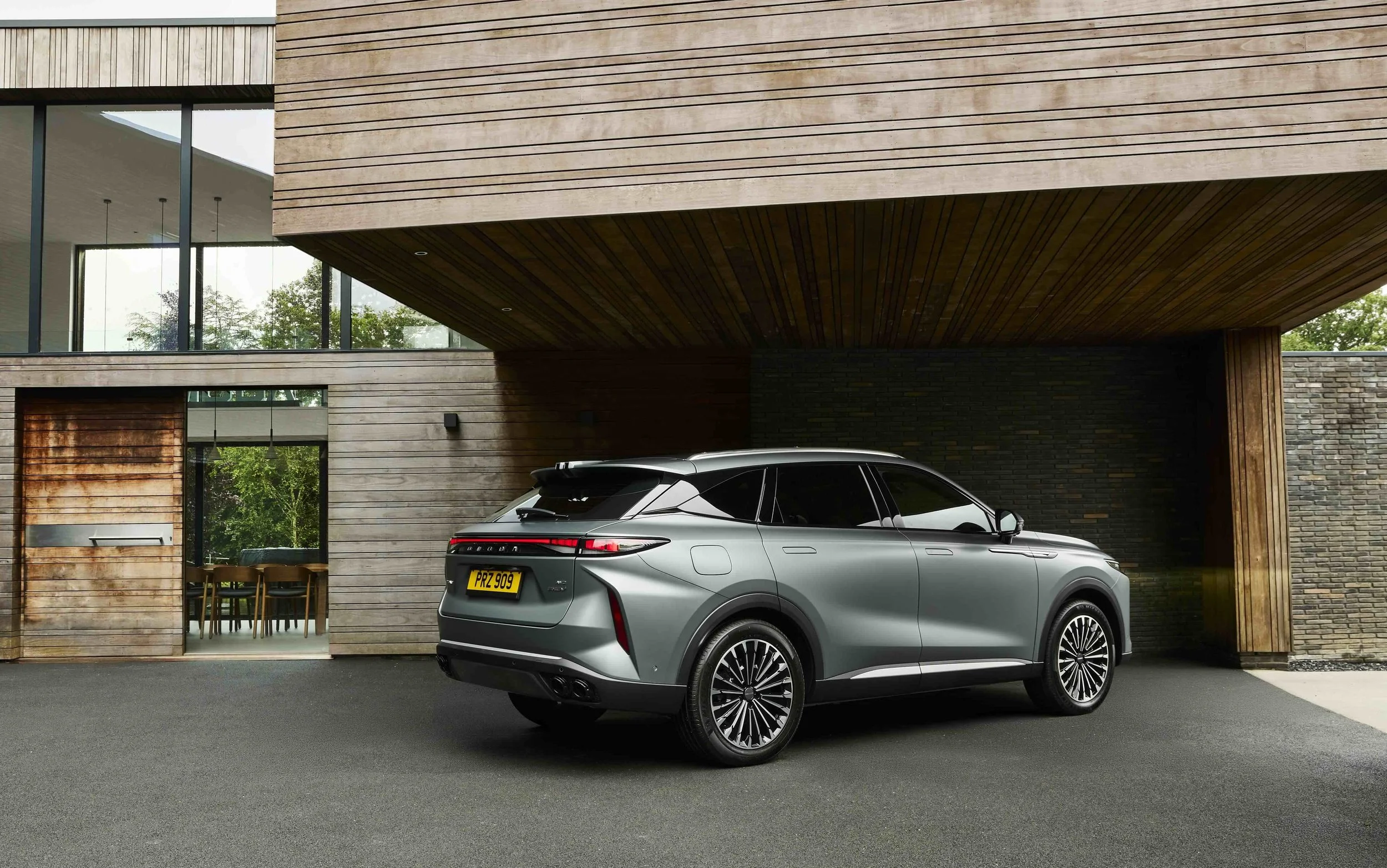
In respect to the styling, it has plenty in common with the C/E 5. There’s a big, geometric grille pattern underneath a full-width light-bar, with a similar lighting setup at the rear. Quad ‘exhaust pipes’ - not really, they’re fake - in the lower bumper lend hint about the performance on tap.
It has the usual Omoda/Jaecoo seven-year unlimited kilometre warranty. The batteries are covered by an eight-year unlimited kilometre warranty.
In shared comment Roy Munoz, the chief commercial officer for Omoda and Jaecoo vin Australia and New Zealand, described the Omoda 9 as being “the next step for the Omoda brand” and a car “mixing the perfect blend of style, performance and sustainability.
“More than just an SUV. It’s a statement of what our brand is capable of and showcases our technological advancements.”