
RUC on petrol here by 2027
/New vehicle industry pleased Government is acting to bring all powertrains into common system.
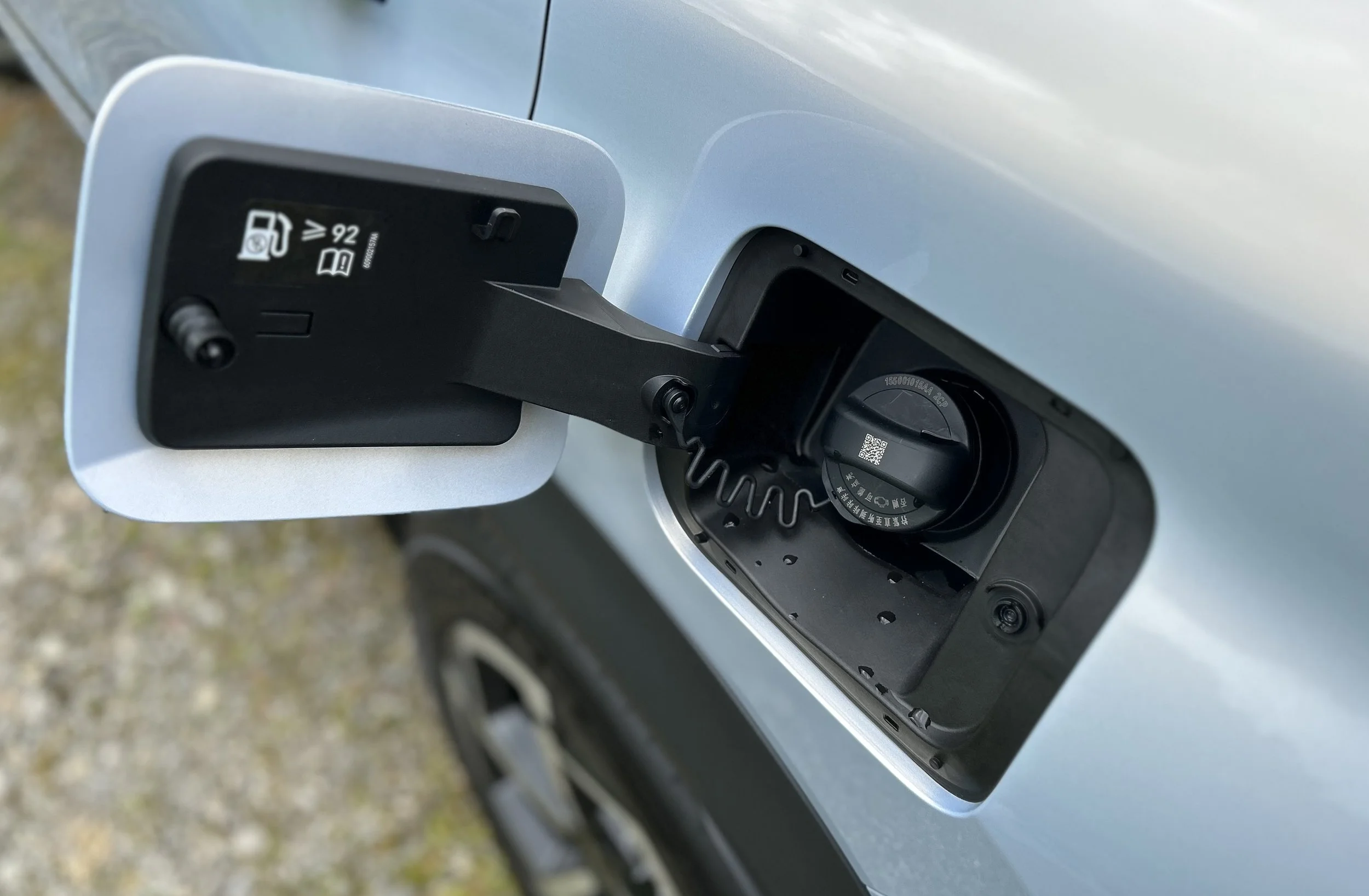
REPLACING petrol tax with electronic road user charges on all light vehicles has been welcomed by the voice for new vehicle distributors.
The long anticipated switch puts an end to the existing two-tier system where petrol users pay fuel excise duty at the pump, while diesel, electric and heavy vehicles pay charges based on distance travelled.
While no date has been set for full transition, it is expected a new digital system where all motorists pay a bill online will be 'open for business' by 2027, Transport Minister Chris Bishop indicated today.
What he has described as the “biggest change to how we fund our roading network in 50 years” has been welcomed by the Motor Industry Association, which acts for most new vehicle distributors.
Association chief executive Aimee Wiley says the move places all vehicles on the same footing, making the system fairer and more efficient.
That the system will move into being digitally-enabled will make for efficient administration and compliance, she said.
Industry understanding has long been that a major impudent to transition has been the manner in which RUCs are organised; the system overseen by Waka Kotahi New Zealand Transport Agency has been paper-based and labour intensive. Including petrol into it has been resisted on those grounds, according to industry involvers with understanding of the background.
Wiley agrees converting the whole fleet to RUCs “will be a major undertaking.
“We will gain nothing if we do not make use of the latest technology to manage the system digitally and in real time. It’ll make compliance much easier and administration less expensive.”
Currently petrol-powered vehicles – the vast majority of the country’s fleet – pay an excise duty of 77 cents on every litre of petrol they use, while diesel and battery electric vehicles are subject to road user charges per kilometre travelled, which vary depending on the weight and type of vehicle.
RUC purchase involves buying a paper licence electronically or over- the-counter at outlets such as Postshop or the AA. Digital systems will automate purchasing, renewals, payments and monitoring distance travelled, while reducing manual effort and associated costs.
Wiley says it is the correct approach to determine the technology platform for the new system before deciding the approach and timeframe for the transition.
In his announcement earlier today, Bishop noted that for decades, “petrol tax has acted as a rough proxy for road use, but the relationship between petrol consumption and road usage is fast breaking down.”
Petrol vehicles with better fuel economy contribute less fuel excise duty per kilometre towards road maintenance, operations, and improvements.
"We are also seeing a fast uptake of fuel-efficient petrol hybrid vehicles. In 2015, there were 12,000 on our roads, while today there are over 350,000," he said.
Bishop said as the vehicle fleet changed, the way it was funded had to follow.
“It isn't fair to have Kiwis who drive less and who can't afford a fuel-efficient car paying more than people who can afford one and drive more often,” he said.
The transition will happen in stages, beginning with legislative and regulatory reform to modernise the current RUC system and facilitate private sector innovation.
“The current RUC system is outdated. It's largely paper based, means people have to constantly monitor their odometers, and requires people to buy RUC in 1000 km chunks,” Bishop said.
“We're not going to shift millions of drivers from a simple system at the pump to queues at retailers.
“So, instead of expanding a clunky Government system, we will reform the rules to allow the market to deliver innovative, user-friendly services for drivers.”
Bishop told Radio New Zealand a handful of E-RUC companies already did this for about half of the country's heavy vehicle fleet and there were several companies, both domestic and international, with technology that could make complying with RUC cheaper and easier.
Law changes the government is progressing include removing the requirement to carry or display RUC licences, allowing for digital records instead, enabling the use of a broader range of electronic RUC devices, including those already built into many modern vehicles and supporting flexible payment models such as post-pay and monthly billing.
Intent was to separate NZTA's roles as both RUC regulator and retailer to foster fairer competition and to allow bundling of other road charges like tolls and time of used based pricing into a single, easy payment.
Bishop foresaw that eventually “paying for RUC should be like paying a power bill online, or a Netflix subscription. Simple and easy.”
“I expect to pass legislation in 2026, followed by an updated Code of Practice for RUC providers.
“We will also engage with the market in 2026 to assess technological solutions and delivery timelines. In parallel, NZTA and Police will upgrade their systems to support enforcement in a digital environment.”
The coalition expects the RUC system will be 'open for business', with third-party providers able to offer payment services and a consistent approval process in place by 2027.
At this stage, no date has been set for the full transition of the light vehicle fleet.
Bishop says that's a deliberate choice “as we're focused on getting the system right rather than rushing its rollout.
“This is a once-in-a-generation change. It's the right thing to do, it's the fair thing to do, and it will future proof how we fund our roads for decades to come.”