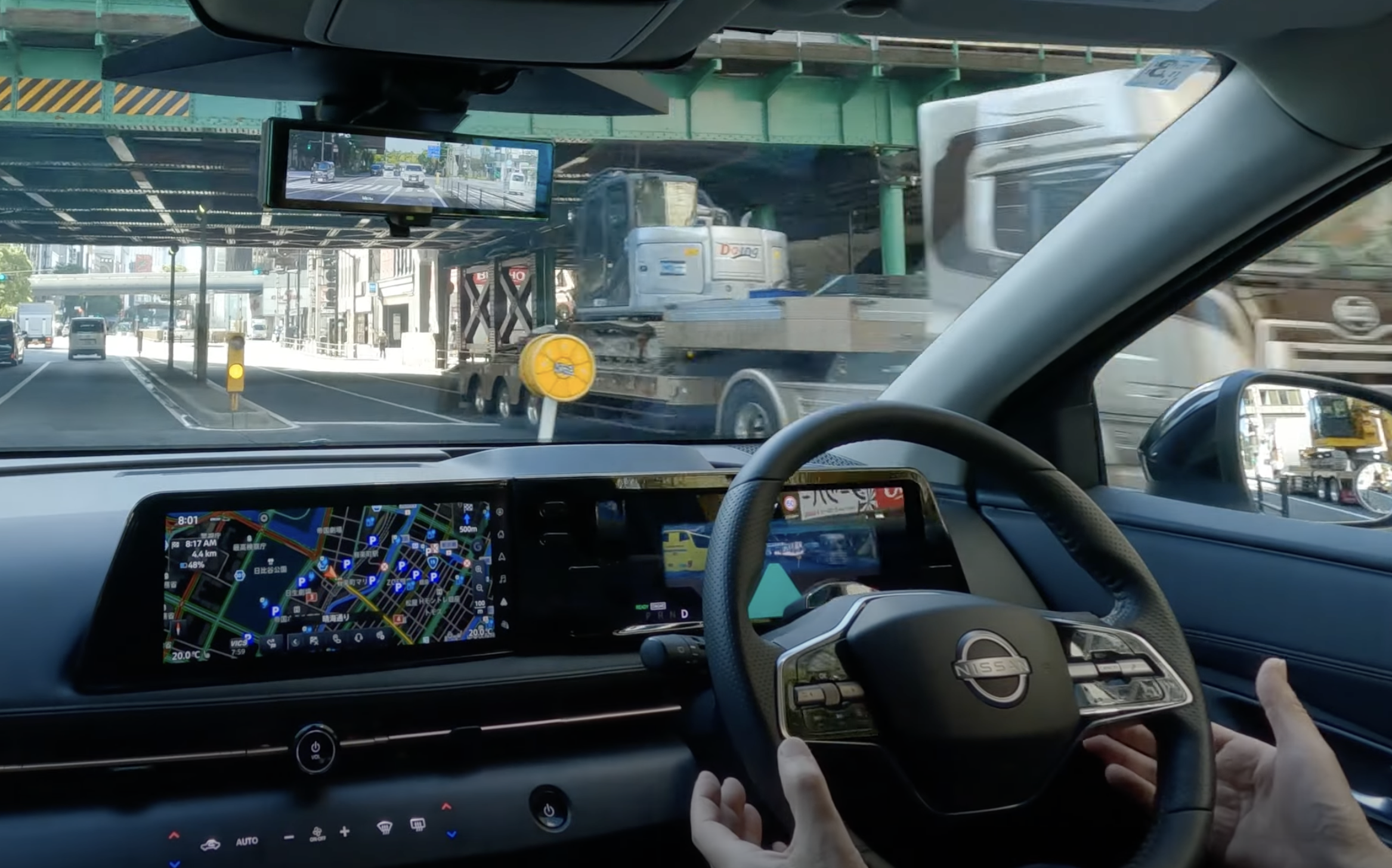

Next-gen ProPilot cruising Tokyo
/Nissan’s response to Tesla’s FSD has more tech, including LiDAR. It’s cited for 2027 production.
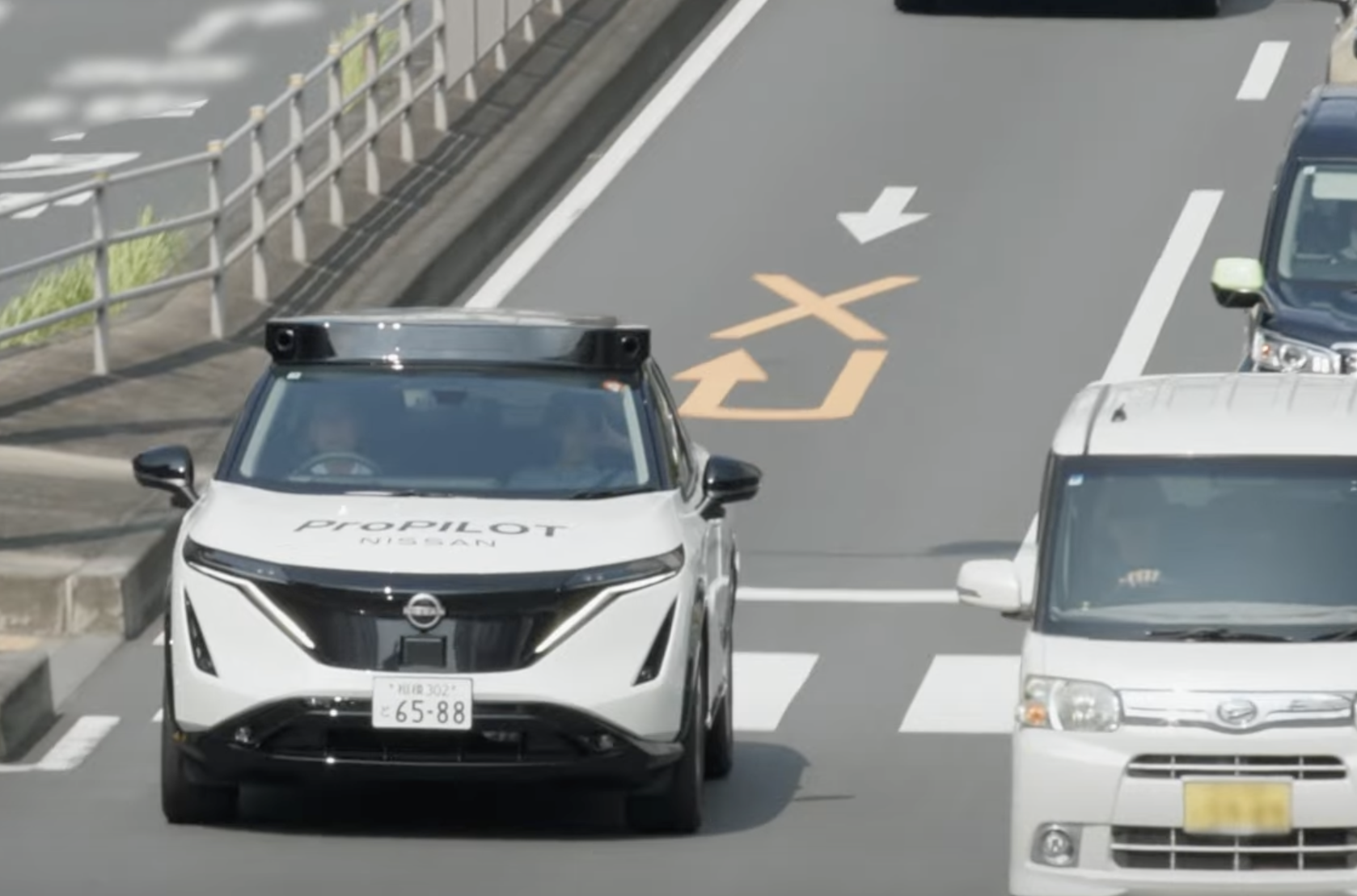
ELEVEN cameras, five radar sensors and a next-generation laser guidance sensor.
Those are ingredients of the next-generation of Nissan’s ProPilot driver assistance system, which the make has begun testing on Tokyo streets, with intent to transfer to production cars by 2027, initially restricting to Japan.
The prototypes used for demonstration are based on the all-electric Nissan Ariya SUV and have been navigating central streets of Japan’s sprawling capital to illustrate how the technology handles complex traffic scenarios.
Nissan is not positioning this as fully autonomous driving; a driver must remain behind the wheel and ready to intervene at any time, in line with current Level 2 standards. It’s the same advice Tesla gives to users of its Full Self Drive Supervised, a camera-pure system which went live in NZ last week.
Nissan says that, as a preview of how AI could support everyday driving, the new system uses artificial intelligence to respond more like a human driver in busy city traffic.
At the heart of the tech is a software system developed by Wayve, a company that bases in the United Kingdom.
The system processes live camera data to anticipate hazards and adjust to fast-changing road conditions.
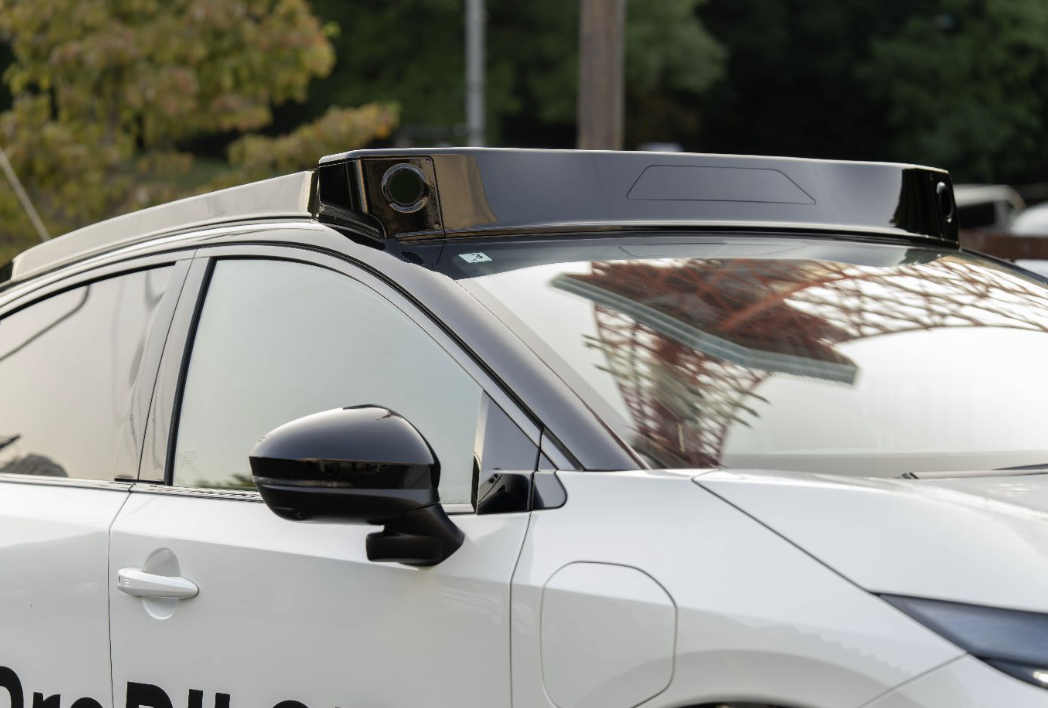
Unlike earlier systems that rely on reacting to individual vehicles or objects, the new system interprets entire driving scenes and predicts how they are likely to unfold. Nissan says this allows the car to behave more naturally and adjust to urban driving in a way that mirrors how experienced drivers think and respond.
Eiichi Akashi, Chief Technology Officer of Nissan, said: “Our current ProPilot 2.0 system has been well received, but Nissan's next-generation ProPilot technology will bring even more innovative features and deliver the feeling that a skilled human driver is behind the wheel.
“It will adapt to more complex traffic conditions and truly provide greater confidence and peace of mind - enhancing safety not only for the driver, but for everyone using the road”.
The AI driver is supported by what Nissan calls its 'Ground Truth Perception' suite, which includes high-resolution LiDAR, which can detect objects at long range, even in poor visibility.
Tesla doesn’t hold with LiDAR, or even radar. Nissan, on the other hand, is a fan. It says the LiDAR here enhances safety at high speeds or in low light, where cameras alone may struggle.