
Five stars for LDV, Omoda and Audi
/Latest large ute and full-sized SUV from China win plaudits, as does new Q5.
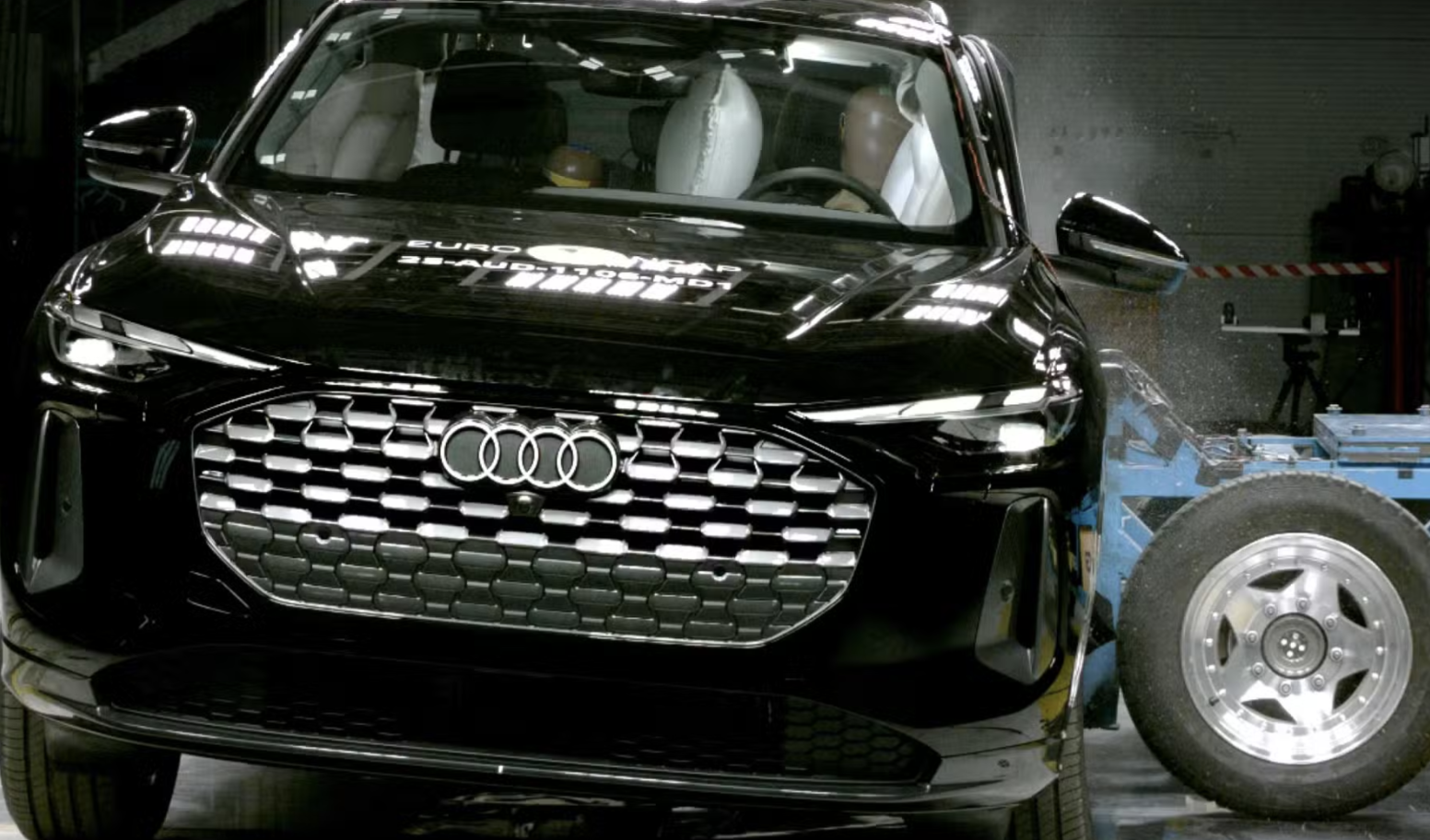
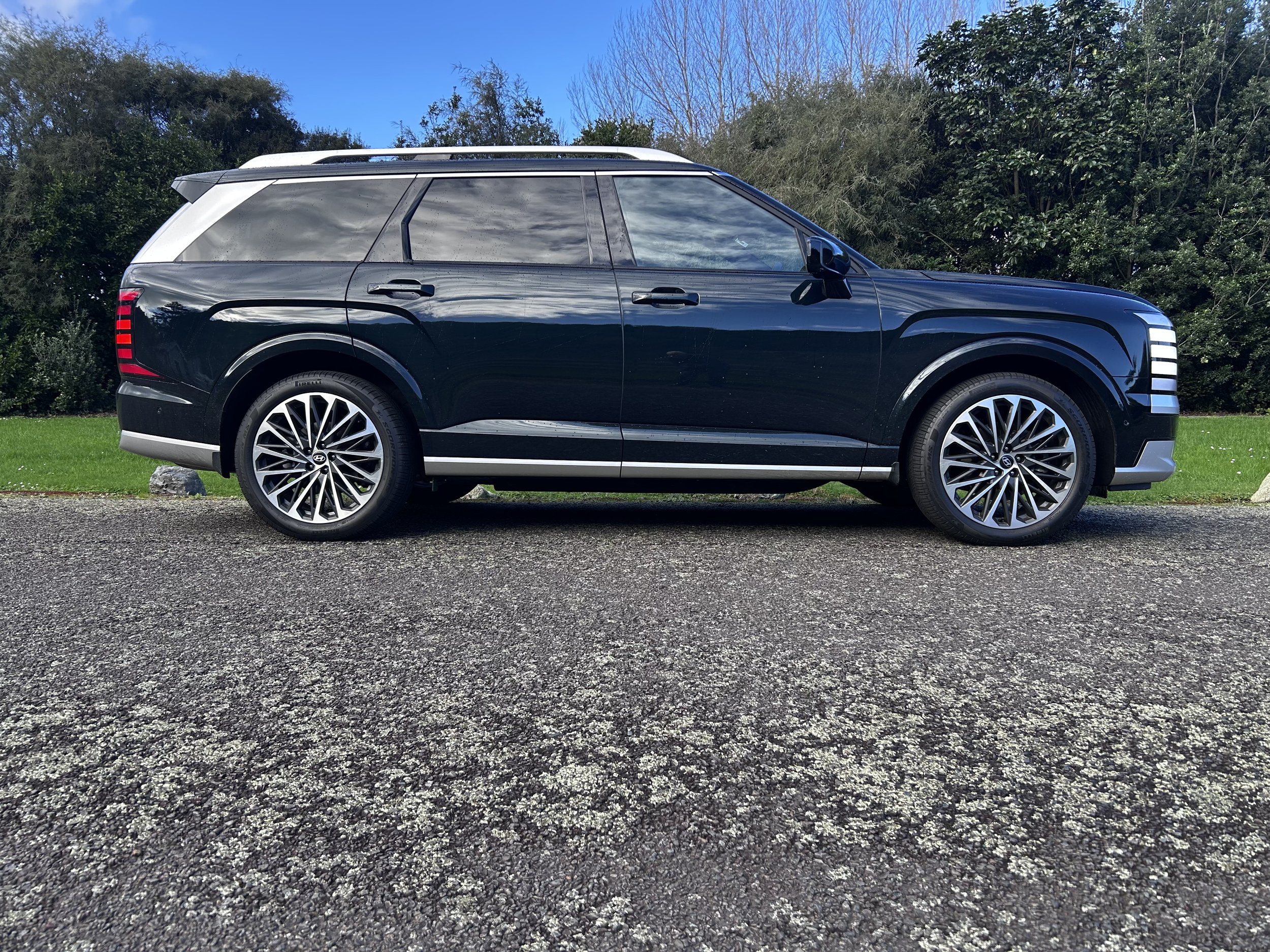
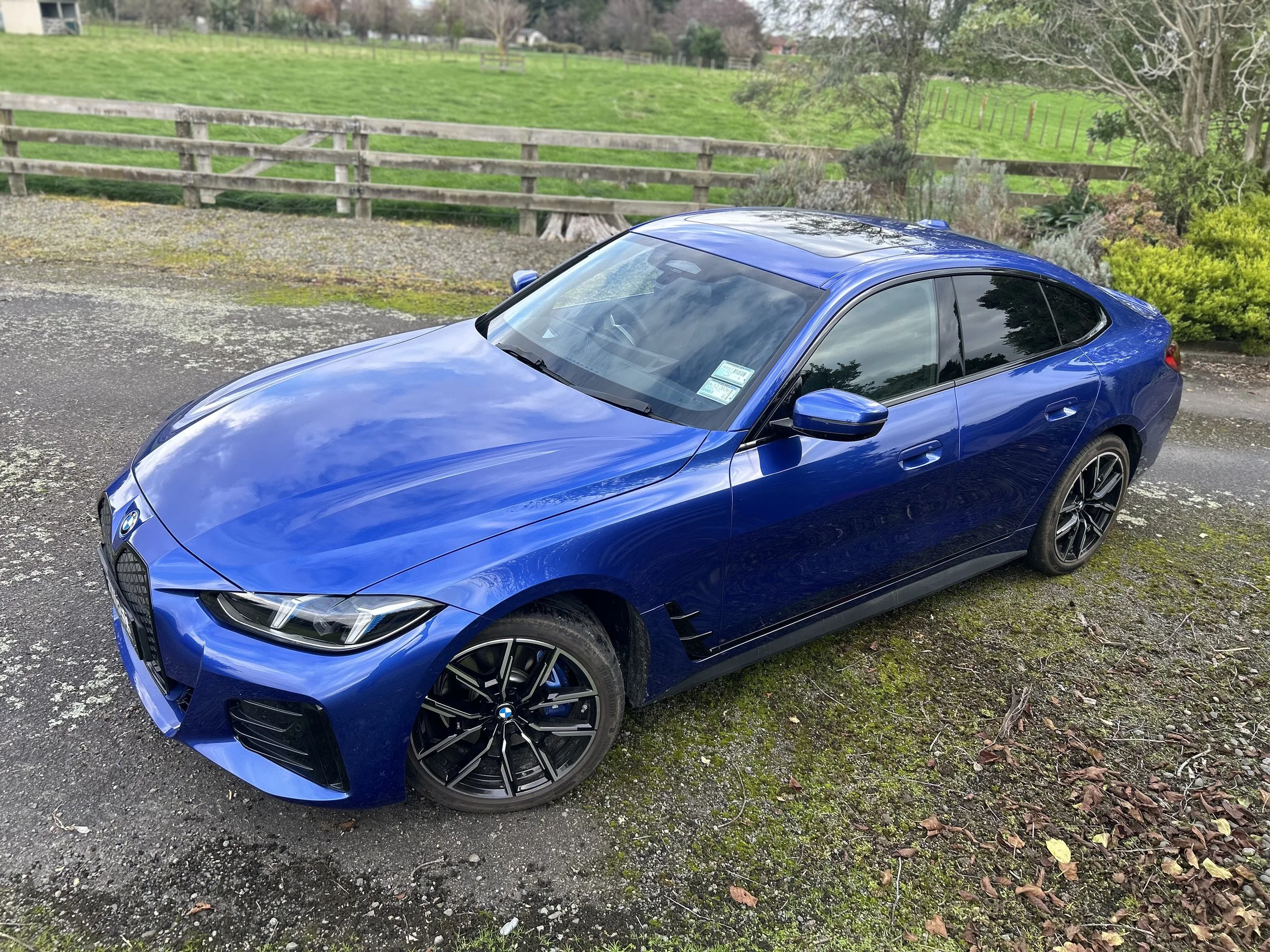
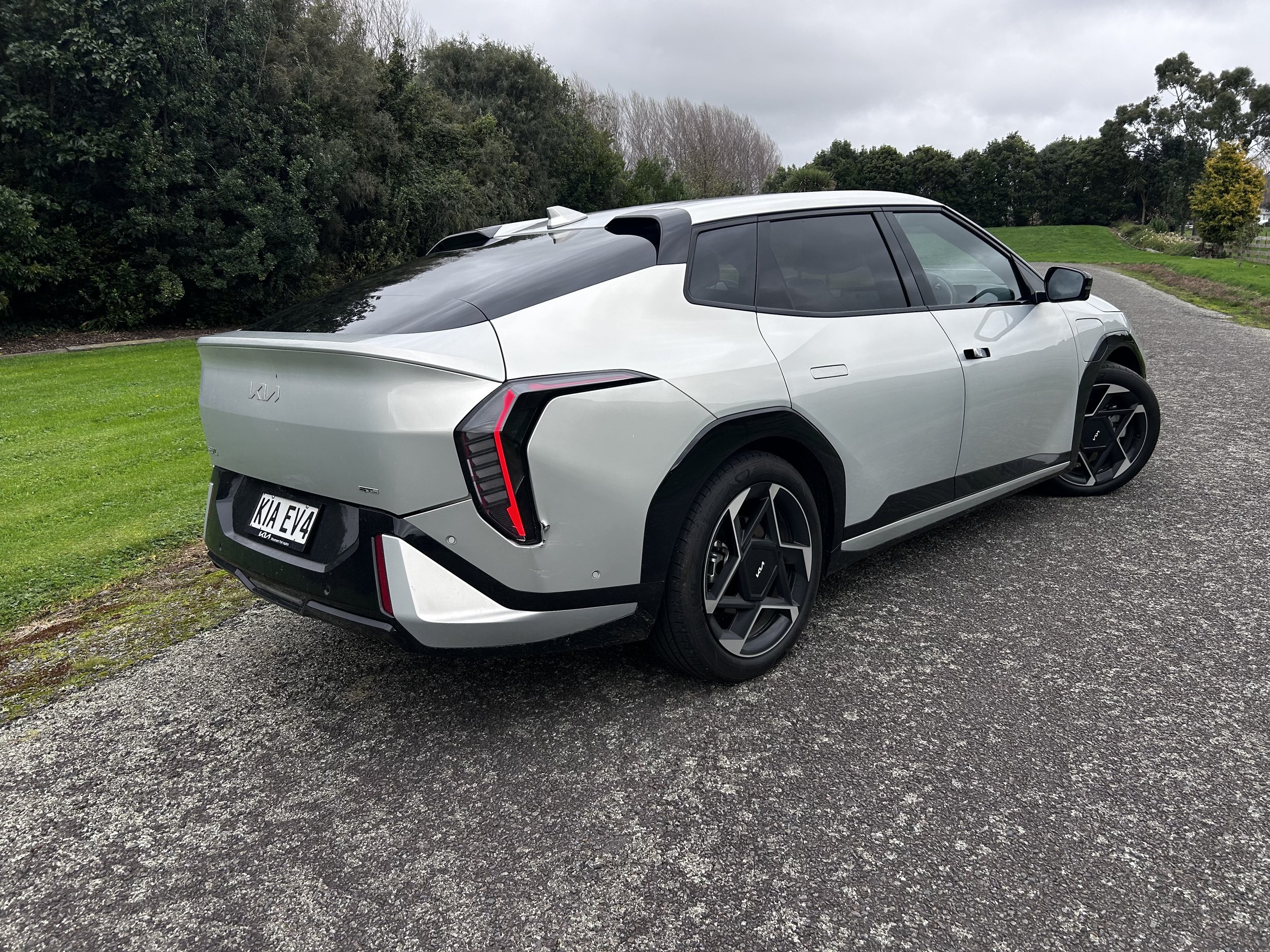
TWO recent arrivals from ambitious Chinese car brands and one from Audi have impressed the national crash test auditor.
Australasian New Car Assessment Programme, which locates in Australia but receives funding from New Zealand agencies and is determined by NZTA to be our primary assessor, has decided the Omoda 9 petrol plug-in hybrid sports utility passenger car and the LDV Terron 9 utility are worthy of five stars, the highest score it can provision.
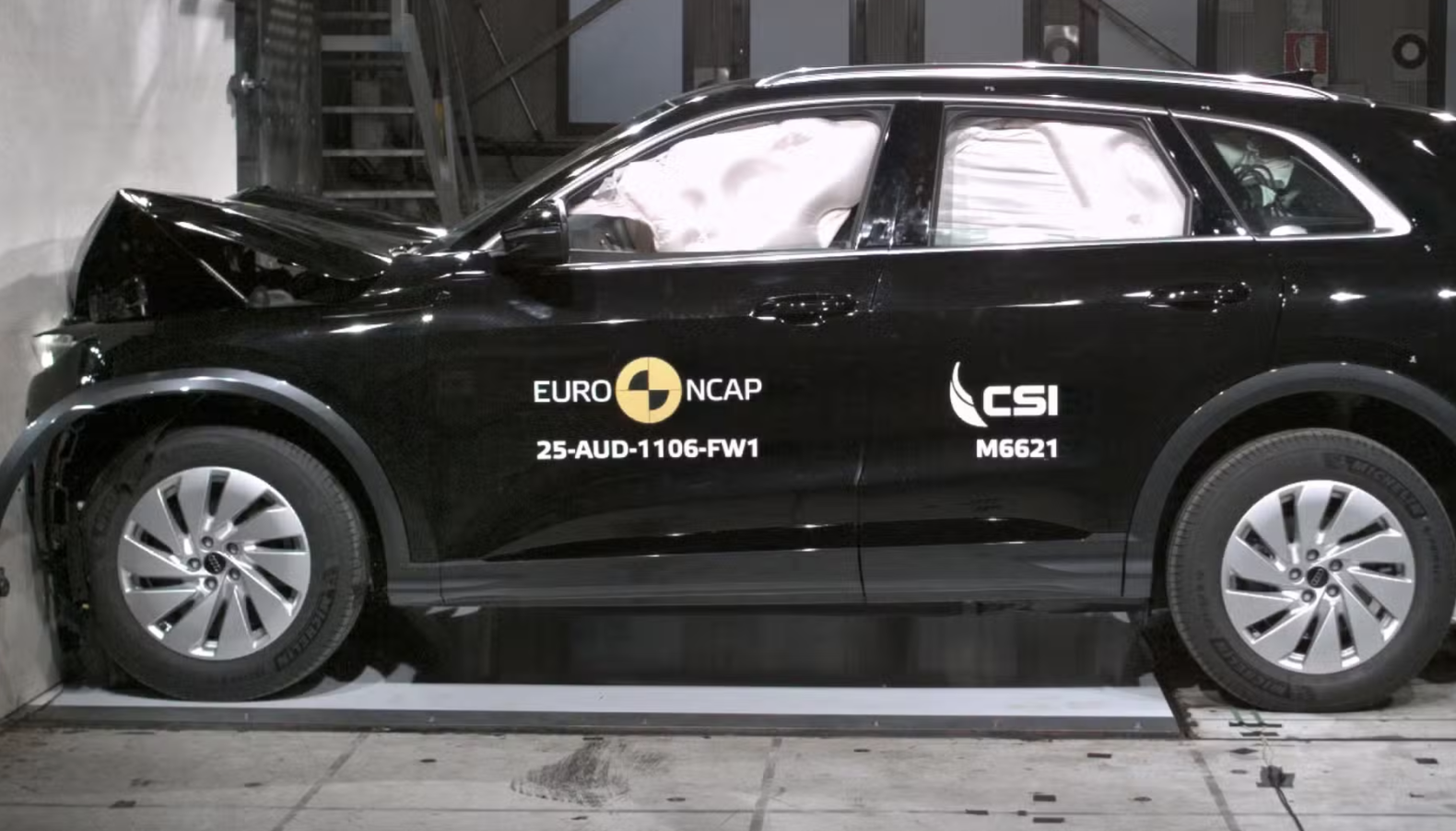
It says the Audi Q5 is also worthy of that accreditation.
All the ratings are based on tests undertaken by sister organisation Euo NCAP rather than at the ANCAP’s Melbourne facility.
Interestingly the ute’s score is from testing of a different version to that sold here.
New Zealand and Australia presently only receive the Terron 9 with a diesel engine, but the score ANCAP has adopted is for the fully electric model, which brands as a Maxus in Europe, that is thought to be set to complement it locally.
The derivatives share a common structure and body styling.
However, the internal combustion one features a 2.5-litre turbo-diesel four-cylinder engine – along with associated ancillary and supporting systems – under the bonnet.

The same space in the eTerron 9 is a 259 litre storage compartment. The electric type is also between 95-480kg lighter than the ICE model, which in itself in hefty, at 2400kg.
In respect to the ute, ANCAP chief active Carla Hoorweg said it achieved good levels of adult occupant protection, with maximum points recorded in the full-width frontal test, side impact test, and occupant-to-occupant test. These test results contributed to an overall Adult Occupant Protection score of 91 percent.
Maximum points were also awarded for protection of child occupants in the frontal offset and side impact tests, leading to a score of 89 percent for Child Occupant Protection.
Crash avoidance capability impressed across the range of scenarios tested, with notable performance in emergency lane keep scenarios and the lower-speed AEB reverse scenarios where the vehicle can help prevent reversing collisions with adult and child pedestrians.
Said Hoorweg: “This is an excellent result for LDV’s new generation ute.”
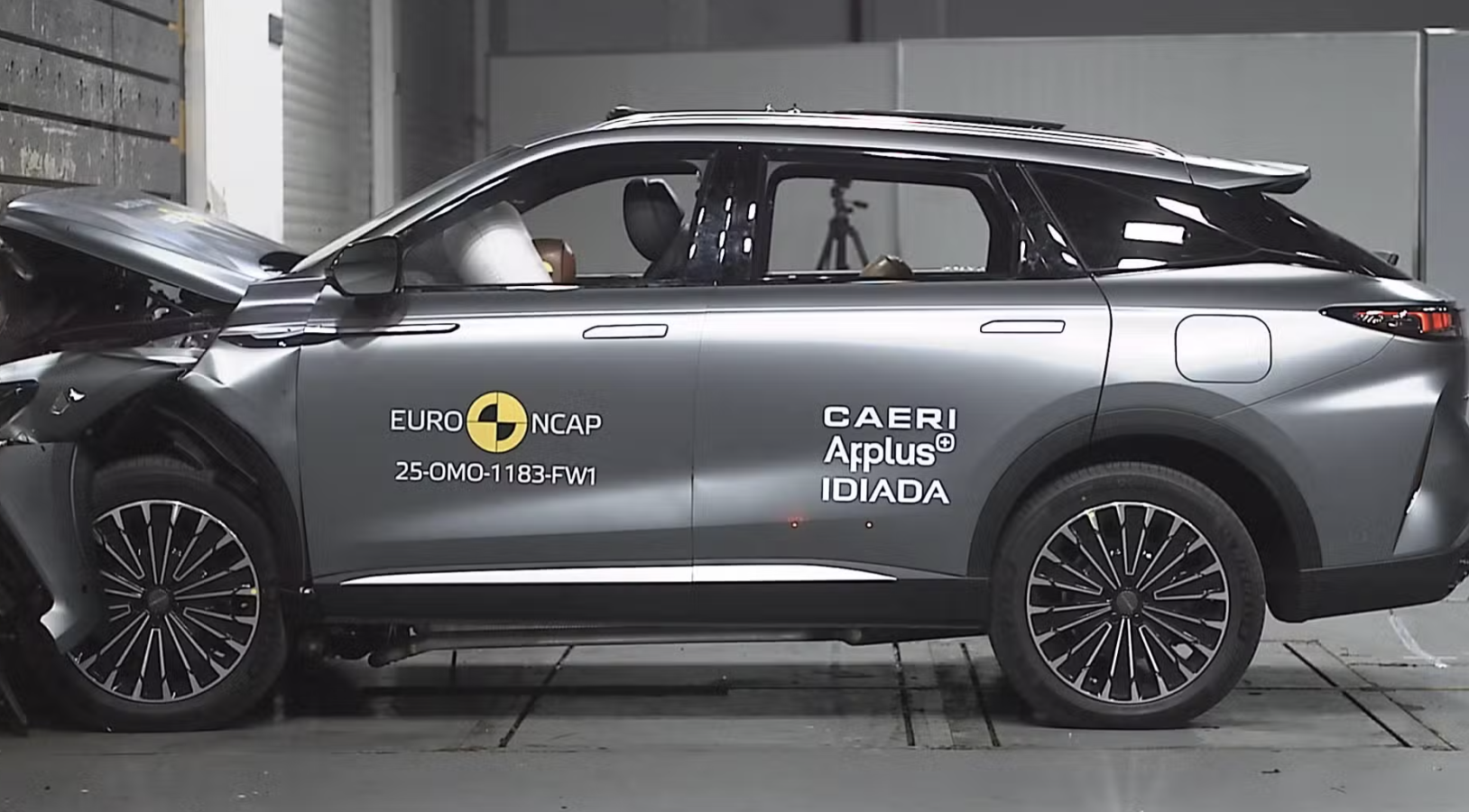
In respect to the Omoda 9, it offered good all-round safety, scoring 90 percent for Adult Occupant Protection and 87 percent for Child Occupant Protection.
Good to Adequate levels of injury protection were offered to the driver and adult passengers in almost all crash tests, with the exception of the driver’s chest in the oblique pole test, where protection was Marginal.
The crash avoidance systems fitted to the Omoda 9 demonstrated effective performance in test scenarios, she suggested.
Good performance was seen across autonomous emergency braking (AEB) and lane support tests with another vehicle, pedestrian, or motorcyclist. This performance contributed to scores of 81 percent for Vulnerable Road User Protection and 8 percent for Safety Assist.
“The safety performance of the Omoda 9 will provide assurance to buyers looking to move to an alternative-powered Large SUV.”
The Audi’s score applies to Q5 and SQ5 variants.
Perfect scores were awarded for the German car’s performance in forward, junction, and T-bone crossing AEB tests. Maximum points were also seen in AEB Motorcyclist tests.
Occupant protection was a strong point, with good scores achieved for the driver in the full width frontal, side impact, far side impact, and oblique pole crash tests.
Hoorweg said a point of note, however, was the relatively high 7.00 point penalty applied for vehicle-to-vehicle compatibility in the frontal offset test. The Q5 was assessed as being a higher risk to an oncoming vehicle.
“The Audi Q5 provides strong occupant protection and effective crash avoidance, with vehicle-to-vehicle compatibility noted as an area for improvement,” she said.