
Volvo NZ unveils EV aspiration with EX double
/Newly-revealed EX60 and long-awaited EX90 both starters for this year.
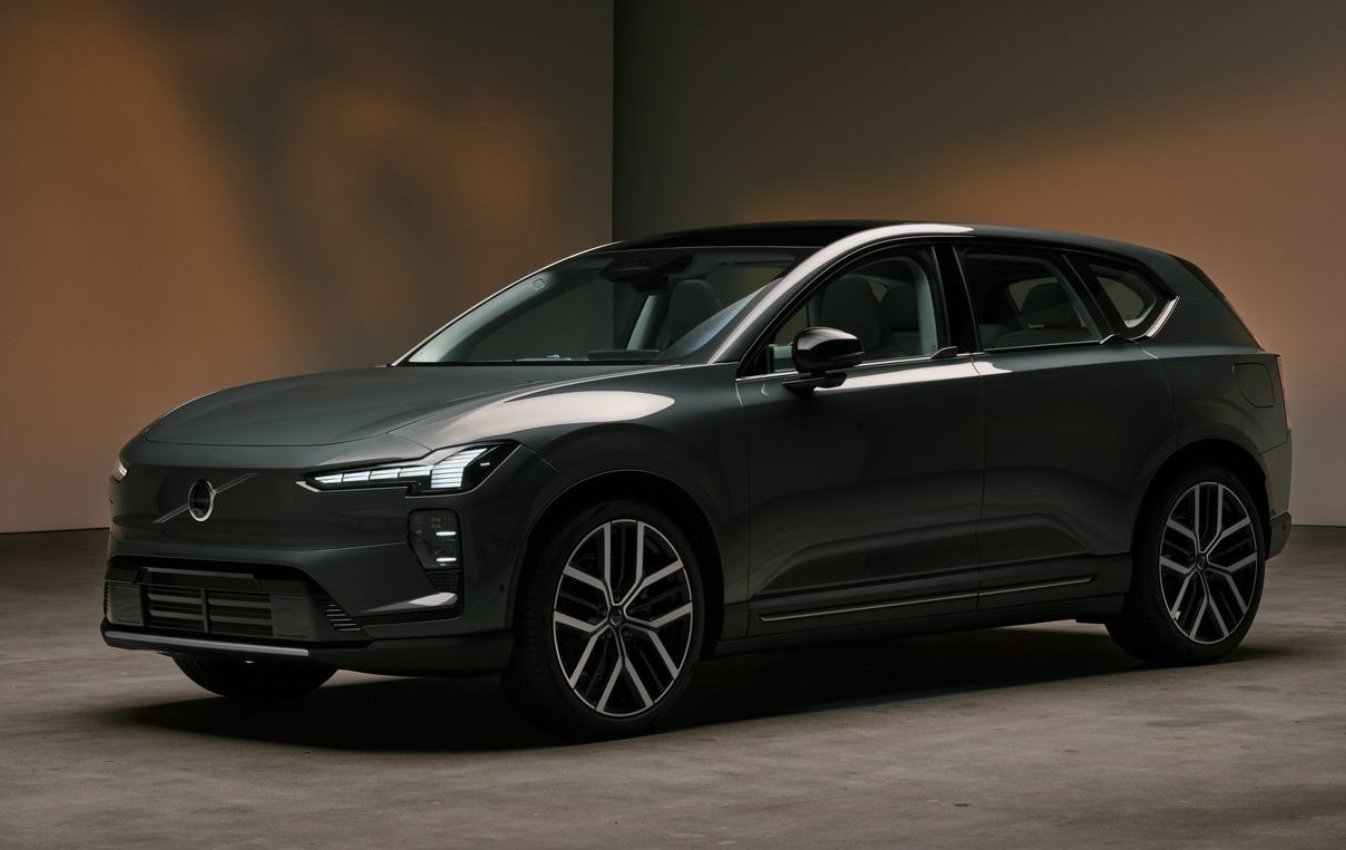
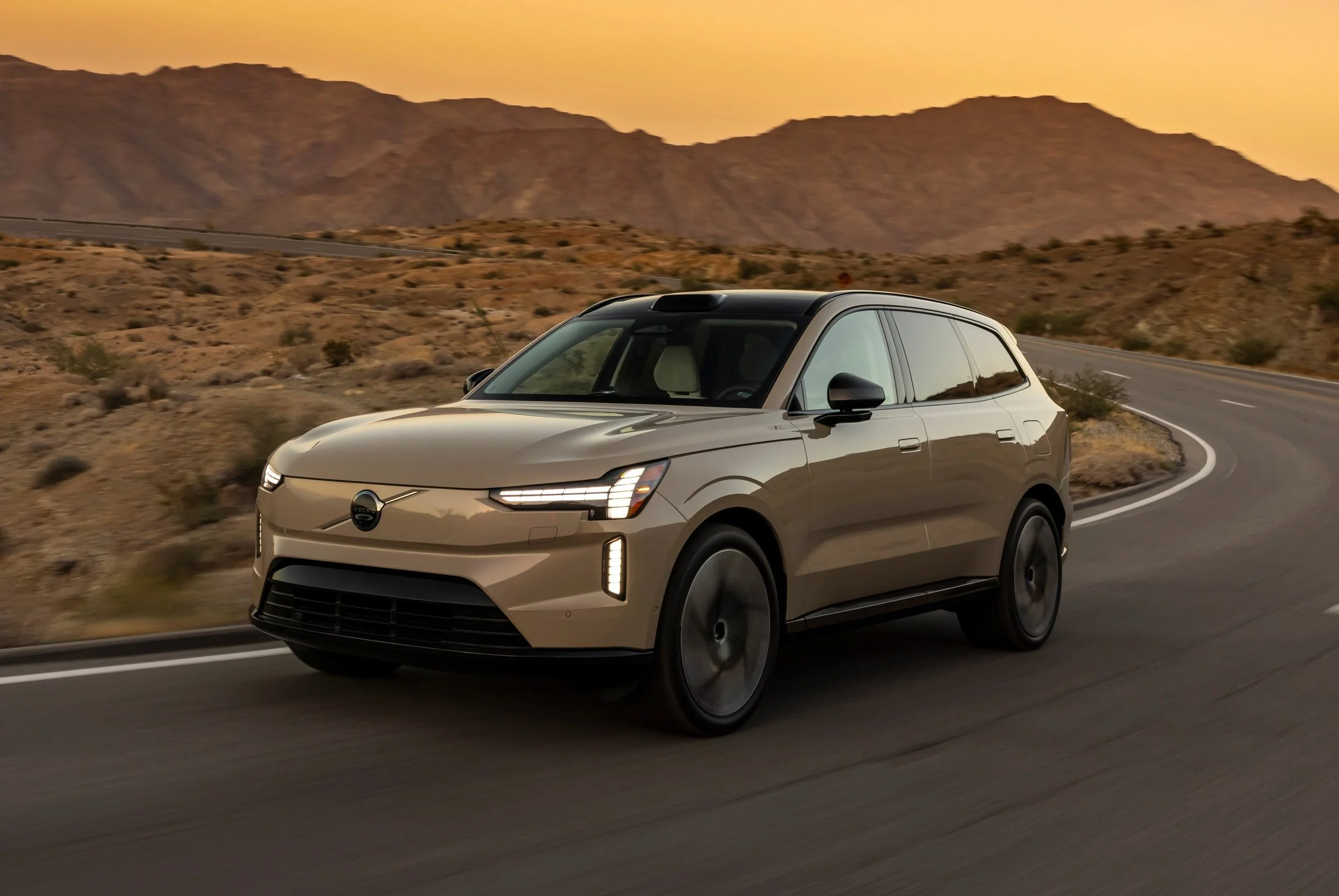
CONFIRMATION that a new medium sports utility will join Volvo’s electric model intent here soon has come today, along with pricing for a large battery-compelled flagship landing earlier, a year later than anticipated.
The Geely-owned make’s big international news today is unveiling of the EX60 (top), a medium five-seater setting its sights on the latest generation of premium electric SUVs the BMW iX3 and Mercedes-Benz GLC included.
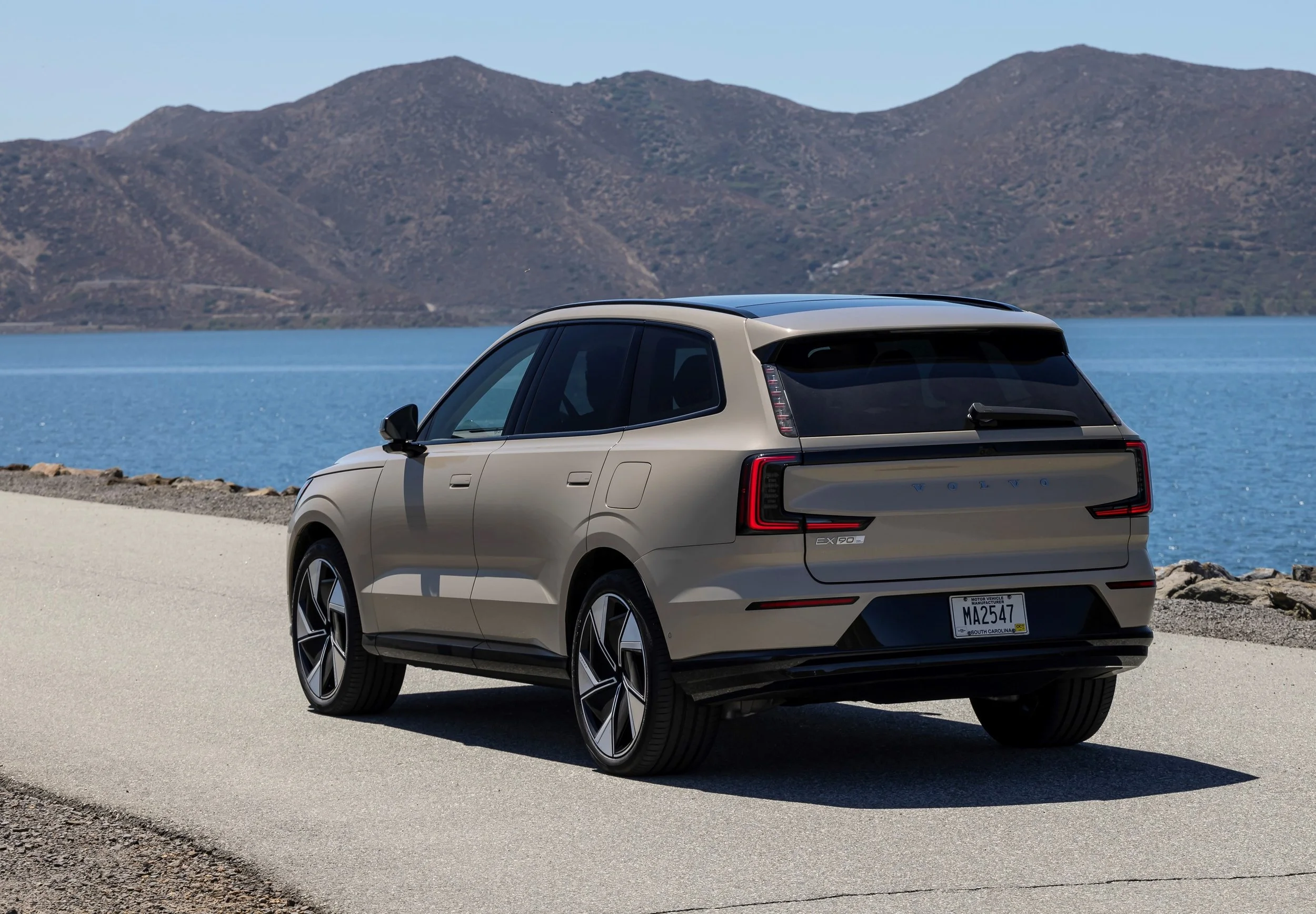
In confirming that it plans to have that model here from late 2026, Volvo NZ has also been able to finally share pricing and model information about the next-size up, seven seater EX90 (above) that was revealed in 2024 and had been expected as a 2025 inclusion.
The cars are respectively electric equivalents of the XC60 and XC90 fossil fuel-reliant sports utilities that have become the backbone cars for the Sino-Swede make, closely matched in size, similar in look and setting out to be just as appealing for comfort, specification, plus also performance and even range, with up to 810 kilometres’ claimed.
In respect to EX90, which unveiled in 2022 was has been in production for two years, this market will contain to the Twin Motor editions, in $149,990 Plus and $159,990 Ultra formats, with the Kia EV9, Volkswagen ID.Buzz among competitors.
The Hyundai Ioniq 9 might also yet be a foil, but South Korea’s pre-eminent brand has still to confirm that car. Some multi-seater models out of China - from Zeekr, GAC and GWM - might also be in the mix, though those entertain as people carriers rather than SUVs.
Pricing, model choice and specification has yet to be detailed for EX60, but it avails in three powertrain options - called P6, P10 and P12, each with different battery and motor performance. All versions will be initially offered in Plus or Ultra specification grades. A more affordable Core equipment grade will be added to the range at a later date.
In addition to road-sorted types, there is an elevated Cross Country variant (below). This has a wider track, 20mm increased ride height and air suspension that lifts the car a further 20mm when needed.
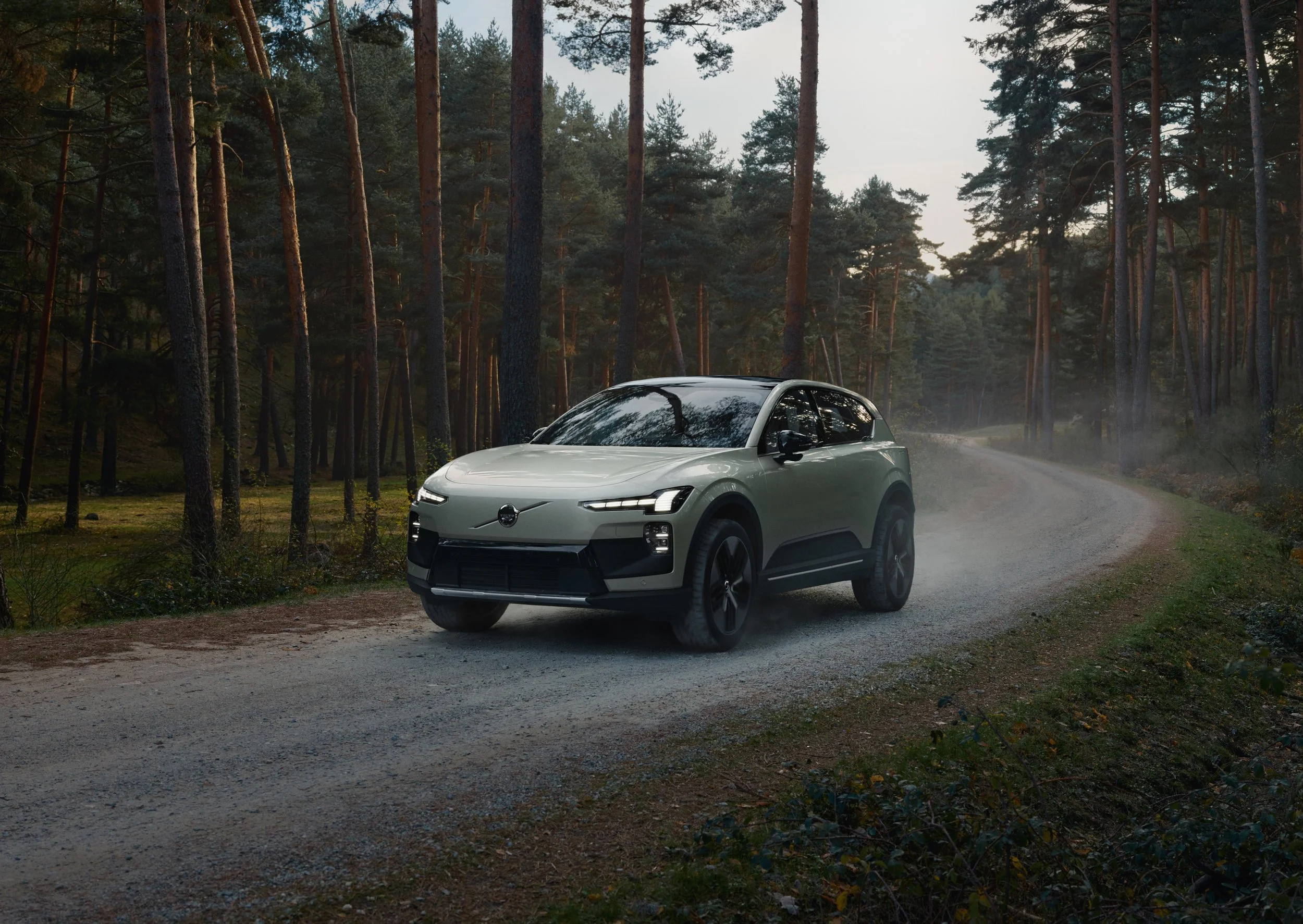
It also looks the part with contrasting black panels and embossed 'Cross Country' lettering, along with robust stainless steel skid plates. Along the sides, there is additional black plastic cladding, and the C-pillar includes a stainless-steel Cross Country nameplate.
Arrival timing is so far suggested as ;after this year, but Volvo Cars NZ brand manager Daile Stephens is heralding the cars as being a “step change” for the brand here.
“They elevate the brand in every dimension - range, technology, design and safety while staying true to our core values. These cars will expand our appeal to families, long-distance drivers and early adopters alike, and position Volvo as a leader in premium electric mobility in New Zealand.”
The latter is a big call for a make with small standing; though its sales in 2025 were a 40 percent lift on the 202 performance, the make still only achieved 534 sales in the past 12 months. It says the refreshed XC60 and XC90, the return of the all-wheel-drive XC40 and introduction of an EX30 Cross Country were fundamental to growth.
The EX60 is built on Volvo's 'SPA3' platform architecture, which Volvo claims is its most advanced yet, a step beyond the SPA2 underpinning used by the EX90 (and Polestar 2).
Both feature an 800V system for faster charging, advanced Nvidia computing, and software defined architecture for over-the-air updates. SPA3 uses 'mega casting' production methods for the first time to reduce complexity and boost interior space.
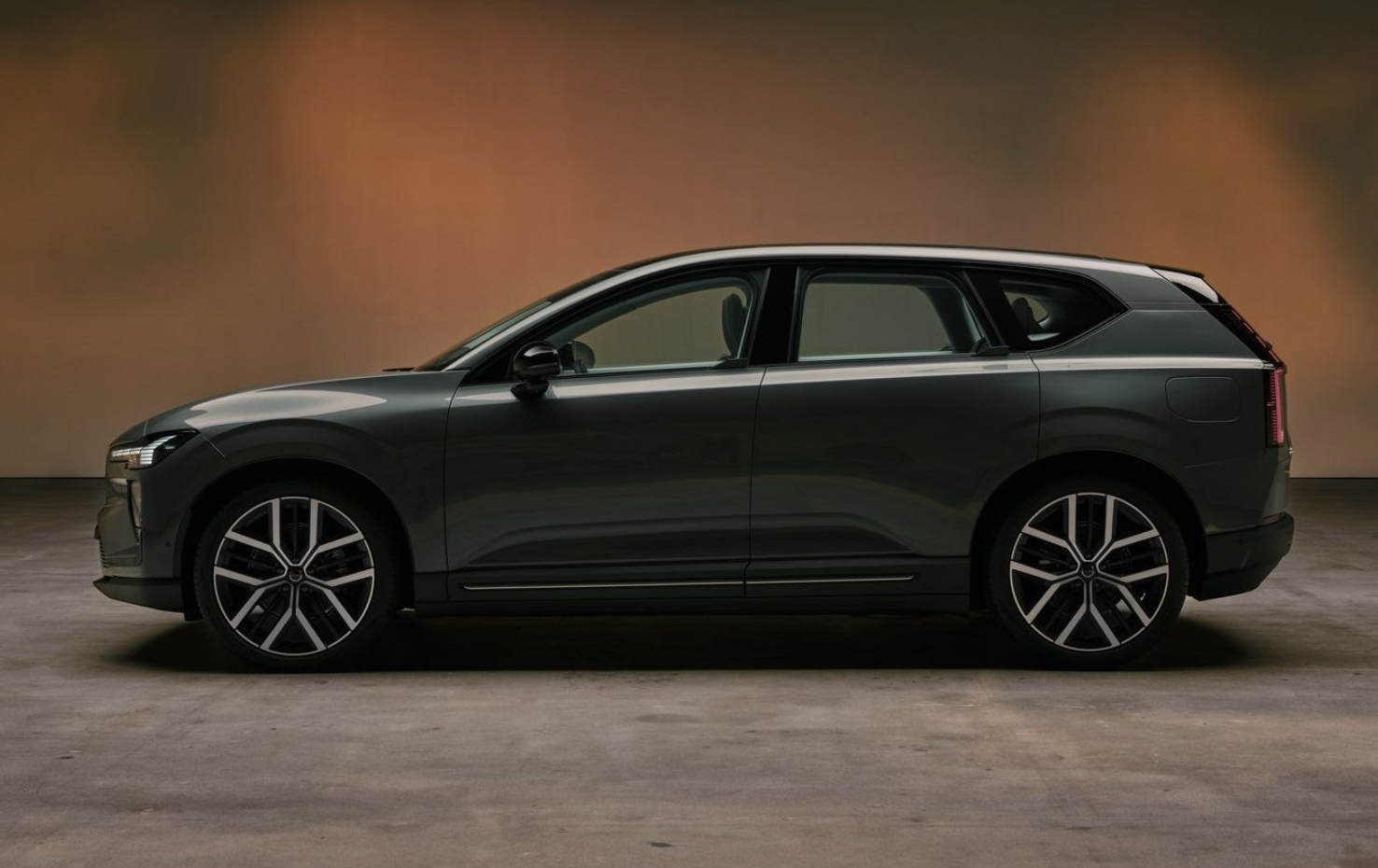
Whereas EX90 is slightly larger than the XC90, the EX60 is almost a match for the combustion-engined Volvo XC60 in size, measuring 4803mm long and 1908mm wide (including mirrors). It is slightly lower at 1639mm. I
The exterior design takes some cues from the other EX models, but the LED headlight units feature a fresh take on the company's signature 'Thor's Hammer' lighting signature, with animated sequence running when the car is locked or unlocked.
Integral to the EX60 being able to achieve a long driving range is its aerodynamics. There are numerous minute details that contribute to a low drag figure including the small tabs on the tops of the door that act as the door release. A short roof spoiler at the rear also forms part of the aero package.
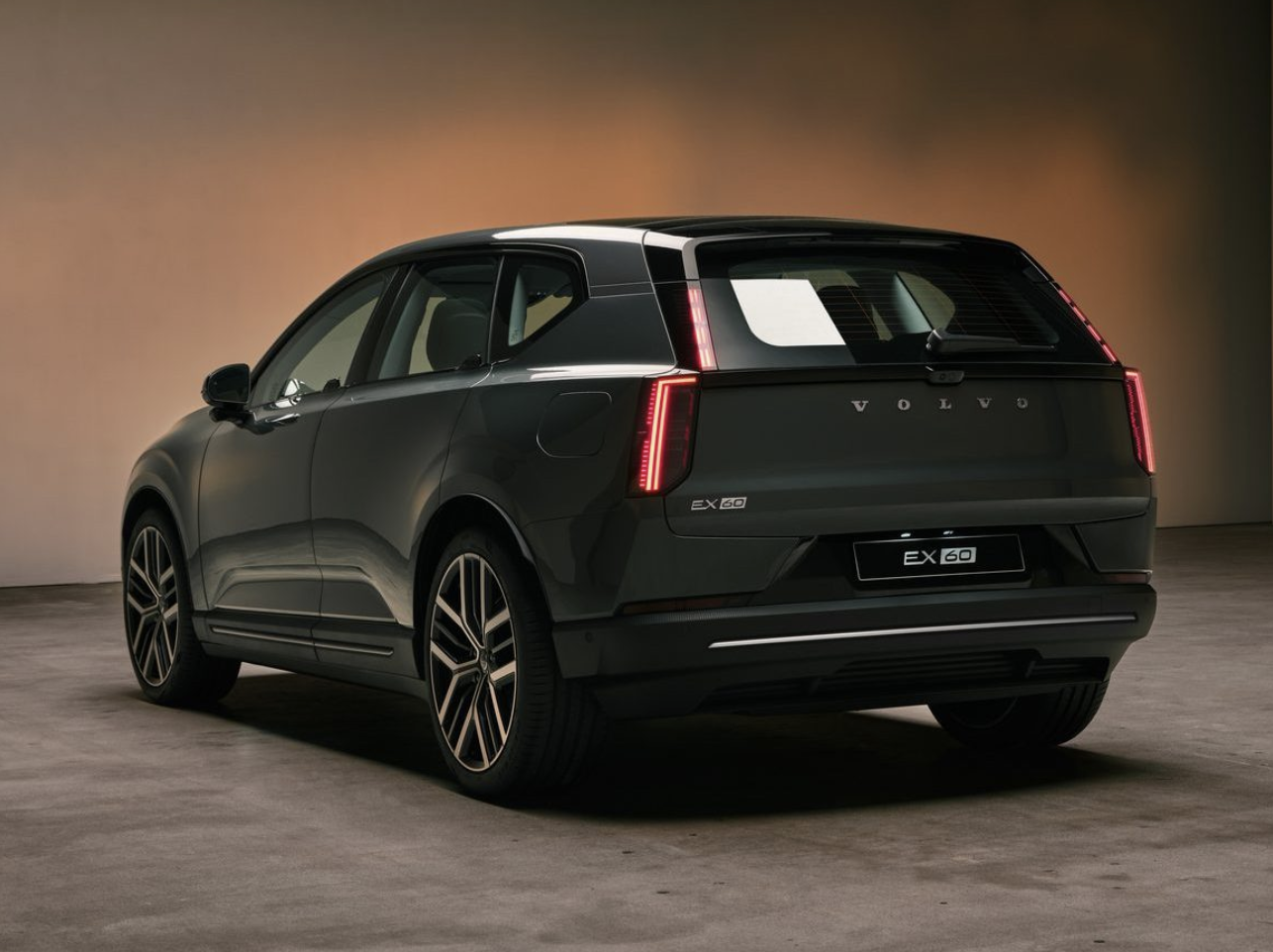
The model is designed to deliver more interior room than its ICE equivalent. It lends 634 litres of boot space and a total of 1647 litres when the rear seats are folded. A 'frunk' holds 58 litres - or as much as 85 litres if the first aid kit and warning triangle are removed.
The interior adopts the usuals of minimalist Scandi design; the dashboard is a blend of tactile materials, many of which are recycled and it has a smaller steering wheel than is typically seen in Volvos. The two-spoke layout features small square controls for adjusting various functions, including the reach and rake of the wheel - in conjunction with the infotainment system.
Ahead of the steering wheel and placed much closer to the base of the windscreen is an 11.4-inch digital instrument display. Due to its position, there is no head-up display system.
Whereas other Volvos have a portrait-style layout, EX60 delivers a 15-inch touchscreen in landscape orientation. It runs an entirely new and redesigned infotainment system that's powered by the latest Qualcomm 8255 CPU. Volvoe promises the kind of processing power that ought to future-proof the car. In addition to Google Maps, it also has Google's Gemini AI technology baked in, which is said to provide a more conversational digital assistant.
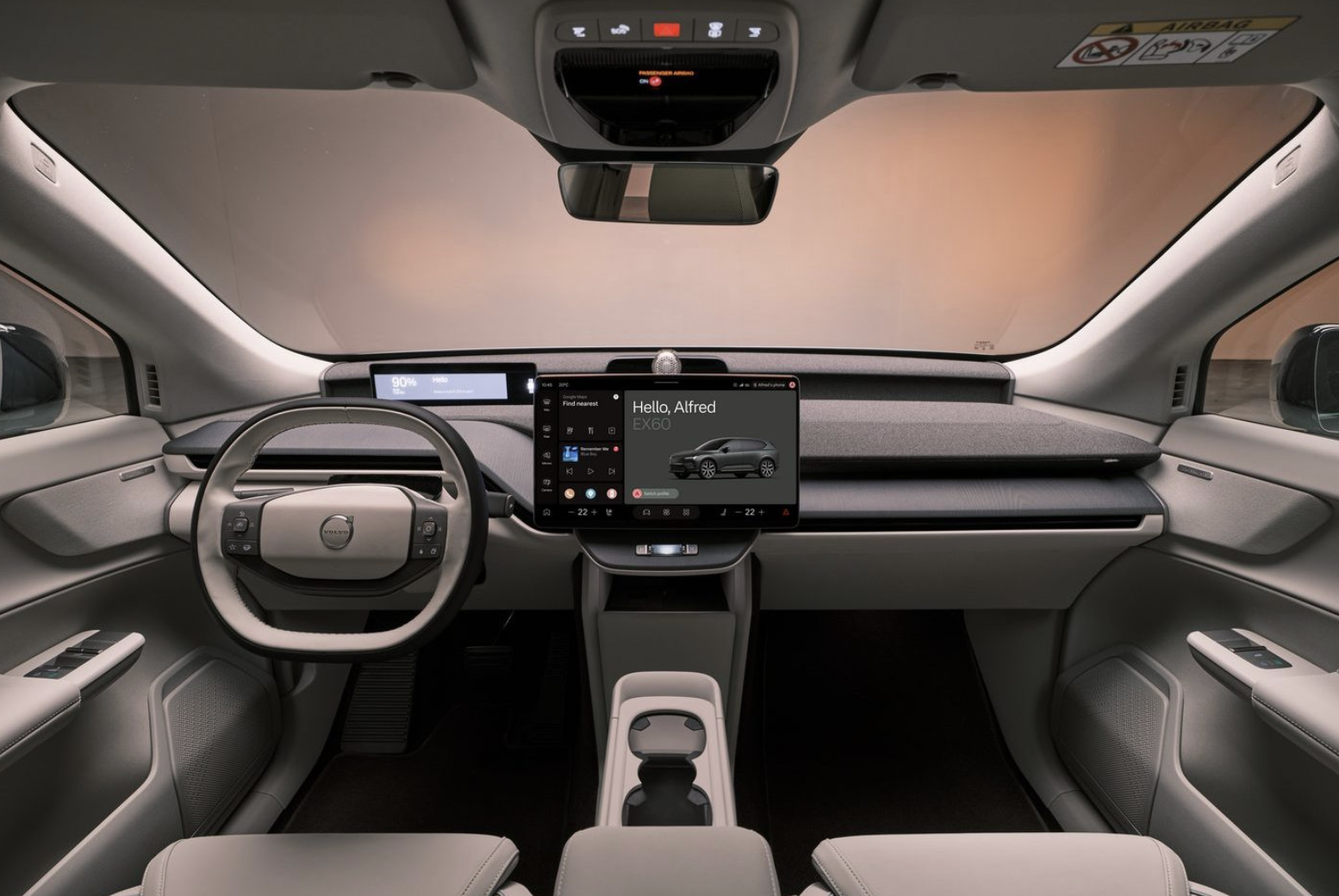
The EX60 is the first model to use Volvo's multi-adaptive safety belt. It works in conjunction with seat sensors and a cabin-facing camera to determine how each seat belt should react in an accident.
According to Volvo: “The new multi-adaptive safety belt can use data input from interior and exterior sensors to customise protection, adapting the setting based on the situation and individual's profiles, such as their height, weight, body shape and seating position.
“For example, a larger occupant in a serious crash will receive a higher belt load setting to help reduce the risk of head injury. While a smaller occupant in a milder crash will receive a lower belt load setting to reduce the risk of rib fractures.”
A cell-to-body construction for the batteries is said to contribute to a 20 percent weight reduction compared to previous electric Volvos. This approach also results in a 37 percent lower CO2 footprint, according to Volvo.
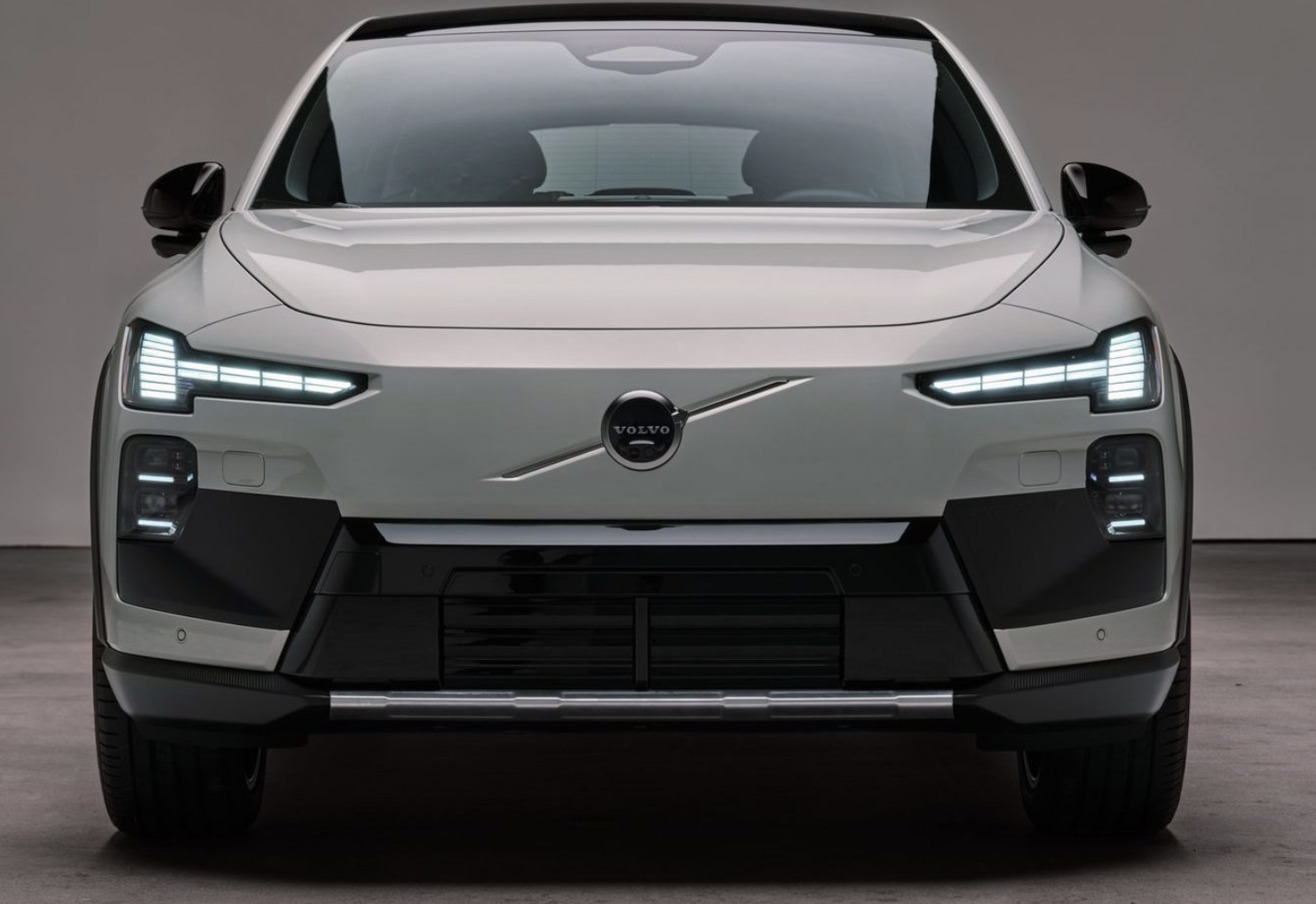
The line kicks in with a EX60 P6, the only single-motor variant of the line-up and uses an 80kWh battery paired with a 278kW electric motor that generates up to 480Nm of torque. It can accelerate from 0-100kmh in 5.9 seconds and is fitted with passive suspension. A WLTP combined range of 620 kilometres is claimed and it has a peak 320kW DC charging rate.
The P10 is the first of two dual-motor, all-wheel-drive powertrains and it also comes equipped with adaptive suspension. It uses a 91kWh battery to provide a WLTP driving range of 660 kilometres. Peak outputs of 380kW and 710Nm of torque avail, accelerating the car to 100kmh from rest in 4.6 seconds. The P10 is the basis for the Cross Country, which clocks 100kmh from a standing start in on 4.7 seconds.
Topping the range is the P12 AWD, which gets a 112kWh battery and maximum outputs of 507kW and 790Nm, resulting in acceleration from 0-100kmh in 3.9 seconds - while the WLTP range is 810 kilometres.
P10 and P12 are capable of charging at up to 370kW on DC power, which, in optimum conditions, can add 340 kilometres of driving range in 10 minutes. There will be 22kW AC charging, and the option of bi-directional charging.
EX60 drivers will also be able to tow, with the P6 capable of pulling up to 2000kg, while the P10 and P12 can tow up to 2400kg.