
Peaq piques Skoda NZ interest
/No decision yet on grand seven seat electric equivalent of the Kiwi-favoured Kodiaq.
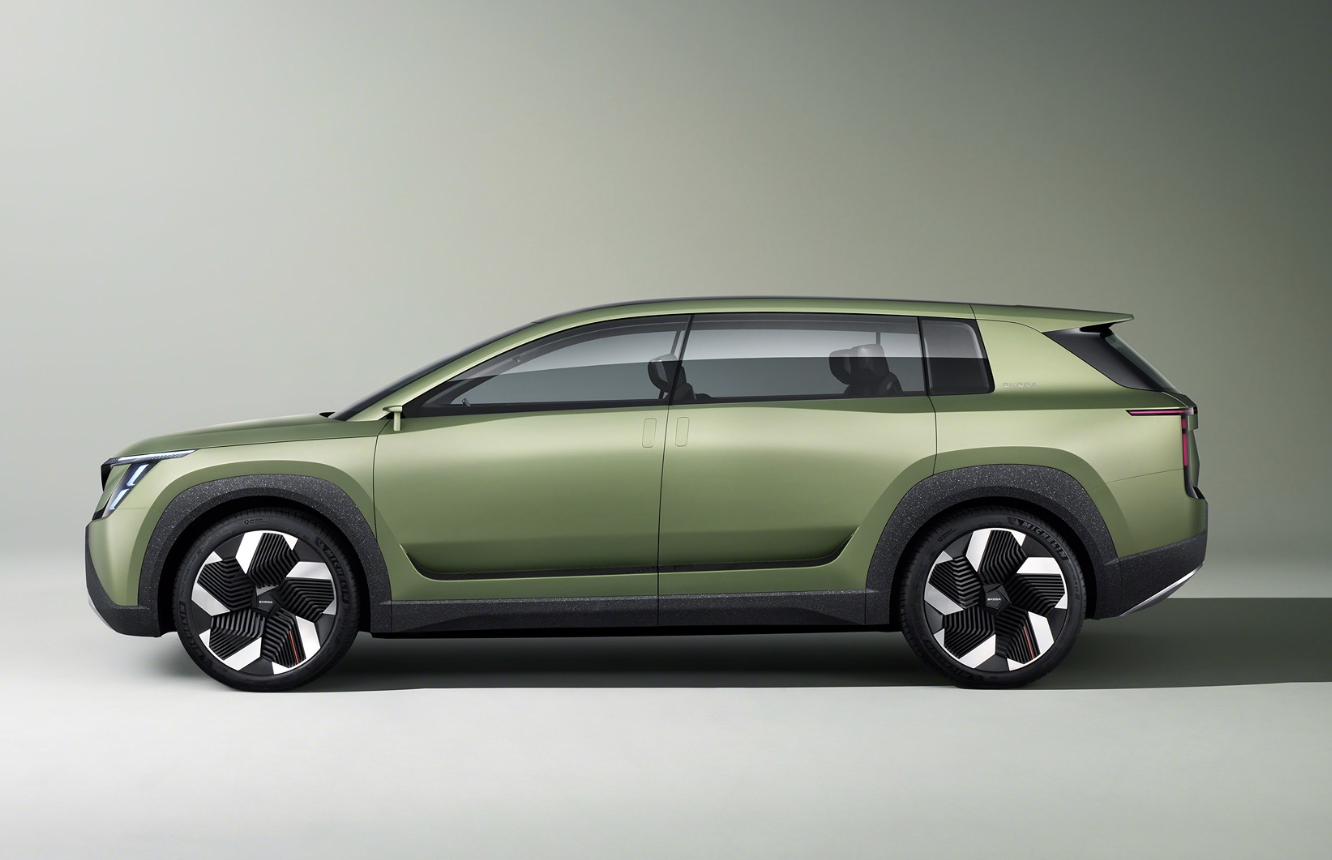
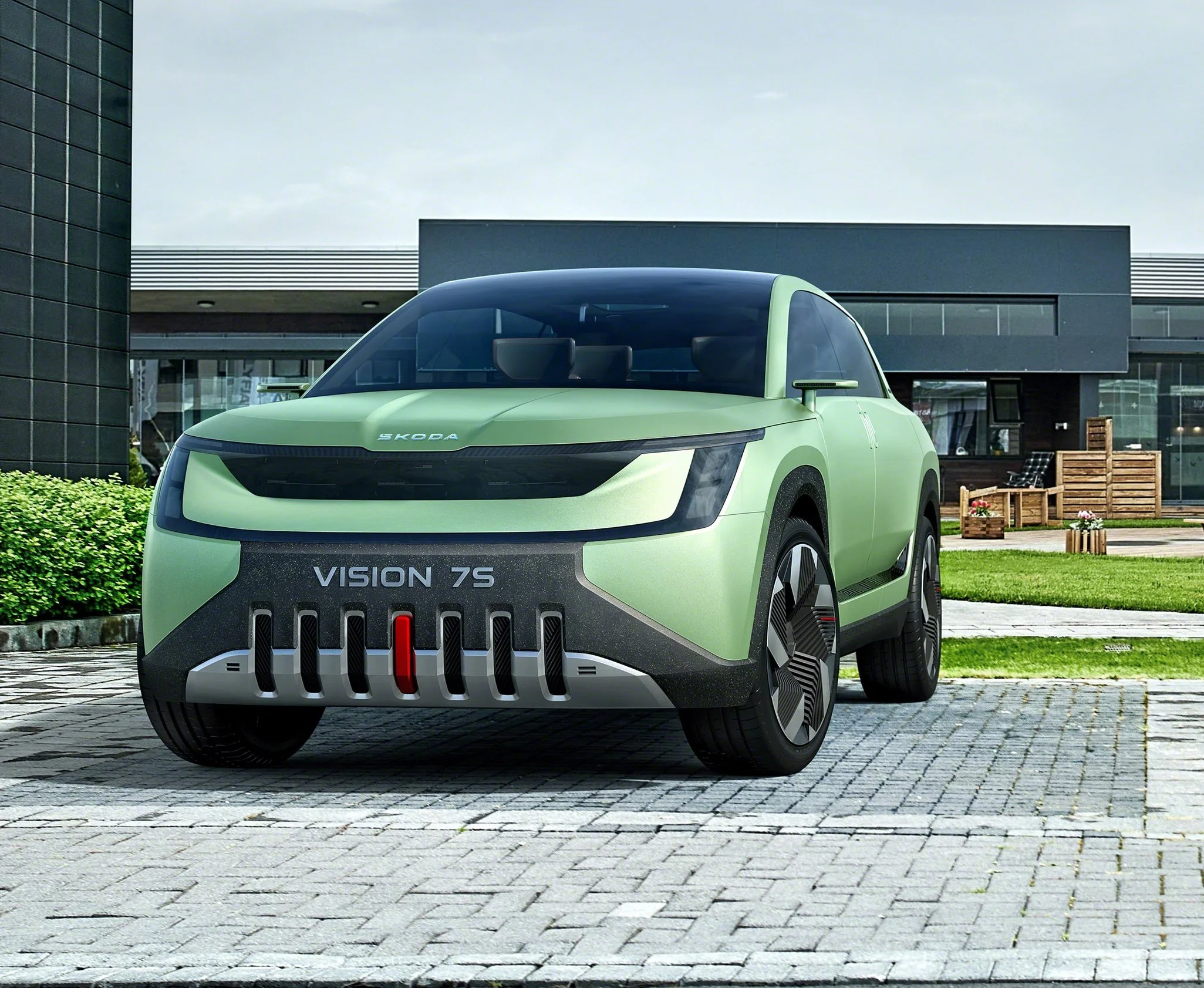
POTENTIAL for a seven-seater battery-wed flagship to ultimately join two electric models about to launch here has not been discounted by Skoda nationally, but possibly nothing will be firmly decided until well after the production car reveals.
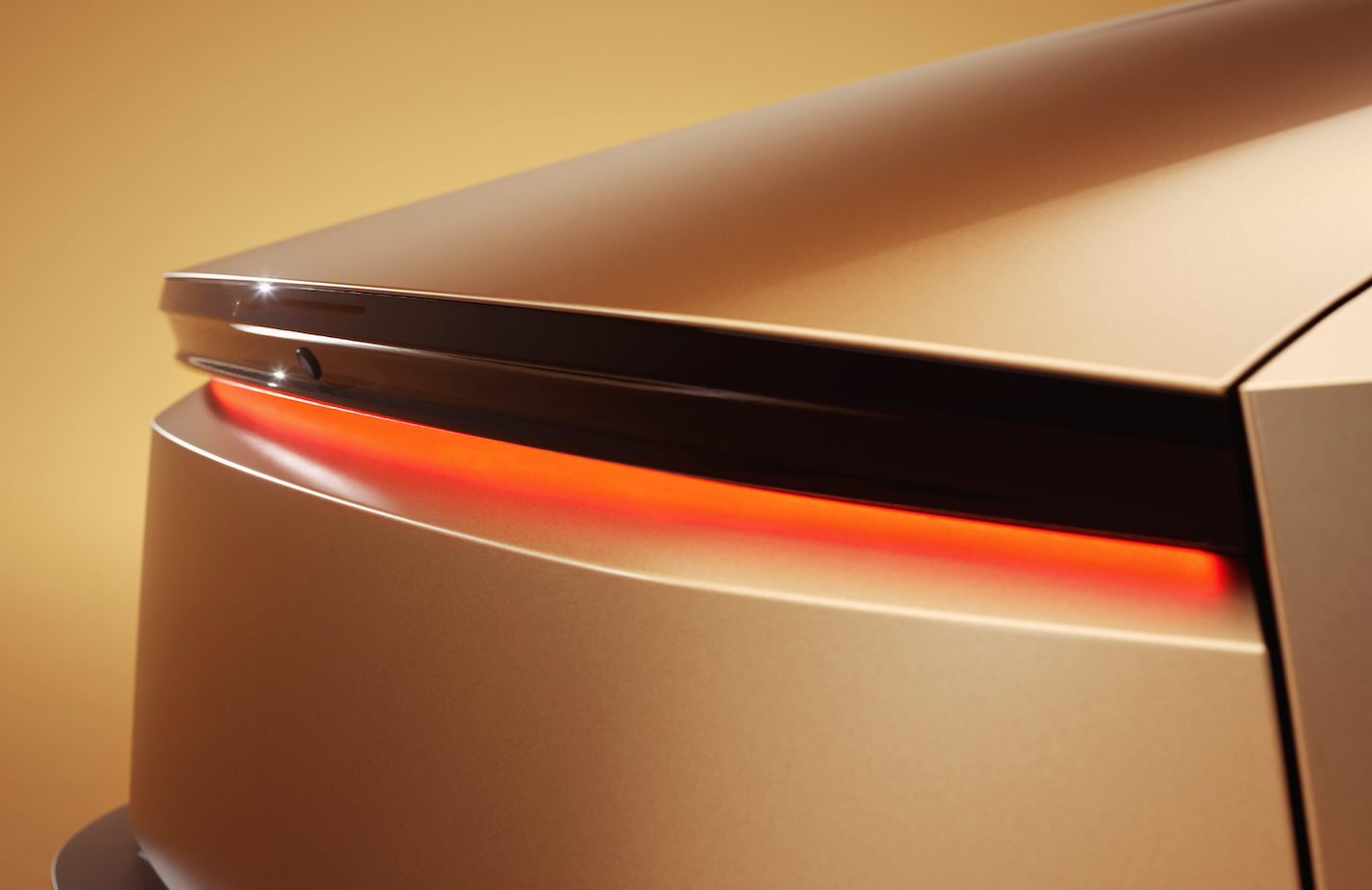
The Czech arm of the Volkswagen Group has advised the journey started by the Vision 7S concept (shown in the pictures here) way back in 2022 is about to reach a showroom destination.
Skoda New Zealand says it is interested in the Peaq, which is set to fully reveal in June - but it is not yet ready to commit.
An executive at the Auckland-based national office indicates any decisions might be held off until 2027, when right hand drive production for our part of the world begins.
“Skoda NZ will review the Peaq for the NZ market once it’s released for us next year.” marketing manger Natalie O’Brien said.
“The decision to bring this in will be based on a number of factors; pricing and specification that is fit for our market requirements being the key influencers.
At this stage we cannot confirm plans for this model.”
Peaq establishes as a battery-fed alternate - but with more seating - and ultimate step up from to the brand’s most important car for private buyers here, the Kodiaq (Superb wagon tops for volume, but that’s almost wholly to Police use).
A major success here, not least in its initial generation, Kodiaq presents purely in internal combustion form without any electric influence planned for its drivetrains.
With naming that stands as a play on the word ‘peak’ but also reflecting its status “at the top of the portfolio” - with a ‘q’ because that conforms with the naming policy for all Skoda electrics - Peaq may be one of the last Skoda models to be built on VW’s MEB electric platform.
MEB is currently used as a base for the new Elroq and facelift Enyaq models that are coming on sale here imminently.
The Peaq is set to join the large electric SUV category, potentially as a less outrageous and lower-priced alternate to the VW ID.Buzz, which costs $150,000 it is top seven chair GTX format.
Overseas’ commentators suggest it will also run against the Kia EV9 that has been here for a year, and struggled to imprint in a troubled EV sector, and Ioniq 9 from Kia’s parent brand, Hyundai. The latter has been suggested as a potential for NZ, but nothing has happened yet.
When showing off Vision 7S, Skoda said it’s aim was to offer more than 600km of driving range; if achieved, that takes it ahead of Buzz and leaves it on par with the most frugal editions out of Korea. Skoda’s concept ran a 89kWh battery, which in itself is larger than the biggest size used by Buzz (it has 77kWh usable).
If Peaq was on the VW Group’s newest EV underpinning, the ‘premium electric’ platform, it conceivably might have supported batteries up to 108kWh, as in the new Porsche Cayenne and Audi Q6.
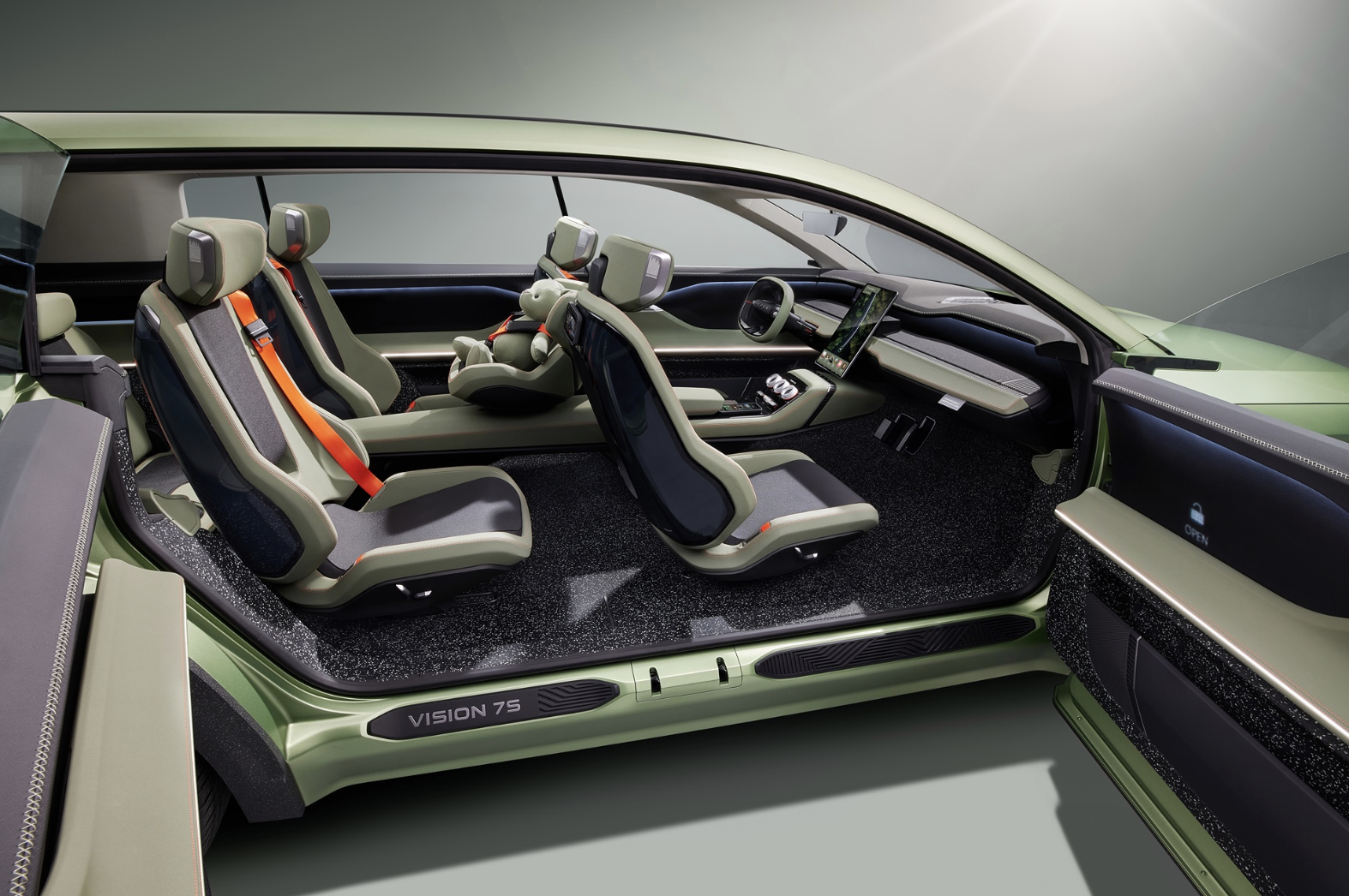
The Vision 7S concept seats occupants in a two-two-three configuration, with rear-hinged back doors. It seems probable those will be replaced by conventional units for production.
The concept’s interior has a 8.8-inch digital instrument display and a 14.6-inch touchscreen that rotated horizontally or vertically, whether the car was in “Drive” or “Relaxation” mode.
Vision 7S was also the beginning of Skoda’s ‘Modern Solid’ design era. The company says that the design stands for “robustness, functionality and authenticity”. Cues from the study have now transferred to Elroq and Enyaq.
The latter are very much firmly in Skoda NZ’s thought pattern right now, with a media introductory set for next week.

The models have a lot in common. Elroq sites on an Enyaq platform, uses Enyaq drivetrains and tech and has similar styling, but is set to be more handily placed for pricing and carries a great weight of expectation as this make shakes off the distresses created by the entire EV sector being in desultory shape for the past two years.
Although Skoda calls Elroq a compact SUV, it is not much smaller than the Enyaq, aside from losing 161mm in overall length, which stands at 4.49m. The Elroq’s shorter front and rear overhangs also give it a more upright, monolithic stance.
The wheelbase – the distance between the front and rear wheels – is identical and though Elroq gets a smaller boot - at 470 litres, it has 115 litres’ less capacity (and no ‘frunk’ front storage compartment is offered) - cabin space is similar in both cars.
The cabin design also mirrors the Enyaq, featuring a perforated leather steering wheel ahead of a 5.0-inch digital cluster and a 13.0-inch central touchscreen.
The big plus for re-igniting interest is that it is decidedly cheaper.
The pricing shared by Skoda NZ shows the new model topping out $10,000 below the entry version of the larger choice we’ve known since start of 2023.
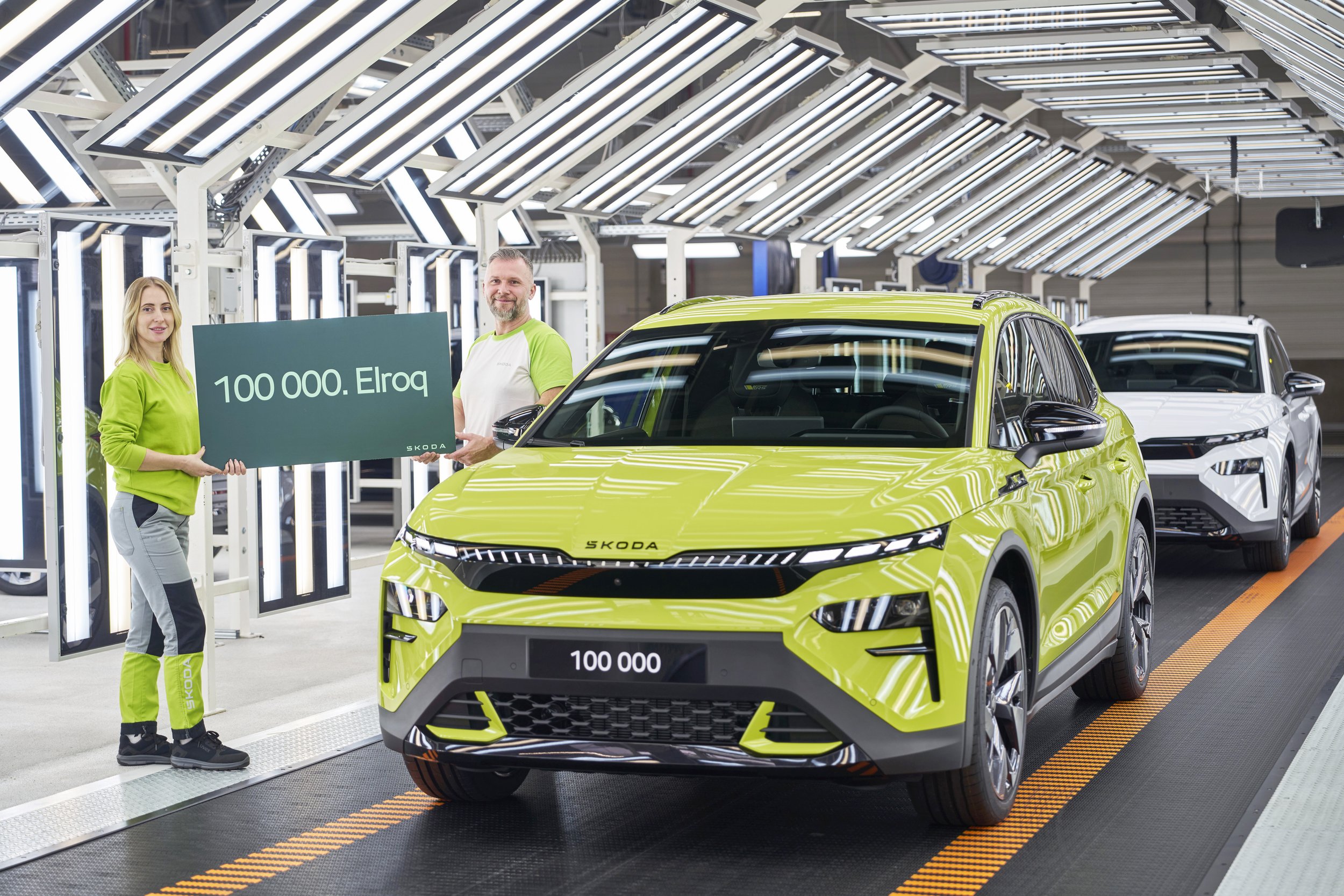
Elroq (above) has dual motor in its future, but starts here in single motor, rear-drive, with two battery sizes but 150kW power and 310 Nm torque either way.
The Elroq 60 with a 63kWh (59kWh net) battery and 400 kilometres range is the price leader at $69,0000, with an Elroq Sportline also in the mix for $79k.
Those prices are around where Enyaq fell to during 2024, when EV distributors had to drastically discount stock to shift it.
The 2026 pricing regime leaves impression Elroq Sportline stands likelihood of being cross-shopped against the entry Enyaq, a $79,990 Sportline.
Both run the same powertrain - an 82kWh (77kWh net) battery feeding a single 210kW/545Nm motor, both with 530km range.
The larger car will likely have a more affluent trim. Even so, a $10k saving by going smaller pays for a lot of recharging.
The other Enyaq coming is a performance-themed RS, for $99k. It’s the only dual motor Enyaq being proposed at the moment and has a bigger battery, with 84kWh (79kWh net) cited.
Maximum power is 250kW and while Skoda doesn’t give a combined torque figure, the rear motor delivers 545Nm and the front has 134Nm. Range is said to be “up to” 576km.
When Enyaq first came, it was provisioned in three choice; two SUVs and a coupe. All single motor, with an 82kWh (77kWh usable) battery, 150kW and 310Nm, and around 518kms range.
Nothing from that era exactly correlates with what we have for 2026. However, the entry car now is $1100 more than original range’s base choice, Sportline 80 Max. Back then we also had a $92,990 Sportline 80 and a $102,990 Coupe.
Skoda produces both Elroq and Enyaq with a slinkier, low-roofed look, but that shape hasn’t found a place in the NZ distributor’s thought process.