
Driving on sunshine
/The idea of running an electric road car off solar energy is no longer such a challenge.
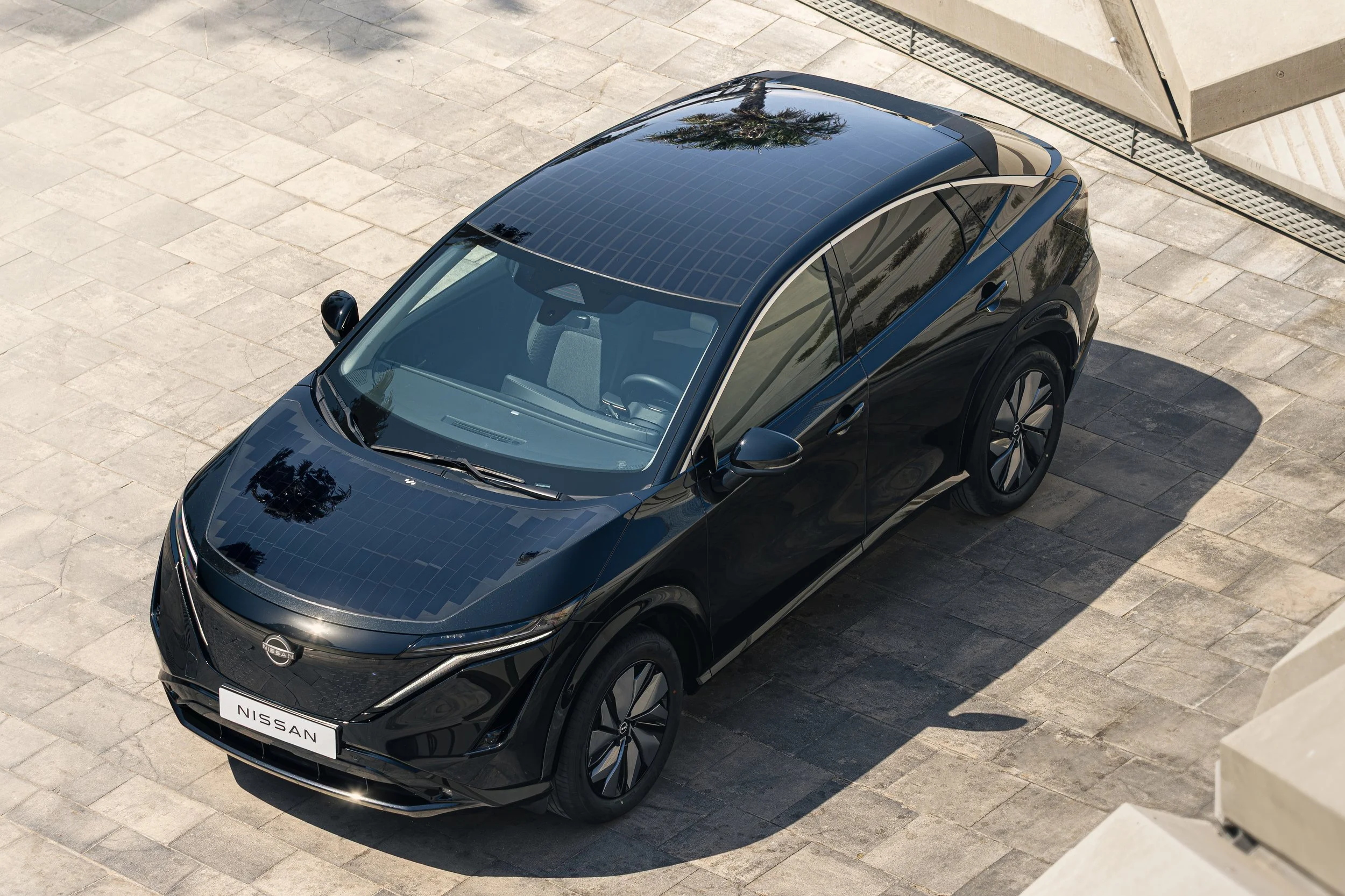
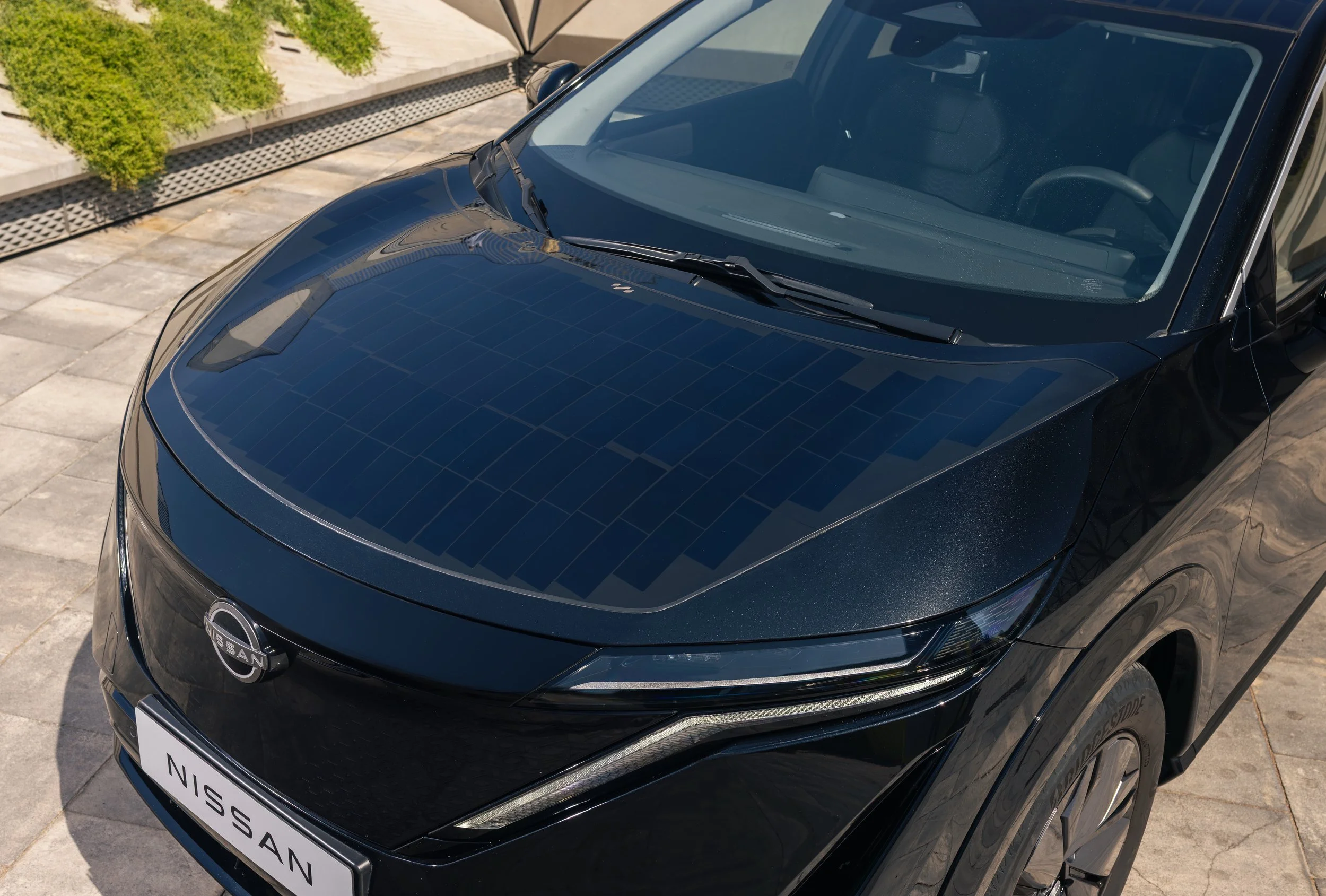
Nissan has developed an Ariya concept car with solar panels fitted to its upper surfaces.
A project to celebrate Clean Energy Day also serves to show how electric vehicles could harness the most abundant renewable energy source going – the power of the sun.
You might be compelled to ask: Aren't solar panels notoriously inefficient at converting sunlight into energy?
Yes, that’s true. But Nissan is among car brands that contend that, as the technology progresses, then the conversion efficiency should improve.
Even with current tech levels, Nissan's concept vehicle has already proven that the solar panels do have a positive effect on range.
The car was developed by engineers from the carmaker's Advanced Product Planning team in Dubai, along with the Powertrain Planning group based in Barcelona (two famously sunny places, incidentally).
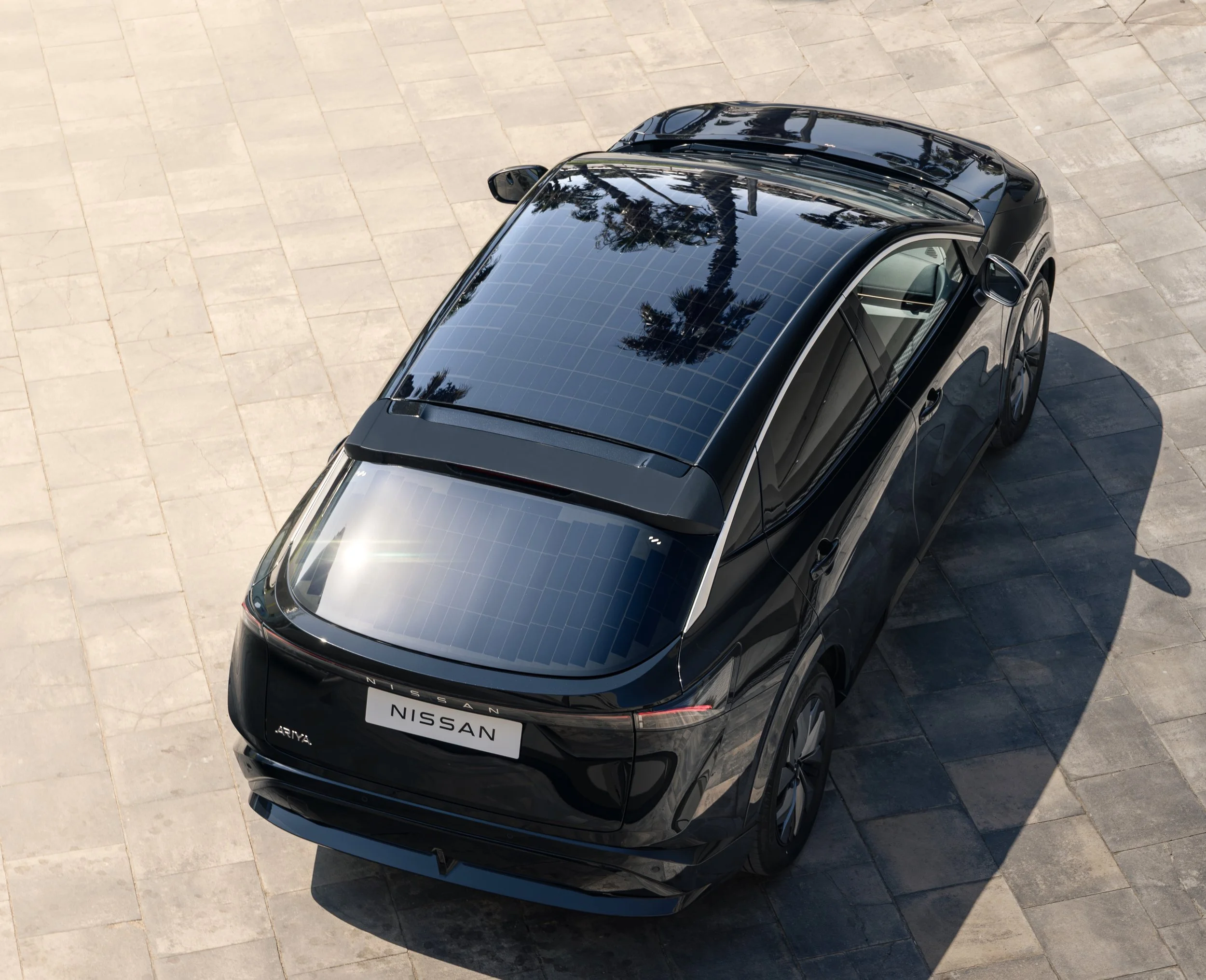
This Ariya is identical to the type on sale in NZ, save that it has 3.8 square metres of photovoltaic panels integrated into the bonnet, roof and tailgate.
The panels, made of polymer and glass, convert sunlight into DC power, with an advanced controller said to optimise energy usage and thus reduce the car's reliance on an external charging infrastructure.
So it’s fully running on the power of the sun? Erm, not quite. But real-world testing by the manufacturer has shown that it can deliver up to 23km of additional range per day, although that's the extreme limit.
In cities with high solar exposure, the vehicle is said to be able to generate an average of 17.6km of daily solar-driving range.
Nissan further states that a two-hour, 80km journey can produce 0.5kWh of clean energy from the sun, adding up to 3km of 'free', zero-emission range. This in turn contributes to reducing a driver's EV charging frequency by up to 65 percent, depending on usage, and that sort of solar performance will have useful implications for regions of the world where the charging infrastructure is limited.
It is claimed by the manufacturer that EV owners could enjoy longer intervals between charges, greater autonomy, and lower cost-of-ownership – simply by parking or driving in the sun.
Obviously, these are incremental increases, but Nissan argues that any positive increase of range has to be worth considering.
Born out of the simplistic question 'what if EVs could charge themselves?', the project was made possible by allying with Dutch solar-mobility company Lightyear, the outfit which supplied the solar-panel technology for the carmaker to integrate into the Ariya's bodywork.
Shunsuke Shigemoto, vice-president ePowertrain and Internal Combustion Engine Powertrain (ICE), Technology Research and Advanced Engineering and Chief Powertrain Engineer, Nissan Africa, Middle East, India, Europe and Oceania, said:
“The solar powered Ariya concept embodies Nissan's belief that innovation and sustainability must move forward hand in hand.
“By exploring how vehicles can generate their own renewable energy, we are opening the door to new opportunities for customers – greater freedom, reduced charging dependency, and a cleaner future.
“This concept is not just a technical milestone; it's a vision of how Nissan intends to lead the next phase of electric mobility.”