
New Three unveiled and soon en route
/The eight-generation of BMW’s passenger sales mainstay seems set to show in general issue sedan formats first.
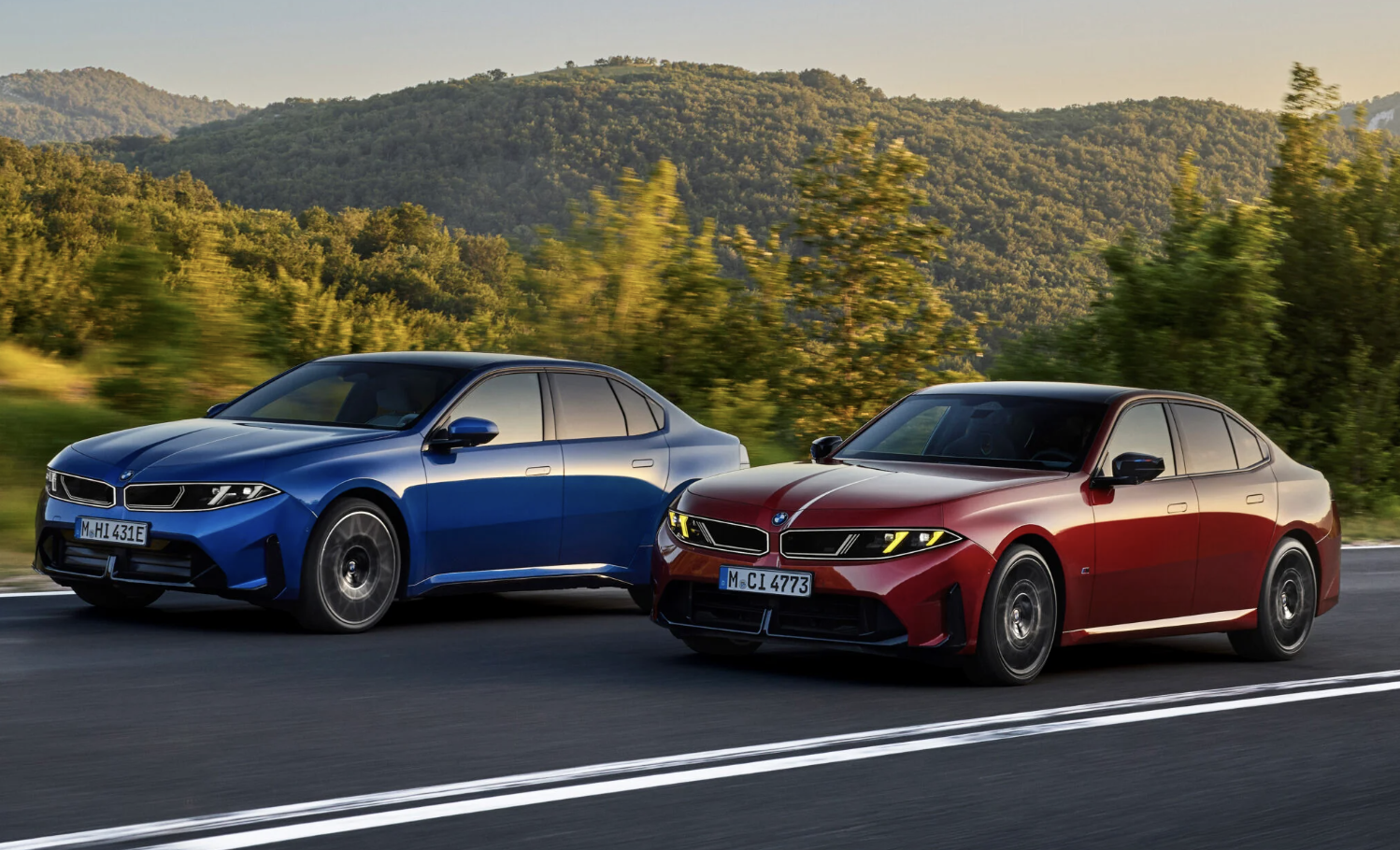
REGIONAL availability of the eighth-generation BMW 3 Series that’s just been revealed internationally is set to start from early 2027, with New Zealand pricing still awaited.
Borrowing the electric i3’s Neue Klasse design, but retaining petrol combustion power - initially across a base four-cylinder and top-end six-pot petrol power plant choices - and familiar foundations, the model seems set to land here in 320i and M350 xDrive sedan versions, to site alongside the electric i3 40 xDrive and i3 50 xDrive.
Those have already been priced for Australia, where the petrols respectively retail for the equivalent of $103,439 and $158,920, with availability in the first quarter.
Australia and NZ share common product and, historically, launch timelines have been synched, with the larger market generally being only slightly ahead.
A wagon, more drivetrains and the M3 to be launched down the track.
The i3 rides on the new-generation Neue Klasse electric architecture that also underpins the iX3 electric medium SUV. The combustion 3 Series uses a heavily updated version of an older architecture, the CLAR platform that underpins its G20 predecessor.
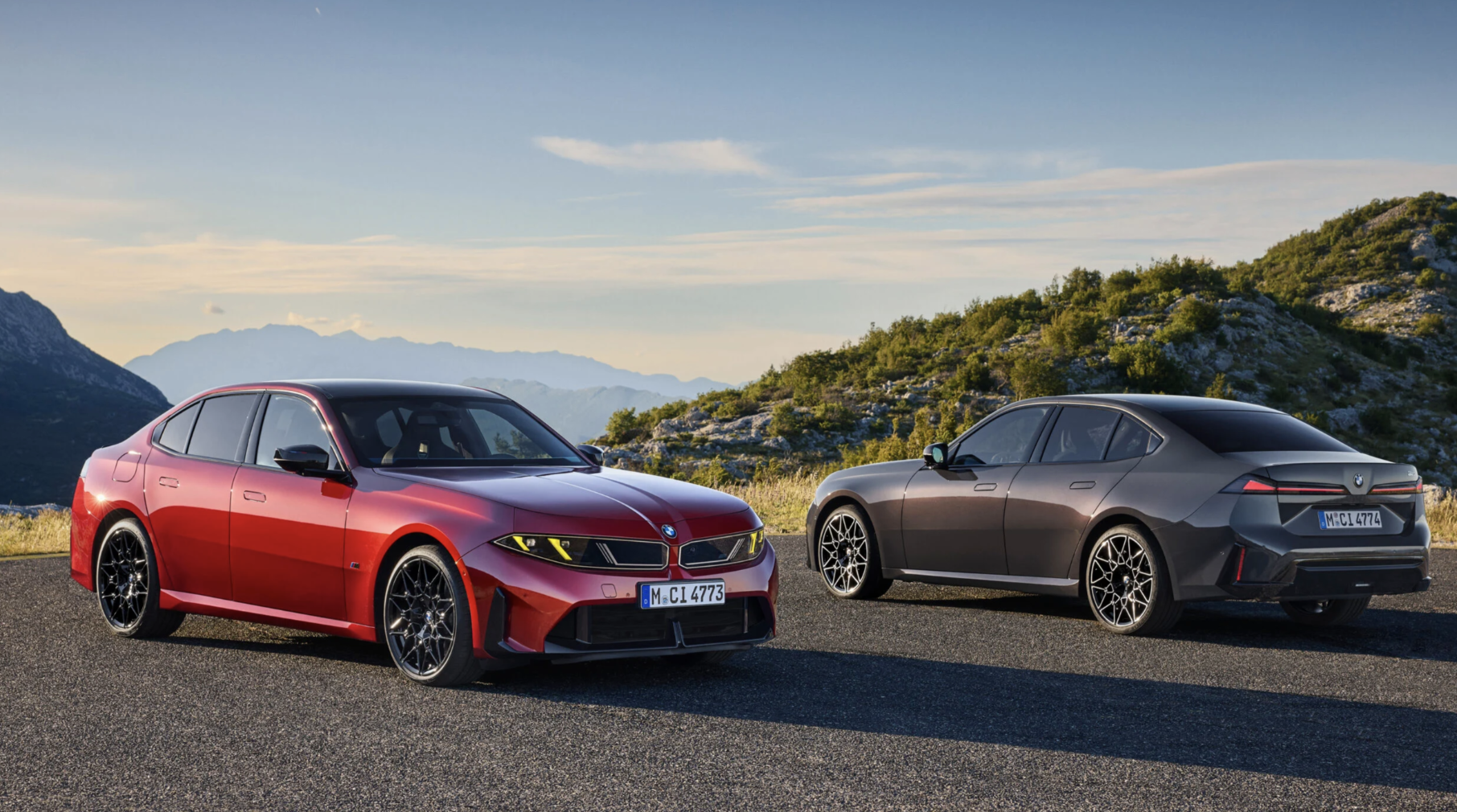
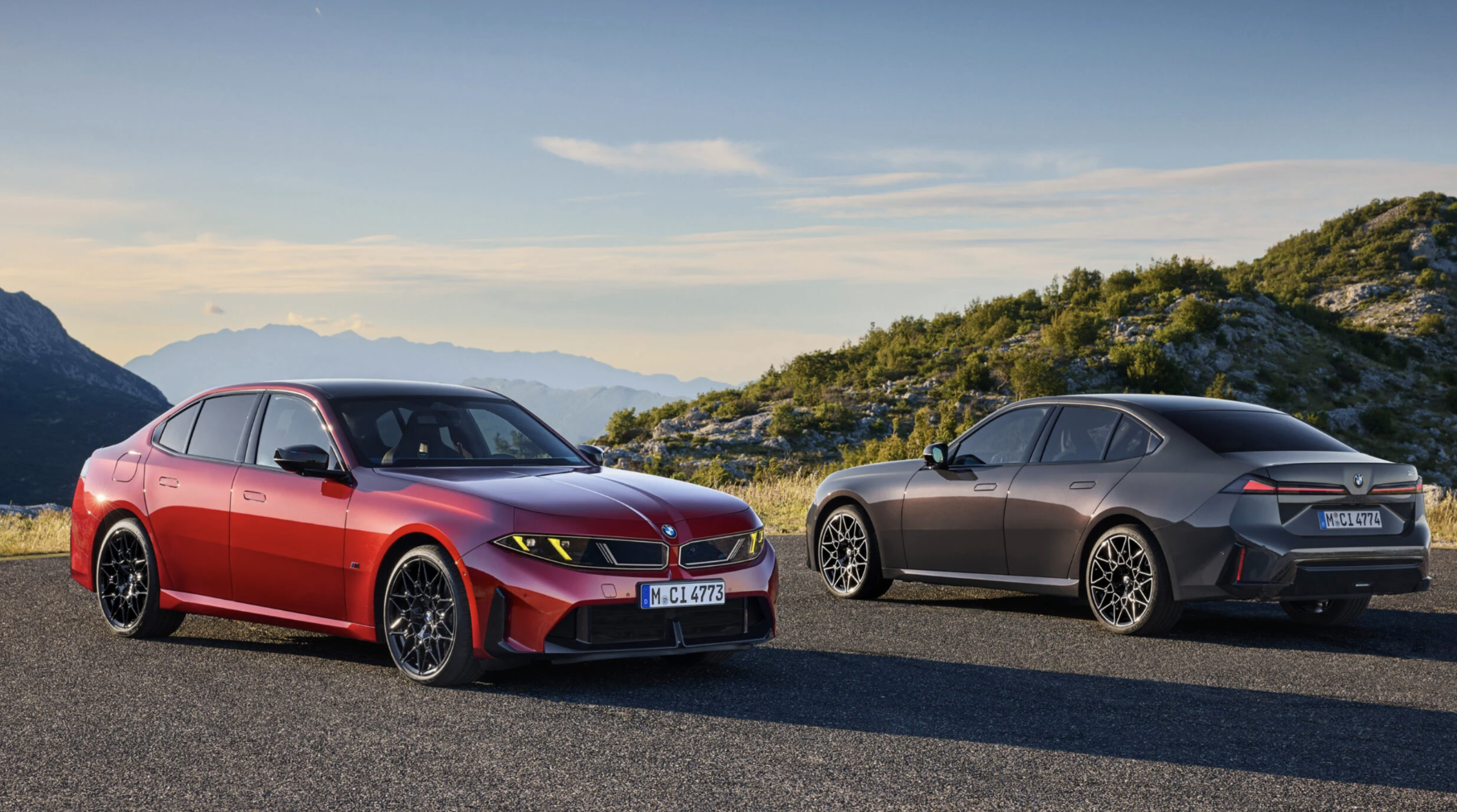
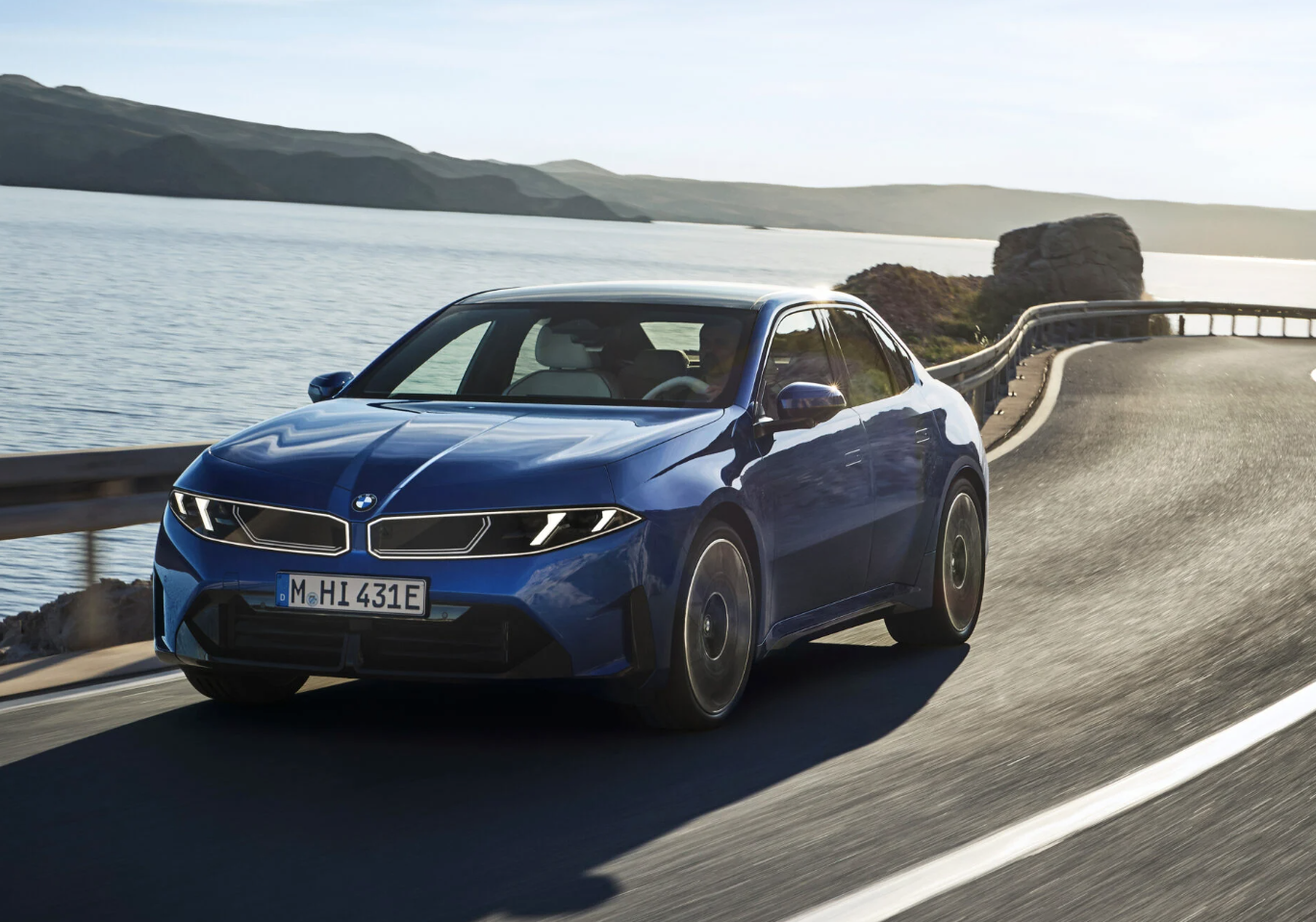
The 3 Series adopts the i3’s minimalist front end with slim, aggressive lighting and a horizontal version of theBMW kidney grille. Side surfacing and rear detailing is as per the i3.
The petrol 3 Series is 6mm longer and has a longer and lower bonnet to accommodate its combustion engines, and its windscreen is more upright.
Measuring 4760mm long, the new 3 Series has also grown by 52mm compared with its predecessor, although its wheelbase has only increased by around 10mm. Cited cargo capacity of 450 litres is 30 litres less than the previous model.
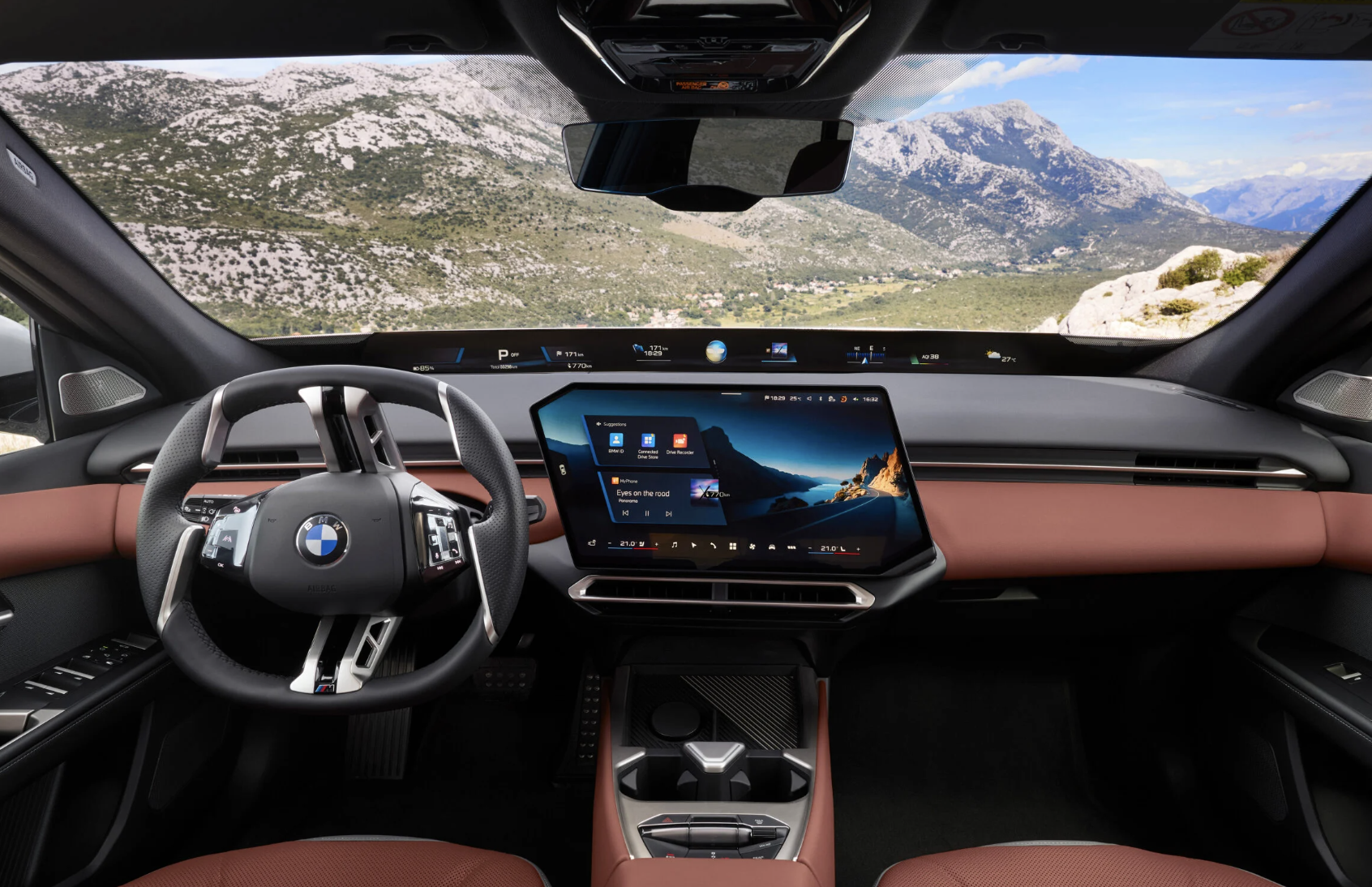
BMW’s Panoramic iDrive system has replaced the usual driver’s display, projecting information across the base of the windscreen as per iX3. A large 17.9-inch central touchscreen running ‘BMW Operating System X’ dominates the dashboard, while physical switchgear has been significantly reduced.
Under the bonnet, BMW will offer four- and six-cylinder engines, all using 48-volt mild-hybrid technology.
Initially in production are a turbocharged 2.0-litre four-cylinder petrol engine for the rear drive 320i.
This produces 153kW and 330Nm, so 18kW and 30Nm more than the current 320i, and is paired with an eight-speed automatic transmission. The 0-100kmh sprint achieves in 7.4 seconds.
Sitting above that is the new M350 xDrive, which replaces the previous M340i. Its turbocharged 3.0-litre straight-six and mild-hybrid drivetrain produces 309kW of power and 580Nm of torque – increases of 24kW and 80Nm compared to the M340i – driving all four wheels through an eight-speed automatic. BMW claims 0-100kmh time in 4.1 seconds, an improvement of 0.2s over its predecessor.
The M350 introduces a new ‘Drift Moment’ function, which can disconnect drive to the front axle and effectively turn the all-wheel-drive sedan into a rear-driver.
Standard features for the 3 Series include 18-inch (320), 19-inch (i3) or 20-inch (M350) alloy wheels, adaptive M suspension, a panoramic glass roof, automatic bootlid functionality, synthetic leather upholstery, LED lighting, the Panoramic Vision screen at the bottom of the windscreen, 17.9-inch touchscreen and heated and ventilated front seats.