
Seltos bulks up, slims fuel burn
/New model choice puts focus on most economical drivetrain format.
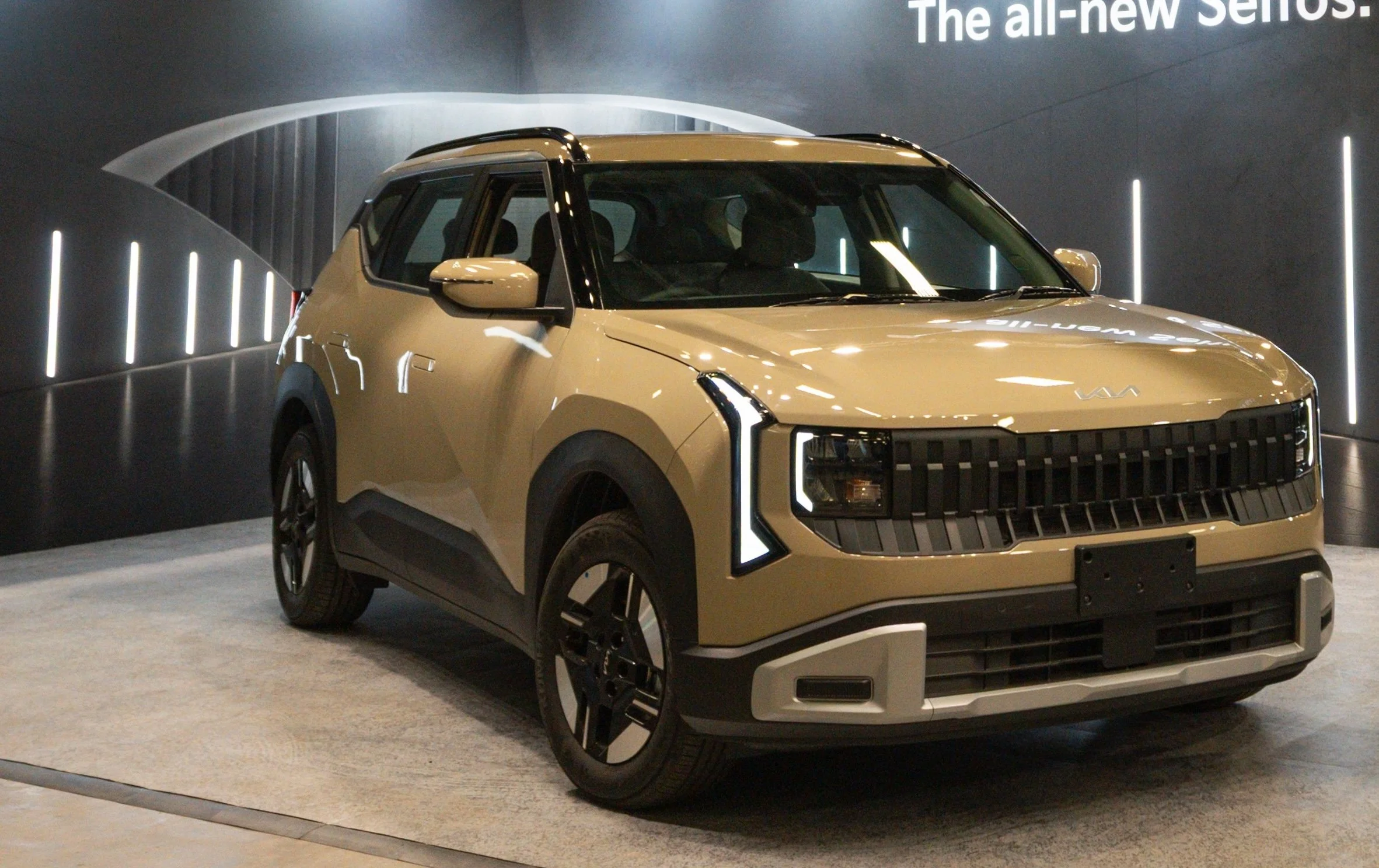
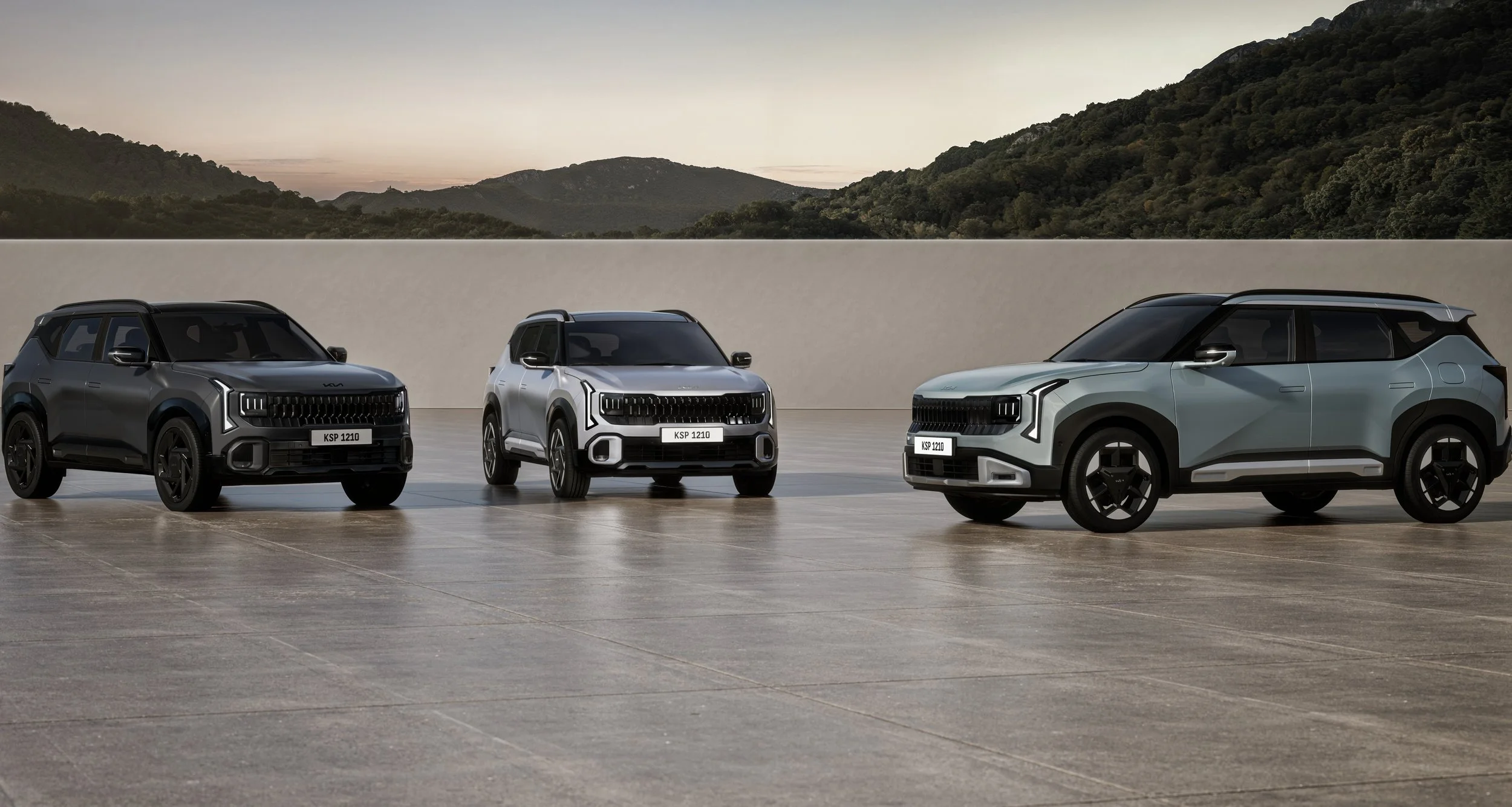
PRIMARY focus on front drive accompanies a first time fit petrol hybrid in two states of tune for the second-generation Kia Seltos, now rolling out.
Delivering with a larger body and a more striking aesthetic, with cues and technology from Kia’s electric cars, the smallest of Kia’s crossovers starts in a $39,990 Light trim, then ramps up to $44,050 Earth, $47,990 Water and $51,990 X-Line, all with the new 1.6 in 112kW tune.
Above those is an all-wheel-drive X-Line, with a 129kW version of this unit, again in marriage with a six-speed direct shift transmission.
Design is dictated by the company’s current “Opposites United” theme, hence the angular lighting and a wedge shape that delivers strong resemblance to the EV5 electric car.
The interior achieves the same dual 12.3-inch touchscreens, 5.0-inch climate screen and open centre console as other Kia models.
Other available interior features include ambient lighting, reclining rear seats, a wireless charger, a panoramic sunroof, electric front seats and premium sound systems.
The K3 platform is also used by the Hyundai Kona and allows this Seltos to be significantly larger and thus roomier for occupants than its long-serving predecessor, which came into production in 2019.
Cargo capacity increases from 498 litres to 536 litres.
The wheelbase is 60mm longer at 2690mm, at 4430mm it becomes 45mm longer, and is also 30mm wider, now at 1830mm. It also sits lower, with a height of 1600mm.
Kia predictably says the new platform delivers improved ride, handling, and stability, along with greater body rigidity and improved noise insulation.
It also says the suspension has been tuned for ‘local’ conditions, which in translation means Australia, where the make has a team working on spring and damper selection.
Kia has developed several new drivetrains for the car, including orthodox petrol types with more power and torque than the NZ choice, but don’t expect to see them.
The push here is to promote efficiency, with an optimal economy of 4.5 litres per 100km being cited, a big improvement on its predecessor.