
Next Polestar a carbon credit
/Impending flagship ‘5’ has a fantastically Green impact.
WITH fuel prices going to hell, perhaps surely now is the time when Kiwis might again give serious consideration to electric cars.
In which case, data from an expert make about its latest requires consideration.
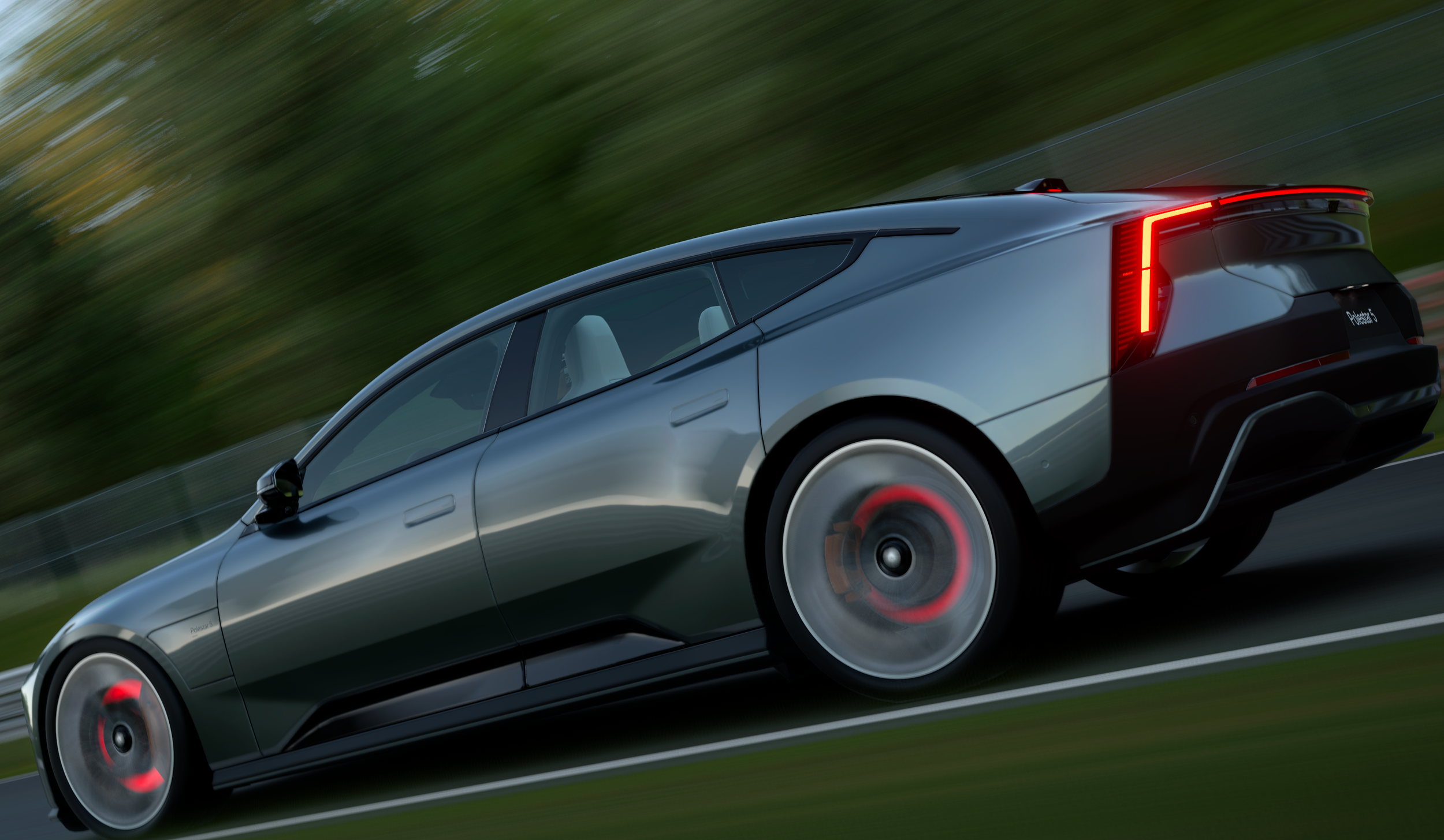
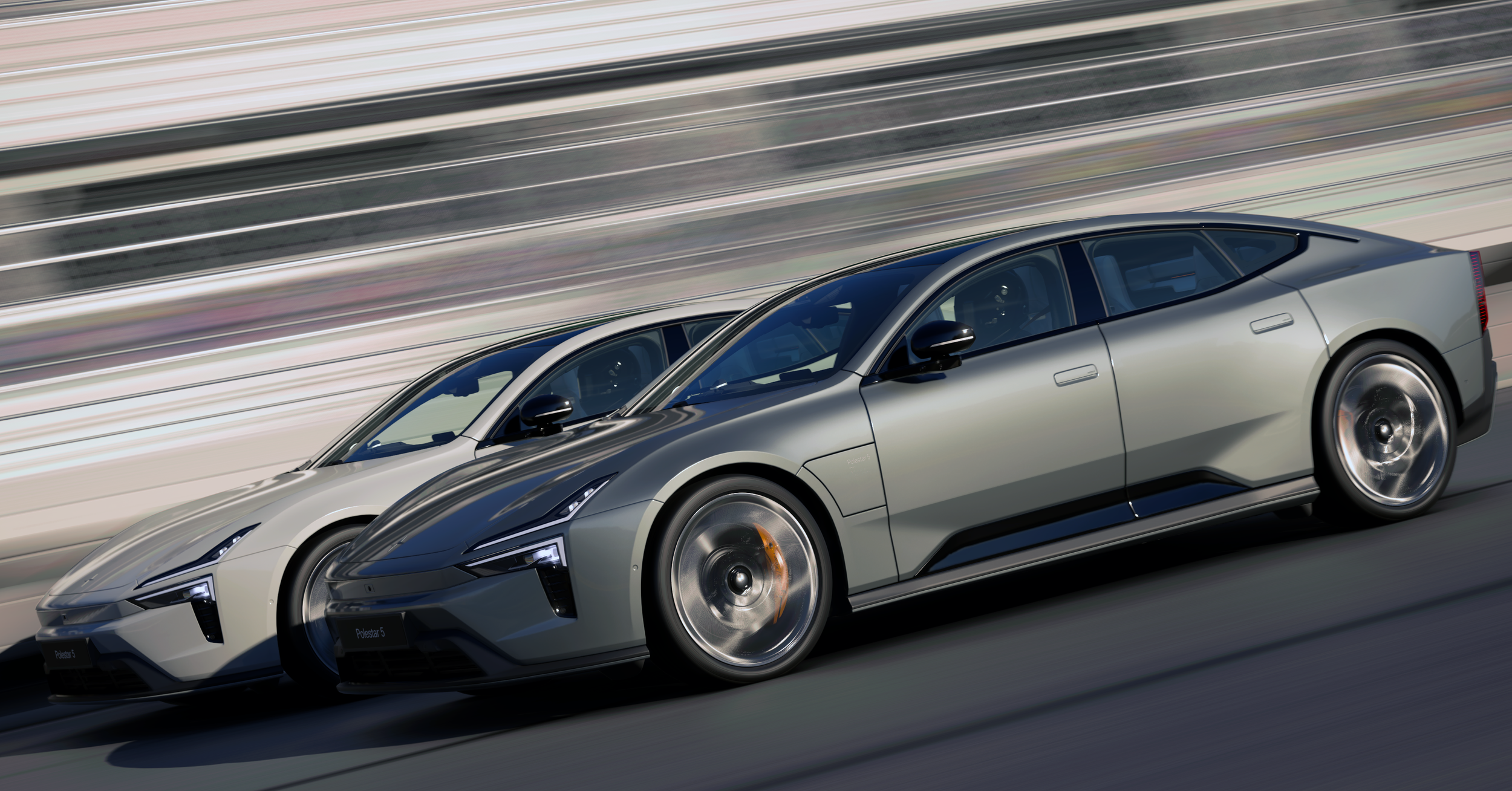
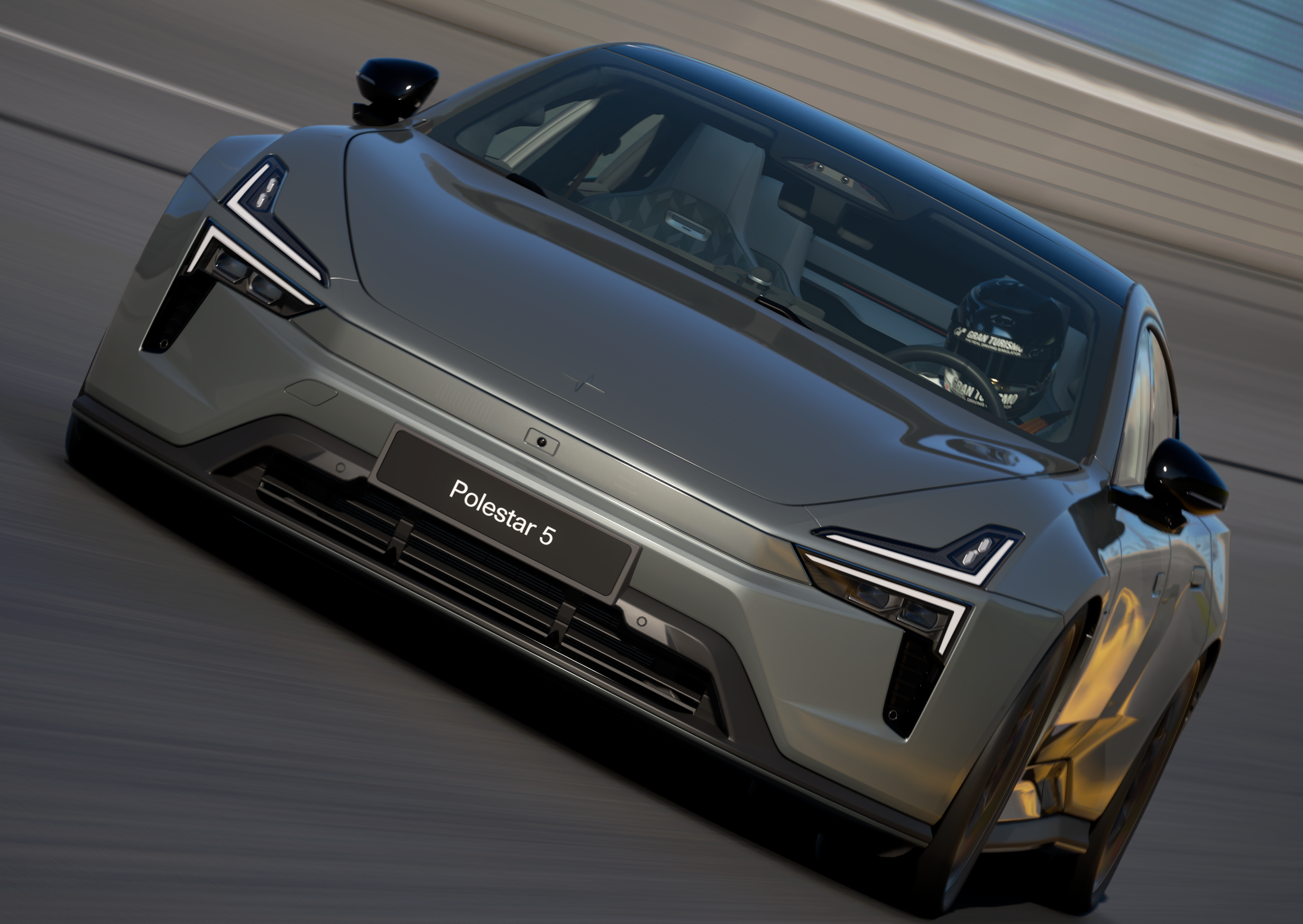
Polestar has published full carbon-footprint data for its flagship ‘5’ car, a high-end electric GT challenger.
The release is timely as deliveries will soon get under way here with a Dual Motor Launch Edition and Dual Motor Performance initially.
The car is the latest model in the brand's range to receive a public 'Life Cycle Assessment’, and it stands up very well.
The Sino-Swede company says this five-seater - well, four-plus-one as the centre rear is a bit cramped - has a cradle-to-gate carbon footprint of 23.8 tonnes of CO₂ equivalent.
That figure covers emissions from raw material extraction, production and delivery to the customer. Polestar says it has now published this data for every car in its current line-up.
The company maintains that material sourcing is central to the Polestar 5's low carbon footprint. Polestar says aluminium is one of the most carbon-intensive parts of vehicle production, so it changed how it sources that material for the Polestar 5.
According to the firm, 13 percent of the aluminium used in the car is recycled, and 83 percent comes from smelters powered by renewable electricity. Polestar says that cuts more than 14 tonnes of CO2 per car compared with conventional aluminium sourcing.
Renewable electricity is used at facilities producing the model, as well as for battery cell modules and other key battery materials. The interior materials are from flax-based natural fibre composites, recycled PET textiles and carpets made from discarded fishing nets.
Buyers choosing leather can opt for Bridge of Weir Nappa, which Polestar describes as chrome-free and a natural by-product of the food industry.
The two launch versions both feature a 112kWh battery and dual-motor set-up.
The entry-level version undercuts a base single-motor Porsche Taycan on price but supposedly outperforms the dual-motor Taycan 4S for power and range. It delivers 550kW, and offers a sprint time to 100 of 3.9 seconds, while WLTP range is a claimed 666km.
The Performance model makes 650kW, and hits 100kmh in 3.2s. the WLTP range is 562km, largely due to performance-focused 21-inch wheels and big tyres.
The car’s chassis has been designed in the UK and is built around an extruded aluminium structure similar to that of the Lotus Elise, so benefits from high stiffness while keeping suspension and drivetrain systems relatively simple.