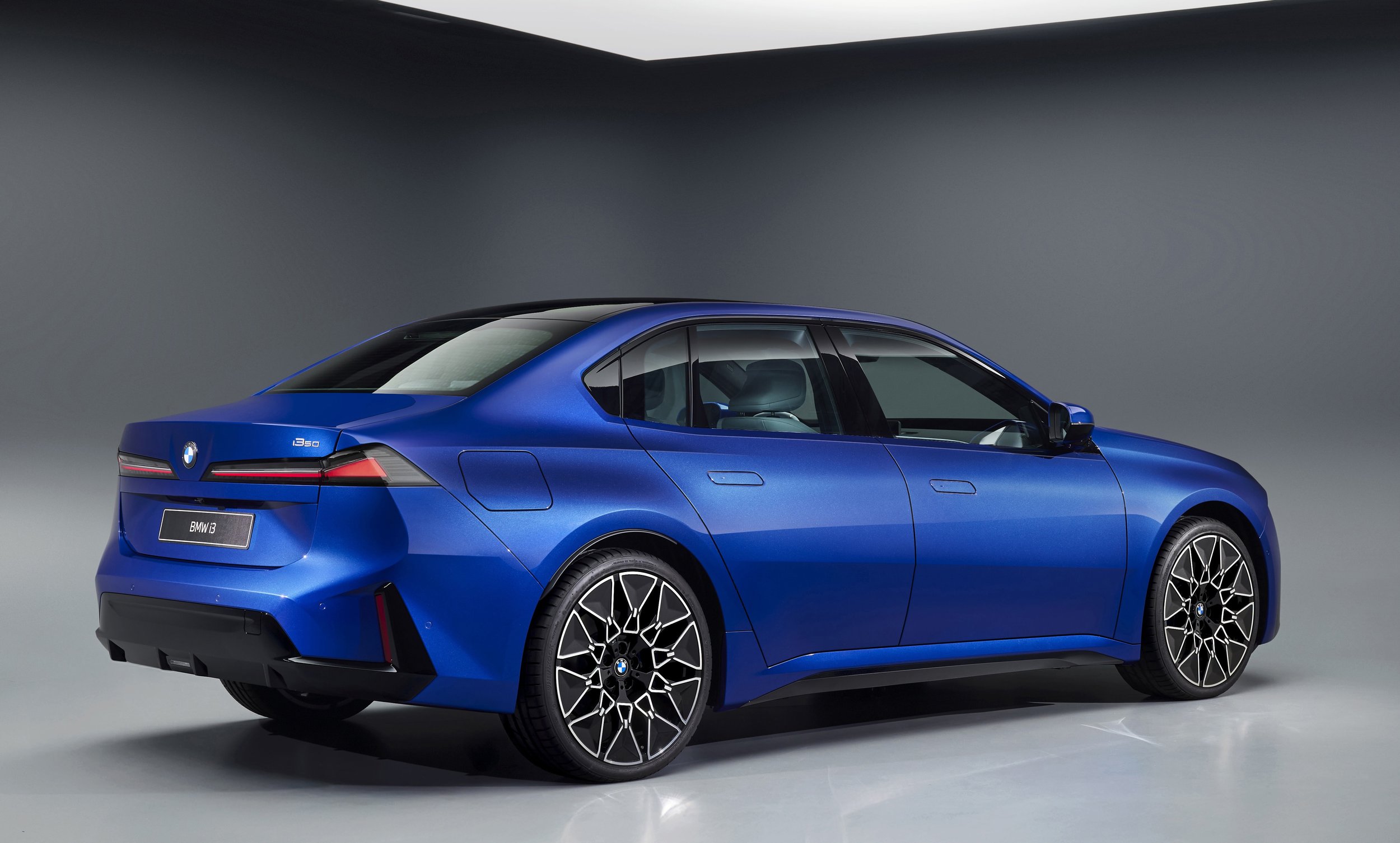

Now you see … the new i3
/Handsome styling will be an allure, but the potential range from the powerhouse first issue is also a big talking point.
HERE early next year, with arrival perhaps set to chime in with the current equivalent departing, the new i3 seems set to shake-up the market as vigorously as the first car to take that designation did back in 2014.
Apart from reviving a badge, and also being fully battery-dedicated, the next i3 has no technical association with the ground-breaking electric hatchback that BMW launched as an almost experimental EV 12 years ago.
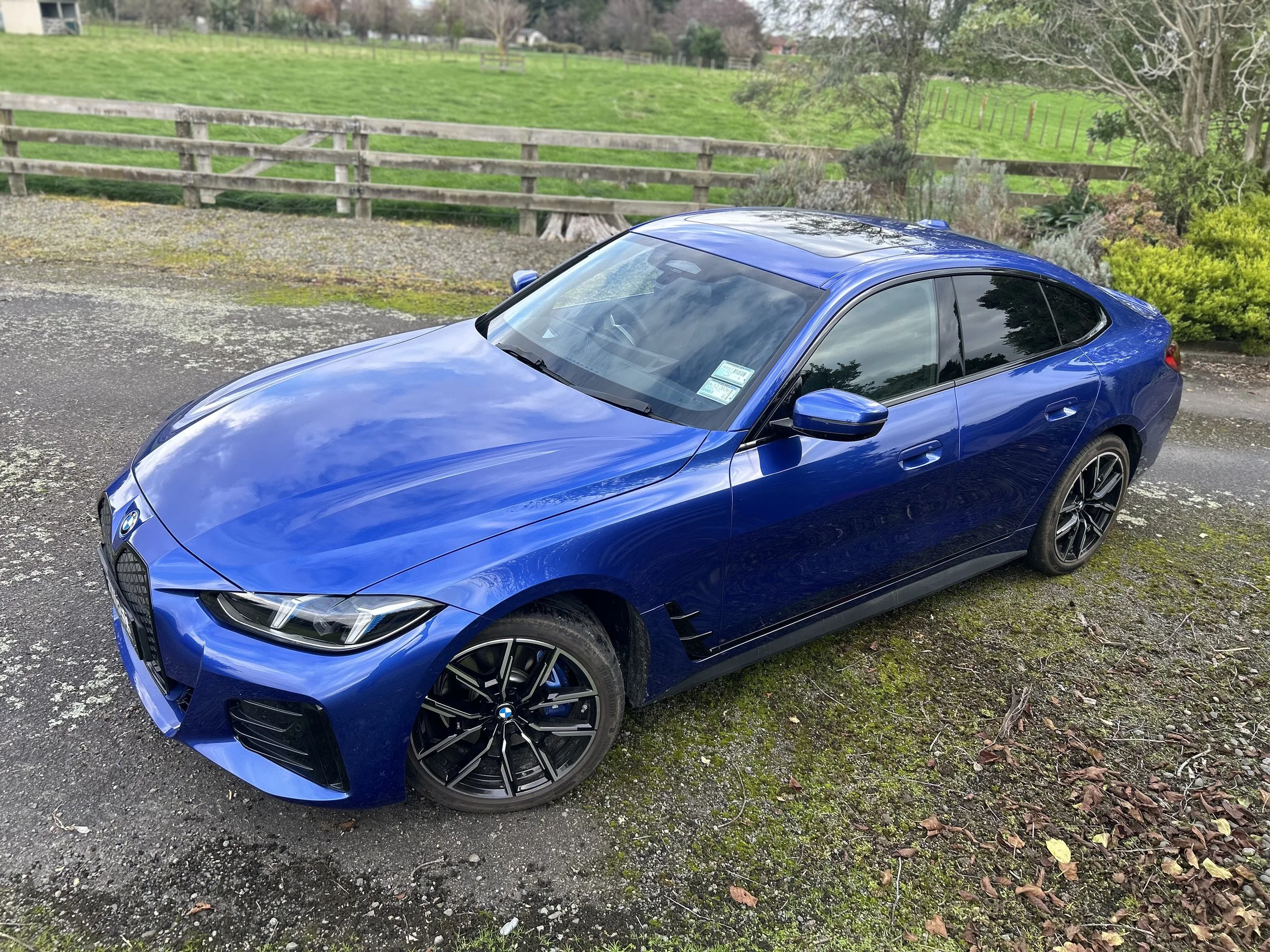
What we will initially see as a sedan, so only detailed in50 xDrive format pictured here - a derivative using the same twin-motor, four-wheel-drive setup the larger iX3 coming soon - will develop into a family, with a Touring wagon included and with a M3 at the top.
Having these means BMW will soon no longer require the current i4.
In tune with the i3’s big international unveiling overnight comes confirmation the electric sedan that has been on sale since 2021 and was, alongside the iX, among the first volume EVs launched by BMW will be phased out in 2027.
Petrol-and-hybrid powered 3 Series are not yet on the endangered lust. They will continue after the i3 goes on sale, but Munich’s hope is that the electric choice will win over petrolhead due to its looks, performance and exceptional range.
The i3 has the same underpinning, motor and battery arrangement as the iX3. But obviously the sedan body styling has the benefit of being slipperier. The exact aero advantage is now apparent. It’s huge.
The iX3 can officially cover more than 800km in one go. The i3 with the same 'Gen6' battery, with its 108.7kWh useable capacity, has yet to undergo the full WLTP test, but BMW's own in-house number crunching concludes it can achieve at least 900km.
How quick the i3 50 xDrive is to 100kmh has yet to be shared; but the iX3 with this 350kW/645Nm powertrain does that sprint in 4.9 seconds - and it’s taller and heavier. Imagine, then, what might be possible from the quad-motor, 745kW-plus BMW i3M due in 2027?
BMW's batteries can cope with 800-volt charging, and so can charge at up to 400kW; enough to allow as much as 400km of extra range to be added in just 10 minutes' charging, when using a 400kW charger. The bigger here are 350kW units, so expect to spend a bit more time cable-tied.
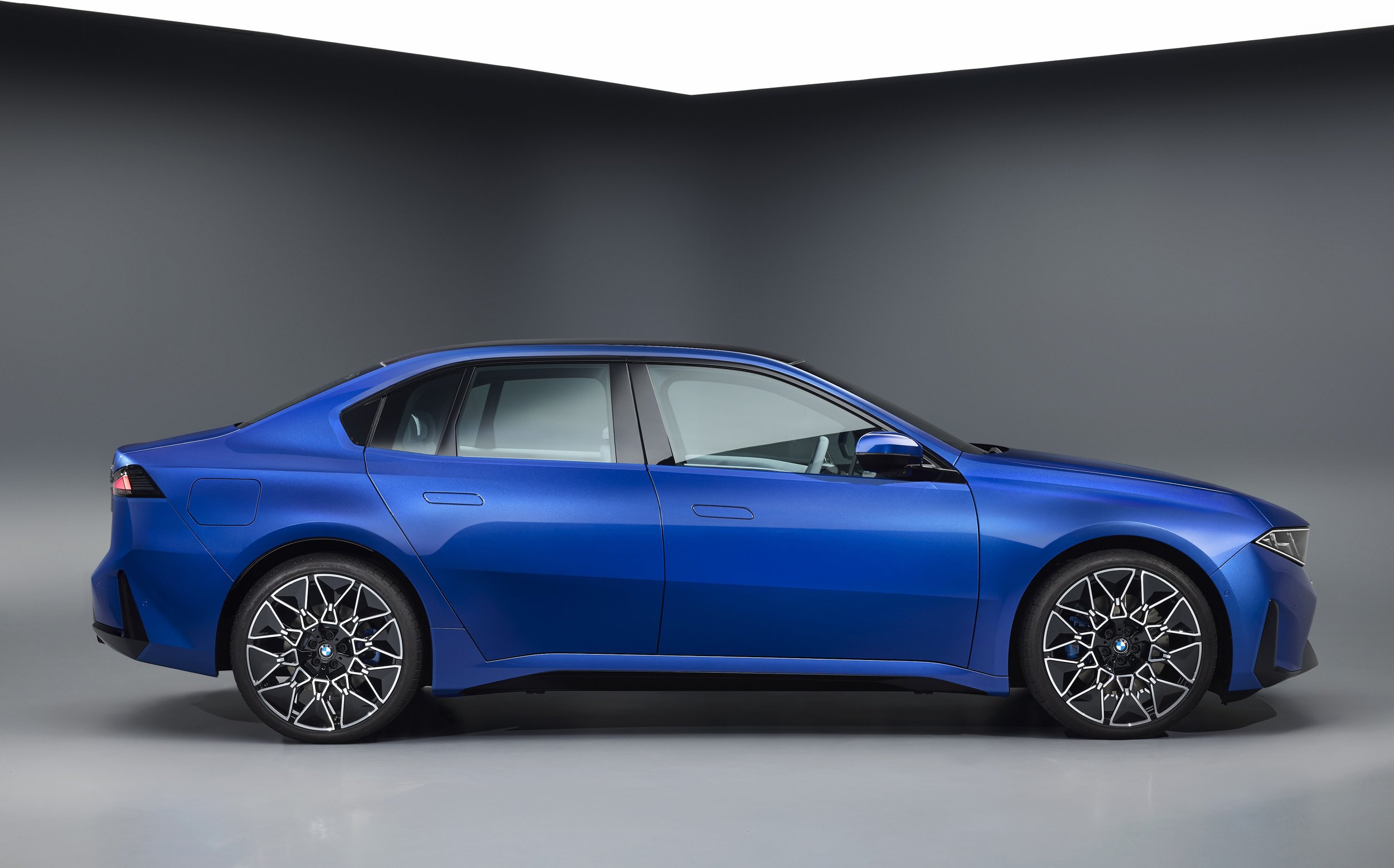
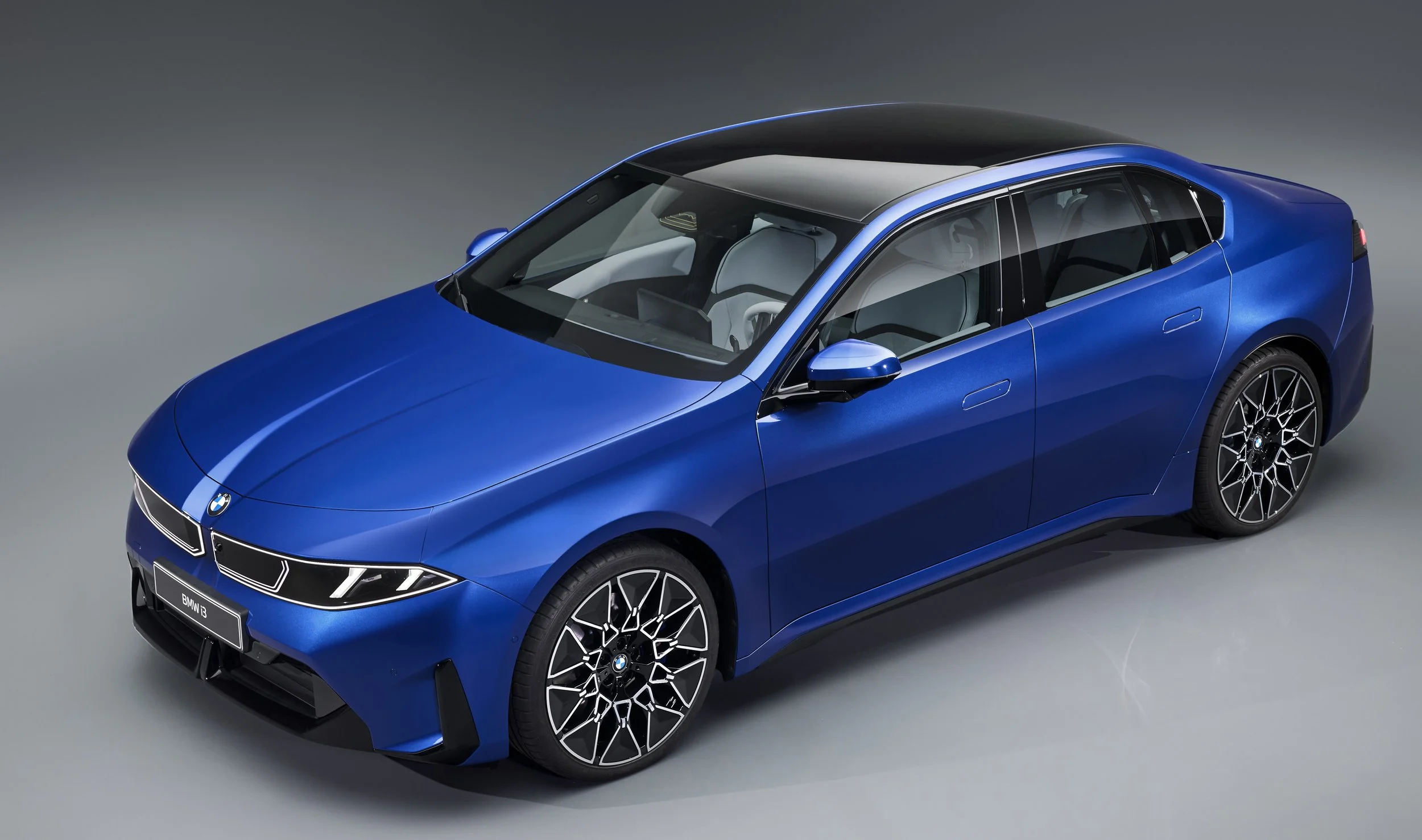
How does it look with the camouflage removed? Better than it did. Style is a subjective thing, and the display car being in a new colour - Le Castellet Blue - and on 21-inch M Sport wheels with aero insets was clearly a smart marketing tactic, but even so. It’s far from awkward.
The flush-fitting retracting door handles were expected but have become an intriguing touch, simply because incoming new Chinese safety legislation which seeks to ban such things are expected to have fully international fallout.
Those who’ve seen it in the metal have likened it to being a modern interpretation of a 1980s E30 3 Series. It doesn't get the iX3's inset 'kidney grilles' - those are apparently for SUVs only - but instead carries a subtle pinstripe of extra light in its ‘grille’, for a more distinctive face.
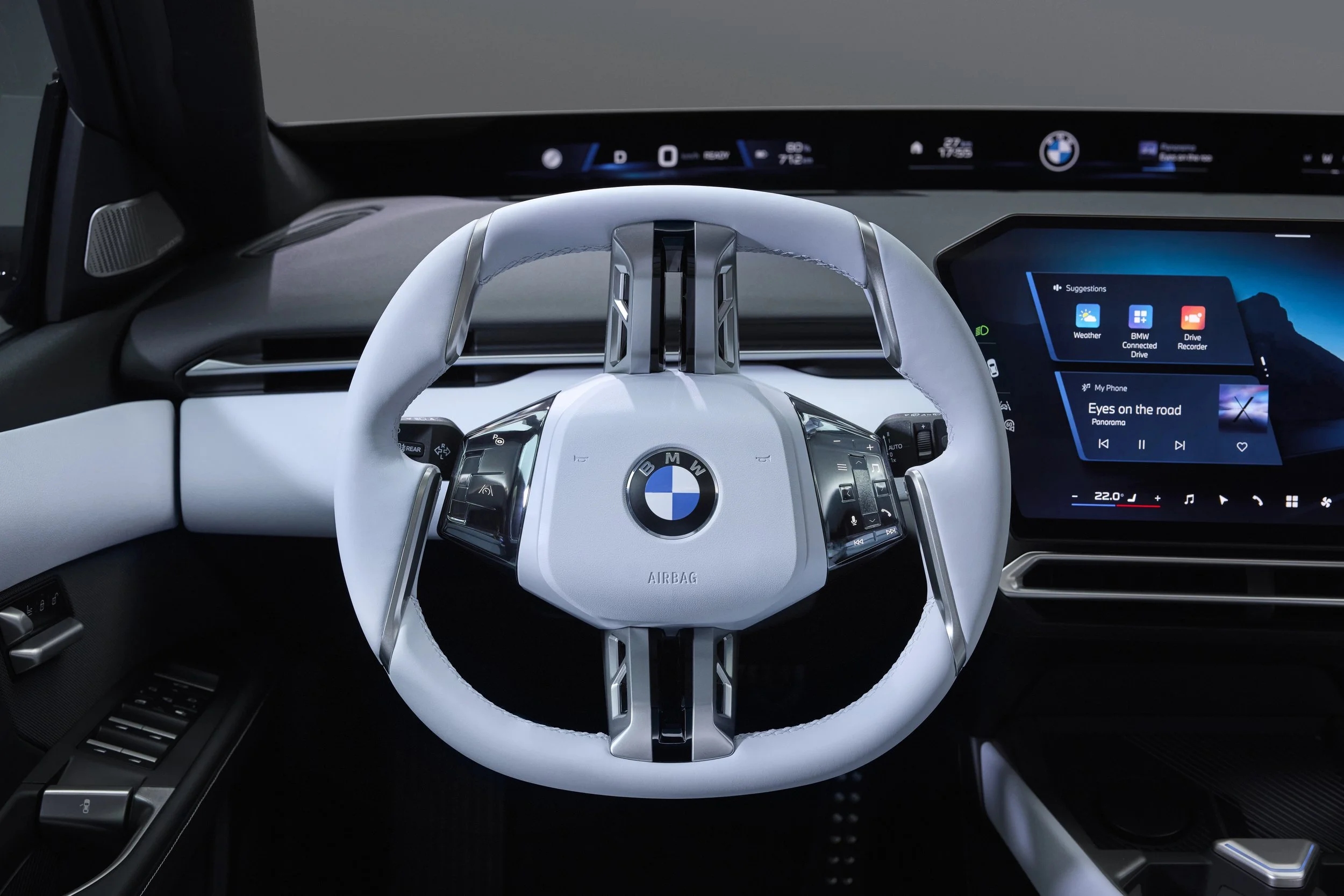
The cabin is unsurprisingly like that of the iX3, just lower-slung, with an identical 'Panoramic Vision' display spanning the full width of the base of the windscreen.
The 17.9-inch touchscreen in the centre of the dash is set close to the driver, so the on-screen controls are really just a finger-stretch away.
The rhombus-like shape of the screen is meant to be a reminder of the way 1980s and 1990s BMW cabins were angled towards the driver.
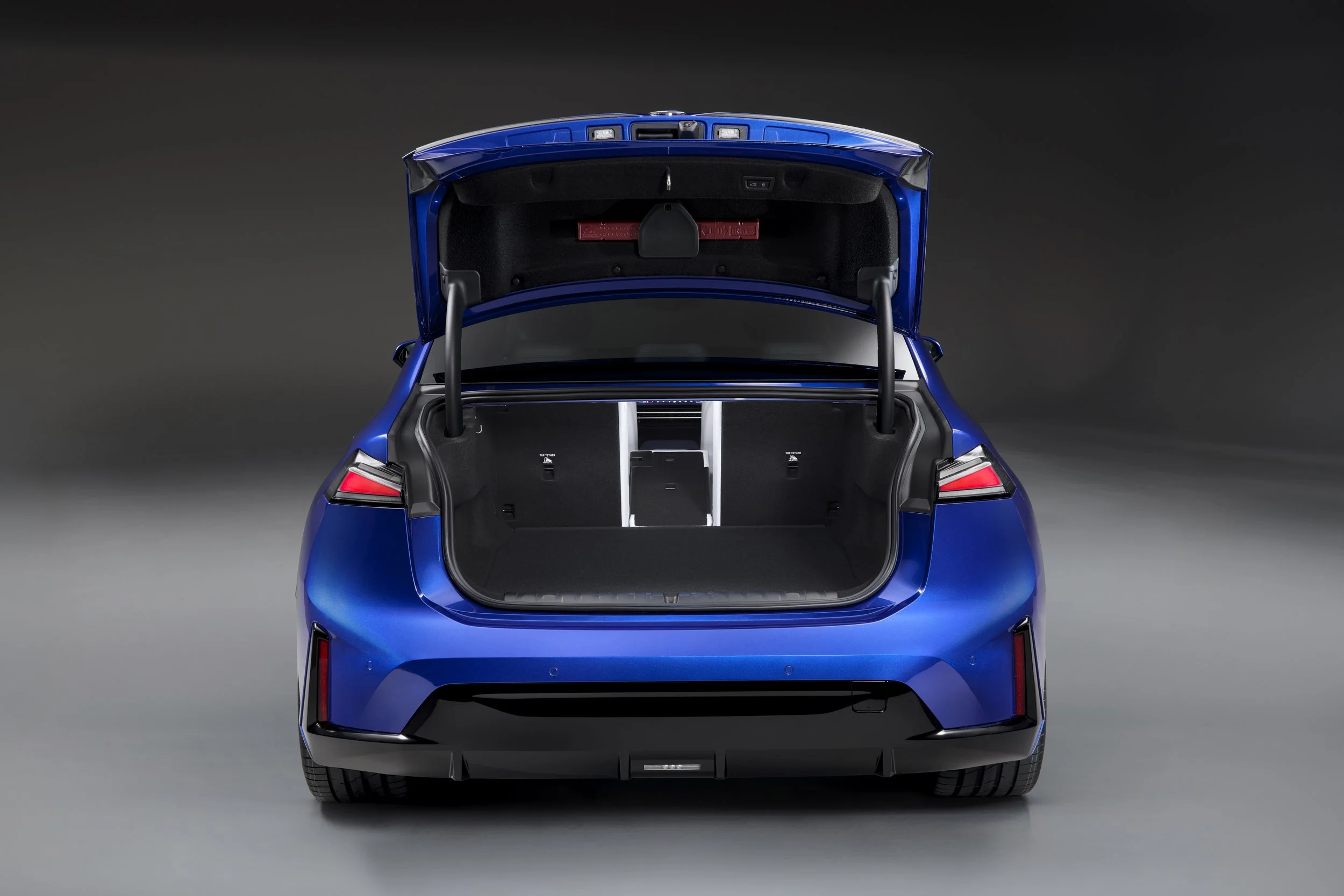
Space in the back is said to be about as you'd expect - not cavernous, but sufficient for four adults to get comfortable. BMW hasn't shared a boot space volume, but there is a 'frunk' in the nose for stashing charging cables.