
EX90’s LiDAR-less state set to stay
/Ace tech’s absence from Sino-Swede flagship won’t hurt its ‘safest ever’ status.
POSSIBILITY the latest Volvo released here this week will reinstate a high-end accident avoidance and driver assist technology at some point during its production seems unlikely, the local distributor says.
LiDAR - for 'Light Detection and Ranging' - is the latest tech for self-driving vehicles. It uses infrared light waves which bounce back when they encounter an object to identify the distance between it and the car.
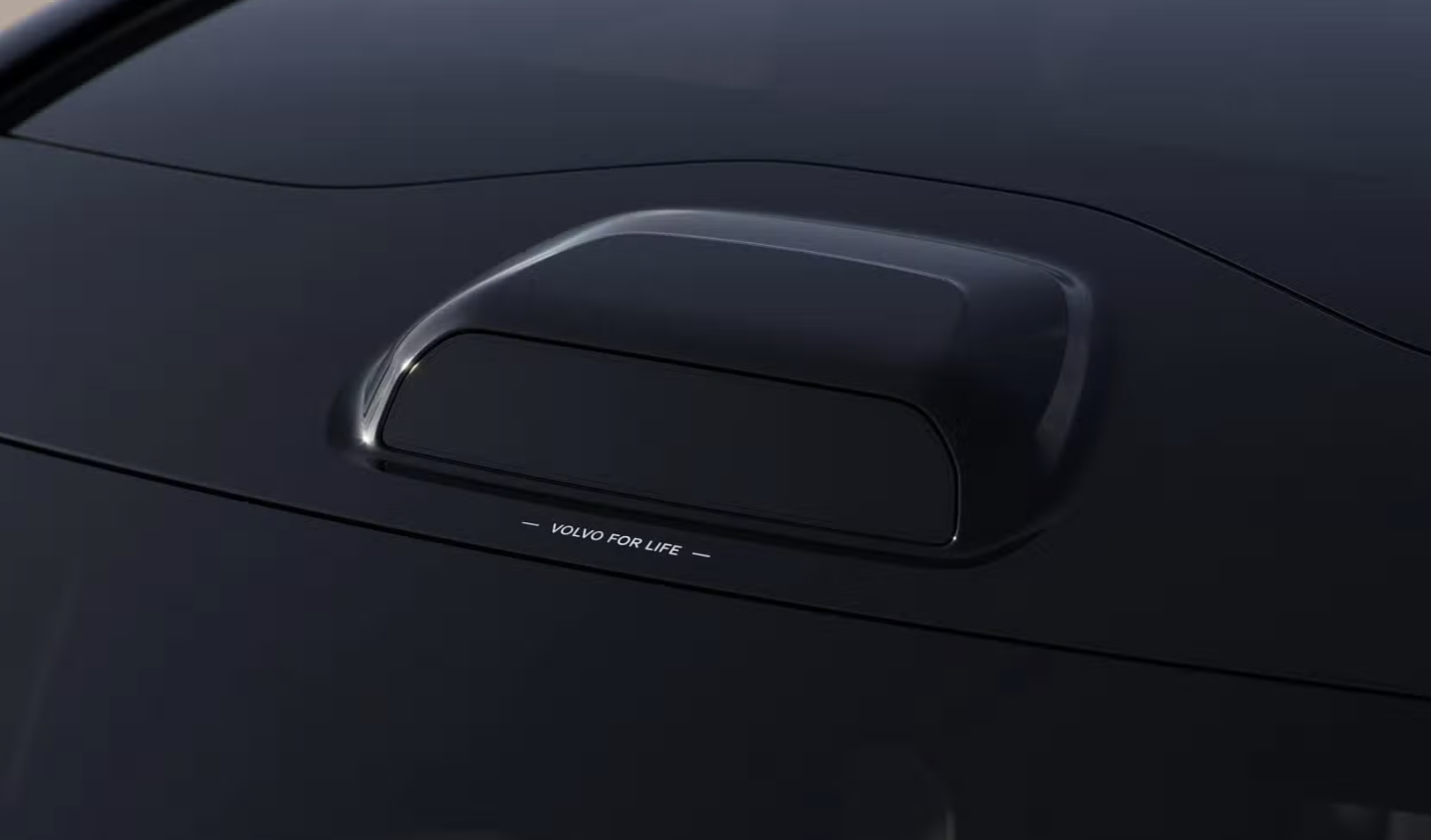
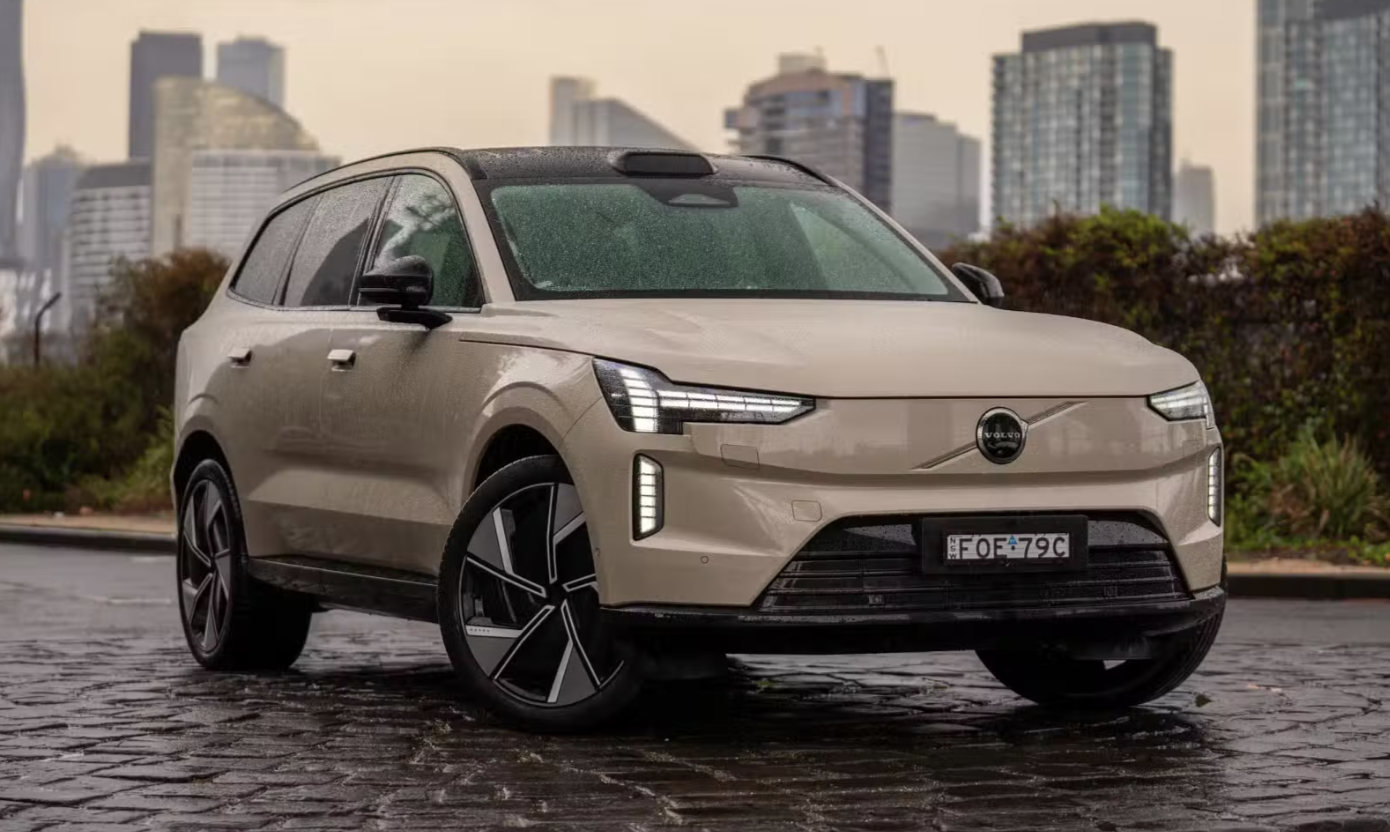
The EX90 that has released here this week was supposed to be a champion of this advancement. When announced in 2022 the car proposed to be “the safest Volvo ever", with eight cameras, five radars, 16 ultrasonic sensors … and a roof-mounted LiDAR sensor (image above).
By using a pulsed laser as a complement to the cameras and radars, Volvo’s arrangement was able to provide precise, three-dimensional information, detecting pedestrians up to 250 metres away. But best laid plans …
The car has landed without LiDAR and likely will not have it as a future running change. Volvo New Zealand says the car keeps its occupant protection promise nonetheless.
“It's still considered the safest Volvo ever made, even without it,” says Volvo Cars NZ brand manager Daile Stephens.
EX90 has gone without LiDAR since last November. That’s when the Sino-Swedish brand ceased its relationship with its supplier, Luminar. It claimed the American firm had failed to “meet its contractual obligations”.
The change was applicable from Model Year 2026 (MY26) product. That’s what has supplied to NZ. Even before then, Volvo had indicated a decision to make LiDAR optional, starting this year.
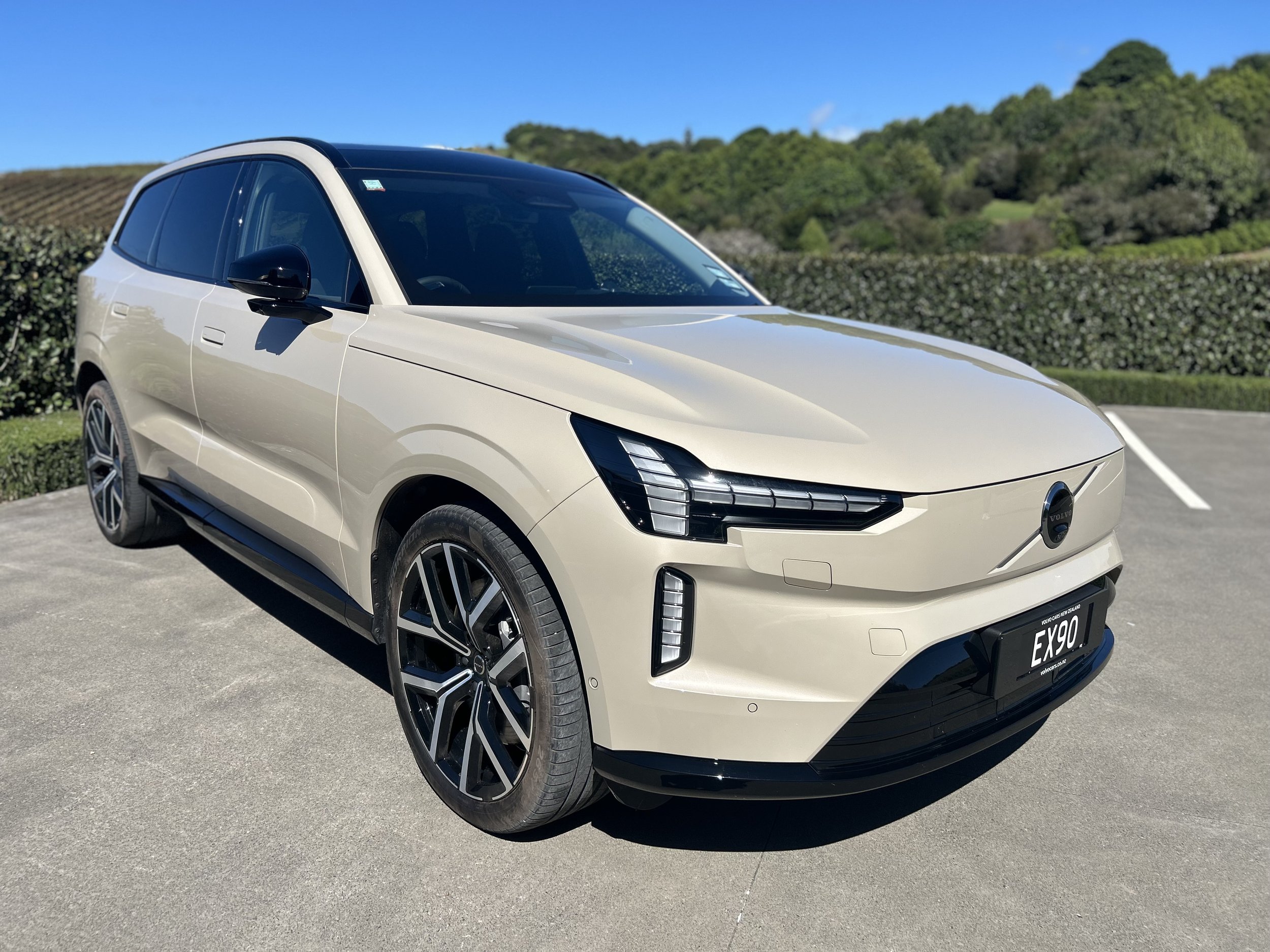
Speaking at the media conference for the car yesterday, Volvo New Zealand officials did not say if they ever absolutely intended to integrate LiDAR into EX90, but did say that, had it included, the Twin Motor variants would have climbed above their $149,990 Plus and $159,990 Ultra stickers.
“The pricing is very attractive, and that's been taken into consideration with the removal,” Stephens said.
Potential of LiDAR reinstating as a running change is unlikely, they believe. The tech has to be factory-implemented, they say, and not having it “is a global issue.”
Were some customers put off by this? Says Stephens: “The car's excellent as it is without it. I don't think people aren't going to buy it because of it (not having LiDAR).
“Certainly our dealers, they've obviously gone out to all the people that have initially shown interest in the vehicle and anecdotal feedback is that it hasn't impacted people's desire to want to drive it.”
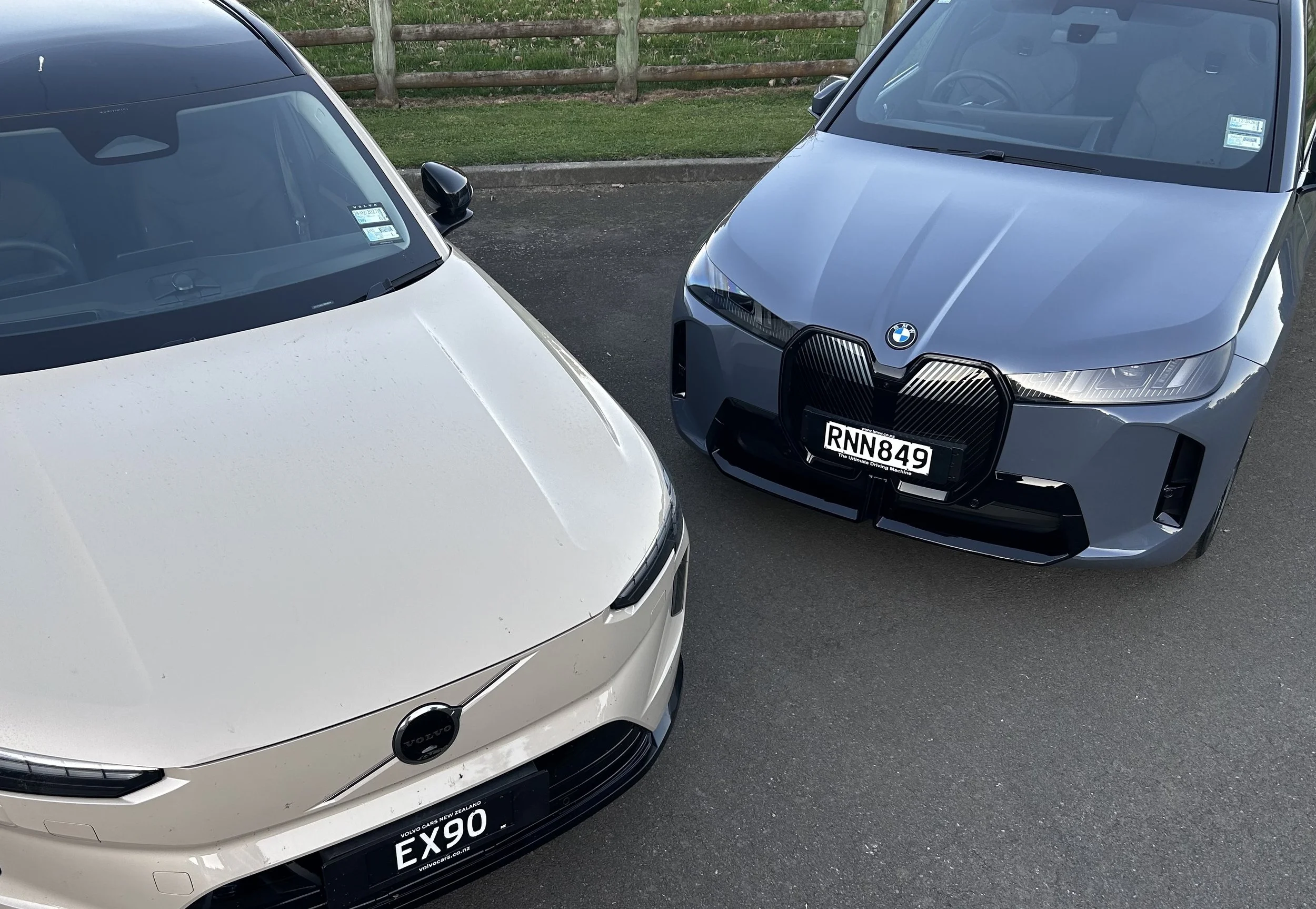
They enforce the product that proposes as the market’s only full-sized premium wholly electric seven-seater now that the much pricier Mercedes Benz EQS has dropped out still meets promise as being the safest Volvo yet.
It’s an important accreditation to a make that has already built its reputation around occupant well being.
They point to the plush seven-seater as having not only received an optimal five star score from national safety auditor Australasian New Car Assessment Programme last year, but also being praised for several aspects of its occupant protection.
Nonetheless, with LiDAR - an integration that identified easily as it asked for a rooftop module above the windscreen - the EX90 would conceivably have been far smarter in its driver assistance than Tesla’s camera-reliant Full Self Drive (Supervised), which now avails here and has set a standard.
As is, and regardless it still uses cameras and radar to scrutinise the roadscape and check for potential issues, the EX90 cannot facilitate the same level of hands-off, but monitored, assist that Tesla delivers.