
Suzuki’s electric buzz tempered by supply
/New e-Vitara could immediately benefit from the sudden resurgence in EV interest, but will there be enough to meet demand?
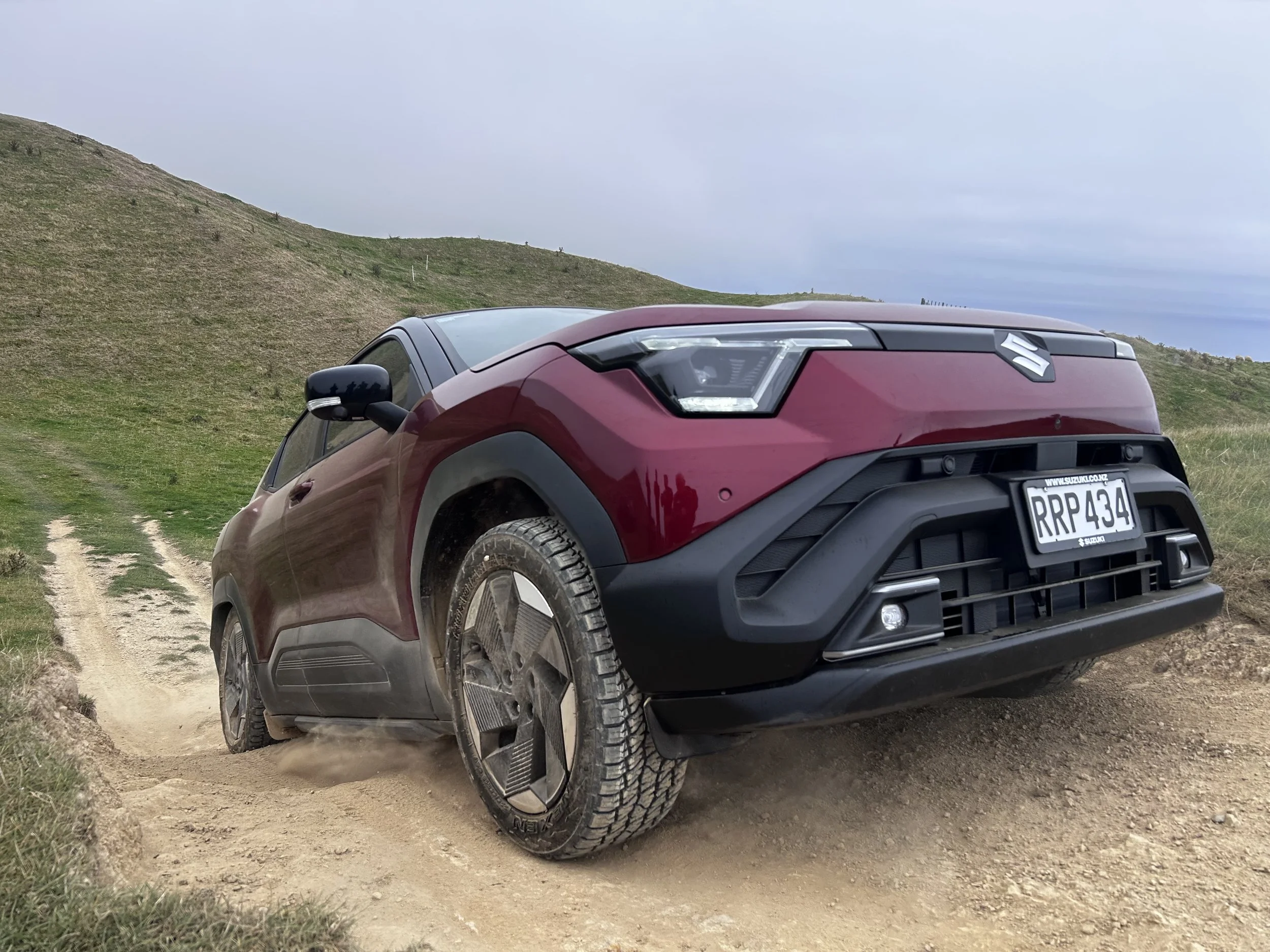
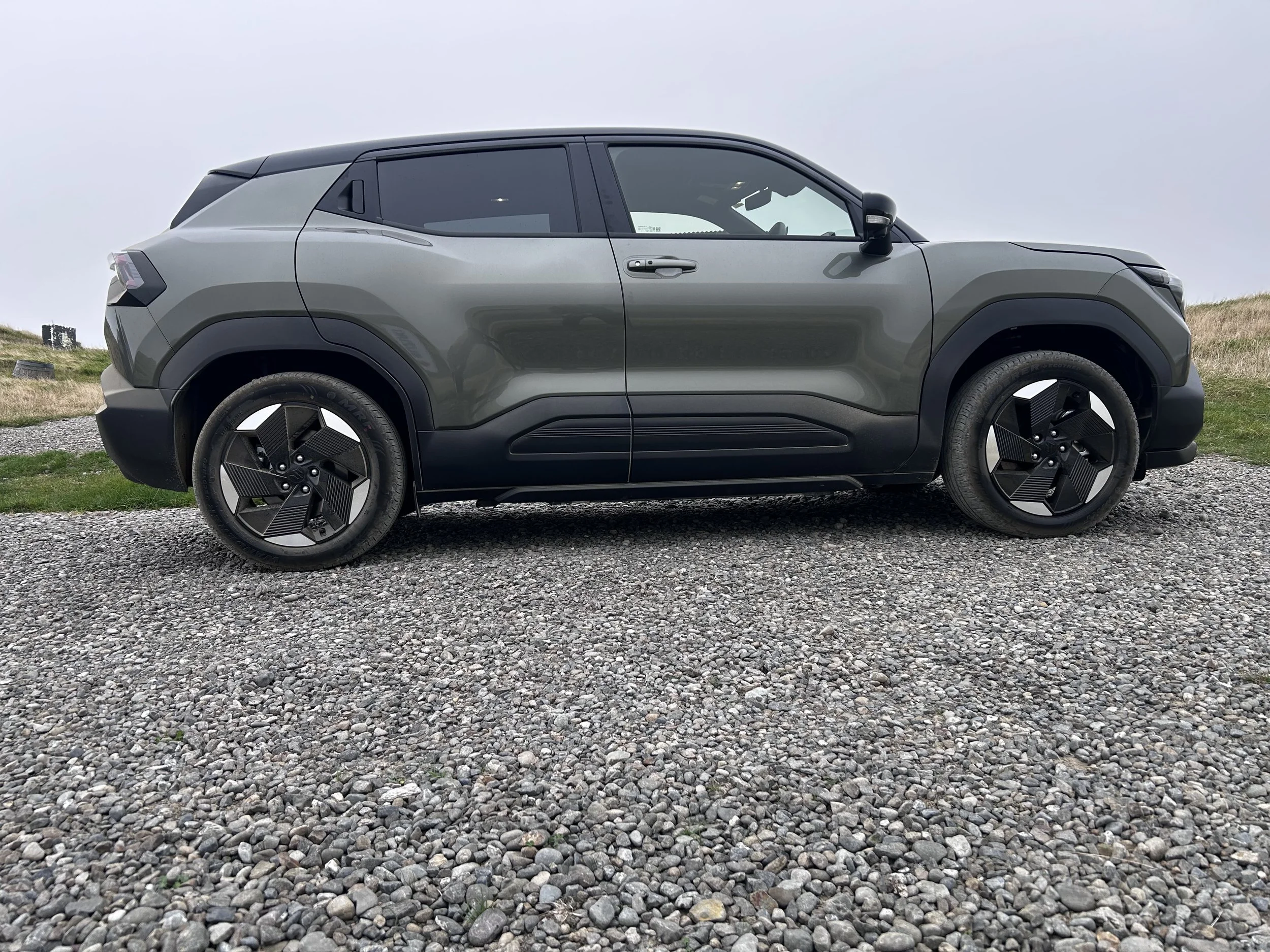
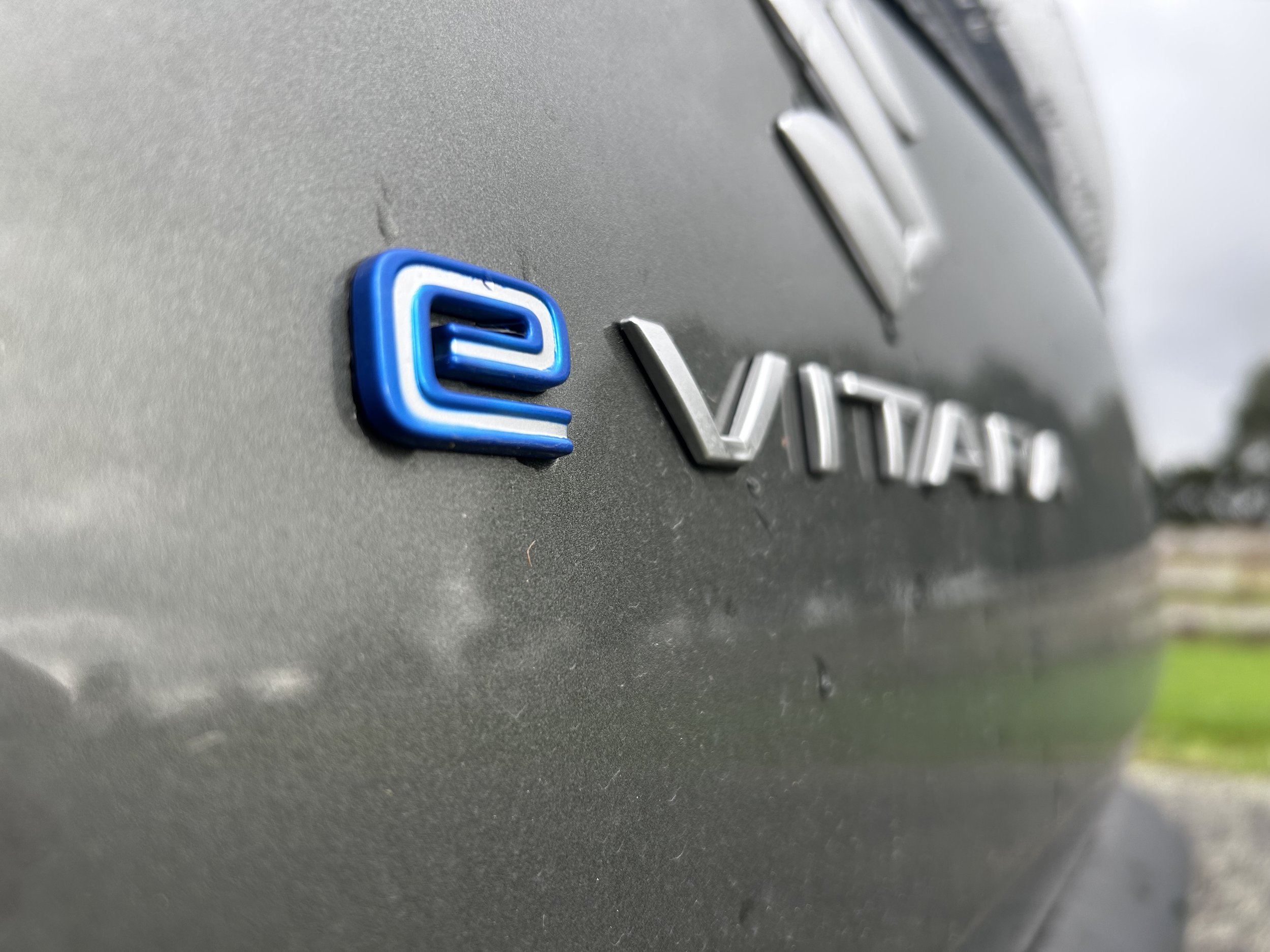
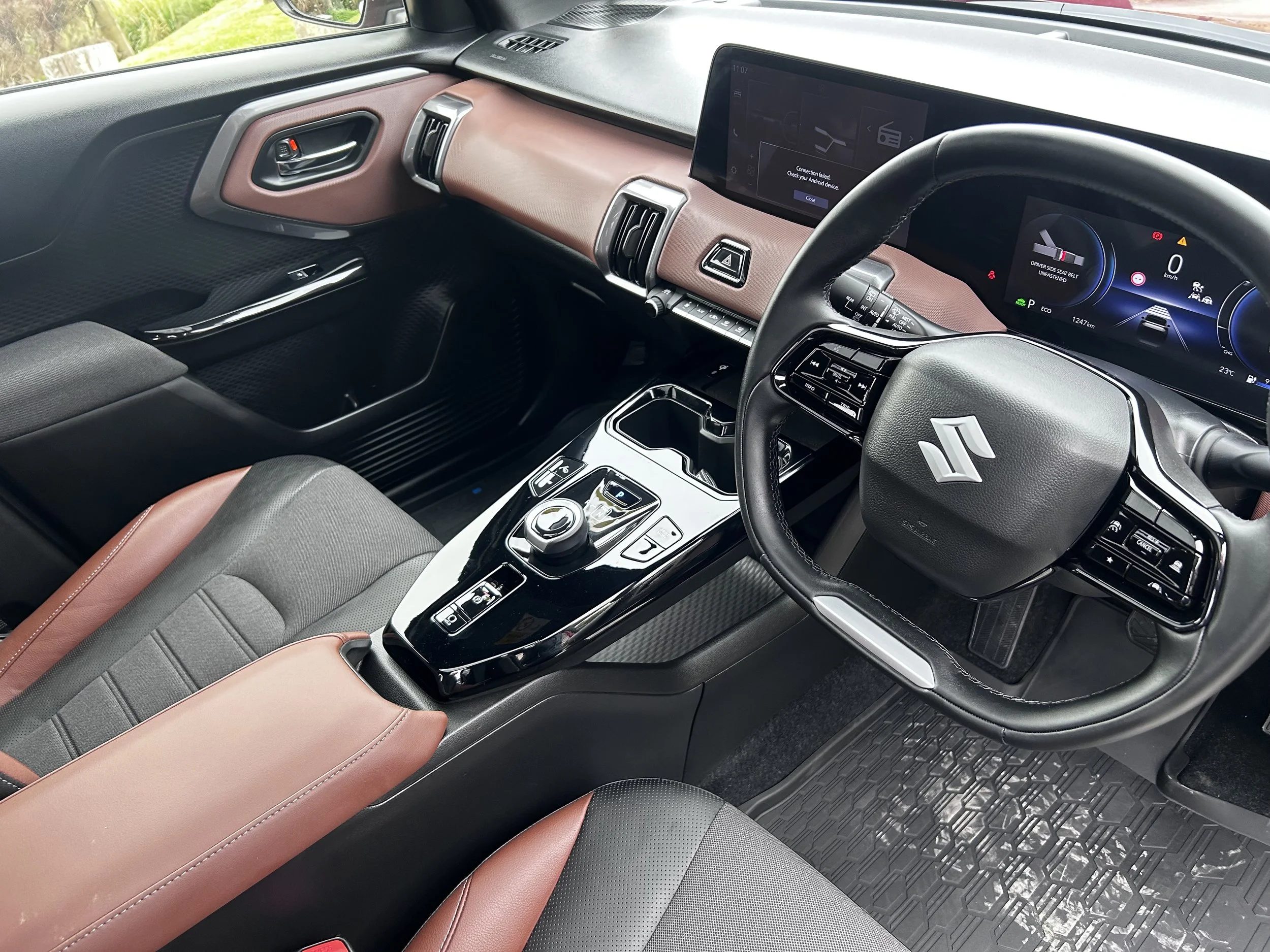
LANDING its first electric car, the e-Vitara, into a period of elevated interest in EVs is a rueful moment for Suzuki.
Respectively priced at $54,990 and $62,990, when including a $2000 introductory discount in play for an undetermined period, the front drive and all-wheel-drive variants are set to compete with an assortment of similarly-sized cars, most in the same price band and configuration, from China, South Korea and Japan.
The most expensive car the brand has sought to sell here, e-Vitara was originally chosen to help Suzuki NZ offset emissions costs under the Clean Car regime.
That legislation is now uncertain and, more obviously, the car itself is expected to have far more star potential than was perceived when planning for its introduction started more than a year ago.
The sudden and marked resurgence in EV interest in just the past three weeks likely means all electrics are back in the spotlight.
Suzuki NZ believes there is every chance e-Vitara stands to be hot property to those rattled by rapidly rising fossil fuel prices, especially in its cheaper configuration. But having ordered sensibly, can they meet a big spike in market demand?
The Wanganui-based brand estimated selling 450 for the remainder of this year, so ordered accordingly. But what seemed a reasonable - perhaps even optimistic - count when it signed off in late 2025, when the sector was in poor shape, might now prove to be somewhat light.
At an event near Wellington today where the car was driven on road and off-seal, Suzuki New Zealand aired thought that in current conditions it could conceivably this year sell twice as many e-Vitara as it has coming, if not more.
“We are thinking now that, given the current conditions and if they continue, we could have way more than we have (coming), maybe double that or even more,” Suzuki chief executive Gary Collins said.
“But we had to work to a lead time and it’s hard to change things super quick.”
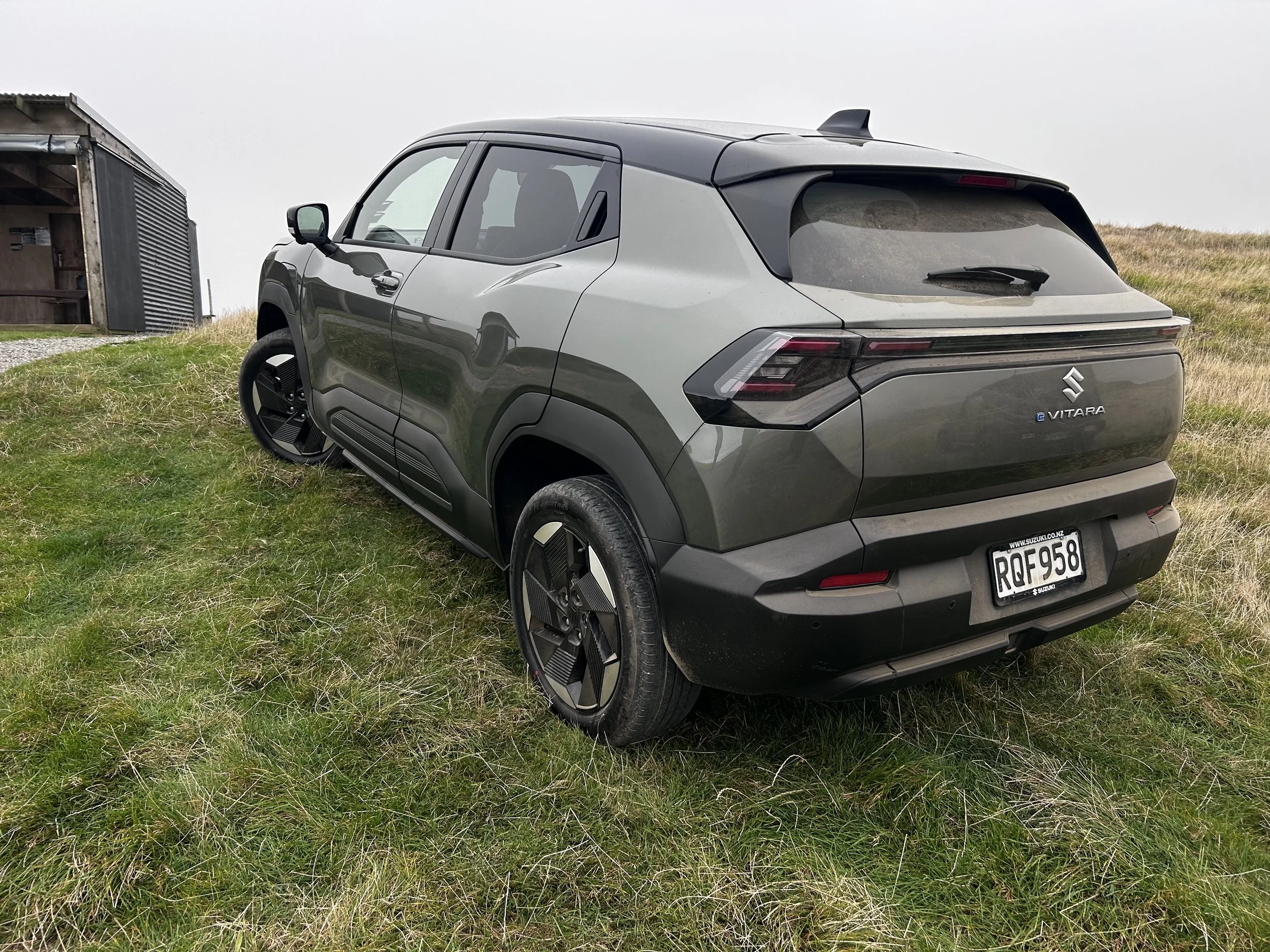
He and national automobile sales manager Aaron Wales assure there’s comfortably enough examples for a good showing when it goes on sale next month. The first shipment set to land on March 30 will soon be followed by two more.
But Wales concedes the eventual 2026 proliferation will be nothing like it was for the last car it launched, the similar-sized Fronx petrol SUV.
That much cheaper choice achieved 1048 registrations between on-sale in June and December 23, when it was pulled from sale for a now reconciled seatbelt issue. It returned to customer availability on March 16.
It’s not clear if Suzuki NZ will be back in touch with the Gujarat plant in India to seek extra cars. The factory is working to capacity so, even if a request was okayed, any additional stock above the agreeed count would be eight months away.
“We can’t just expect them to turn up the taps,” Collins says.
E-Vitara is the third model, following Jimny five-door and Fronx, that Suzuki NZ takes from India, where it partners with the Maruti brand.
With four plants capable of producing 2.6 million vehicles per annum, Suzuki-Maruti has become a more important manufacturing base for the make than Japan.
But just one factory is making e-Vitara and it’s a global source expected to export to 100 countries - and not just in its Suzuki presentation.
The car is a co-development with Toyota whose own Urban Cruiser is also rolling down the line. Whether the Toyota edition will ever show here in its alternate guise has not been clarified by Toyota New Zealand.
As a specialist in small, efficient cars, Suzuki New Zealand expects leverage positively from any ongoing trend toward frugal motoring choices.
It has also been emphasising the advantages of its mainly hybrid petrol cars now that the price of the cheapest petrol grade, 91 octane, has risen above $3 a litre with concern that $4 a litre for petrol is not out of the question.
“As a brand, we are well positioned to capitalise on fuel price increases,” Collins says, reminding that its choices include a Swift that rates as the market’s most fuel efficient petrol car for less than $26,000.
So the push will continue to accentuate the efficiencies of all its products, not just e-Vitara.
“We are certainly hearing of the rapid rise in interest in electric vehicles, but we will also be working to reinforce the value and potential cost savings of our hybrid range.”
But every coin has two sides; rising fuel prices also impacts on the price of doing business.
“The increase in fuel prices hasn’t had any direct impact of our sourcing of vehicles.
“The main area of concern for us will be the cost of logistics with a massive increase in diesel costs. This is expected to impact our vehicle freight costs … and local distribution costs, which all places pressure on margins and ultimately leads to price increases.
“It is important that the Iranian war is concluded soon in order to minimise those cost pressures.”
Even so, an electric introduction seems well timed as well, even though a conceivably cheaper e-Vitara variant is being kept on the shelf.
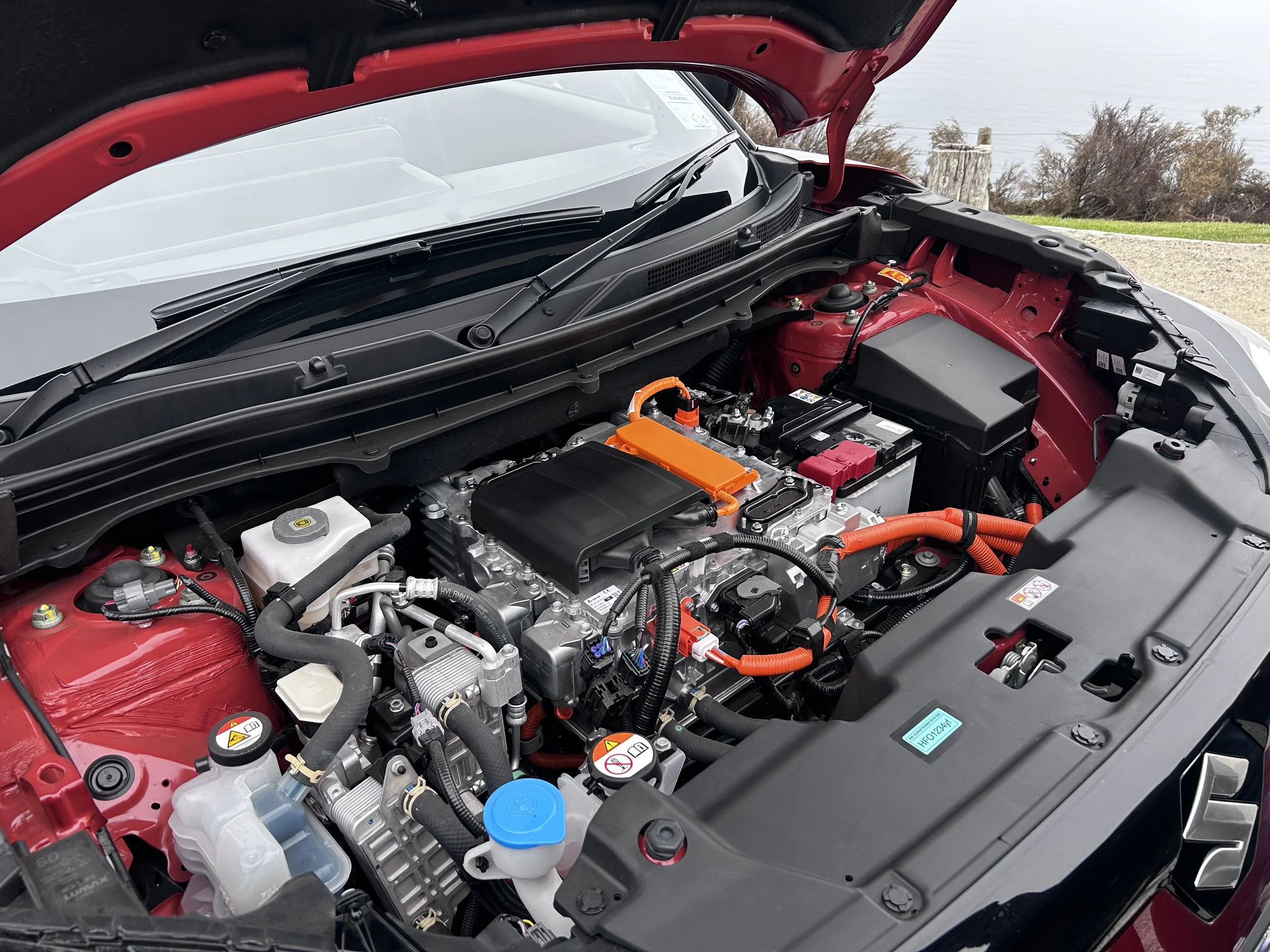
Suzuki NZ says taking the car with a 61kWh LFP battery rather than with a 49kWh battery was to ensure it achieved the best range, best specification and best performance. The only cost-extra is metallic paint, which adds $1000.
The front-drive model makes 128kW/189Nm and has a range of up to 400 kilometres and the 135kW/300Nm dual motor will deliver 395kms. The purely front-drive 49kWh, which has 109kW/193Nm and clocks 334km, could be easily secured if consumers raise interest as it has been chosen for sale in Australia.
All the range estimates are to the WLTP scale and are several hundred kilometres short of what might be expected from a petrol Vitara. The most frugal of those can clock up to 714km on a tank.
The 1.4-litre petrol hybrid Vitara is also a lot cheaper, but comparison will soon be a semantic. Suzuki NZ decided some months ago to cull that car and the stock is all but exhausted. It has cleared out the all-wheel-drives and even the brand’s website, which yesterday showed just front-drive $35,790 JX and $37,790 Safari trims remaining, is out of date. The cheaper of those are now gone, Collins said.
The reason for petrol Vitara’s demise is because thrift in itself wasn’t really the primary interest point e-Vitara was confirmed, more than a year ago.
Back then the greater focus was how it would help the Wanganui-based operation negotiate Clean Car regulation, which require brands to reduce their fleet CO2 impacts.
That legislation is now under review with talk of it being abandoned, but that was before the Middle East crisis erupted.
What happens to it now is unclear, but Collins said today he is still also keen to achieve clarity about where NZ is heading in respect to its emissions standards, which as of end of last year have been in synch with Australia’s.
Government determined that would be helpful to car brands as they almost universally treat the two countries as a common market.
That is the case for Suzuki NZ, but the Euro 6d rules that are integral to further CO2 reduction aims present issues with what models make sense to sell here, Collins says.