
With Ariya pulled, is Nissan NZ’s electric push in doubt?
/Brand’s national outlet having nothing to say now about the new Leaf and updated Ariya raises big questions.
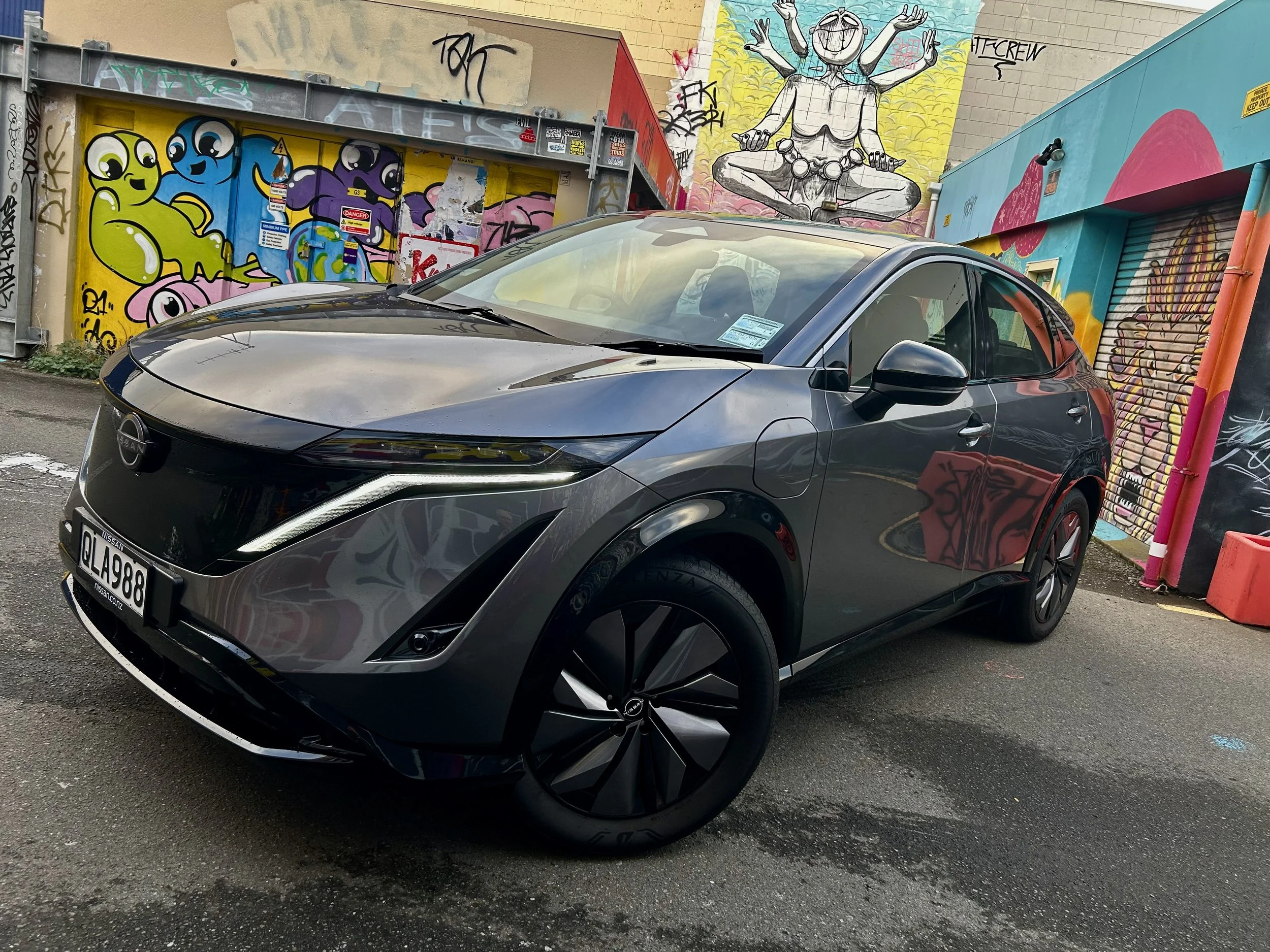
THE biggest name in the local game has decided to quit selling its current electric car - is it also pulling the plug on successor choices?
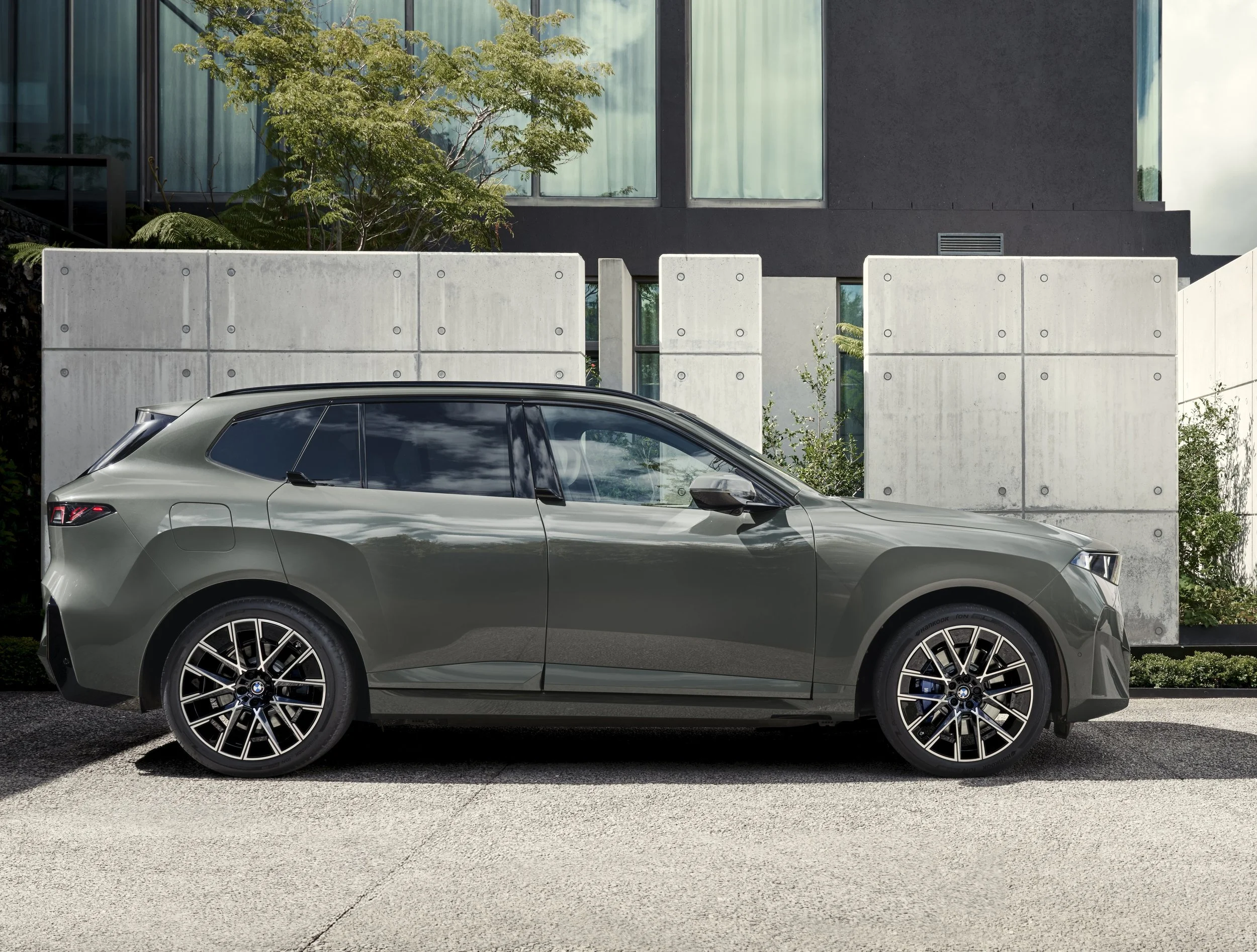
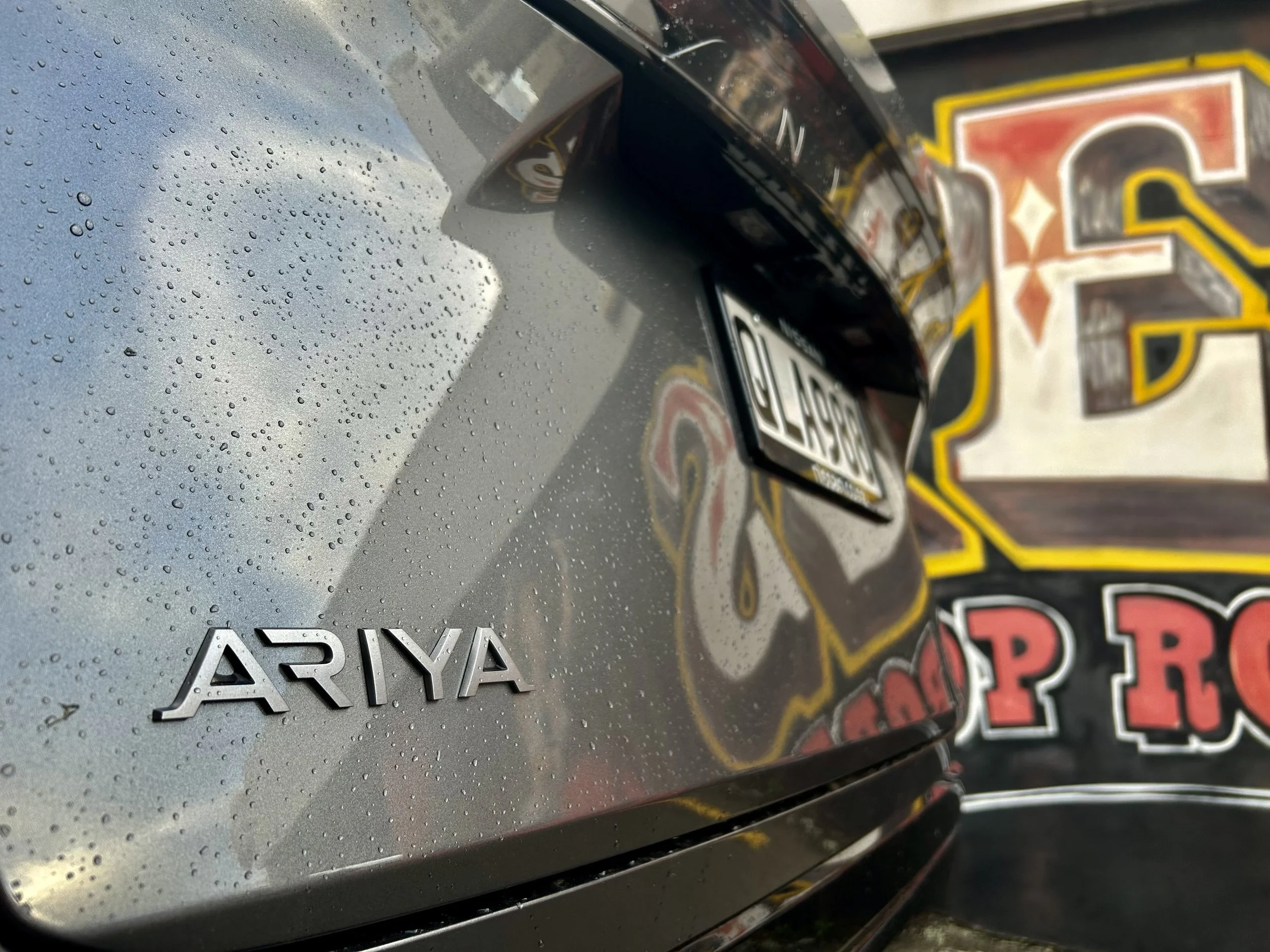
Nissan, whose Leaf stands as a giant - the original, of 2010, was the world’s first mass-market electric vehicle and the nameplate is NZ’s most prolific EV - has dropped the Ariya sports utility (above), a car blighted by poor acceptance.
Of greater concern is that the Auckland-based distributor has not clarified if it intends to present an absolute substitute.
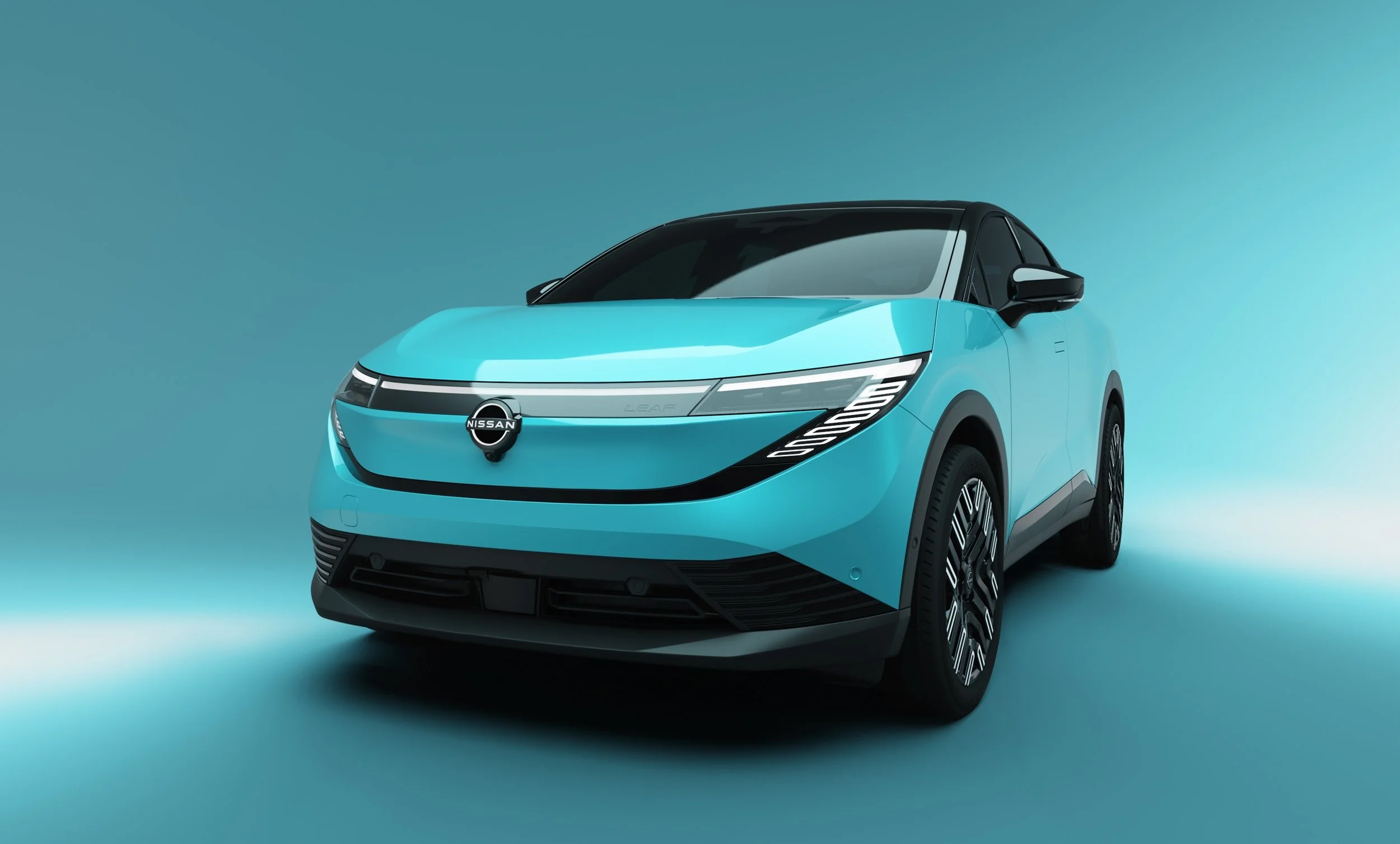
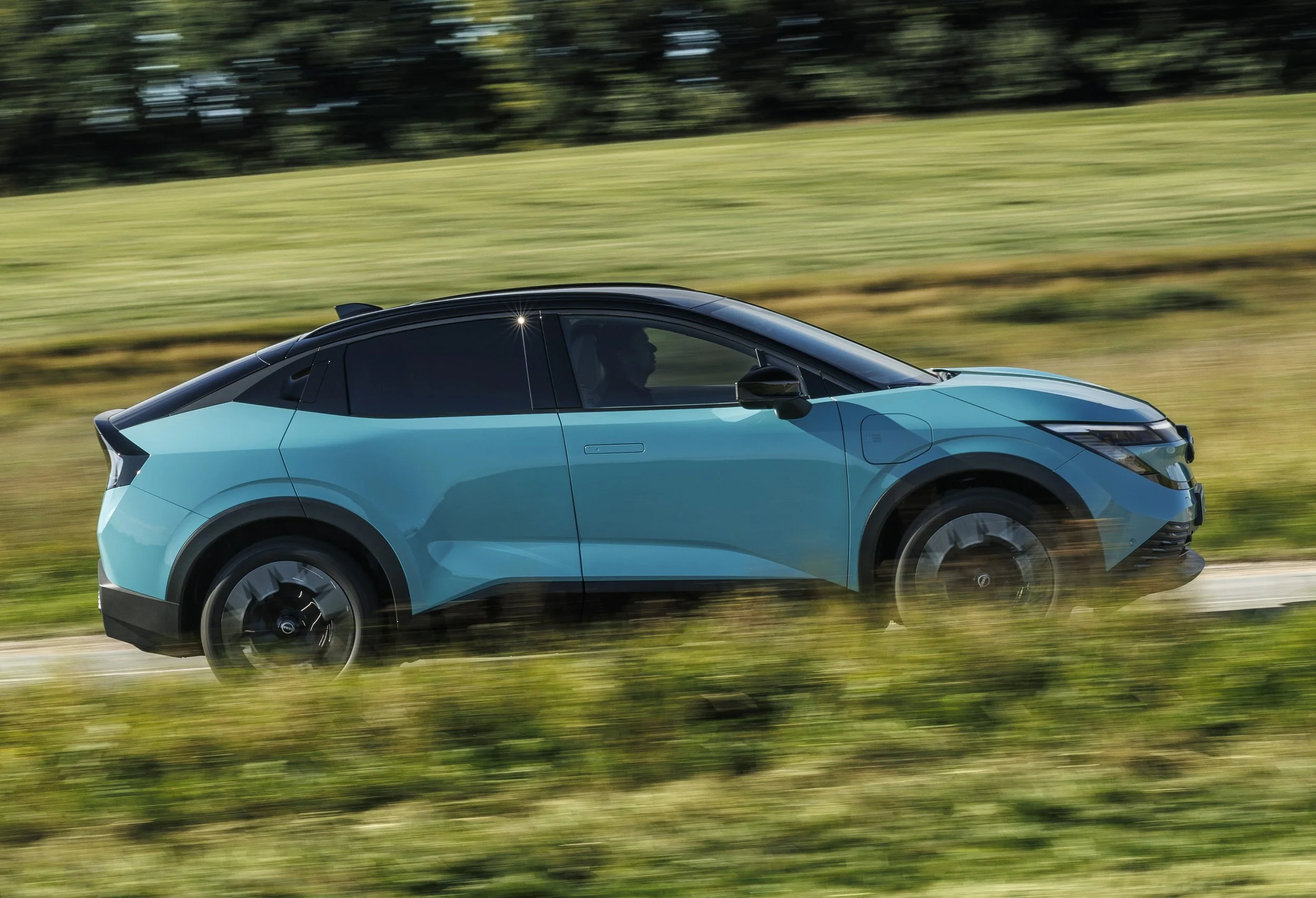
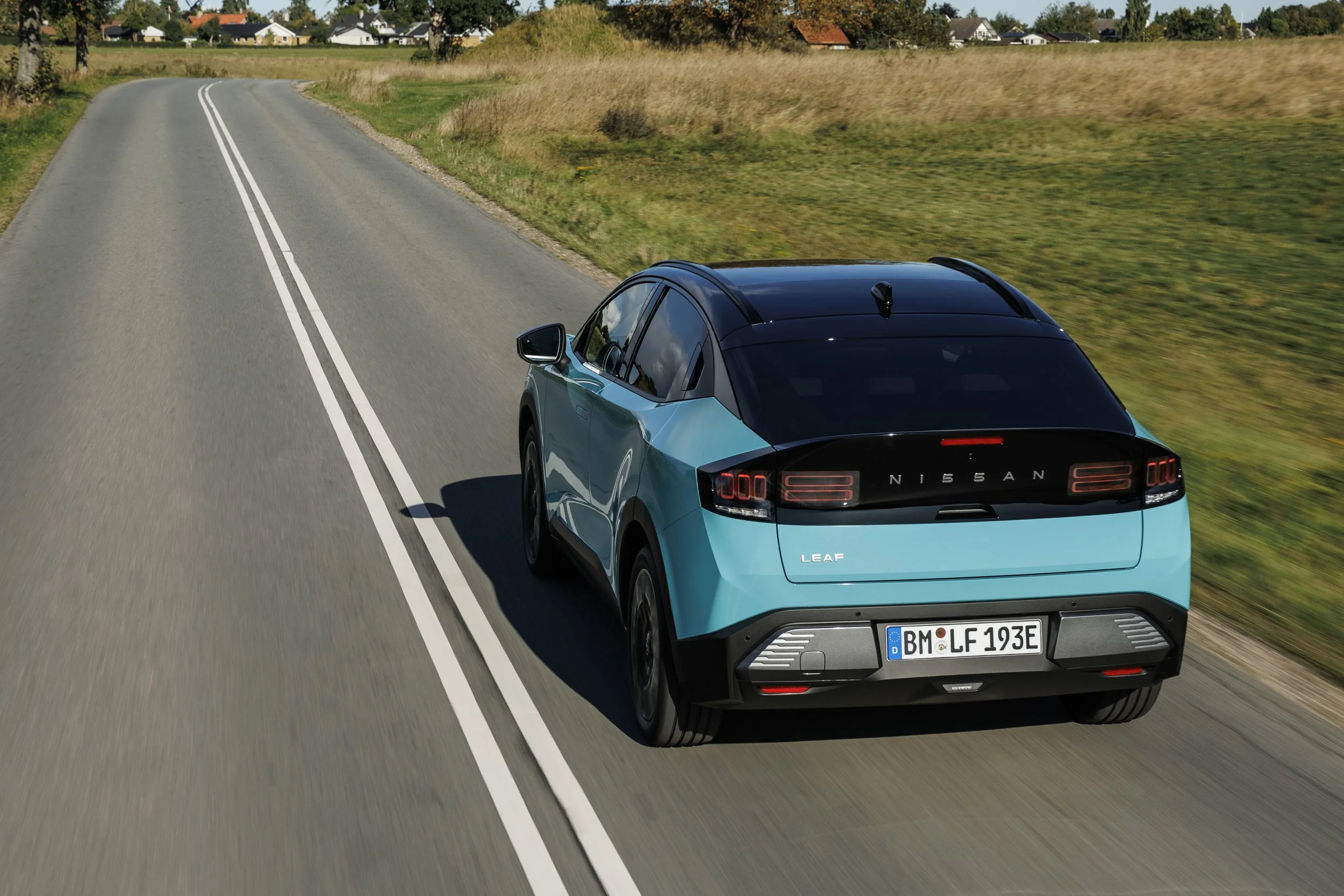
Conceivably, it has two future common platform fully electric choices: The updated Ariya, which revealed last year, and the all-new Leaf (below), which has begun production and Nissan Japan has said is vital to its future.
Nissan has previously said it wants to release new Leaf regionally in late 2026, but that means Australia - where electric is rising in popularity - as well as NZ, where enthusiasm has sharply declined.
But there was no reply from a Nissan NZ spokesman when asked today if Leaf and the facelift Ariya are coming to our country.
A dealer network contact also said his information was simply that current Ariya is going. What happens next is not obvious.
Nissan NZ still has its e-Power technology, which uses an petrol engine as a generator to power a battery that, in turn, feeds an electric motor (or two) to propel the car.
The brand determines that system to be electric; Waka Kotahi disagrees and calls it petrol. Either way, like a mild hybrid system e-Power cannot operate without fossil fuel.
The electric vehicle sector is hardly appealing to brands at the moment.
It could become even less so if Government’s impending review of the Clean Car Standard, which intends gradual progress away from internal combustion to low to no CO2 solutions, brings further dilution to changes already effected.
National’s partner, Act, wants the legislation completely pulled, in which case NZ would stand with Russia as the only country without any emissions regulations.
All this occurs when the country is in an intriguing state. There is now a healthy selection of choices, not least with China’s makers all pushing hard, as their entire industry is based on plug-in hybrid and electric cars.
Yet vehicles that rely on electric for partial or full motivation have sharply reduced in popularity, and are presently achieving a tiny count of monthly sales, well below volumes predicted in 2020 to end of 2023, when the sector was vibrant.
Just 675 sold last month - that’s less than one fifth the peak monthly accrual, achieved in December of 2023, the very last month for Clean Car discounts.
Those counts doe not include mild hybrid cars, which are increasingly popular, but are not categorised as electric cars, for simple reason they utterly rely on internal combustion to drive.
EVs and PHEVs presently account for just over six percent of new car sales. Within the overall NZ fleet of almost four million cars, under three percent are electric involved.
News of Ariya’s demise comes just days after Opel - whose entire EV pitch was ruined when rebates were pulled - announced intent to completely depart this country.
Will others follow? Some brands are now just too deeply involved in EV development to even have that choice. Nissan is among those, in that it no longer has a petrol equivalent of the Ariya. The closest gap-filler candidates would conceivably be Qashqai, which is e-Power, and X-Trail, but neither are quite the same.
The current Government’s decision to end discounts at end of 2023 and the impact of Road User Charges on EVs and plug-in hybrids soon after factored heavily into why consumers abruptly went cold.
All EV sellers were hurt badly in 2024 and last year and have tended to be coy in forecasting the year ahead; at best some see signs of some growth, but aren’t looking to substantial improvement.
For Nissan, it was a tough time. We were very late to get Ariya anyway; it’s been in production since 2022. At state of 2024 the brand then prevaricated about having it at all and when it came at end of November that year the sector was in total disarray, with discounting of aging stock rife.
In addition to launching this new car, Nissan here was also focused on clearing out an existing product using much less advanced technology, the last generation Leaf. This car had also historically struggled to be competitive against used imports.
Ariya was no threat to the Leaf in placing at $76,990 to $109,900, but it meant nothing. Those recommended retails were quickly subject to discount; the car has become even cheaper on runout now.
The 63kWh Engage and Advance at $45,990 and $49,990 and respectively $9000 and $13k below their previous stickers. The flagship 87kWh dual-motor Evolve, is selling for $59,990, a $20k trim. The discounts on Ariya are as aggressive as those used to clear out Leaf stock last year.
Conceivably, even if Nissan chose not to pull Ariya as we know have it, transition to the updated car revealed internationally last October was conceivably close.
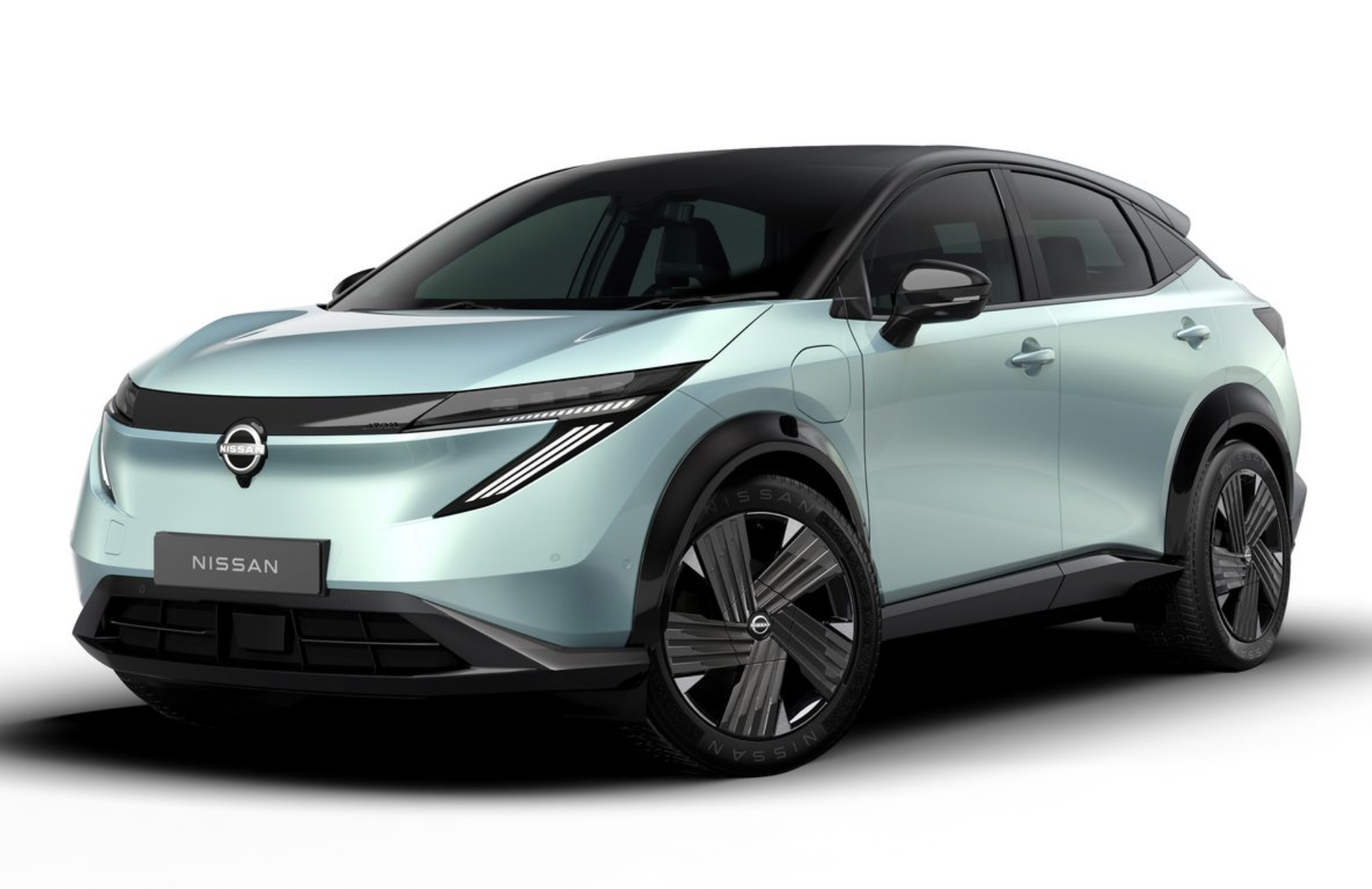
The update (above) brings a more minimalist front end. The large black panel that framed the original model’s nose is gone, replaced by a smoother design that highlights a back-lit Nissan badge. New curved daytime running lights with a three-stripe signature replace the previous angular units, while the side intakes have been deleted entirely for a sleeker, more aerodynamic The restyling brings it closer in line with the new Leaf, now also a crossover.
The basic drive technology is unaltered, though it has some efficiency gains, and also picks up extra driver assistance and comfort features, plus retuned suspension.
The Leaf is a whole new ambition; based on Ariya 'CMF-EV' underpinnings, it nonetheless is smaller and aims, as previously, at a lower price band.
It’s also a fresh story. The previous Leaf had an official range of 385km from its biggest 62kWh battery, but that battery - and the smaller 40kWh unit - were both derived from the original 2010 Leaf's 24kWh unit and thus used older technology.
Now, the Leaf is fully up to date in battery terms, so entry-level 52kWh battery will provide a range of up to 436km on a full charge and there’s also a big-battery version, which gains a 75kWh pack and a quoted range of up to 604km.
Charging-wise, the outmoded CHAdeMO charging system used previously is ditched for NZ-preferred CCS and it promises 150kW uptake for the 75kWh battery (and 105kW for the smaller battery).