
Battery-reliant fleet hits milestone, what next?
/Electric/electrified imprint hitting 100,000 new units would have been reached a lot earlier had support continued.
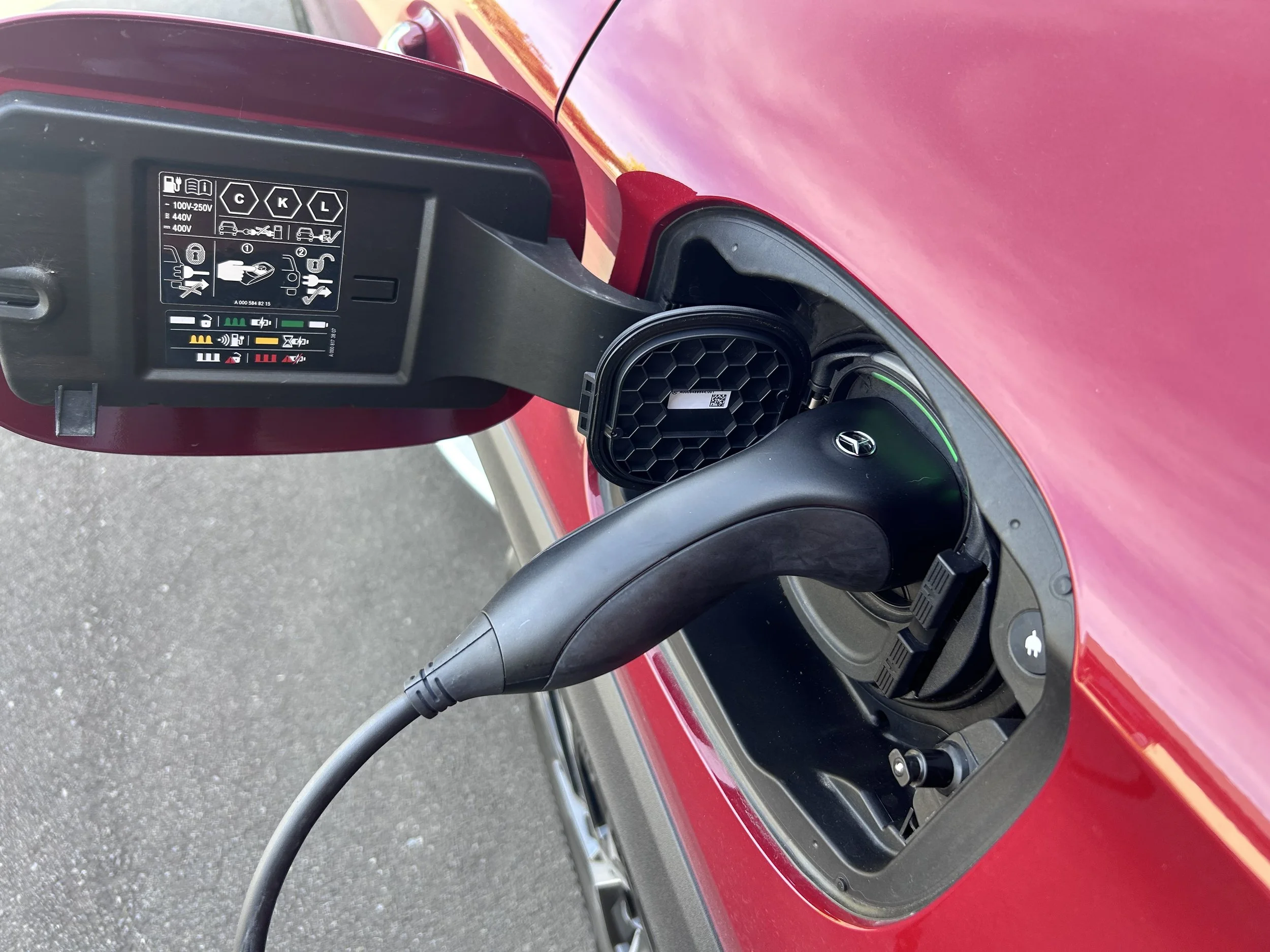
INDUSTRY celebration now of New Zealand having reached what it sees as a significant milestone in the transition to lower-emission transport sidesteps that the target could have been reached.
This traces directly back to Clean Car, a ground-breaking low CO2-driving legislation diluted significantly over the past 24 months and now potentially set for dismantlement.
In highlighting that more than 100,000 NZ-new battery electric and plug-in hybrid vehicles now registered across the country, the Motor Industry Association, which represents most but not all new vehicle distributors, is relating a good news story just when the environment for that fare might turn bad.
Complete end to Clean Car, which no longer represents at public-facing level - the discount and penalties it applied to buyers having gone - but still continues with rules for distributors, albeit barely (as the penalties they coped slashed by nearly 80 percent last year), would leave New Zealand without relevant emissions rules.
The MIA has previously been a supporter of Clean Car, but its position now seems more tempered.
It avoided mentioning the measure entirely in a feel-good media share relating it’s positivity about how a total of 100,323 NZ-new BEV and PHEV vehicles have been registered across light vehicles, motorcycles and heavy vehicles.
The industry body says that result reflects the steady expansion of electrified vehicle options in the NZ-new market and the growing role these technologies are playing in the national fleet.
MIA data shows NZ-new vehicles account for the majority of electrified vehicles entering the fleet, representing 69.6 percent of all BEV and PHEV registrations recorded in New Zealand.
MIA chief executive Aimee Wiley says the milestone highlights both the progress made and the importance of maintaining a practical transition pathway.
“This is a significant milestone for New Zealand’s vehicle fleet and for the distributors and brands bringing lower-emission technology to market,” Wiley says.
“It shows that the NZ-new market is continuing to introduce a growing number of battery electric and plug-in hybrid vehicles across a range of vehicle classes.”
However, what the data doesn’t reflect is that EV and PHEV inroads would have run into seven figures at least a year ago had the steady climb between 2020 and end of 2023 continued.
That didn’t happen, due to a change of Government and political sentiment. Decline began the moment the National-led coalition turned off, at end of 2023, the rebate to support purchase of new electric/electrified product costing $80,000 or less.
After that, a change in economic climate and the introduction of Road User Charge on electric/electrified cars from April 2024 have slowed what had been a healthy flow to a trickle.
All brands have been hard hit, some to point they have either abdicated plans to bring in some models or withdrawn them, the most recent example being the Nissan Ariya.
And one involver that pinned its entire strategy on EV growth, Opel, has left the market.
The previous enthusiasm was highlighted by data relevant for period from the start of 2022 to the end of 2023, when PHEV uptake climbed from 1.6 percent of overall sales to 10.6 percent, while EVs went from 3.5 percent to 37.7 percent.
In January of 2024, these categories tell back to 1.7 percent and 2.1 percent, and have never gone back into double digits since.
Data accrued by the website EVDB.nz estimates the EV share of the total light vehicle fleet comes to 1.99 percent and that PHEVs account for 0.97 percent. That statistic includes used import cars, which are obviously exempt from the MIA’s discussion.
Comment from Stats New Zealand made in June 2025 gave insight into the huge decline that has occurred since rebates were axed, citing that imports of EVs fell more 50 percent in value during the 12 months to June 2025.
New vehicle imports in total compared with the year ended June 2024 valued at $4.9 billion, down 23 percent ($1.4 billion), and EV decreased by 57 percent, totalling $395 million, while PHEVs saw a 38 percent fall, to $234 million. Hybrid imports increased by 3.8 percent, reaching $1.6 billion.
The MIA feels the 100,000 unit milestone is a meaningful achievement in that “it demonstrates that lower-emission vehicles are now an established and growing part of the NZ-new fleet. The next challenge is ensuring the broader transition remains credible, affordable and sustainable over the long term.”
Wiley in the latest media share conceded the transition remains complex and influenced by several factors.
“Consumer uptake remains closely linked to affordability, infrastructure, product suitability and confidence in the policy environment.”
The MIA says the milestone should be viewed as part of a broader fleet transition rather than an end point, noting that fleet turnover occurs gradually as vehicles are replaced over time.
For that reason, the association says policy settings need to support steady fleet renewal while maintaining consumer choice and a workable pace of change.
It adds that a stable and evidence-based regulatory framework is particularly important for a small, import-dependent market such as New Zealand, where vehicle supply, pricing and model availability are shaped by global production systems and international regulations.
The current Government wasted no time in pulling the EV rebate and last year began a review of Clean Car in its entirety.
A targeted consultation has now concluded, with submitters asked directly whether the standard should be abolished.
A specialist industry media publication, Autotalk.co.nz, last week reported that it believes there is a confidentiality component to the consultation process, which has made industry groups reluctant to reveal that abolition was among the options being considered.
The consultation was limited to the motor vehicle industry, international bodies, government agencies, advocacy groups and subject matter experts, but was not open to the public.
The review is being conducted in two stages, with stage one focused on whether to retain or abolish the standard altogether.