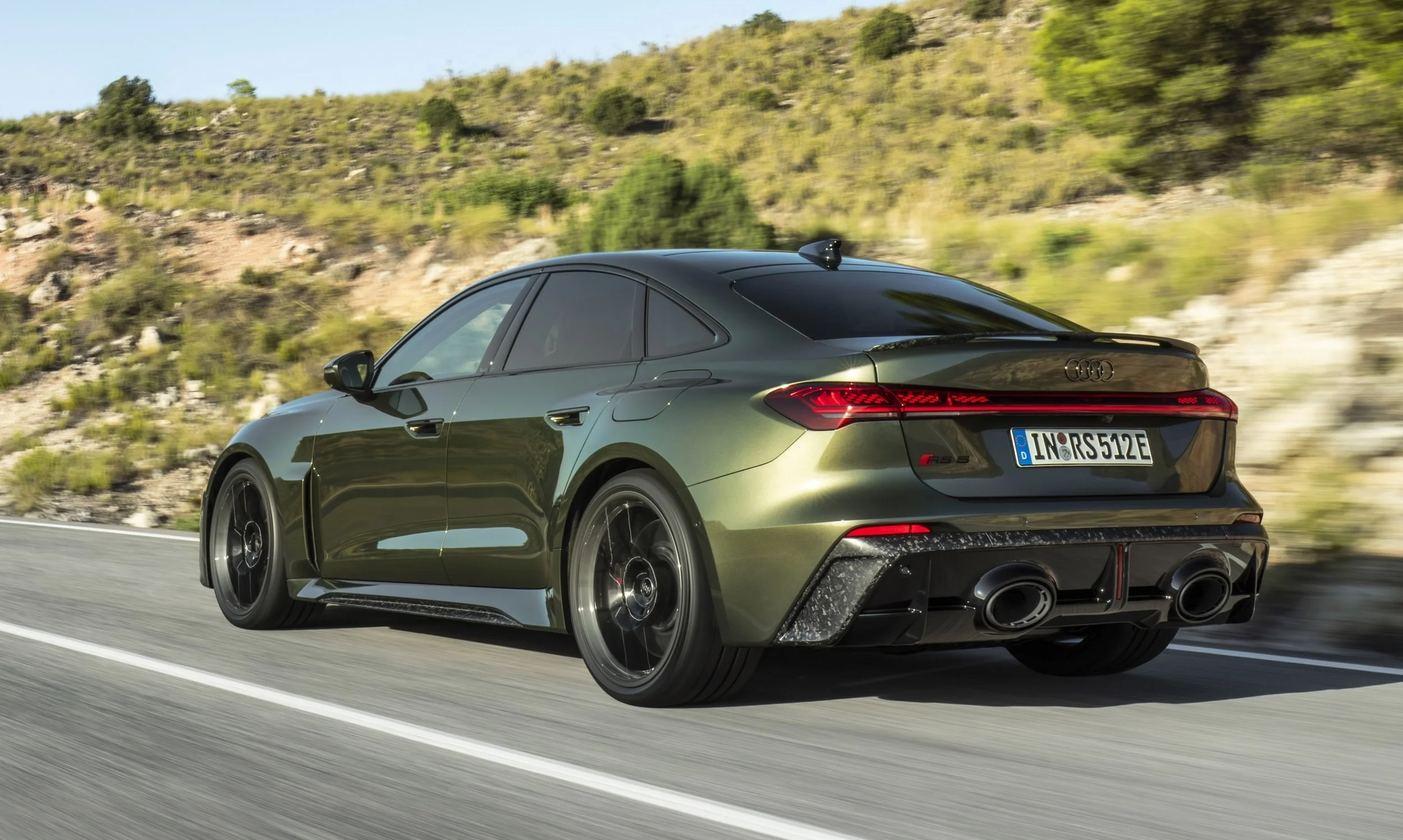

Audi RS 5: Higher priced spice
/The electric age edition loads up on kiloWatts, kilograms and cash requirement.
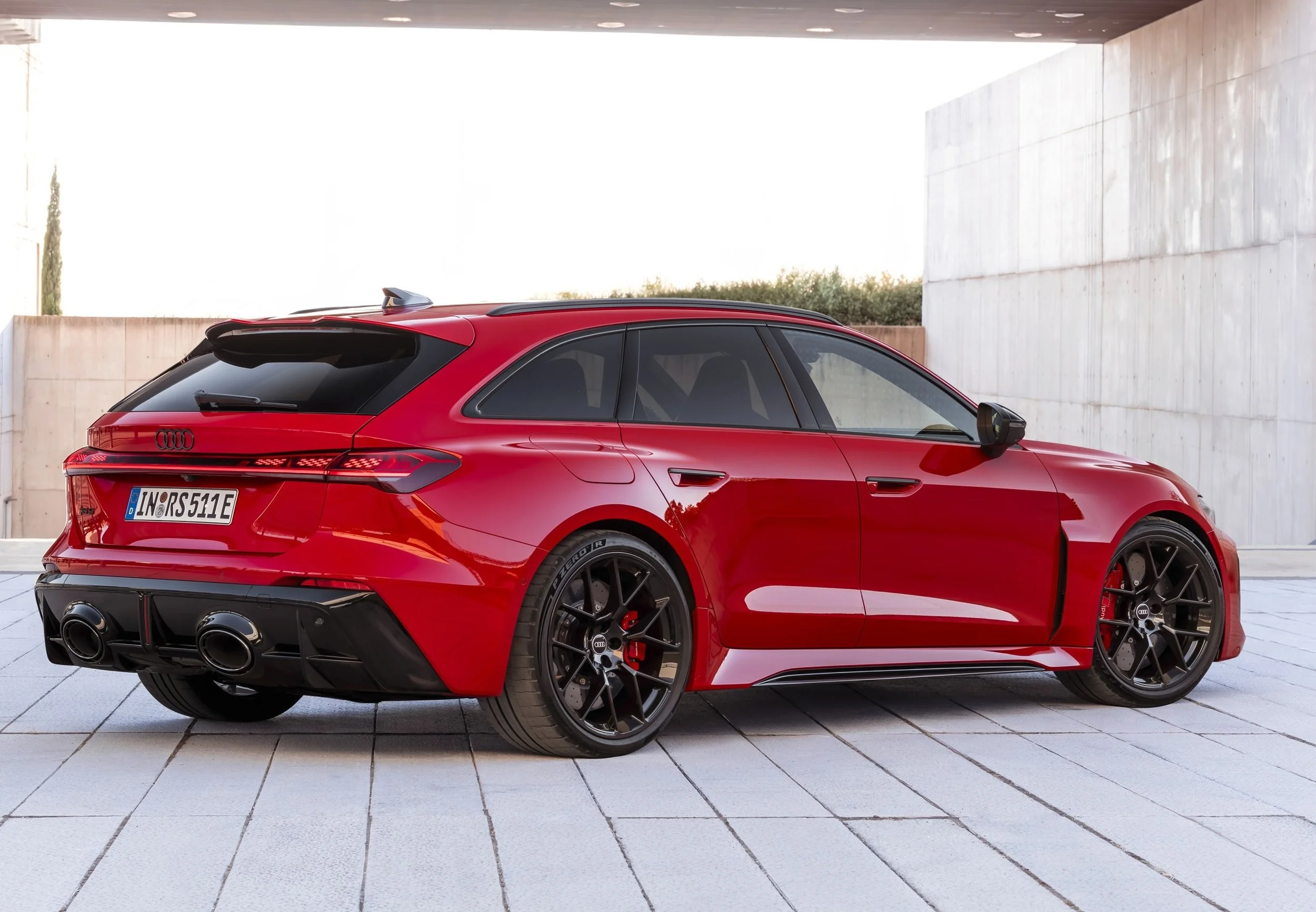
ANY saving at the pump from buying into the next generation of an Ingsolstadt icon seems set to be offset for some time by the premium it carries over its predecessor.
Formal announcement has come today today of stickers for the RS5 that potential early bird buyers were given a heads up of last week. Ordering also opens today.
The new model siting at $194,990 in its new liftback-look sedan and $196,990 traditional station wagon Avant puts it into a higher bracket than the old version.
The previous car, which badged as the RS4, left the market as a $180,000 opportunity in its final evolution, having initially entered at $165k.
Set to land in September, the new generation is the first of its kind to include an electric driving element, to point it is a plug-in hybrid.
It doesn’t entirely put the past behind because the electric side abets a familiar six-cylinder petrol engine.
Audi has retained the twin-turbocharged 2.9-litre V6 which saw service in the old 'B9' RS4 Avant and treated it to a complete overhaul, with a revised fuel system, a new intake and different turbo pipework.
Power is up to 375kW from this engine alone, although torque remains unchanged at 600Nm. And to this they marry an electric motor that, in isolation, is good for 130kW and 460Nm.
Which means a total combined output of? Well, as you know, it’s never as simple as adding those together for a total. The four-ringed lot’s calculator pegs the peak powertrain outputs at 476kW and 825Nm.
The electric side is fed by a 22kWh (usable) lithium-ion battery pack which, when full optimised (so, in lab test conditions), can pull fuel consumption to as low as 3.8-4.5L/100km. Unheard of results for this car.
As per convention, everything feeds through all four wheels via Audi's proprietary quattro system and an eight-speed Tiptronic torque-converter auto.
The primary role of the electric is to add fire. Audi quotes 0-100kmh in just 3.6 seconds, down three-tenths on its predecessor, and a top speed of 285kmh.
Those performance credentials are pretty heavy. Unavoidably, so is the car. In sedan form, this is a 2355kg item. The Avant clocks 2370kg.
That means it weighs even more than its physically larger RS6 Avant and RS7 Sportback siblings.The wagon is but 55kg lighter than a Ford Ranger Raptor, while being 520kg heavier than the M3 CS Touring.
Which makes it almost 600kg heavier than the old RS 4 Avant. The current S5 Avant, the next model down the performance tree, is also in two tonne territory, but only just.
While including a battery doesn’t hold back the spiciness, it does impact on interior space, more for luggage than people. Positioning under the cargo bay's floor area, means the Avant has but 361 litres’ of load-all capacity with all seats in use, climbing to 1302 litres with the second row folded down. The hatch/sedan starts with 331 litres, expanding to 1170.
The RS 5 obviously relates as the most muscled member of the A5 family, but shared between the shopping run edition and the track-aching flagship are just the roof, the front doors and the tailgate.
All else is bespoke and those 45mm-wider blistered arches and tracks make it 90mm wider than its base material. It’s 77mm broader than the preceding Audi RS 4.
The model debuts a new type of torque-vectoring technology on its rear differential, which the carmaker claims is pioneering, in that it has a preload to stay partially locked at all times.
The cabin also of course gets the usual performance enhancements, including heavily-bolstered sports seats, a special trim and a 12-o’clock market on the steering wheel.
An 11.9-inch digital instrument cluster sits in front of the driver, while a 14.5-inch infotainment touchscreen is mounted in the dashboard, sitting next to a 10.9-inch passenger display – allowing the extra front occupant to control functions without distracting the driver.