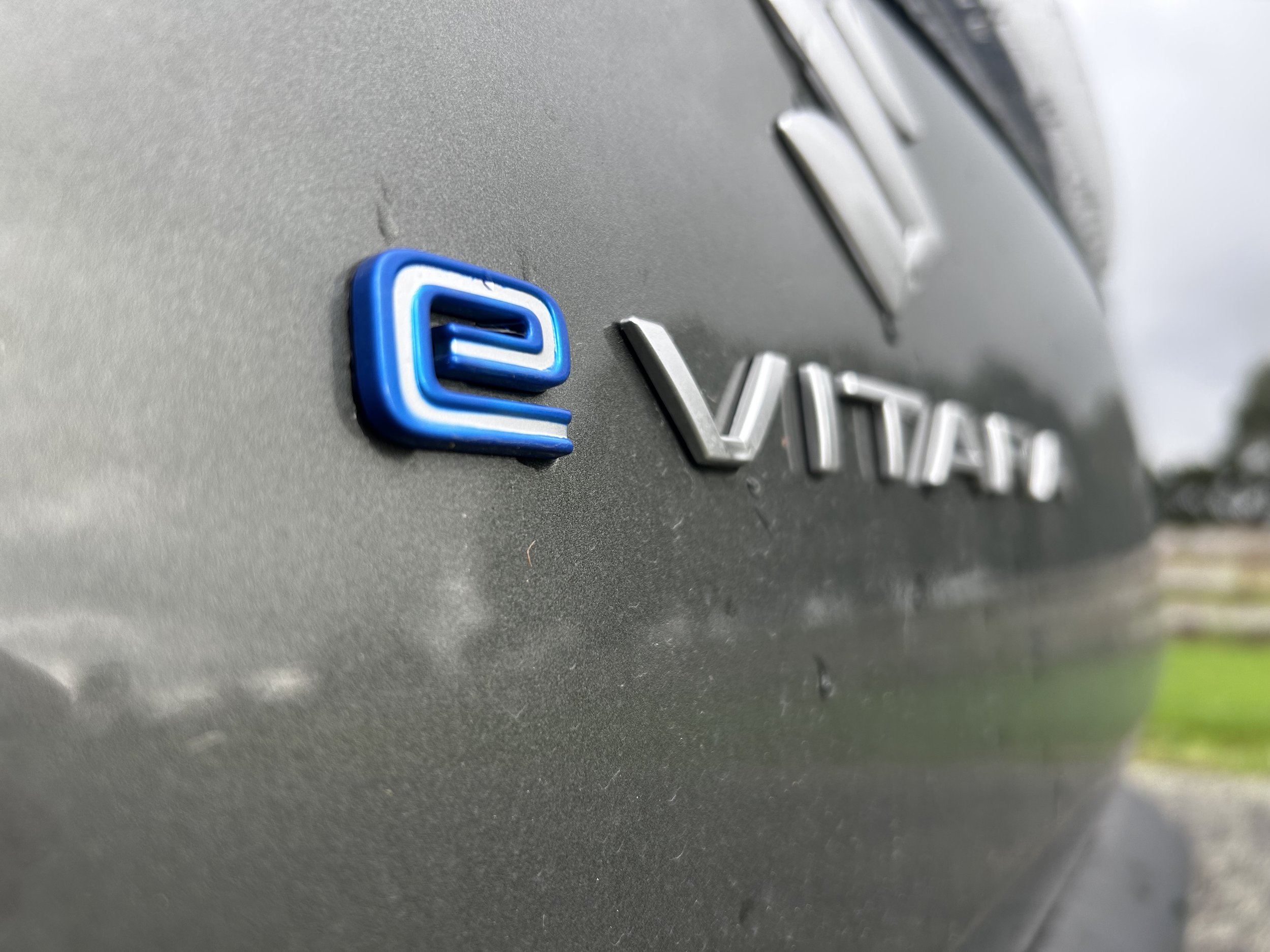

Brand bonanza - but how many new car choices do we need?
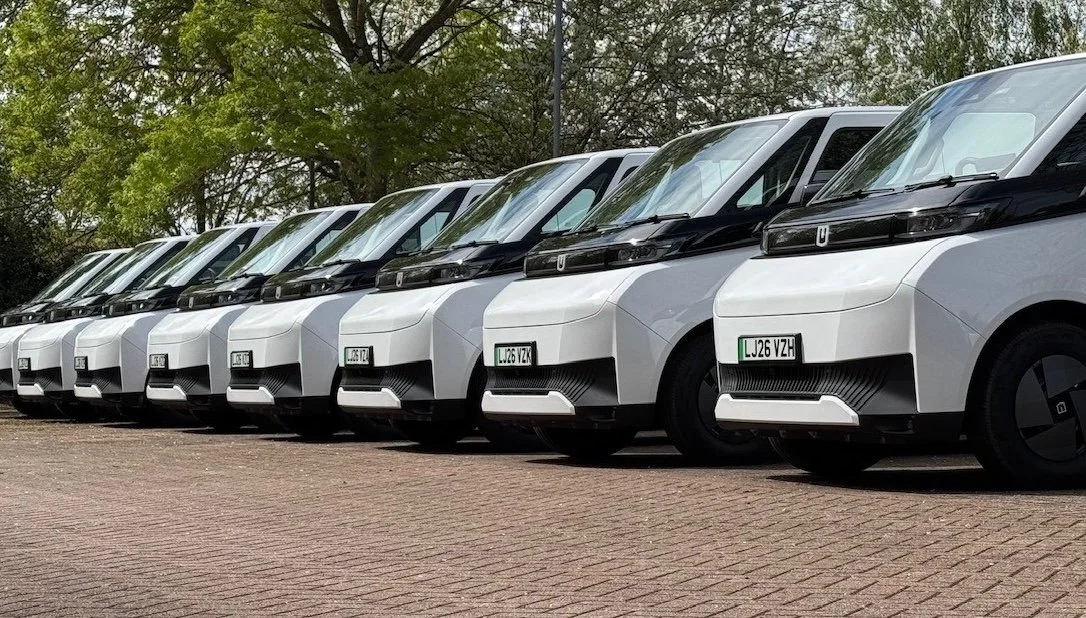
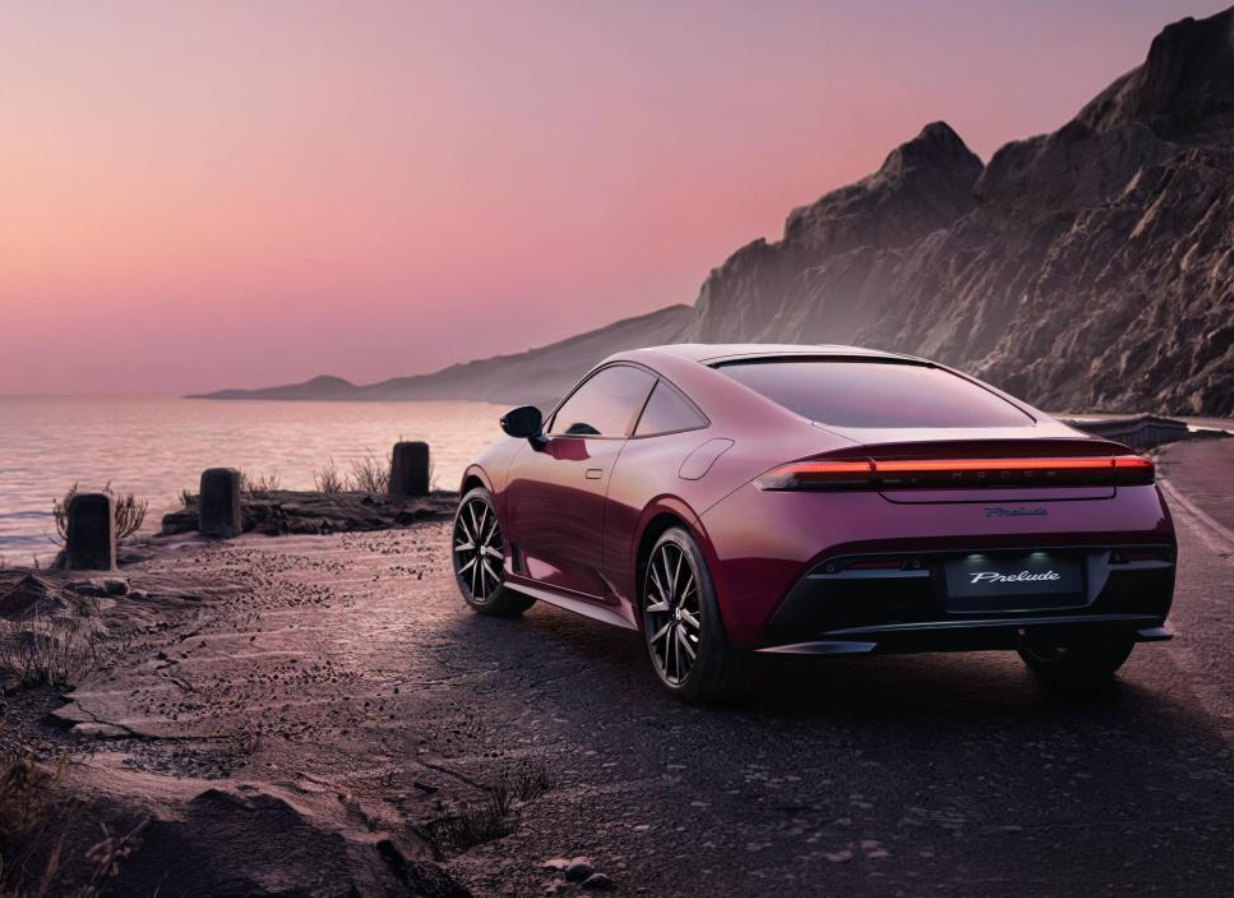
/NZ is bursting with new car makes … and more are on the way.
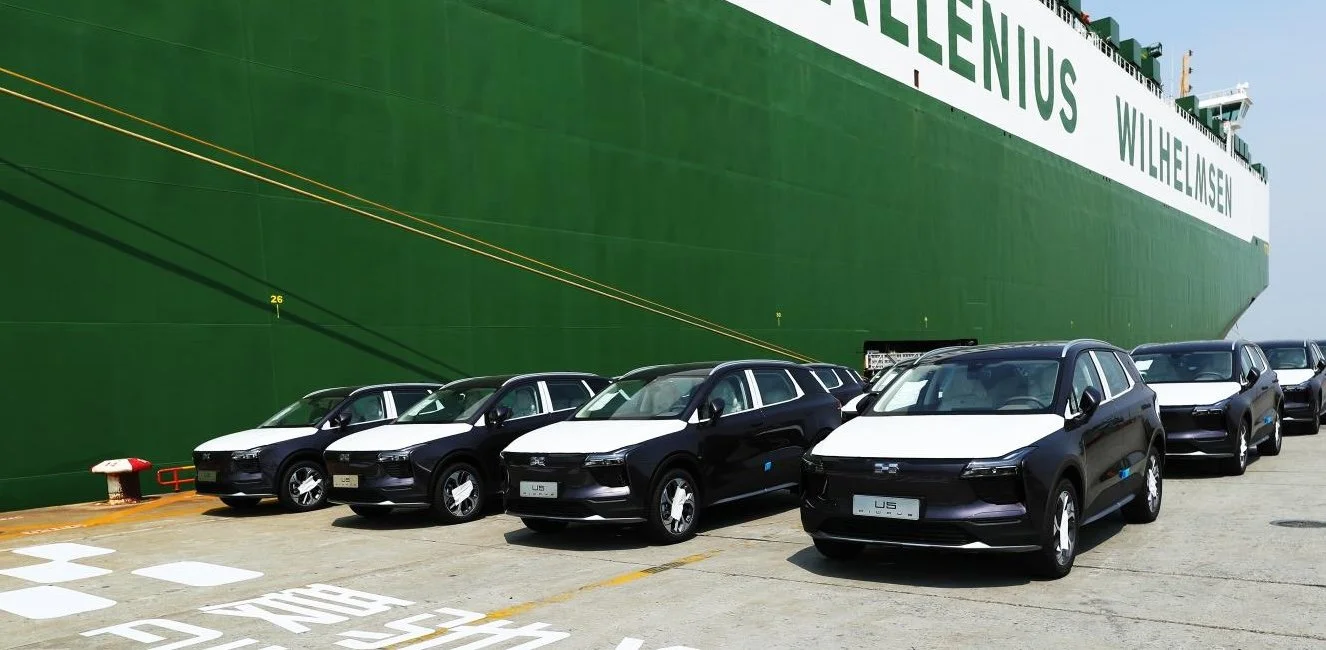
WITH close to 80 new car brands now vying for Kiwi attention, how many is too many is a question weighing more on the industry’s organisational body.
New Zealand is known for having an especially competitive new vehicle market and according to the Motor Industry Association an influx that has already set a historic high is very likely not yet over, with China of course setting latest pace.
Independent industry conjecture the market is now served by 78 brands, with new involvers poised to outnumber long-term stalwarts, is not contested by the MIA.
Are we now in a bloated state? Australia, with an annual new car uptake five times ours, is up with NZ for choice count. Many other mature car markets, all with far larger populations, get by with far fewer brands.
Canada, Iceland, and Ireland are served by 40; the United State 45; Italy 50; France and the United Kingdom around 60.
NZ’s annual registrations count of brand new cars and light commercials (vans and utes) has fluctuated between 130,000 to 160,000 units over the past decade.
Even before China Inc bullied in big time, success for some participants historically measured out as slivers of a modest-sized pie.
Toyota’s clear dominance is almost an exception; other ‘mainstream’ brands perceived to be reasonably popular might get by with several thousand registrations; one or two see annual counts in their hundreds.
So how little business can they get by on?

MIA chief executive Aimee Wiley (above) says that’s not an easily answered question, as distributor models very much vary. No single sales threshold determines whether a brand will be viable.
“Each importer or distributor has a different business model, cost structure, product portfolio, and market strategy.
“Some require significant scale, while others may operate successfully within smaller or more specialised market segments.”
But she says the car market here is finite. And also fickle.
“(It) can vary in response to economic conditions, consumer confidence, fleet purchasing, product availability, and Government policy.”
Having an increasing count of brands is good in that it “generally intensifies competition for available demand, although new products and technologies may also attract buyers into different vehicle segments.”
Moreover, strong competition can benefit consumers through greater choice, innovation, and value.
Still, the heat is being felt and, already, it’s been too much this year for Opel, while focus remains on what KGM intends now its distributor has quit.
Declining market share of some established brands against newer entrants has also become obvious, but if any are weighing up their futures is not for the MIA to comment on, Wiley says.
“MIA would not speculate on the future of individual brands,” Wiley says.
“As in any competitive market, the number and identity of participants will evolve over time in response to consumer demand, commercial performance, and global product strategies.”
The Wellington-based organisation, which interacts regularly with Government and under Wiley gone from a single employee operation to one involving half a dozen staff, doesn’t speak for all distributors - Tesla is a notable absentee - but a majority are members.
China Inc’s influence here has become a point of commentary, Wiley agrees.
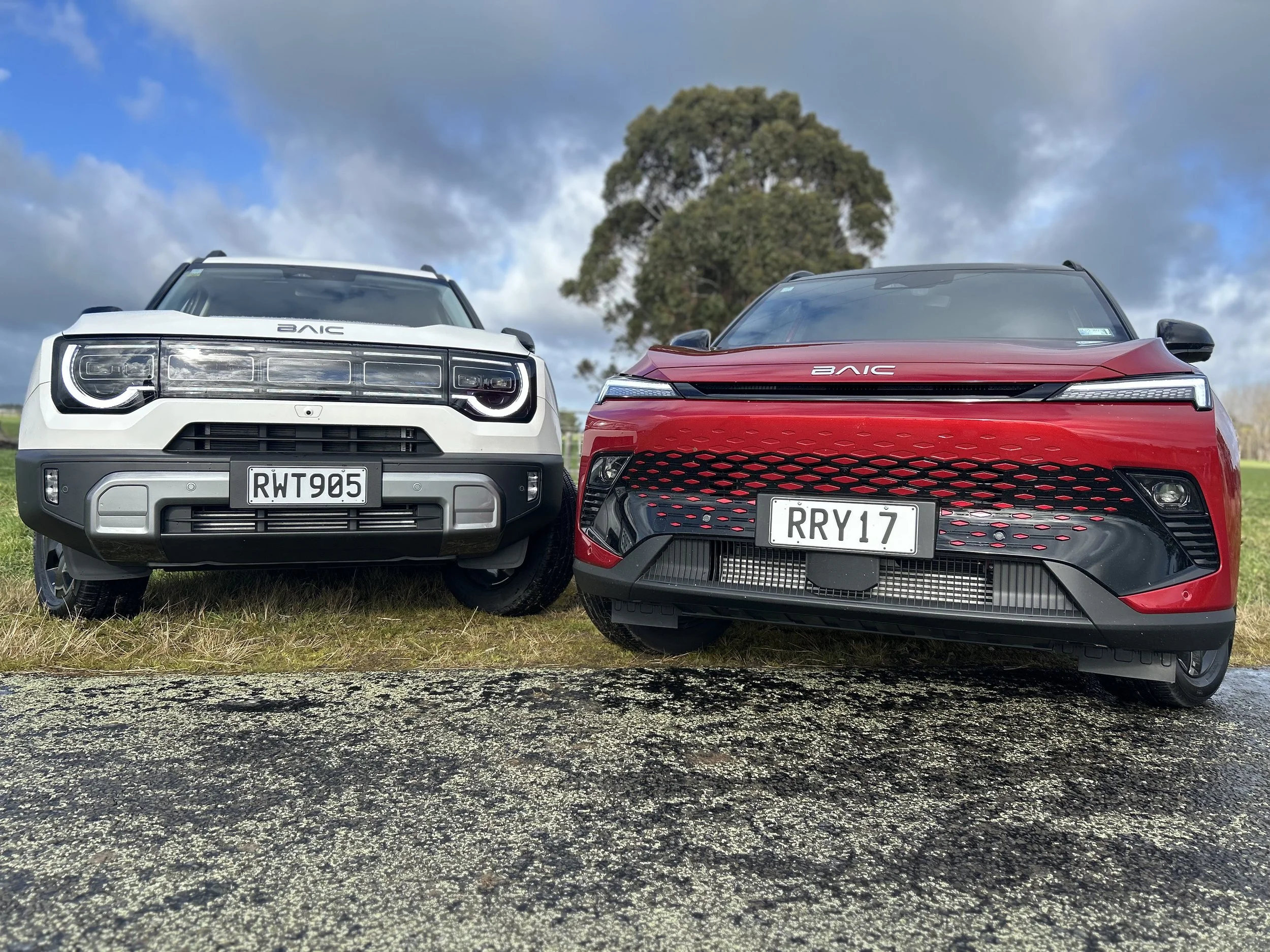
BYD, Chery sister makes Jaecoo and Omoda, MG, Leapmotor and GWM have all patently imprinted; Geely, Zeekr and Farizon also are ramping up their presence.
GWM, formerly Great Wall, is the longest-involved here, kicking in back in 2009 with low-cost cars and utes. Today it is a much larger operation, with a much stronger reputation, and doing well with its own models as well as Haval and Ora product.
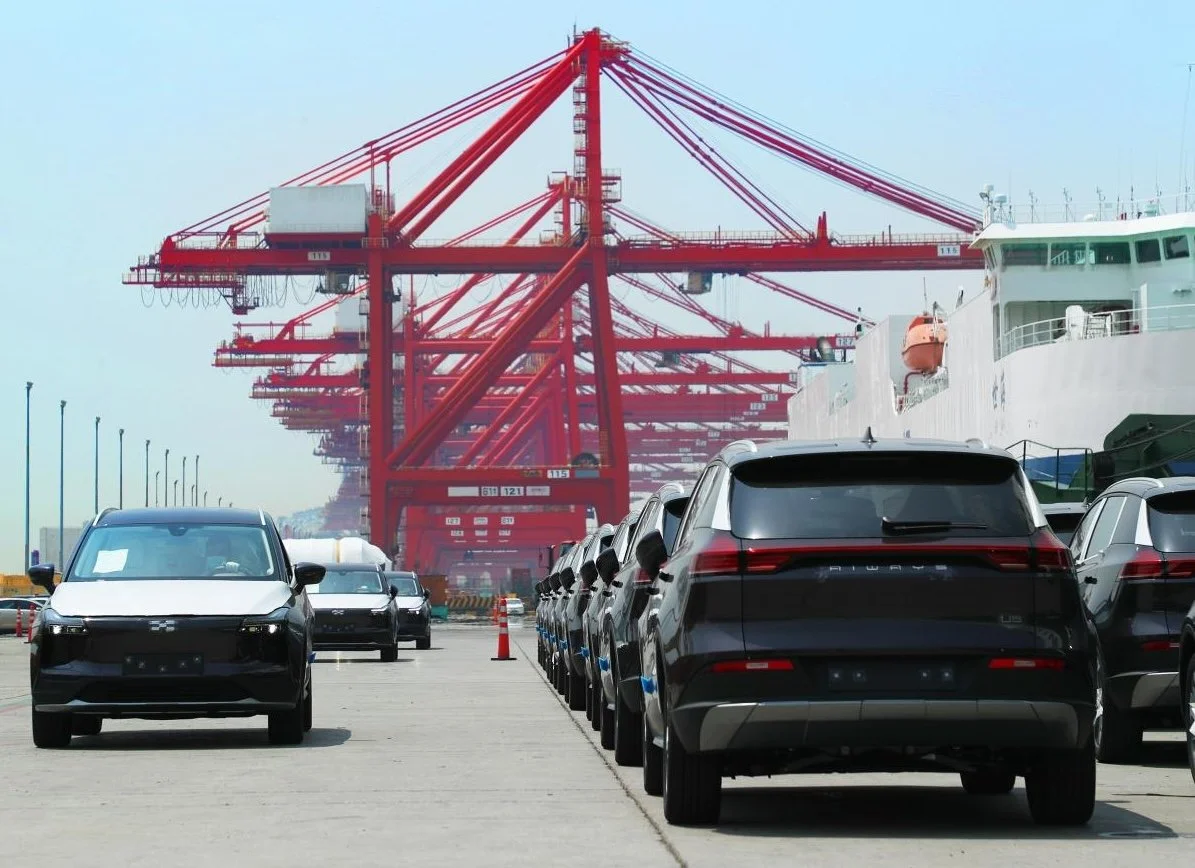
Kiwi interest has ramped. No more so than last month. June provided its strongest monthly sales result, delivery of 610 vehicles capturing a 4.7 percent market share and representing as a 42 percent increase on the same month last year. It is presently the seventh most popular performer in NZ, having humbled some household nameplates and intent to climb further.
The story of how the world’s second largest country has become in relatively truncated time the world’s largest car producer is well told.
Today China has indisputable ability to not just turn out cars faster, but also to incorporate technology more quickly, with greatest push with its chosen speciality, electric and electrified product.
This effort saw it domestically introduce 650 new or refreshed cars - four new cars every day - in the first half of 2026.
Ironically that’s just when Chinese buyers are crying enough, with sales running 30 percent lower than for the same period of 2025, when fears of the market having hit saturation point were raised there.
China’s government is starting to wean out poor domestic performers. It has just revoked whole-vehicle production qualifications for eight automotive companies, an action effectively stripping them of their legal right to manufacture vehicles. They include a division of Brilliance, whose taxis are everywhere in China.
It seems but a matter of time before exporters also feel heat; hence perhaps why many more are trying for Kiwi support. Our free market policy is obviously attractive, but another appeal of our country - and Australia - is that they are ideal test labs to assess product suitability for much larger Western markets.
Their presence in New Zealand is likely to continue growing, Wiley says.
“Chinese automotive manufacturers have become an increasingly significant part of the global automotive industry and are bringing a growing range of competitive products to international markets, particularly in electric and electrified vehicle segments.”
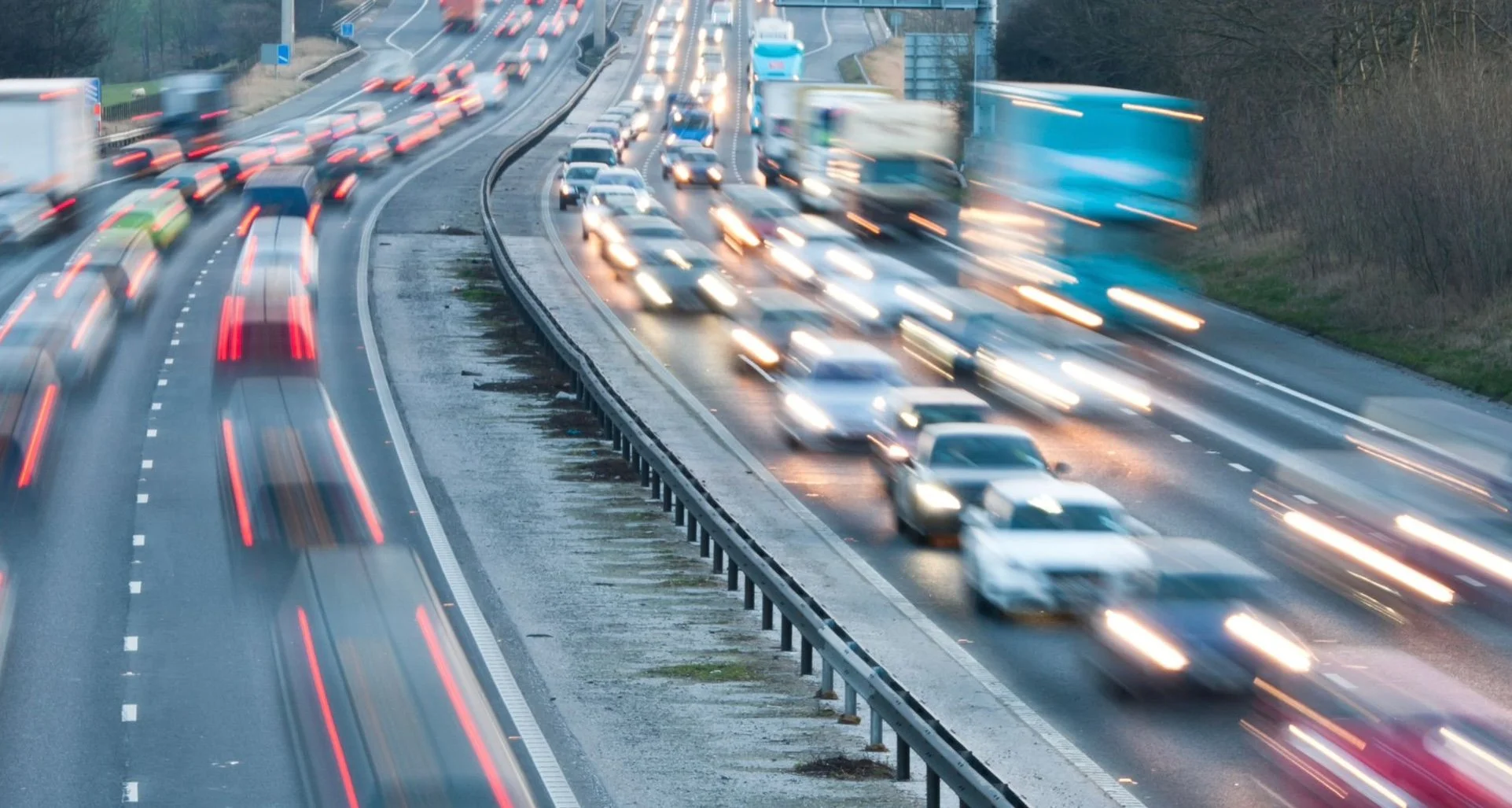
Could they eventually dominate here? Wiley suggests it’s premature to conclude that will be an assured end game.
She also says it’s important to distinguish between Chinese owned vehicle brands and vehicles manufactured in China for global automotive companies.
In that light, Tesla - whose two models sold here, Model Y and Model 3 - both come from Shanghai, stands as the most successful Chinese brand, with Model Y utterly dominating electric vehicle sales year-to-date.
“Consumers will determine which products and brands succeed, based on the overall combination of affordability, quality, safety, suitability, technology, and ownership support.”
How the market may evolve seems to be a subject of regular discussion as much within brand board rooms as it could be between car nuts meeting in pubs and coffee shops.
Suggests Wiley: “As in any competitive market, the number and identity of participants will evolve over time in response to consumer demand, commercial performance, and global product strategies.”
The strategy for all Chinese makes here seems pretty much universal. It all bases on the promise of high levels of technology and generous warranties, for low purchase price, the latter a reflection of much about how cheap it is to make cars in China, for all sorts of reasons.
Who makes profit and who accepts a hit to secure market share is always being questioned. It’s clear that not matter how cheap Chinese brand cars are here, those that also represent in same or similar state in China are less expensive still.
A Reuters survey in 2024 caused ruction when it proposed that BYD was charging some export markets far more - twice to almost three times as much - than it then sought in China for models that were available then to Australasia.
The strategy was to maximise profits to fuel a protracted and intensifying domestic price war, Reuters claimed. China’s political rulers have had enough of those games. A law curtailing brands from selling vehicles at below cost has just passed.
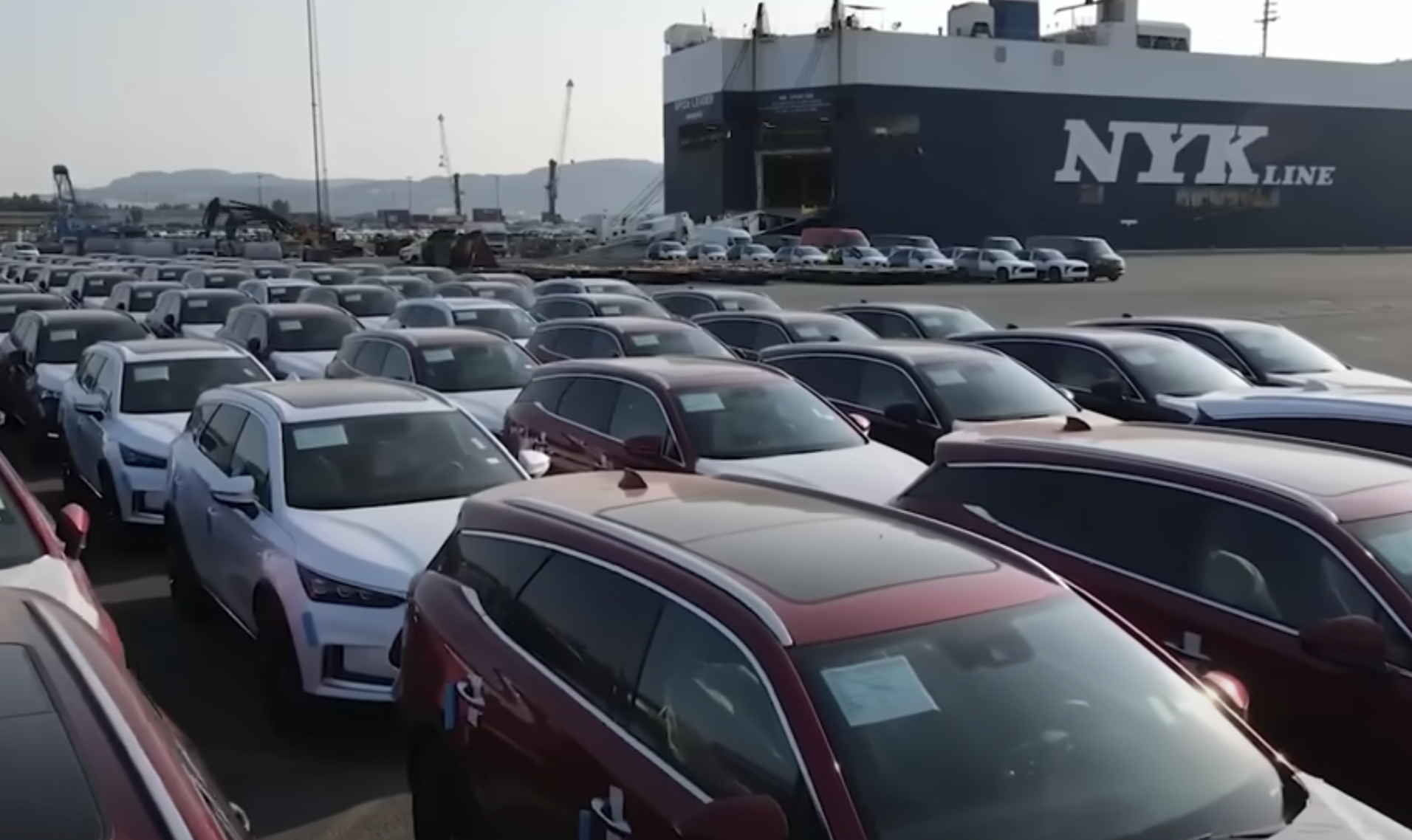
How that ultimately affects export pricing and strategies? Who knows, but GWM NZ boss Cameron Thomas is one who says while he doesn’t mind competition, he’d not like to see this market become a ‘best price’ bloodbath.
Assuming that’s all it takes. As much as advantageous pricing has worked here, NZ buyers have historically always been attracted to value-based products that offer a quality experience and also favour a quality after-sales experience.
For well-established distributors commitment to doing right reflects in huge investments in sales networks and, more importantly, servicing and parts supply has been paramount.
Only GWM, MG/IM and the Giltrap NordEast operation that represents Zeekr, Geely, Riddara and Farizon have ever voiced to this writer the same promises heard from market long-termers in respect to having million dollar-plus in-country stockpiles of common consumables and having ability to smartly react to issues such as windscreen replacement.
Talk of long waits for repairs and refunds for cars under warranty from some new overseas brands here has become an issue in Australia, where delays in securing spare parts comes down to those manufacturers not having stocks on shore.
Some industry involvers wonder if some brands are keeping purposely lean in case their products don’t pull public interest, in which case they could just close up shop and try elsewhere.
Wiley concurs the strength of a vehicle offering cannot be assessed solely by its purchase price, specification, or stated warranty period.
“The broader ownership proposition, including servicing, parts availability, technical support and effective warranty delivery, is equally important.”
So the ability of any market participant to establish a commercially sustainable operation and provide the sales, service and customer support required over the longer term is an important consideration.
It’s a complex scene as new brands are entering through a range of distribution and retail models, she suggests.
“Some are partnering with established importers, distributors, or dealer groups. Others are establishing new local operations, while some manufacturers are adopting more direct or vertically integrated customer models.
“No single model guarantees success. What matters is the strength and sustainability of the complete operating model, including the importer or distributor, its retail partners and dealer network, and the capability of its aftersales service arrangements.”
The MIA view is that bringing vehicles to market is only the beginning for any brand.
“Sustainable participation requires continued investment in vehicle delivery, servicing, trained technicians, technical support, replacement parts, warranty administration, safety recalls and ongoing customer care.”