
New on the block: Latest Tucson reveals
/‘Art of Steel’ design comes to New Zealand’s most popular Hyundai.
CLEARLY it’s now tradition that every new generation of Hyundai’s medium sports utility requires a complete re-design.
And we mean complete. What’s changed about the new Tucson? Better to ask what’s still the same.
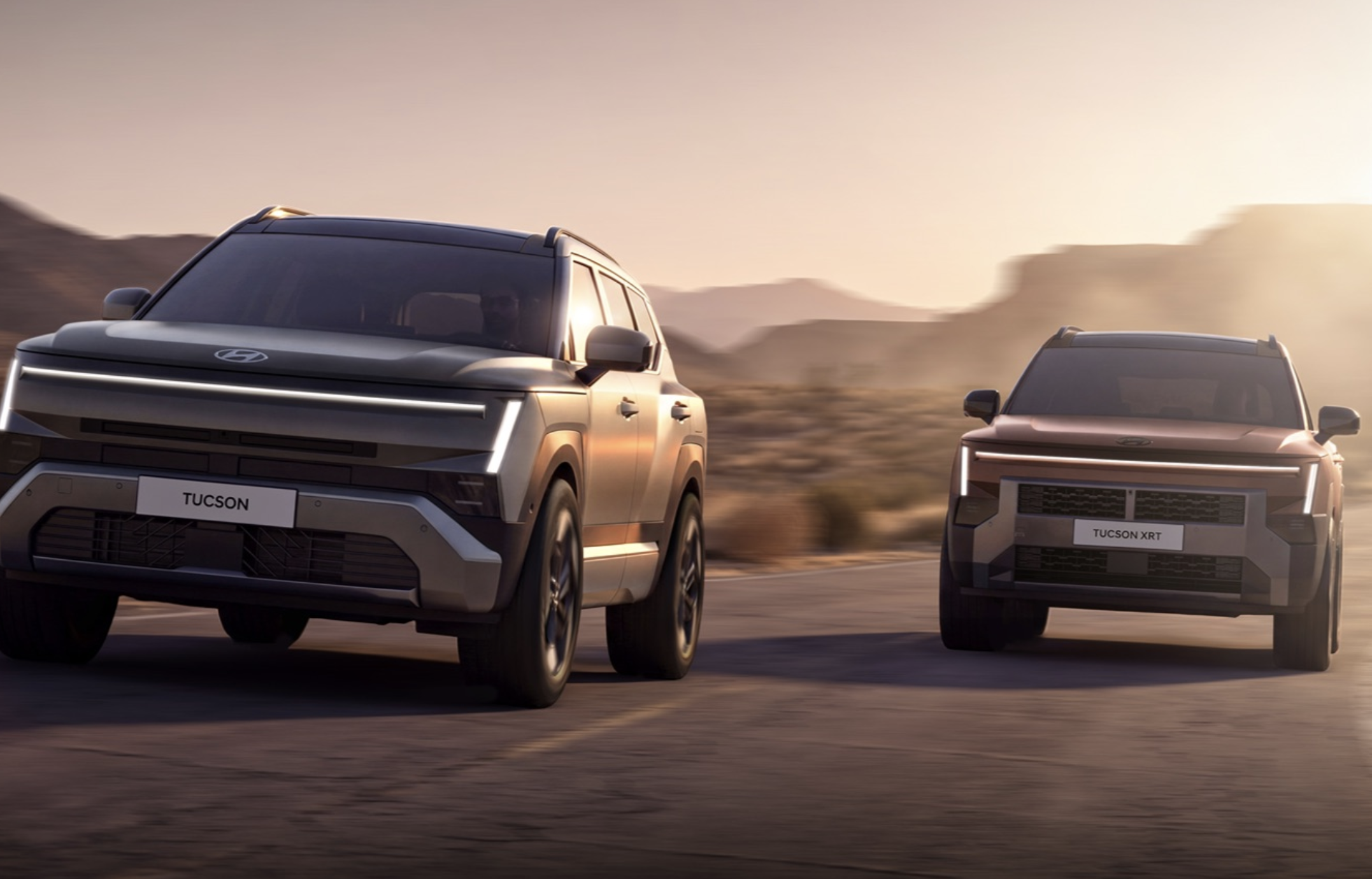
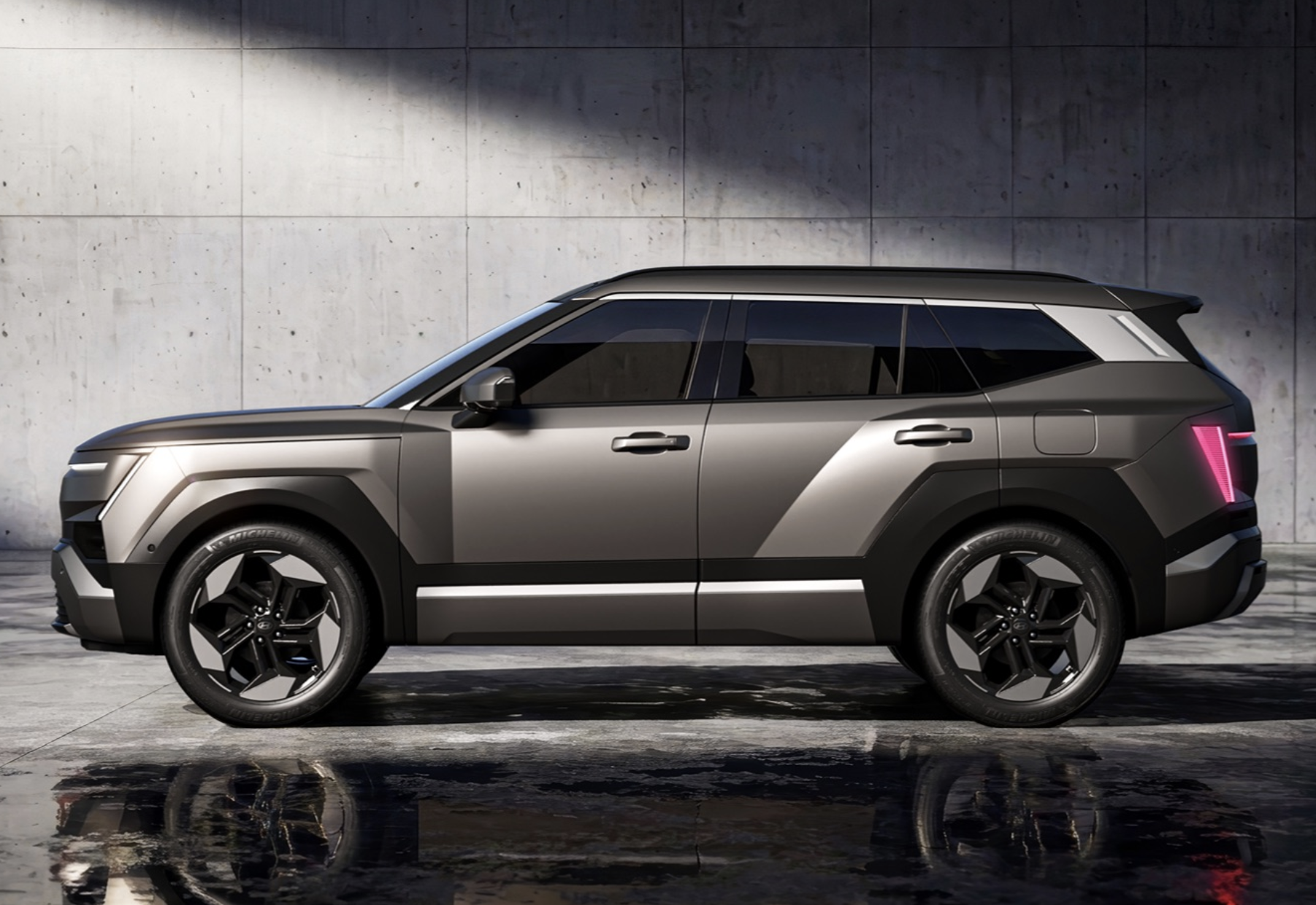
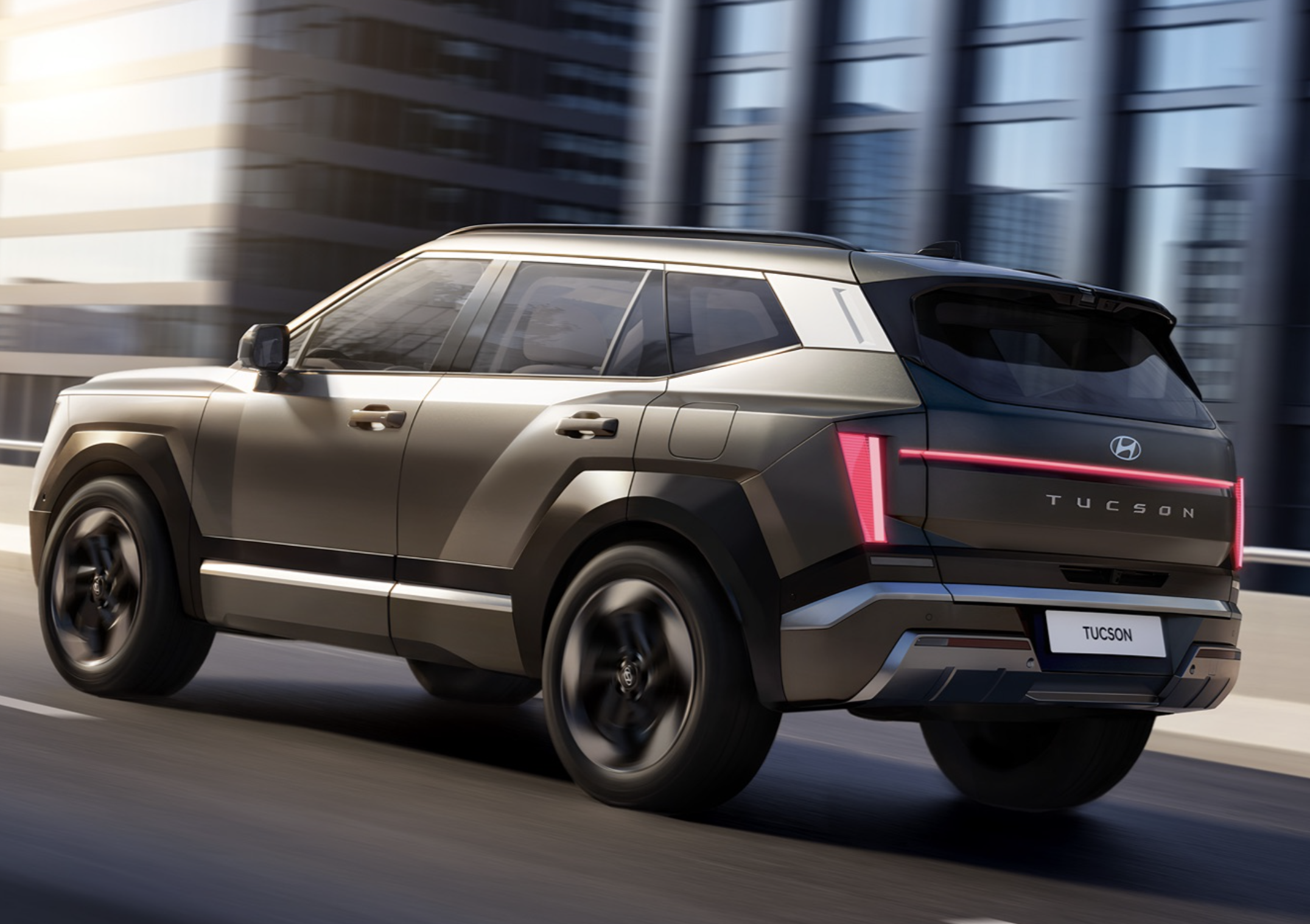
Incoming for 2027 is a rugged 4x4 styling with longer wheelbase and new design language that chucks out the curvy styling of the current model for something very different. A blocky, almost sculpted appearance that's both rugged and futuristic.
Fair to say you’d never know what we have now and what we seem set to see next year - still waiting on Hyundai NZ to provide more details on that - were the same car.
The only commonality is the extended wheelarches and the way the rear wheelarch blends into the back doors, which you can see on the current Tucson, but the new model takes it to an extreme, clearly influenced by Seoul’s recent Boulder and Crater concept cars.
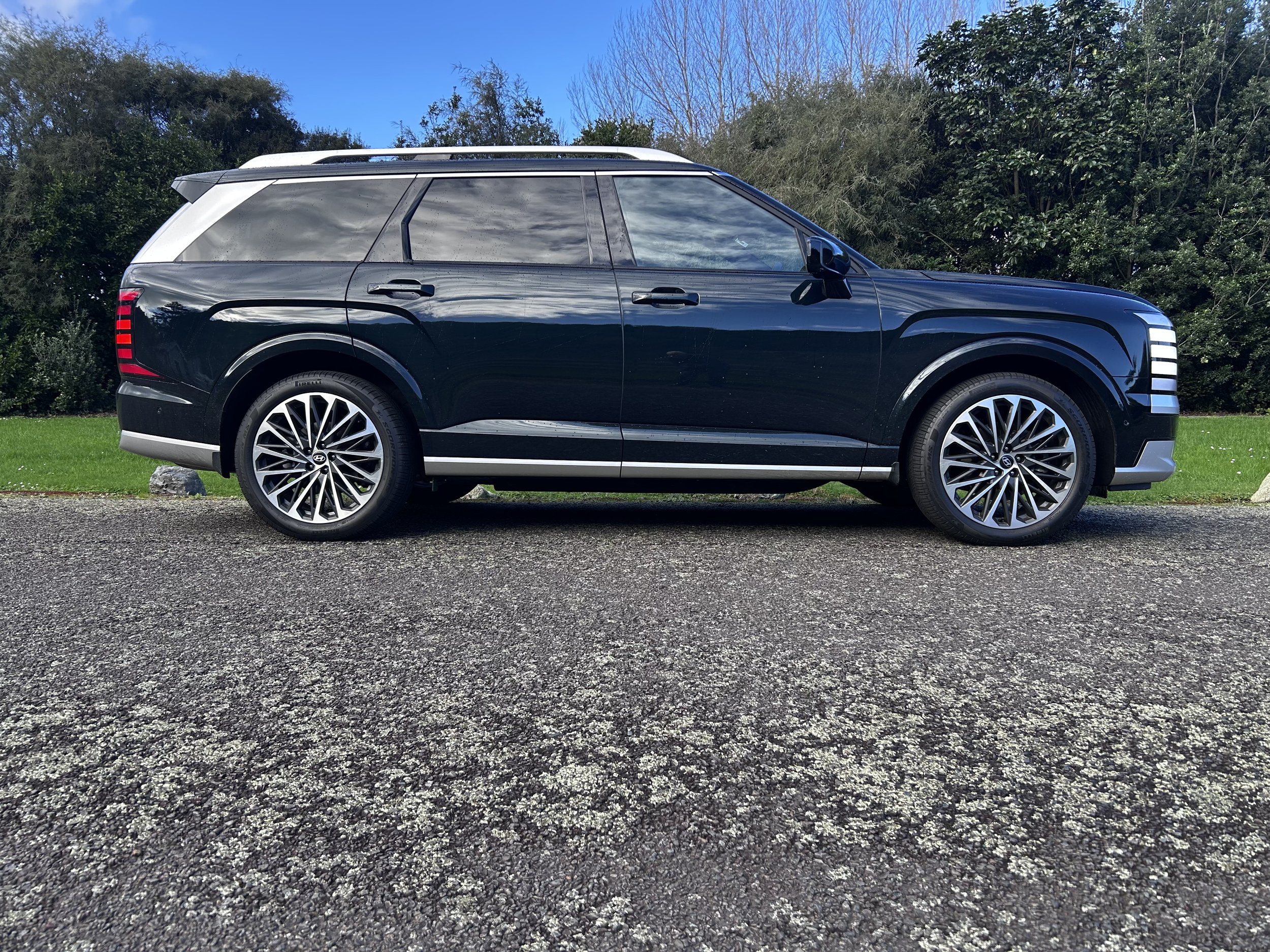
This reshape leaves Tucson now looks more aligned with the bigger Santa Fe and bigger-still Palisade in styling terms, with a flat roof and a more upright profile. It's a new look that Hyundai calls ‘Art Of Steel’.
Current Tucson has its lights in a big, wing-shaped grille. The new look is very different, with a squarer front end that features a wide LED light strip just below the leading edge of the bonnet. There are upright side LED strips for the daytime running lights. The main beam units tucked in closer to the top of the bumper.
At the rear, there's a similar effect: a thin LED strip running horizontally across the boot lid, with upright, slightly angled elements at the outer edges of the bodywork.
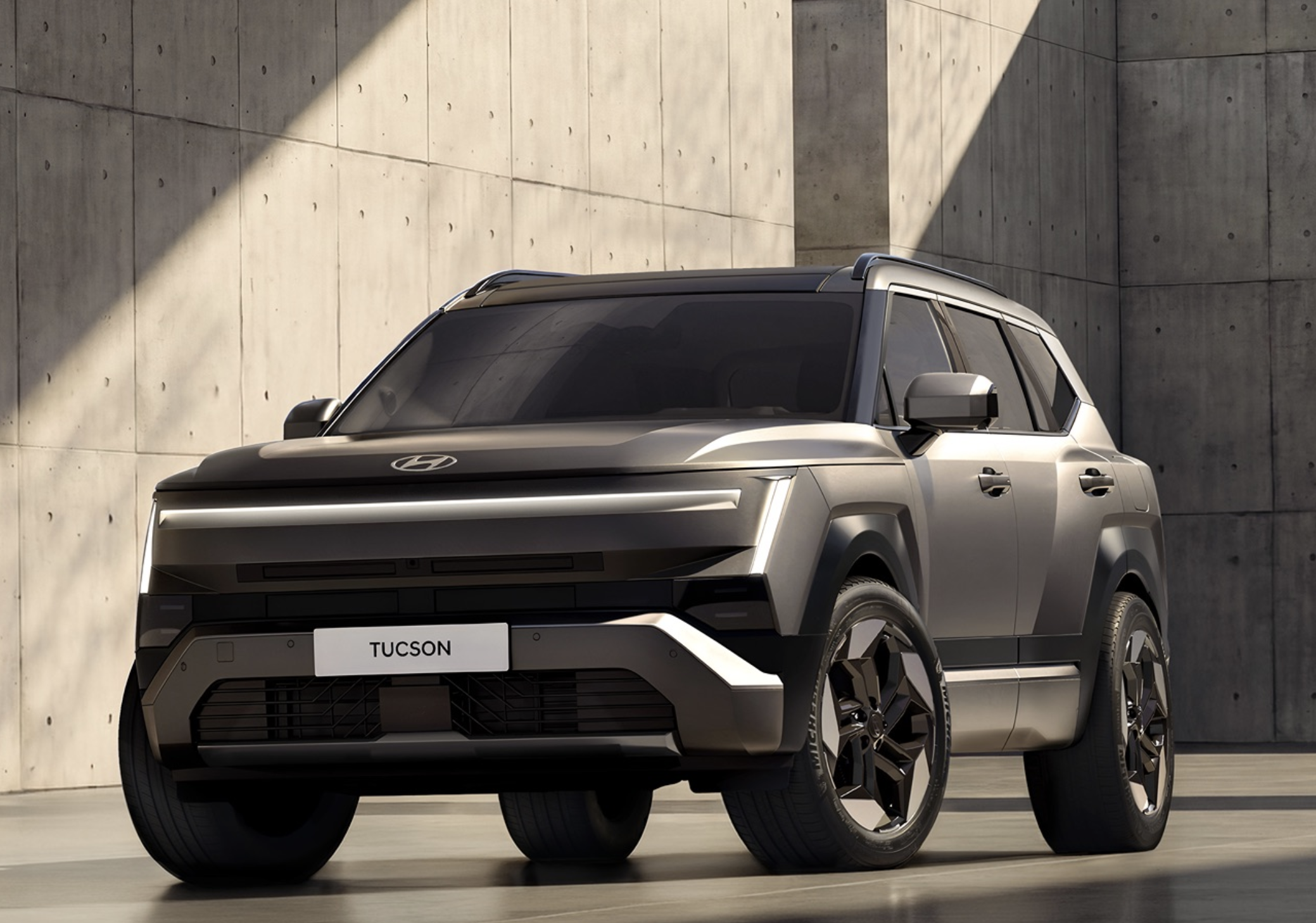
The Tucson name is much more prominent on that bootlid, and Hyundai has kept its stylised H badge at the back.
The side view is dominated by the boxy wheelarches, and a shallow glasshouse that includes a distinct angled kink at the rear pillar.
There's also going to be an XRT version, with even more rugged styling for a proper off-road look.
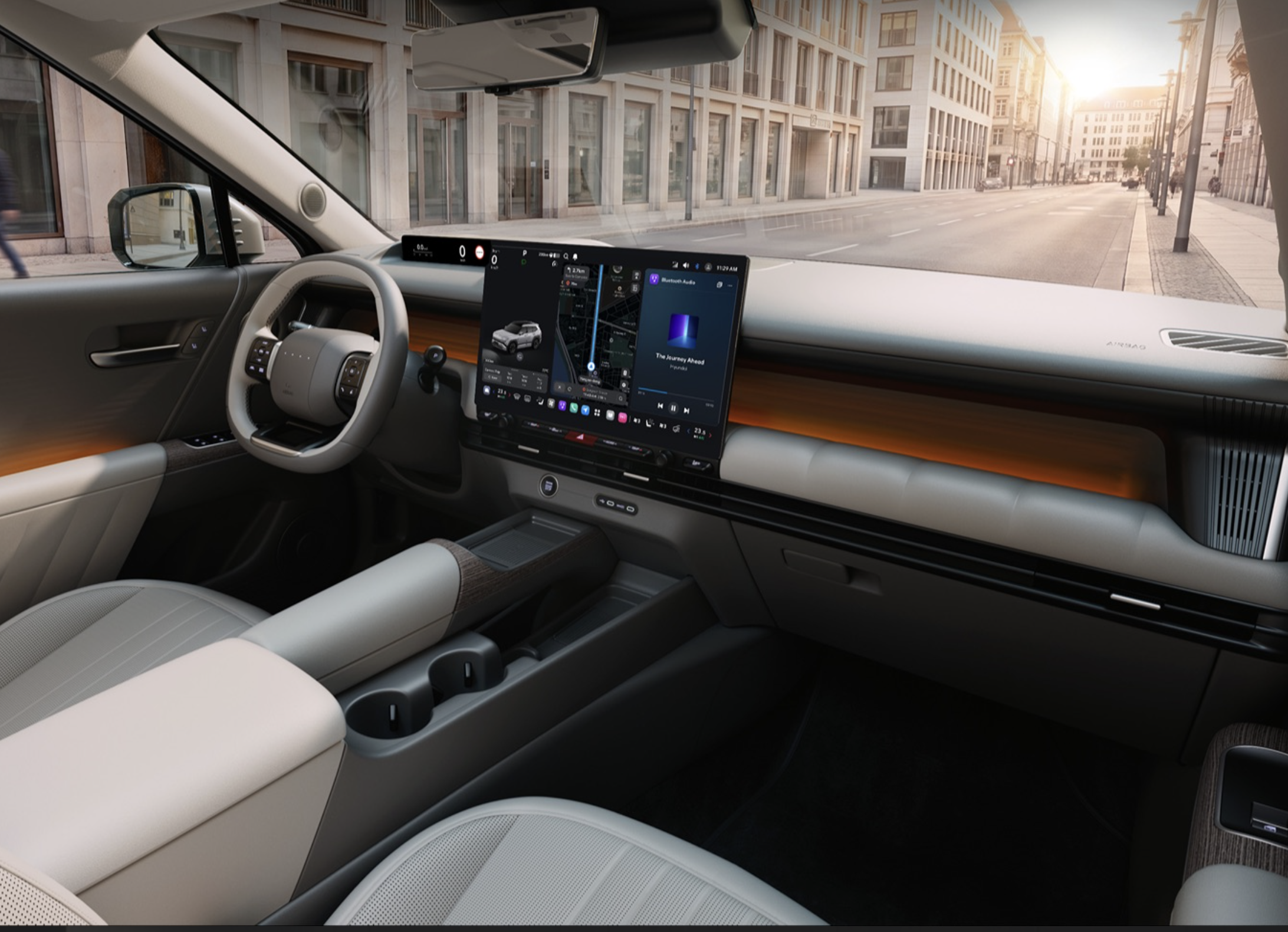
The cabin takes a large, square touchscreen in the centre of the dashboard that features Hyundai's latest ‘Pleos' operating system software but which also still has physical buttons.
The slightly squared-off steering wheel is quite small, and also has proper buttons, while the main driver's instruments move to a slim strip on top of the dashboard, close to the base of the windscreen, which obviates the need for a projected head-up display.
The dashboard has deep recesses, backlit with ambient lighting effects. The centre console seems quite slim, but incorporates two cupholders, a wireless phone charging pad, some storage, and some wood veneer trim.
Cabin space should be good. It’s 180mm longer than the current model, and 100mm of that is between the wheels, while the body is also 40mm wider and promises more rear headroom too.
In respect to powertrains? No word yet. Hybrid and plug-in hybrid feature now so you’d expect these to continue, with some updates and possibly more electric range for the PHEV.
The potential for an electric would seem dubious except … there’s talk Hyundai will eventually start combining its regular and Ioniq-badged ranges into one coherent whole.