
Electric Rangie sparks into sale
/A long time coming, and still to land locally - but the battery-wed Brit is at last a full go.
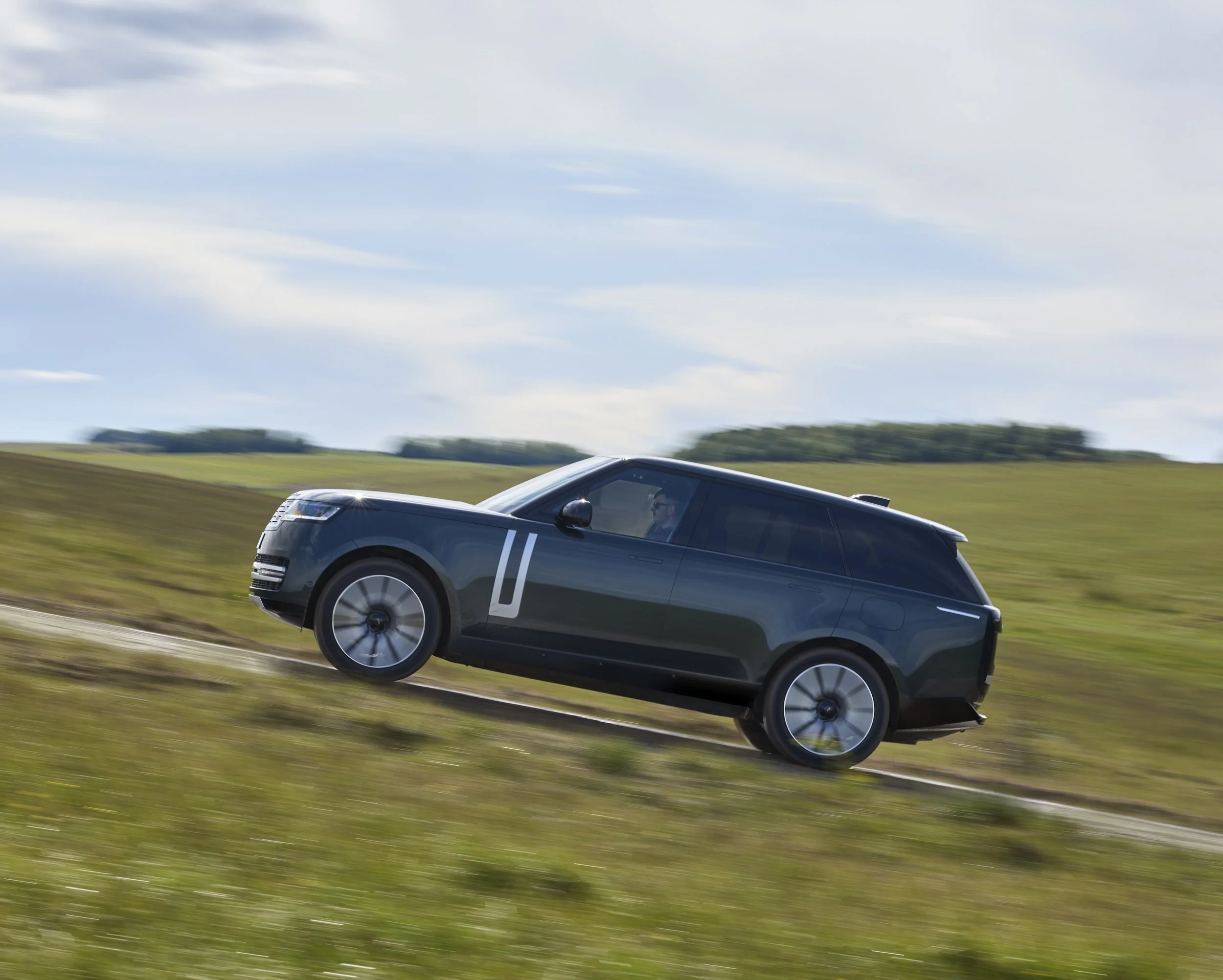
RANGE Rover’s largest is now finally sale-ready in wholly electric form - a process that took years longer than initially signalled - and Kiwis are being urged to sign up, price unseen, though the neighbour’s sticker suggests it could be from $384,000.
A dual-motor EV based on the current Range Rover's mixed-metal Modular Longitudinal Architecture (MLA-Flex), the Range Rover Electric is a 2885kg future-proving flagship that can clock 0-100kmh in 4.5 seconds.
Set to avail in short- and long-wheelbase configurations in HSE and Autobiography specifications, as well a high-performance SV specification, the new addition takes a 120kWh battery pack, and has outputs of 404kW and 850Nm to achieve a WLTP range of 598 kilometres. Which renders back to 531km in the real world, JLR believes.
The make also testifies to proper off-road capability - including a impressive 900mm wading capability - and promises V8-rivalling performance and fast charging.
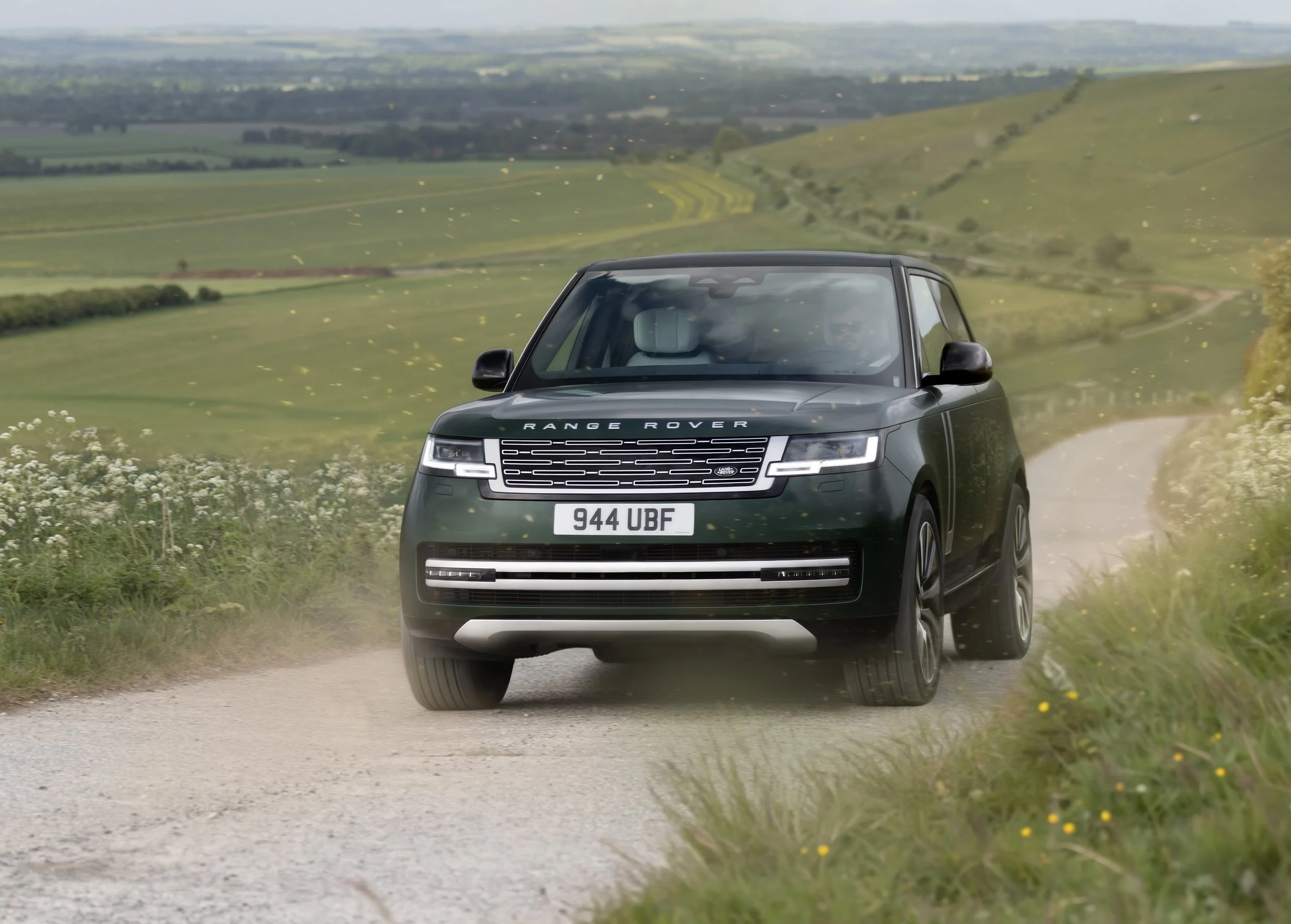
Visually, the new model is so close to the existing fully internal combustion and plug-in hybrid models that "we haven't needed to camouflage any of our prototypes", Rachel Hogg, Range Rover's global production manager, told Britain’s Autocar magazine. Aerodynamic changes restricted to a new grille, wheels and underbody revisions to improve motorway efficiency.
Detail of NZ pricing and when it might be shared, the models’ availability here and what impact the electric drivetrain is expected to make on existing owners has been requested, via JLR New Zealand’s public relations firm.
In Australia, the choice will cost from the equivalent of $384,000 upward, according to reports from there.
Meantime, all that is known from the local agency is that orders are now open.
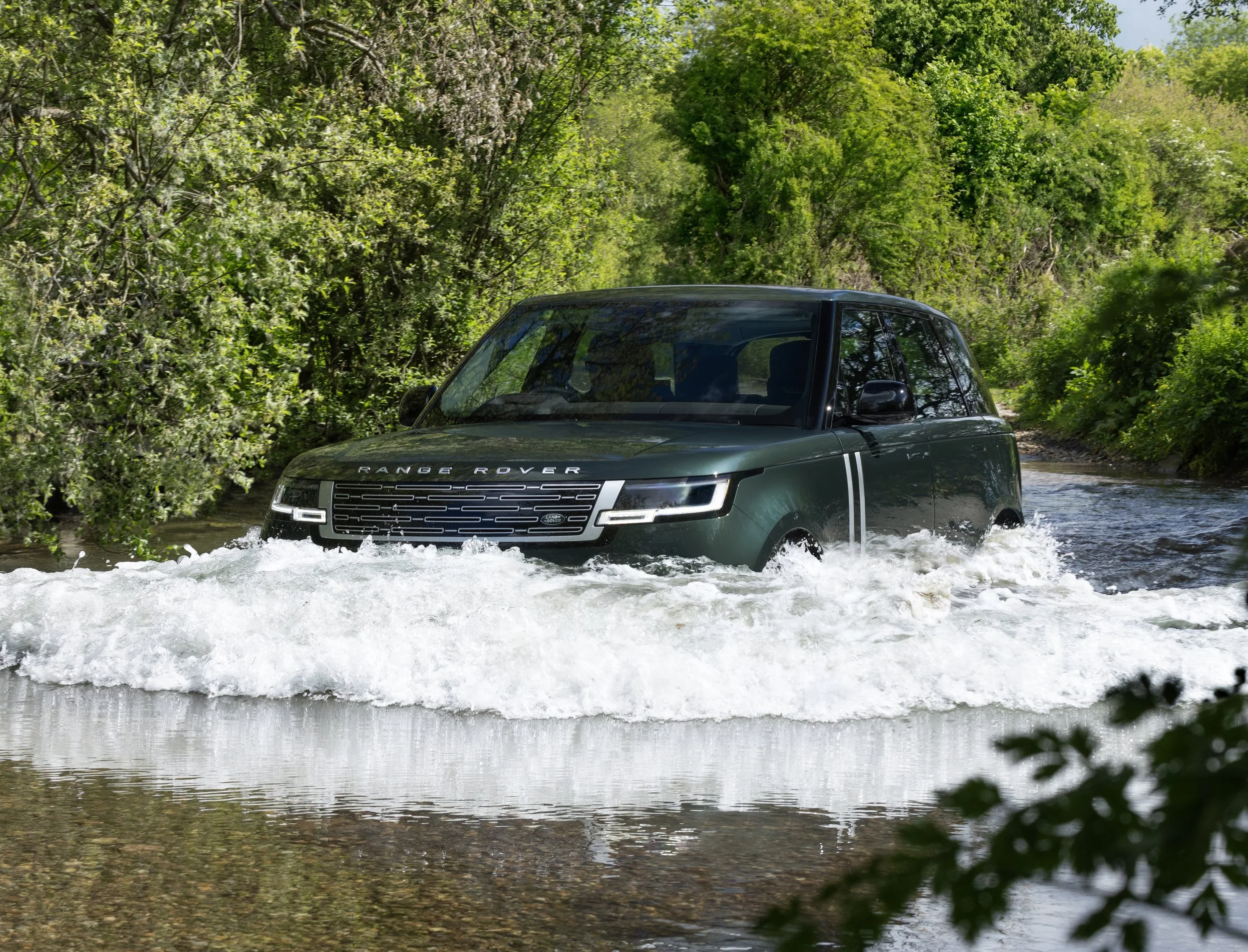
Described by its maker as being a “Range Rover first and electric second”, the new model uses two permanent-magnet electric motors.
Range Rover investigated a four-motor set-up like that of the electric Mercedes-Benz G-Class but said it brings weight penalties and the disadvantage that a single wheel can only receive as much power as one motor.
Even though the Range Rover Electric's differentials are open, once a spinning wheel is stopped via braking, a wheel with grip can receive an entire axle's power output.
As is, each motor is rated at 260kW and it has more torque than any Range Rover to date.
The 118.5kWh usable lithium-ion battery is a double-stacked design with 800-volt electrical architecture. When connected to a 350kW DC fast charger, Range Rover says the Electric can charge from 10-80 percent in around 22 minutes.
The Electric uses Intelligent Driveline Dynamics, which can vary rear torque from 100 percent to zero, while a new Integrated Traction Management system can control motor speed within 50 milliseconds.
The company claims this is up to 100 times faster than the equivalent response in a combustion-engine vehicle.
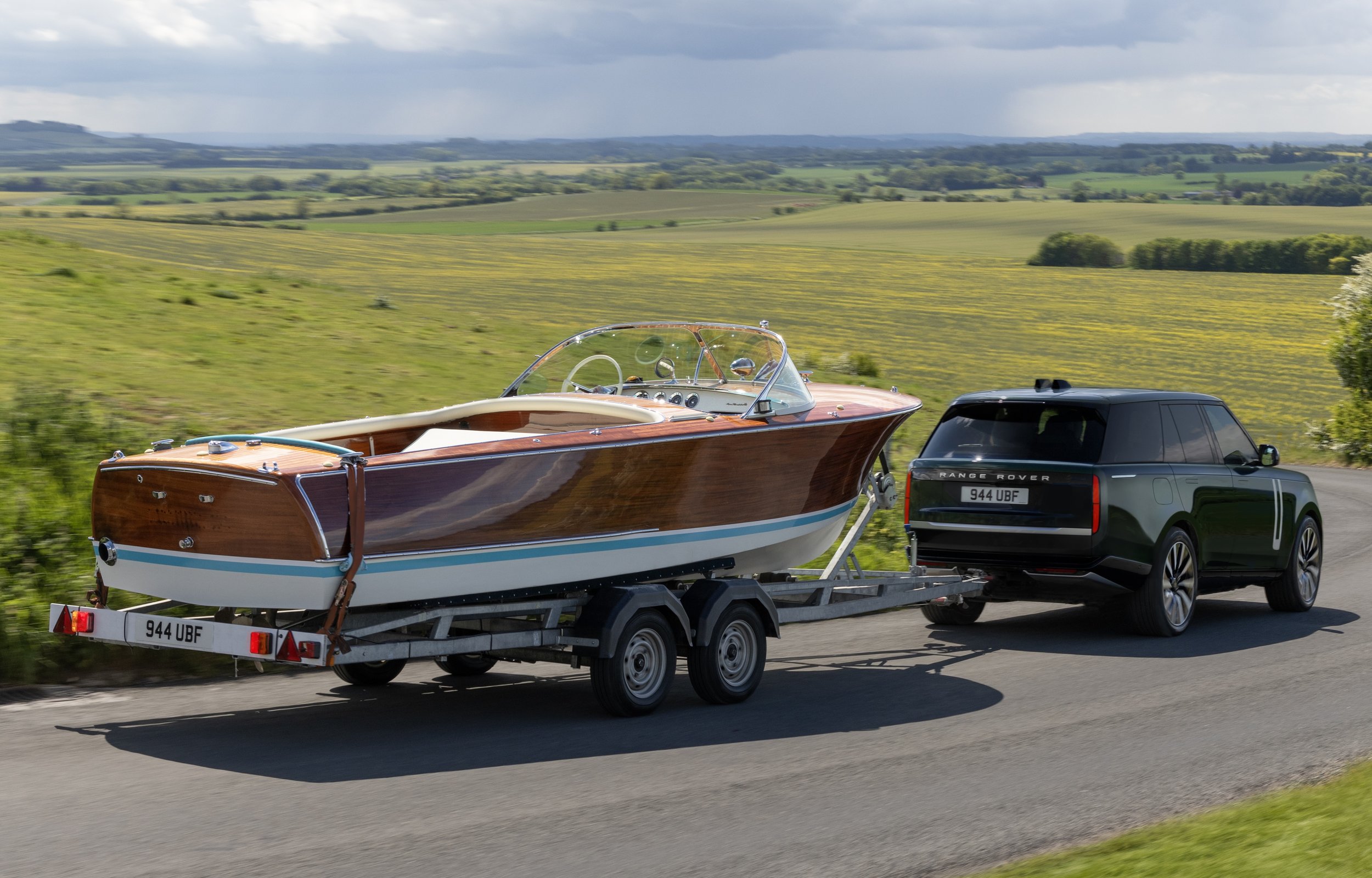
The system is designed to manage wheel slip across different surfaces while maintaining traction, with the company claiming there has been no compromise to the Range Rover's all-terrain capability.
The Electric can wade through up to 900mm of water and tackle slopes of up to 33 degrees from a standing start and rolling climbs of up to 45 degrees.
Range Rover said the car was put through the brand’s most extensive testing programme yet, covering more than 1.5 million kilometres - the equivalent of 38 times around the world - and more than 250,000 hours of virtual and physical testing.
The model was announced in 2023 with initial planned release for 2024, but technical challenges forced a delay.
It has been beaten to the market by the battery-allied G-Class - aka the G 580 EQ - which has found the going tough, with very few sold. That model cost $280,000 and ran four motors, making a combined 438kW and 1164Nm torque, weighed about the same and the Range Rover Electric and was also highly competent off-road, with a wading rating of 860mm and ability to pull the vaunted G-turn. It officially cited a range of 473 kilometres. It also lacked something that is not an issue for the Range Rover Electric: Ability to tow.