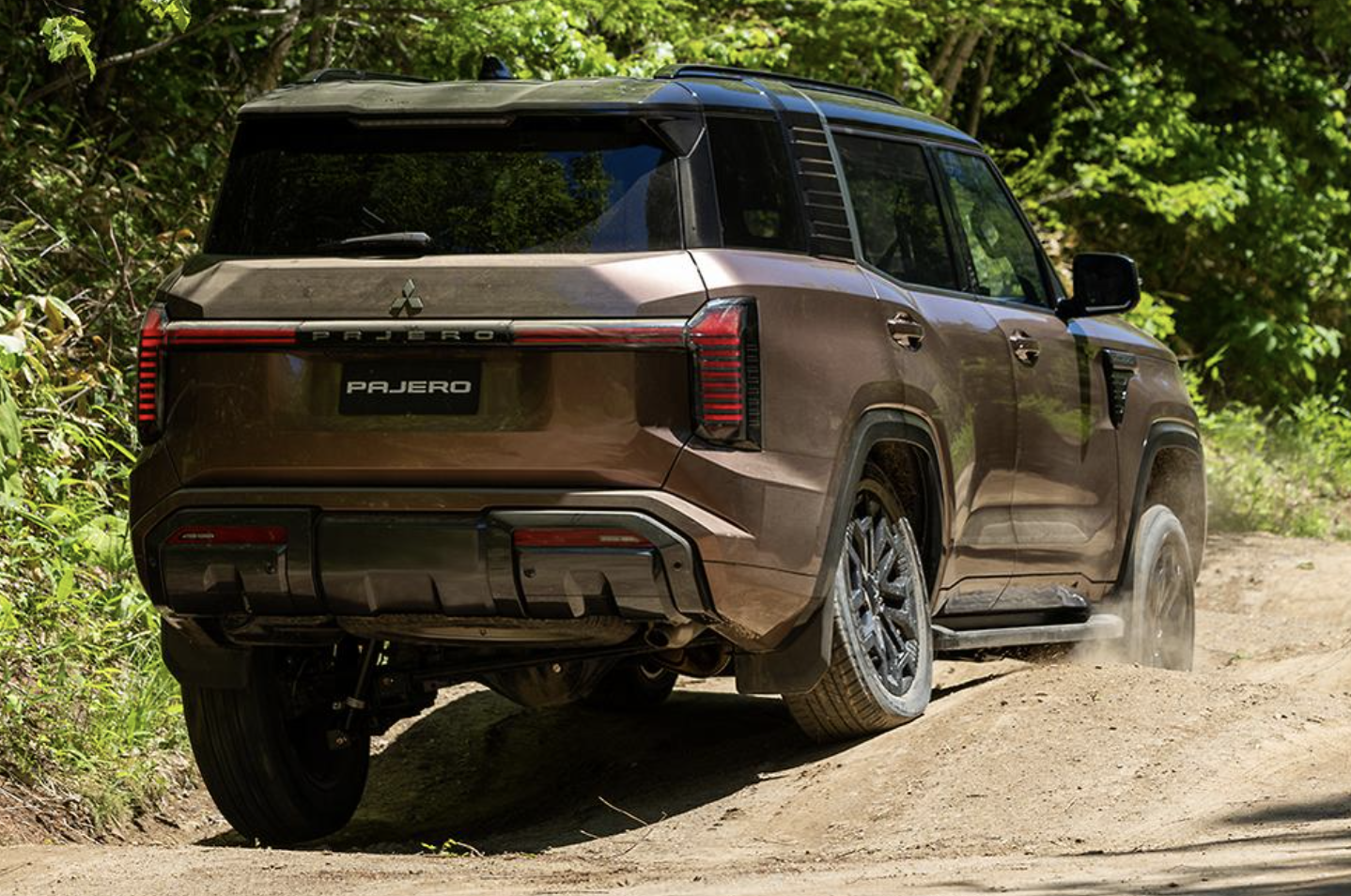

Pajero reborn and reimagined: New chapter for an old name
/The covers have finally come off the long-awaited seven-seat SUV.
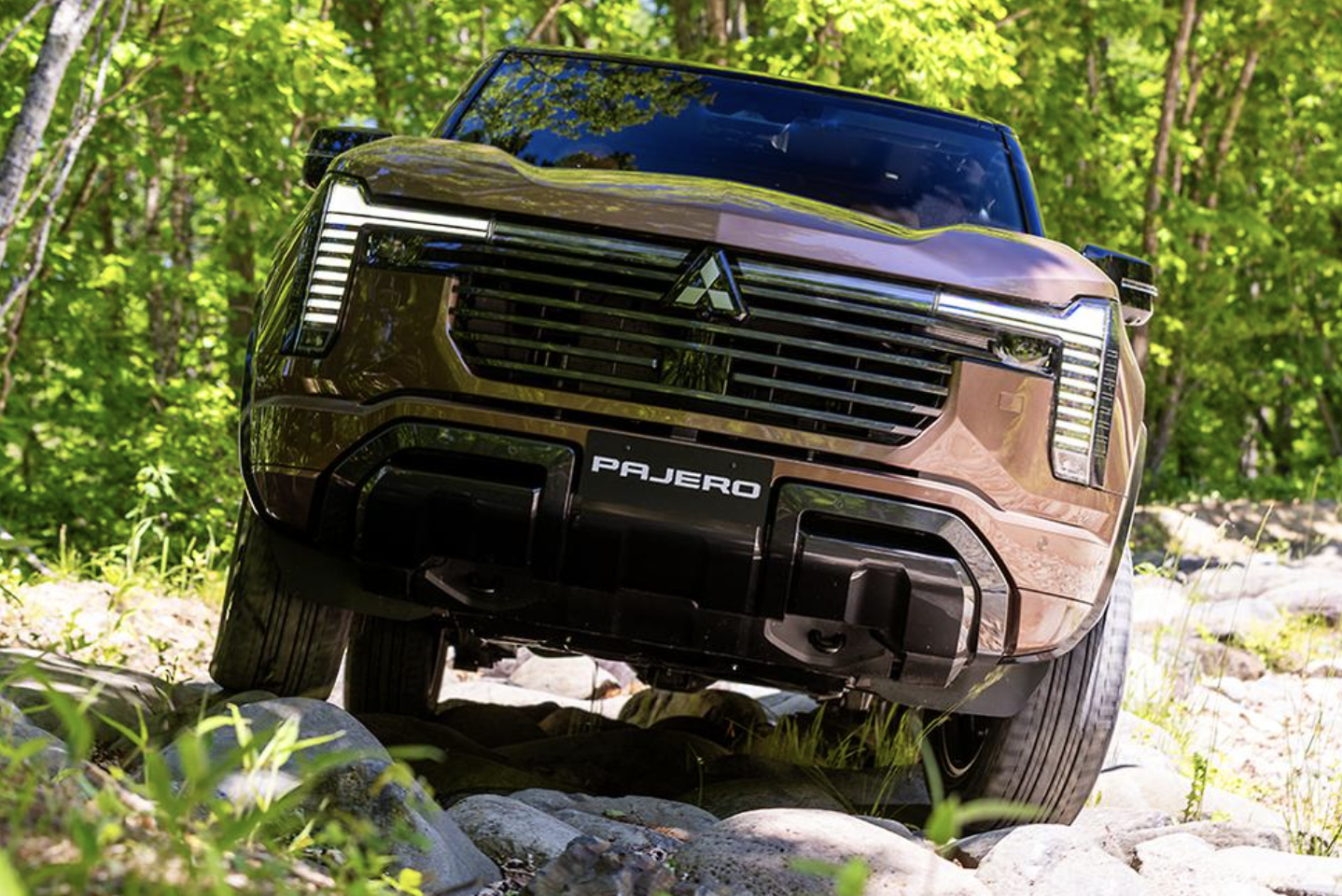
TRITON-tied, but also expressing one-upmanship on the donor ute - that’s the Pajero, set to pull double duty in New Zealand as a replacement for the Pajero Sport as well as its namesake predecessor.
New Zealand’s third favourite one-tonne ute is the basis for the new big sports utility in its fifth iteration. Like Triton, it’s being built in Thailand and might even come from a common assembly line.
That might suggest a high degree of continuity, but Mitsubishi says the model lines are not close to being completely alike.
No panels are shared, chassis design is different and the new SUV continues as the old Pajero Sport left off, with an eight-speed automatic, whereas Triton has a six-speed.
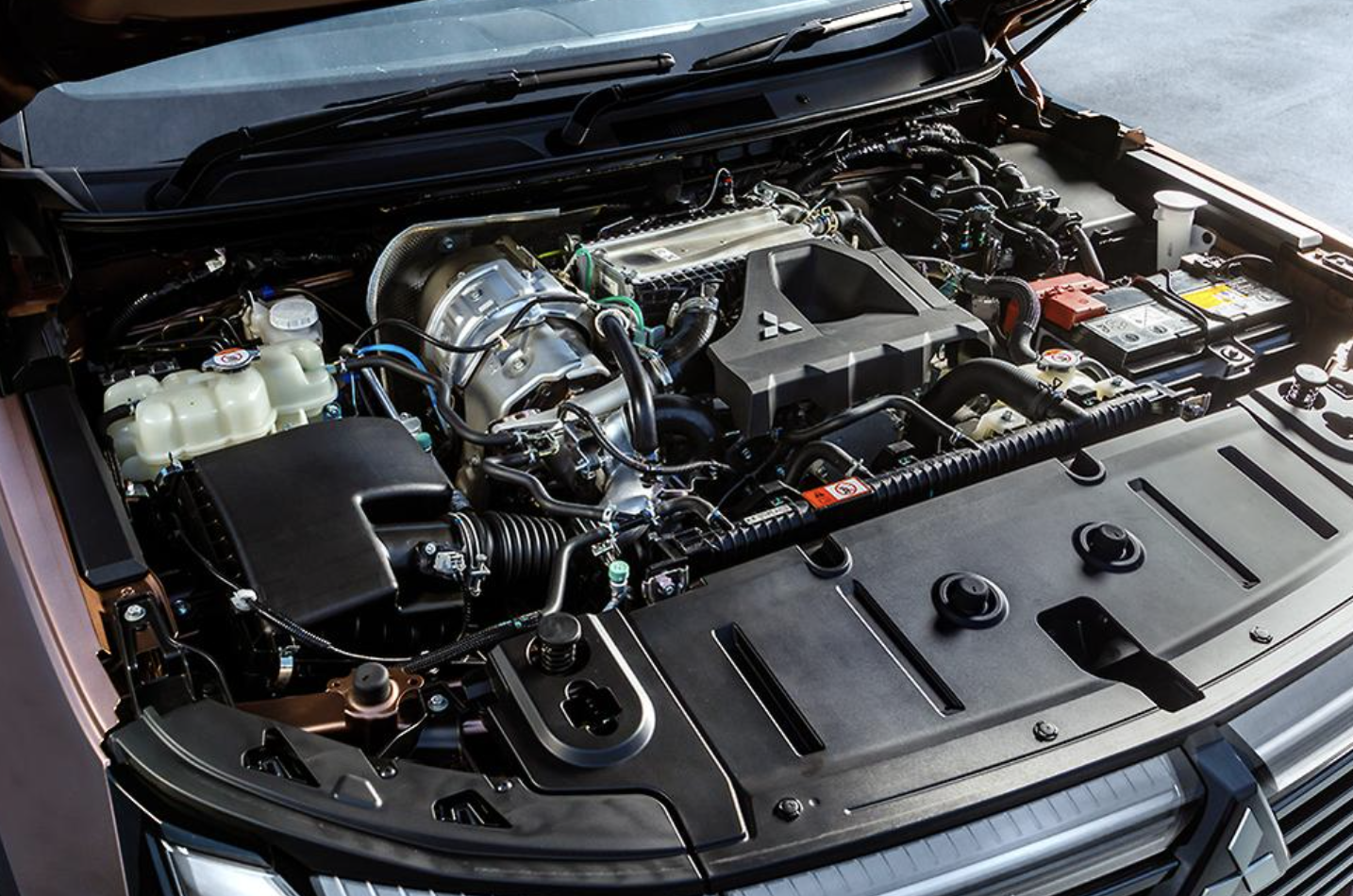
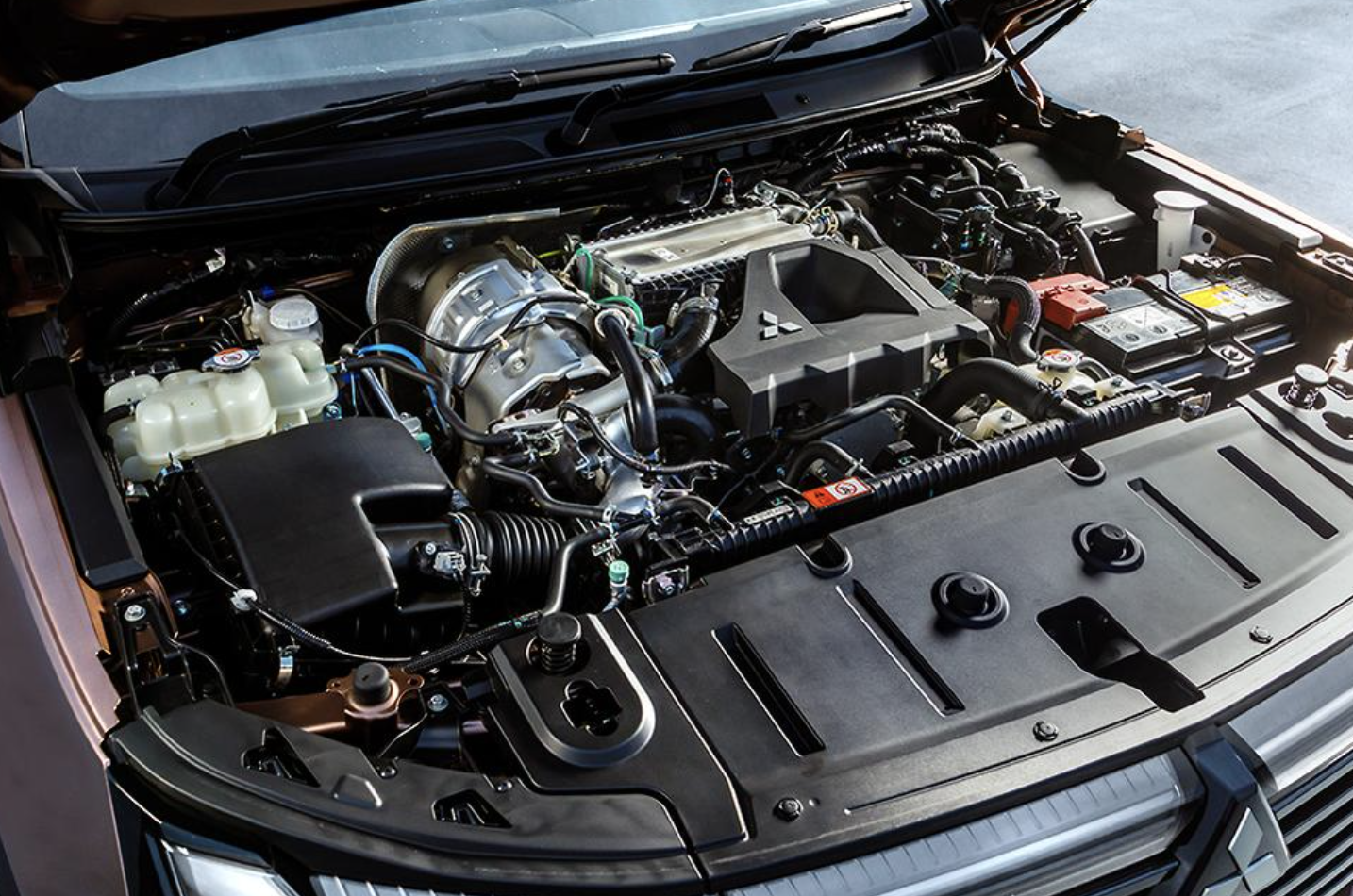
The heart of the new Pajero is a 2.4-litre turbodiesel, just as with Triton, but the SUV’s ‘4N16’ designation signals it is a reworked unit with a variable-geometry turbocharger, water-cooled intercooler and dual-loop EGR.
The result is 150kW and 480Nm – the latter up 10Nm on the Triton – and due to AdBlue and an auto stop-start system it is the first Mitsubishi engine to meet Euro 6d emissions standards.
The auto is also updated on the type seen in the last Pajero Sport, with a wider ratio spread and engine ‘blipping’ on downshifts for smoother shifts.
Mitsubishi’s long-serving Super Select II 4x4 system offers 2H, 4H, 4HLc and 4LLc modes. It is abetted by Super-All Wheel Control and Active Yaw Control across seven drive modes: Eco, Normal, Gravel, Snow, Mud, Sand and Rock.
The Pajero nameplate dates back to 1981 and was discontinued for international distribution in 2021, by which point it was truly ancient, but had accumulated 3.3 million sales and a strong fan base, including in New Zealand where it remained on sale for some time after supply ended in many other places, Japan included.
The new one represents its first return to the global market in five years; Thailand will see it first, then Japan, but NZ and Australia have also been given priority status.
It’s a step back to an earlier time in one respect, in that the previous version was on a monocoque chassis, which is now the modern and widely-accepted way.
Mitsubishi opted for a ladder frame over a monocoque this time because it says it offers greater strength and durability for customers using the vehicle in tough conditions and is better for towing.
The front section of that specific underpinning and the front floor are shared with the Triton, but most other components are specifically for Pajero.
The frame is significantly stiffer than the Pajero Sport’s and pairs a front double-wishbone set-up with a five-link rigid rear axle and long-travel suspension for off-road comfort.
Pajero is rated at 3.5 tonnes braked towing, with Trailer Load Assist to help stabilise the load, plus a 300kg static roof-load rating for rooftop tents and racks.
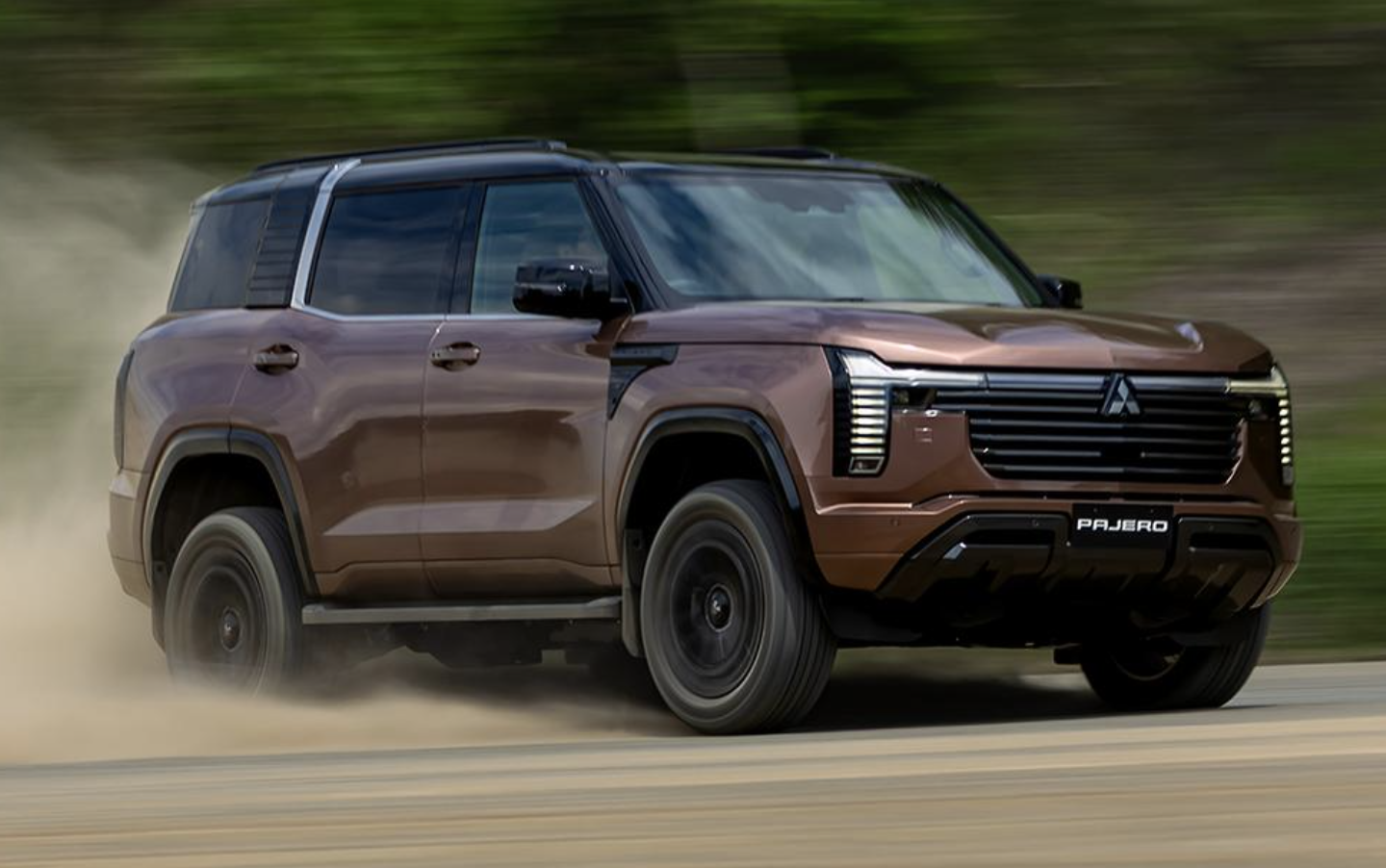
At 4920mm long, 1925mm wide and 1910mm high, the new Pajero is 95mm longer, 110mm wider, and sits 75mm taller than the old Pajero Sport, with the wheelbase having grown by 70mm to 2870mm.
For context, a Toyota Prado is 4990mm long, 1980mm wide and 1935mm tall, while the Ford Everest is 4940mm long, 1923mm wide, and 1841mm tall.
Mitsubishi says the off-road ability has been enhanced through wider front and rear tracks of 1630mm (compared to the Pajero Sport’s 1520mm front and 1515mm rear figures), a greater ground clearance of 230mm (up 12mm).
Approach and departure angles have risen to 30.4 degrees (from 30 degrees) and 25.8 degrees (from 24.2 degrees) at the front and rear. The break over angle has dropped from 23.1 degrees to 22.6 degrees.
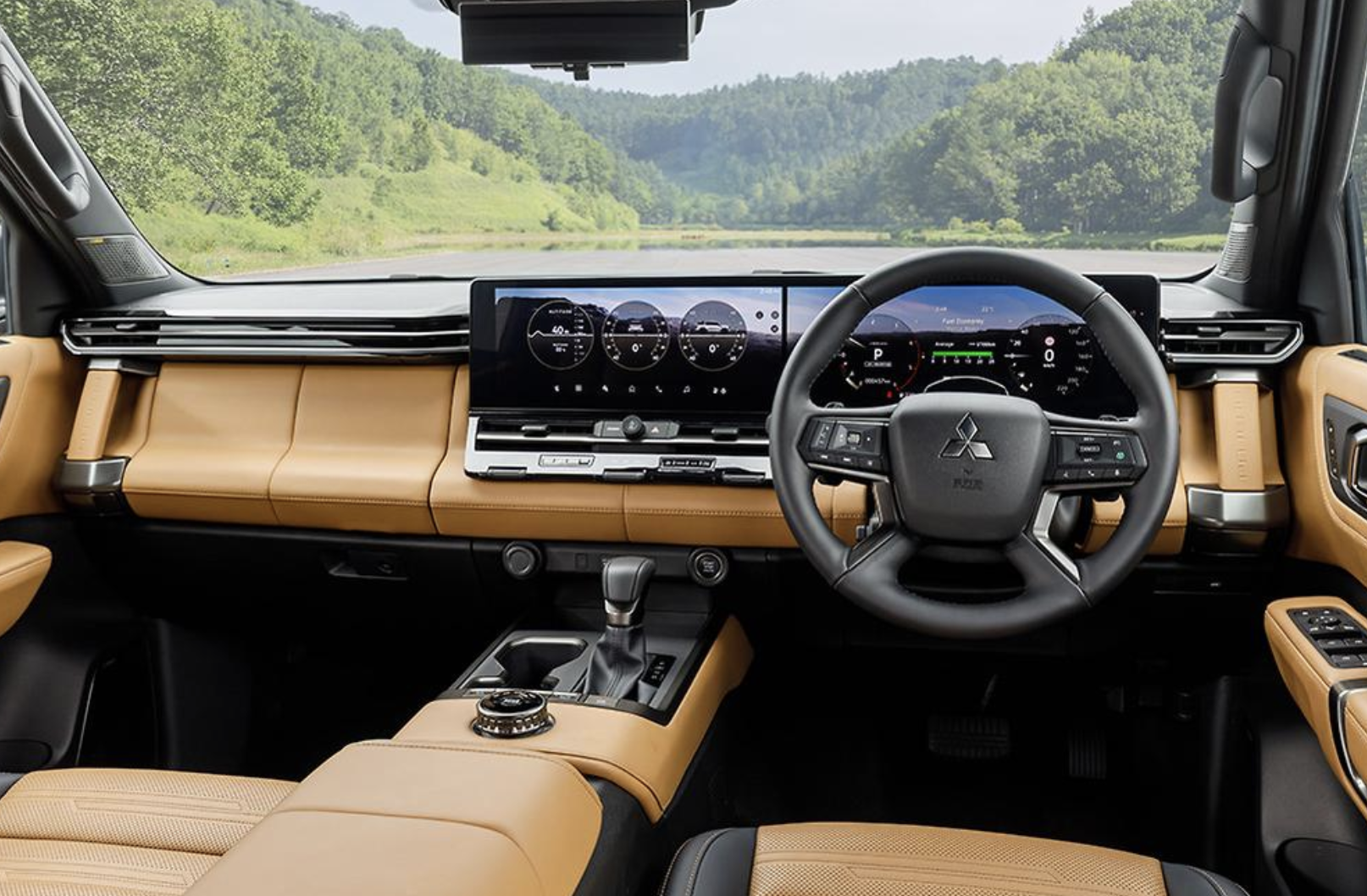
The cabin continues to offer seven seats across three rows and high-end versions will get ‘Camel’ coloured upholstery, highlighting its new look dashboard and cabin. Those twin 14.3 inch display screens are standard to all variants, which kick in with a GLS trim.
Further developments are possible, but nothing immediate. So don’t anticipate a hot Ralliart version or anything with a petrol-electric drivetrain.
As for availability? Mitsubishi Motors New Zealand has previously indicated it being here from November, to tie with local release of its ASX VR-e electric car and the Outlander Sport.
There’s been no fresh comment on that - but, then, there’s been no comment on Pajero yet, either.
Remarkably, considering this vehicle was subject of a huge unveiling event in Japan today - which MMNZ chief operating officer Tony Johnston might well have attended (as he’s visiting Mitsubishi Japan right now) - there has been no information share whatsoever from MMNZ in Porirua.
All information for today’s story came via Mitsubishi Japan and Mitsubishi Motors Australia, which hosted media at the event and advised their intent is to release in March, 2027.