
Hit for six - new look pitch for tour of Duty
/The heavyweight Ranger that still cannot be sold here has upped its axle count to impress potential military users.
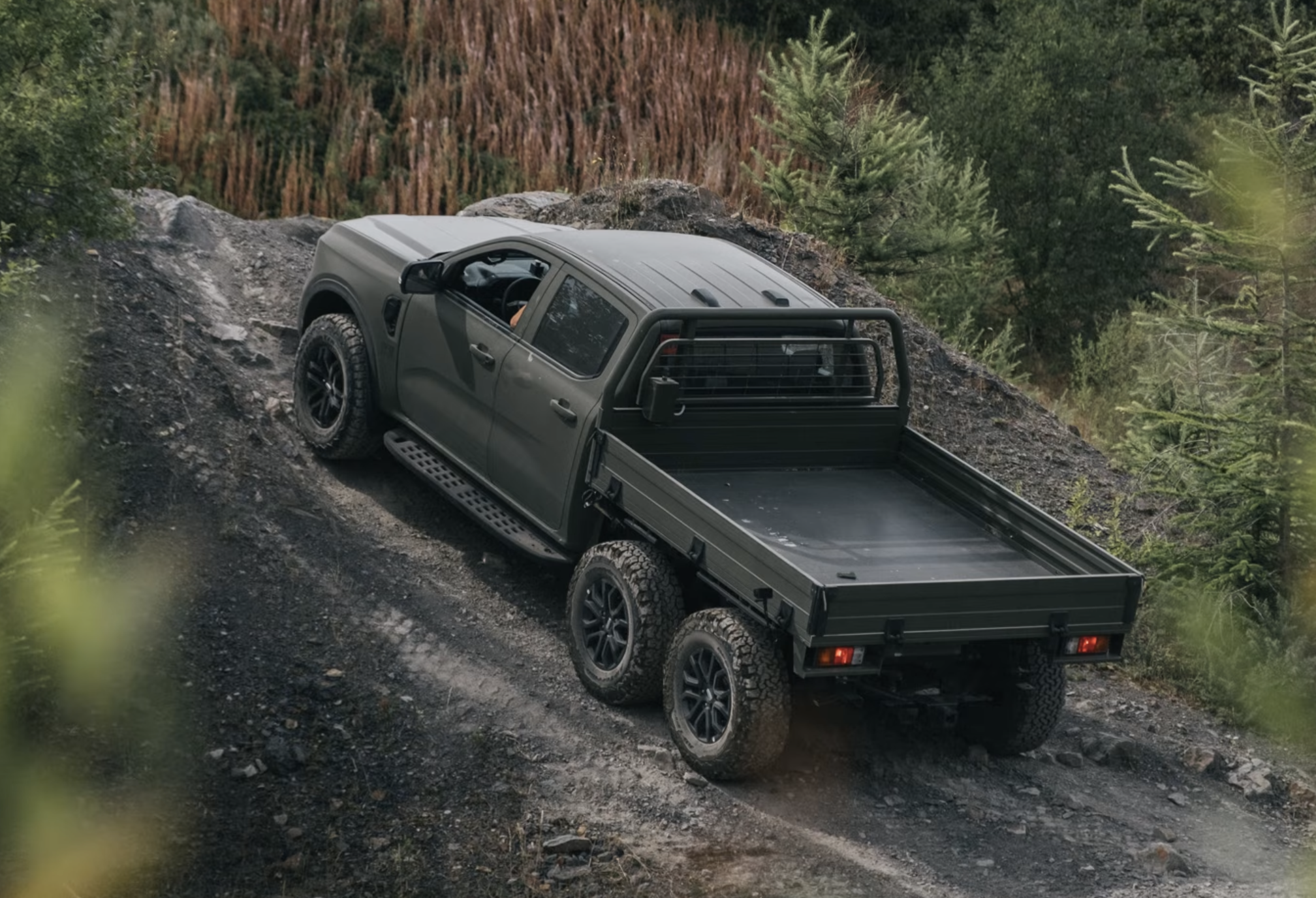
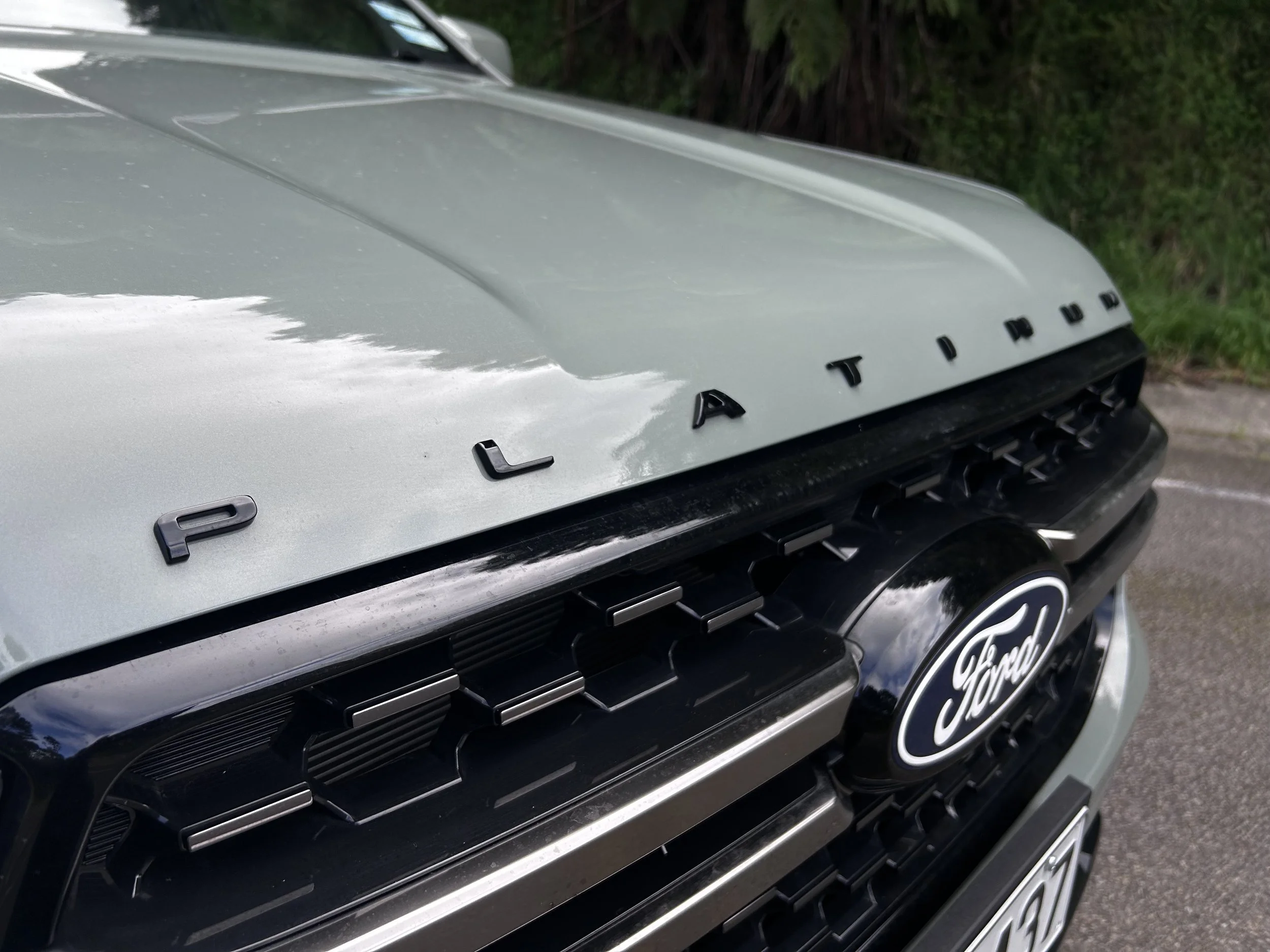
LEGISLATIVE mire has disastrously bogged down local entry of Ford’s toughest Ranger, the Super Duty - until compliance issues are resolved, it remains out of reach here.
Meantime, development of the most capable pick-up to ever wear the Ranger nameplate has taken an interesting turn, with this six-wheeler edition, specifically developed for the United Kingdom Ministry of Defense’s Light Mobility Vehicle (LMV) programme.
It’s one of the potential enhancements being considered in Ford’s pitch to place Super Duty as a vehicle for use by militaries across the world.
Ford began campaigning back in May for for defence contracts in North America and Europe.
Comment then out of the development based at Ford Australia enforced a simple logic.
“Traditional, purpose-built military hardware takes years to develop and costs billions. By using commercial, off-the-shelf solutions from Ford, governments can access world-class technology at a fraction of the time and cost,” the company said in the release then.
“Security is a collaborative effort, and our international operations are central to this vision. The Ford Ranger, for example, is built and sold around the world, making it an ideal candidate for international defence cooperation.
“Beginning last year, several governments in North America and Europe engaged with Ford to discuss how our highly capable commercial vehicles and cutting-edge technologies could support their modern defence needs.”
The Ranger Super Duty was conceived, designed, engineered, developed, and tested in Australia.
Thanks to comprehensive platform and powertrain upgrades, Super Duty is in a league of its own relative to its traditional Toyota Hilux and Mitsubishi Triton rivals.
It offers a 4500kg towing capacity and 8000kg gross combined mass rating and runs a bespoke version of the Ranger’s established 3.0-litre V6 diesel, putting out 154kW of power and 600Nm of torque, and paired to a 10-speed automatic transmission.
It also receives a thicker chassis with reinforced steel, cast aluminium suspension arms, and strengthened leaf springs, as well as heavy-duty differentials, driveshafts, and wheel hubs.
The military application required additional upgrades to the brakes and cooling, while a new long-range fuel tank is protected from punctures with 4mm of armour plating.
Adding the extra axle was a simple conversion, according to Jim Baumbick, president of Ford Europe.
He says the Ranger Super Duty 6×6 was envisaged as both a troop-carrying vehicle and a battlefield ambulance.
The issues keeping Super Duty out of Kiwi hands come down to its non-conformance with New Zealand's heavy vehicle regulations.
It seems Ford failed to recognise that local heavy vehicle requirements Duper Duty was engineered to meet in Australia aren’t the same as those expected here.
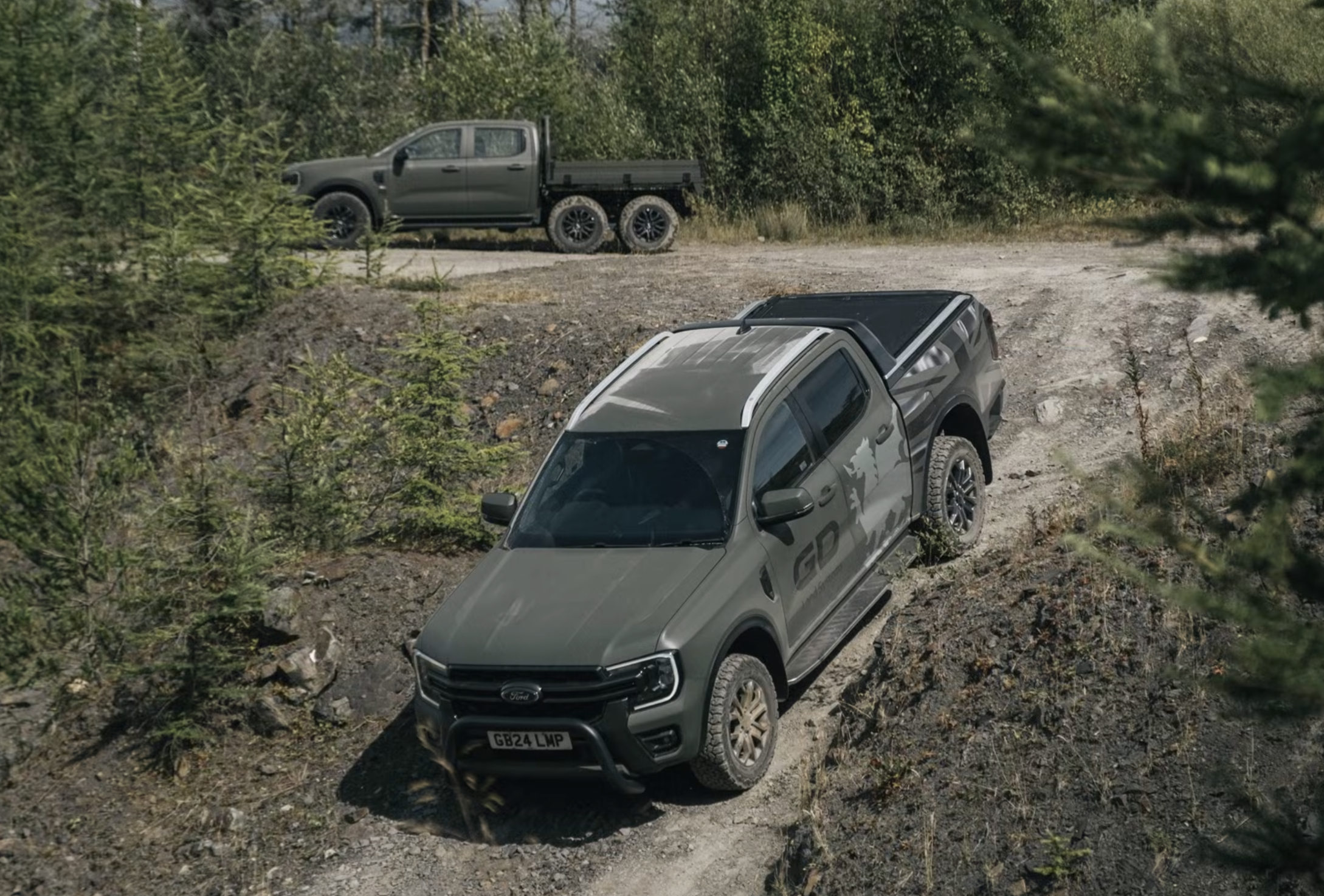
A report in July noted that with a 4500kg Gross Vehicle Mass (GVM), a 4500kg maximum braked towing capacity, and an 8000kg Gross Combined Mass (GCM), the Super Duty is classified as a heavy vehicle in New Zealand rather than a light vehicle like every other one-tonne ute currently on sale.
There’s a specialist certification pathway for heavier hardware - American pickups being the obvious example. Chevrolet Silverado and RAM trucks that arrive here are approved through engineering processes designed for low volume or specialist vehicles - a category they fall into by dint of them being subject to a factory-approved conversion into right hand drive.
But the Ranger Super Duty is different. It’s a factory-built production vehicle. As the original manufacturer, Ford must certify it under New Zealand's standard vehicle approval process rather than a specialist import pathway, and that’s where pitfalls crop up.
The Super Duty's 4500kg GVM classifies it as a heavy vehicle, meaning its factory towbar and integrated trailer brake controller must comply with New Zealand's heavy vehicle regulations. A news story by the carexpert-co.nz website says while those components already meet Australian standards, New Zealand's rules don't automatically recognise those standards for this type of vehicle.
"That distinction places it under an entirely different section of transport legislation, creating two key compliance hurdles.”
The most relevant is in respect to Ranger Super Duty's integrated towbar, but an integrated brake controller is also a headache.
Basically, though, it all means Ford NZ has decided it won’t contemplate selling Super Duty until all compliance issues are sorted. And even then it all require anyone driving it to be licensed to operate heavy vehicles. Which conceivably is also a status anyone driving a big American rig must hold as soon as those vehicles are tasked to haul any kind of significant load.