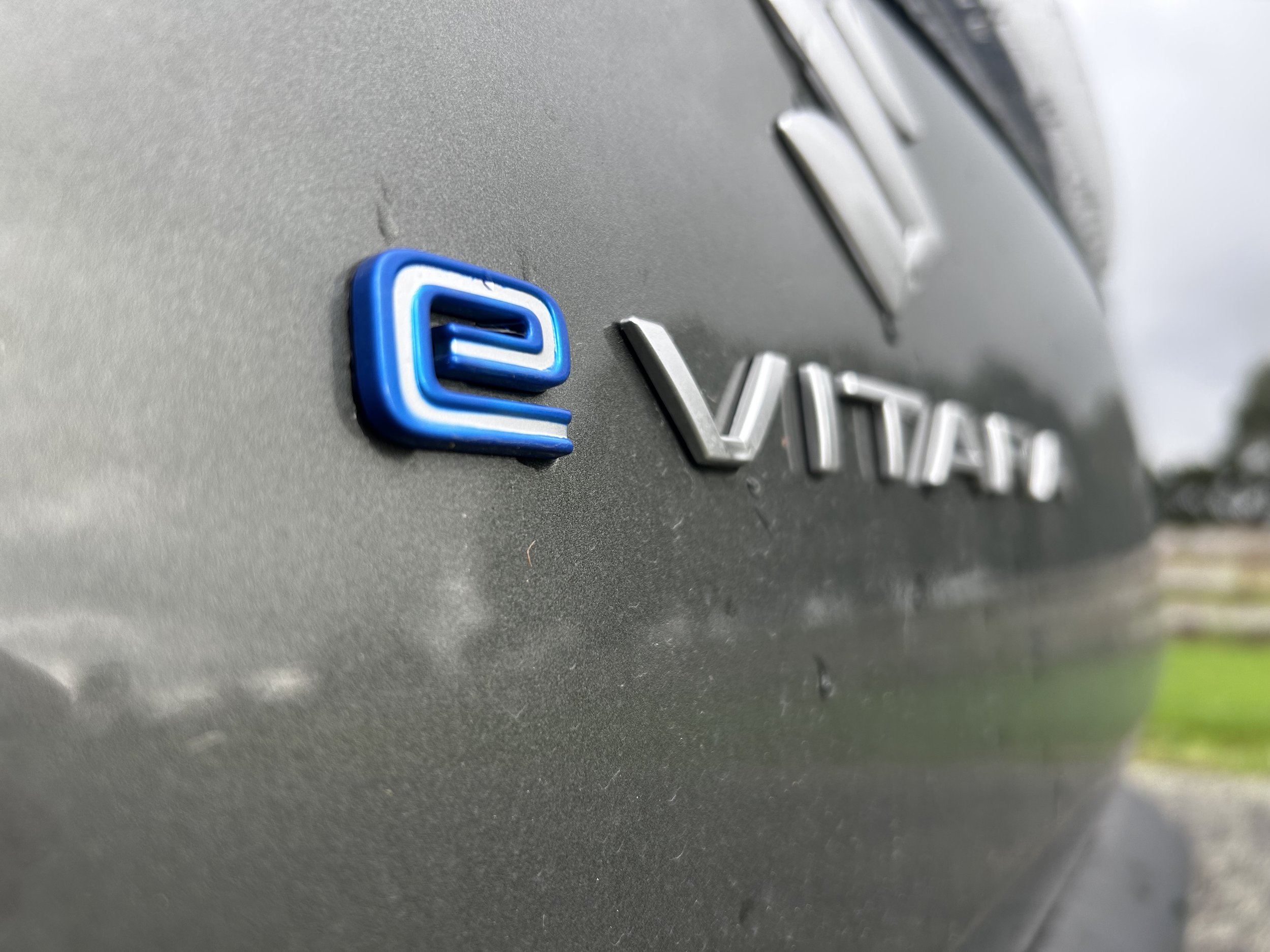

Pajero here for Xmas
/MMNZ shares launch schedule, says price and line-up announcement will come soon.
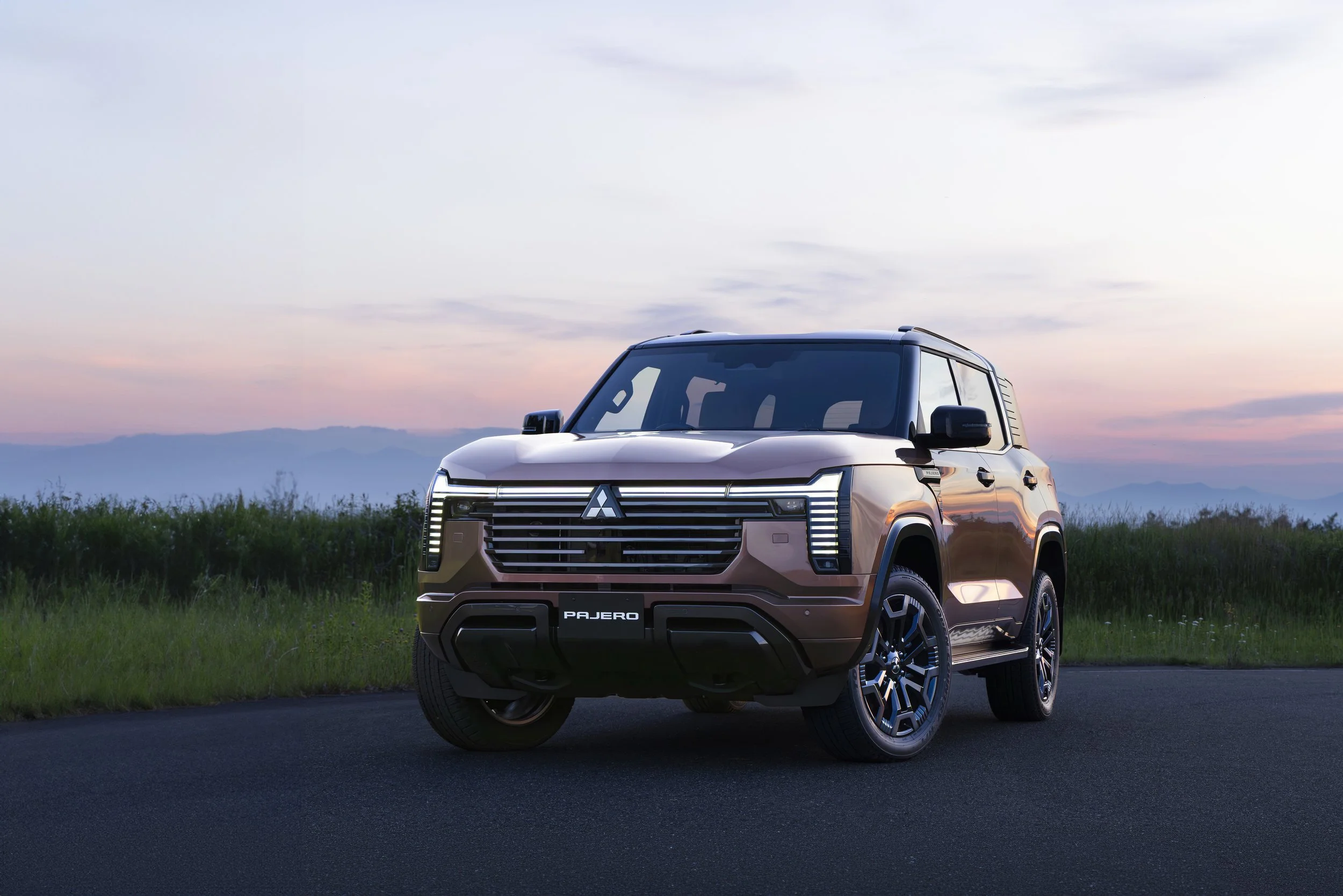
DECEMBER availability has been confirmed for the new-generation Pajero.
In sharing that the reason it has not spoken up on the latest model unveiled internationally yesterday - basically, it’s a matter of the campaign being led by Mitsubishi Japan - Mitsubishi Motors New Zealand has nonetheless now confirmed availability timing.
“Pajero will go on sale in NZ in December,” a spokesman from the make’s Porirua headquarters has asserted.
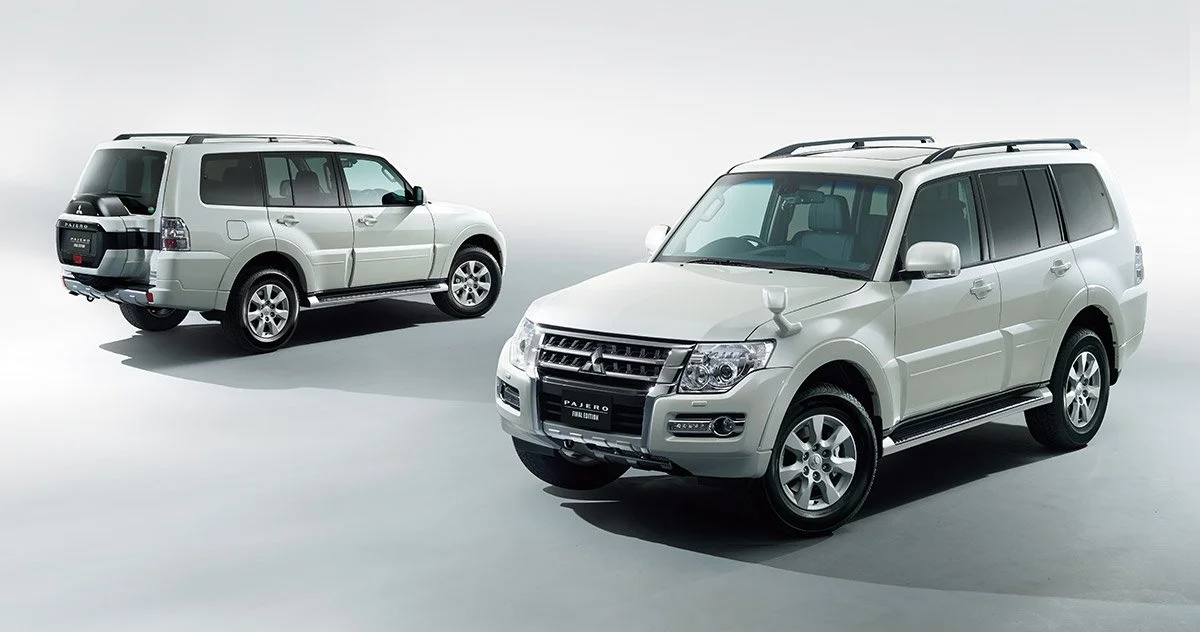
Loosely building on the same bones as the Triton one-tonne ute, and set to also supply from Thailand, the Pajero in its fifth generation replaces a predecessor (below) that left the scene five years ago, by which time it was one of the oldest new products in inventory, and the Pajero Sport, which based off the old-generation Triton.
Announcement of the NZ-specific model line-up and pricing isn’t too far away.
Australia has already decided what it is taking, and if our neighbour’s entry price has any validity here, then we could be looking at a range starting at around $83,000.
The previous Pajero last placed in a VRX format that cost $84,990. The Pajero Sport in its last form priced at up to $62,990. The Ford Everest, a cited competitor for the new Pajero, comes in from $68,990.
The latest is a completely fresh start, delivering a new styling that’s five-seater at base, seven-seater in more affluent types, upon a ladder-frame chassis and driven by a grunty turbodiesel engine.
It is set to release in 100 countries, but New Zealand appears to be is one of the very first export markets.
Release at end of this year potentially means we might achieve three months’ head start on Australia, if reports from there prove accurate.
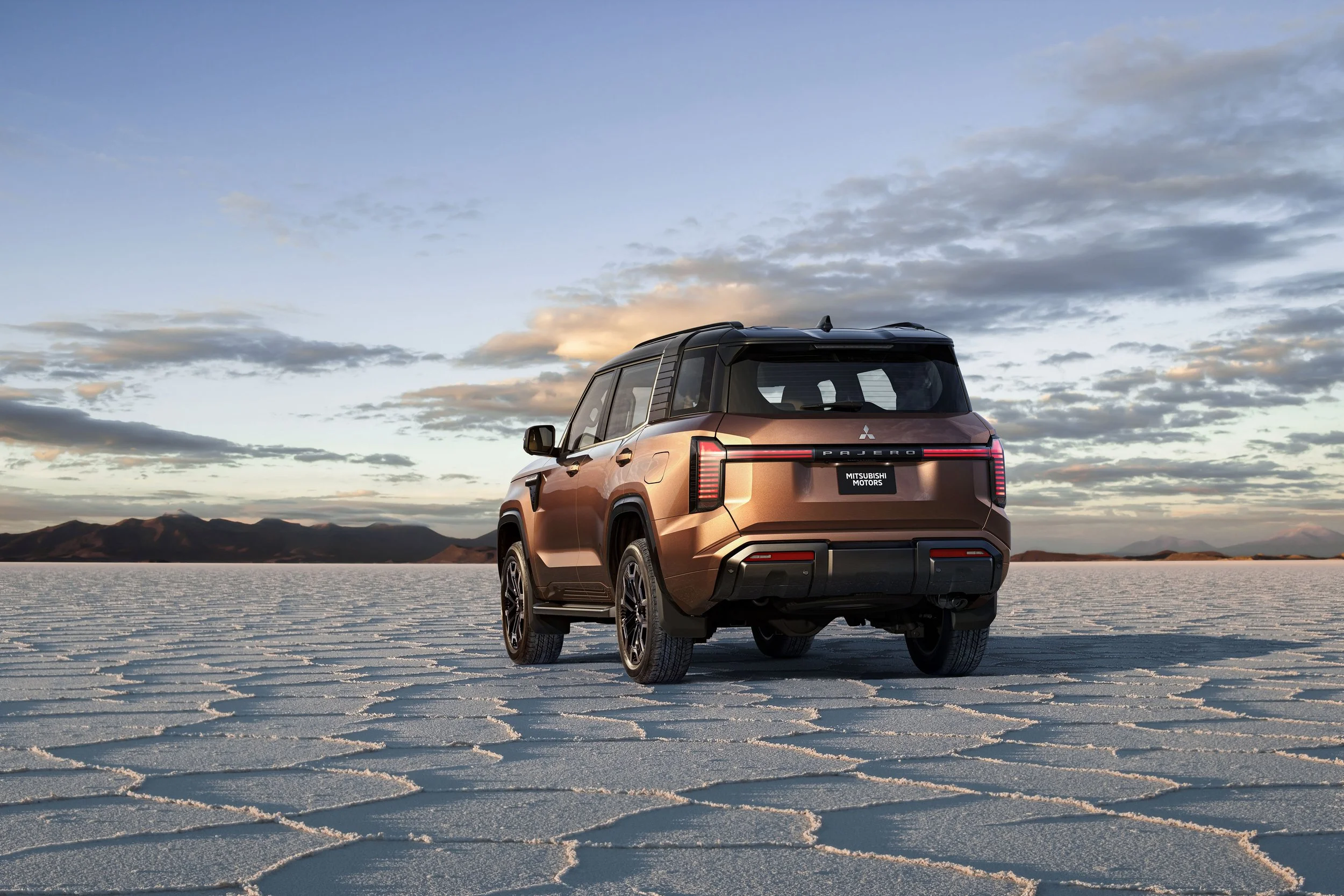
Measuring 4920mm long, 1925mm wide, 1910mm tall and riding on a 2870mm long wheelbase, the incoming product is 20mm shorter than the previous Pajero, but 95mm longer than the Pajero Sport.
The chassis is a much modified version of the Triton ute underpinning, but with a new five-link rigid rear axle.
While it has the 2.4-litre turbocharged four-cylinder diesel engine from Triton and makes identical 150kW power, in Pajero it makes 10Nm more torque - with 480Nm cited - and requires AdBlue, being configured to meet a more stringent emissions standard.
Unlike Triton and its six-speed automatic transmission, the Pajero uses a eight-speed auto.
The Pajero Sport also ran one of those, but Mitsubishi Japan says this one was “newly developed.” Fuel consumption figures are yet to be revealed.
As reported yesterday, the model has the well-proven ‘Super-All Wheel Control’ (S-AWC) system, which incorporates active yaw control and individual wheel braking.
It also features the ‘Super Select 4WD-II’ four-wheel drive set-up from the Triton, which includes 2H (rear-wheel drive), 4H (full-time four-wheel drive), 4HLc (locked centre differential) and 4LLc (locked centre differential with low-range gears) modes.
Normal, eco, gravel, snow, mud, sand and rock driving modes are also fitted. Ground clearance of 230mm stands to be appreciated for off-roading.
The Pajero nameplate dates back to 1981 and was discontinued for international distribution in 2021, by which point it was truly ancient, but had accumulated 3.3 million sales and a strong fan base, including in New Zealand where it remained on sale for some time after supply ended in many other places, Japan included.
‘T-Bar’ LED lighting at the front, a large honeycomb grille and even a rear motif that reinterprets a feature of every previous Pajero that hasn’t continued - having the the rear-mounted spare tyre slung on the back door (now it stows underneath the rear end) - are design highlights.
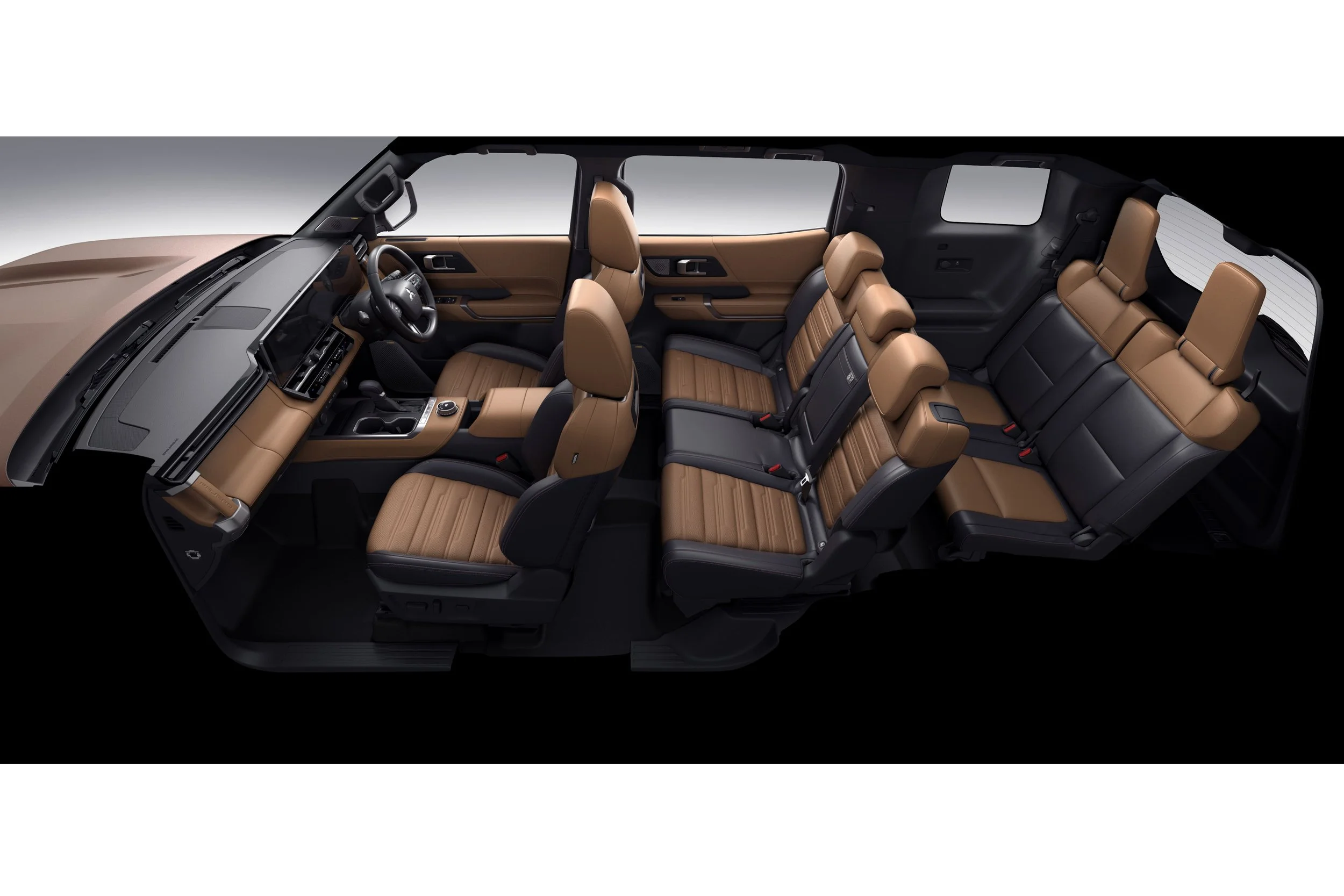
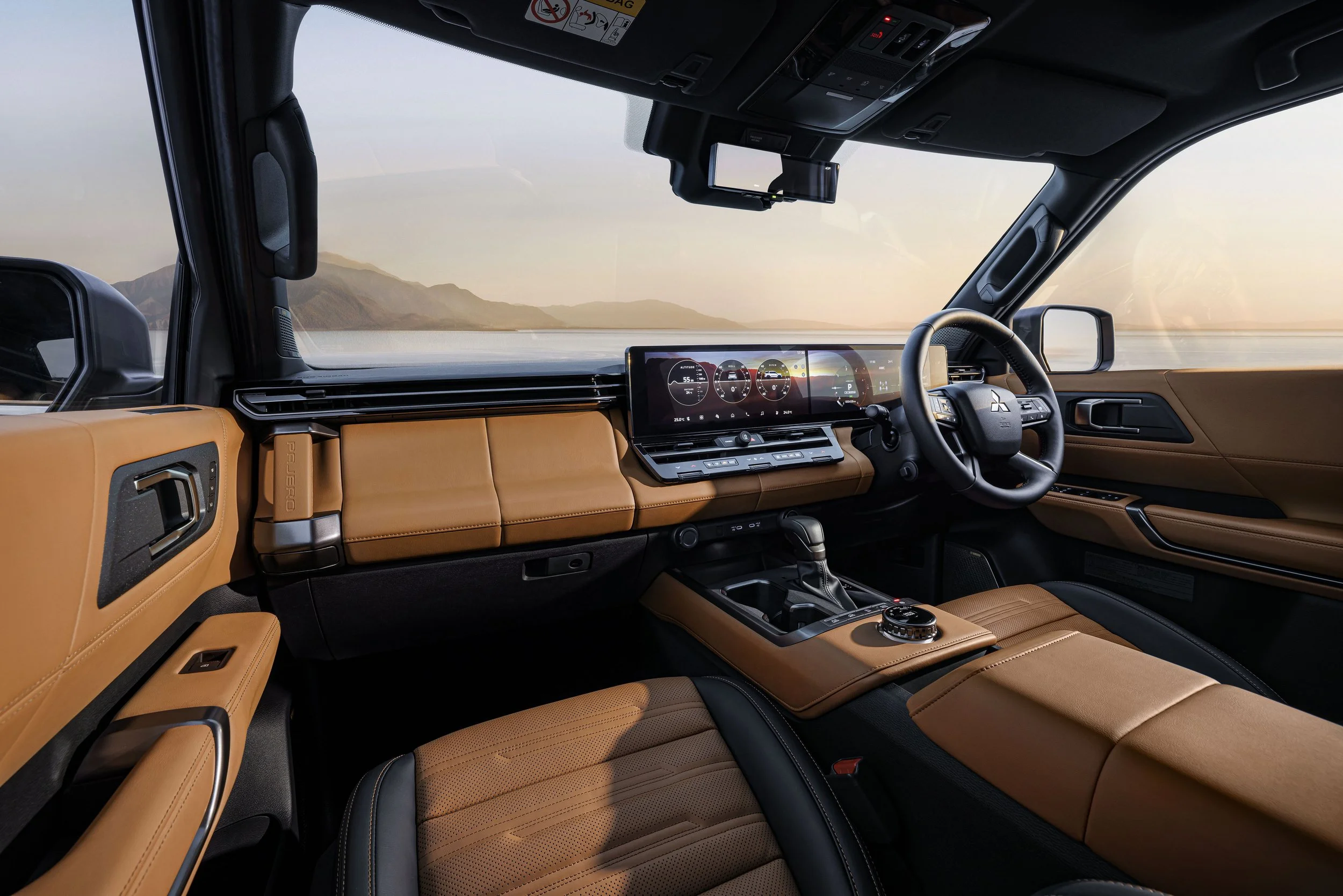
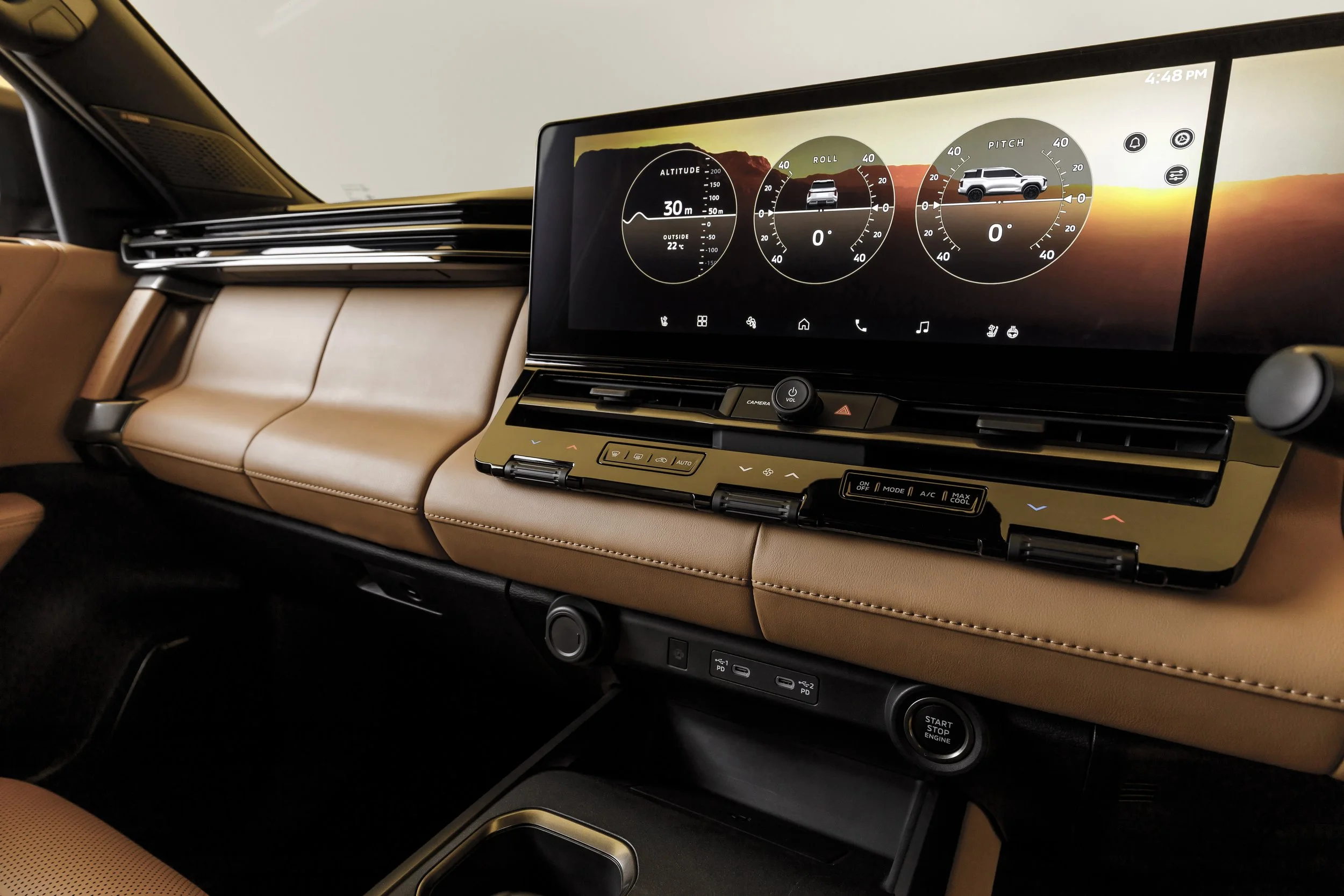
The interior is said to be decidedly more premium than has been seen previously, with new twin displays of up to 14.3 inches and soft-touch leather-like trims on the dashboard and doors.
Three rows of seating will accommodate up to seven passengers. Row three has air vents and USB-C ports; the second row has a 150mm-sliding seat, inbuilt sunshades in the doors, a bespoke climate control, heated outboard seats and USB-C charging ports in the front seat backs.
Pajero has eight airbags – including a front centre airbag – as well as ‘MI-PILOT’, an adaptive lane guidance.
It also takes adaptive cruise control, autonomous emergency braking with pedestrian, cyclist, motorcyclist and intersection assistance, front cross-traffic alert and emergency assist for pedal misapplication.
Also included are heated and ventilated front seats, acoustic window glass, electric steering column adjustment, multiple modes for the displays, including the triple-gauge layout from previous Pajero models, wireless smartphone mirroring, a 360-degree camera that creates a 3D model of the vehicle, Mitsubishi Connect live services functionality and a 12-speaker Yamaha Ultimate audio system.