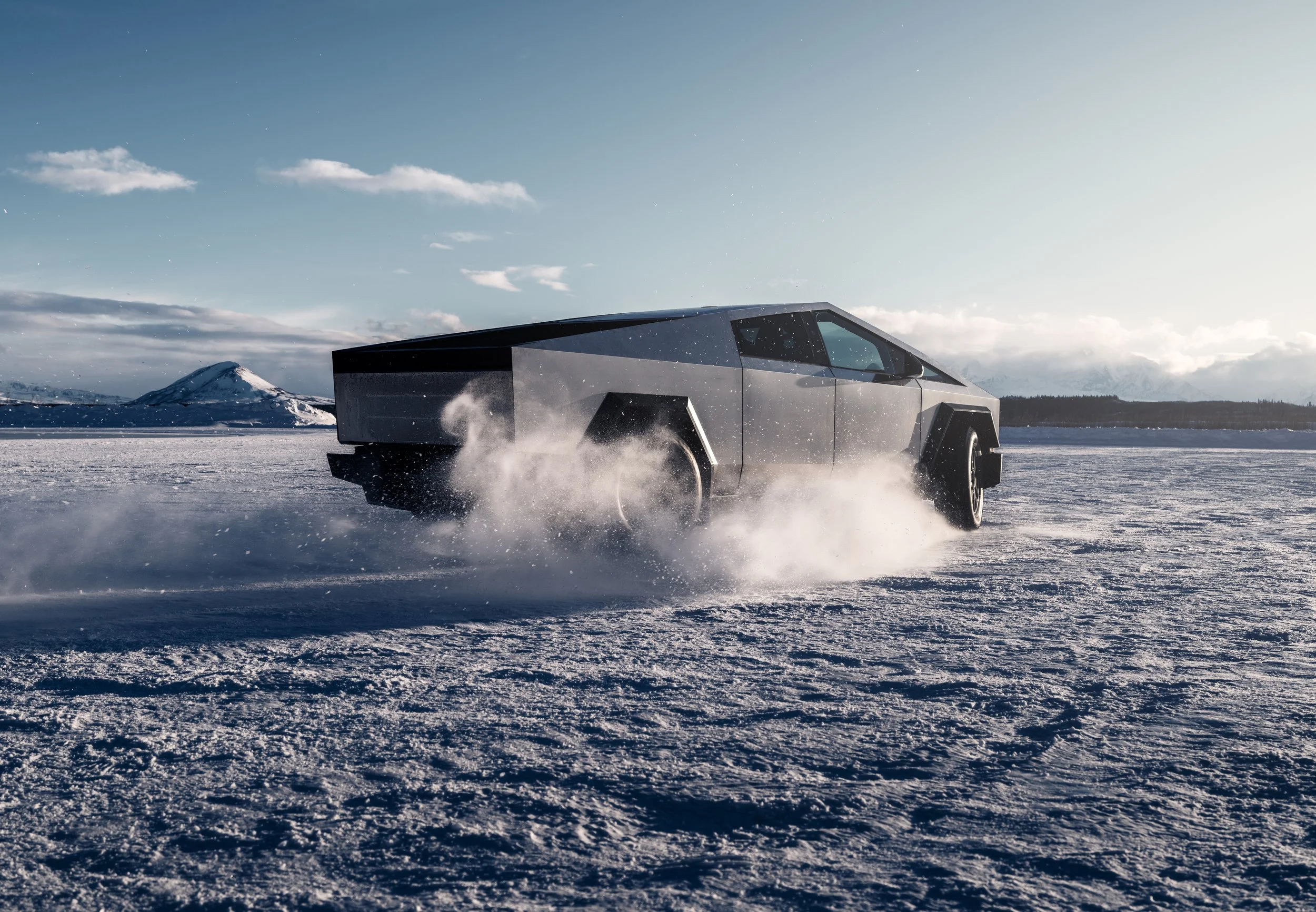

Cybertruck NZ-bound - but no sale ever likely
/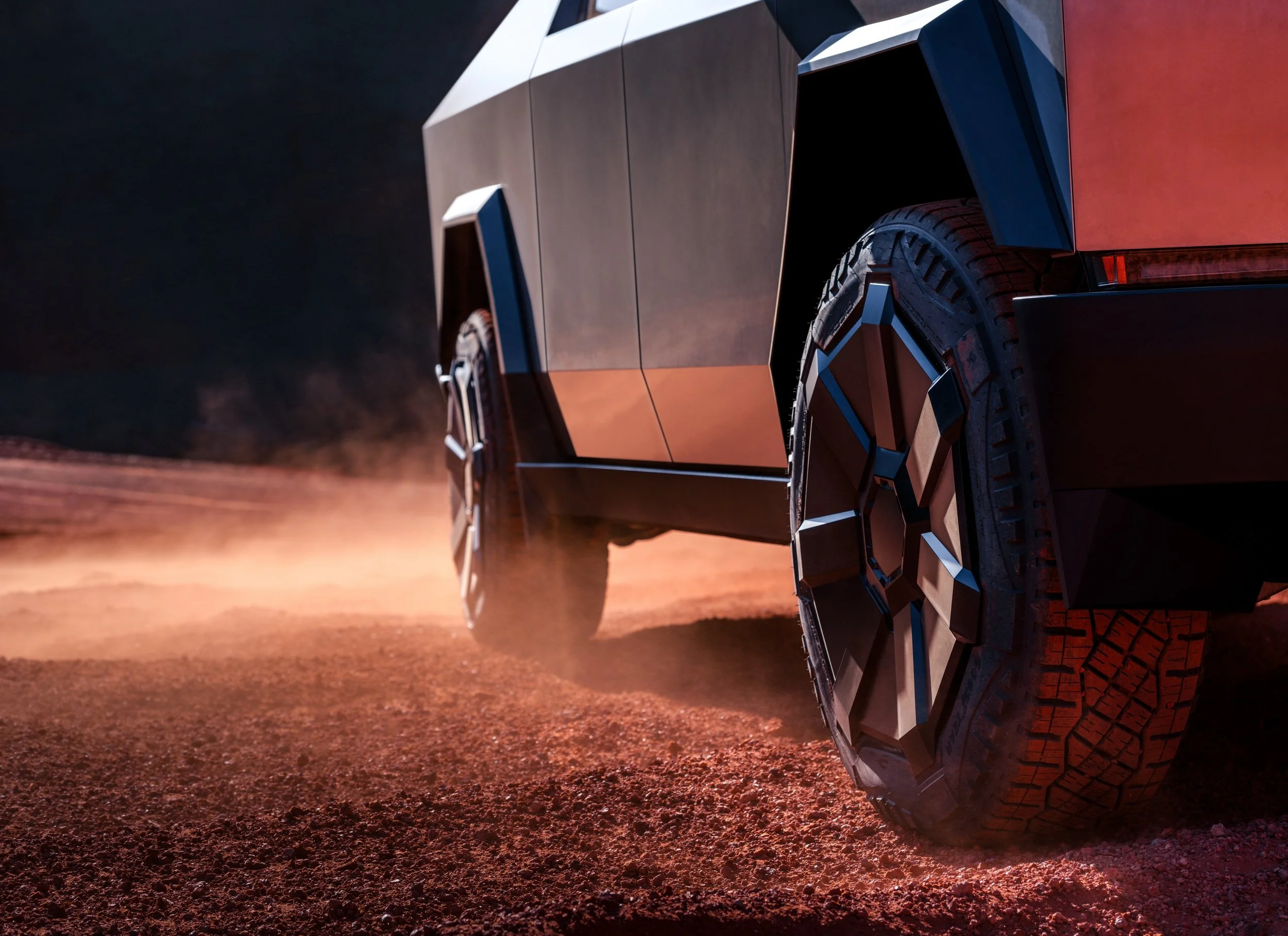
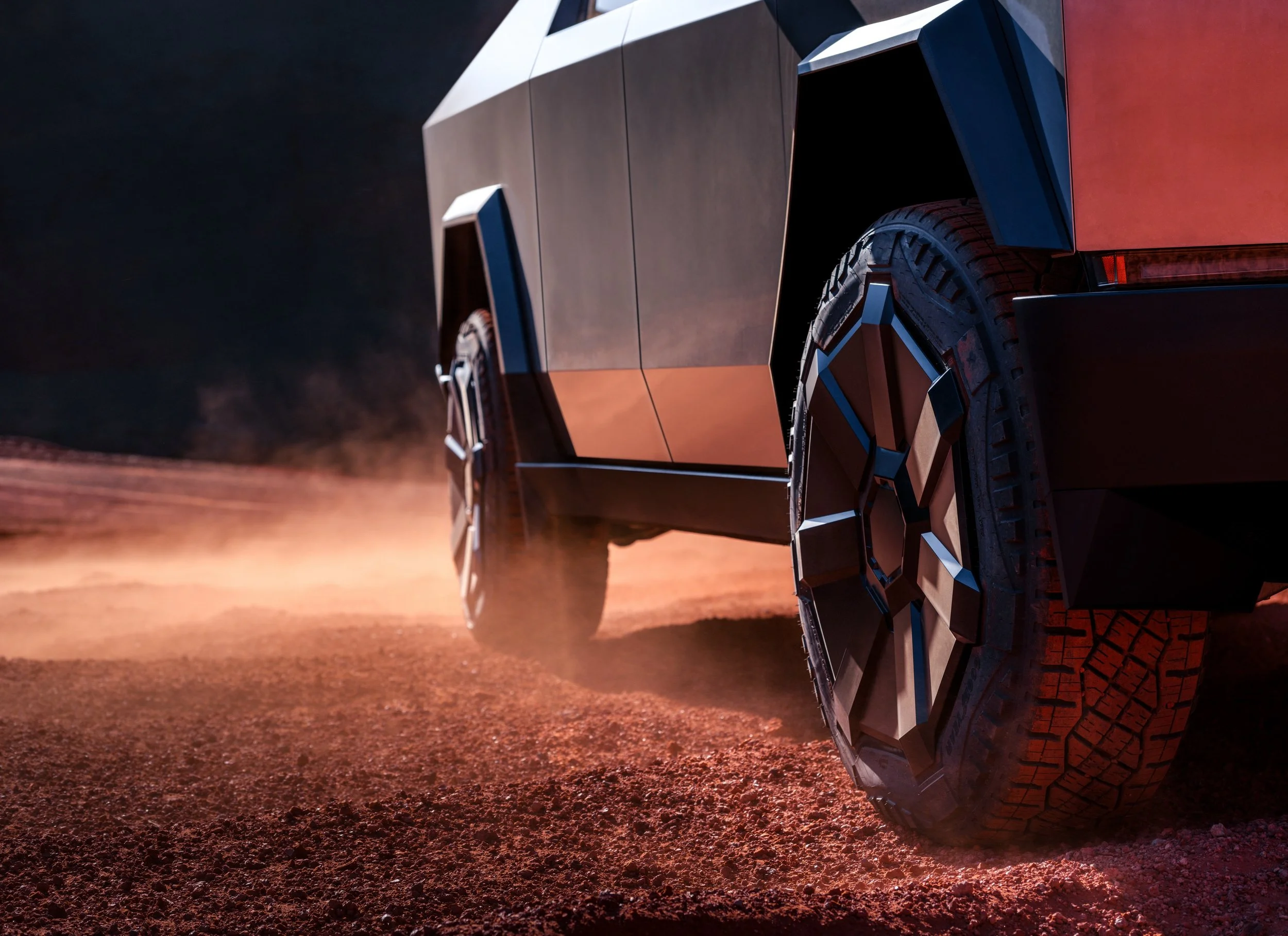
It’s just show and tell for Elon Musk’s biggest, boldest and baddest - right hand drive is the ‘too hard’ basket.
Read MoreIt’s just show and tell for Elon Musk’s biggest, boldest and baddest - right hand drive is the ‘too hard’ basket.
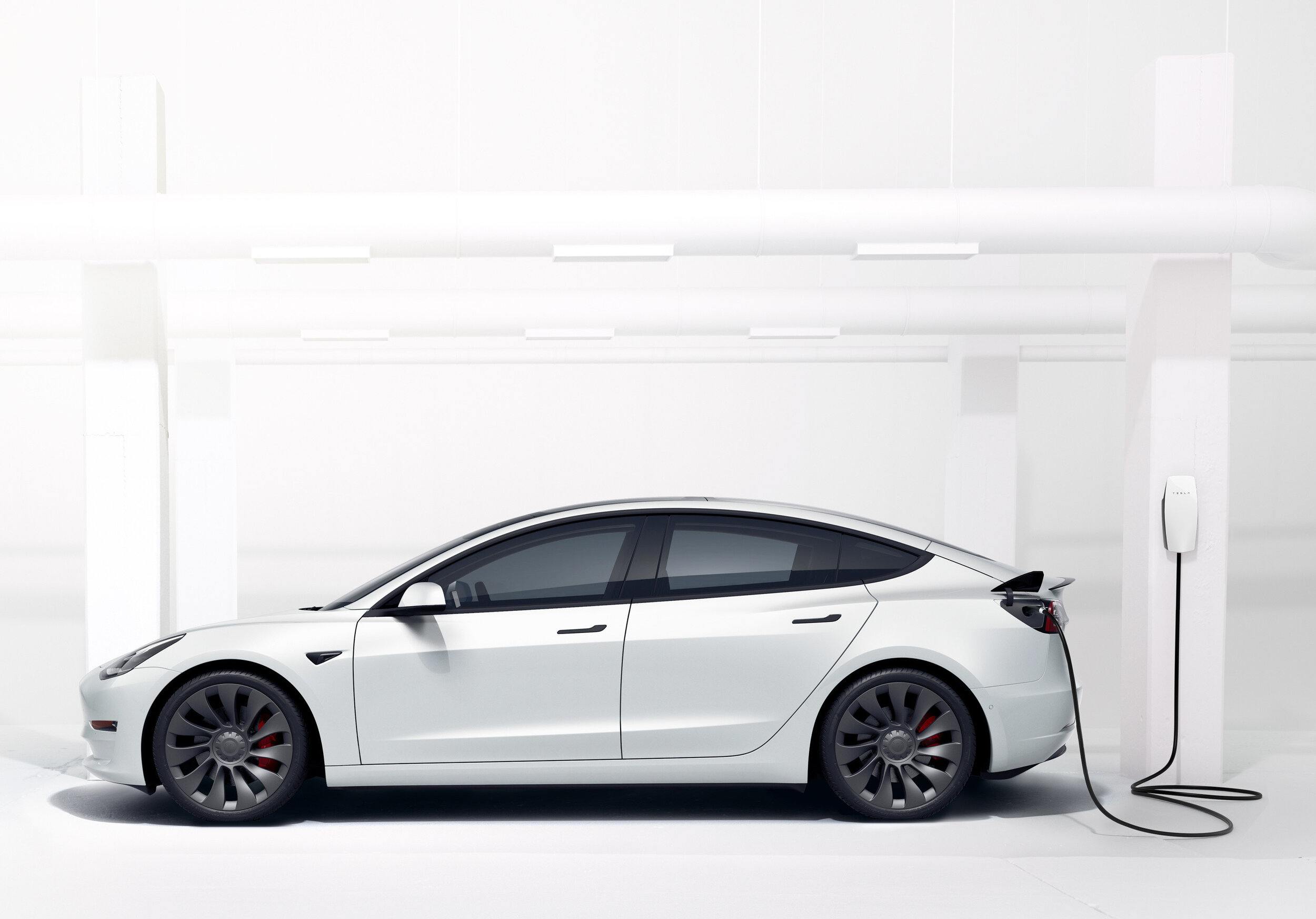
Read MoreTesla’s Model 3 sedan now has a new leader, and it and the Model Y have dropped in price.
Read MoreOur compliance rules would appear to let slide an issue causing furore across the Tasman - but the crash tester’s ‘no score’ edict sticks.
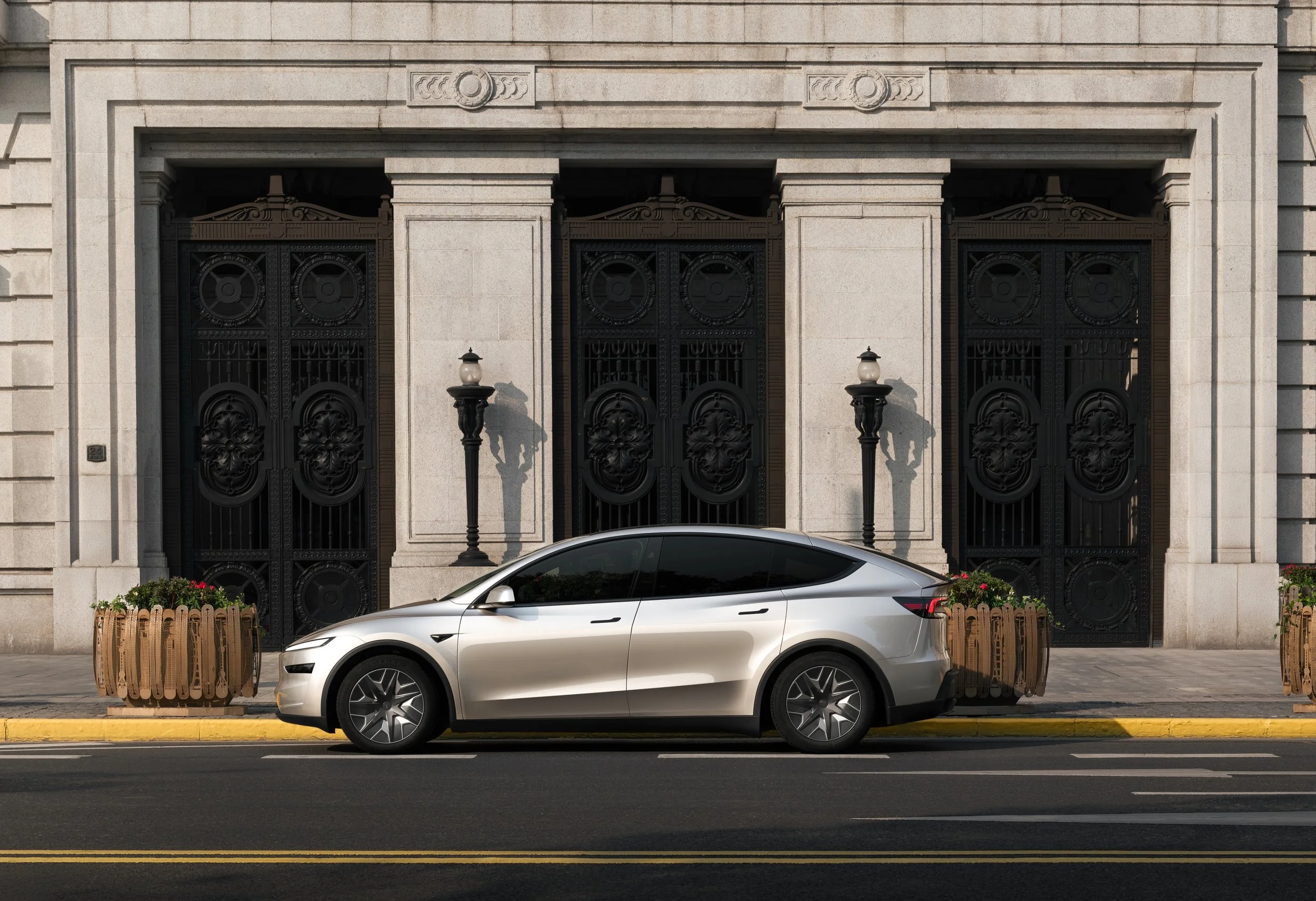
Read MoreTesla’s new model has finally reached production - but there’s no comment on whether it’ll get here.
Read MoreMore competition means more competitiveness, the industry’s voice believes.
Read MoreNZ involvement might indicate much-delayed project is finally nearing sign-off.
Read MoreTwo models that kicked off Tesla’s international ambition here, blipped then all but blanked out seem to be gone for good.
Read MoreLatest rejig in bigger markets that have pulled down stickers by up to 20 percent have not impacted in NZ.
Read MoreAiming at Koreans, no seven-seat option for compact crossover.
Read MoreExpert advice remains firm: Those ‘autopilot’ and ‘full self drive’ tags are steering wide of the mark.
Read MoreA look inside Elon Musk’s Berlin plant comes as analysts wonder if Shanghai factory is under the pump.
Read MoreThought Model 3s here will be included in a remedial action has raised with our neighbour, which adopts common stock, raising the alarm.
Read MoreAfter crunching the numbers, Lexus cites an outsider as this year’s top luxury segment performer.
Read MoreModel 3 is doing the job, but Model Y could conceivably be the bigger winner.
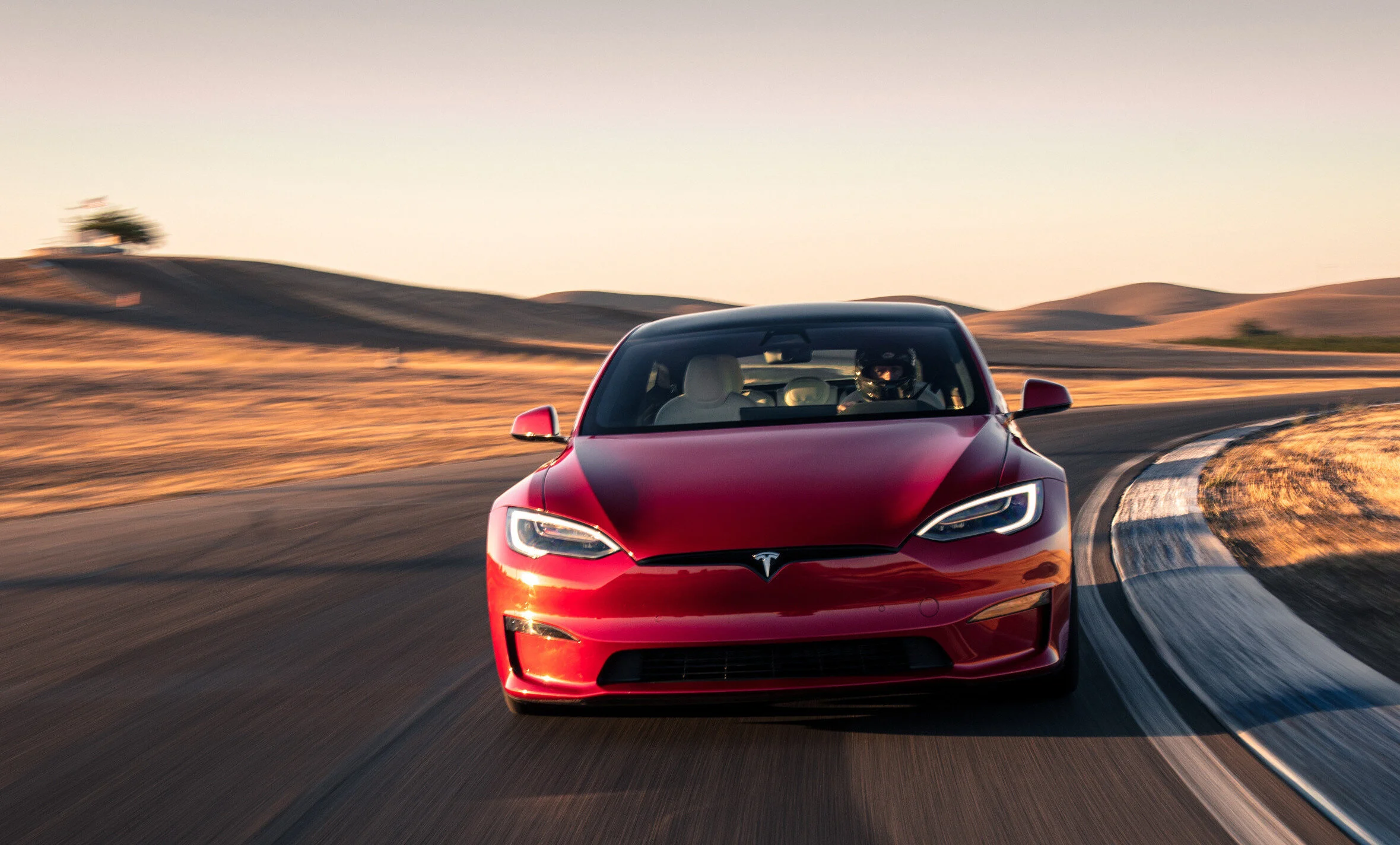
Read MoreFastest version of Tesla’s Model S has blitzed the Nurburgring. And made it look easy.
Read MoreModel 3’s latest sticker revision follows big registrations month for Tesla.
Read MoreRATIFYING the successful record-bid electric car drive from the top to the bottom of mainland New Zealand completed by John Fitness could take much longer than that two day feat of endurance – weeks, perhaps months.
The Auckland man registered with the Guinness World Records to set a record for travelling the length of the country in the fewest number of charging stops in an EV.
He set off from Cape Reinga in his Tesla Model 3 at 5.37am on Thursday, February 4, arriving in Bluff at 9.34pm on the next night, where he subsequently quipped to a television news crew that he didn’t imagine the drive “could've done it much faster in a petrol car, if at all, actually."
Fitness did the drive to prove to Kiwis perhaps sceptical about the merits of electric cars that they actually had the range and performance to match fossil-fuelled equivalents for long distance driving – but at much lower running cost.
He says the combined cost of the electricity drawn by his car from the six fast-charging stations he replenished at en route came to $117.69.
In subsequent Facebook posts, Fitness acknowledged two other aspects.
His allocation of ‘free’ charging that attaches with Tesla ownership for a set duration has now almost exhausted – he now has enough for perhaps one more trip.
Also, the process of confirming his effort meets the status required to become an official record, recognised by the Guinness Book of Records, will likely take some time – perhaps up 18 weeks.
Fitness had to keep a careful record and also arrange official witnesses, accepted by Guinness, to vouch for him along the way. They included Invercargill’s mayor, media and public identity Tim Shadbolt, who greeted the car when it reached Bluff.
At his six stops along the way - three in the North Island, three in the South Island - he was greeted by supporters.
Among those seeing Fitness off at the start of his journey were Northland iwi Ngāti Kuri, something the EV enthusiast told TVNZ "kicked off the trip with the right tone".
Each of the charging stops ended up being the "perfect break" through the trip, Fitness says.
They were spaced out around three-and-a-half to four hours apart and last around 35 minutes each.
Fitness told TVNZ it was a good way to break up fatigue.
"It's time to get some food or a coffee as you go for a bit of a walk about. It was actually a perfect break."
The car ran seamlessly, he said, though the driving schedule was disrupted by the Cook Strait ferry he took running slightly late, but he made up time on the road.
Teslas have featured in previous distance driving record pitches for electric cars, including a feat in Europe in 2017 that saw a car clock 1078 kilometres on a single charge. This asked for a team of drivers as it involved hypermiling – a technique of careful driving often at well below posted open road limits. A marked difference to Fitness’ run, which was at everyday pace.
THE national car safety recall database appears yet to note an action affecting two Tesla models.
NZTA’s vehicle safety recalls page does not signal an infotainment system recall, that seems to be slowly spreading into the cars’ international markets.
The United Kingdom is the latest place where regulators have pushed for action to remedy a problem that prevents drivers from using certain safety features.
The most recent Tesla recall on the NZTA site is for Model S cars, built in the period 2014 to 2016, to address a potential airbag fault.
This latest action is of significant scale in the United States, where it triggered.
Tesla there is chasing up almost 135,000 Model S sedans and Model X there following disclosure from the National Highway Traffic Safety Administration (NHTSA) that infotainment displays are at risk of failing.
Originally, the recall only affected US cars built before 2018 – but Tesla has since expanded the programme’s reach to UK cars of the same age.
The firm says the recall is voluntary and is only required if the owner’s infotainment system is exhibiting signs of failure. The number of affected cars in the UK is unknown.
Teslas are reliant on their infotainment systems for key vehicle functions – and the faulty units in these earlier cars have reportedly prevented owners from using safety features such as the car’s rear view camera, and essentials like the indicators. A failure also means that drivers cannot access the windscreen defrost function, which the NHTSA said could pose a significant safety concern in adverse weather.
The inquiry has been ongoing since June of last year, and initially,
Tesla to remedy the issue with over-the-air software updates and targeted repairs. However, NHTSA wasn’t satisfied with the quick fix and has requested an organised recall.
NHTSA has narrowed the issue down to a memory device. The infotainment hardware is only rated for 3000 programme-erase cycles before wearing out – after which it struggles to prevent the data it stores from becoming corrupted.
This means the infotainment screen doesn’t have access to all of its software, which causes the loss of functions.
Tesla says it will upgrade its old 8GB memory device with a new 64GB unit as part of the recall.
However, Al Prescot, Vice President of Tesla’s legal department, said the hardware troubles demonstrated the problem of “electronic components becoming increasingly more complex, while the expected useful life of vehicles has grown substantially.”
Prescot also said that Tesla’s first-generation infotainment system was only expected to last between five and six years under average daily usage conditions, due to the finite capacity of the unit’s storage hardware.
Tesla is keen to stress that it was aware of the problem and has already updated the storage devices in some of its older cars. However, the affected owners paid to have the issue resolved – and, in the places where the problem has been flagged as an official recall, Tesla says it will refund the relevant customers.
CALL it a true a test of Fitness, his car and Tesla’s national electric vehicle recharging infrastructure.
Anyone travelling the major North-South route today and tomorrow should keep an eye out for Auckland’s John Fitness, who has hit the road in his distinctive Tesla Model 3 to prove a point and hopefully set a world record while he does it.
The Cape Reinga to Bluff roadie is a 2068km, 29-hour marathon roadie which Fitness wants to complete with as few stops as possible.
He departed Cape Reinga this morning on what is planned out as a two-day drive that he aims to complete with just six charging stops — three for each island. This means on average, he will have to travel 300km from stop to stop.
The trip has interest from the Guinness Book of World Records – Fitness aims to reset the record for travelling from the top to the bottom of a country with the least amount of stops.
To ensure the record is recognised as legit by Guinness, he has numerous witnesses lined up across the journey.
Today’s stops are in Whangarei, Hamilton, and Mangaweka then he hopes on a ferry to cross Cook Strait.
Tomorrow begins with a 74km run to a charger in Ward, with other stops in Christchurch and Palmerston before finishing in Bluff.
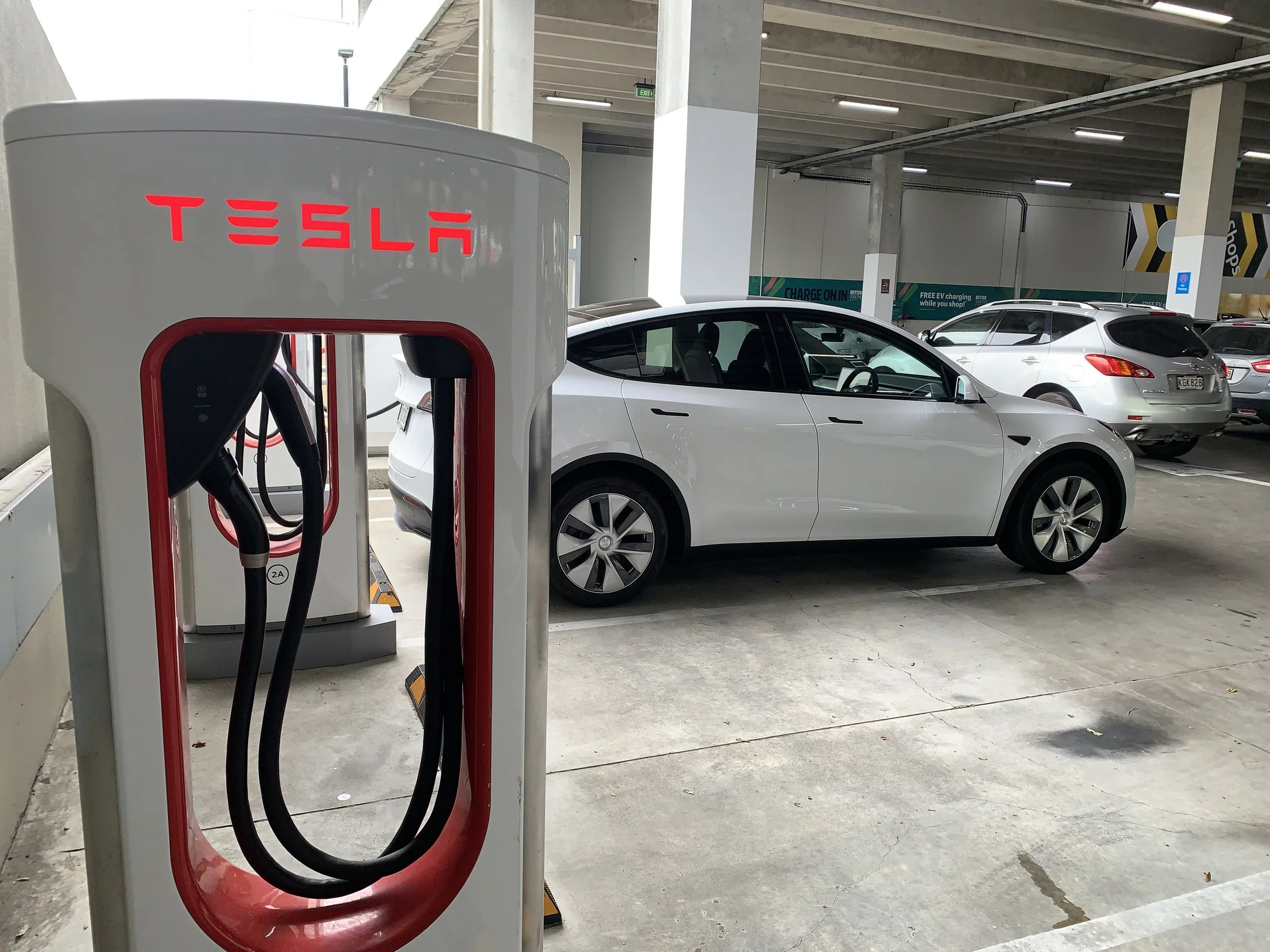
Fitness says he’s inspired by a recent Tesla Supercharger launch in Whangarei. It was then that he realised the brand’s recharging network was in place to make a world record run possible.
“I thought, 'Look, we've actually got the infrastructure now to do a full run through the country, essentially to emulate that great Kiwi road trip from the Cape to the Bluff,’” he said.
“Having been involved with having an electric car for such a long time, even my closest friends go, 'Oh you can't go far out of Auckland, you can't drive that far,' and it's just about dispelling some of those myths.
“I think my longest drive is just under four hours. Because I've got those six evenly spaced stops, each stop will be between 30 to maybe 55 minutes roughly.
“The battery technology has improved so quickly in the last three years I've been driving electric, inevitably it'll come down super quick and I think that when you look at your next car, it's starting to become more realistic to go electric or partial electric — hybrid or plug-in hybrid, for example.
“What I want to show with this trip is that, granted, the price might be too high at this point, but very soon — maybe this year or the year after next — you're looking at factory electric cars that can do everything you need it to, including the great Kiwi road trip. It shows feasibility.”
It's not clear how of much the run will be conducted solo, though he does have a friend joining as a navigator for a South Island section while local enthusiasts will help as guides to ensure he gets a smooth run through unfamiliar city routes.
MotoringNZ reviews new cars and keeps readers up-to-date with the latest developments on the auto industry. All the major brands are represented. The site is owned and edited by New Zealand motoring journalist Richard Bosselman.
NEWS | FIRST DRIVE | TESTED | VIDEO | CONTACT | THE CREW | TERMS + CONDITIONS