Mean or a menace? ANCAP’s big rig bash results out
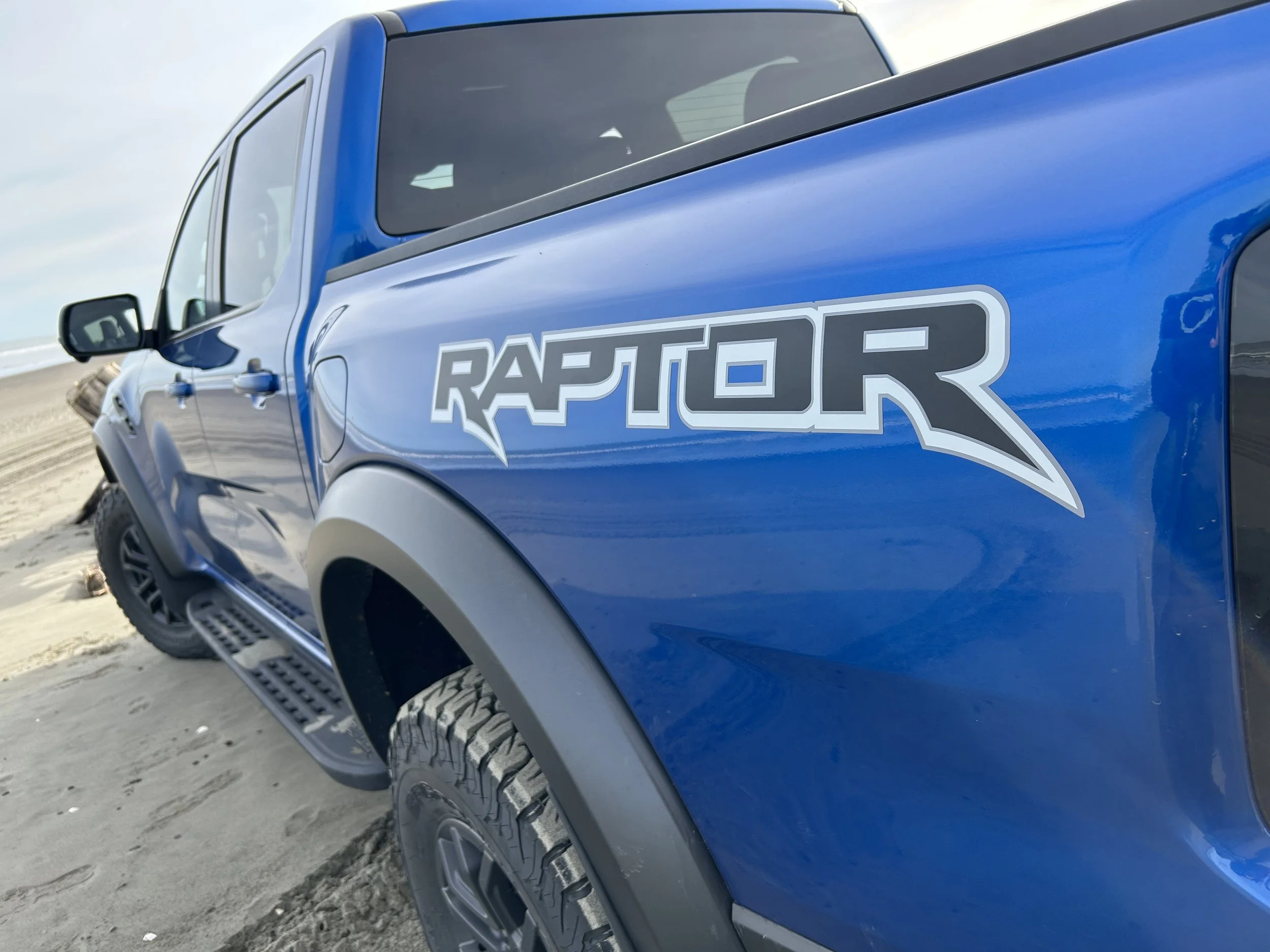
/Our crash test safety auditor has given those giant American pickups a good going over. The results might surprise.
Read MoreOur crash test safety auditor has given those giant American pickups a good going over. The results might surprise.
Read MoreFull specifications and accessories for next year’s heavy-duty workhorse have been shared.
Read MoreUte volume climb offset dip in passenger; EV counts still poor.
Read MoreB10 set to start in full battery form, but range extender expected next year.
Read MoreThe question is a semantic while Ford keeps its PHEV Ranger tech in-house, but VW locally is keen to assess how much local acceptance eventuates.
Read MoreSlight growth in car and light commercial registrations last month is cause for mild optimism.
Read MoreLast month’s count down on March and less than for April 2024.
Read MoreComing next year, the Super Duty development of NZ’s favourite ute is a serious business.
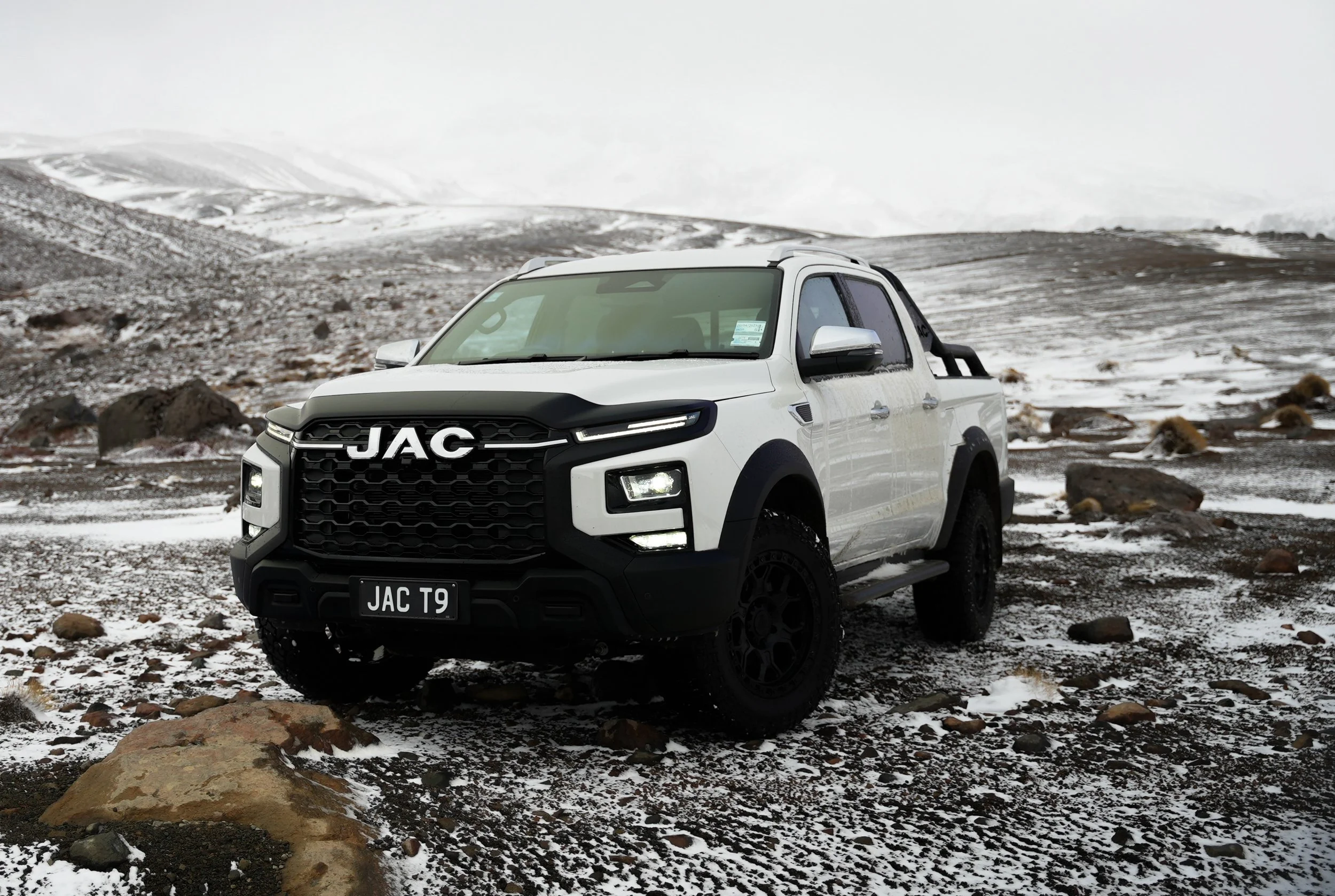
Read MoreLatest diesel ute from China a new opportunity for Colonial affiliate.
Read MoreWal Dumper and Simon Rutherford have each made big imprint on local car scene.
Read MoreEmissions charges haven’t kept the Ford traydeck from holding its traditional dominance.
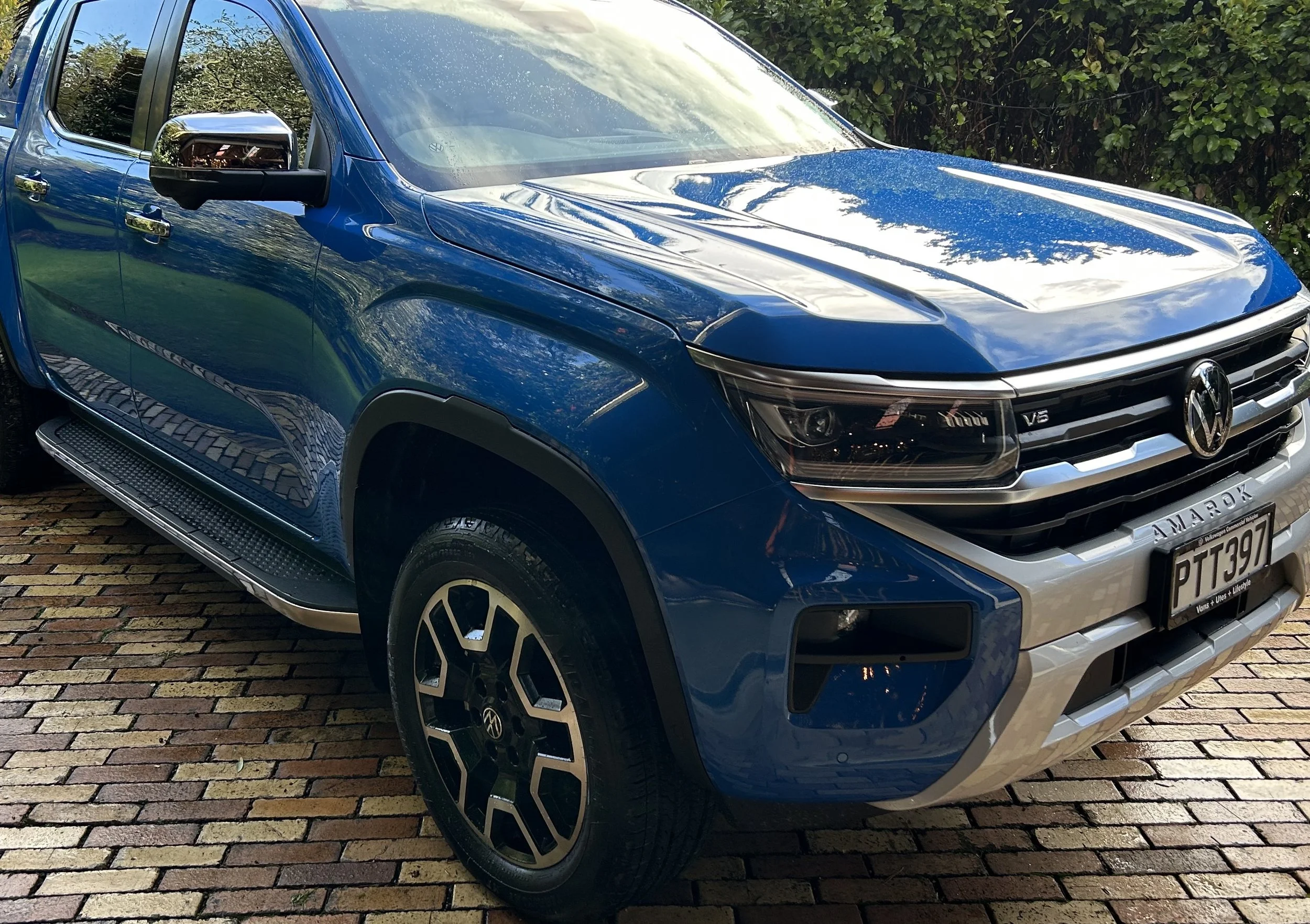
Read MoreRanger’s under-skin twin being very much a joint project raises potential of it also joining the electrification push - and local VW Commercials boss is keen.
Read MoreNZ involvement might indicate much-delayed project is finally nearing sign-off.
Read MoreLatest battery cars lifted EV action but ‘ute tax’ also failed to hurt interest in Ford and Toyota pick-ups.
Read MoreArrival of the Puma hybrid comes as Euro NCAP alters the model’s safety rating
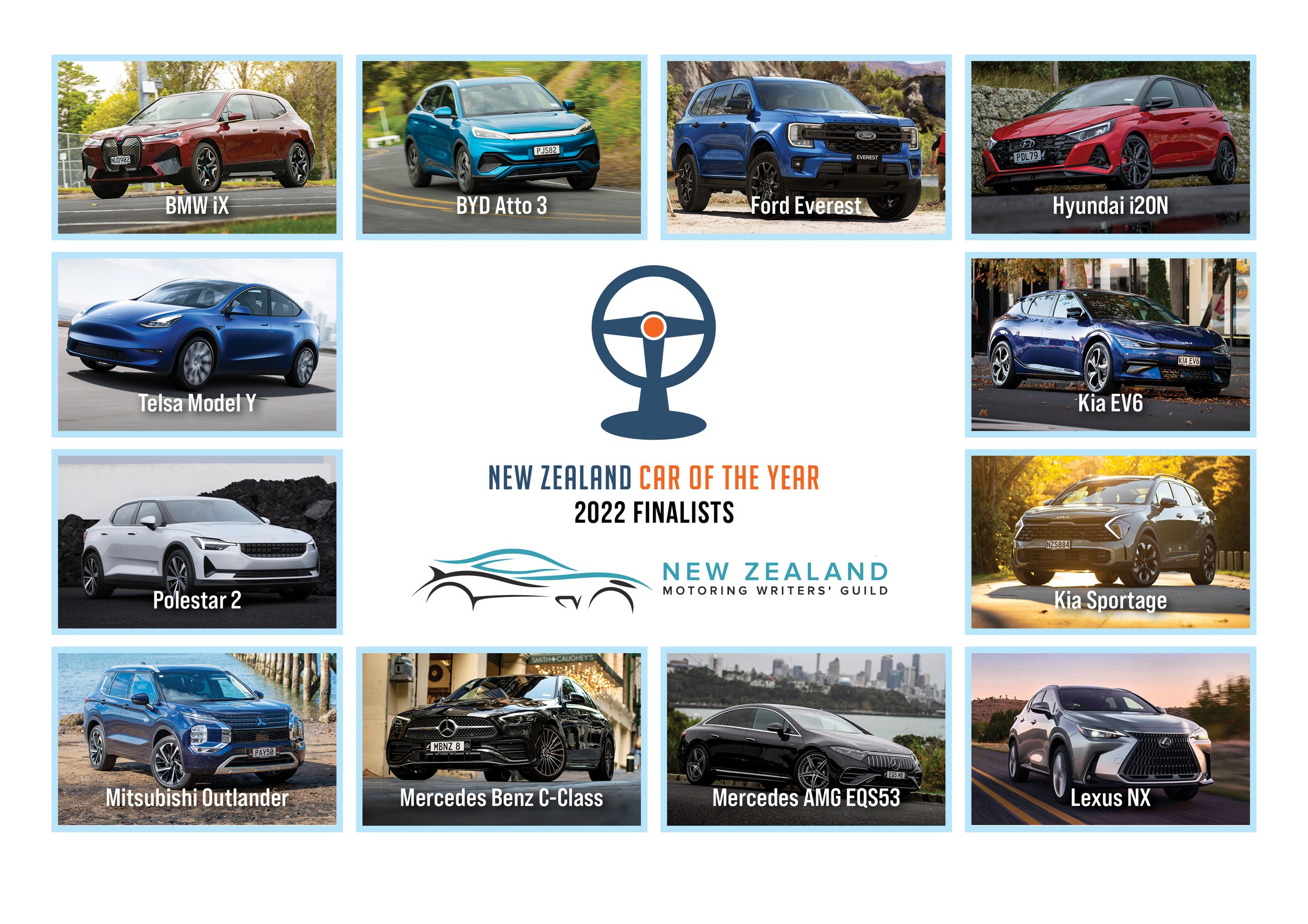
Read MoreTwelve cars from 10 brand, most electric-involved and spanning a diversity of formats, price and uses.
Read MoreJust three brands with fossil fuel fleets, and only one deep into electric, have CO2 fleet averages under a proposed threshold.
Read MoreAll sorts of amazing cars have featured at this year’s Festival of Speed, but those reaching into the future created the biggest buzz.
Read MoreCovid hurting the supply chain has resulted in big waiting times, but enough vehicles reached customers to push registrations tally to a new high.
Read More
This is the most beautiful car in the world. Apparently.
THAT old saying about beauty being in the eye of the beholder?
A load of tosh, apparently. In reality, beauty is defined by scientific analysis, using an ancient mathematical calculation.
At least, that’s the argument proposed by a British car buying website, Carwow, when nailing down the most beautiful performance car of the past 70 years.
The winner? According to science, it’s potentially not the most obvious choice. But, for the record, the 2019 Ferrari Monza SP1 takes this one.
Really? Well, the site says it analysed 197 of the world's most popular performance cars over the last 70 years to discover how close they were to the ‘golden ratio’.
Don’t know it? That’s an ancient (like, dating back 2500 years) algebraic equation that has been observed in nature, and copied in art and design, that is thought to help contribute to the most visually attractive shapes.
Michelangelo was a big fan; he used the ratio when painting The Creation of Adam on the ceiling of the Sistine Chapel. Anyway, it uses a literal ratio of 1:1.618 (or Phi). In short this implies that the most pleasing form to the human eye is that of a rectangle. But anyway.
The research was done by measuring and comparing the distance between different set points on the cars.
In number two … the 1964 Ford GT40.
“In total, we plotted 14 different points on each front-on view of the cars, for example, the headlights, the wing mirrors and the corners of the windscreen,” says Carwow.
“Using that data, we then computed and compared the distance ratios between these points, to reveal how closely their design followed the proportions of the golden ratio.”
So, anyway, after the Monza SP1, which achieved a 61.75 percent alignment to the golden ratio, the ratings put the 1964 Ford GT40 in second, (61.64 percent) the 1967 Ferrari 330 GTC Speciale (61.15 percent) as the bronze winner and the 1974 Lotus Elite as the best of the rest outside the medals table, with a 60.07 percent alignment.
As for the Jaguar E-type, famously called immediately after its launch the most beautiful car in the world by Enzo Ferrari? The man clearly didn’t know a thing. Fifteenth here.
Also lucking out of top trumps status was Aston Martin, which claims all of its cars are “designed to reflect the golden ratio”. The 1962 Ferrari 250 GTO, the 1963 Chevrolet Corvette C2 (Stingray), the 1967 Ferrari 330 P4, the 1974 Alfa Romeo Alfetta, the 1966 Lamborghini Miura and the 1969 Maserati Indy filled out the top 10. The highest-ranked Aston was the 1963 DB5, in 25th.
The top 100 was dominated by Ferrari, with 16 cars. Lamborghini had 10 and Porsche seven for second and third respectively, and the remaining positions were taken by Aston Martin, McLaren, Maserati, Lotus, Alfa Romeo, Jaguar and Ford.
The E-Type? Enzo Ferrari liked this classic Jaguar … the study? Not so much.
MotoringNZ reviews new cars and keeps readers up-to-date with the latest developments on the auto industry. All the major brands are represented. The site is owned and edited by New Zealand motoring journalist Richard Bosselman.