A dirty job meeting clean standard

Yesterday’s announcement of clean car actions raises potential for Kiwis having to reconsider allegiance to vehicles they love the most.

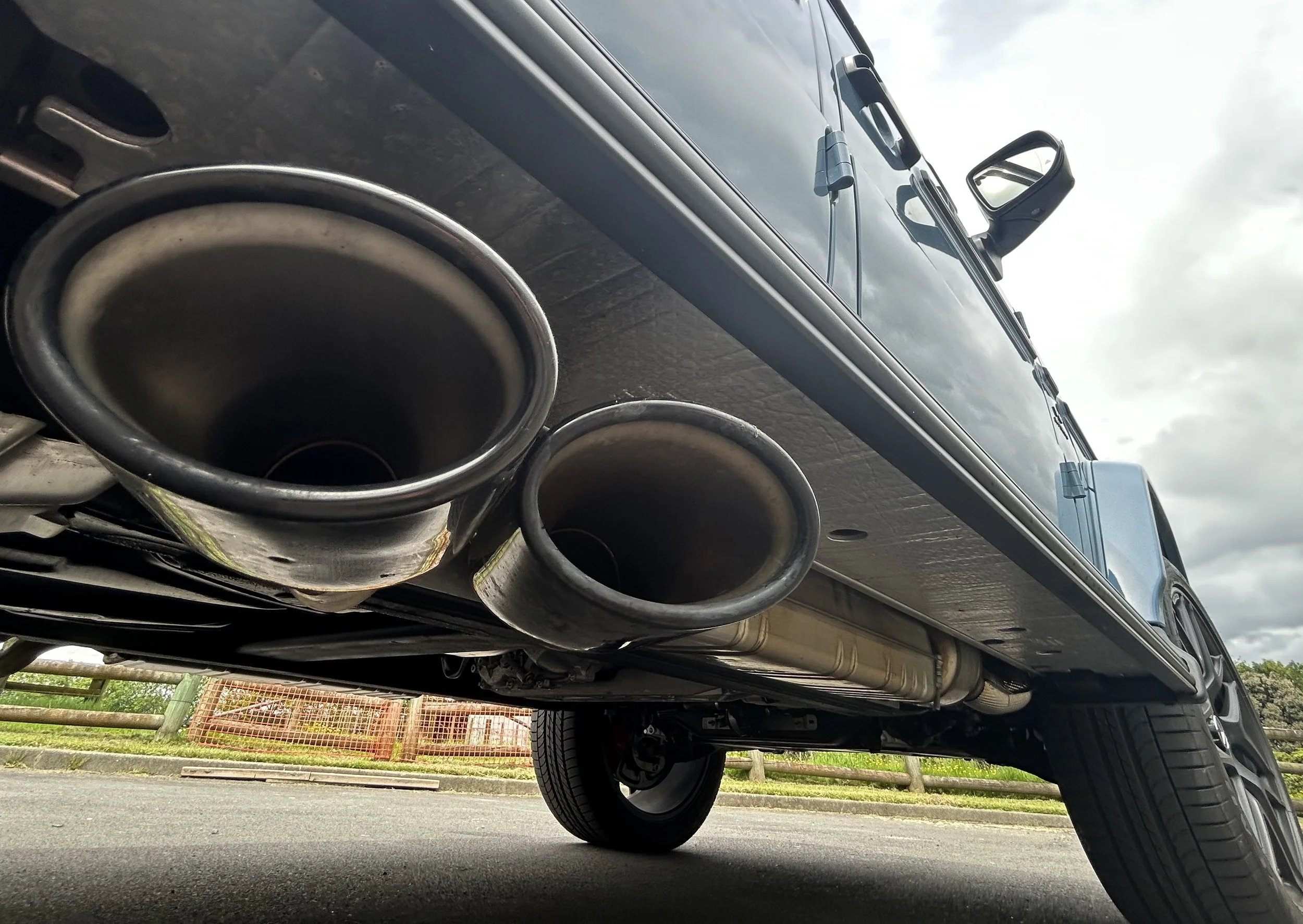
Diesel utes are No.1 with Kiwis …. but they’re not going to make the clean air cut.

Diesel utes are No.1 with Kiwis …. but they’re not going to make the clean air cut.

 BASICALLY, we don't like our 'greens' and consume too many meaty products. 

That’s the national new vehicle buying pattern in a nutshell.

Sports utilities, crossovers and, in particular, one tonne utilities. These are the vehicles we love the most; to the point where they cumulatively outsell conventional cars and the Ford Ranger has become the country’s best-selling model.

Great stuff. Just one wee catch. It’s always been common knowledge that, were New Zealand ever to get its act together and implement some kind of emissions regulation, then the vehicles Kiwi love most would get us into trouble.

CO2 emissions from new passenger and light vehicles have been declining. However, our national average is well above where the Government has now decided it needs to be; mainly because we’ve been making too many dirty decisions. 

Core to announcement yesterday of a Clean Air Standard is intention to reach a CO2 target of 102g/km by 2025.

Easy-peasy? The current NZ average for cars and SUVs is 161g; overall, the fleet is around 171g – an improvement on a year ago, if only by 3g. And today’s average is still below is still slightly below the target the European Union set for its territory in 2003.

So, yeah, the challenge is to achieve a reduction of almost 40 percent from the current new-vehicle average. Utes, which are particular grubs, and vans must hit 132g in the same timeframe.

There’s no time to waste. The Government intends to pass the law this year and enact the standard in 2022, with the first charges being levied on any who miss their annually reducing targets from 2023. 

It’s not as if we didn’t know this day was coming. Fact is, NZ is just catching up to a world trend, which in a way is going to be helpful.

Vehicle makers are already being compelled the same targets in much larger, more crucial markets; their reaction to that challenge means they are already making products that are in step with the NZ intention. We will get many of those vehicles.

The European Union mandate on makers selling in its territory to meet an even higher standard, a fleet-wide average of 95g/km, and Japan’s mandate for a 104g/km standard, are especially compelling. Vehicles tailored to meet or exceed those expectations will also come here.

The NZ model is not too different from the EU’s. Vehicle suppliers will have different targets to meet, and will only have to ensure that the average efficiency of the cars imported in any given year meets the standard. This means higher-emission vehicles can still be imported but will have to be offset by cleaner vehicles.

Failure to comply will be penalised, as in the EU, but not to anything like the same extreme. In the EU, fines can be large enough to bring a brand to its knees. Here a penalty will be applied from 2023 of $50 per gram of CO2 above the target for new vehicle imports or $25 per gram above the target for used vehicle imports - but it is applied across the fleet.

If you decided, today, to investigate which vehicles on sale at this very moment were already meeting that new cut-off … well, the shortlist would be very short indeed.

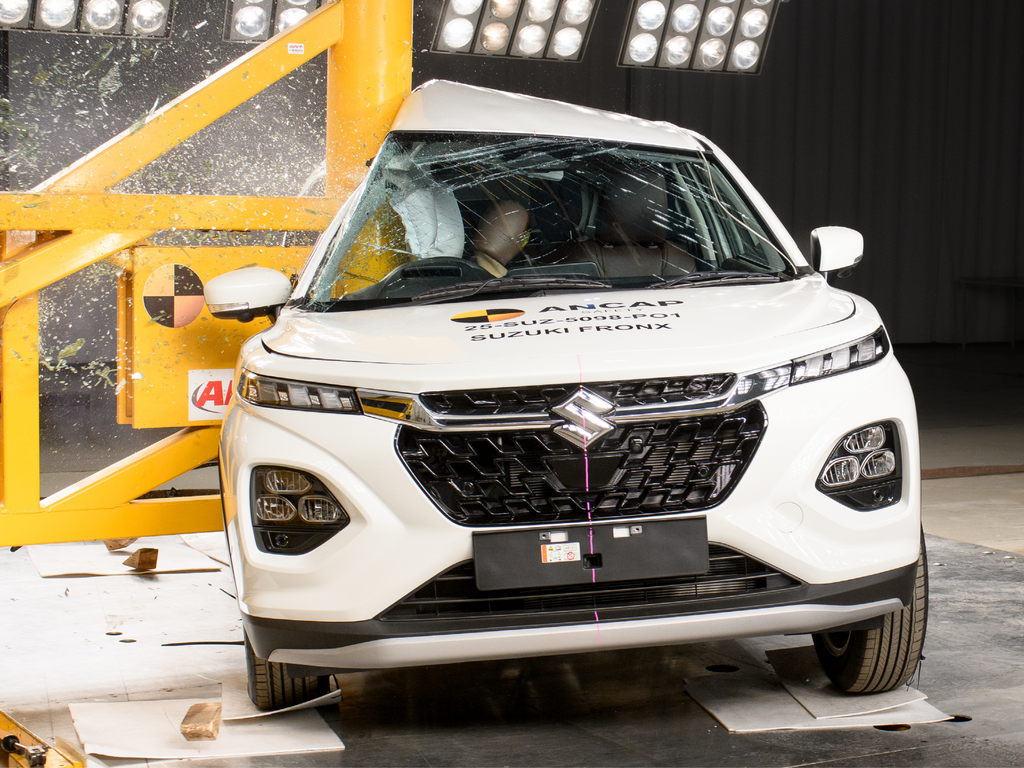
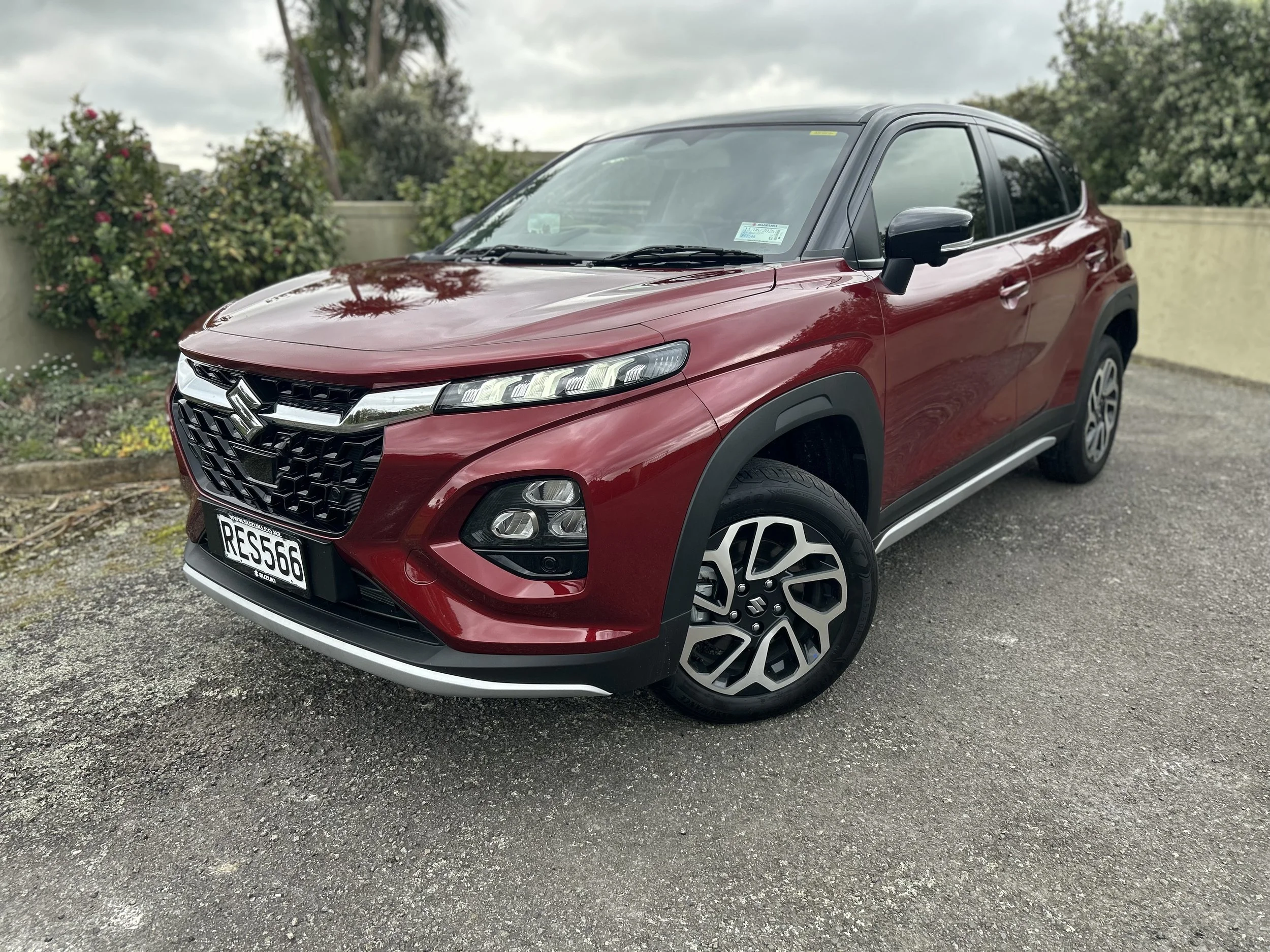
even acknowledged thrift-meisters such as the top-selling Suzuki Swift are challenged to meet the 105g/km standard. The hybrid version, above, does with a count of 94g/km but conventionally-powered editions do not.

even acknowledged thrift-meisters such as the top-selling Suzuki Swift are challenged to meet the 105g/km standard. The hybrid version, above, does with a count of 94g/km but conventionally-powered editions do not.

Forget conventional internal combustion-engined cars; even especially thrifty types struggle to be that clean.

You need to go hybrid, though even then it’s not a given. Toyota's Prius, Yaris, C-HR and Corolla petrol-electric models are all under the 105g/km. The Camry hybrid and the hot-selling RAV4 hybrid are on the wrong side of the fence.

The models that will make more of a difference are will be used by brands that can achieve them to lower their fleet averages are, of course, plug-in hybrid (PHEV) and fully electric vehicles.

This has been shown in the EU, where makers were generally starting from a base of 120g/km.

These are vehicles that, of course, many big players are now making in greater volumes. Ironically, some have been hard to secure for NZ because their makers are prioritising places where they have to represent electric fare or face fines – this is why VW Group product has been restricted, or completely held back, from NZ introduction. Europe’s biggest maker is focussing, out of necessity, on keeping those cars in EU markets. The NZ decision could well be a very useful tool for the brands’ NZ agent to now argue for prioritisation. 

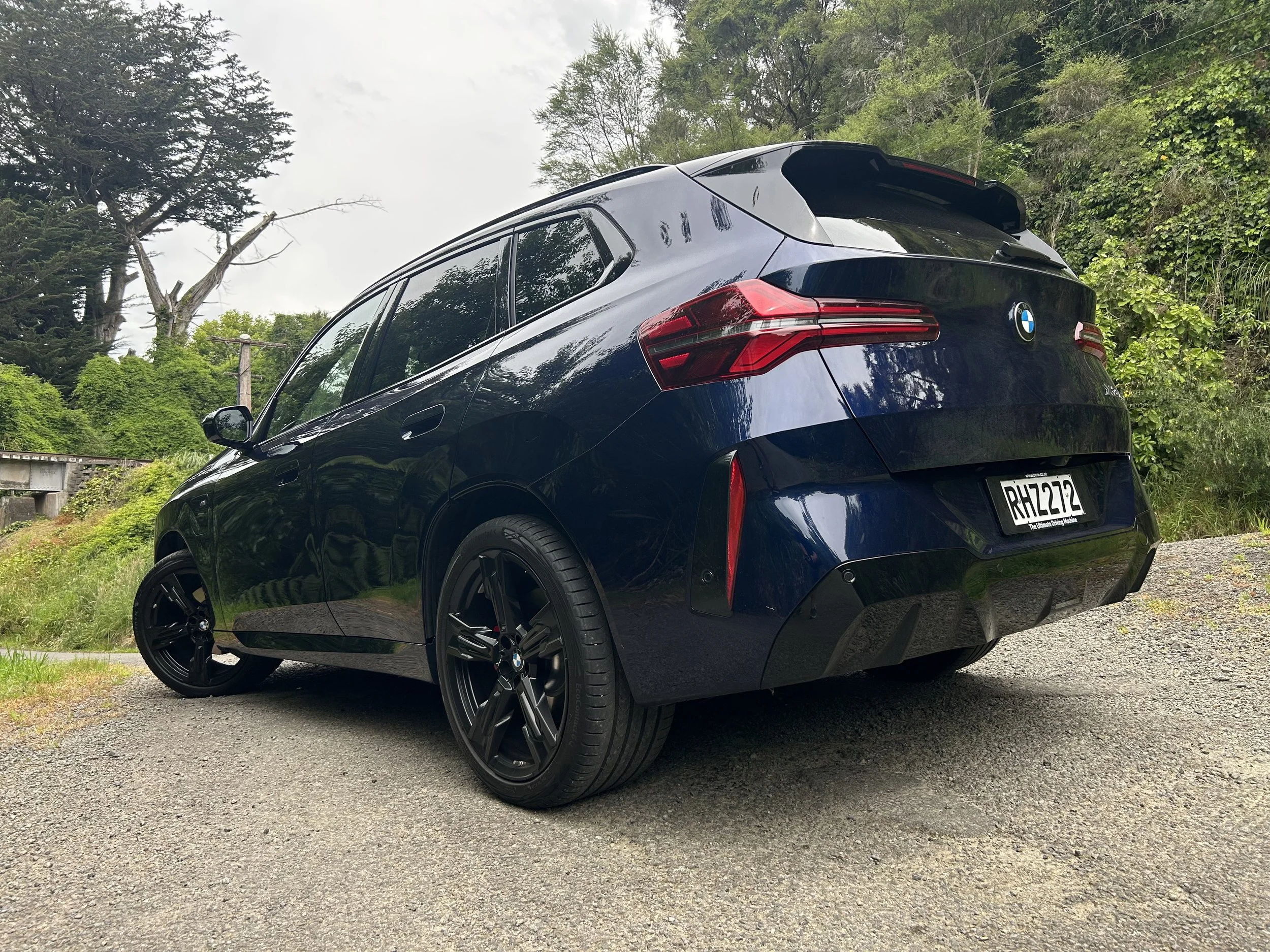
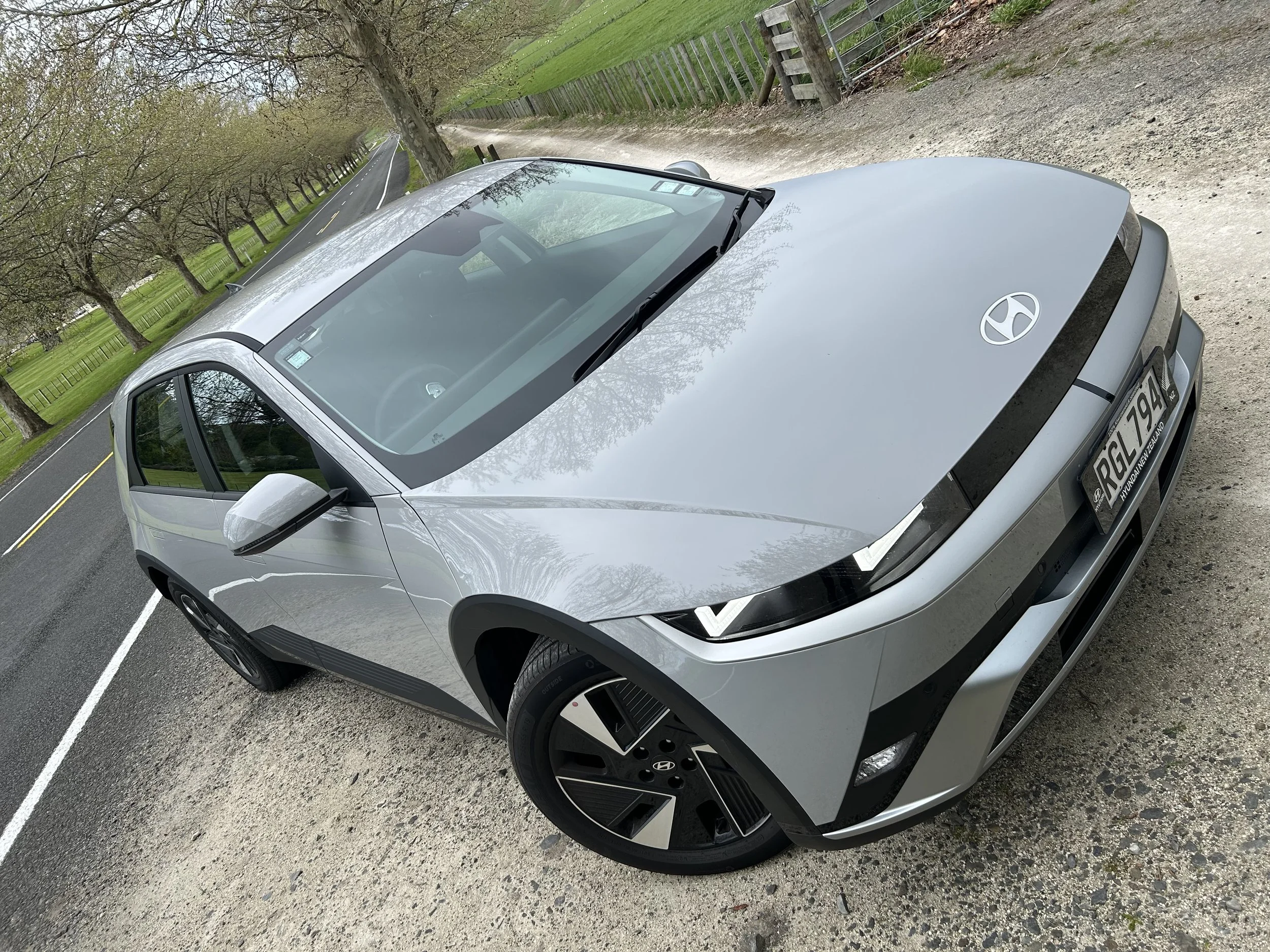
In the here and now, the current hybrid and plug in hybrid fare that meets or improves on the standard comprise seven BMWs, two Hyundais, two Kias, a Range Rover, two Lexus models, four Mercedes, a MINI, a Mitsubishi, a Peugeot, two Porsches, six Toyotas and four Volvos.

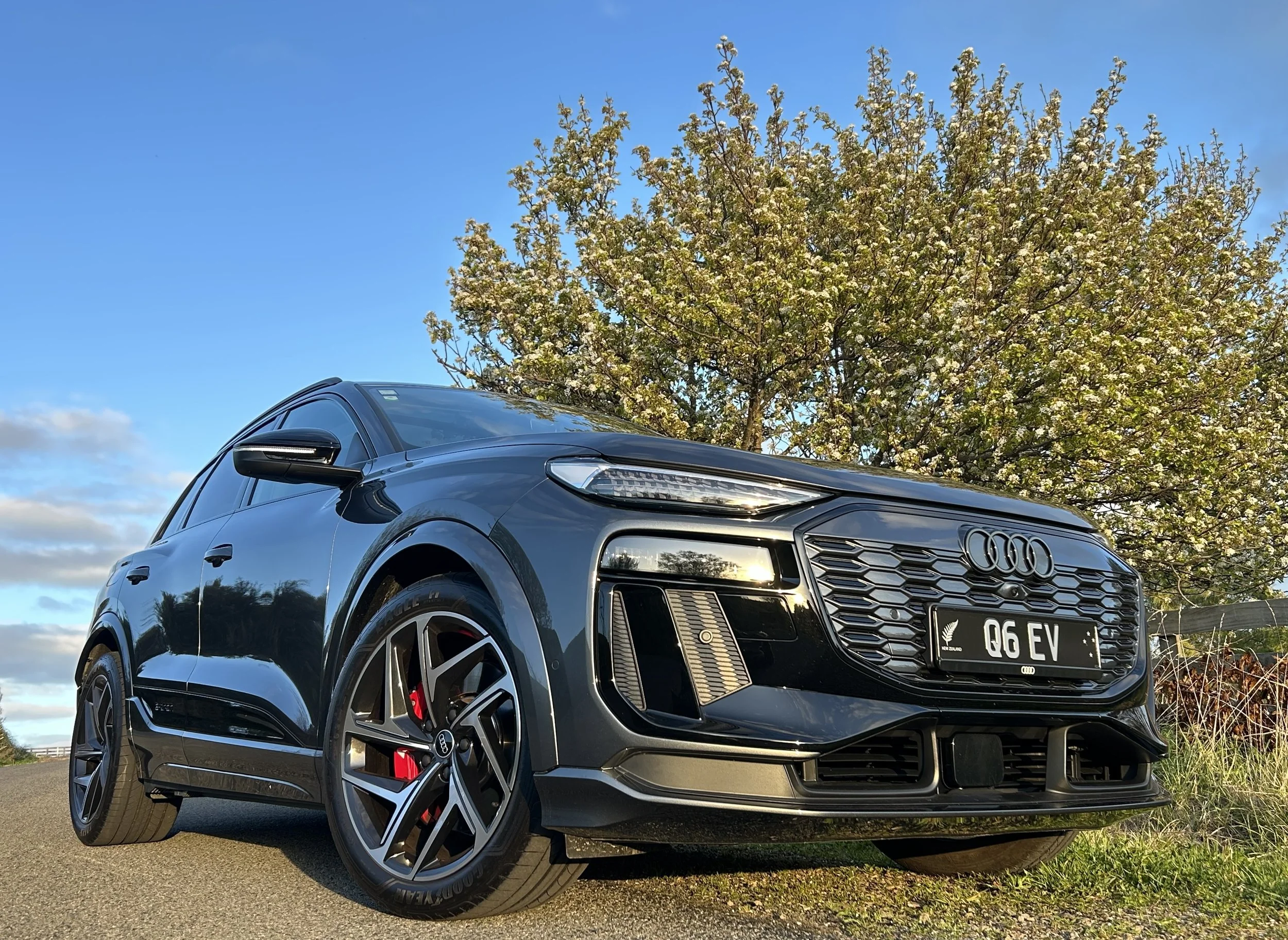
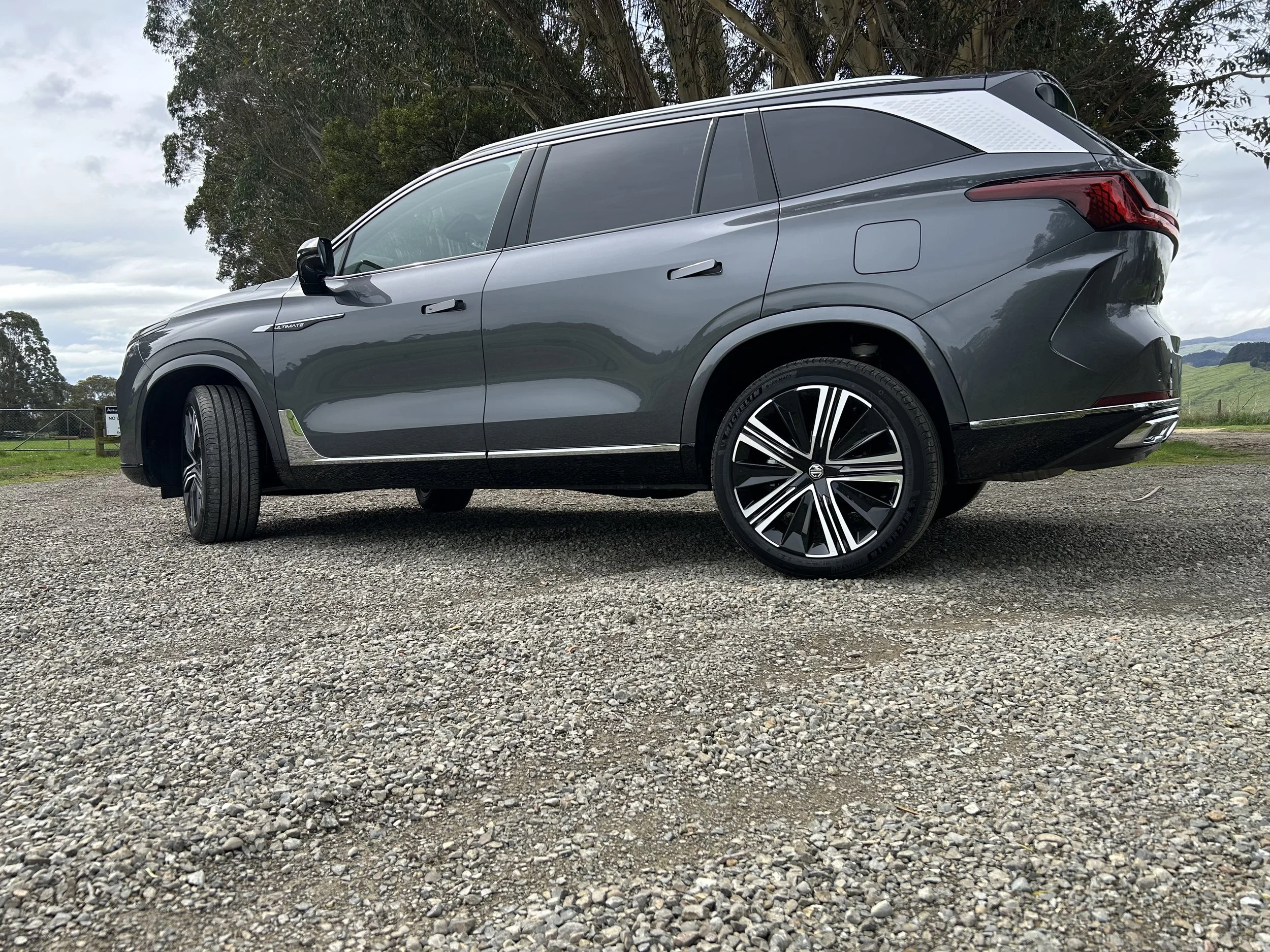
In addition, 14 fully electric passenger models avail here, from Audi, BMW, Hyundai, Jaguar, Kia, Mercedes, MG, MINI, Nissan, Renault and Tesla. One or two examples of the Volkswagen e-Golf might also be unspoken for, though car is not out of production and supply has ended.

The probability of seeing more electrics, PHEVs and hybrids is high – being, then, it already was anyway because, well, you might recall the motoring world is going that way regardless of how much you love your V8s.

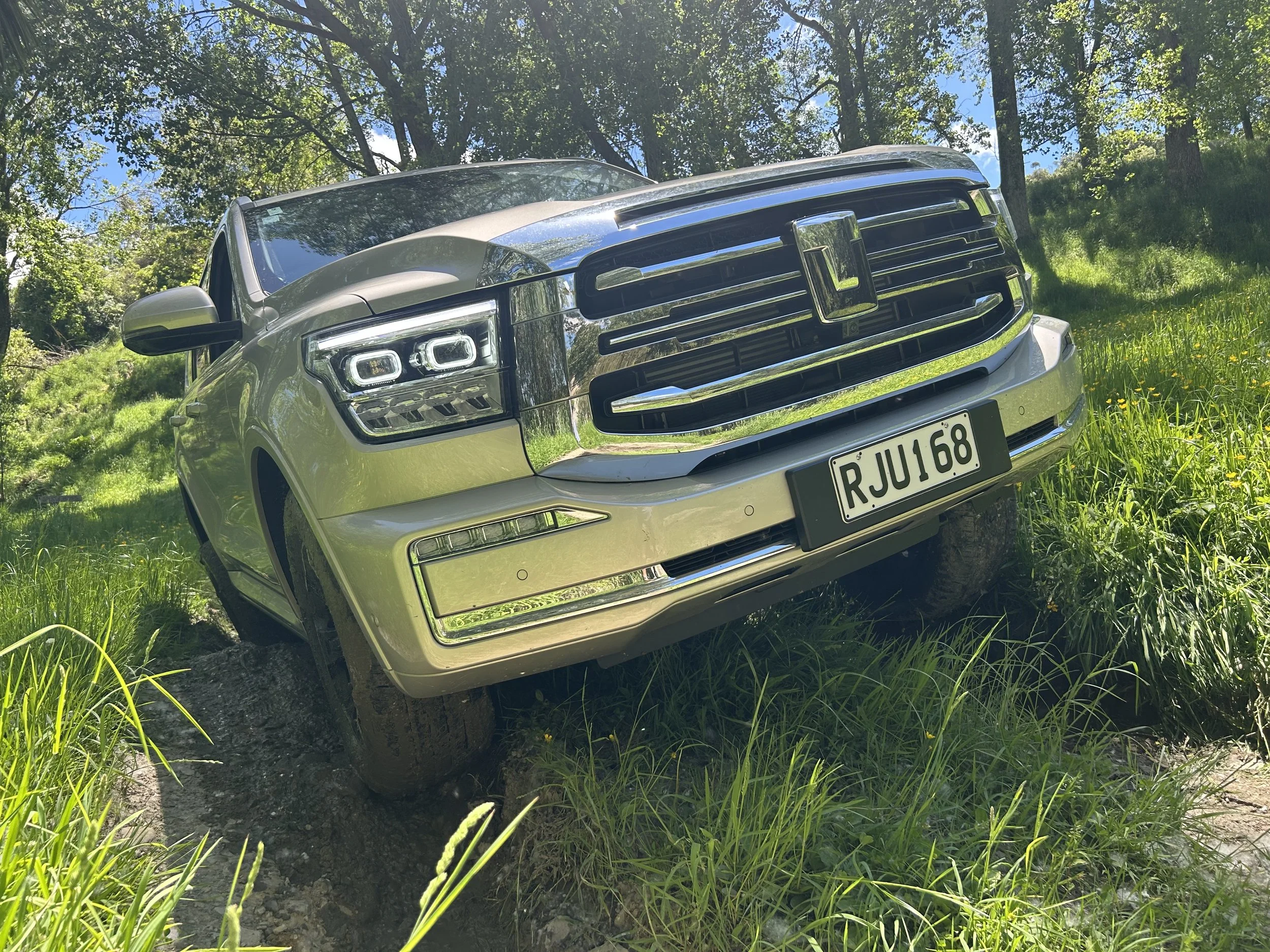
Of course, not all brands have the luxury of being about to take the electric path. Subaru and Suzuki are barely in the game, with just mild hybrid options. No ute here yet has any kind of battery-assisted drivetrain, though a hybrid Toyota Hilux is promised and Mitsubishi has hinted at a battery-assisted powertrain for Triton. Look at Isuzu: It makes a ute and a spin-off SUV. Both rely purely on a diesel engine whose emissions are well about the new mandate.

plug-in hybrid and fully electric technology is an obvious solution to achieving or surpassing the new standard. Many brands are one step ahead … the PHEV Ford Transit is among models intended for NZ introduction.

plug-in hybrid and fully electric technology is an obvious solution to achieving or surpassing the new standard. Many brands are one step ahead … the PHEV Ford Transit is among models intended for NZ introduction.

What habits might we have to change or even quit? A year ago I wrote a backgrounder for a national publication that aimed to give insight into the vehicles that might well become problematic were our country to ever consider the CO2 issue.

That piece pointed out how our huge move toward ute ownership has been detrimental to bringing emissions down. It pointed out, for instance, that a the start of 2020, the Ford Ranger, which at that point had dominated ute sales for five years (and would do the same last year), was both a relative saint and a sinner, in that one engine it ran - the 2.2-litre four-cylinder biturbo, emitted a category best 177g/km - whereas the other, the five-cylinder 3.2-litre single turbo it launched with, evidenced a near class-worst 234.

America's big lugger RAM was also in the black. It’s XL-sized products delivered a 283.8g/km average outcome.

One solace for ute faithful now, as then, is that makes reserved for rich listers top the scale of shame. In the data used for last year’s story, Aston Martin achieved an average of 265.1 g/km, Bentley 274.7, Ferrari 279.8, Lamborghini 305.2 and McLaren 257.3. Rolls-Royce was the worst emitter, with an average of 343.3g/km.

Notwithstanding that some of those makes are now fast-tracking into an electric age, it’s probable more of those cars are going to come under the spotlight. Some might be withdrawn, others will asuuredly become even more expensive as penalties are passed on to the customer.


Clean car standard aired, 2025 deadline

Government’s push to reduce exhaust emissions is met with mixed feeling.

127174GEM.jpg

 RESPONSE from within the motor industry about the ramifications of Government plans to move on its election promises to clean up transport emissions has been swift.

The Motor Industry Association, which represents the interests of new vehicle importers, light vehicle market leader Toyota New Zealand, the Automobile Association – which styles itself as the voice of New Zealand motorists – and Drive Electric, a pressure group pushing for more EVs, have all spoken up since Government today announced the first tranche of measures that it said would help New Zealand's 2050 carbon neutral target.

Already car distributors are arguing that a deadline of 2025 for a clean air emissions standard of just 105 grams per kilometre is too much, too soon. It wants the deadline to be extended to 2030, which is more in line with many other countries.

As is, the ruling could almost certainly make the sale of large capacity, fuel-hungry cars uncompetitive and might also be a hefty challenge to the ongoing availability of one-tonne utilities, a favoured vehicle type, in their current formats as these traditionally operate with diesel engines whose emissions are universally above 200g/km.

Among reported initiatives are something like the "feebate" scheme proposed last year, with Government saying it is considering an incentive to switch to clean cars.

Prime Minister Jacinda Ardern said with transport making up the country's second-highest amount of emissions after agriculture it was "important we reduce emissions from our vehicle fleet", according to a report from Radio New Zealand news.

The report also cited Transport Minister Michael Wood as saying the government had agreed in principle to mandate a lower-emitting biofuel blend across the transport sector.

It has also outlined its plan to only purchase zero emissions public transport buses from 2025, and a $50 million commitment to help councils fully decarbonise the public transport bus fleet by 2035.

Legislation will also be passed this year to introduce a Clean Car Import Standard. 

"The standard will begin next year, with the 105 grams of CO2/km 2025 target being phased in through annual targets that get progressively lower to give importers time to adjust.”

It is understood the terms of this will mean that vehicles with emissions that exceed this will be subject to penalty, likely a tariff, that would likely make those vehicles more expensive to buy.

Those below the line escape this, but do not appear to earn credits, as has occurred in some countries, where similar systems are enacted. Credits are used to encourage transfer to cleaner vehicles, notable those with mains-replenished (as opposed to hybrid) electric drivetrains acting to assist a fossil fuelled engine or completely drive a vehicle.

Car industry data relating to average exhaust emissions by brand suggest just Tesla, for obvious reason, is below the standard proposed by Government. Even Suzuki, which specialises in vehicles with modest capacity engines delivering strong economy, has a fleet-wide CO2 average of 130g/km. 

"The Import Standard will prevent up to 3 million tonnes of emissions by 2040, mean more climate-friendly cars are available, and will give families average lifetime fuel savings of nearly $7000 per vehicle," Mr Wood said.

He said the government was also considering options for an incentive scheme "to help Kiwis make the switch to clean cars", saying that there would be further announcements in the coming months.

The Government proposed a "feebate" scheme last term, but New Zealand First pulled the handbrake on this, following intense backlash from the National Party.

Climate Change Minister James Shaw said these measures were a "good first step", but there would need to be "many more steps taken after this one".

Ms Ardern said the government would finalise its first three carbon budgets later this year, following advice and recommendations from the independent Climate Change Commission.

The MIA’s chief executive, David Crawford, reminded his organisation has long supported “well thought out and constructive policies that will lead to an increased rate in the reduction of CO2 emissions from the light vehicle fleet..” 

In respect to today’s announcement, he said: “We welcome the Government’s commitment to introduce incentives and await more details on how these will work.

“However, while we believe the fuel economy standard is necessary, the speed at which we must reach the average target of 105g/km is the most aggressive and severe in the world. No other country has ever had to face a 40 percent rate of reduction in five years that we now must meet.”

The industry will urge the Government to extend the target date to 2030, a sentiment also expressed by Toyota NZ chief executive Neeraj Lala, who called the target “a tough ask.”

TNZ and luxury affiliate Lexus had a target to reduce tailpipe emissions to 152g CO2/km and 178g CO2/km respectively by 2030. Toyota’s hybrid car sales increased from 1636 in 2017 to 12,210 in 2020 and more hybrid and plug-in hybrid models will be launched this year. The makes’ first electric car, the Lexus UX 300e, is set to launch this year.

Mr Crawford said the 2025 target date “does not allow time for model development, vehicle sourcing arrangements and does not recognise that for many distributors in New Zealand their model choice is tied to the Australian market.

“With no similar policy required in Australia, our market, which represents just 0.018 percent of new vehicle production in any one year, is too small for manufactures to develop models just for us.”

The MIA also wants the rules to be the same for both new and used imported vehicles. The policy at present allows softer penalties for the latter. Mr Crawford believes this “will lead to an increase in older, less safe vehicles entering New Zealand.” 

The AA has also expressed many of the same concerns.

“The proposed emissions target for 2025 is an aspirational target that may not be achievable,” says spokesman Mark Stockdale.  

“We understand the intentions behind it and our members want to see more low-emissions vehicles available here.

“But the risk is that this target could simply result in higher prices for new cars that still don’t meet the emissions standard. That could even result in people holding onto their older, higher emissions car for longer.”

The biofuels mandate appeals. “The emissions standards focus on the approximately 300,000 vehicles entering the fleet every year, but we also need to reduce the emissions from the existing fleet of some 4.6 million vehicles. Biofuels are one way to do that.”

The AA says it supports a feebate which would complement an emissions standard. “Other countries have both an emissions standard and a feebate scheme, and their experience shows that both work to reduce emissions from new vehicles entering the fleet.”

The AA also wants a broader fleet strategy developed by the government and motor industry to devise an action plan to reduce transport emissions and also improve the safety of the fleet.

DriveElectric chair Mark Gilbert says standards proposed for 2025 have already been met in other comparable markets, like the European Union and Japan “and must be achievable here."

“The standard is a useful tool in that it asks importers to look at the portfolio of vehicles they are importing, which should increase low emissions choice across a range of vehicle types and price points. With more EVs coming into New Zealand, this also increases the second-hand market over time. 

“That said, such a standard is really just a first step towards managing a transition away from fossil fuel vehicles and towards no emissions vehicles.”

The organisation believes that to meet New Zealand’s legislated climate ambition, which is to keep global warming within 1.5 degrees Celsius, “our analysis shows we need to aim for at least 250,000 EVs on the roads by 2025, and for this trend to continue through to 2030.”

It argues Government needs to look to announcing a date by which NZ ends the importation of fossil fuel vehicles entirely.

“To support such ambition, we need a joint plan between the Government and industry to ensure we have the right package of policy settings, the necessary investment in charging infrastructure, and coordination among all the players through the EV ecosystem - from the grids, to electricity retailers, to car importers, councils and property developers.

“Policies that need to be considered include incentives, adjustments to fringe benefit taxes and depreciation, and investment to ensure we are ready for more at-home charging and public charging.”


M Division gasses up M5 with CS

The ‘ultimate’ M5 is no longer the Competition.

P90411223_highRes.jpg

TWENTY for the neighbour … how many in ‘our’ driveway?

‘Come back tomorrow.’

That’s the response from BMW New Zealand’s public relations people when asked about the national allocation of the most powerful and fastest accelerating car the German make’s specialist M performance house claims it has ever produced.

The local distributor appears caught on the hop in respect to the M5 CS … an intention to wait until tomorrow (January 28) to deliver the lowdown on the car puts it a day behind the rest of the world.

The model’s global announcement this morning was quickly followed by key markets, Australia including, confirming they will enjoy the new model which, though not a limited count car, is subject to a limited build run, in that it will be available for one model year. 

It’s clear right-hand-drive markets are in line for the car, as Australia is taking 20, these arriving mid-year.

New Zealand’s allocation will likely be fair more modest – somewhere between one and nine would seem a safe bet. Price? Also a guesstimate. Australians are paying the equivalent of $327,000.

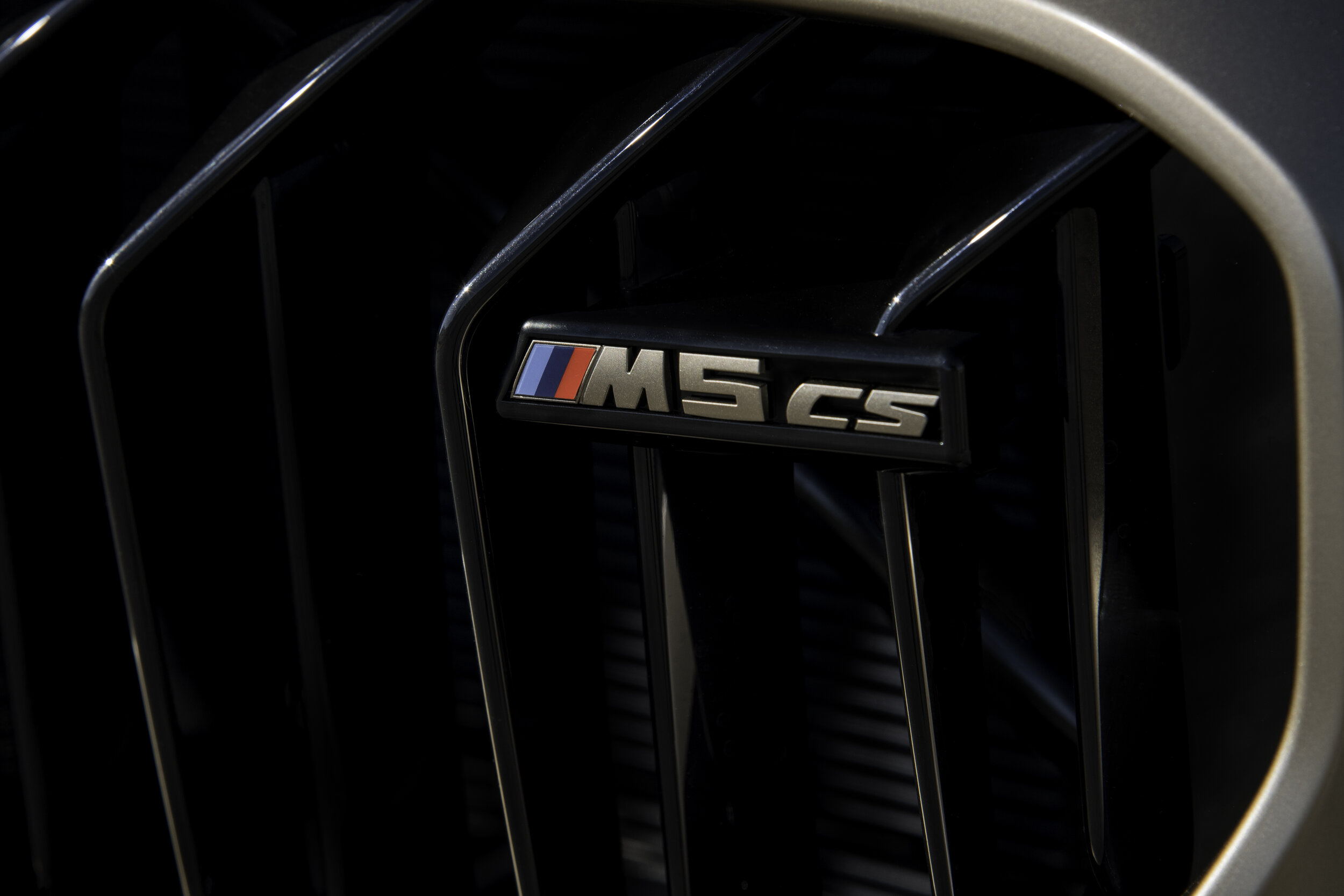
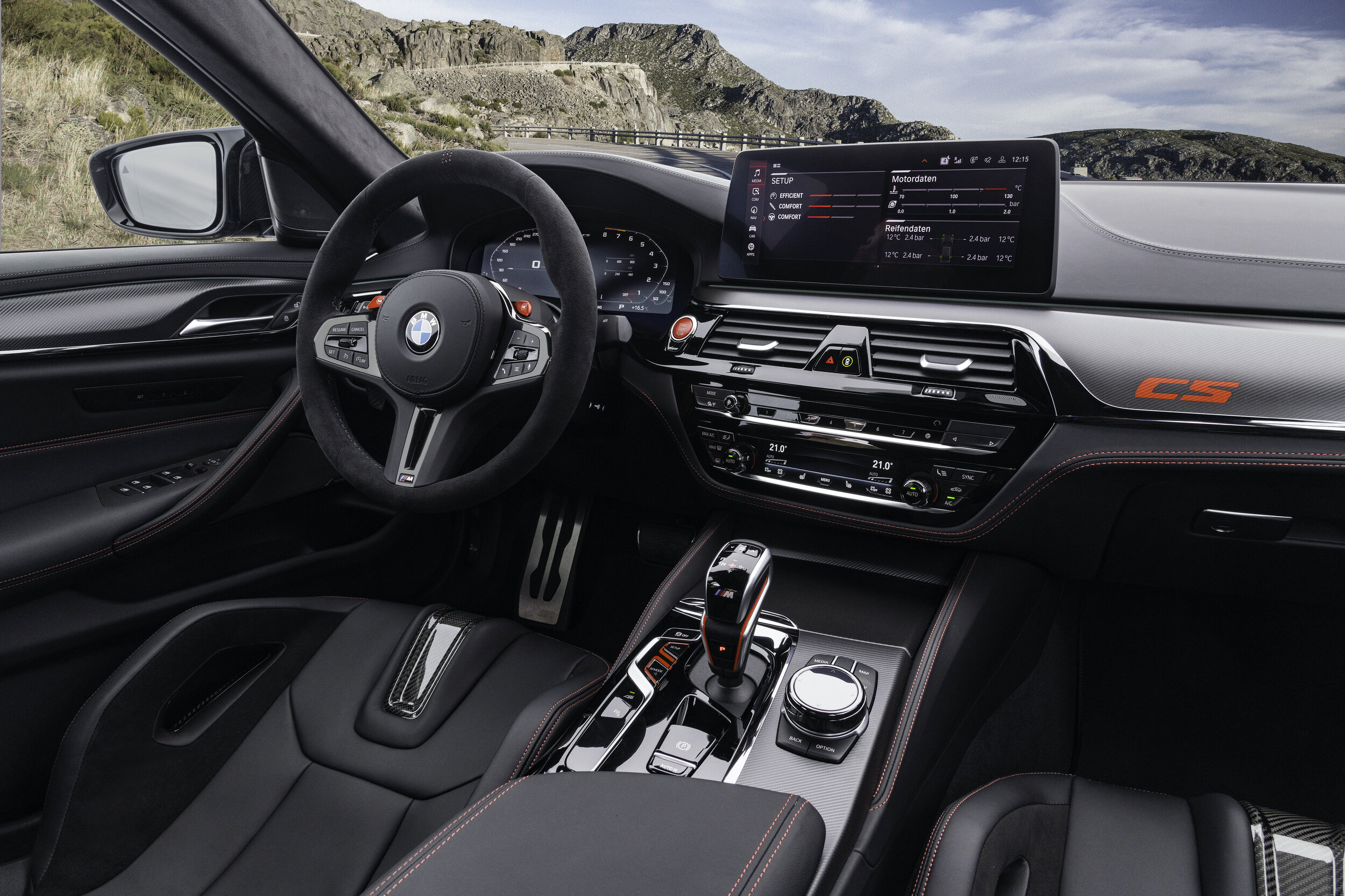
The car’s potential collectability status is high: You’re buying into a similar formula to that set out by previous CS-badged BMWs (M2 CS, M3 CS and M4 CS) and the next step up from the M5 Competition, but with many upgrades, including the most powerful engine in the history of BMW M, to create a sharper, more track-focused package.

P90411231_highRes.jpg

Specific features are a reprogrammed four-wheel drive system, bespoke chassis tuning and a series of lightweight carbonfibre parts that contribute to a 70kg weight reduction over the M5 Competition.

Anyone buying in will likely stick in straight into the pool room, though let’s hope they might follow the brand’s recommendation and divert en route to a motor racing circuit.

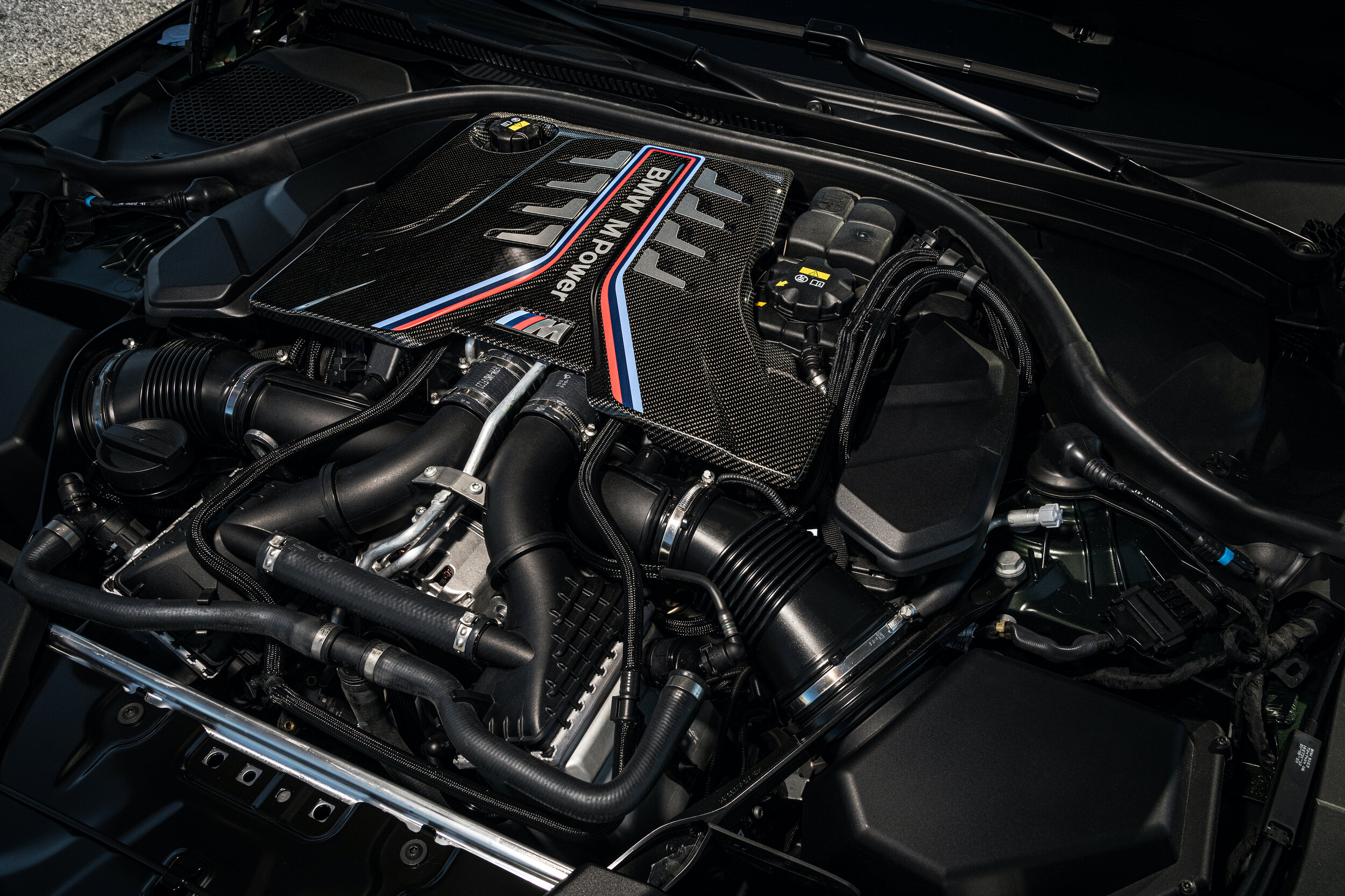
The familiar 4.4-litre twin-turbo V8 has been worked over to output 467kW, with torque rated at 750Nm.

The power is well above that from the standard M5’s 412kW/680Nm, but it’s just a 7kW gain and the same torque loading as that offered by the M5 Competition.

BMW nonetheless attests the car will run to 100kmh from a standing start in three seconds – so, a tenth quicker than the Competition – knock out 0-200kmh in 10.4s and achieve an electronically limited top speed of 306kmh.

So, maybe not a race track but a very long runway if you want to have a chance of seeing the latter.

P90411285_highRes.jpg

The revised M5 CS engine also gains a redesigned oil pan with an additional sump and indirect charge air cooling. Further changes are focused on the engine mounts, which has a spring rating of 900N per millimetre for a more rigid mounting and a smoother transmission of power to each wheel, according to BMW’s performance division. 

The M5 CS’s chassis is described as being based on that of the M5 Competition but with shock absorbers originally developed for another heavy hitter, the M8 Gran Coupe Competition, that reduce the ride height by 7mm.

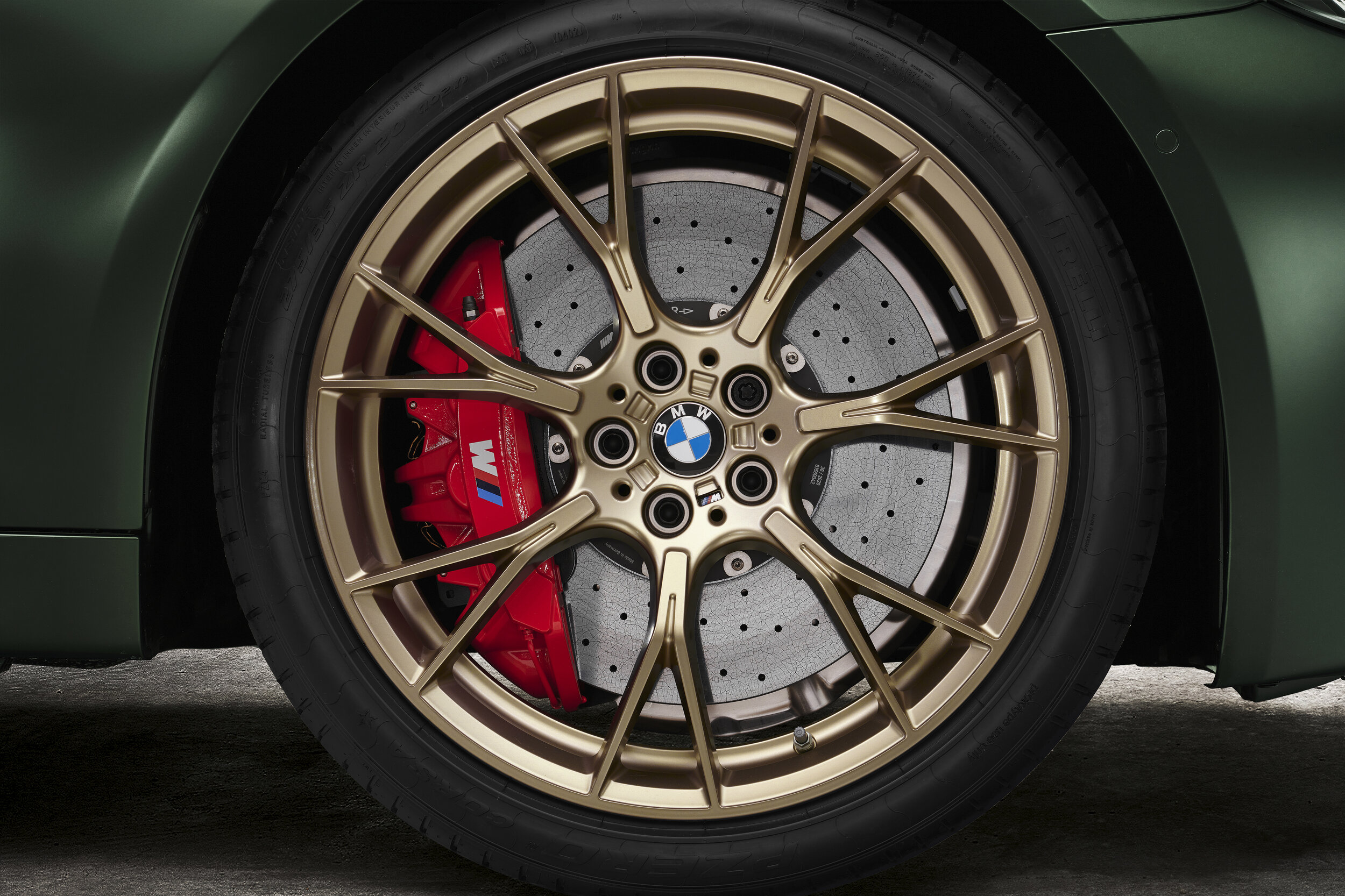
The new dampers are claimed to reduce the fluctuation in wheel loads. In combination with new spring bearings for the damper control measures front and rear, as well as standard-fit 20 inch wheels shod with 275/35 front and 285/35 rear Pirelli P Zero Corsa tyres, they are claimed to greatly improve on-the-limit handling.

The increase in performance has resulted in M carbon-ceramic brakes being fitted as standard. They use six-piston fixed calipers at the front and single-piston floating calipers at the rear and are claimed to weigh 23kg less overall than the steel disc system that comes as standard on the M5 Competition.

Additional weight savings for the M5 CS have been achieved through the adoption of a carbonfibre-reinforced plastic (CFRP) bonnet. The car also uses carbonfibre for the front splitter, mirror caps, rear spoiler and diffuser.

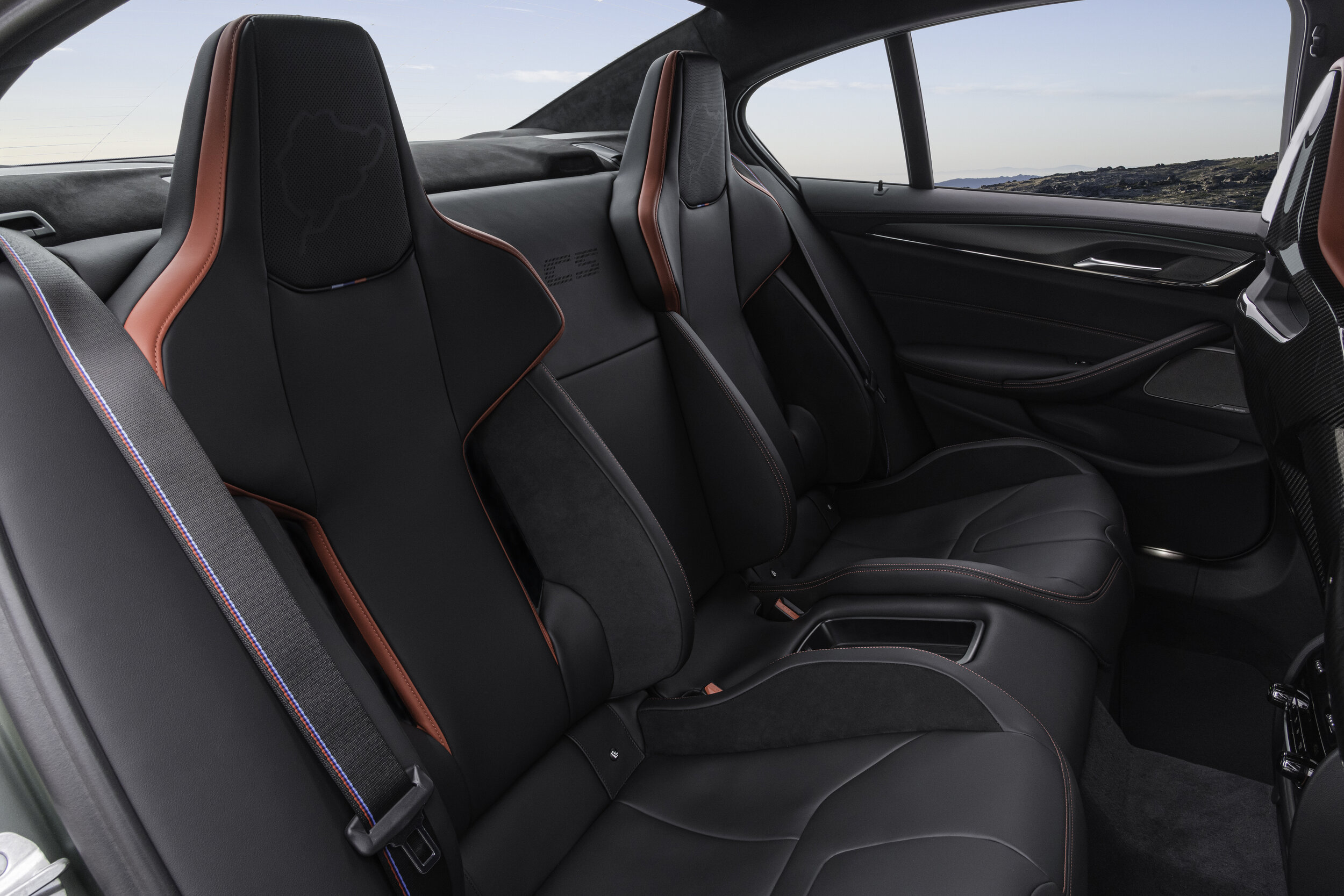
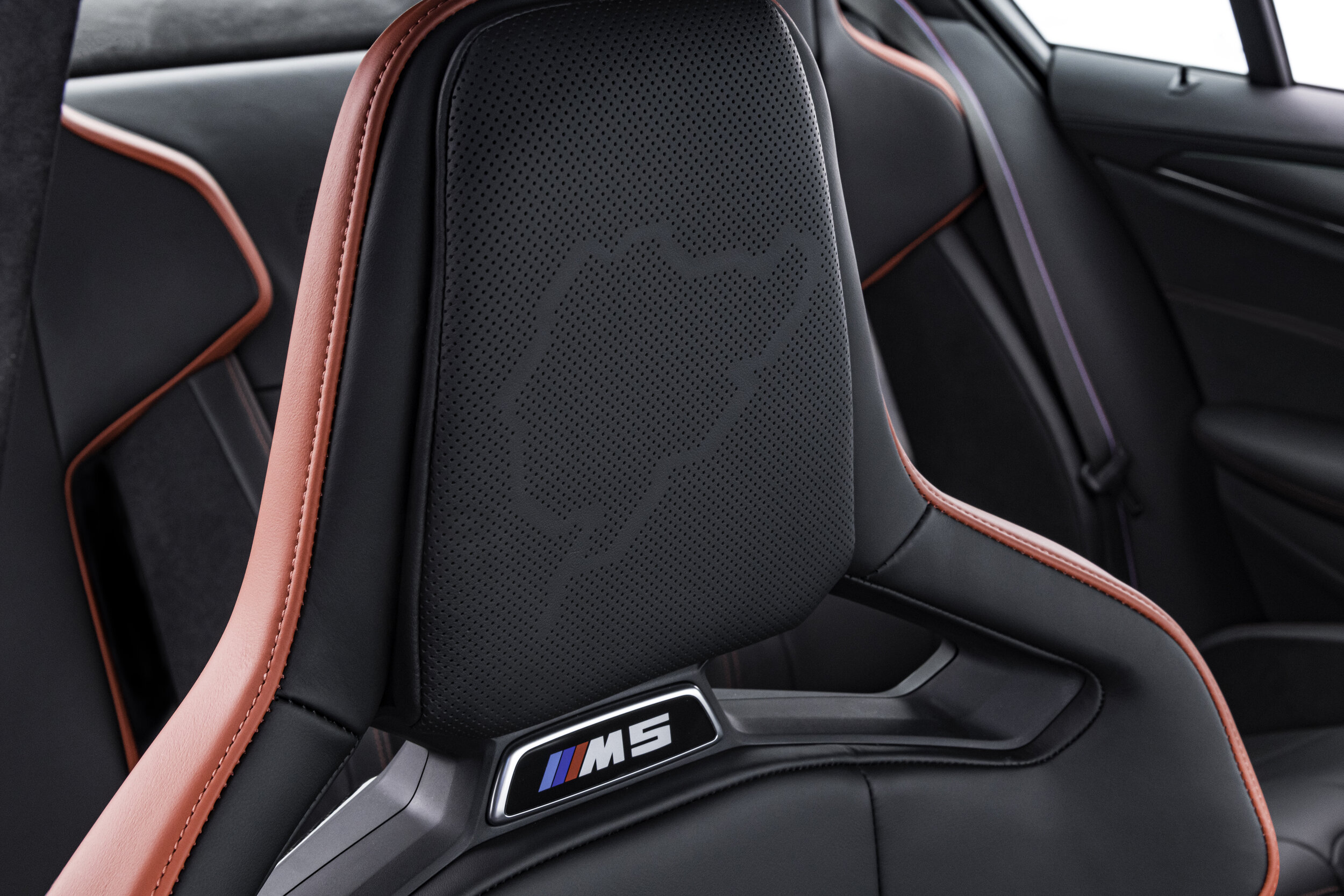
A gold bronze grille and headlights tinged with yellow are also CS specific and the interior also has specific fitouts, notably the rear bench seat being dumped for two individual chairs. The outline of the legendary Nürburgring Nordschleife circuit is displayed on the head restraints. On the front seats, the restraints also have illuminated M5 logos. 


MINI update tweaks trim, tech

The revised editions arrive after June.

P90411649_highRes.jpg

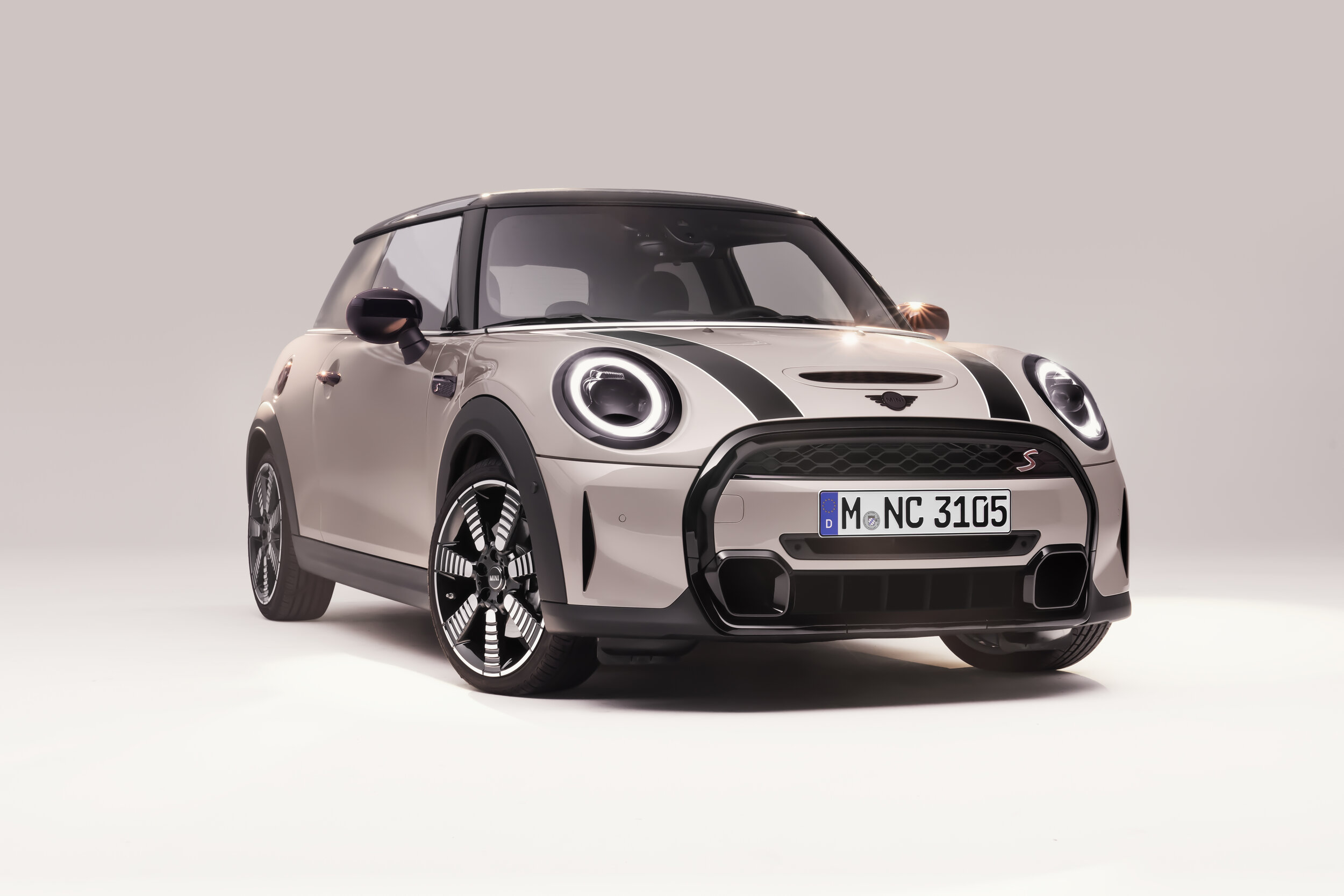
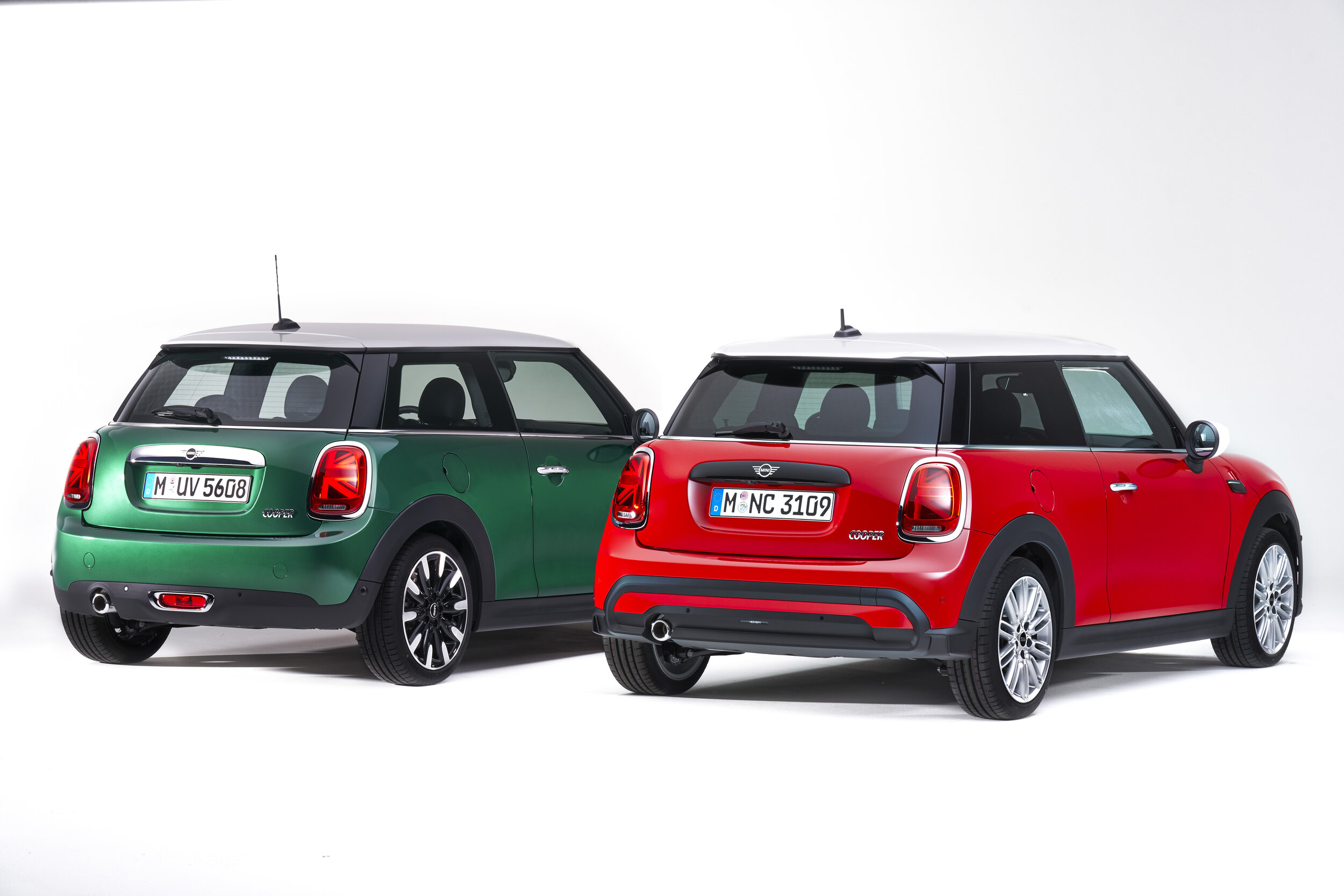
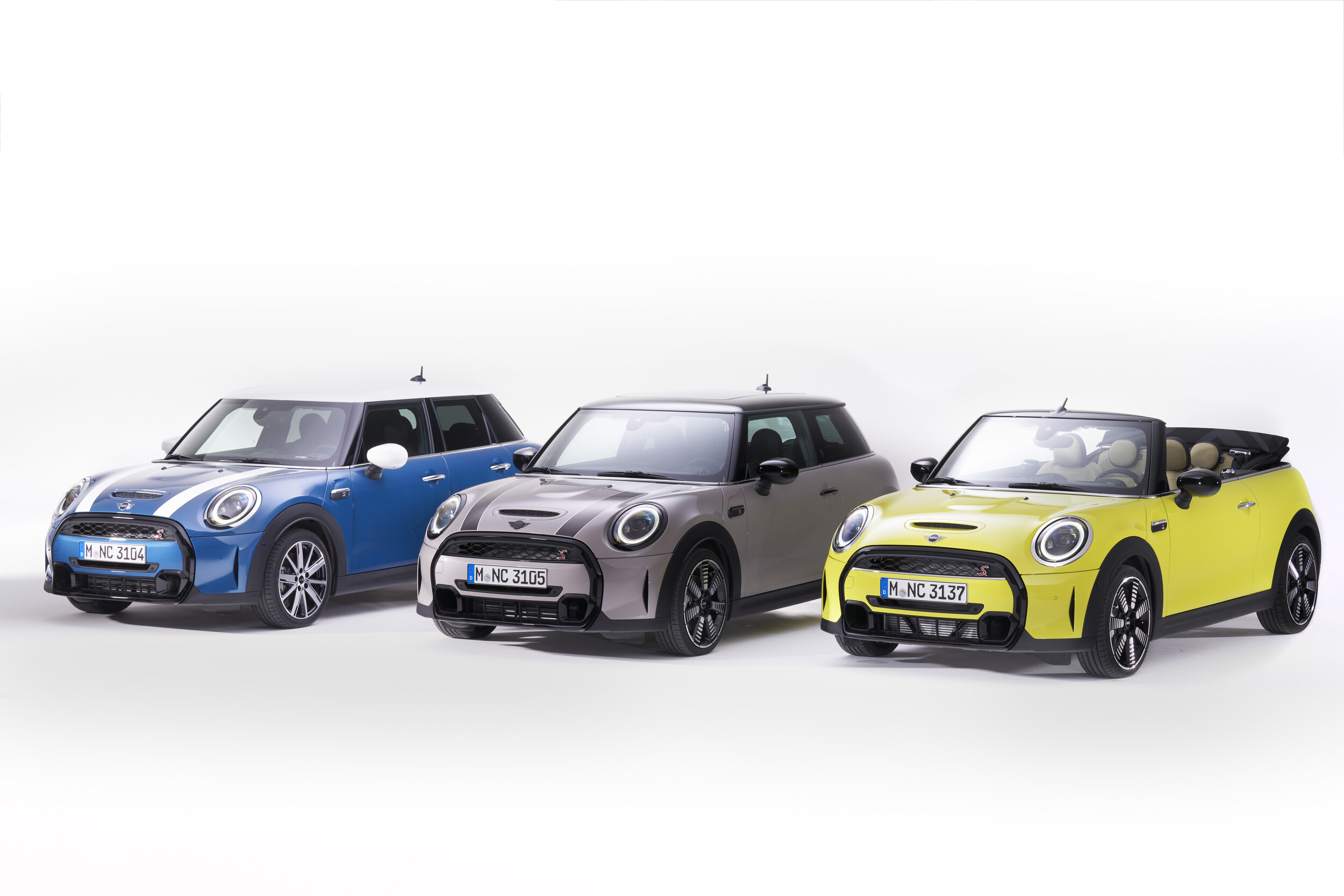
THE MINI hatch and convertible have been revised for 2021, with styling tweaks inside and out, adoption of an adaptive suspension system and a revised infotainment system that allows for phone control of some functionality.

The updated line is set to land in New Zealand in the second half of this year. Local pricing will be revealed closer to launch. 

The most obvious styling change is at the front, where MINI has increased the size of the grille, added a body-coloured strip and new black surround.  

Air inlets have also replaced spot lamps in the lower section of the front bumper, while the inside of the headlights is now finished in black rather than chrome.

Three new exterior finishes, Rooftop Grey, Island Blue and Zesty Yellow are also available.

Also, this update brings introduction of a ‘Multitone Roof’; roofs in certain models feature a colour gradient — one colour at the front gradually fading into another colour for the rear. It’s supposedly a world first.

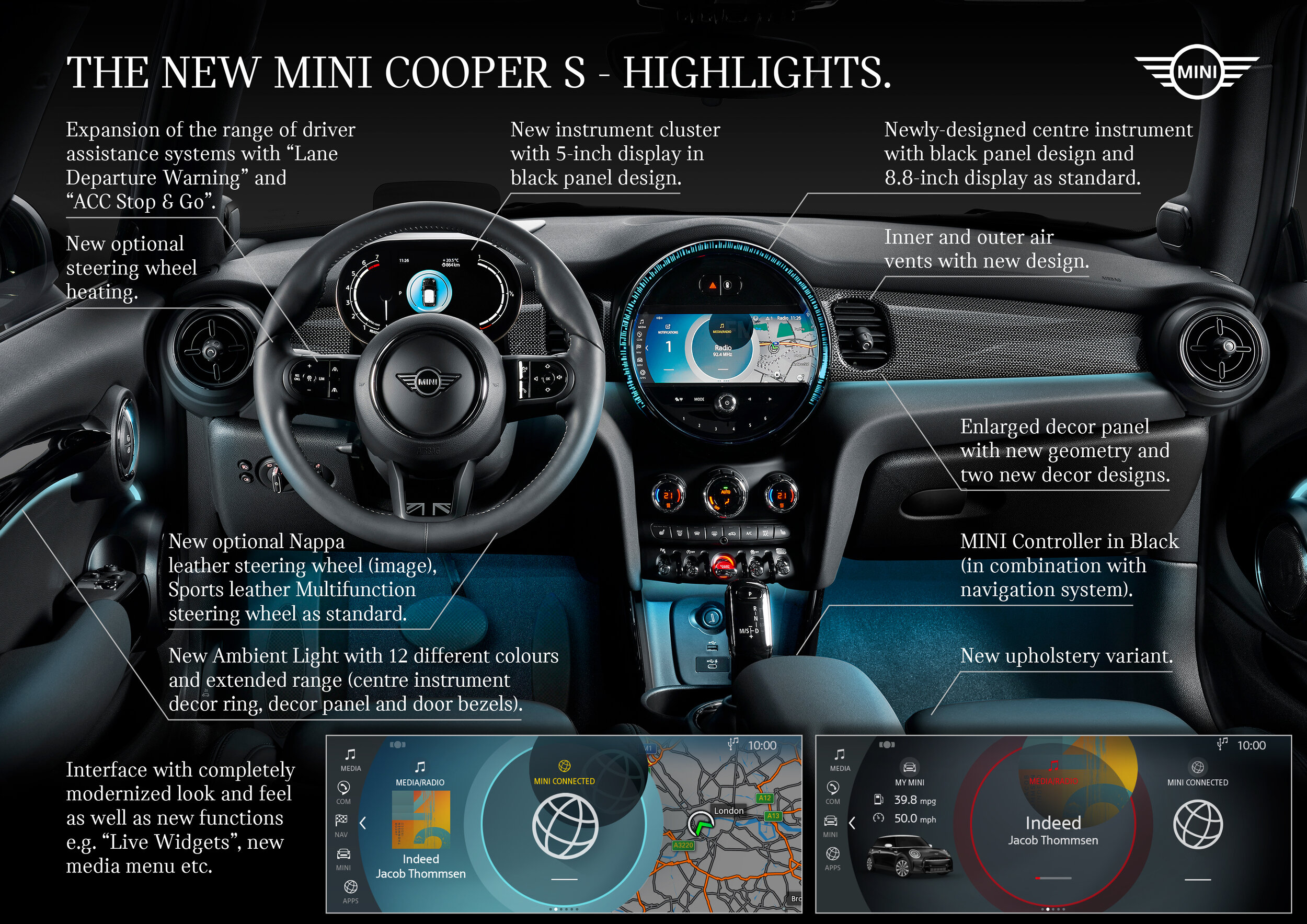
The big interior revision is to the infotainment; the 8.8-inch touch screen is new and the system which now runs a new operating system, which also includes the ability to control various functions with a phone app.

P90411721_highRes.jpg

A new sports steering wheel and a five-inch digital instrument cluster now come as standard across the entire line-up, too. 

Among the performance tweaks is an updated adaptive suspension system in all models except for the electric.

This constantly monitors and adjusts the car’s suspension through the use of continuous frequency-selective damping. MINI says it “redefines the brand’s hallmark go-kart feeling”.

Powertrains are unchanged and local market provisions will continue to comprise 100kW280Nm three-cylinder, a pair of turbocharged four-cylinders - the 141kW/280Nm Cooper S unit and 170kW/320Nm version in the John Cooper Works flagship - plus to the MINI Cooper SE’s 135kW/270Nm electric motor.


More dirt on new Outlander

Video of car undergoing off-road testing reminds that this family model has serious beyond-seal mettle.

210125_Teaser_5.jpg

 ANOTHER teaser has come from Mitsubishi in respect to the next Outlander, a car that has already been spotted in uncovered format.

This time the brand has issued a video showing the new model being put through its paces off-road; the primary objective being to show the abilities delivered by the latest version of the brand’s Super-All Wheel Control all-wheel-drive system.

The maker promises the latest generation of the S-AWC provides “driver confidence and security in all weather and road conditions.”

The movie follows last month’s release of photographs hinting at the car’s design – images that, unfortunately for Mitsubishi, were issued several days after a Japanese web site shared photos of the model without any of the camouflage it wears in the video.

Knowing that the car’s cover has been blown has apparently not dissuaded Mitsubishi Japan from continuing with a pre-release media campaign that culminates with the car’s global unveiling, timed for midday NZT on February 17.

The current Outlander sells mainly as a family on-road runabout but the gist of information released by the brand seems to suggest restricting to that role will be selling the new one seriously short.

The make says the video reminds that the incoming car has “serious” off-road abilities. It says the S-AWC’s final calibrations were developed in severe weather and road conditions. So Outlander is now actually more like an Outback?

Apparently so. It also reinforces that this Outlander’s development is affected by a knowledge base proven over years of competitions in the deserts of Dakar and on the slippery dirt-covered and snow-packed roads of the world’s rally circuits.

According to Mitsubishi: “ … the all-new Outlander builds on a heritage forged by the Pajero/ Pajero Sport cross-country SUV.”

Screen Shot 2020-12-11 at 1.13.24 PM.png

It says engineers focused on building a crossover SUV that embodies the Mitsubishi Motors DNA and the product concept “I-Fu-Do-Do”, which means authentic and majestic. The all-new Outlander is set to deliver the highest level of maneuverability and superb driving performance.

“We took everything we know about on- and off-road driving from the rally experiences to apply the latest Super All-Wheel Control technology in our newly developed platform,” says Kentaro Honda, the lead engineer for the car.

“We also specifically developed a new drive mode selector to provide confident driving at all times and in all weather conditions. We hope that many customers will have great experiences with the enhanced driving performance of the all-new Outlander.” 

210125_Teaser_1.jpg
210125_Teaser_4.jpg


New Grand Cherokee purely petrol

Gone are the days of the diesel-powered big Jeep wagon.

JP021_080GC.jpg

 PURELY petrol power, ultimately with hybrid assistance – but no diesel. 

That’s the drivetrain story for the next generation of Jeep’s Grand Cherokee.

 The brand’s global boss has related this to media in Australia during a briefing in which Christian Meunier also said the new model will be in this neighbourhood around August.

 It’s initially in the seven-seat Grand Cherokee L format that the brand unveiled on January 7 but followed in time by a smaller version replicating the current five-chair formula.

The only engine that will avail for some time is the carryover 3.6-litre 'Pentastar' petrol V6, which in US-spec guise is good for 216kW of power and 350Nm of torque.

A plug-in hybrid Grand Cherokee '4xe' offering a boost of torque via electric assistance is due in 2022, although details of that driveline are yet to be confirmed by Jeep.

And rumours persist that Jeep will still format future product in V8 petrol SRT form. 

But the days of drawing from the dark side of the forecourt are over.

The current 3.0-litre diesel V6, sourced from VM Motori and making 184kW/ 570Nm, won’t continue on – a blow, undoubtedly, to NZ customers, who heavily favoured it unless they were buying into the SRT formula.

Meunier told Aussie media Jeep is hellbent on becoming a market leader in electrified SUVs – a comment that very much suggests that where Grand Cherokee is going, all other products that presently offer with diesel might also be expected to follow.

 He asserts customers will love having a Grand Cherokee without compression ignition, saying the incoming engines will continue the tradition of providing plenty of power and that the hybrid will be good at towing.

JP021_151GC.jpg

“Towing is core to Jeep, so we wouldn’t compromise on it; we’ve tested Wrangler and Grand Cherokee 4XE. Towing is at least as good as with an ICE engine,” Australian website Practical Motoring reports him as saying. 

He enforces electrification is not just about lowering emissions.  

“With electrification on products like Wrangler and Grand Cherokee, we’re able to deliver more capability off-road, more fun to drive, strong towing capacity, strong torque, and eco-friendly technology. So we believe that’s the perfect world for Jeep. 

“To also be able to drive on electric-only for commuting is hell of an experience and we strongly believe in it. So we’re very, very committed to electrification.” 

Jeep is not alone in placing hybrid, and specifically plug-in hybrid tech, to the large SUV and off-road segments. Range Rover has had a PHEV model in the market for more than a year. Also, the replacement for Toyota’s venerable Land Cruiser 200 Series is dropping V8 turbodiesel oomph for petrol V6 and petrol V6 hybrid drivetrains.  

The Jeep announcement ends a week that began with the official completion of the merger of Fiat Chrysler and PSA, into a 14-brand Stellantis supergroup.

The repercussion, if any, on distributor agreements in New Zealand for the Stellantis brands that come here has not been explained.

Ateco Group - which represents Jeep, Chrysler, Fiat, Alfa Romeo and RAM – and Autodistributors NZ (which has Peugeot, DS and Citroen) – have been silent on the matter.


New Zoe soon, high five for likely replacement

Renault here has confirmed intent to keep its small electric car in circulation and is also looking forward to what’s coming next.

it’s still a concept and perhaps four years out from production, but the reborn 5 is already being cited as a replacement for he current Zoe electric car. It’s certainly excited Renault’s national distributor.

it’s still a concept and perhaps four years out from production, but the reborn 5 is already being cited as a replacement for he current Zoe electric car. It’s certainly excited Renault’s national distributor.

INTENT to maintain electric vehicle scene connection has driven Renault here to sign up for a new version of its Zoe small hatch and also look into achieving that car’s ultimate replacement – a battery-compelled rebirth of one the make’s most iconic past products.

Renault New Zealand will release the new Zoe in the first half of this year, local brand spokeswoman Kimberley Waters.

 In confirming commitment to the refresh of Europe’s best-selling electric car, which holds a recommended retail of $59,990 in current format, Waters has also signalled there’s high local interest in plugging into the make’s future electric products.

One that has raised particular interest is a concept that revives the spirit and shape of the iconic Renault 5 small hatchback.

Determination to return the famous 5 to the roadscape was recently expressed by Renault’s new chief executive, Luca De Meo, when he outlined a multi-year plan designed to both wipe away last year's colossal $NZ11.8-billion loss, and also turn the Renault and Dacia brands to new, electrified, futures.

“As the market leader for EVs in Europe, we welcome the news that Renault is developing more EV choices for consumers,” said Waters in response to De Meo’s punningly-described 'Renaulution' strategy.

“Should the Renault 5-inspired EV become available to our market we will engage in conversations with (the) factory with the aim of adding it to our vehicle range.”

the updated zoe will be here soon.

the updated zoe will be here soon.

Meanwhile, Renault NZ has yet to provision any specific detail in respect to plans for the updated Zoe, which announced in Europe last year.

The car looks barely changed from the outside, but Renault has made extensive alterations under the skin and within the cabin.

The revised model has a 50kWh battery pack, which has a rated range of 395 kilometres, according to Rewnault, or 390km according to the tougher WLTP testing cycle. Previously, the top-spec Zoe had a 41kWh battery and a claimed range of 300km.

 The charging system has also been upgraded, and is now compatible with 50kW DC chargers, as well as Type-2 and Chameleon AC systems up to 22kW.

Two motors are available in Europe, a base 80kW/225Nm R110, and the more powerful 100kW/245Nm R135, which is capable of 0-100km/h in under 10 seconds and a top speed of 140kmh. Detail of what NZ is getting has not been shared. The current car has a 68kW/226Nm unit.

The Zoe's single-speed transmission now includes a B-mode, which begins engine braking the moment the driver lifts off the accelerator pedal.

The front end features a more sharply creased bonnet, reshaped headlight units with C-shaped LED driving lights, and a new front fascia with a studded lower air intake and some vent-like apertures surrounding the fog lights.

The interior has been given a far more comprehensive overhaul with a new dashboard boasting a more modern design and higher quality soft-touch materials, both seemingly inspired by the latest Clio small hatch.

A customisable 10.0-inch instrumentation display is standard. In the centre of the dashboard is a 9.3-inch curved touchscreen infotainment compatible with Apple CarPlay and Android Auto.

Via a smartphone app, drivers can plan out their driving route for the day, find the nearest charging stations, get range estimates, remotely manage the Zoe's charging, and send an itinerary to the car's infotainment system.

The interior is available with seat and dashboard fabric made from recycled PET bottles. 

Overseas media are speculating that the car will remain in production for three to four more years, then be replaced by the electric 5 concept that took centre stage during the presentation.

Renault5Prototype9hr0014012021(10).jpg

Renault has hinted strongly that the new 5 will enter the world’s showrooms in 2025, as an opus of a product revitalisation strategy that will happen in three stages.

The initial phase, called Resurrection, runs from now until 2023 and basically involves Renault shoring up its shattered finances.

In concert with that, up till 2025, there will be a Renovation phase, which will focus on new models, especially those powered by batteries.  

Finally, from 2025 onwards, there will be a Revolution phase, which will, in De Meo's words, "pivot the business model to tech, energy and mobility."

By 2025, 14 new models will be launched, and seven of those will be fully electric.  

Renault will drop diesel power from its passenger car lineup, and replace it with hybrid or plug-in hybrid models. A diesel engine will still be developed, but it will only be used in commercial vehicles. Renault also wants to push forward into hydrogen fuel cell development for its larger vans and heavy trucks.  

The electric 5 is expected to be present as an excitement car within this process, but is also fully anticipated to replace the current Zoe. 

Designed under a team lead by former Peugeot head of design Gilles Vidal, it will likely use the new CMF-EV chassis, but it may also carry-over the existing Zoe chassis in order to keep development, and purchase, costs down.

Thought is that it will probably mirror its circa-50kWh battery capacity and 400km range).

Overseas’ media have reminded that De Meo has experience of just how important a retro-style 'icon' car can be to a car company - he held a senior position at Fiat when, in 2007, the renewed 500 small car effectively saved the day.

Renault5Prototype9hr0014012021(11).jpg

Overseas commentators who have examined the Five concept have expressed hope the car’s chic details will make it through to production.

With the study, the charging socket is hidden under a replica of the original 5s bonnet vent; the French tricolors represent in the wing mirrors; the 'Renault' logo on the front airdam lights up and the clusters of LED lights mimic the shape of the original car’s headlights.

Renault has been dropping strong hints that it may revive the original Renault 4 in electric form, as a larger, more practical, and slightly more utilitarian sister car to the new 5.


NZ quick to plug into rear-drive Taycan

New model will launch in March; $30k cheaper than current entry variant

Taycan skid.jpg

ACCEPTING a Porsche Taycan in a rear-drive format has potential to bring a $30,000 saving on the previous entry edition.

The drivetrain layout, which debuted last June but was then restricted to cars sold in China, has been touted internationally as a pathway to presenting the car in a more cost-effective format.

That strategy expresses coherently here, where the drivetrain represents in a new entry configuration, simply called Taycan.

In kicking in at $173,900, this model presents a $30,000 saving over the least costly edition at the moment, the 4S that released last June.

Other versions of Taycan sold in NZ are the Turbo and Turbo S for $289,900 and $366,900. These remain purely with all-wheel-drive.

The new derivative is set to arrive in March, a timeframe that suggest NZ could stand as just the second right-hand-drive market after the United Kingdom.  

P21_0056_a5_rgb.jpg

Delivery to Australia has yet to be confirmed, but media there are suggesting it might not occur until year-end, with Porsche there concentrating on settling in the all-wheel-drive variants that have just gone on sale there. 

The rear-drive configuration is as per the China market models. The car features a single electric motor on the rear axle, and offering a choice of two lithium-ion batteries: the 79.2kWh 'base' Performance Battery, and the 93.4kWh Performance Battery Plus. 

Power is rated at 240kW with the smaller battery, with an onboard overboost mode activated through Launch Control upping the output to 300kW – on par with the quoted Chinese figure.

With the larger 93.4kWh pack, outputs increase to 280kW without overboost and to 350kW with it.

Porsche claims range figures on Europe's WLTP test cycle of 431km and 484km for the 79.2kWh and 93.4kWh packs respectively – the latter figure the highest range offered by any Taycan model to date.

The 800-volt electrical architecture offered by higher grade models carries over to the new entry model, with maximum DC fast-charging rates pegged at 225kW and 270kW for the small and large batteries respectively. 

Regardless of battery choice, the rear-drive knocks off 0-100kmh in in 5.4 seconds, towards a top speed of 230kmh. The two-speed rear-axle transmission fitted to all-paw Taycans is standard on the new model.

Core elements of the Taycan cockpit design remain unaltered in the not-so-pauper entry car, including a large curved digital instrument cluster and a central 10.9-inch infotainment touchscreen. Eight-way power-adjustable front 'comfort' seats trimmed in part-leather are standard.

The rear-wheel-drive variant, in pre-production guise, was the model selected to break the record for the world's longest continuous electric vehicle drift, with 210 laps around a 200-metre skidpad – so, 42.1km clocked - recorded in late November, 2020. It was only stopped by an exhausted battery.

P21_0050_a4_rgb.jpg


Trophy added to Megane RS cabinet

The highest-performance edition of Renault’s hot hatch has finally reached New Zealand.

2020 - New Renault MEGANE R.S. Trophy.jpg

MODEST sales volume but massive for brand awareness – that factor thankfully keeps Renault’s Megane RS hot hatch off the endangered list.

The brand’s New Zealand distributor is quite open about this being the variant that contributes least to keeping the local outfit’s lights on, in that it really delivers a very light volume. 

On the other hand, it’s quite potentially the car that does the best job of turning attention toward this make. 

The attention-grabbing status surely elevates all the more now they’ve secured the Trophy version, the least tamed of the three levels of specification for the model. 

It has the hottest engine, the sportiest chassis, the stickiest tyres and the best brakes. Oh yes, and the most interesting exhaust note. 

The most-wanted edition is also the one that has taken an extraordinary long time to get here; it’s been in production since 2018.

There’s no explanation from Renault NZ as to why it’s just turned up now, but in all likelihood that won’t have diluted the desirability factor. 

The delay means we achieve versions with update features introduced for 2021. These include new LED headlights, altered upholstery hues, a new 9-inch portrait touchscreen and a 10-inch ‘virtual cockpit’ style digital binnacle. The Bose audio is improved and it has the latest version of Renault’s ‘Easy Link’ infotainment interface.

Trophy also has some styling enhancements to set it aside from the other RS editions, including bespoke 19-inch alloys that are lighter than standard, and it also comes with the option of racetrack-ready Recaro sports seats that are trimmed in Alcantara and can be set 20mm lower than the chairs in the other models. 

The big pull is the engine. It’s essentially the same turbocharged 1.8-litre petrol unit as the rest of the line-up, but output is upped by 15kW and 30Nm, to 220kW/420Nm. The later torque is for the dual-clutch auto model - the manual makes do with less.

Aiding responsiveness is a new bearing for the turbocharger, made from ceramic instead of steel, while the exhaust itself gets a two-mode valve in the rear silencer that can reduce back pressure and enhance the sound.

 The Megane RS Trophy's chassis is based on that of the Cup model, so it features a Torsen mechanical limited slip differential, firmer dampers, firmer springs and stiffer anti-roll bars. It has 4Control four-wheel steering, too.

Last, but certainly not least, the Trophy's front brake discs are new bi-material items measuring 355mm in diameter. These reduce 'unsprung' mass by a considerable 1.8kg per wheel, but they're also said to enhance heat dissipation, reducing the chance of brake fade when pushed to the limits on track.

Pricing? It’s $65,990 for the manual while the EDC dual-clutch auto arrives from $68,990. That compares to $59,990 for the base Megane RS 280.

The Recaro front seats cost $2900, you can also add in a sunroof for $1900.

No-one is saying anything officially, but this could be the last of the breed, for two reasons.

First Renault is looking increasingly at divesting pure fossil-fuelled powertrains for electric-assisted inclusions. They’ve already done this with the mainstream Megane, with a model touting an E-Tech plug-in system based around a naturally-aspirated 1.6-litre petrol engine that uses two electric motors.  

Renault claims a 48km driving range on electric power when you fully charge the 9.8kWh battery pack. 

There’s no talk of the current RS going to electric assistance, but there is potential the hatch part of the equation might yet head into history, with increasingly strong signals that the next-gen Megane will become a wholly battery-compelled crossover.

That proposal has been previewed by a low-slung SUV styling study, revealed last year, using a 60kWh battery and a 160kW electric motor with 300Nm of torque.


Modest price hit for Navara refresh

It’s more than just a fresh face, but the biggest single increase appears to be $1300.

NAVARA-Pro4xstatic(20).JPG.jpg

ENHANCING the safety spec, improving refinement, delivering a restyling and introducing of a new flagship model have hardly impacted on Nissan Navara pricing.

In advance of delivering the facelifted model line, Nissan New Zealand has sent out RRPs to its dealers and it appears to be a good news story.

The biggest increase seems to be a $1300 hit, for the ST doublecab automatic four-wheel-drive.

Many other derivatives go up by much less – in one case by a mere $300 – and in two instances, the stickers have reduced.

The ST four-wheel-drive auto doublecab is down $1100 and the range’s new flagship, the Pro-4X (pictured), at $70,400 in automatic form is $6200 cheaper than the top dog of the outgoing range, the N-Trek.

Whether the Pro-4X replaces the latter is still a matter for conjecture; it’s a factory flagship that might yet become a base for a new N-Trek (a package created in Australia for Nissan by a third party developer).

The updated line comprises five rear-drive models and 11 editions with on-demand four-wheel-drive, all with a 2.3-litre four-cylinder twin turbo diesel engine.

The 2021 lineup presents the first big facelift for the ute and introduces five years into its life cycle.

Not everything changes. The engine continues to make 140kW and 450Nm and remains wed to the existing seven-speed auto. Suspension tune is not touched. Towing capacity remains capped at 3500kg but Nissan has indicated improved payload, with up to 1.1-tonnes of carrying capacity in the Pro-4X and up to 1.2 tonnes on workhorse models.  

However, it’s not challenging to pick the new from the old.

The biggest obvious visual revision is to the front. The fresh face is a shared identity – the next-size-up Nissan Titan in North America has much the same look. Aside from the XL-sized grille, Navara takes bi-LED headlights with C-shaped daylight running lights. 

NAVARA-Pro4xstatic(34).JPG.jpg

All this means it adopts new sheetmetal forward of the windscreen, bonnet included. The rear outer skins, tailgate, wheel arch flares and tail-lights are come in for re-sculpting.

The sides of the ute tub are 20mm higher, though this is more for styling than to create extra usable space and the tailgate hinge is spring-loaded. 

The interior gets a minor makeover and a more compact steering wheel, with extra buttons which work in conjunction with a larger digital display between analogue dials in the instrument cluster. The steering wheel still only has tilt adjustment rather than height and reach adjustment. A new laminated windscreen, thicker side glass, and extra sound-deadening behind the dash promise a quieter driving experience.

The Navara moves to autonomous emergency braking, forward crash alert, lane departure warning, rear cross-traffic alert, and blind zone warning for the first time. So, a step up … but still a step behind the likes of the Toyota Hilux, Ford Ranger, Isuzu D-Max and Mazda BT-50.  

Nissan is yet to outline if this advanced safety tech will be on all variants.

As before, top-end Navara models come with push button start, dual zone air-conditioning, rear air vents, heated front seats, power folding sides mirrors, Apple CarPlay, Android Auto and embedded navigation. The infotainment is the same system that came with an update 18 months ago.


EQA on fast boat to NZ

Mercedes’ second electric car has been unveiled – and it’s coming here soon.

20C0579_012.jpg

 KIWIS keen to express their electric car enthusiasm from behind a three-pointed star won’t have too long to wait for the EQA unveiled to the world overnight.

Mercedes Benz New Zealand says it expects the wholly battery-compelled small sports utility will be here in mid-2021, with a front-drive, single motor EQA 250 derivative leading the introduction.  

The Auckland-based operation says information about pricing and specification of what will stand as the first compact premium electric crossover on the market will become available closer to the car’s release.

Effectively an all-electric version of the GLA small SUV – it’s based on a modified version of the platform currently used by that car and the A Class - the introductory edition presents with a single electric motor located on the front axle and feeding from a 66.5kWh battery pack.

The powertrain develops 140kW of power and 375Nm of torque and promises 426km range on the New Zealand-recognised WLTP scale (or 486km on the outmoded NEDC rating). 

The maker vouches a 0-100kmh sprint time of 8.9 seconds and cites an electronically-limited top speed of 160kmh.

The slightly slovenly step-off seems a repercussion of the podgy kerb weight, an unavoidable with battery inclusion.

At 2040kg the model weighs some 555kg more than a front-drive, petrol-powered GLA 200, which runs a 120kW/250Nm 1.3-litre turbo petrol and achieves the legal open road limit from a standing start in 8.6 seconds. 

The EQA line-up is set to expand with a twin-motor, all-wheel drive variant that will much snappier: Some are saying 0-100kmh in five seconds. The company has told media in Europe it’ll generate “more than 200kW” and also have 500Nm of torque.

Meantime, Benz says the EQA 250 will take 30 minutes to reach 80 percent capacity using a 100kW fast-charging station.

20C0579_057 (1).jpg

EQA is the second full electric for Mercedes here, following the much larger $142,900 EQC that holds status as the 2020 New Zealand car of the year, as awarded by the New Zealand motoring Writers’ Guild, and is the first of six new EQ-branded electric vehicles to arrive before the end of 2022.

EQC also shares DNA with a combustion-engined model, the GLE sports utility, but that convenience isn’t a long-term pitch; other incoming Benz electrics are going to be on a bespoke platform.

Mercedes assures that using the GLA/A-Class underpinning for EQA has not required any particular compromise. It says adapting the chassis to make space for an electric motor and a battery pack under the vehicle’s floor was straightforward, as it was always designed for an electric application.

The GLA’s platform was, however, extensively strengthened to support the added weight of the battery pack. Also, new under-floor cross members were implemented under the floor and the car achieves a guard for the front of the battery pack to prevent it from being punctured in the event of an accident.

20C0579_106.jpg

In an effort to squeeze the maximum possible amount of range out of the car’s battery pack, Mercedes’s engineers paid particular attention to the EQA’s shape when it was on the drawing board.

Hence, while it obviously has strong familial association with the GLA and A-Class, the electric model’s association with EQC is probably equally if not more patent. As with the larger model, the lines have been softened and the  frontal area has been made as smooth as possible, to improve the aero. This is also why the car’s underside is also completely enclosed by an undertray. The end result is a drag coefficient of just 0.28Cd.

Mercedes’ next electric models seem set to be the EQB, a seven-seater sports utility, and the EQS, a high-end all-electric luxury alternate the marque’s traditional flagship, the S-class. Mercedes recently showed off a full-width digital dashboard, it calls the hyperscreen, that will go into the EQS.

20C0579_134.jpg


Honda’s baby crossover on battery charge

The next version of the HR-V will be a hybrid.

Teaser-2.jpg

THE smallest crossover Honda sells here will ditch pure petrol power for an electrified drivetrain.

The change for comes with the third generation of the HR-V, which will be unveiled to the world in mid-February.

 The new model delivers with a bigger badge; it’ll be tagged the HR-V e:HEV.

In delivering this news, Honda has also released some teaser preview images – none showing the entire car, however, with focus instead on detailing.

Today’s announcement has yet to be followed up by comment from the brand’s New Zealand distributor.

Honda Japan says focussing on a hybrid powertrain from launch is in line with its latest corporate strategy.

One specific ambition is to electrify its entire European line-up by 2022. 

Technical details remain unconfirmed, but it is conjected HR-V will likely use a variation of a 158kW/315Nm 2.0-litre hybrid powertrain Honda already has in place in the larger CR-V, though not in New Zealand, or alternately pick up a technically similar system, married to a 1.5-litre and producing 80kW/253Nm, that features in the latest Jazz supermini. That car has also not availed here.

It's possible that, like the electrified CR-V, the HR-V will be available with a choice of front- or four-wheel-drive configurations, the website for motoring magazine Autocar has surmised. 

Honda claims it will pair "high efficiency with refined, fun-to-drive performance".

It’s thought the HR-V to follow the lead of the next Civic hatchback and so feature a minimalist dashboard with a 9.0in touchscreen infotainment system and a raft of new driver aids. 

The HR-V’s full unveiling will occur on February 18.

 The current car has been in production since 2013.

Teaser-1.jpg


Popular Tesla now from China?

Speculation about some NZ-market versions of the popular Model 3 sedan moving to Shanghai production appears cemented.

model-3-unveil.jpg


INCREASING conjecture by New Zealand Tesla-rati about the make’s plant in China taking over production of the best-selling variants of Model 3 sedans bound for this market seems to be confirmed.

Speculation about this switch occurring has been rife for some time, arising even before the factory near Shanghai began operation last year. 

Now brand supporters here have picked up on changes being made to the company’s online configurator that cement this thought, for Australia as well as NZ.

It’s not all versions, however.

Fans writing on the EV Owners’ NZ Facebook page seem to be in agreement with Australia media reports that suggest the 2021 Standard Range Plus and Long Range will now be made in China.

The flagship Performance model will continue to source from the production facility in Fremont, California, that has provisioned all NZ-market Model 3s until now.

Telsa itself has yet to offer official comment on this. The brand famously axed its publics relations division last year.

An Australian daily website, CarAdvice, says it was made aware of the change through being a Tesla delivery tracking service, VedaPrime.

It and NZ Tesla fans cited the tip-off for the production location switch as coming from a range of minor updates and changes now being provisioned on the configurator.

One particular red herring: The introduction of revised front door trims, which feature new extensions of the dashboard trim inlays, including in white – a feature unique to Shanghai-based Model 3 production.

TeslaModel3_1.jpg

Both models are also now available with a white interior – an option previously exclusive to the range-topping Model 3 Performance.

The Model 3 Standard Range Plus can also now be optioned with the 19-inch 'Sport' alloy wheels previously exclusive to the Long Range, CarAdvice says.

Chinese production also ushers in an increase in the driving range, to a total of 508km – just three months after it was upgraded from 460km to 490km, as part of a 2021 upgrade.

Tesla followers here have suggested on the EV Owners NZ forum that those figures are not to be considered as absolute gospel, citing that the cars tend to deliver less than these ranges in daily use.

They point out that the ranges are estimated mated by using the NEDC measure, a now outdated driving cycle measure.  NZ no longer identifies NEDC, preferring instead the WLTP guidance that is now used in Europe.

CarAdvice also says a listing in the Australian government's Road Vehicle Certification System – a official database listing all vehicles certified for compliance with Australian Design Rules – also confirms the production switch for the two entry grades.

Chinese-built variants now wearing vehicle identification numbers starting with LRW – the World Manufacturer Identifier assigned to Tesla's Shanghai factory, with the L signifying Chinese production.

It’s understood the intention behind the production switch is to reduce wait times for European and Asia-Pacific-market customers. It could also deliver improvement in assembly quality; last year several automotive magazines compared US and China-built cars and judged the latter to be superior in many aspects, but notably insulation, paint quality and panel fit. US-made Teslas are often lambasted for assembly faults and shortcomings.

The Model 3 was New Zealand’s best-selling fully electric car in 2020.


Hybrid engines outlined for Qashqai

The next generation of the Qashqai crossover is gaining electric assistance.

NewNissanQashqaicamo10-source.jpg

 HYBRID powertrains will feature in the next-generation of Nissan’s Qashqai crossover. 

Even though the car’s official release is still a year away, Nissan has decided now is the right time to share information about the new option, the most advanced version of which is intended to be offered under the e-Power branding.

Nissan New Zealand has not offered any insight as to whether this market will be in line for the new units, the top version of which combines a 1.5-litre petrol engine with an electric motor to drive the front wheels.

Also offering is a 1.3-litre turbocharged petrol related to that of the current car, but with its own internal improvements to reduce fuel consumption. This unit is now mated to an uprated 12-volt electrical system, known as Advanced Lithium-ion battery System. 

 Hybrid drive appears to be set to be the sole choice for the car in Europe, however that does not discount that other engines could be provisioned elsewhere.

The 1.5-litre set-up differs from many other hybrids in that the 115kW petrol engine doesn’t ever drive the wheels directly - instead it charges the battery which supplies an electric motor producing 140kW and 330Nm of torque.

The advantages? There are several, the brand claims. Primarily, though, with the electric motor driving the wheels alone, the Qashqai will benefit from the driving characteristics of an EV, not least more instantaneous throttle response.

NewNissanQashqaiElectrifiedPowertrains.jpg

The car will not only accelerate quicker than its hybrid rivals but does so with a lower engine rpm, which should mean that it doesn’t suffer from the much-criticized rubber-band effect under acceleration of other parallel hybrids with CVT transmissions, the maker suggests.  

Lower CO2 emissions also result and the arrangement also means that Nissan has been able to tune the 1.5 petrol unit to operate at its most efficient when topping up the battery, meaning that it has the potential to deliver strong fuel economy. 

The e-Pedal system that features on the Leaf also enacts on the five-door crossover, meaning drivers can make use of one pedal driving. Stepping off the throttle can provide up to 0.2G of regenerative deceleration without any need to touch the brake.

Recuperated energy is deployed in the form of a modest 6Nm torque boost under acceleration for up to 20 seconds at a time. Combined with a stop/start system that cuts the engine from 17kmh when coasting to a halt. 

The revised 1.3 turbo comes in two states of tune, 102kW and 116kW. The more powerful avails with a CVT automatic gearbox and four-wheel drive; the other with a manual six-speed.

As Nissan has previously confirmed, diesel will no longer feature in the Qashqai’s engine family.

Surprisingly, a plug-in hybrid won’t be coming, either, with Nissan instead prioritising e-Power tech and all-electric vehicles such as the new Ariya, the Qashqai’s slightly larger electric sibling.

New Qashqai Interior 5-1200x500.jpg

The car has yet to be fully unveiled – that happens soon – but some carefully-considered images of some interior highlights have been issued. Also, the car’s general dimensions has been revealed. It is known that the new car is 35mm longer and 30mm wider than its predecessor. The interior gains 22mm extra knee room for rear seat passengers and 28mm more shoulder room for those up front. Front and rear headroom has also improved by around 15mm, thanks to the redesign.


Kiwi racer's version of Toyota hypercar revealed

In pulling the wraps off the new Le Mans racer that Brendon Hartley will compete in, the make has dropped more hints that the road-going version is nearly ready.

Screen Shot 2021-01-16 at 2.49.02 PM.png

 BRENDON Hartley’s new Toyota-provided company car for 2021 has been fully revealed – and it’s a world away from your usual fleet hack Camry or Corolla.

The Kiwi racer has imparted excitement about the GR010 Hybrid, not only Toyota’s new Le Mans Hypercar and World Endurance Championship challenger but also the racing version of a road-going version for public consumption.

Hartley’s car has numbers on the door and nose ad will be tested in the upcoming 2021 FIA World Endurance Championship – whether he ever achieves the road legal version, called the Toyota GR Super Sport, that’s based on the same mechanicals, is as yet unclear. 

The GR Super Sport production car was shown off during celebrations surrounding last year’s Le Mans 24-Hours and has also been previewed by a concept, immediately below. 

Screen Shot 2021-01-17 at 1.57.02 PM.png

The Palmerston North-born and raised driver is pretty fizzed about the competition car, which has only just been fully unveiled by the Toyota Gazoo Racing equipe he now competes with.

The racing car runs a 500kW twin-turbocharged 3.5-litre V6 and a 200kW electric motor. The petrol engine sends drive to the rear wheels via a seven-speed sequential gearbox, while the electric motor powers the front wheels.

 “Fans are going to be pleasantly surprised with the GR010 Hybrid; it looks like a mix of an LMP1 and a road car,” said Hartley, who came to Toyota’s sports car racing team a year ago after a hugely successful career with Porsche, for which he won world endurance titles and the Le Mans race, as well as a stint in Formula One, with the then Torro Rosso team.

“Endurance racing has always been a proving ground for new technology and now it is even more road car relevant; the GR010 Hybrid previews a car which the end user will experience on the road.

“It’s great to drive too, particularly with the hybrid four-wheel-drive which is a nice sensation from a driver’s perspective.” 

Screen Shot 2021-01-16 at 2.49.56 PM.png

The new car has a clear family resemblance to the outgoing TS050 Hybrid LMP1 that claimed the 2018-19 and 2019-20 WEC drivers' and manufacturers' titles, as well as three consecutive Le Mans 24 Hours victories in 2018-20.

But Toyota Gazoo Racing Europe technical director Pascal Vasselon has stressed in an interview with British motorsport magazine Autosport that few components have been retained from its predecessor.

"Except the generic parts like switches, sensors and such, there are hardly any carry-over parts between the two cars because the regulation philosophy is very different," he said. "It is a completely new car."

 Hartley says the big difference when considering his new ride with the TS050 Hybrid is the extra weight and a bit less horsepower and downforce, changes enforced by new rules.

“But it’s still just as much fun to drive. We have a fun challenge ahead of us to extend the Toyota Gazoo Racing legacy at Le Mans and in WEC by continuing our winning run.”

The powertrain is supported by an arsenal of chassis technology, including a mechanical locking differential, independent double wishbone suspension, push-rod dampers and a set of carbon-ceramic brake discs with mono-block calipers.

Screen Shot 2021-01-16 at 2.49.14 PM.png

As the new FIA regulations limit the car’s power output to 500kW, Toyota has had to employ some electronic wizardry to keep the car legal. So, the ECU limits the petrol engine’s power according to the amount of assistance the electric motor can supply. When the battery pack has been depleted, the engine supplies its maximum output.

The striking new look of the racing prototype reflects the appearance of its inspiration, the GR Super Sport hypercar which made its public debut during a demonstration run and ceremonial trophy return at the 2020 Le Mans 24 Hours and is currently in development.

Toyota Gazoo Racing enters its ninth season in WEC with the same driver line-up it fronted for the 2019-2020 campaign.

Newly-crowned world champions Mike Conway, Kamui Kobayashi and José María López will drive the No.7 GR010 Hybrid while Sébastien Buemi, Kazuki Nakajima and Brendon Hartley race the No.8 car. Nyck de Vries continues in his role as test and reserve driver.

They have already started an intense programme of developing the car, with two three-day tests already completed as the team adapts to new regulations which are a significant shift in terms of performance and philosophy.


Wilderness edition Outback, Forester raise NZ interest

Could Subaru be going to even greater extremes than the Outback X?

US website Autoblog has published images of what it believes is an impending extra-toughened ‘Wilderness’ edition of the new Subaru Outback (below), launching here next month. Subaru NZ has expressed interest.

US website Autoblog has published images of what it believes is an impending extra-toughened ‘Wilderness’ edition of the new Subaru Outback (below), launching here next month. Subaru NZ has expressed interest.

Subaru Press Imagery 4_MY21 Outback X_1..jpg

UPGRADED X ingredients implemented into the new Outback releasing next month to improve its off-road ability could yet be a halfway spot – with news of Subaru now developing extra-rugged Wilderness version of this model and the Forester. 

The brand’s New Zealand distributor is treading warily in fuelling talk about the models’ potential for production.

However, local brand boss Wallis Dumper has offered that, were such variants to become available, he’d been keen to have ‘em.

Outback and Forester’s good reputation for muck resistance has been core to them developing strong followings from adventure-minded customers, he reminds.

Any additional elements that can build on that have to be worth considering.

“ … if these US predictions are real, then yes,” he said when asked if he had any interest in accepting variants with conceivably even more off-road ability than the present products provide. 

“An even more rugged Outback or Forester would certainly capture this (NZ) buyer group’s attention.”

Publication yesterday by US website Autoblog showing what it says is the enhanced Outback edition caught during road trials leave little doubt that something is up. Quite literally.

Additionally-elevated ride height appears to be one of the giveaways for the Wilderness editions, notwithstanding that the regular model is already quite lofty.

Autoblog also noted styling changes to the model’s front, with a front bumper reprofiled to improve the approach angle. The car also appears to have a bone fide heavy duty skid plate and is on tyres with more aggressive tread cuts than the usual Bridgestone Duelers.

Despite the camouflage, some particularly aggressive wheel arches seem evident.

The rear bumper looks a bit more tucked in, similar to the front bumper, probably both for looks and a slightly better departure angle.

 There’s an apparent restyling effort at the front, with a single centre grille opening, wich has a large open mesh, with chunky round LED fog lights on either side; these contributing to a more aggressive look. Another interesting addition to the front is a matte black stripe on the bonnet, suggesting the Outback Wilderness may get some unique graphics, the site suggests.

Autoblog believes the Outback Wilderness and a Forester counterpart will be production around April, with sales starting in North America by the third quarter of this year.

What could that conceivably mean for us?

Dumper says it’s important to remember that NZ-market Subarus come from Japan; whereas a plant in North America supplies the US and Canada. And, of course, those are left-hand drive models. 

“We would be in boots and all if we can get them for our market out of Japan.

“They could be the perfect follow on to the 2021 Outback launch we have planned for February.”

The new model line implements an updated X-Mode selectable terrain response system that provisioned in the current Outback X, a new edition that arrived just last year to pep up interest as the current car entered its final production phase.

The improved X-mode combines driver-selectable drive modes for terrain and weather management with differential locks and hill descent control to simplify and improve capability on non-optimal driving surfaces.

Forester has had this system since launch.

The new Outback is larger than the 2020 car and carries more drive assist tech. It has been on sale Stateside for more than 12 months, with the world getting its first look when it was revealed at the 2019 Detroit motor show. North America achieving a head start has long been a Subaru practice and reflects that the US and Canada are by far the brand’s most important and highest volume markets.

The recipe is highly familiar: A high-riding wagon powered by a flat-four petrol engine, married to a constantly variable transmission and always driving all four wheels, with styling that is very derivative of the outgoing car’s look, though the body is slightly larger and roomier and the car bases on a new underpinning, the Subaru Global Platform (SGP) that debuted with the latest Impreza.

Subaru NZ is calling it “the biggest, safest, most luxurious and technologically advanced Outback ever.”


Corvette lovers’ field of dreams being auctioned

It’s the ultimate Kiwi road trip – head Stateside, trip down Route 66, secure a classic Corvette and bring it home.

Screen Shot 2021-01-14 at 4.49.42 PM.png

 THIS could be the chance to buy that classic Corvette – assuming, of course, you’re happy to arrange getting it out of the United States.

Kiwi muscle car enthusiasts are taking notice of an auction that will break up one of the world’s best collections of classic General Motors’ American fare, including 80 Chevrolet Corvettes. 

Notification that the Muscle Car City Museum, located the southern US state of Florida, is to close imminently, with the collection being sold off by auction, has created quite a buzz on the internet. 

The collection collated by a real estate mogul, Rick Treworgy, is world-renowned, for good reason.

It holds more than 200 exhibits, of which almost half are Corvettes – with every kind represented; 20 of trhe display cars are 1967 Stingray variants.

News that it will permanently close its doors on January 17 and the vehicles will go to individual auction on January 22-23, US time, with no set reserve price has caused a big stir, with Kiwi enthusiasts among those wondering if this presents an opportunity to secure a car that would normally be well beyond reach.

The museum is located inside a decommissioned Walmart department store and, in addition to the display area, there’s comprises a workshop, secondary car showroom, gift shop, and a 1950s’-style diner.

In addition to ‘Vettes, Treworgy has Chevrolet Camaros, plus Impalas, El Caminos, Chevelles and Novas.

According to the museum’s website, interested parties will be able to bid in person, via phone, or over the internet.

However, buyers keen to get their classic machines on the road will need to wait, as the auction documents reveal most of the vehicles require considerable work to become roadworthy.

It is unclear why the facility is closing down, however multiple media outlets have cited the economic effects of the coronavirus pandemic as a key factor in the decision.

Screen Shot 2021-01-14 at 4.49.54 PM.png


Palisade punches into big spend space

All but entry model is over $100k – the base offer is just $10 below – while the top spend is almost in BMW X5 territory.

PalisadeHighlander-10.jpg

SIX figure price tags attach to all but the entry edition of Hyundai’s first full-sized seven seater sports utility, the Palisade.

The brand’s announcement of the model line-up, finalised specification and pricing confirms Palisade will hold status as the most expensive vehicle any Korean maker has offered to Kiwis – the spend topping out at an almost BMW X5-hunting $119,900. 

The sharing of information also reinforces that a vehicle that offers in right-hand-drive to just Australasia at the moment is a much more expensive choice here than across the Tasman.

Hyundai NZ has three variants - Elite, Limited and Limited Nappa Edition – whereas our neighbour has two, but both countries achieve all the same choices. The difference is that a Nappe leather update that is optional to Australians packages as a specific model choice here.

The base model here is better kitted than Australia’s – here, for instance, every Palisade is on 20 inch rims while the cheapest in Australia is on 18s – but parity seems to accomplish at flagship level. There is parity in seat counts (eight in Elite, seven for Limited) engine and drivetrain choices. 

So, here, as there, a 3.8-litre petrol V6 driving the front wheels and a 2.2-litre four-cylinder turbodiesel, running through all-wheel-drive. 

The line here starts at $99,990 for the Elite petrol, with the range topping out at $119,990 for the Nappa Edition, which is only provisioned with the diesel.  

The other choices - Elite diesel, Limited petrol, and Limited diesel - are priced at $106,990, $107,990, and $114,990 respectively. 

At today’s exchange rate, Palisade RRPs (excluding, as here, delivery costs) are much lower across the Tasman.

 There the V6s sell for the equivalent of $NZ64,490 through to $NZ76,290, while diesel variants span from $NZ68,770 to $NZ80,590.

Large-37498-2020Palisade.jpg

Hyundai NZ has not given explanation for its pricing strategy in material sent out today.

However, it recently reiterated to MotoringNZ that the Palisade would cost more than the SUV that has previously been its largest and most expensive offer here, the Santa Fe, which now peaks at $89,990.

The two models will likely stand comparison, given they share some common technology, though the recent refresh for Santa Fe has left it with more driver assists and a newer, more efficient version of the turbodiesel.  

The diesel Santa Fe also has dropped the orthodox eight-speed automatic that goes into Palisade for a direct-shift unit, also eight-speed.

Though both run V6s, the Santa Fe’s is a 3.6. The Palisade’s 3.8-litre, meantime, is from the Genesis luxury sedan that Hyundai NZ was unsuccessful in installing into the NZ market in 2016. The car was, then, the most expensive Korean model sold here.

Hyundai NZ cites outputs of 217kW/355Nm from the petrol and 147kW/440Nm from the diesel.

Hyundai says the Palisade’s V6 uses 10.7 litres of fuel per 100 kilometres, which is just 0.2L.100km worse that a six cylinder Santa Fe’s claimed optimal. The diesel’s economy suffers in the Palisade – Hyundai cites 7.3L/100km for the larger unit, against 6.1L/100km in a Santa Fe. 

Palisade’s size doesn’t reflect in it being brawnier for towing – quite the opposite, in fact. Towing is capped at 2200kg, whereas new Santa Fe can tow 2500kg.

 The eight-seater has two separate seats up front then two bench seat rows behind and the seven-seater provides with a bench in the very back and otherwise has captains’ chairs. 

The entry-level Palisade Elite comes with a 10.25 touchscreen, 12-speaker Infinity audio, motorised tailgate, heads-up display, three-zone climate, leather appointments, and 20-inch wheels.

The full SmartSense safety suite is also standard, inclusive of stop-go radar cruise control, lane keeping and lane following, and more.

There’s no ANCAP safety rating yet, but it’s unclear if it will achieve a four, or five-star rating with the lack of a centre airbag, deemed a new requirement by some manufacturers to achieve top safety marks.

Palisade was originally made for two big left-hand-drive markets, North America and the Middle East. It was re-engineered into right-hand-drive after Australia petitioned for it to be reconfigured.

Hyundai subordinate brand Kia also has a model based off the Palisade, but there is no likelihood of that car, called the Telluride, challenging the same turf, as Sorento does against Santa Fe, as there are no plans to make Kia’s biggest model in right-hand-drive.

 “The all-new Hyundai Palisade has a certain presence about it, making it worthy of Hyundai’s flagship SUV. Palisade indulges on every level – from space to connectivity to capability, all packaged in a cutting-edge design,” says Hyundai New Zealand General Manager, Andy Sinclair.

“This new upper-large SUV is the ultimate vehicle for practical, comfortable daily use, as well as open road adventures.”


Conan of Konas confirmed

Performance SUV teased, full debut just weeks away.

Screen Shot 2021-01-12 at 2.31.35 PM.png

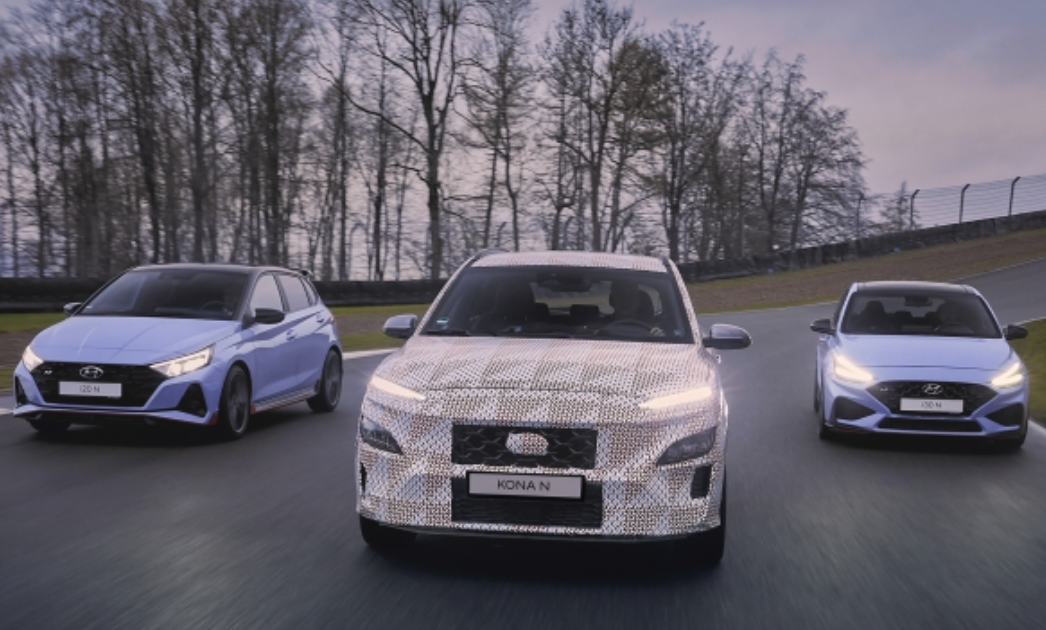
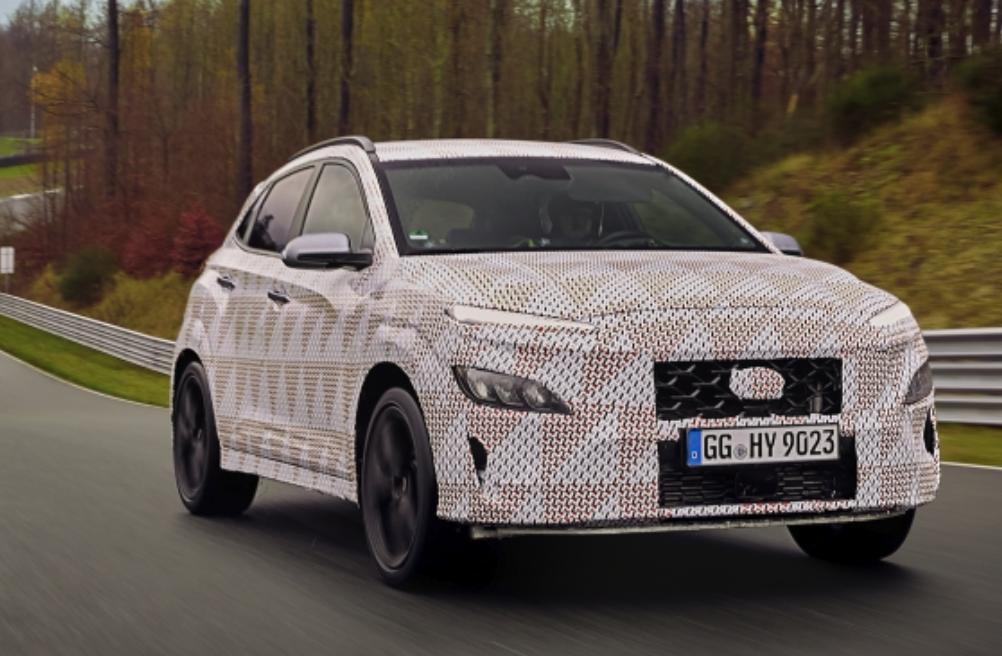
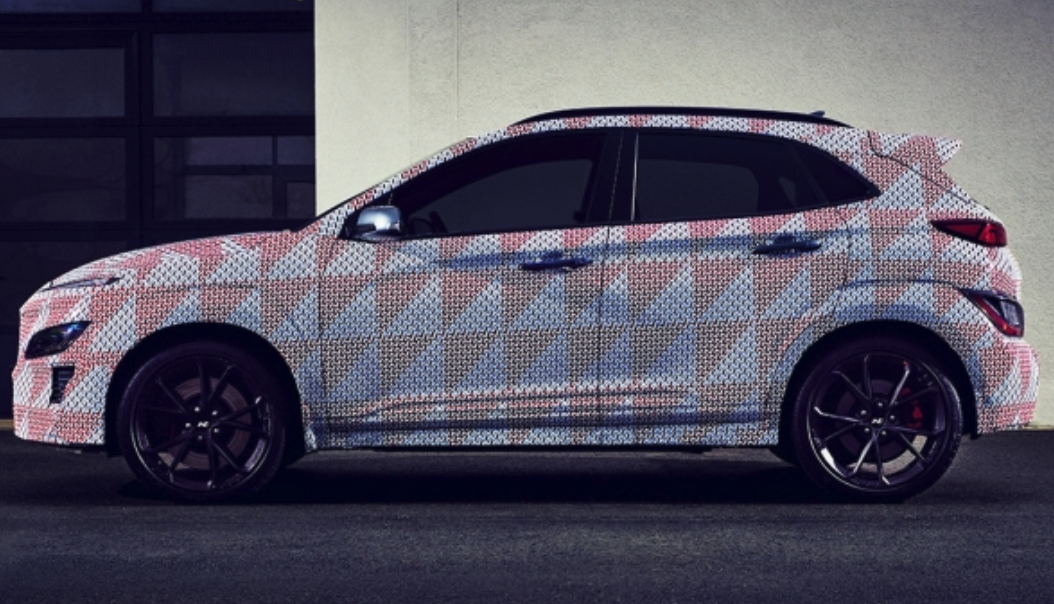
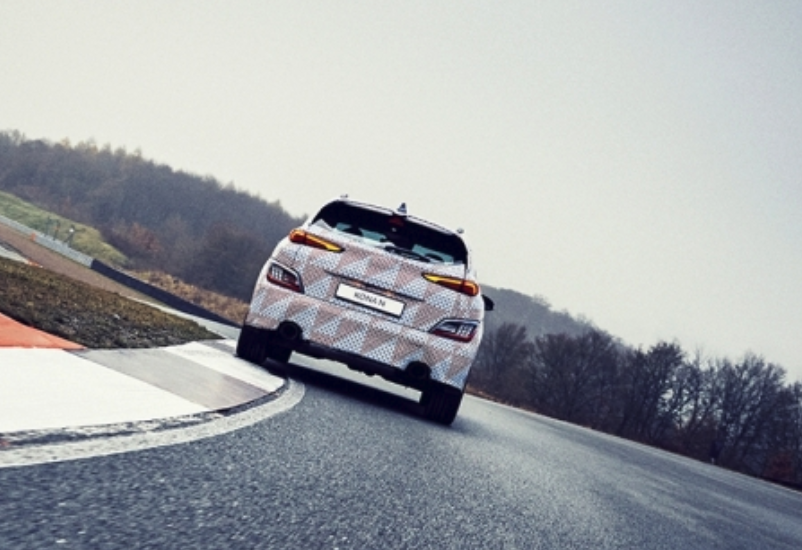
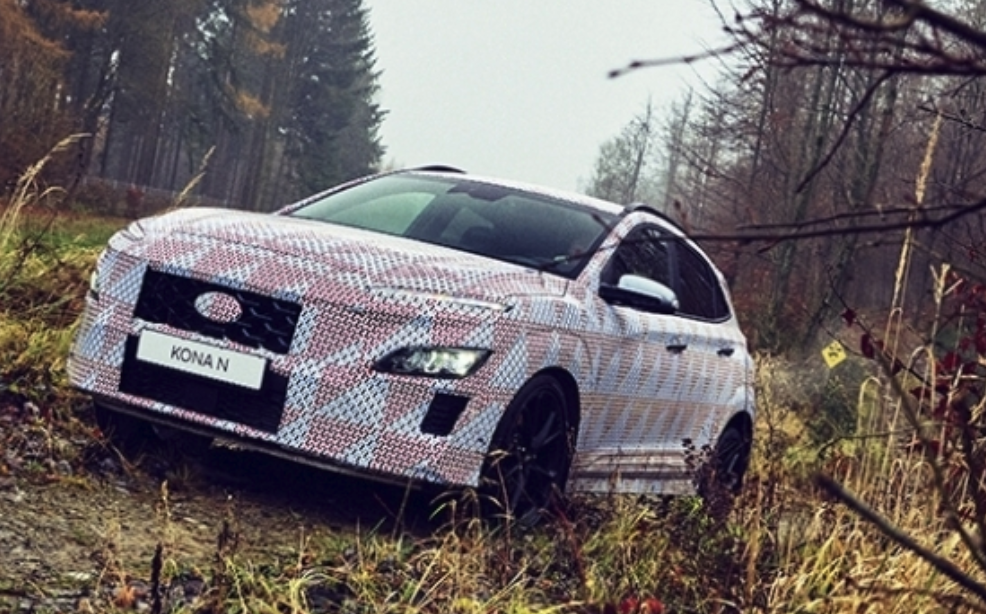
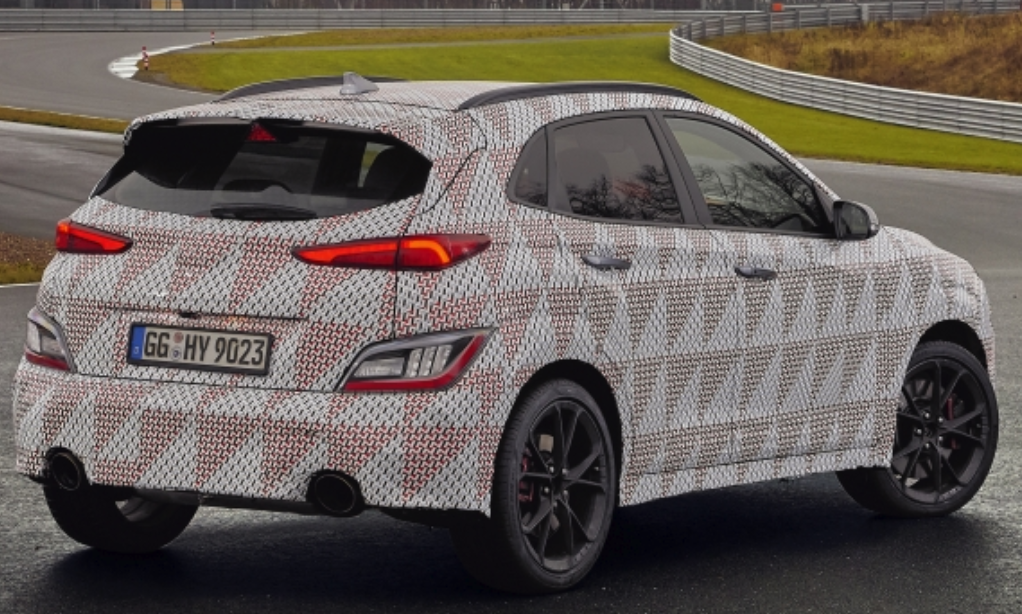
THE performance flagship version of the Kona compact sports utility has been revealed undergoing testing in Germany.

Hyundai has provisioned images of the new variant, and while the car’s camouflage obviously destroys opportunity to achieve an unexpurgated view, they do reveal some details, one being that the high-performance SUV will ride on 19-inch forged alloy wheels shared with the i30 N hatch.

Hyundai has also officially confirmed that the model will run a 2.0-litre turbocharged petrol engine, mated to an eight-speed dual-clutch automatic transmission.

While outputs have yet to be announced, it's fully expected they will match the 206kW and 392Nm extracted from the same engine under the bonnet of the facelifted i30 N. 

As for transmission choices? The hatch is about to pick up an eight-speed direct shift transmission as an alternate to the six-speed manual it has run with since launch two years ago. There’s talk the Kona might follow the same course. What’s still also subject to conjecture is whether it is running all-wheel-drive; some say it will be front-wheel-drive.

The powertrain will accompanied by "a variety of high-performance driving features" including launch control and a sports exhaust, according to an international release from the brand.

 Today’s release also promises the car will make its full debut “in the coming weeks”, with production beginning soon after. Hyundai NZ has yet to offer comment on these images, but has previous expressed strong interest in achieving a performance Kona.

Power games – the local EV rollout for 2021

More brands, more cars, more choice – expect plenty of action as the battery car charge intensifies all the more in NZ this year.

259180_Volvo_XC40_Recharge_Battery_Package.jpg

 LAST year brought some astounding introductions to the electric vehicle sector – not only brilliant new prestige models for those unrestricted by budget consideration.

We also witnessed the cheapest new electric car in the market getting even cheaper; a repricing of the MG ZS EV to $48,990 was a surprise bombshell – that sticker being  $7000 below a price first proposed that, in itself, would have positioned this model advantageously. 

As is, NZ motorists are now enjoying their first sub-$50,000 brand-new fully electric car, retailing for $1000 less than the ‘special introductory price’ that was offered to the first 50 orders, when that book was opened in 2019.

It’s hard to see that feat being bettered in 2021, but perhaps it might.

 Certainly, we’ll have even more electric cars to consider this year, several  from mainstream makers, including a market leader which is fully versed in the art of successful sales craft.

So, anyway, here in alphabetical order are the new EV models slated to arrive within the next 12 months.

 Audi RS e-Tron GT

E-Tron GT RS.jpg

AN electric fan blowing down a long metal cylinder … captured by specialists and further modified and built on was among a total of 32 individual audio elements that have gone in creating the special sound track that gives Audi’s performance EV rather special aural signature. It’s said to be something similar to a jet engine powering up, with the noise modulating based on the engine data, before it is projected from a loudspeaker at the front of the vehicle. Speed and throttle position change the tone.

Sounding a bit strange? Well, noise is important to cars, but for a different reason in respect to EVs. For sure, Audi would like to create a frisson of excitement, but also they’re having to bear in mind that the European Union and the United States have introduced regulations mandating all electric cars emit an external sound for the benefit of pedestrians – up to 20kmh and 32kmh respectively.

It’s doubtless an element of the first Audi RS model to go fully electric, skipping the plug-in hybrid stage altogether and beating hi-po rivals BMW M and Mercedes-AMG to market with emissions-free motoring, that will be a subject of some discussion when this hot shot lands around mid-year.

In terms of performance temperature, think an obvious barometer. The RS E-Tron GT is very closely related t the Porsche Taycan; they are not doppelgangers in styling nor in technology application, outputs alter as do even electric motor count (plus they’re built in different factories), but they do use a common platform.

The GT will deliver is two formats, the RS being the top dog. In the latter power comes from high-energy 83.7kWh (93kWh gross) battery that feeds two synchronous motors – a 175kW motor powers the front axle and is shared with the regular e-Tron GT, but the rear is larger and more powerful, at 335kW. Just like the Taycan, there’s a two-speed transmission on the rear axle, and a focus on coasting rather than recuperation to extend battery range. 

Charge times will also be equivalent to the Taycan, with a maximum DC charging capacity of 270kW, for a theoretical 100km of range in 5 minutes. A 50kW DC charger boosts the battery from five to 80 percent in around 1.5 hours, or 22kW AC charger from 0-100 percent in around 4.5 hours.  

As with Porsche, Audi is also about impressing how the GT’s seriousness by reminding that not only is it coming out of the same high-tech plant as the R8 supercar north of Stuttgart in Germany but (and take this as a thinly-disguised swipe at Tesla) the build quality will be superb. For instance, Audi is employing precision machines that can measure surface inaccuracies on the bodywork within 0.2 of a millimetre.

 BMW iX

BMW iX.jpg

BMW'S first electric SUV built from the ground up on a new EV platform shares exterior dimensions of an X5, is as tall as an X6 and has the wheelbase of an X7, with very high specification and plush appointments in two levels of bodywork, a standard look and a sport enhancement with more rakish styling elements.

The cockpit uses a lot of inspiration from the iNext concept, including a hexagonal steering wheel and a vast curved digital displays for the driver and front passenger to use.  

It also features BMW's new ‘fifth-generation’ electric powertrain tech. We are told that the car will be powered by two electric motors (with no rare earth elements), producing 'more than' 370kW, which comprehensively beats the 300kW EQC and e-tron 50 and 55 (respectively 230kW and 300kW).  

Apparently the iX will do 0-100kmh in under five seconds, but of greater importance is the efficiency and range between charges. BMW expects the car will average 21kWh per 100km on the WLTP cycle, resulting in a range of more than 600km from its 100kWh battery pack.

Recharging times are also impressive … when the right hardware is in place. The iX3 can be DC fast-charged at up to 200kW, allowing 10-80 percent charging in under 40 minutes, or 120km range for 10 minutes of charge.  

The car premieres a new aluminium space frame that supports an inner carbon cage fabricated from CFRP – for composite plastic and carbon-fibre-reinforced-plastic – covered with a body made out of a combination of aluminium and CFRP. The latter is a material BMW has become accustomed to working with as it features intensively in the i3 and now discontinued i8 plug-in hybrid sports car.

For the first time in a modern-day BMW model, the iX will feature a fixed clamshell style bonnet. A series of aerodynamic developments, including the blanked-off grille, minimal air ducting within the front bumper, flat underbody panelling, integrated door handles with an electronic opening mechanism and the tapered glasshouse, contribute to a claimed drag coefficient of 0.25.

Full LED main beams are standard, though buyers will also be able to specify BMW’s Laser lights as an option. At the rear, the iX’s narrow tail lamps receive LED functionality as standard.

Look for it in the second half of 2021.

BMW iX3

BMW iX3.jpg

 Likely to be pitched as a competitor for three like-sorted models already on sale here - the Mercedes EQC, Audi e-tron and Tesla Model X – though differing from those in being more obviously based on an existing model.

The iX3 nonetheless represents an important step. It’s not just BMW’s first electric SUV, but also the first BMW to be available with either pure combustion, plug-in hybrid or pure electric power. 

 The X3’s platform has been adapted with a new rear sub-frame that houses a single electric motor and an 80Wh battery pack – yes, it’s exclusively rear-drive - that, BMW says, is 20 percent more energy dense than any battery it has used before.  

Output is to the tune of 210kW and 400Nm and a 6.8-second 0-100kmh sprint is claimed. BMW says it’ll provide an impressive 460km range, as determined on a WLTP test cycle. Using fast-charging, the iX3 is capable of receiving 80 percent charge in 34 minutes. 

BMW is talking up the car’s adaptive energy recuperation system, which it claims automatically enhances efficiency on longer drives. Using location data from BMW’s latest cloud-based navigation system, the iX3 can autonomously change the level of braking recuperation on the move and according to the road ahead. For instance, if the car recognises that a stop sign is ahead, full recuperation will be deployed without any need for the driver to select it. 

Alternately, the driver can take manual control of the regenerative braking, with three levels of resistance availed. A ‘B’ position on the Drive selector enables high enough energy recovery for one-pedal driving around town, a trick the brand appears to have nabbed from Toyota/Lexus.  

The iX3 gets a unique tune for its standard adaptive suspension system with electronically controlled dampers. Alternately, buyers will be able to specify a sportier Adaptive M suspension setup. 

The front grilles are closed off for aerodynamic purposes and the bumpers have been reprofiled and it gets set of aerodynamic wheels styled to reduce the drag coefficient by around five percent compared with regular X3 wheels. 

Arrival? We’re thinking it’ll time pretty much with iNext. 

Ford Mustang Mach E

Mach-E.jpg

Okay, so this one’s a bit of a punt. Ford New Zealand says the only electric car it can officially confirm as a definite 2021 starter here is the plug-in hybrid version of the Escape. And, of course, they’re looking at a fully battery-propelled Transit in 2022.

When asked about the Mach-E, spokesman Tom Clancy replied: “I would love to confirm Mach-E for New Zealand – from all reports it’s an excellent and exciting vehicle – but can’t at this time.”

So that’s not a no, and the reason why there’s a chance the electric Mustang (and yes, petrolheads, like it or not, that is what it officially is) sports utility could be coming is because it’s starting to reach the United Kingdom and, also, there’s growing conviction from Australia that they’ll achieve the car before next Christmas.

What is for sure is that, whether it’s a 2021 arrival or later, there’s every likelihood NZ will at some stage be down to take Ford’s first mass-market electric car in its 116-year history.

You should be excited.  Ford says this all-new car is a true pony express; the range-topping Mach-E GT will hit 100kmh in under four seconds, thanks to an all-wheel drive layout channelling the 342kW and 830Nm outputs of a 75.7kWh lithium-ion battery (a 98.8kWh extended range battery is available).

Ford is claiming a range of 480 kilometres from a full charge using its extended-range rear-wheel-drive car.

Hyundai Kona Electric 

Kona electric.jpg

This is the mid-life update version of the car that NZ has known for more than a year. The refresh delivers a cleaner front-end design, aerodynamic tweaks and a restocked safety suite that complements improved interior technology.

It retains the single 64kWh lithium-ion battery pack, but the charging port has moved to place asymmetrically between the front headlights, having previous been sited slightly to the passenger side. Charge time is claimed to take 47 minutes when done with a 100kW DC fast charger.

We’d expect to see this in the first half of 2021.  

Kia e-Niro

Kia e-Niro.jpg

Where Hyundai goes, the subordinate marque generally follows.

Once again, this is a facelift. There’s not too much info around, but as with the original pitch, it’s likely to be outdone by its Hyundai Kona cousin for style but  

Chances are NZ will see only the more powerful of two battery options, which should see it travel 450kms between charges. 

Lexus UX300e

Lexus UX300e.jpg

Built on Toyota’s GA-C platform, this version of the smallest Lexus crossover runs a front-mounted motor that produces 150kW and 300Nm of torque.

Energy comes from a 54.3kWh underfloor lithium ion battery offering a claimed range of around 315km on the official WLTP testing regime. It's capable of 0-100kmh in 7.5 seconds, has a top speed of 160kmh and an optimal range of 400km.

The model’s high-rate lithium ion battery is capable of DC replenishment and rapid-charging from zero to 80 percent takes 52 minutes. It features a number of driving modes so that the performance of the motor can be better managed, along with paddles to alter the strength of the regenerative braking.

 Lexus says the drivetrain has been developed with a focus on on-road performance and the goal of offering a quiet and refined driving experience. Extra bracing has been added over the regular UX hybrid and the dampers reworked to maintain optimum weight distribution.

Prioing has yet to be discussed, but the plan is for the UX300e to form a new “flagship” of this family range so expect to pay more than the $70,300 asked for the current line-topping UX250h AWD F-Sport.

Mazda MX-30

MAZDA_MX30_2769.jpg

Two flavours for 2021 – mild hybrid and full-out electric – with a third, this delivering as a full electric but with a small petrol-fuelled engine (yes, a rotary) likely to follow perhaps next year. 

The Hybrid is powered by a 2.0-litre, four-cylinder petrol engine paired to Mazda's M Hybrid system, producing maximum outputs of 114kW and 200Nm through a six-speed automatic transmission sending power to the front wheels only.

The addition of the mild-hybrid system means the model's official fuel consumption figure is reduced to a claimed 6.4L/100km on a combined cycle.

The MX-30 Electric, meanwhile, looks much the same as the mild hybrid car, save for some subtle electric badging on the exterior and a combined AC/DC charging point where the fuel cap would normally be – on the rear right-hand side of the vehicle.

 The electric model is powered by a 107kW/271Nm electric motor on the front axle and boasts a 35.5kWh lithium-ion battery pack mounted beneath the floor. Range is modest, up to 200km on a single charge according to the World harmonised Light vehicle Testing Procedure (WLTP). That’s less than some of the MX-30's key competitors, but Mazda’s not sweating it. A smaller battery means quick recharging; three hours to recharge on an AC socket, or roughly 36 minutes on a 50kWh DC fast charger 

In terms of sizing, at 4395mm long, 1795mm wide and 1555mm tall, the MX-30 is in the same category as the CX-30, with a 311-litre boot on both the electric and mild-hybrid variants.

The model’s most discussed design feature are pillar-less freestyle doors, inspired by those on the Mazda RX-8 sports coupe (and kinda like those on the BMW i3), which open outwards from the central B-pillar point, hinged at the rear. 

The MX-30 has won a 2020 five-star rating from Europe's New Car Assessment Programme. Standard safety kit includes 10 airbags – front, curtain, front-side, rear-side, front far-side (driver) and a driver’s knee – plus emergency lane keeping with blind-spot assist and something called road keep assist, which helps you stay on track even in the absence of lane markings.

There’s also ‘turn-across traffic functionality’ which can intervene in collisions at intersections by activating the smart-brake support system.  

The cabins of both variants are alike. An 8.8-inch screen that sits at the top of the dashboard controls the infotainment system via a rotary dial, while a second lower 7.0-inch touchscreen provides access to the climate controls.

The floating centre console has cork accents as a nod to the brand's history as a cork manufacturer.

The majority of materials used in the MX-30's interior are sustainably sourced or recycled, from the vegan leatherette upholstery om the seats, to the door trim materials which are made from recycled plastic bottles.

Nissan Leaf e Plus

Nisasan Leaf e Plus.jpg

The latest Leaf but featuring a 62kWh battery (up from 40kWh) that can propel the small five-door 384 kilometres on a single charge, representing a 110-kilometre improvement over the standard edition.

Skoda Enyaq iV

201125_SKODA_ENYAQ_SOP-1_JPG.jpg

In addition to the ‘E’ also referencing ‘electric’ and the ‘q’ conforming to an in-house naming practice, the name also derives from the Gaelic girl’s name Enya (which means ‘fire’ and ‘kernel’). The iV part is less clear.

 Good background to chuck into the inevitable discussion owners of this five-seater medium crossover will enter into with those curious to know more about what will not only be the first fully electric Skoda to come on sale here but also the first of numerous cars utilising a Volkswagen Group underpinning that are set to hit New Zealand, not just as VWs but also as Audis and a SEAT.

Skoda’s status as the debutante for the MEB platform on local turf is a happenstance that hasn’t occurred in most places; but fact is VW New Zealand has resigned to not seeing the ID models that advance this tech until at least 2022, starting with the ID 4. Same goes for SEAT, with its car, the El Born.

Enyaq’s NZ release (and price) has yet to be shared, but the local distributor has already started the pre-launch build up. Insofar as specification goes? Well, there’s likely to be plenty to think about; the factory is prepping Enyaq with the options of three battery sizes, five power variants and a driving range of up to 500 kilometres. It also provisions in rear-drive in entry form and four-wheel-drive further up the range and a performance all-paw RS edition with 225kW is on the cards.

In size Skoda’s EV slots between the Karoq and the Kodiaq, being 4648mm long, 1877mm wide and 1618mm tall, on a 2765mm wheelbase.  It classes as an SUV, though realistically that’s just a convenience. There isn't a great deal of ground clearance so don't expect to go very far off-road in it.

However, it is designed to tow (if only up to 1200kg) and will is as roomy as the Kodiaq, with a big cabin – made all the more spacious by the lack of a transmission tunnel – and a 585-litre boot. Unlike some other electric SUVs, there isn't a storage area under the bonnet.

The line starts with the 109kW Enyaq iV 50, driven by a rear-mounted electric motor (so, rear-wheel drive) with a 55kWh battery pack and a maximum driving range of 340 kilometres.

Above this is the Enyaq iV 60, also rear-wheel drive but with a 62kWh battery and a 390km driving range, then the Enyaq iV 80, the highest choice in the rear-motored set. It has an 82kWh battery offering 150kW and up to 500 kilometres’ range.

Beyond this are dual-motor all-wheel-drive 80X and RS variants, also with the 82kWh battery pack, but with a second electric motor driving the front wheels. In this form the 80X has 195kW and the RS another 30kW more. The extra grunt comes at expense of range, but not greatly, with 460km claimed. The RS is the only variant that Skoda has announced a 0-100kmh time for; claiming it’ll smash that in 6.2 seconds. That’s 0.8s better than the fastest current Kodiaq, the RS.

Fast charging is also promised with an 80 percent 'fill' possible from 40 minutes at a 125kW DC-powered station … if talking about the 82kWh models. The onboard 11kW charging unit will enable users with a suitable domestic wallbox to replenish the battery charge in six to nine hours, depending on battery size.

The cabin eschews the usual Skoda instrument displays and instead takes a small digital display ahead of a two-spoke steering wheel plus an augmented head-up display that projects onto the windscreen, as in the Volkswagen ID.3 hatch (which isn’t being considered for NZ incidentally). A centrally mounted freestanding touchscreen sits atop the dashboard, and this will come in two sizes, 10- or 13-inch, depending on model.

Skoda’s bent for practicality reveals with decent interior storage, including a generous console between the front seats. It gets a large wireless charging pad that can charge two phones simultaneously. Oh yes, and it has the trad umbrella.

Skoda has a wide variety of specification grades, starting with Studio, available in the Enyaq 50 alone. Additional Loft, Lodge, Suite and Eco Suite trim levels will be available on the 60 and 80 models, and Eco Suite features more sustainably sourced materials. The 60 and 80 versions will gain the largest touchscreen display, a 13-incher.

Tesla Model Y

Model Y.png

Again, a bit of a punt with this one, at least in respect to timing, as Tesla no longer bothers communicating with media about its cars.

The model, of course, is not secret; the Model Y is a five-seat crossover all-electric vehicle built on the same third-generation platform as the Model 3; think of it as being a more practical, higher-riding stablemate that stands as a smaller alternate to the Model X, albeit not as wacky – so a conventional set of doors here.

Volvo XC40 Recharge 

Volvo XC40 Recharge.jpg

A dead-ringer to the fossil-fuelled XC40 from the kerbside, and from overseas’ reports, it’s not so different in driving feel, either.

Of course, it is a radical departure, in being the first Volvo to sell here – arriving mid-year or so, by the way – to forego hooking up to Big Oil.

Here two electric motors provide a very healthy 304kW and 660Nm to all four wheels. A 78kWh battery (that can charge to 80 percent on a fast charger in 40 minutes) should provide enough juice for the XC40 Recharge to travel between 350-400kms in the real world. 

The strength of the powertrain is sufficient for a claimed 0-100kmh time of 4.9 seconds.

When discussing Volvo, you’ll be wondering about the chances of seeing anything from Polestar, an offshoot which is all about passenger EVs with a performance twist.

Good news. Volvo NZ is in discussion with Polestar with intent to furnish the  Polestar 2 (below) which, unlike the preceding Polestar 1 is produced in right-hand drive.

It will feature 300kW of full electric power and boast a range of 560km. But it won’t be available before 2022, says Volvo NZ boss Coby Duggan.

Polestar 2.jpg